


Skip to content
Mud Journal
Home / Mud Journal

Mud Journal

The Mud Journal shares practical obstacle racing advice, preparation ideas and event day know how. Articles are written for South African participants who want to train well, race safely and enjoy the challenge.

What Is OCR

What Is OCR

A simple introduction to obstacle course racing and why it appeals to many fitness levels.

First Race Nerves

First Race Nerves

Ways to manage pre race anxiety and focus on enjoyment, pacing and completion.

What To Bring

What To Bring

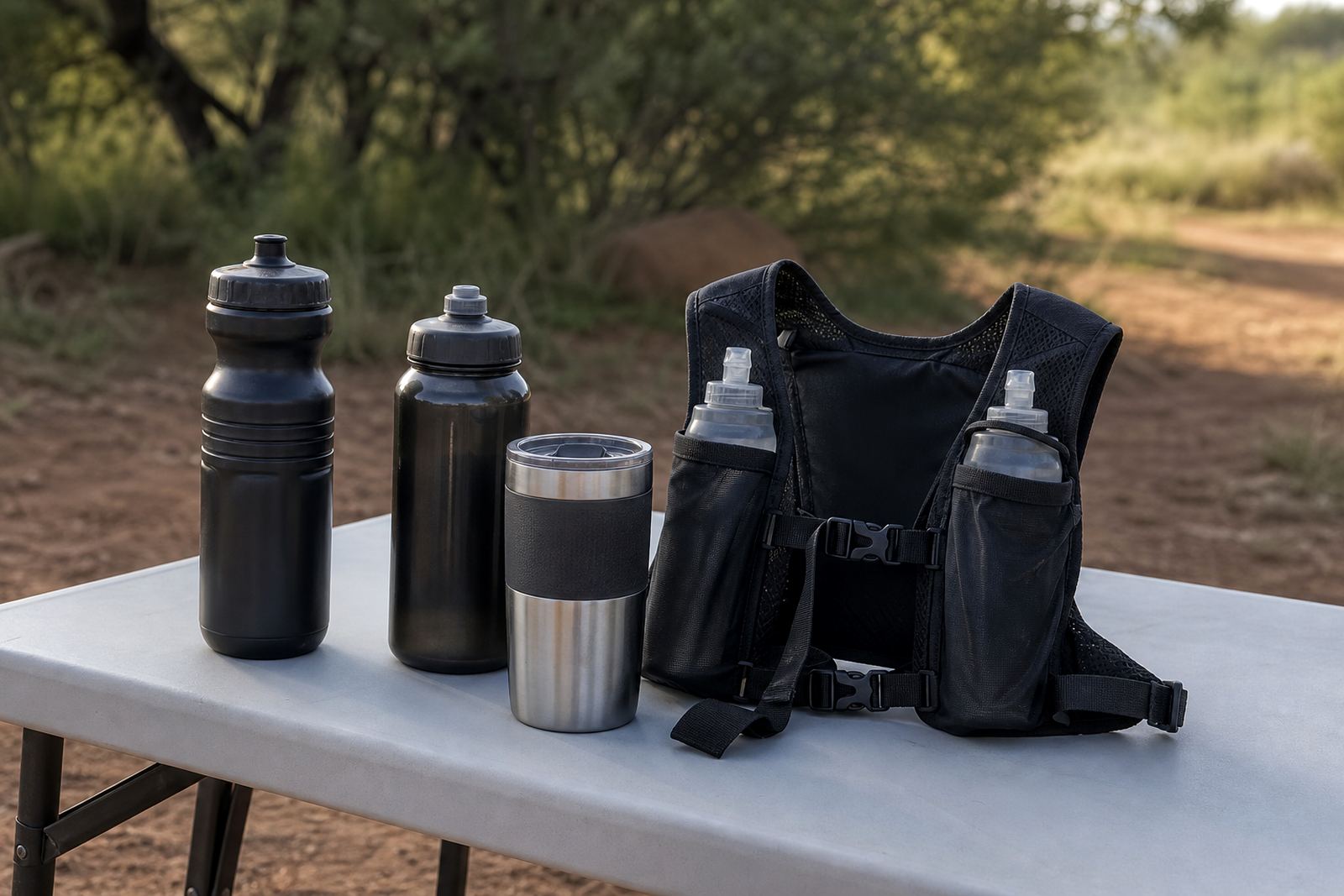
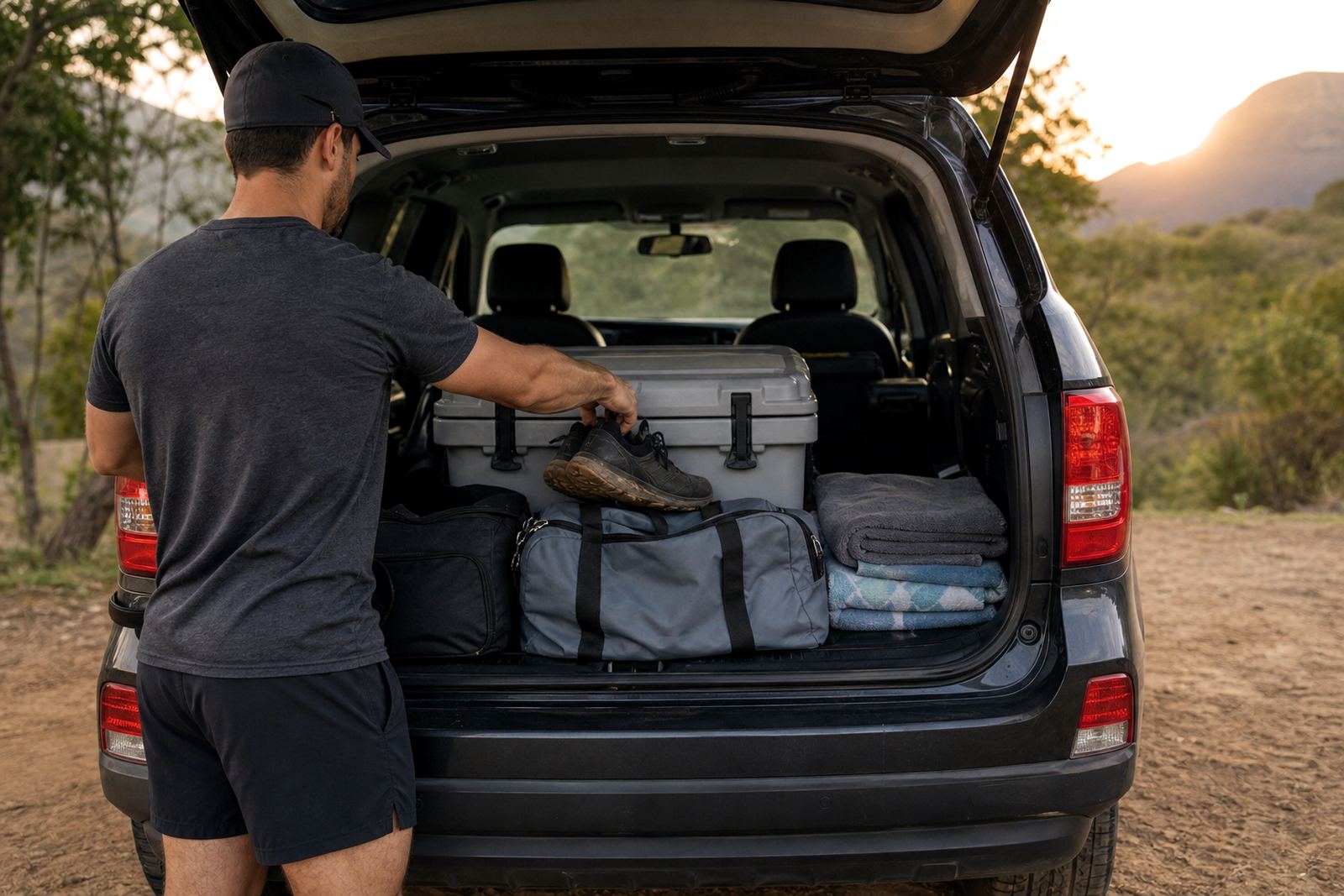
A practical checklist covering clothing, shoes, hydration, towel and a change of gear.

Best Race Shoes

Best Race Shoes

Key features to look for in shoes that handle grip, mud drainage and uneven ground.

Training For Mud

Training For Mud

How to prepare for slippery sections, unstable footing and repeated efforts in wet terrain.

Rope Climb Basics

Rope Climb Basics

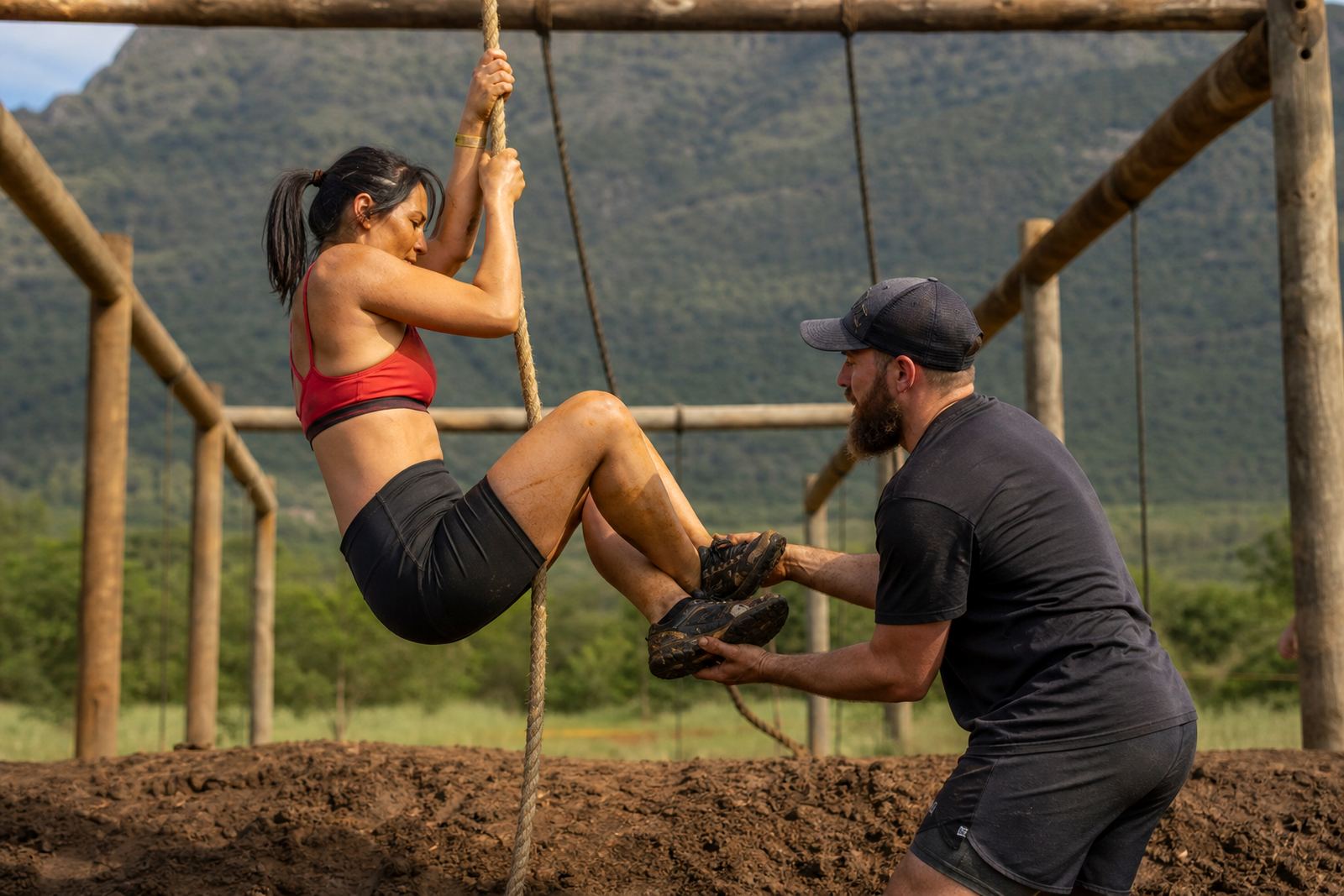
Entry level rope climbing ideas covering grip, body position and controlled movement.

Wall Technique Tips

Wall Technique Tips

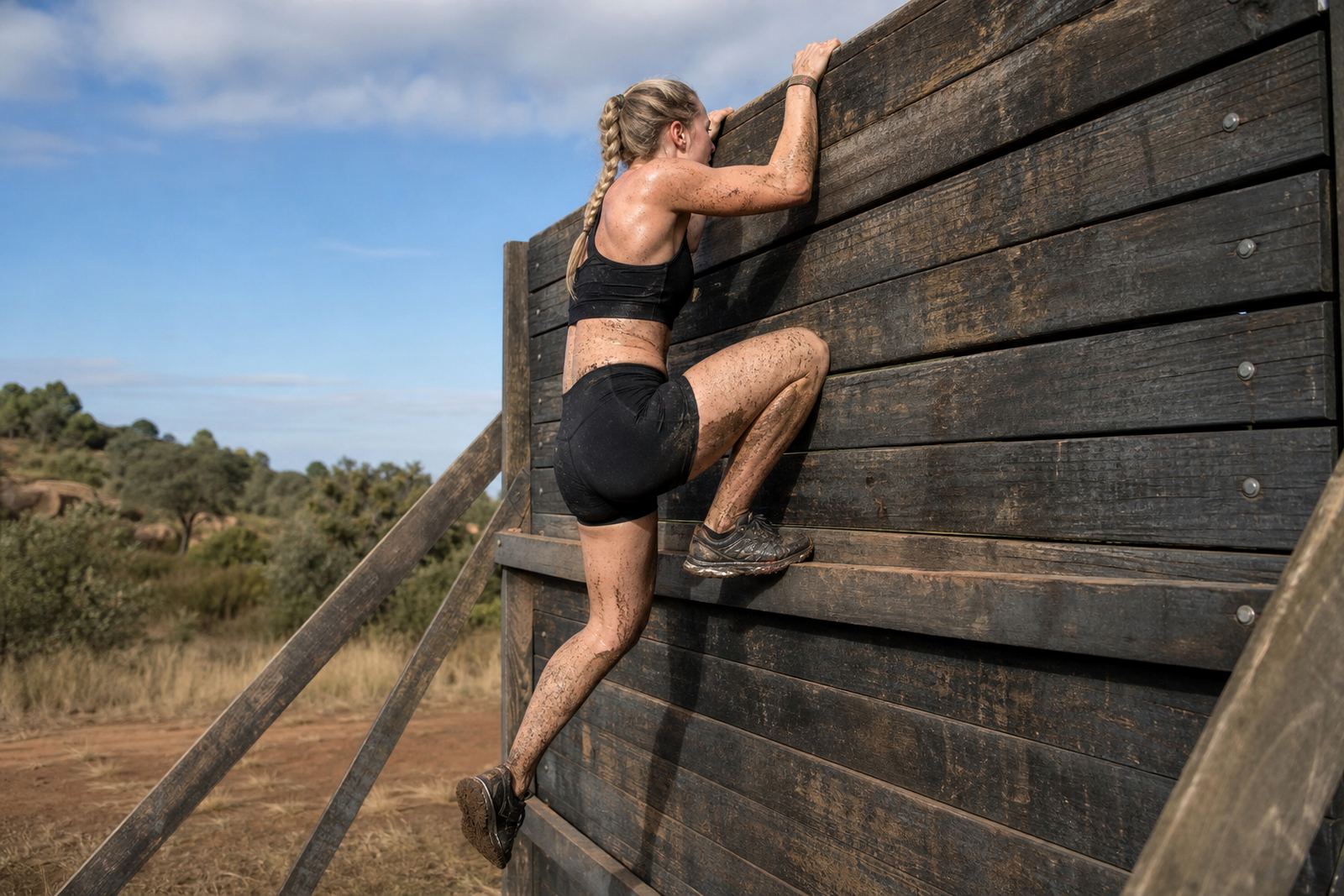
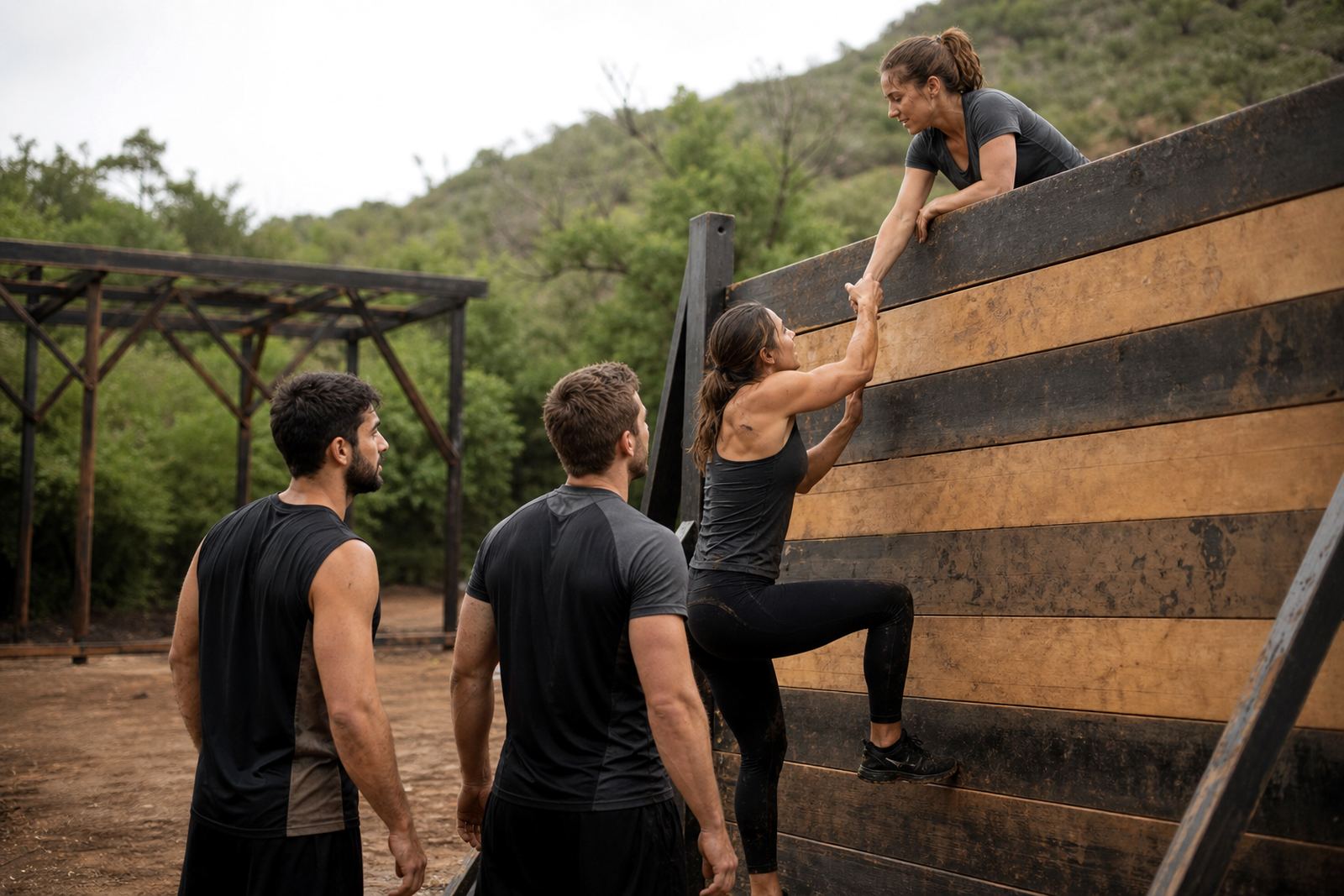
Useful pointers for getting over walls with less wasted energy and more confidence.

How To Carry Loads

How To Carry Loads

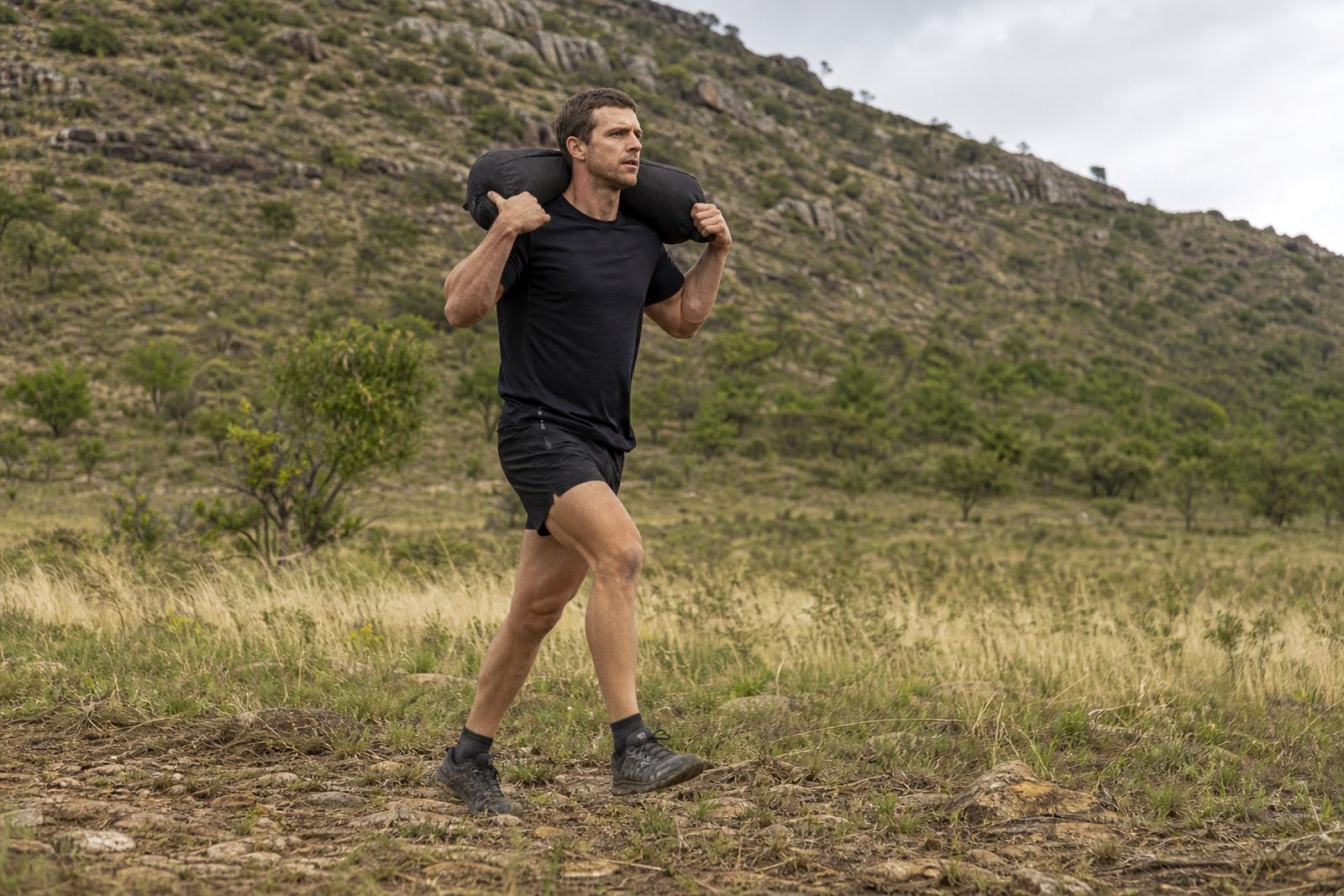
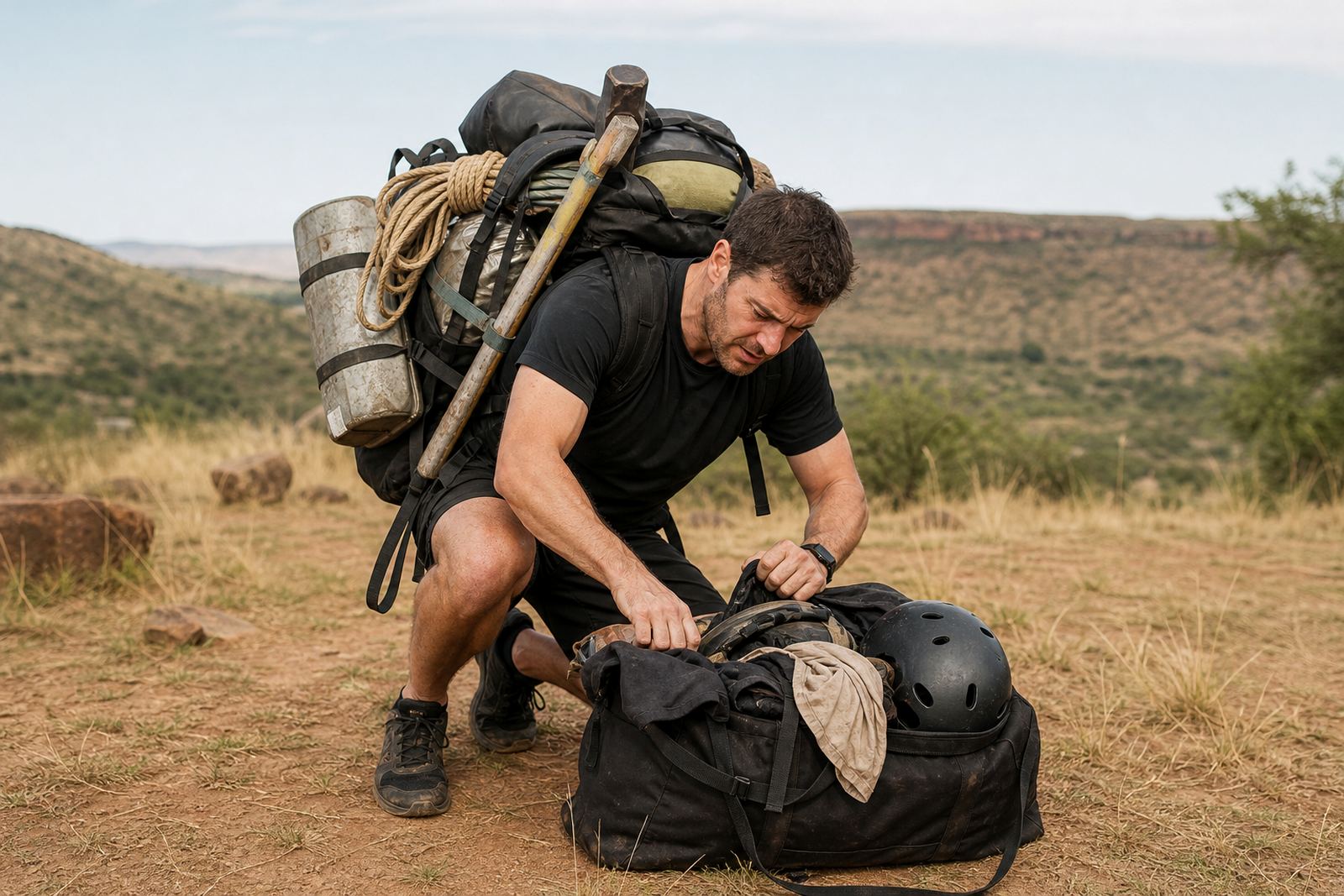
General advice for handling buckets, sandbags and awkward objects during obstacle events.

Grip Strength Ideas

Grip Strength Ideas

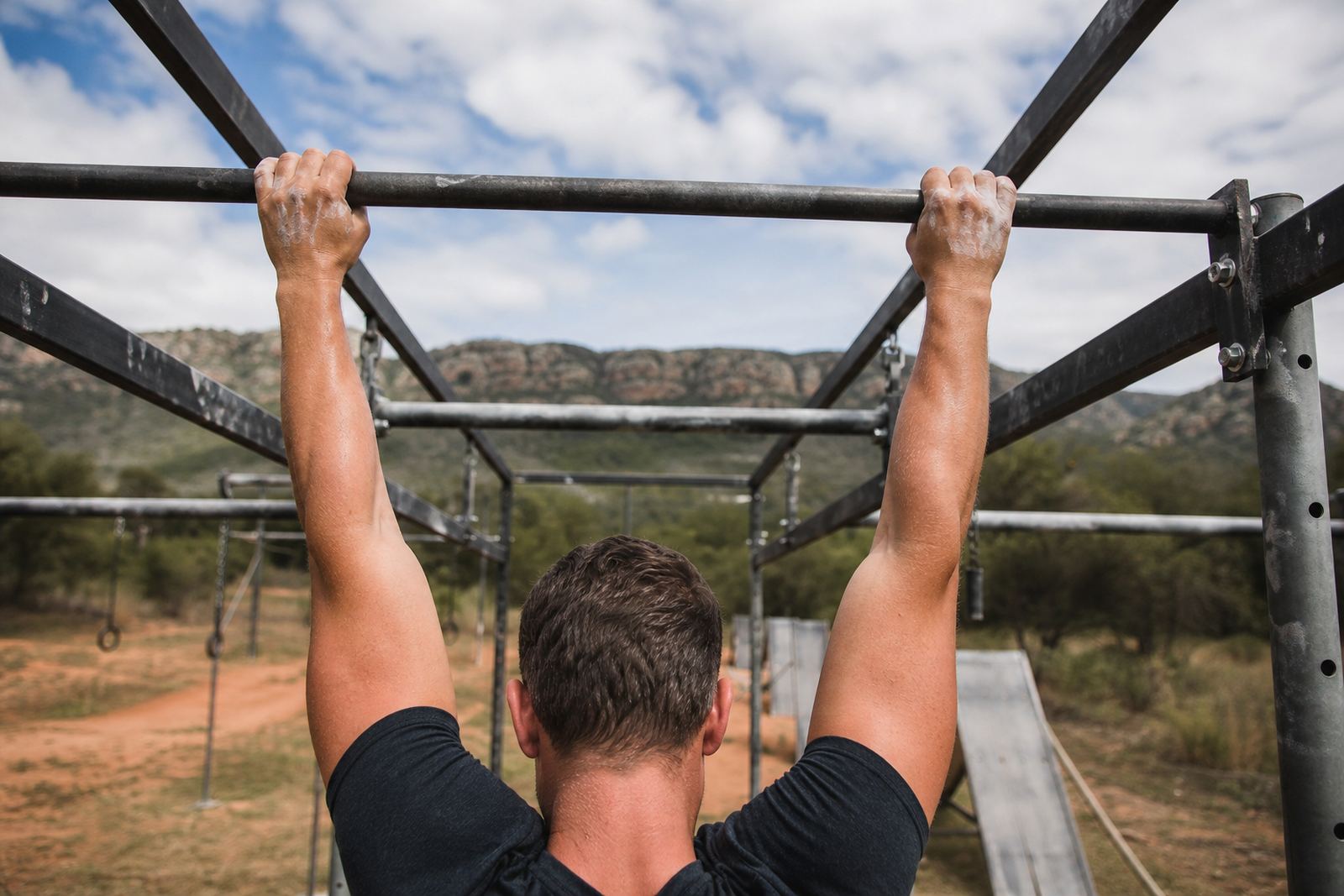
Training ideas to improve hanging endurance and control on upper body obstacles.

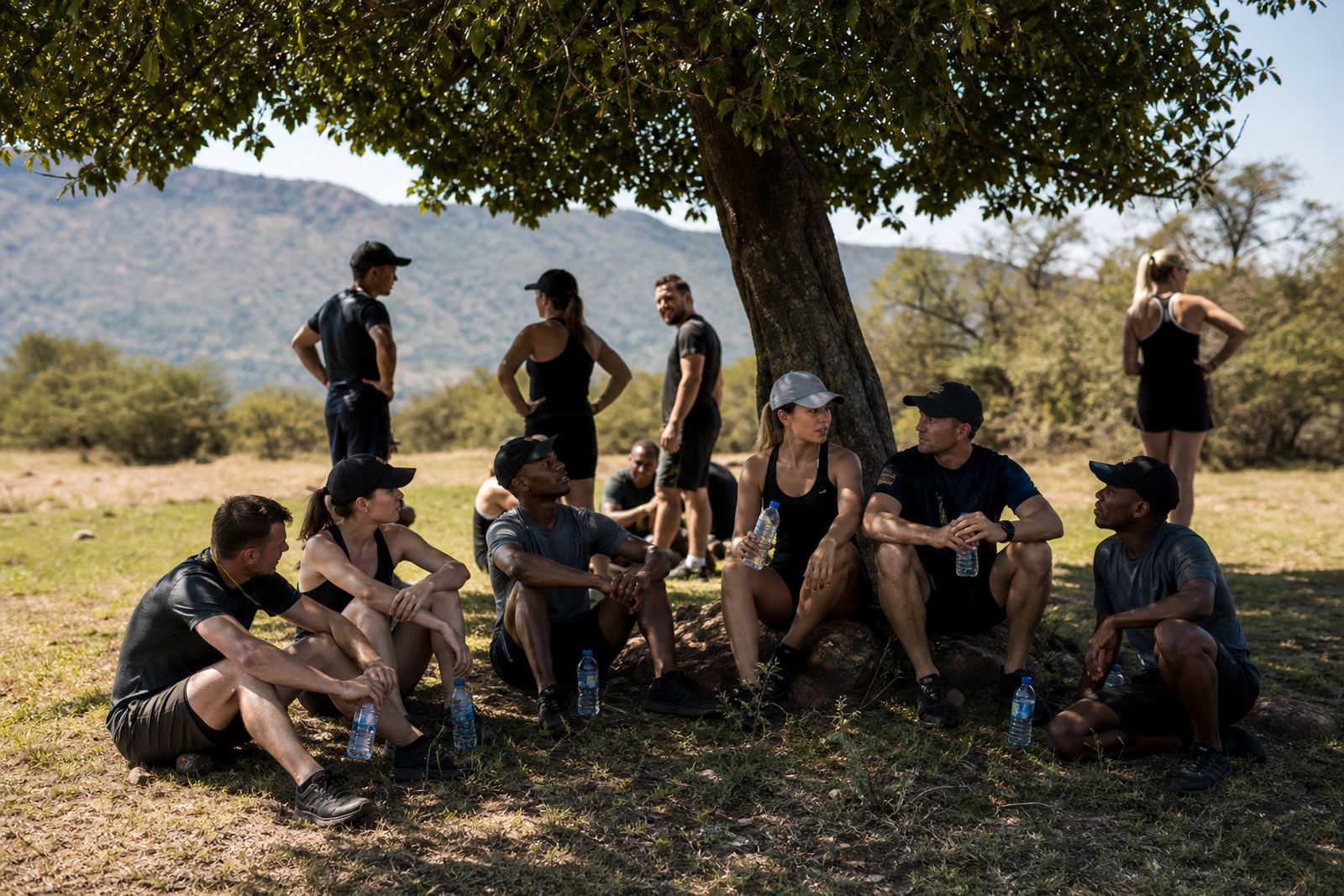
Teamwork On Course

Teamwork On Course

How groups can communicate well, share effort and support each other across obstacles.

Pacing Your Race

Pacing Your Race

Why steady effort often beats early speed when mud, climbs and carries add up.

Hydration Planning

Hydration Planning

A practical look at drinking before and after demanding outdoor exercise in warm conditions.

Warm Up Routine

Warm Up Routine

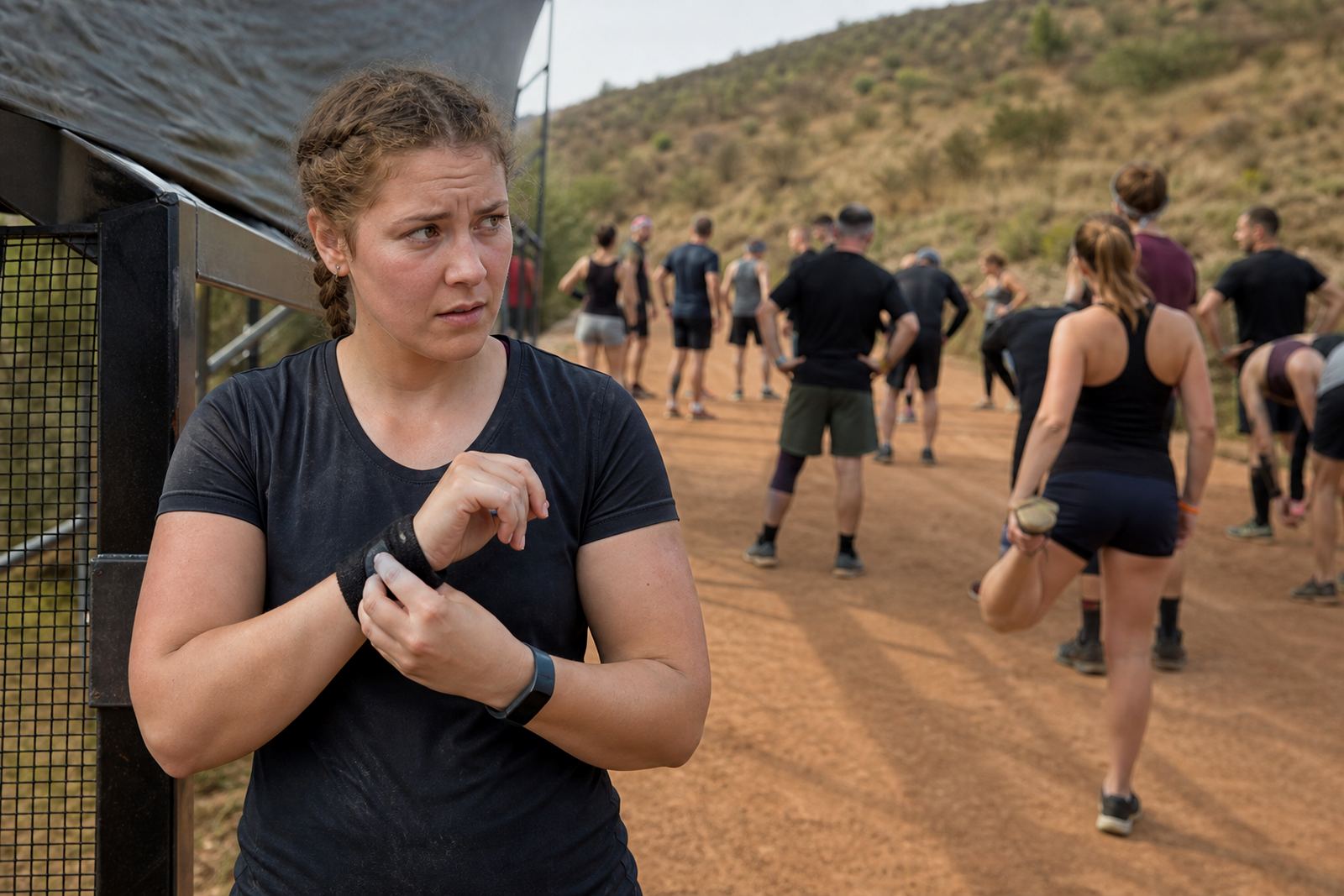
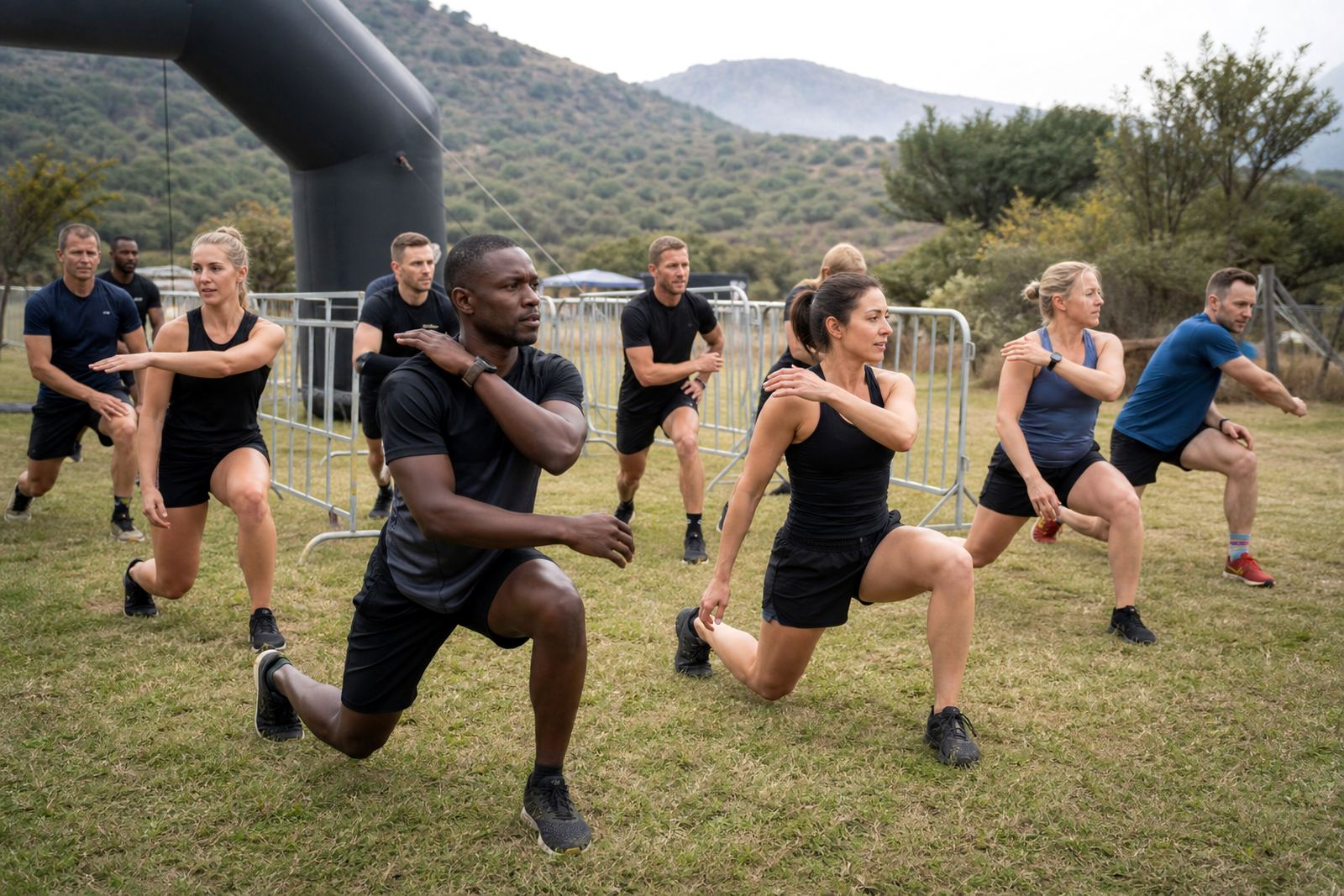
A simple pre race warm up to prepare joints, muscles and focus for obstacles.

Cool Down After Racing

Cool Down After Racing

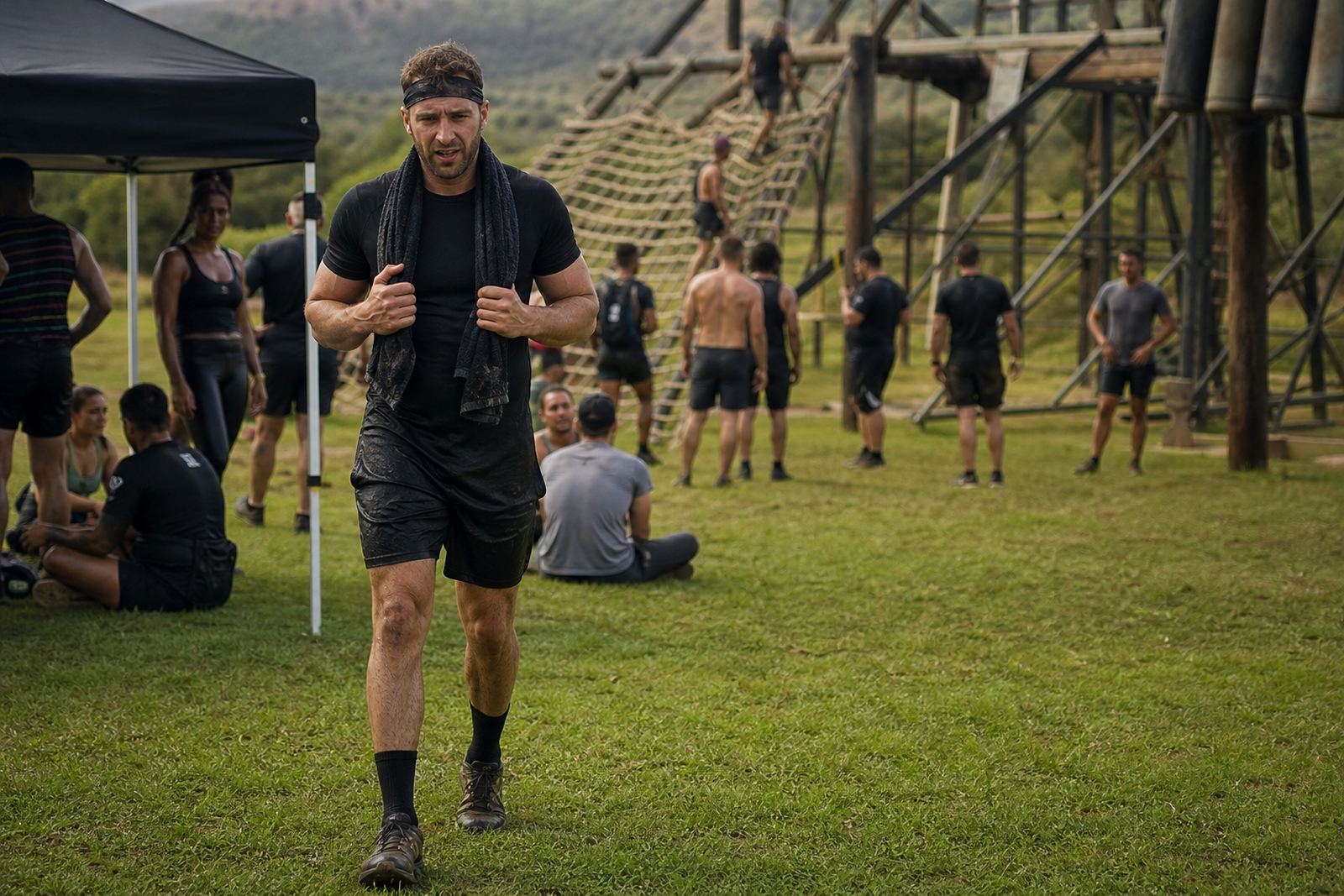
Why gentle movement, dry clothing and recovery habits matter after a muddy event.

Understanding Waivers

Understanding Waivers

A plain language overview of why race waivers are used before participation.

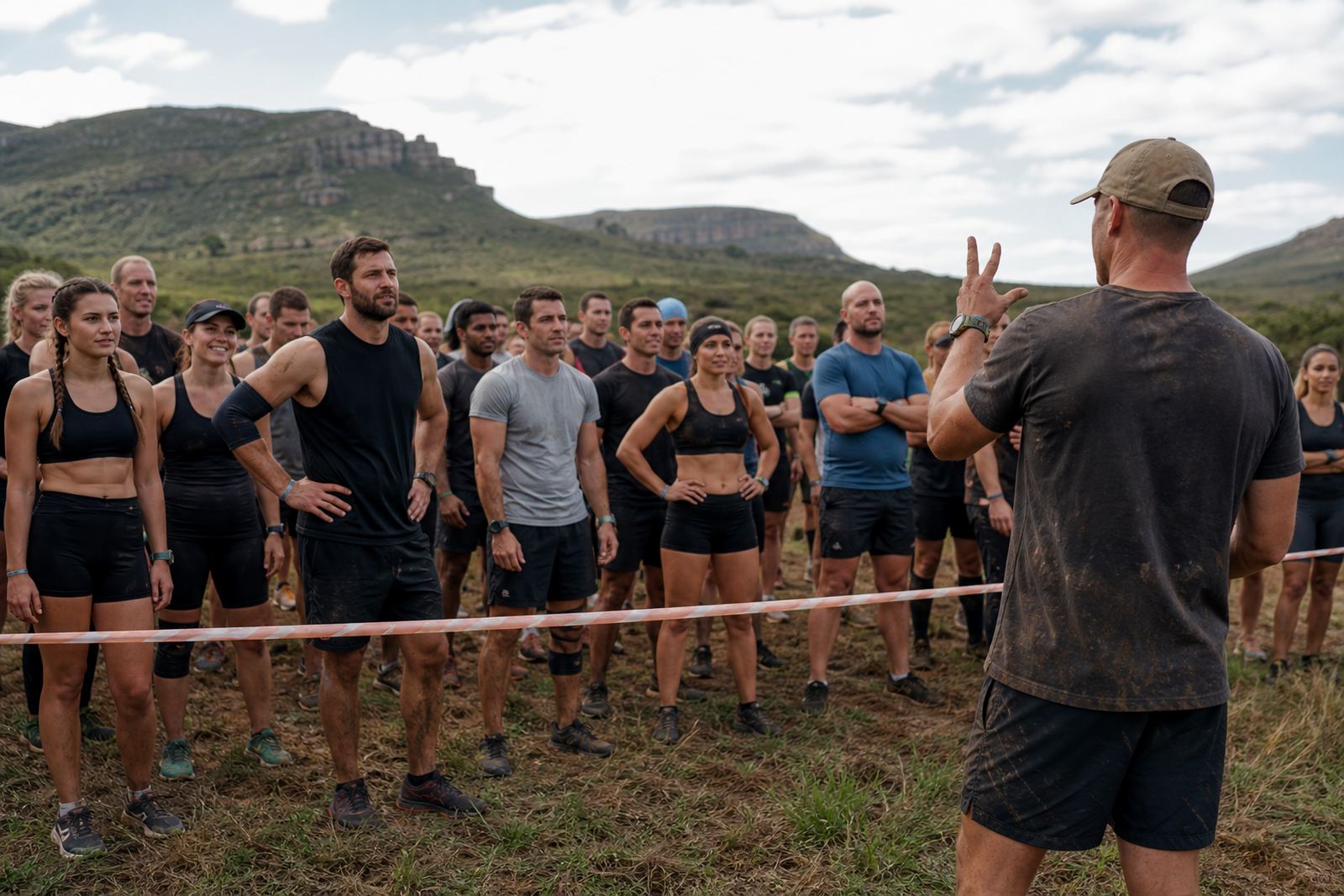
Why Briefings Matter

Why Briefings Matter

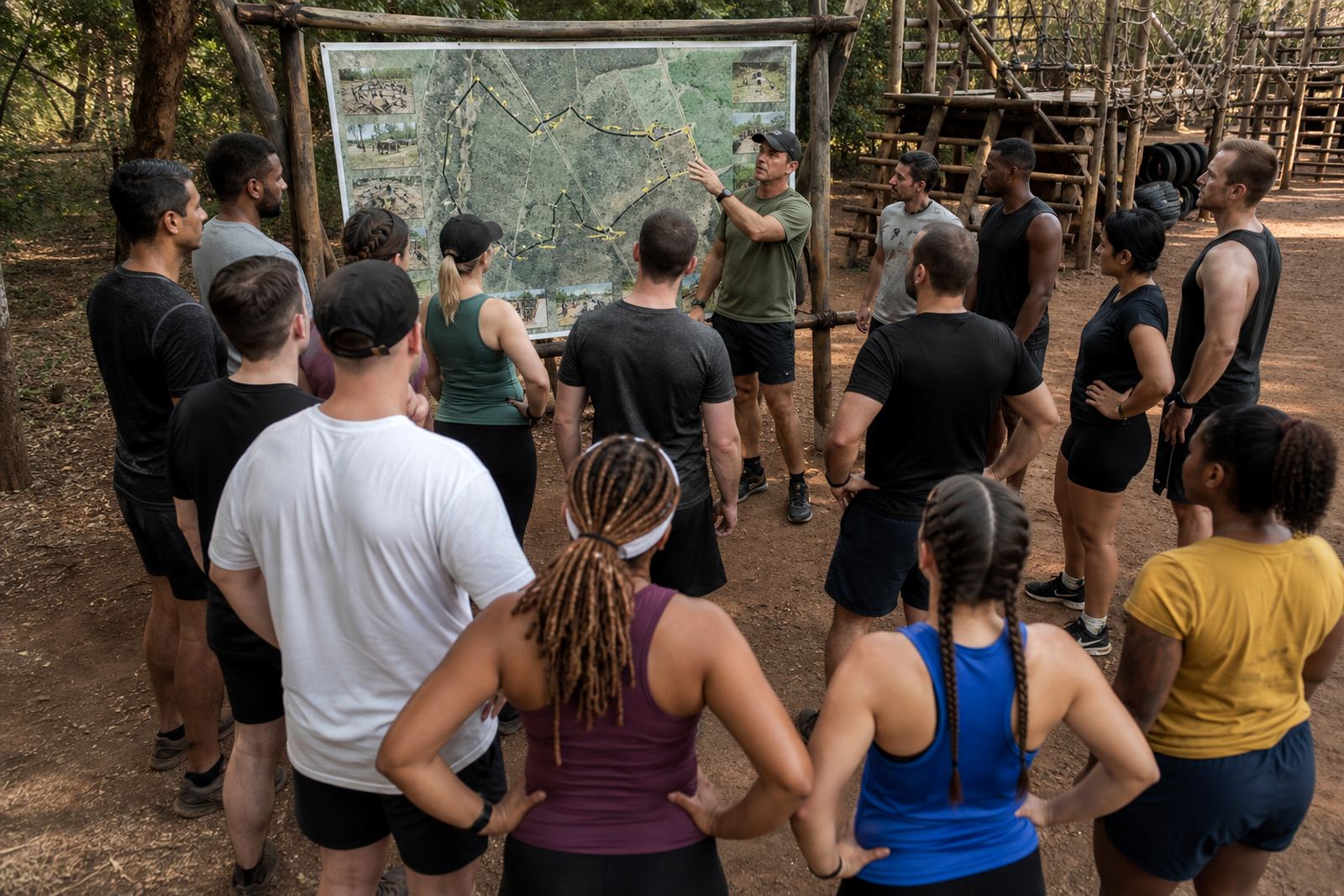
How safety briefings help entrants understand route flow, obstacle rules and venue conduct.

Check With Your Doctor

Check With Your Doctor

A reminder to speak to your doctor before hard exercise if you have health concerns.

Running On Trails

Running On Trails

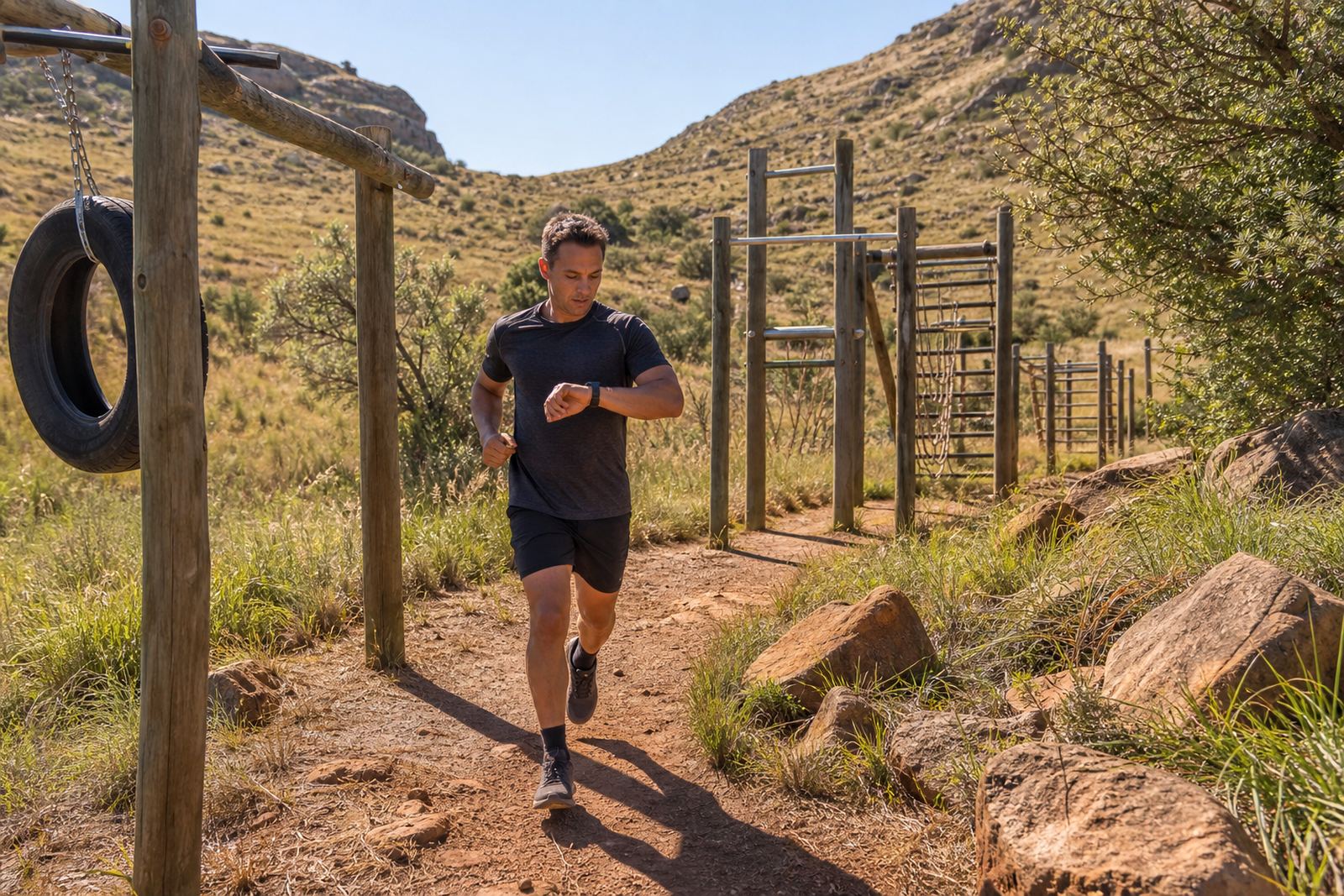
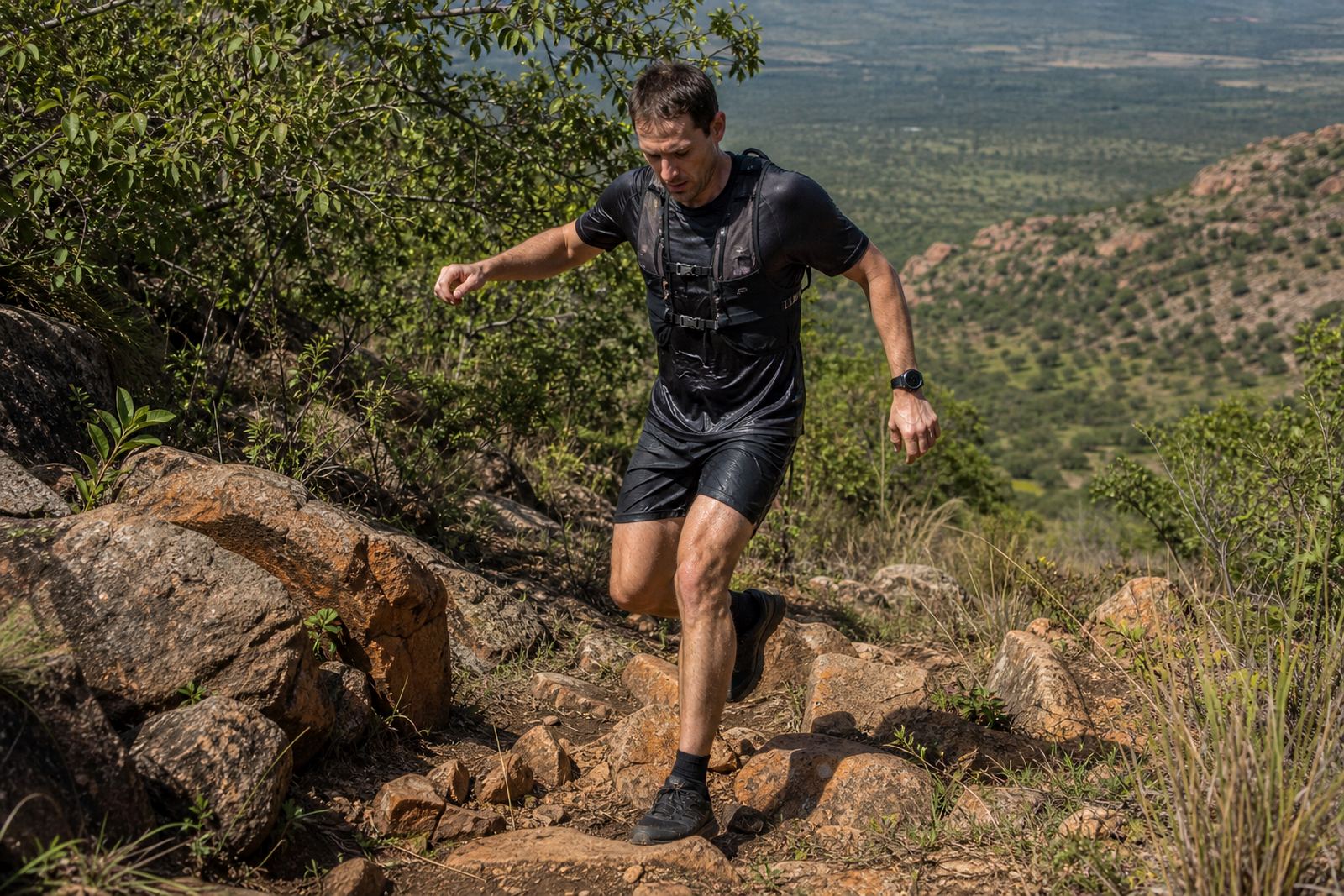
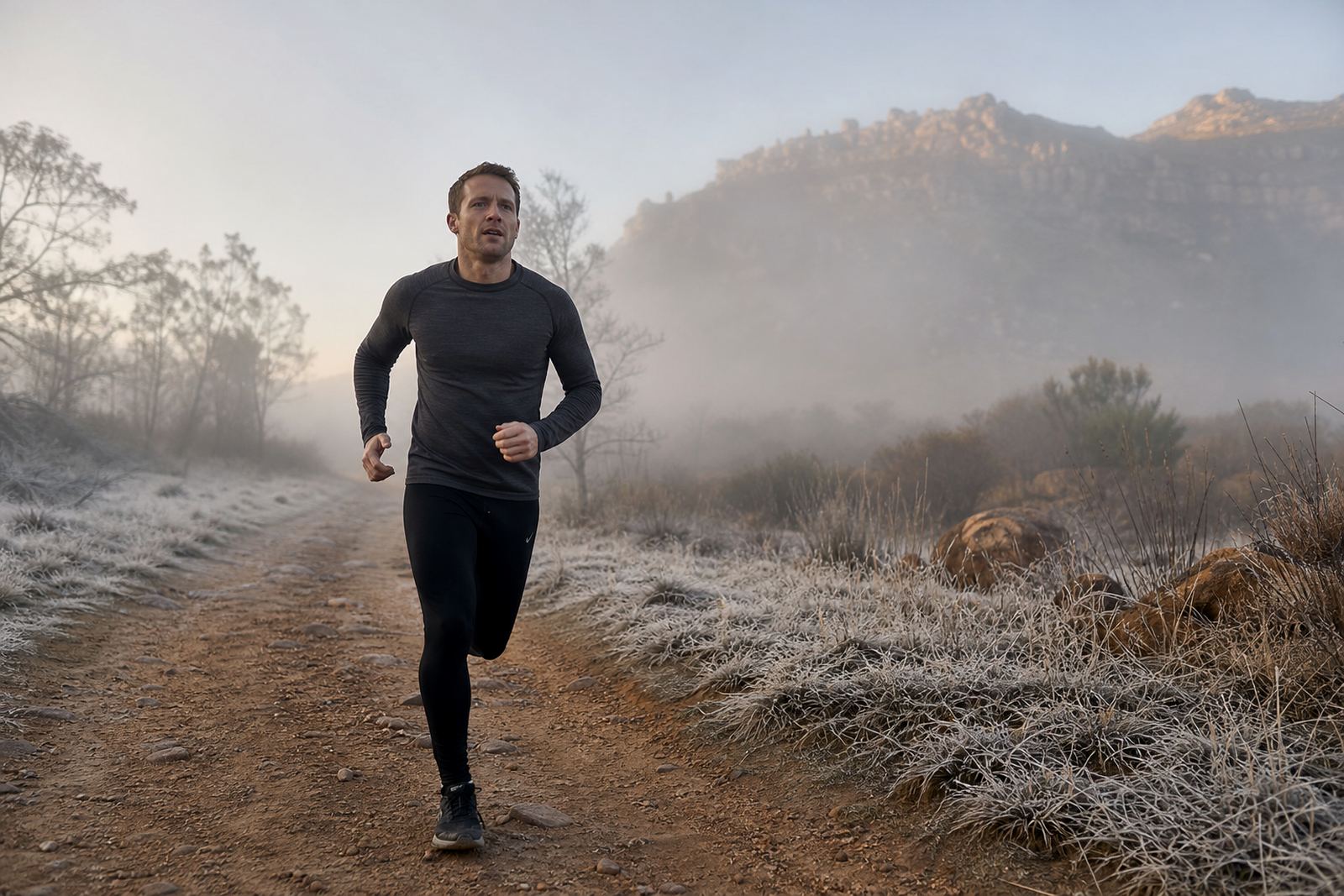
Trail movement basics including footing, cadence and line choice on uneven ground.

Hill Climb Prep

Hill Climb Prep

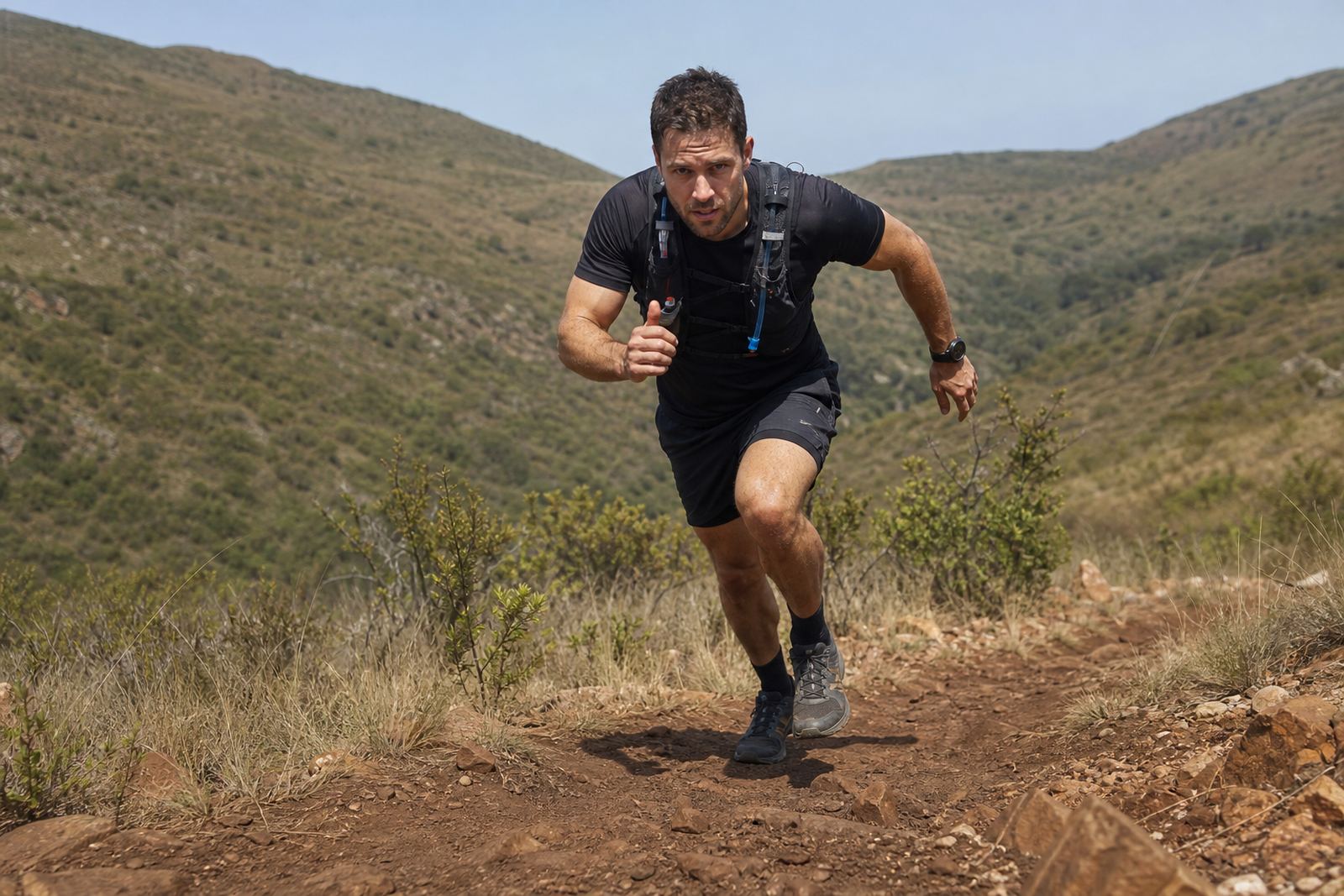
How to train for uphill race sections without wasting energy before obstacles.

Mud Crawl Technique

Mud Crawl Technique

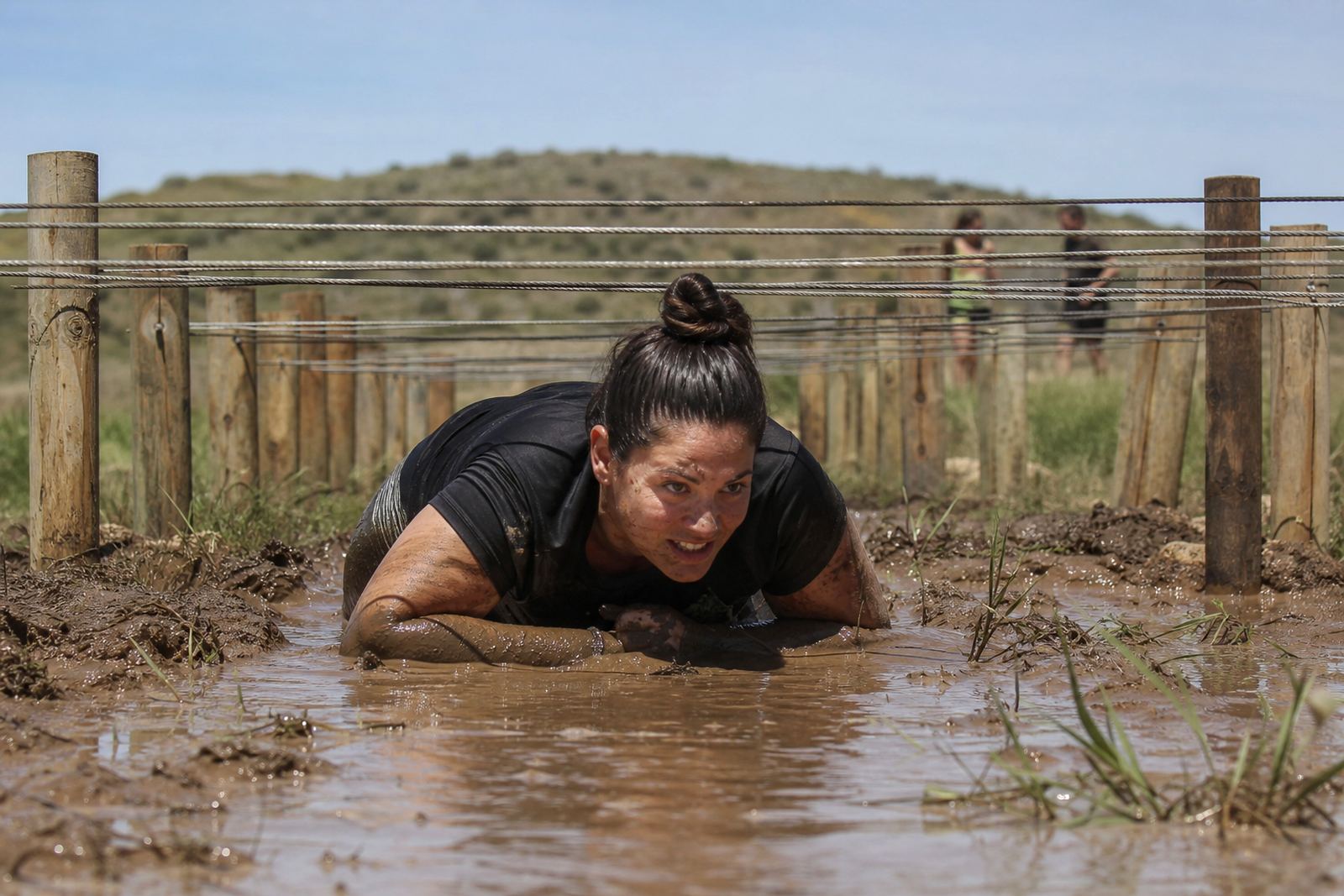
Body positioning and pacing suggestions for getting through low muddy crawl sections.

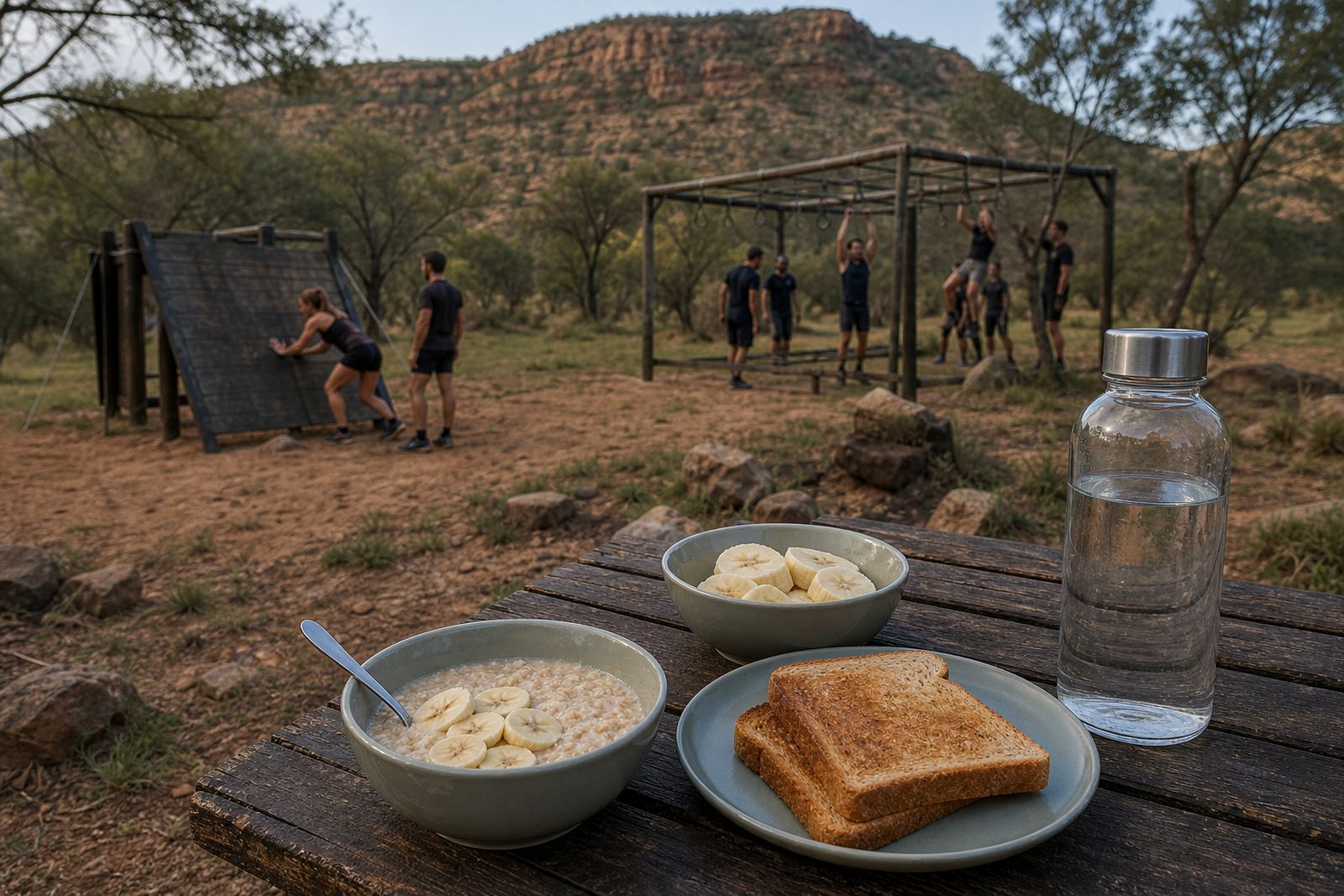
Race Day Breakfast

Race Day Breakfast

General considerations for eating before an event without trying unfamiliar foods.

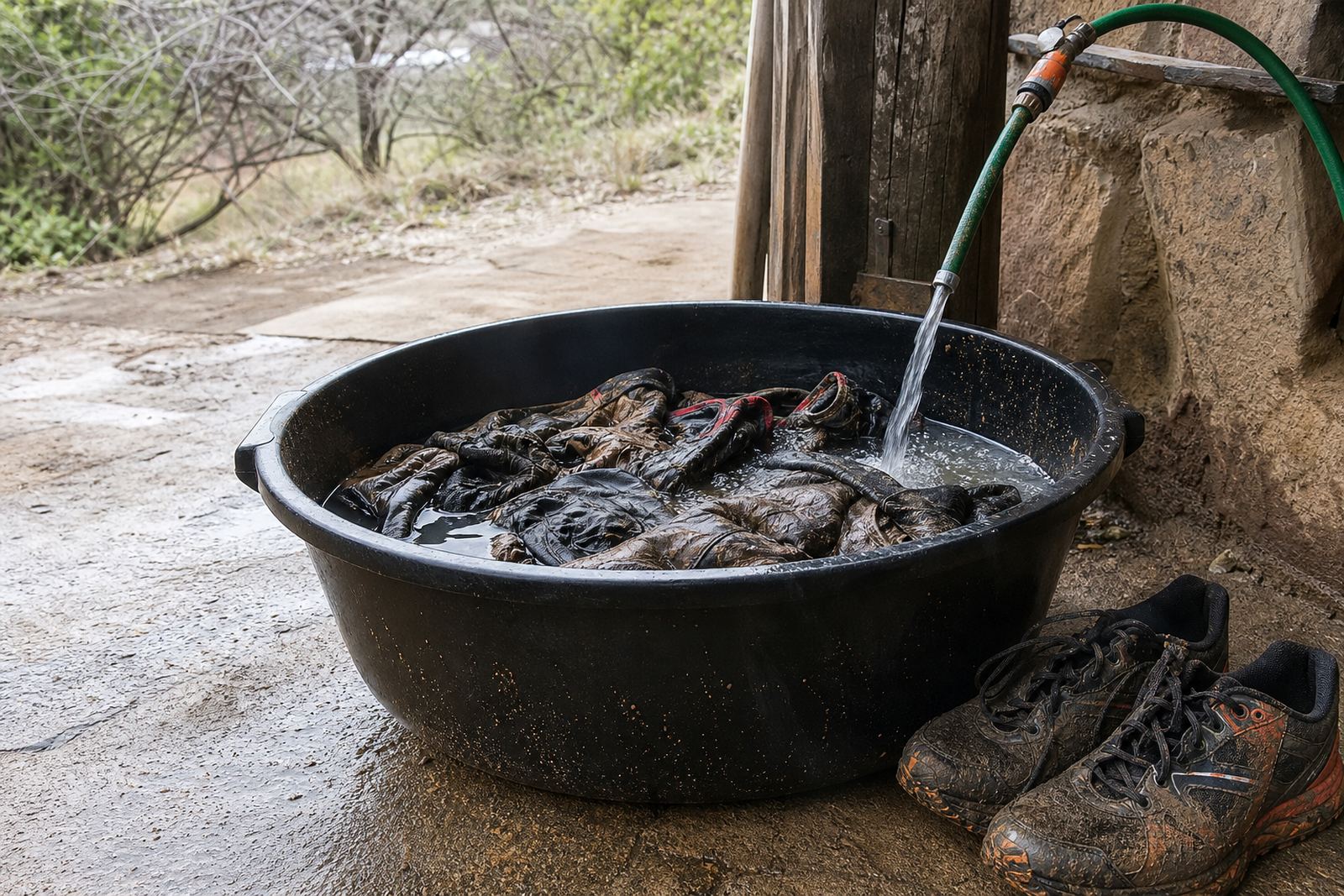
Recovering From Mud

Recovering From Mud

Post race clean up and gear care ideas after a wet and dirty obstacle course.

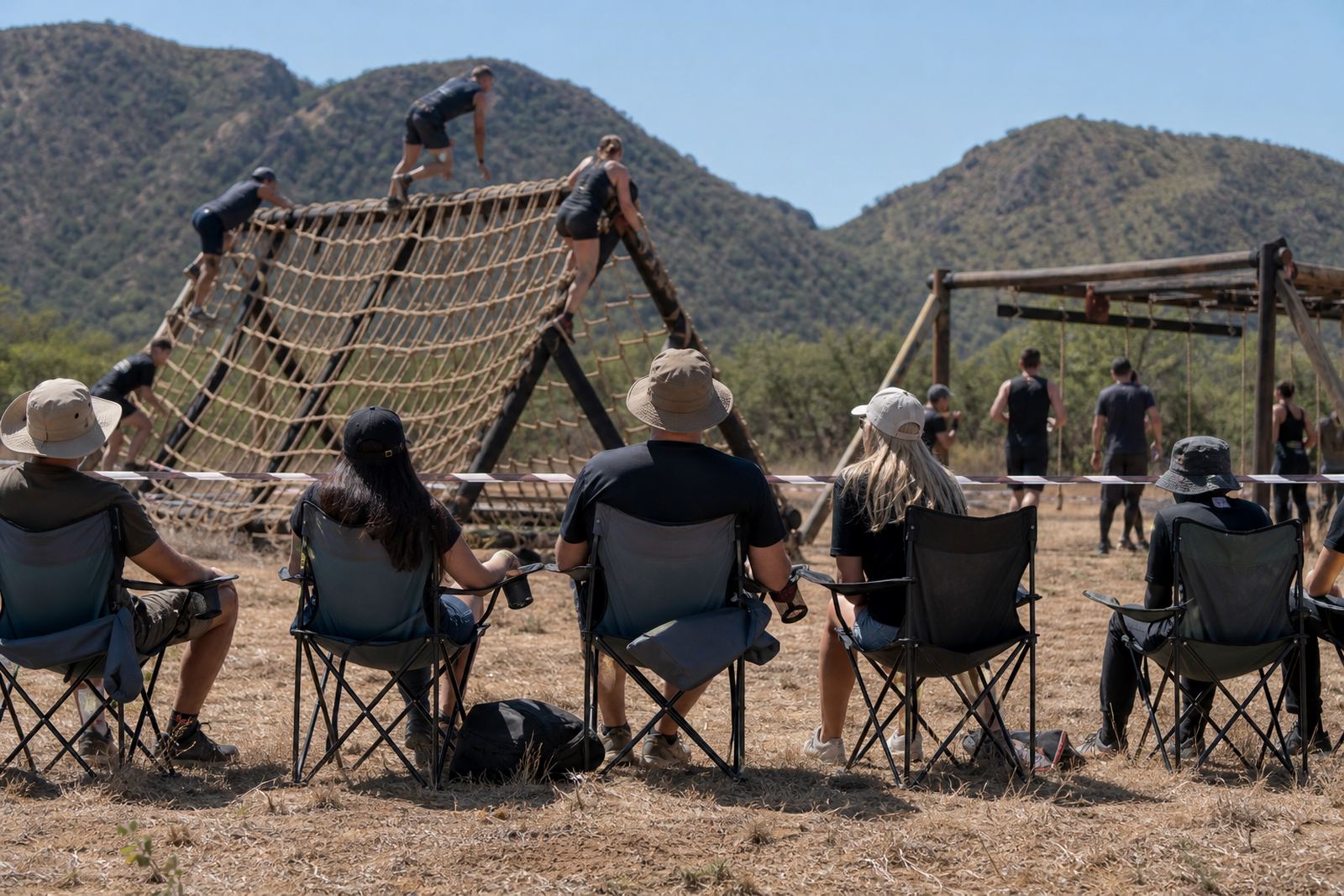
Spectator Tips

Spectator Tips

Helpful ideas for supporters on clothing, viewing spots and cheering with respect.

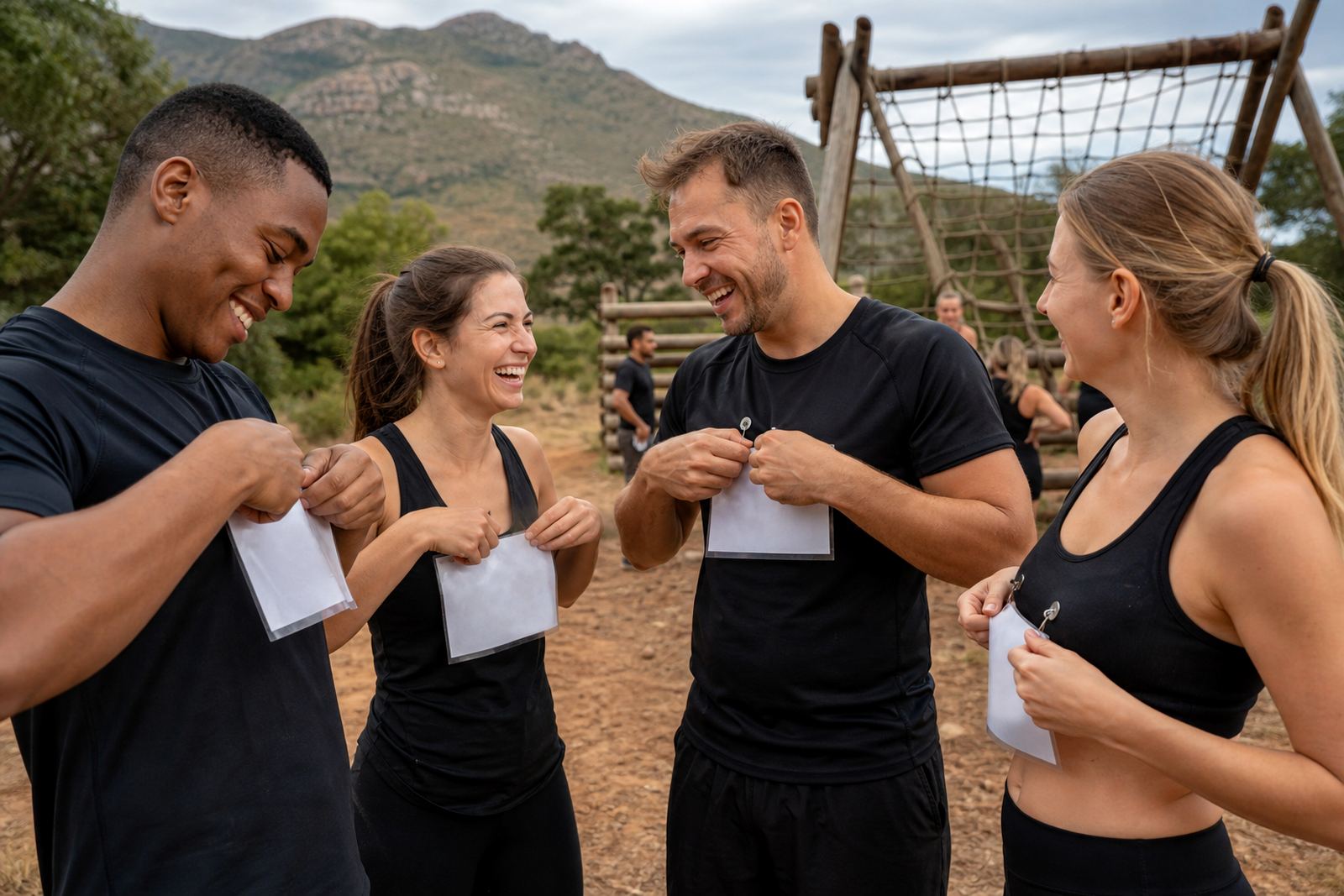
Group Entry Benefits

Group Entry Benefits

Why entering as a team can improve accountability, confidence and event day fun.

Traveling To Race

Traveling To Race

Planning tips for participants driving in from Johannesburg, Pretoria or further afield.

Cold Weather Racing

Cold Weather Racing

How to think about layers, warm up time and post race comfort in cooler conditions.

Hot Weather Racing

Hot Weather Racing

General preparation for sunny race days including shade, fluids and sensible pacing.

Avoiding Start Line Rush

Avoiding Start Line Rush

How calmer starts can help preserve energy and reduce early mistakes on course.

Obstacle Etiquette

Obstacle Etiquette

Simple ways to share obstacles fairly, safely and respectfully with other entrants.

Choosing Gloves

Choosing Gloves

Factors to consider when deciding whether gloves suit your grip and comfort needs.

When To Walk

When To Walk

Why strategic walking can protect energy and improve overall obstacle race performance.

Height Obstacle Confidence

Height Obstacle Confidence

Practical mindset tips for approaching elevated obstacles with composure and control.

Post Race Community

Post Race Community

How shared race stories and support can keep motivation strong after the event.

Why People Love OCR

Why People Love OCR

A look at the challenge, variety and camaraderie that make obstacle racing memorable.

Beginner Mistakes

Beginner Mistakes

Some frequent early errors in training and race day planning, and how to avoid them.

Bodyweight Training Start

Bodyweight Training Start

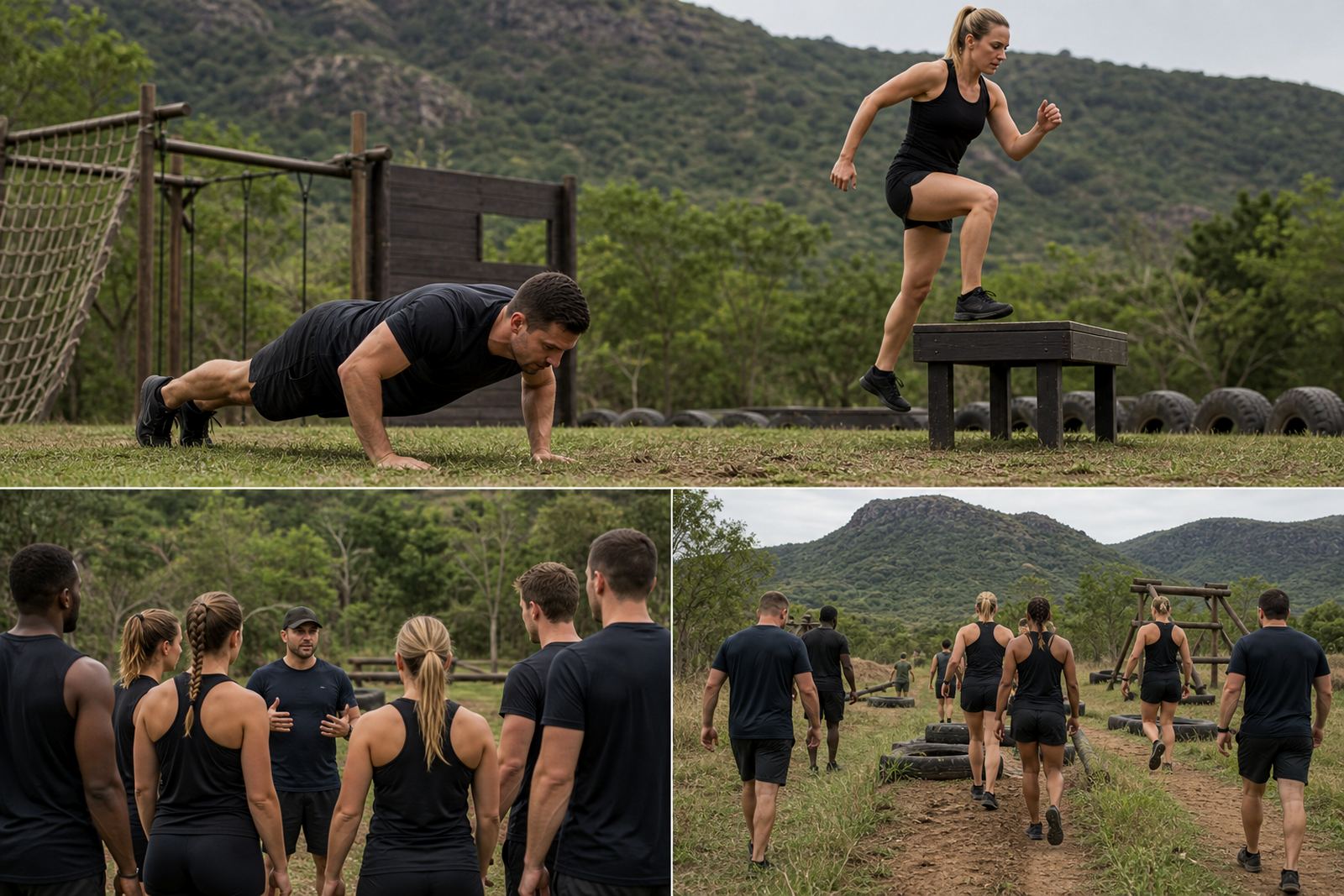
Simple bodyweight exercises that can support obstacle race readiness without specialised equipment.

Making Racing Social

Making Racing Social

Ideas for turning race day into a shared outing with friends, family or co-workers.

Changing Weather Gear

Changing Weather Gear

How to pack for mornings, midday heat and unexpected weather shifts at outdoor events.

Where the mud lessons start

The Mud Journal is a working corner for runners, walkers and teams who want clear guidance before an obstacle course race or endurance challenge. Some articles are about training on hills, some cover grip and carry work, and others explain what happens at check-in, briefing and the first few obstacles. If you are travelling from Johannesburg, Pretoria, Cape Town, Durban or Bloemfontein, this is where you can match the right reading to the right race day.

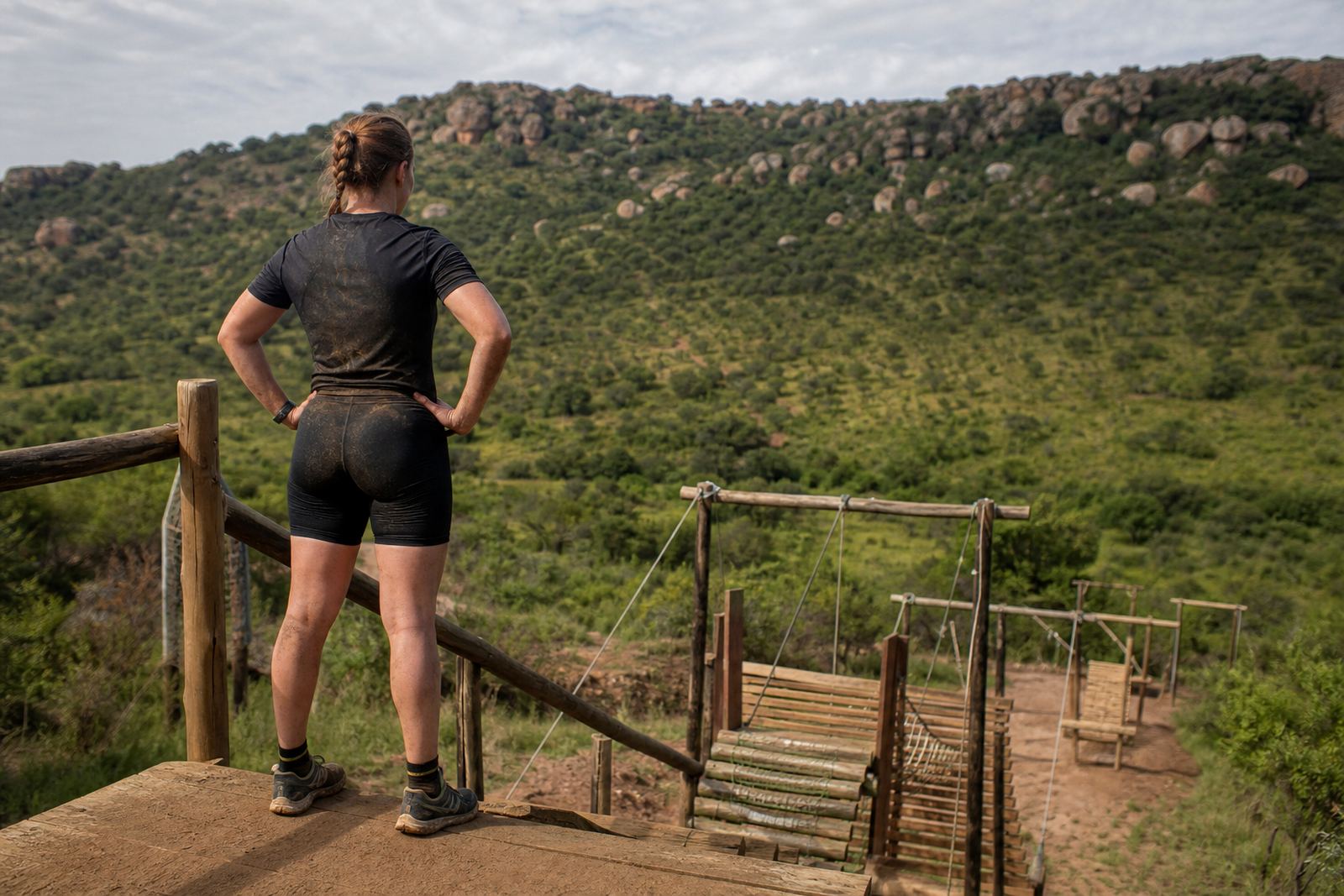
Use the articles to decide what needs attention first. A newcomer may need help with pacing and kit choice, while a seasoned participant may want reminders about heat, hydration and recovery. The Magaliesberg terrain can ask a lot of the legs, lungs and hands, so the advice here stays practical and grounded.

Training notes for hills, carries and grip

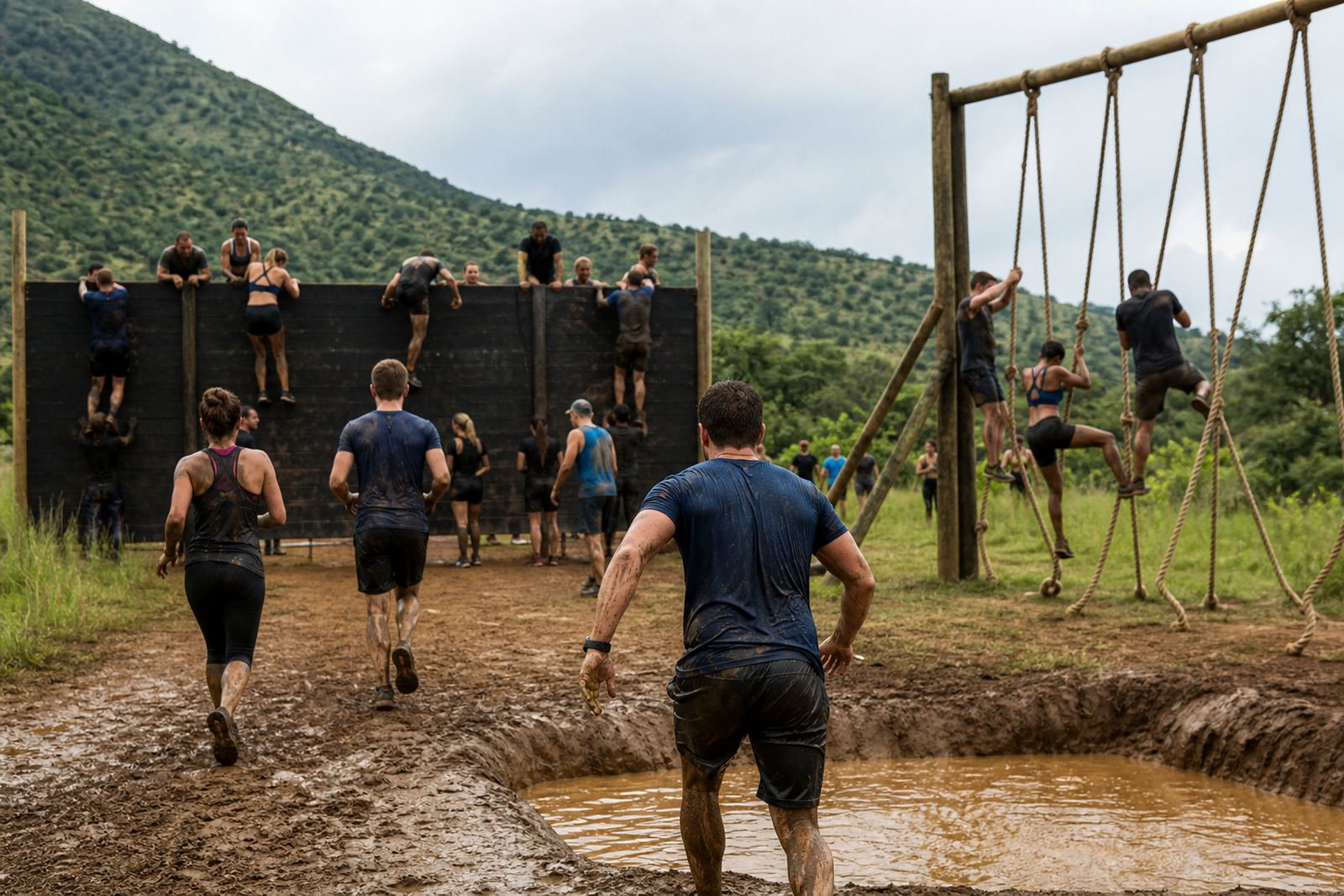
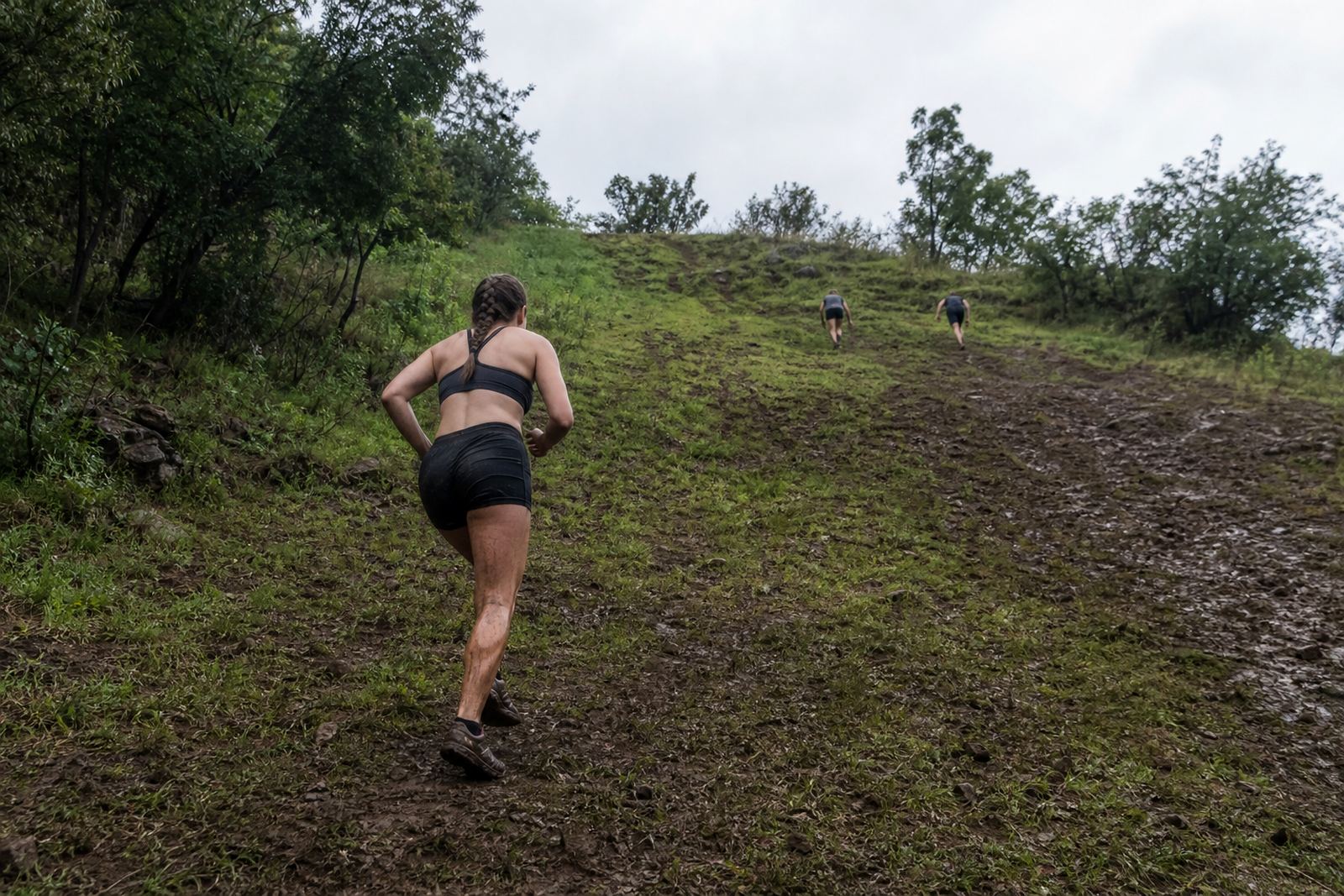
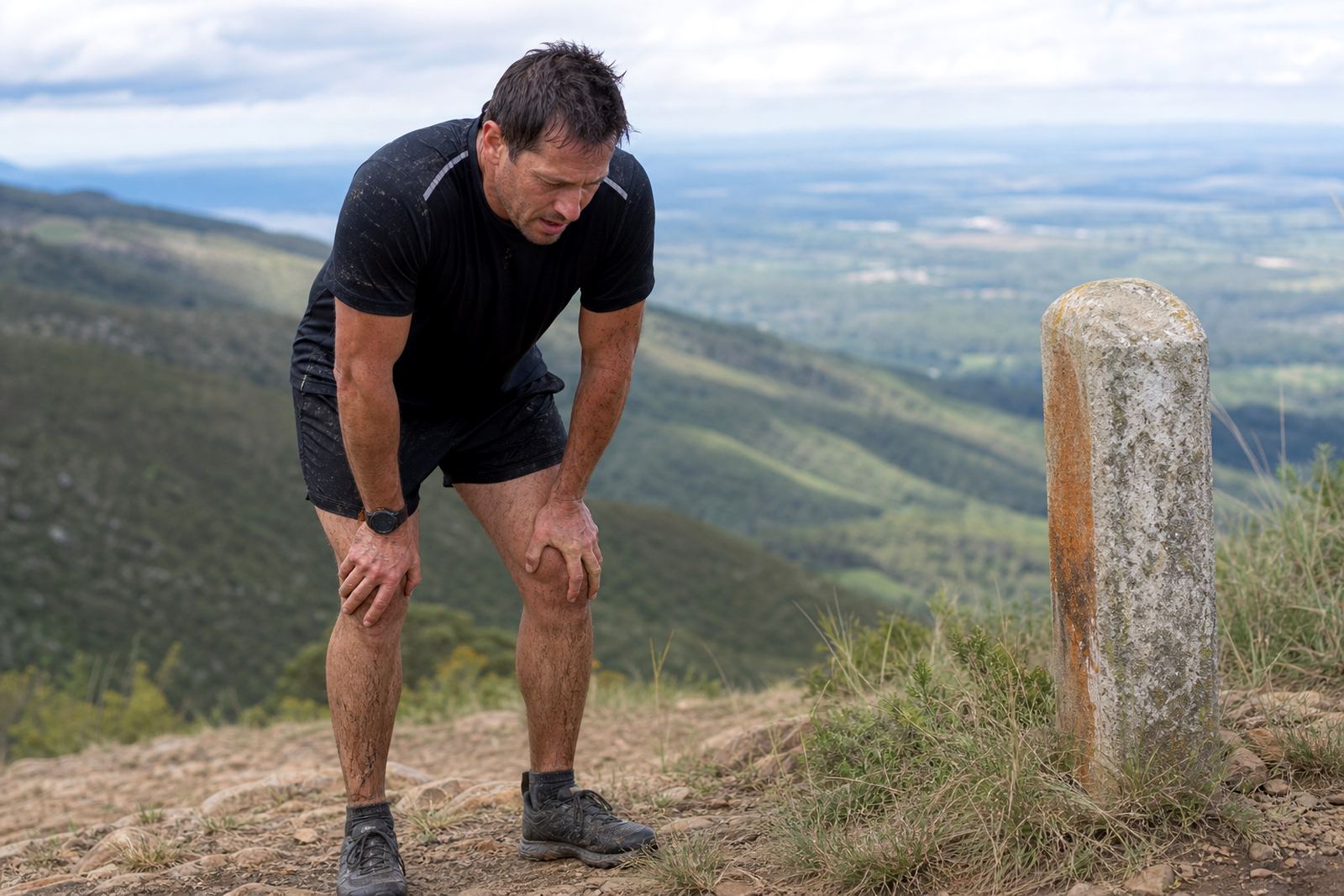
Obstacle racing is not only about speed. It asks for short bursts, steady climbing, pulling, carrying and the ability to recover after each effort. Our training pieces focus on useful work you can do at a local gym, on a farm road or on a hill in Hekpoort or Hartbeespoort. The aim is to build enough fitness to move well without burning out early.

  • Hill repeats for climbing and downhill control
  • Bodyweight strength for crawling, carrying and getting over walls
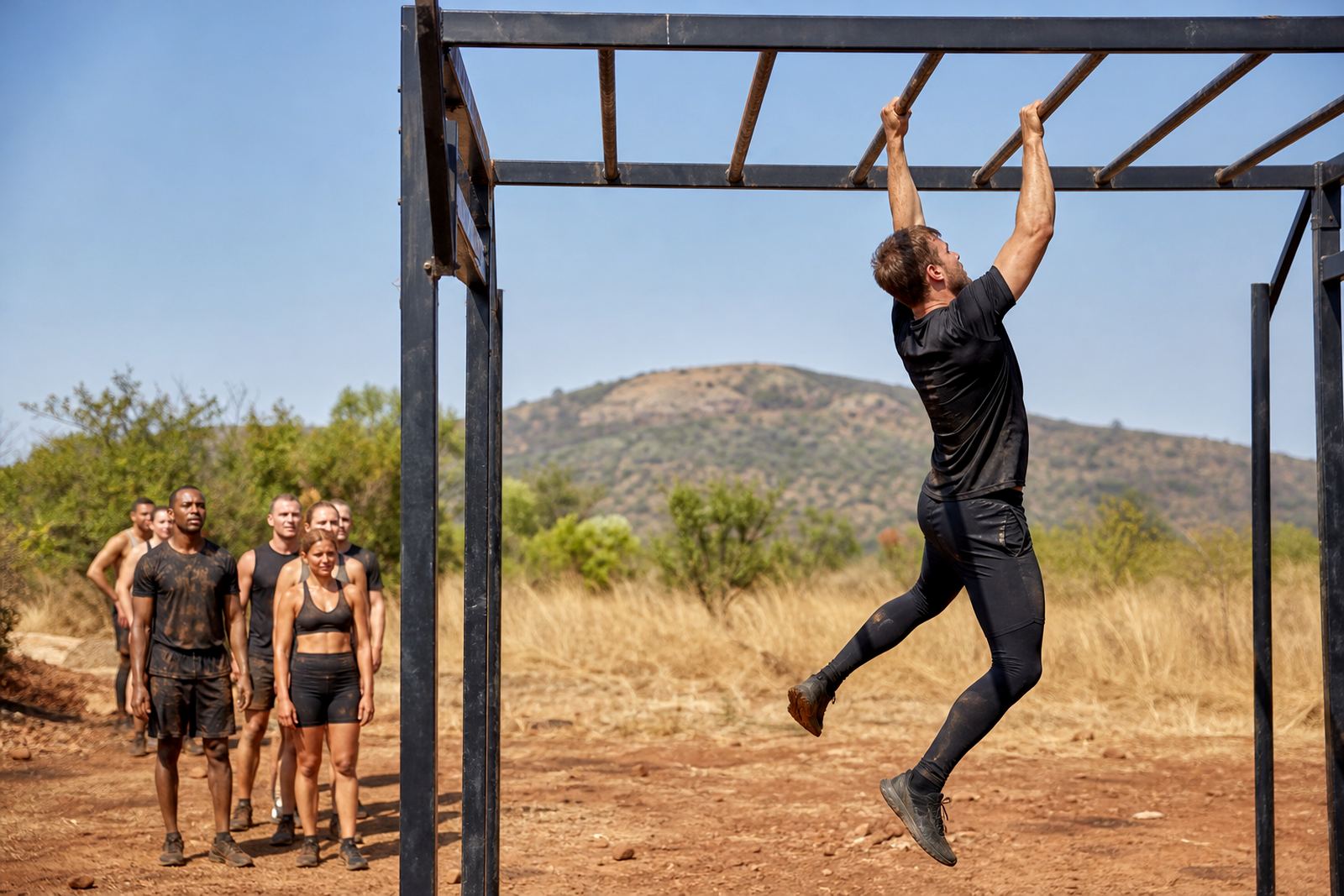
  • Grip work for ropes, bars and wet surfaces
  • Short interval sessions to handle race pace changes
  • Recovery days so you do not arrive flat on event day

That might mean moving a session to the morning, using stairs, or keeping your plan flexible when the weather shifts.

What the safety briefing usually covers

A good race day starts with a clear briefing. The Mud Journal explains the basics so participants know what to expect before they line up. That includes how to move through an obstacle, what to do if you feel unwell, and when to ask for help from event staff. Safety is not about slowing the day down, it is about letting people enjoy it without avoidable trouble.

We also explain the role of waivers, where the rules apply and why officials may ask you to wait at a section until it is safe to continue. If you race with a team, captain communication matters too. One person may need to hear updates first, then pass them on so the group stays together and nobody gets lost between obstacles.

  • Listen closely at the pre-race briefing
  • Read and sign the waiver before start time
  • Follow marshal instructions at each obstacle
  • Report slips, cramps or equipment issues early
  • Check with a doctor before hard exercise if you have concerns about your health

Kit that earns its place in the bag

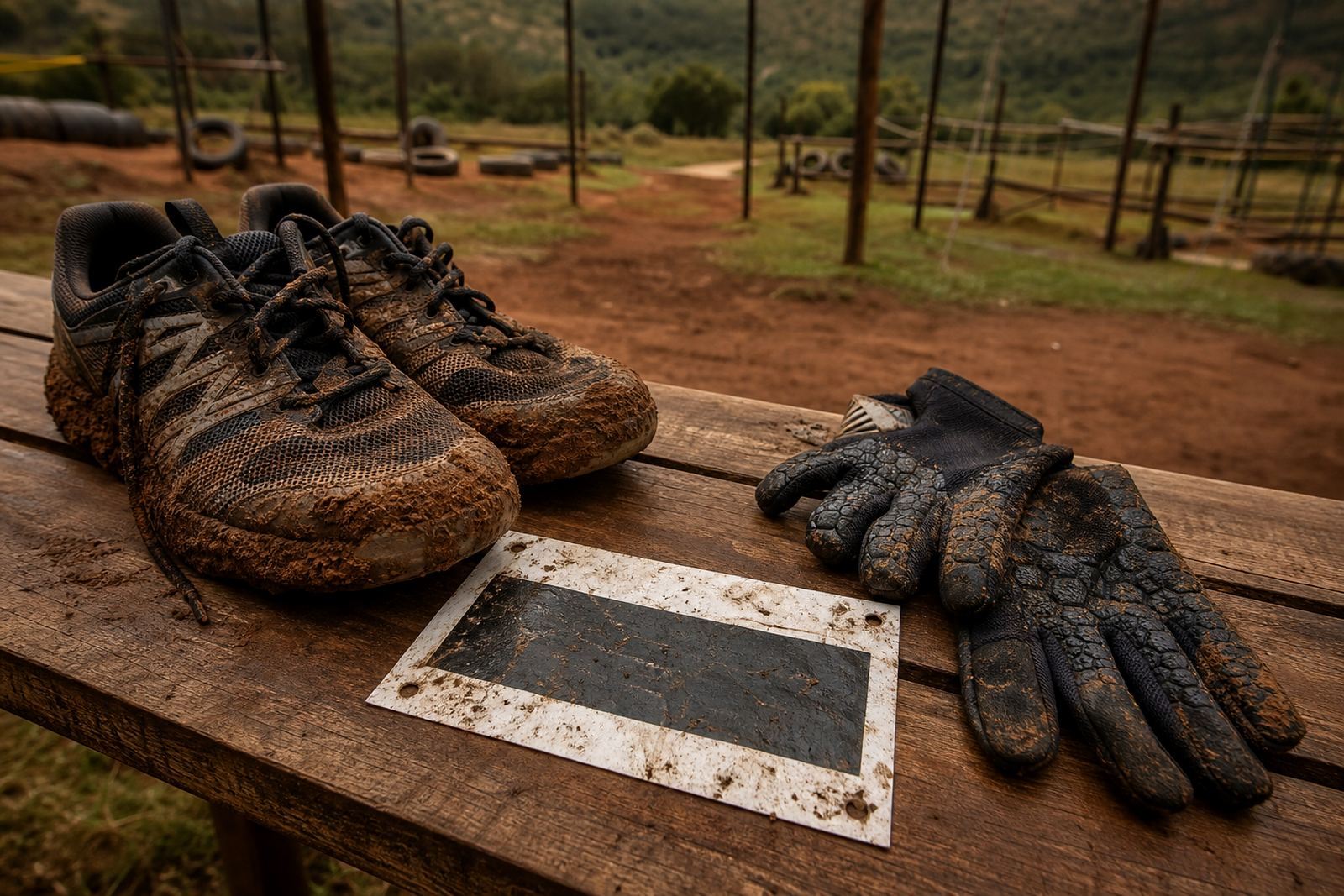
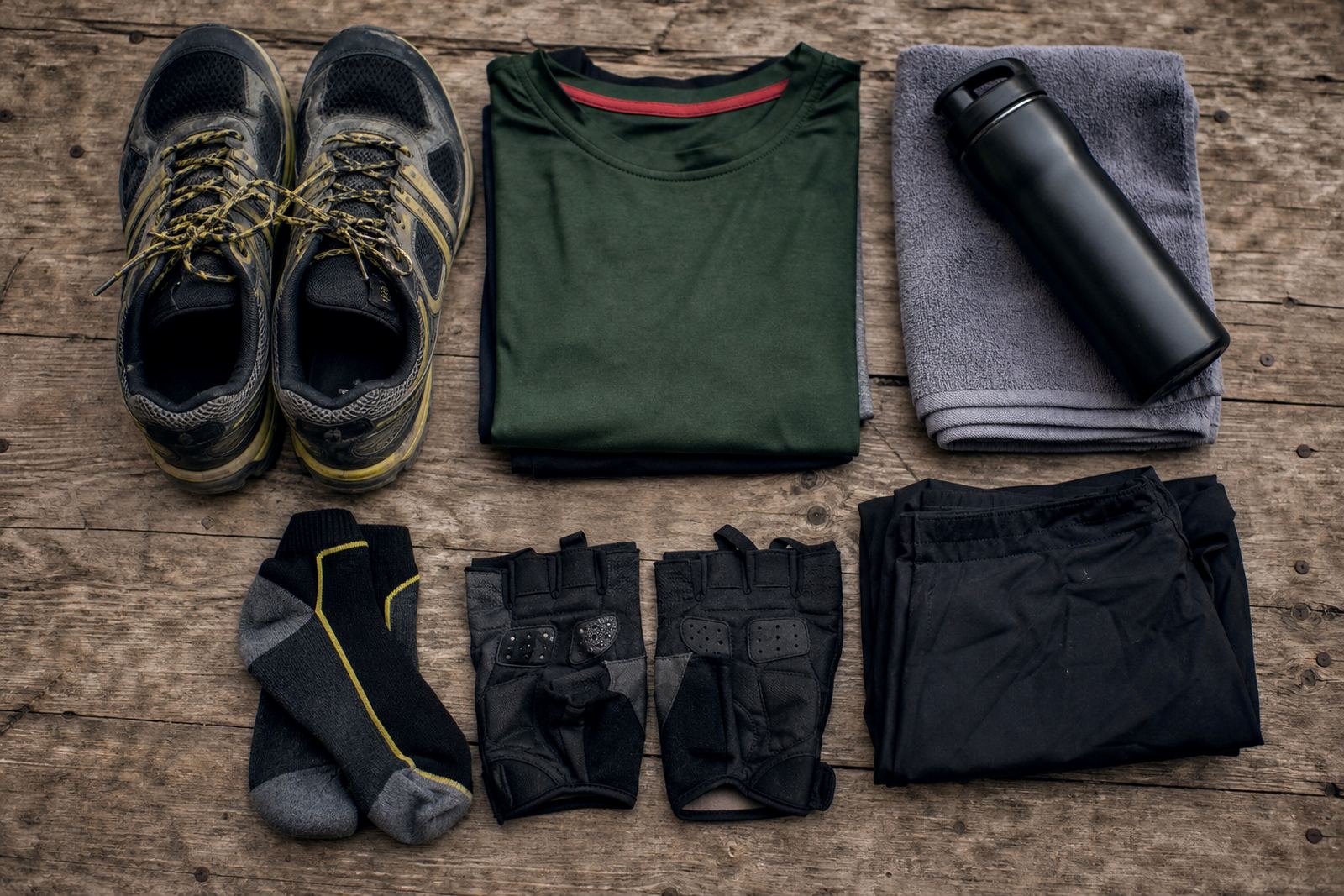
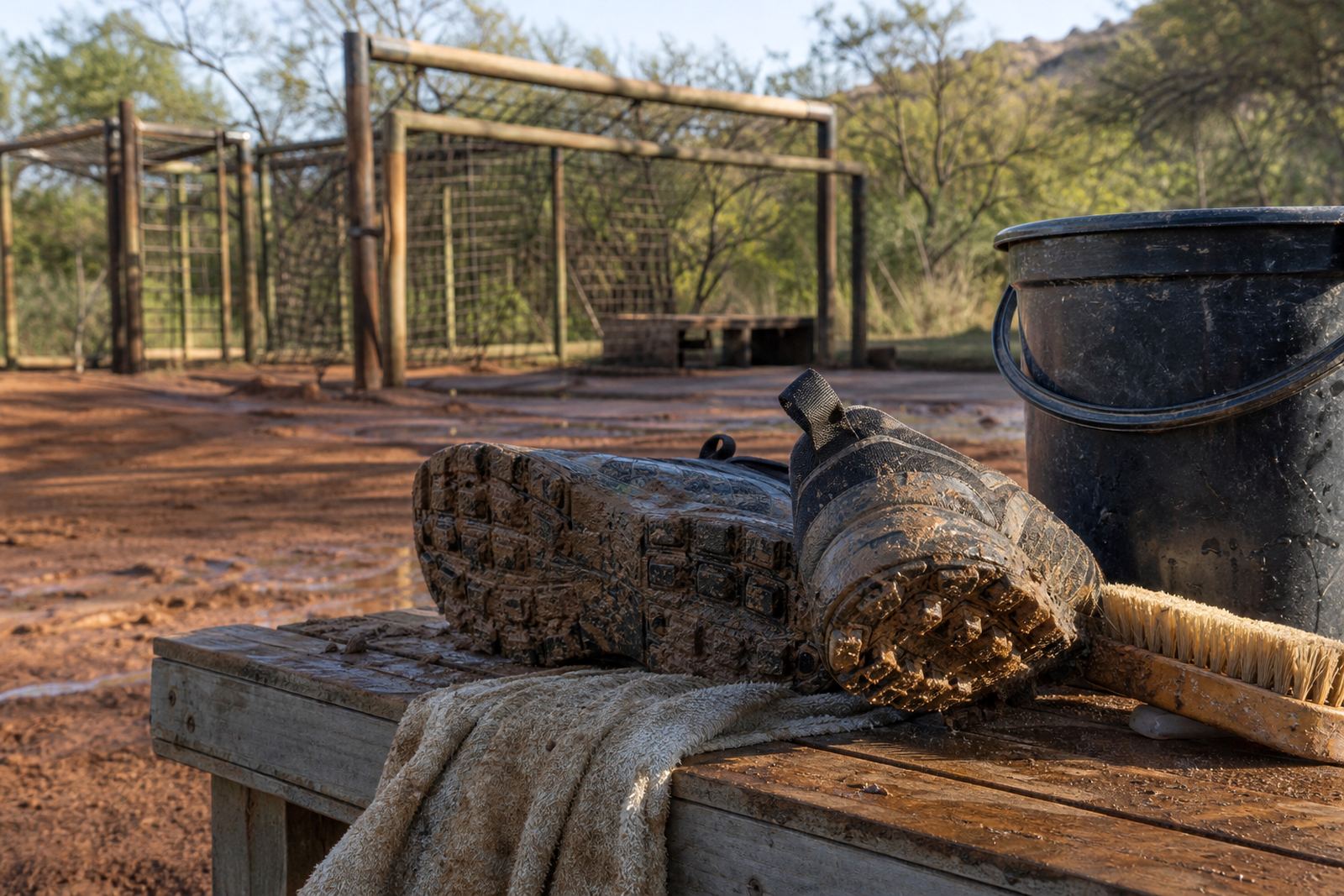
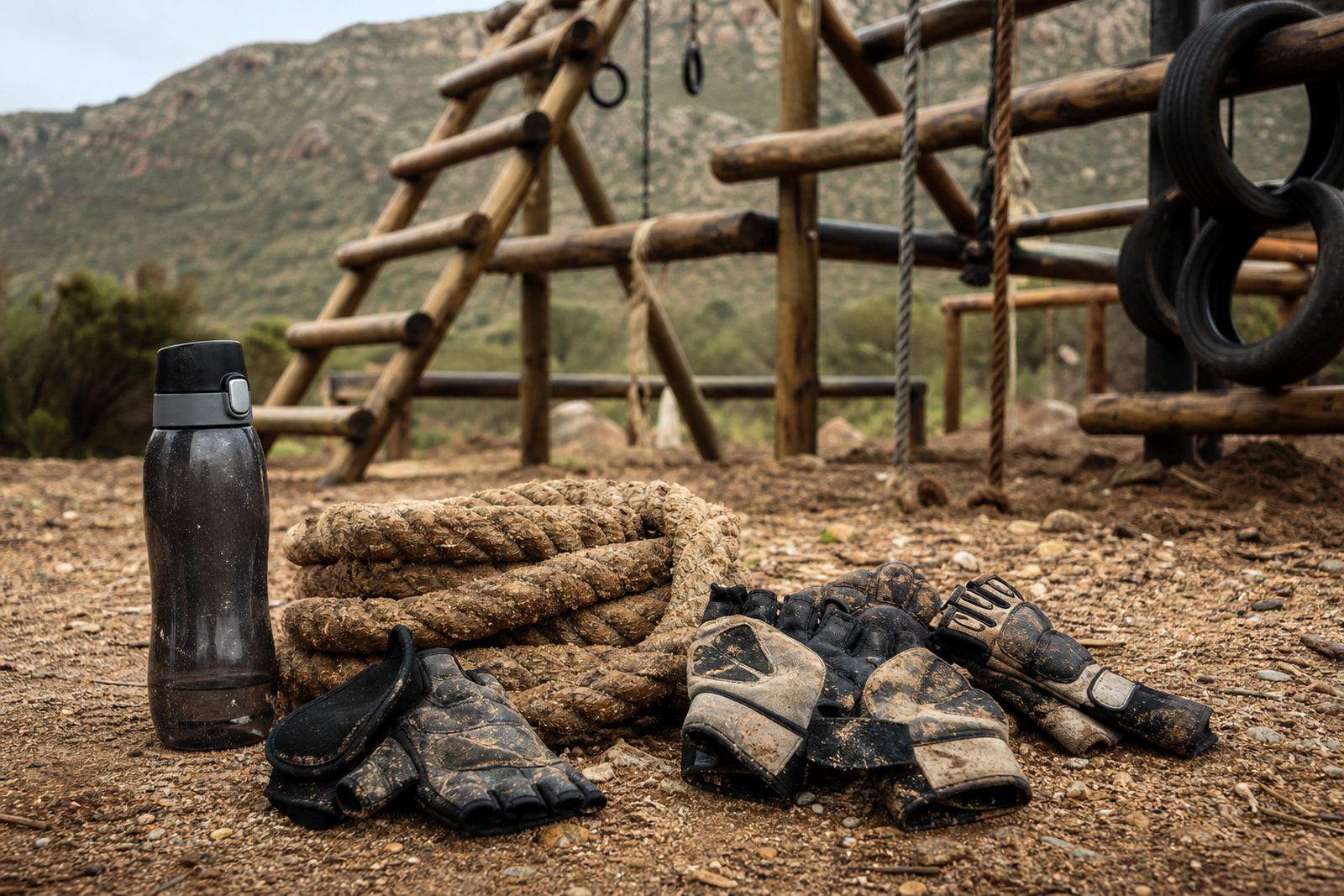
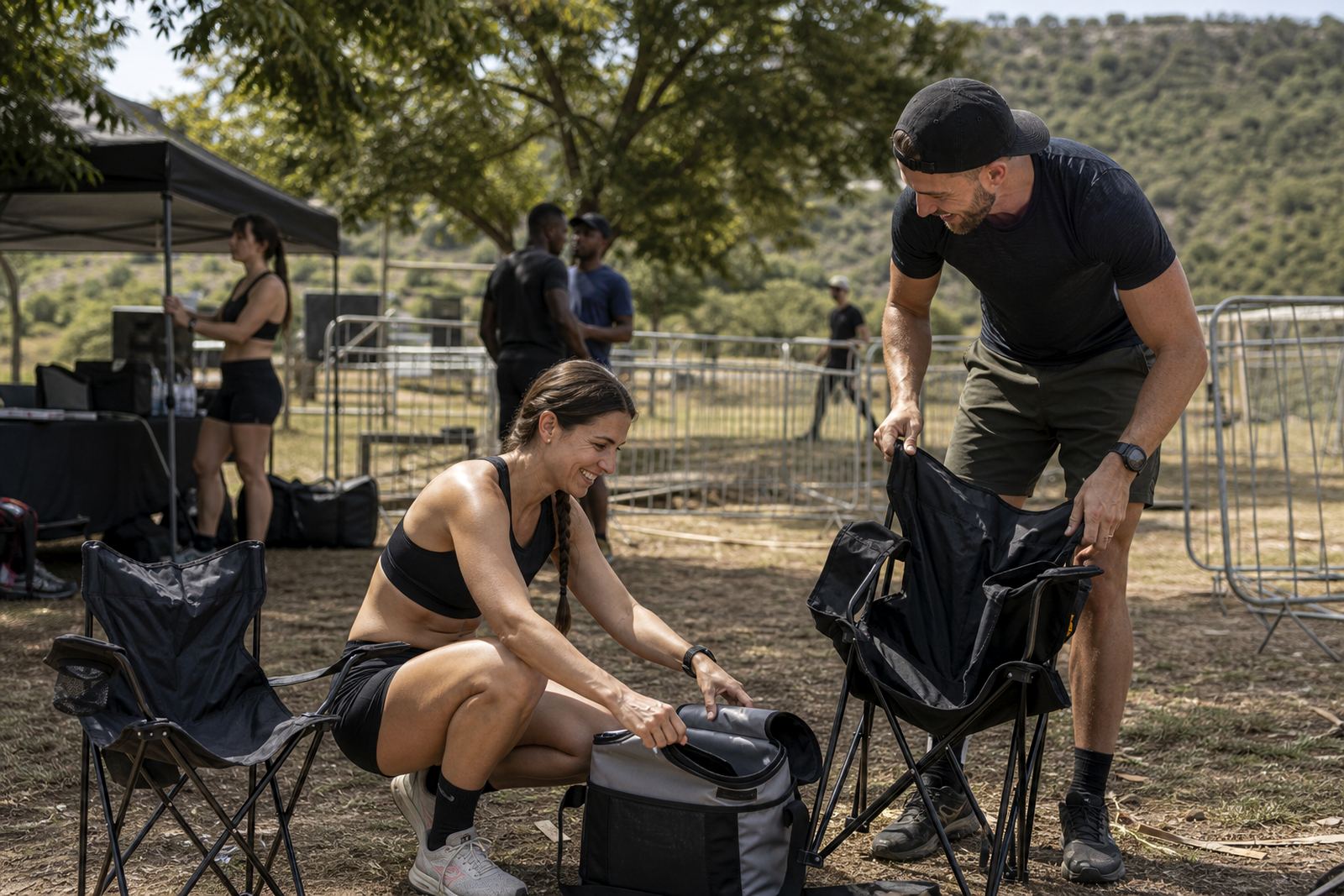
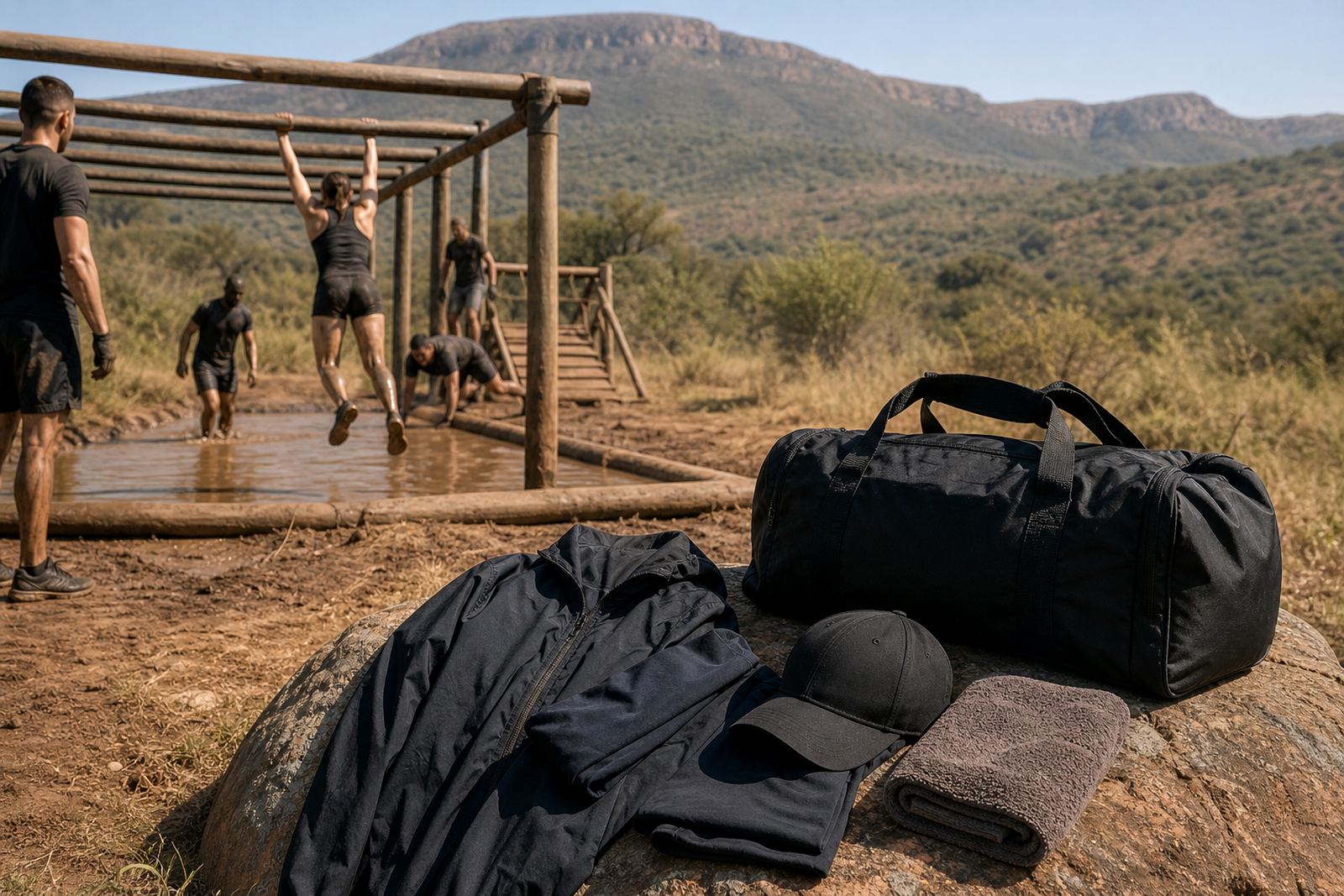
The right kit makes a race easier to handle. Mud Journal articles talk through what to bring, what to leave in the car and what should be packed in a dry bag for after the finish. The exact list changes with distance, weather and venue, but a few items keep appearing because they work.

  • Trail shoes with proper grip, not smooth soles
  • Replacement socks and a towel for after the finish
  • Hydration container if the course allows it
  • Light clothing that can get dirty and dry quickly
  • Sun protection for open Magaliesberg sections
  • Warm layers for early starts or windy winter mornings

For corporate teams and travelling groups, we also explain how to handle shared bags, post-race changes and recovery space near the venue. If your group is arriving from Pretoria or Krugersdorp, planning the bag drop properly can save a lot of time at the gate.

How to choose the right article

Not every runner needs the same advice. A first-timer looking at a muddy 5 km route will need different guidance from a team leader preparing a corporate entry or a regular participant tackling a longer endurance challenge. Start with the article that matches your current problem, then move to the next one once that part is sorted.

If you are unsure where to begin, ask these questions: am I training, packing, travelling or dealing with team admin? That answer usually points you to the right section. We keep the articles practical so you can move from reading to action without sorting through fluff.

  • Training problem, read the fitness notes first
  • Race-day nerves, start with briefing and safety guidance
  • Team admin, check the registration and waiver notes
  • Kit confusion, open the packing and recovery articles
  • Travelling in, look at venue notes for Hekpoort, Magaliesburg and nearby access points

Why this journal suits South African racers

The conditions here are familiar to local participants: dry dust, sudden mud after rain, strong sun, cold starts and the odd patch of uneven ground where you need to watch your footing. The writing in Mud Journal keeps those realities in mind. It is shaped for South African participants who race on weekends, train after work and often need to fit preparation around family, traffic and municipal road closures.

Whether you are joining from Rustenburg, Potchefstroom or one of the Gauteng hubs, the aim is the same, to help you prepare well, stay safer and enjoy the challenge. If you prefer straight answers over hype, you will feel at home here.

Race day questions

What kind of articles are in Mud Journal?

You will find training notes, safety briefing guidance, kit lists, waiver help and event-day preparation advice for obstacle course races and endurance challenges.

Is the advice useful for first-time participants?

Yes. The articles are written to help beginners understand the basics and to give experienced racers a quick refresh before they enter a muddy event.

Do the articles cover team entries as well?

Yes. You will find guidance on captain communication, group check-in, waiver coordination and how to plan for team support on the day.

Ready to get muddy? Enter the next race.

Contact form