OCR in plain terms: run, climb, carry, repeat
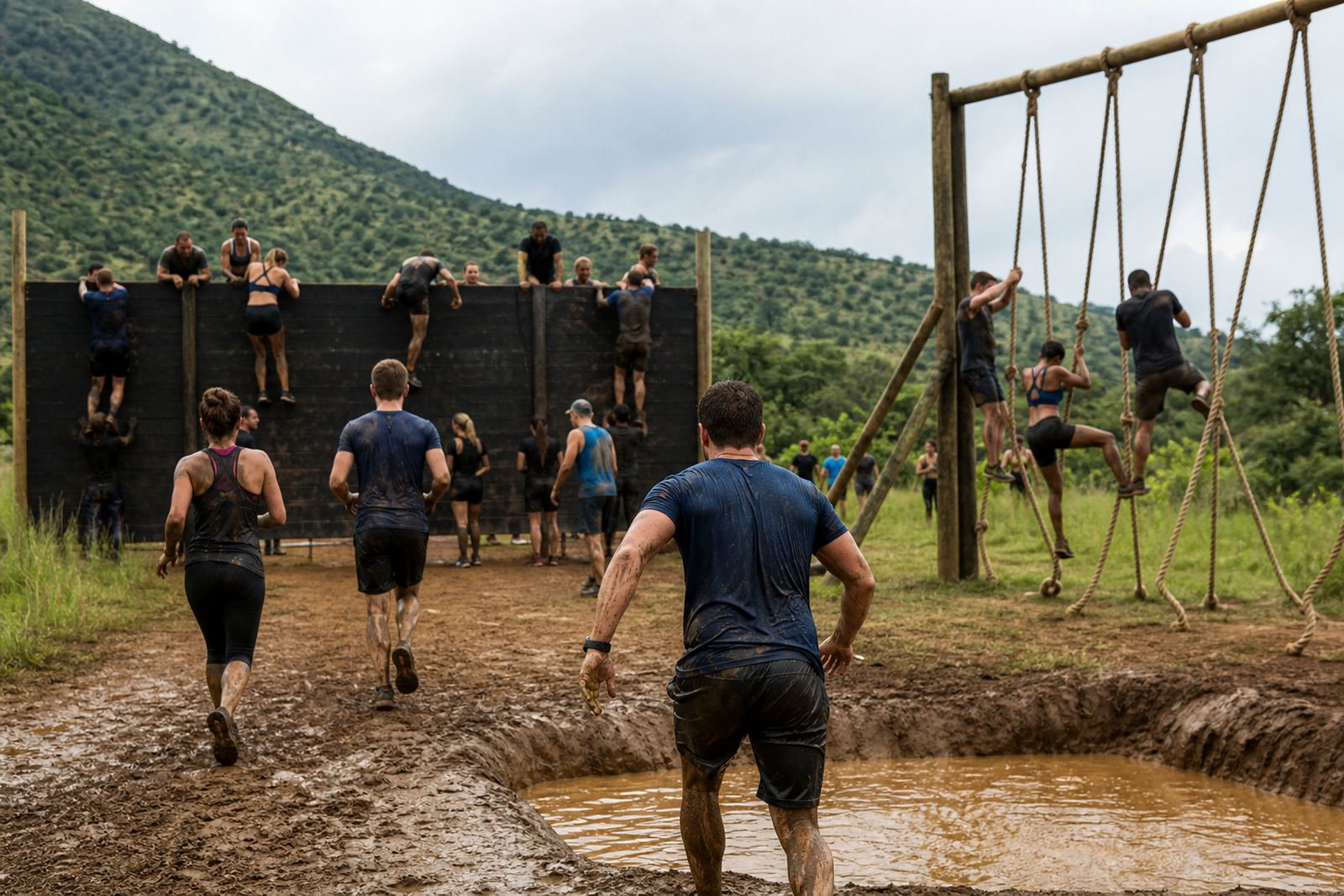
Obstacle course racing is a timed outdoor event where the route changes from straight running into tasks that test strength, grip, balance and endurance. A course can include mud, rope climbs, walls, nets, tyres, carrying objects and short hill sections, depending on the ground and the layout for that day.
The appeal is that OCR is not only about speed. Some people push hard for a race result, while others use the event as a personal challenge and focus on finishing cleanly. That mix is why you will see office teams, gym regulars and weekend hikers on the same start line, each working at their own pace.
In the Magaliesberg area, the terrain adds its own character. Dust, uneven ground and warm afternoons are all part of the experience, so a good OCR is as much about adapting as it is about fitness.
Why many different fitness levels sign up
OCR appeals to people who want a challenge without needing to be elite runners or specialist athletes. The race usually gives you room to walk sections, recover after a hard obstacle, then move on again. That makes it less intimidating than many people expect.
For beginners, the main win is learning that fitness is built in stages. A person who cannot yet do a full pull-up may still complete a course by using teamwork, pacing and good technique. For seasoned participants, the attraction is the combination of aerobic work and practical strength, which feels different from a standard road run.
- You can train for OCR with running, hill work and bodyweight exercises.
- Many events allow teams to support one another between obstacles.
- The course reward is not only speed but also problem solving under pressure.
- Outdoor conditions can change the day, so adaptable athletes often cope best.
What a first-time participant should sort out before race day
If you are new to obstacle racing, the best preparation is to read the race instructions carefully and arrive early enough to settle in. Safety briefings matter because they explain how to move through each obstacle, where to wait, and what to do if you need help. Waivers are part of that process as well, and they are there to make sure every entrant understands the nature of the event.
It is wise to check with a doctor before hard exercise if you have any health concerns, are returning after injury, or have not trained for a while. That is not about being overly cautious, it is about starting in a sensible way.
- Trail shoes with good grip are usually better than flat trainers.
- Wear clothing that can get dirty and drys reasonably fast.
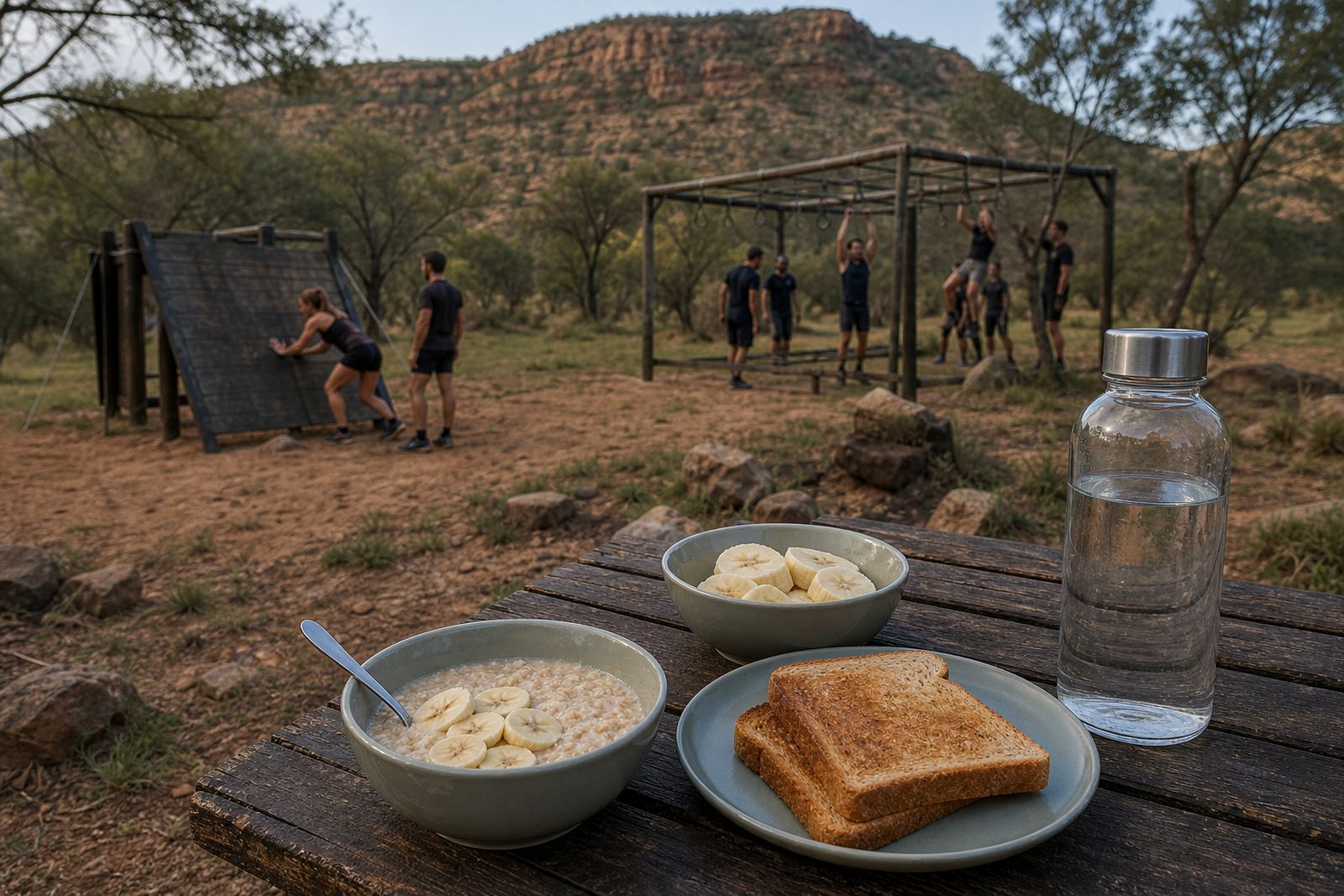
- Carry a water bottle or hydration pack if the race instructions allow it.
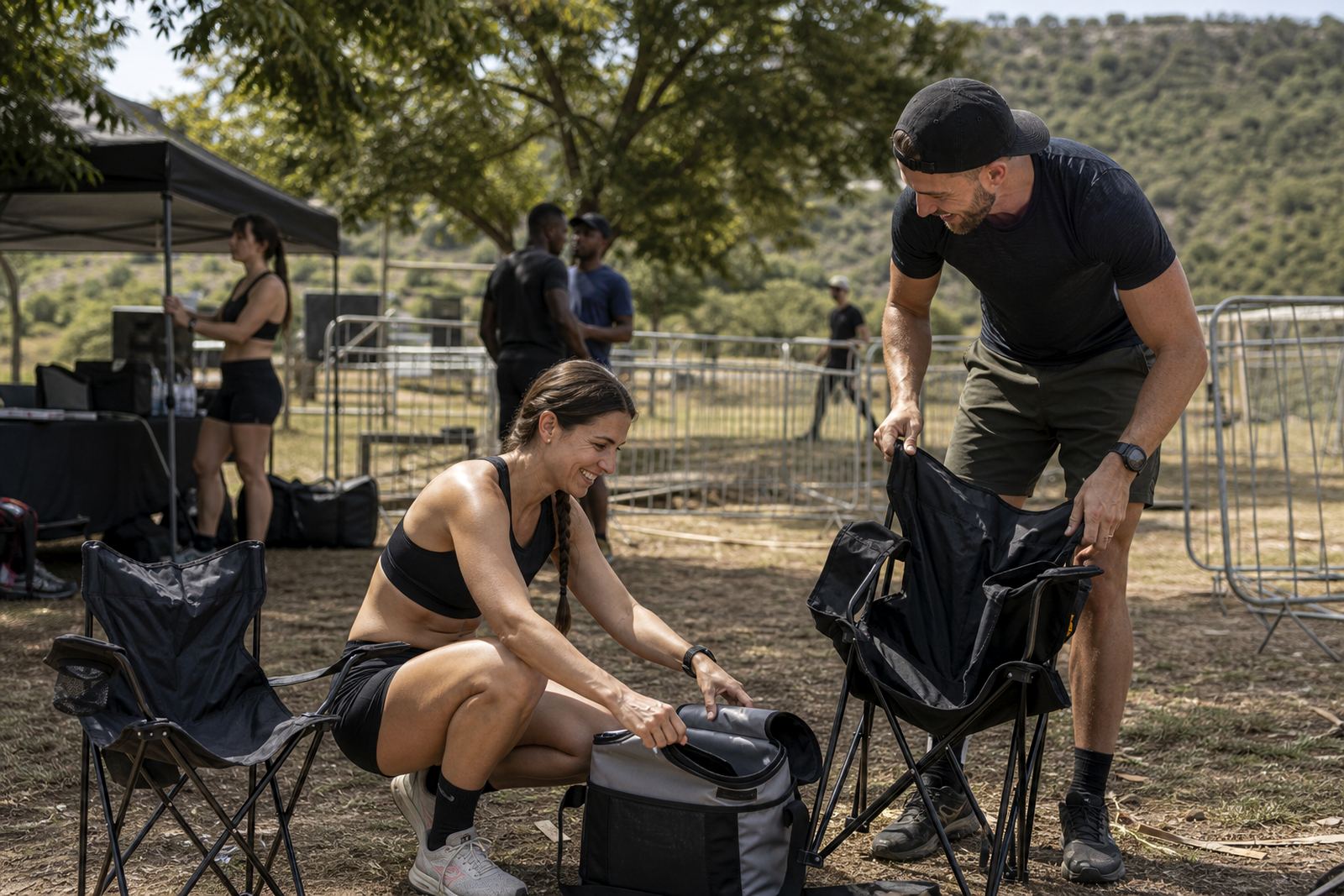
- Bring a change of clothes, towel and something warm for after the finish.
- Use sun protection on open sections, especially in North West heat.
How training for OCR differs from ordinary gym work
OCR training works best when it combines steady running, upper-body pulling, core strength and carrying work. The idea is to prepare for changing effort, not just a single long run or one weight session. A person may run well but struggle on a wall, or have good upper-body strength yet fade on the hills, so balance matters.
For a local example, someone travelling from Johannesburg to Hekpoort can use the drive as a reminder that race day is not a controlled indoor workout. The Magaliesberg course may ask you to climb, stabilise your footing on loose ground and keep moving while tired. Training on uneven paths, steps and short slopes can help with that. It also helps to practise breathing under stress, because a hard obstacle can spike your heart rate very quickly.
Do not ignore recovery. Sleep, hydration and good meals in the days before the event are just as important as the workouts themselves.
What race support should look like on the ground
A well-run OCR should give entrants clear direction before they start, not confusion at the back of a queue. That includes group briefings, marshals who know the route, heat or wave allocation if needed, and recovery space after the finish. In a busy event, even small things like where to stand for a team photo or where supporters can wait matter more than people expect.
At Punisher events in the Hekpoort and Magaliesburg area, the practical support is built around the participant journey from arrival to finish. Team entries may need help with registration, captain communication, waiver coordination and a custom briefing for different fitness levels. Corporate groups often also need someone to keep the process calm when half the team is arriving from Pretoria and the rest from Rustenburg or Krugersdorp, which happens more often than people think.
- Clear briefing on rules and obstacle standards.
- Help with team check-in and heat allocation.
- Supporter guidance so spectators know where to stand safely.
- Recovery area direction after the race.
- Practical coordination for groups arriving from different towns.
Why OCR works well for teams, not only solo athletes
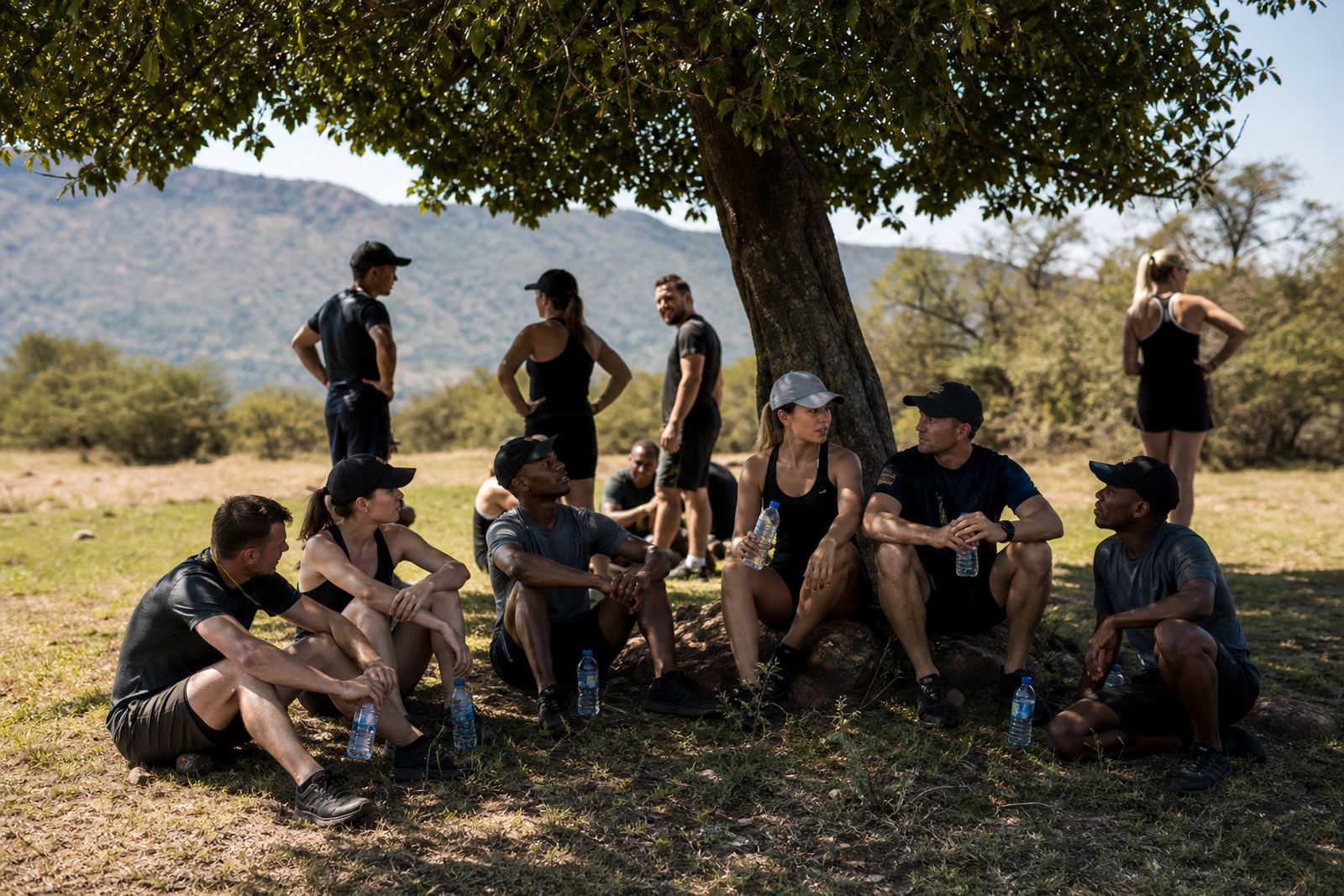
One reason OCR has grown in popularity is that it suits teams almost as well as individuals. People encourage one another through the hard parts, and that changes the mood of the event. A difficult obstacle can become a shared effort, and that often leaves participants feeling proud of the group rather than only of their own result.
That is useful for companies, clubs and friends travelling in from places like Pretoria, Johannesburg, Durban, Bloemfontein and Cape Town. The event becomes more than exercise. It becomes a day out where members can test themselves, support one another and talk about the obstacles long after the finish.
For many entrants, the best part is not the clean finish photo, though that helps. It is the sense that they handled something a bit messy, a bit tiring and a bit unfamiliar, and still carried on. That is what OCR gives people: a proper physical challenge with enough variety to keep it interesting.
How to decide if OCR is the right challenge for you
If you enjoy being outdoors, do not mind getting dusty and want a goal that feels more active than a standard gym routine, OCR is worth considering. It suits people who like variety and do not need every part of training to look neat or predictable. You do not need to be the fastest on the road to enjoy it.
Start by being honest about your current fitness, then choose training that matches the event rather than guessing on the day. Ask questions about the course, safety briefing and support process before you enter. If you are joining as part of a team, work out who needs help with registration, who is driving, and who wants recovery space afterwards.
For many South Africans, obstacle racing is attractive because it feels real. The setting is outdoor, the work is physical and the reward is personal. In a place like Magaliesberg, where the terrain already asks a bit more from you, OCR makes that challenge part of the experience.