The breakfast that works is the one your stomach already knows
Race day is not the morning to test a new muesli, a spicy takeaway wrap or a heavy fry-up. If you are heading out to Hekpoort, Magaliesburg or one of the other access points around the Magaliesberg, the safest breakfast is something you have eaten before a hard training session and know you digest well.
That matters even more for obstacle course racing, where you may be running, climbing, hanging, crawling and carrying under the North West sun. A breakfast that is too rich can sit heavy, while one that is too small may leave you flat before the final section. Keep it familiar, and keep it predictable.
Timing your food so the first kilometre feels manageable
Most people do best when breakfast is finished well before the start, giving the body time to settle. If you are waking early for a Pretoria or Johannesburg drive, plan the meal before the rush so you are not eating in the parking area or eating too close to warm-up. A rushed stomach is a grumpy one.
- A fuller breakfast usually needs more time before effort.
- A smaller snack may be easier if you cannot eat much early in the morning.
- Keep water close, but do not overdo it right before the start.
- If you drink tea or coffee, do not change your usual amount on race day.
Small timing changes can make a big difference, especially if nerves already have you feeling tight in the chest or unsettled in the stomach.
Keep the menu plain enough for a hard morning
Before a race, breakfast should be steady fuel, not a challenge on its own. For many athletes that means a mix of carbohydrate with a little protein, and not too much fat or fibre. You do not need a big plate, just food that gives energy without slowing you down.
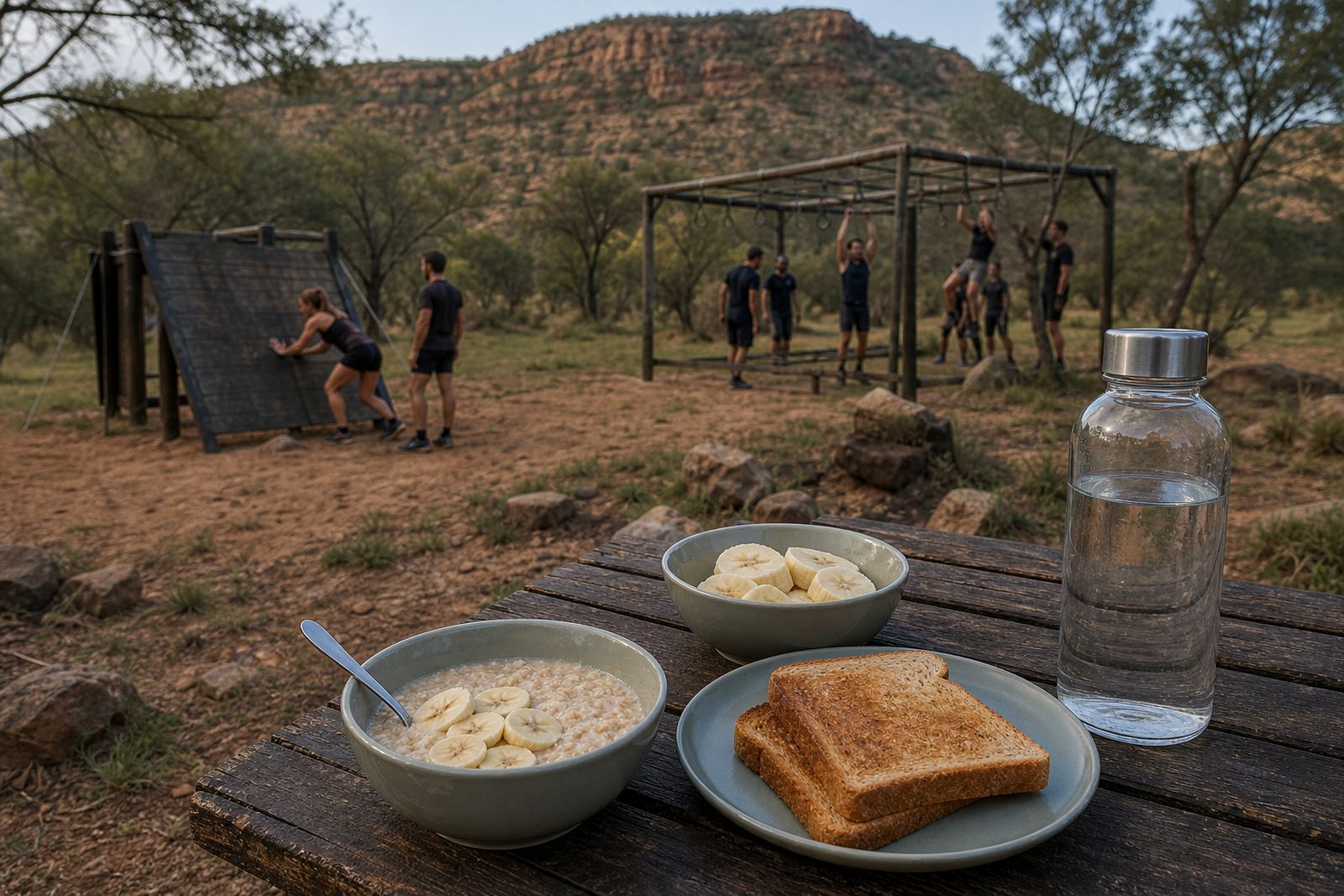
- Toast, oats or a plain sandwich can work well.
- Yoghurt or a boiled egg may suit some people, if they already know it sits well.
- Fruit can help, but do not pile on large amounts if that usually upsets your stomach.
- Avoid trying a new energy bar on race morning, even if a mate swears by it.
In the Magaliesberg, where some event mornings can start cool and then heat up quickly, a light breakfast helps you warm up without feeling heavy. If you are travelling in from Durban, Cape Town or Bloemfontein, keep the meal plain enough that travel stress does not become an extra problem.
Hydration before the first whistle or briefing
Breakfast is not only about food. It is also about starting the day hydrated enough to move well, sweat properly and handle the effort ahead. In dry inland conditions around Hekpoort and Krugersdorp, that can matter more than people expect. But there is a balance, because drinking too much at once can leave you uncomfortable during the safety briefing or group warm-up.
Rather sip steadily through the morning than trying to catch up in one go. If your event starts early, begin hydrating the night before and keep the morning simple. For longer endurance challenges, the organiser’s briefing may also cover water points, recovery space and how to manage the heat, so listen carefully and ask questions if anything is unclear.
What to pack in case the morning runs ahead of you
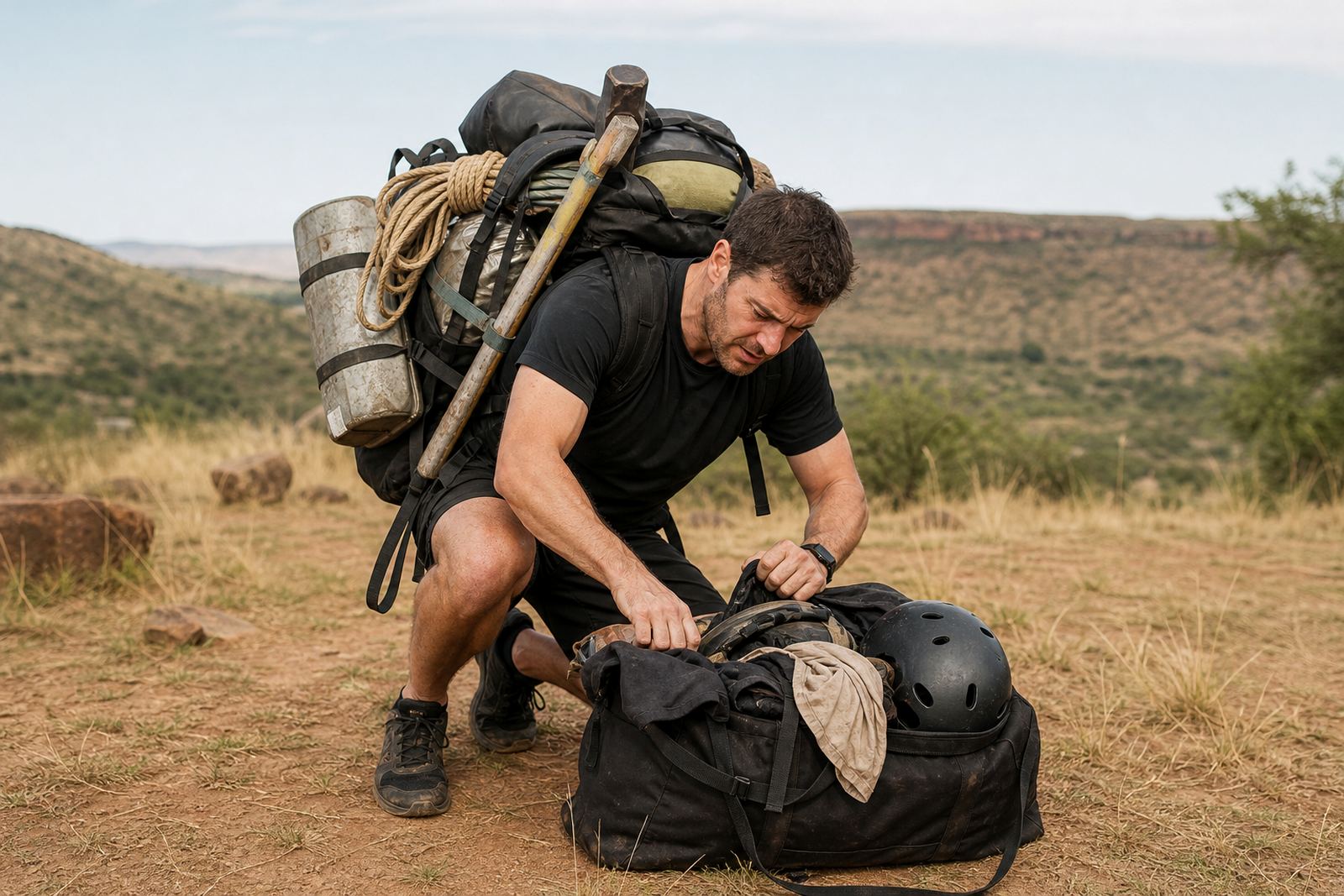
Even the best breakfast plan can get thrown off by traffic, a long queue or a delayed warm-up. Having a few basics in your bag helps you stay calm and sorted. This is especially useful if you are travelling from Pretoria, Rustenburg or Potchefstroom and want a backup plan without resorting to random service station food.
- A familiar snack you already know you tolerate.
- Water or a drink you usually use during training.
- Wet wipes or tissues, because mud and dust do not wait politely.
- A small towel and a spare top for after the race.
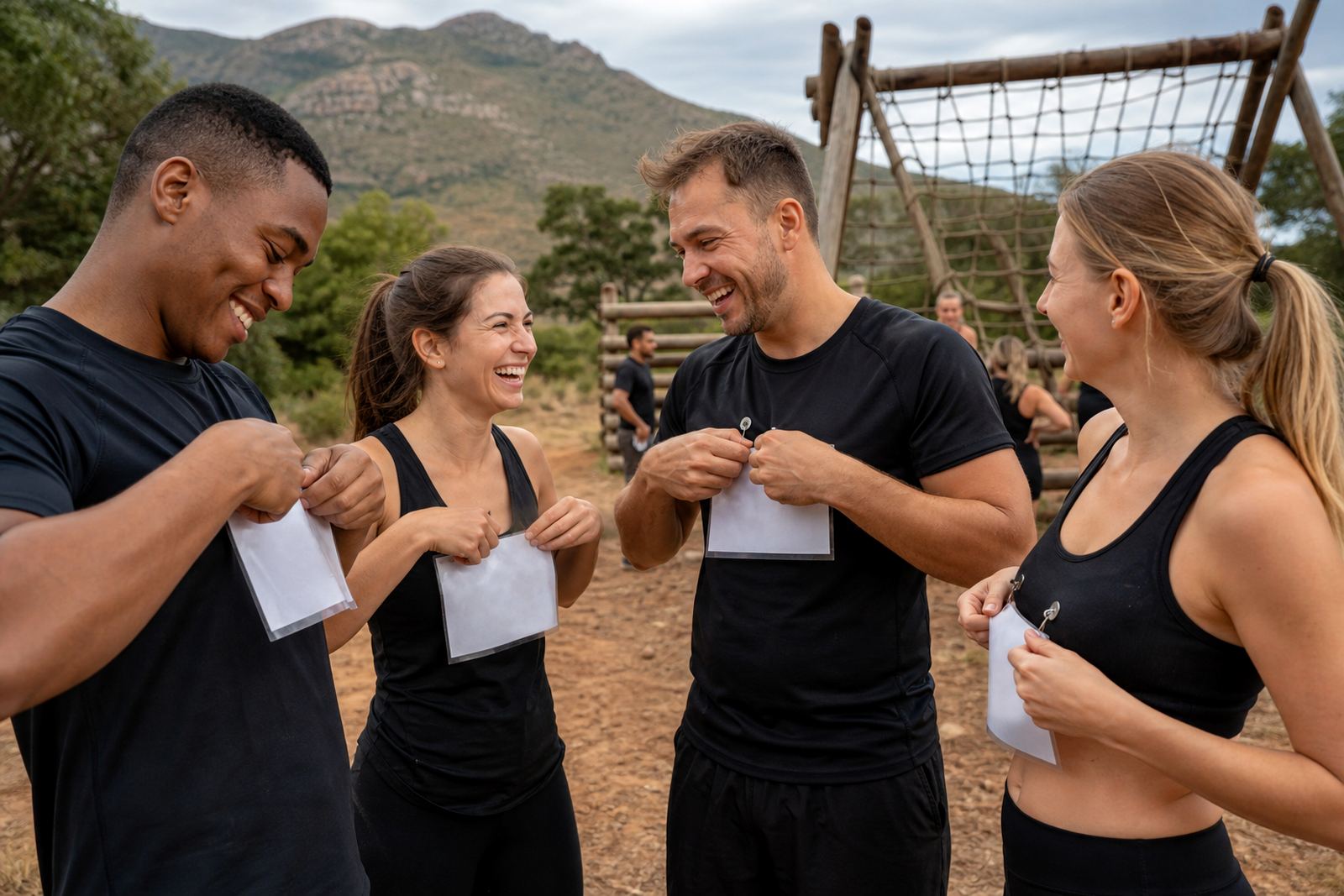
- Any items needed for registration, waivers or team check-in.
If you are part of a corporate team, group packing helps. One person forgets the snacks, another forgets the socks, and suddenly everybody is borrowing from the same bag. A quick checklist avoids that sort of scramble.
Why the doctor check matters before a hard event
Obstacle course racing can be very demanding, particularly if you are getting back into training after a break or you have a known medical condition. It is wise to check with a doctor before hard exercise, especially if you have concerns about your heart, breathing, joints or blood pressure. That is general caution, not personal medical advice, and it is worth taking seriously.
On the day itself, follow the safety briefing, complete your waiver properly and pay attention to the course guidance given by the team. If you feel unwell before the start, say so. It is better to step back early than to push on and make the day harder than it needs to be.
A Magaliesberg morning done right
Picture a team arriving at Hekpoort after an early drive from Johannesburg. The cooler air is still hanging over the ridges, someone is finishing a plain breakfast of toast and eggs, and another person is eating oats they packed from home. No one is trying new food, nobody is feeling stuffed, and the warm-up starts with people focused instead of worried about their stomachs.
That is the point of race day breakfast. It should be boring in the best possible way: familiar, steady and useful. If you start with food you trust, drink sensibly and listen to the briefing, you give yourself a far better chance of enjoying the course and finishing strong.