
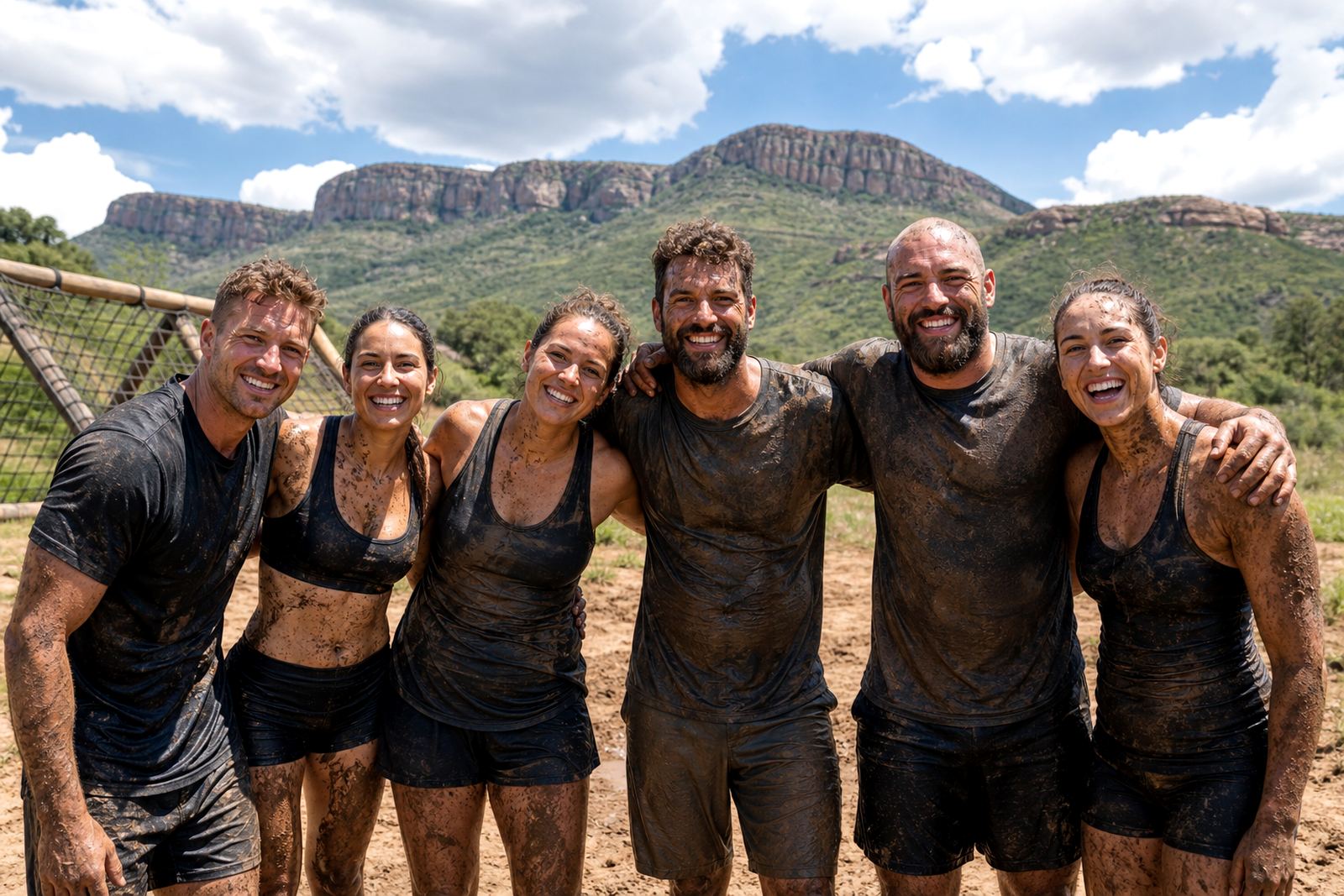
Why a mud run feels bigger than a finish line
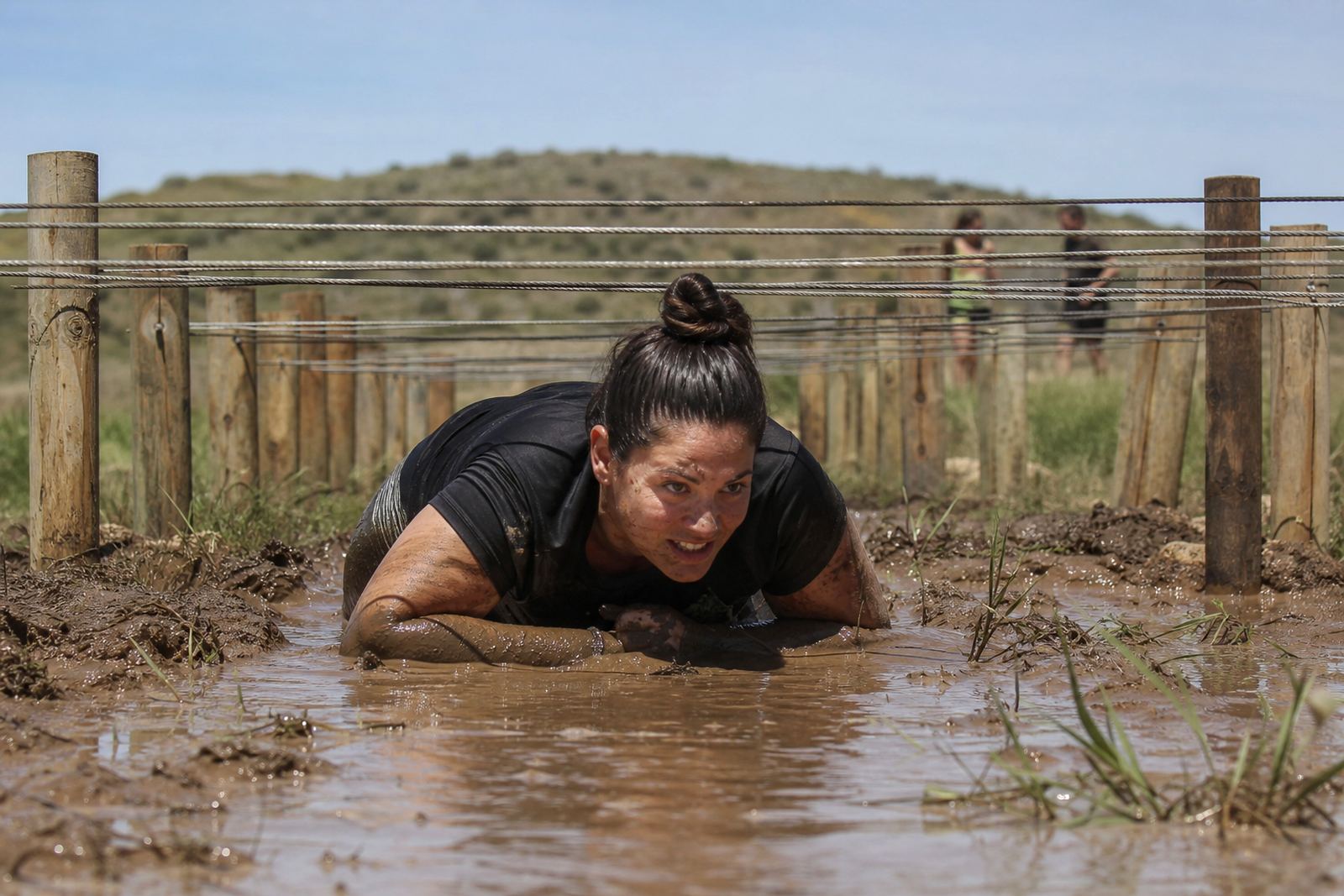
People often arrive for the physical test, then leave talking about the moments in between. A good obstacle course race asks you to climb, crawl, carry, balance and keep moving when your legs are already full of work. That variety is a big part of the appeal because no two sections feel the same, and no one gets to coast through the whole route.
In the Magaliesberg, the setting adds to the experience. Hekpoort and the surrounding North West terrain can mean dust, loose gravel, open sun and uneven ground, with weather that changes how the course feels from one hour to the next. For travellers coming from Johannesburg, Pretoria, Rustenburg or even further afield, that mix turns a race into a proper day out rather than just another workout.
Many people also like that OCR does not ask for one perfect body type or one exact pace. It rewards effort, not polish. You can be fast on one obstacle and need a hand on the next, and that is completely normal. The race becomes a series of small wins, one obstacle at a time, and that is often what keeps people signing up again.
Training that helps without stealing the fun
Good preparation makes the race more enjoyable, but training for OCR does not have to be complicated. The main goal is to build enough strength, grip and stamina to keep your form when you are tired. A few sessions of running, climbing, carrying and bodyweight work can go a long way. If you are not used to hard exercise, check with a doctor before you take on a demanding event.
It also helps to practise moving between efforts. OCR is not only about sprinting, it is about recovering while still working. Short hill repeats, stair sessions, sand runs and carrying a weighted object for short distances can teach your body to switch gears. In a place like Magaliesburg, where the route may include rises, dry patches and uneven footing, that practical preparation matters.
- Train your grip with hangs, rows and carries.
- Work on legs with squats, lunges and step-ups.
- Practise running after strength work, not only when fresh.
- Use shoes that suit muddy ground and loose surface, not just road running.
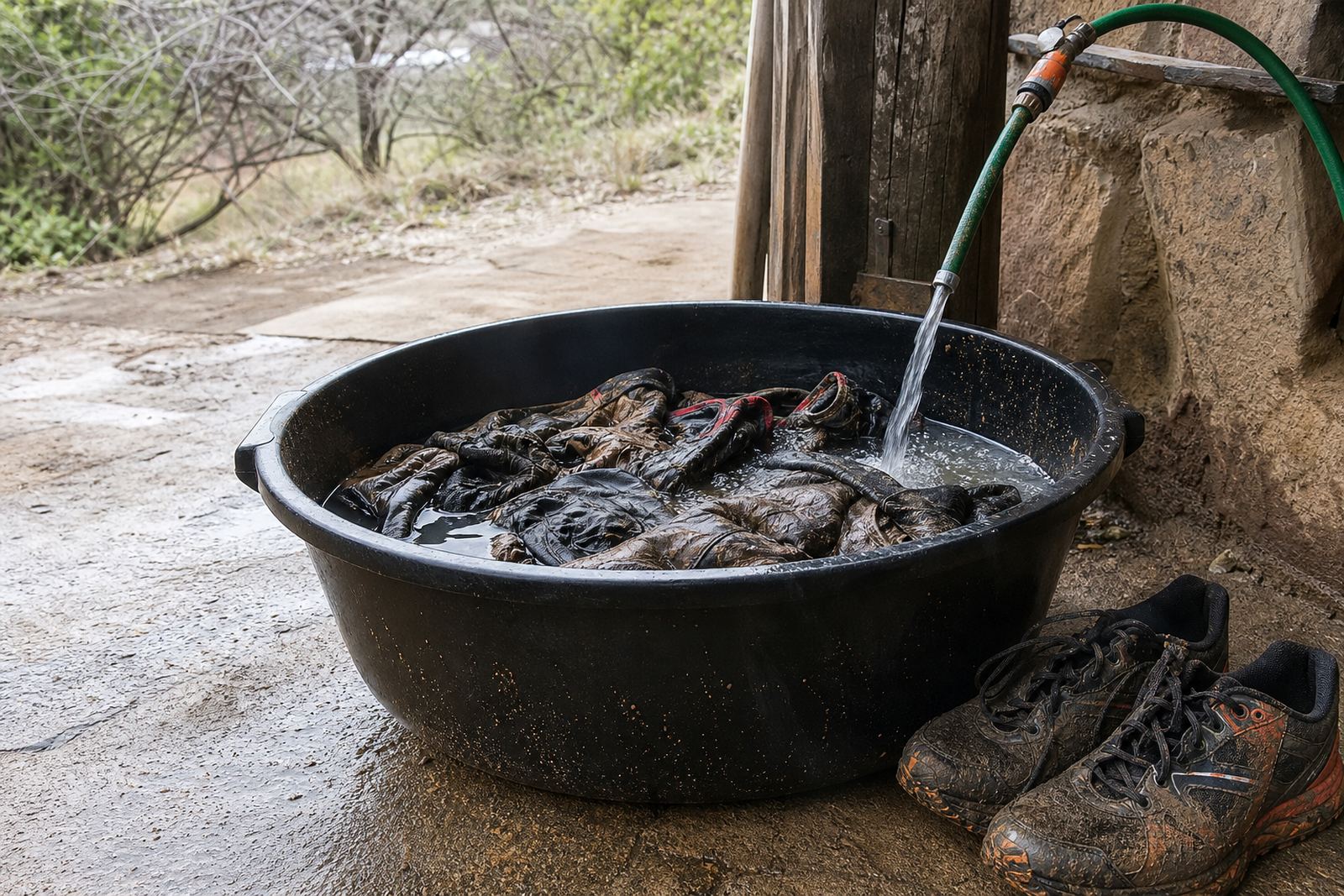
- Bring water, a towel, a change of clothes and anything your own comfort needs.
A lot of first-time participants worry about being the slowest person there. In reality, most fields have a mix of strong runners, weekend fitness people and teams who are there for the shared challenge. That mix is part of why OCR stays welcoming.
The bit people remember most is often the team side
Obstacle racing can feel personal, but it is rarely lonely. Teams learn quickly that one person pulling hard, another giving directions and someone else steadying nerves can change the whole mood of the day. The race becomes a shared job, and that is where a lot of the enjoyment comes from. When a teammate makes it over a wall after two tries, the small victory lands like a big one.
That is why corporate entries, staff groups and mixed teams keep showing up. For businesses from Pretoria, Johannesburg and Krugersdorp, an OCR day can give people a chance to work together outside the office without turning it into a formal workshop. You see who encourages others, who stays calm when things get messy, and who remembers to check on the person at the back of the pack.
Support often matters more than speed. A team that shares advice at the right time, watches the route markers and keeps the group together usually has a better day than a team that races ahead in fragments. It is a good lesson for work too, even if no one says it out loud.
Safety briefings are not filler, they shape the day
The best obstacle races are built on clear instructions. A proper safety briefing tells participants how the course works, what to do at each obstacle, where to pause if needed and how to move through the venue without causing avoidable trouble. Waivers are part of that process too, because everyone needs to understand the terms before taking part.
It also helps when the organisers explain the details that matter on the ground. Where to check in, how heat or wave allocation works, where the recovery area is, what to do if a team member needs a break, and how supporter zones should be used. That is practical information, not paperwork for its own sake. On a course in Hekpoort or the Magaliesburg area, where weather and ground conditions can shift, those briefings matter even more.
- Listen carefully before the start, even if you have done OCR before.
- Follow marshal instructions at each obstacle and in transition areas.
- Use the recovery area if someone feels unwell or needs a pause.
- Keep to the route, especially on uneven ground and around wet sections.
- Wear clothing that can handle dirt, sweat and a bit of rough contact.
It is also worth remembering that a race should feel challenging, not careless. A clear briefing helps people enjoy the pressure without taking unnecessary chances.
What to bring when the route is rougher than expected
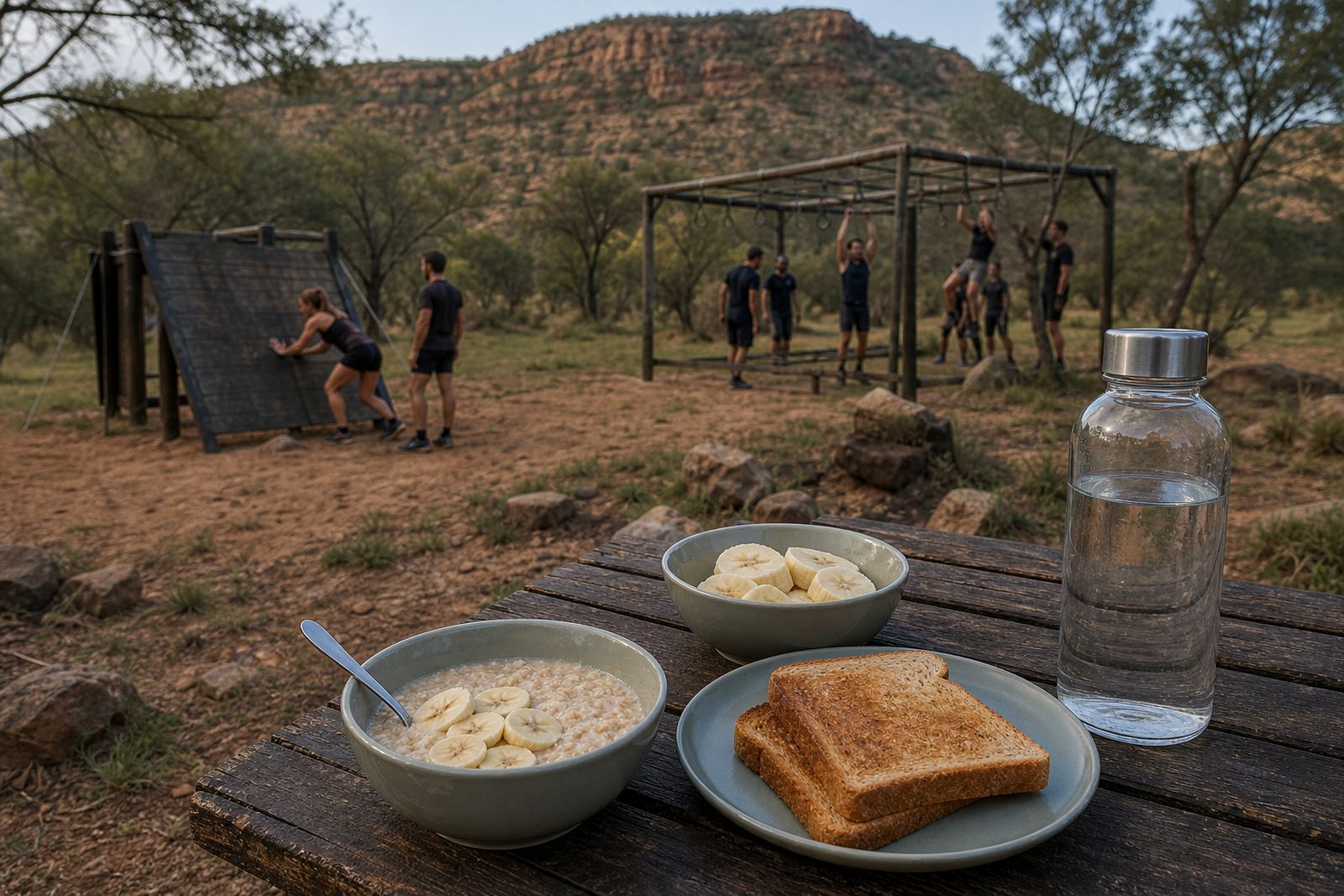
Participants often ask what to pack, and the answer is usually less dramatic than they think. The useful items are the ones that keep you comfortable before, during and after the race. In South African conditions, that often means sun protection, enough water, a dry set of clothes and something for the drive home. If you are travelling from Cape Town, Durban or Bloemfontein, packing with the return trip in mind saves stress later.
For families and supporters, planning matters too. Some venues need sensible arrival timing and enough patience for parking, check-in and team movement. Municipal rules, access points and local traffic patterns can all affect the day. Around Hartbeespoort, Pretoria Travellers and the Krugersdorp side, route planning helps you avoid the worst of the rush and arrive in time for the safety briefing.
- Water bottle or hydration pack
- Change of clothes and a towel
- Cap or sun protection
- Grip-friendly socks and shoes that can get dirty
- Light snacks for after the race
- Any personal items needed for a long drive home
The point is not to overpack. It is to make the day easier so the race stays about the challenge, not about a forgotten shirt or a dry mouth halfway through.
Why the Magaliesberg suits this kind of challenge
There is a reason obstacle racing fits the Magaliesberg so well. The area gives you open skies, hard ground, rocky edges and the kind of terrain that asks for attention from the first kilometre. It is not fancy, and that is part of the appeal. The setting feels honest, and OCR works best when the environment has something to say back.
For Punisher, the local advantage is that people can arrive from nearby branches and access areas, whether they are coming through Hekpoort Venue, Magaliesburg Venue, Hartbeespoort Access, or travelling in from Johannesburg, Pretoria, Rustenburg or Potchefstroom. That makes it easier to organise team registration help, waiver coordination, safety briefing groups, captain communication and onsite team check-in without turning the day into a scramble.
There is a practical side to all of this, but there is also a human one. People love OCR because it gives them a clear task, a shared effort and a memory they can talk about after the mud has washed off. That combination is hard to beat, even if you are tired, sunburnt and ready for a shower by the end of it.