What the Magaliesberg heat asks of your bottle
Obstacle course races and endurance challenges in Hekpoort and the wider North West can mean sun, wind, dust and long stretches between water points. If you are travelling in from Johannesburg, Pretoria, Cape Town, Durban or Bloemfontein, it helps to arrive already hydrated, not trying to fix it at the start line.
A practical plan begins the day before. Drink water regularly through the afternoon and evening, and add a bit more if you have been training in hot weather, working outdoors or spending time in dry air-con. On race morning, have water with breakfast and sip steadily rather than gulping a large amount right before the gun. If you are prone to cramps, headaches or feeling flat in the heat, treat that as a warning sign and check with a doctor before hard exercise.
- Carry a refillable bottle in the car for the drive to the venue.
- Use pale urine as one rough check that you are not starting dehydrated.
- Do not rely on thirst alone once the day gets hot.
Before the start line, do not wait for the first obstacle
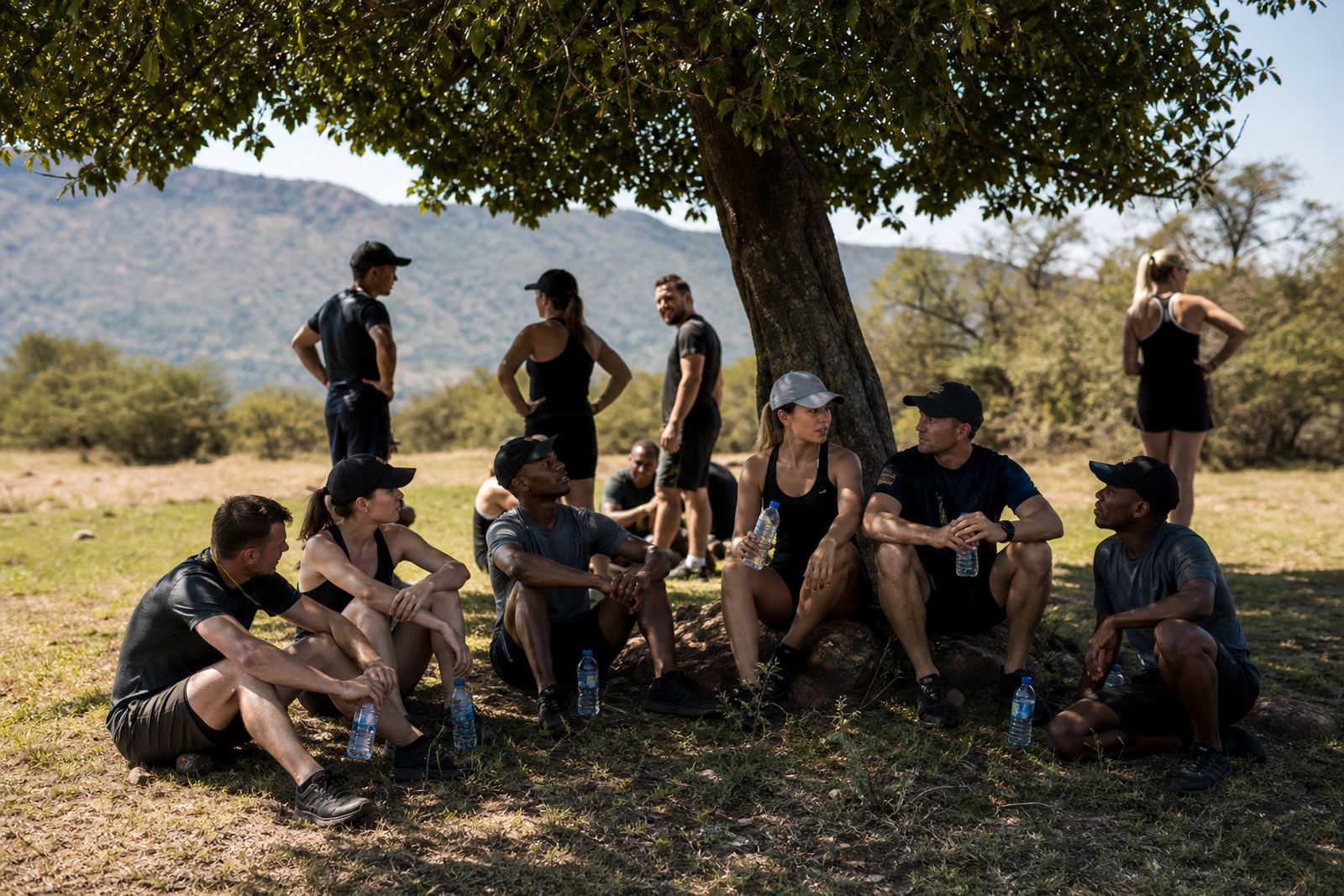
The biggest mistake is to arrive dry from a long trip, then try to catch up at check-in. At our Hekpoort venue and other access points around Magaliesburg, Hartbeespoort, Krugersdorp and Pretoria, you may still have kit sorting, waivers, team briefing and warm-up to get through before you even face the first climb or carry. That time matters.
A sensible pre-race routine is to sip water in small amounts over the hour before you start. If you know you sweat heavily, a drink that includes electrolytes can help replace what you lose, especially in warm, humid or dusty conditions. Keep your intake moderate. Too much water in one go can leave you bloated and uncomfortable on the course.
- Finish your final bigger drink about 20 to 30 minutes before the start.
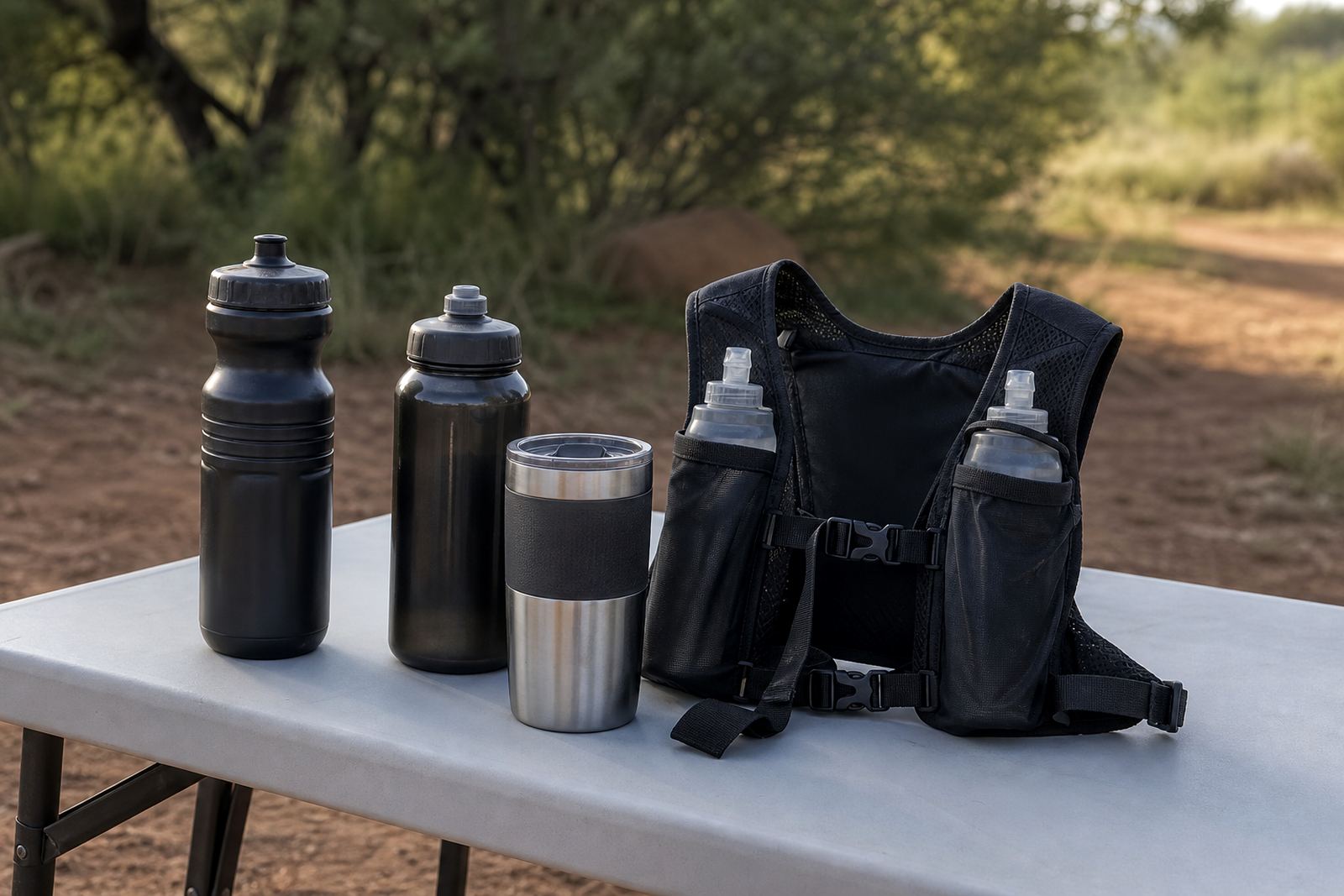
- Use a bottle or pack you have already trained with.
- Avoid trying new drinks on race day if your stomach is sensitive.
On-course drinking between rope climbs and sandbag carries
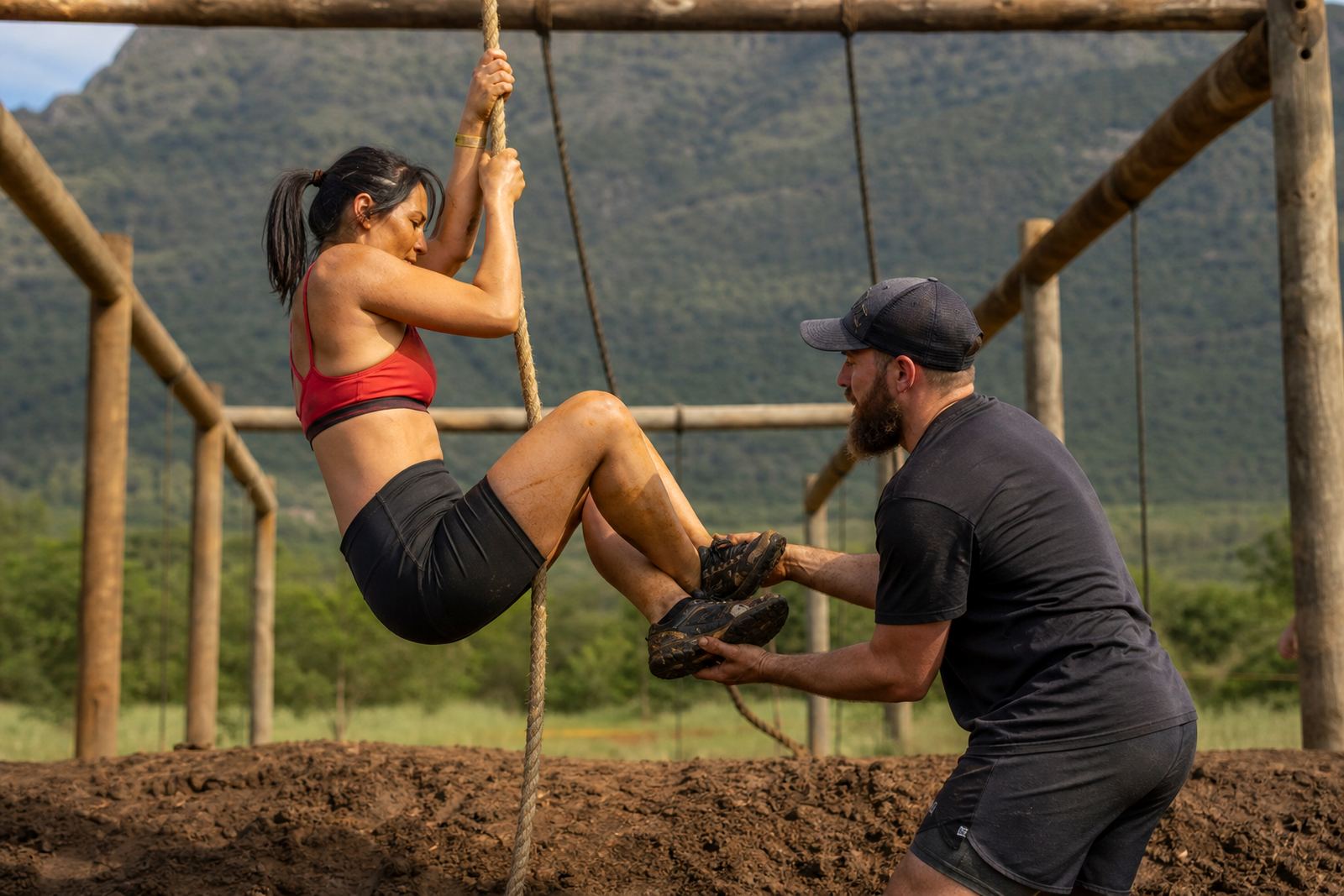
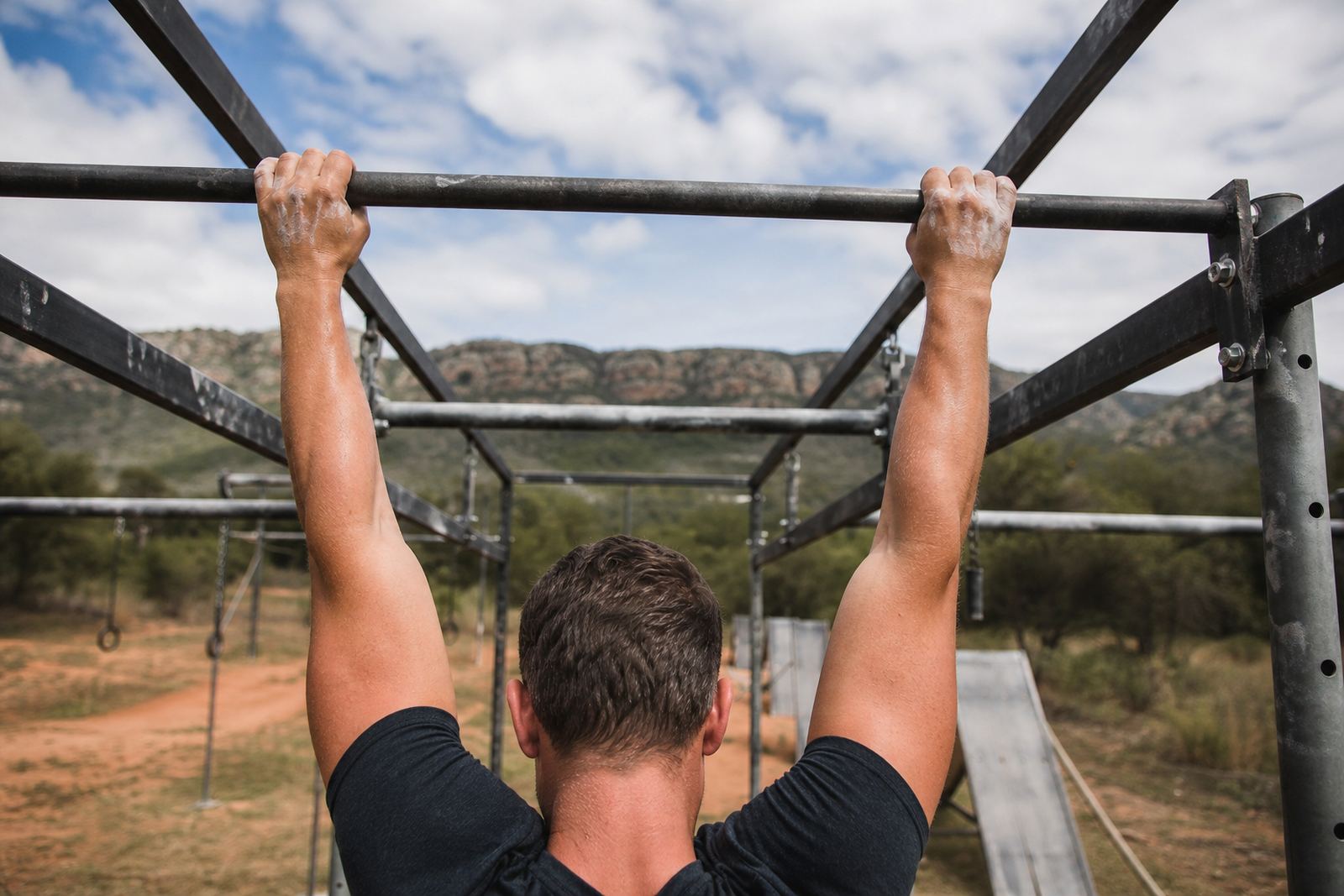
Once the race starts, hydration needs change with the work you are doing. A short, intense obstacle sequence may not need much at all, but a longer endurance challenge in warm weather can drain you faster than expected. Sips at regular points are usually better than waiting until you feel depleted. That is especially true when your breathing is hard and your hands are busy with walls, carries, mud or grip work.
For team entries, captain communication helps here. One runner may move quickly between obstacles while another needs a few extra seconds to recover. That is fine. A team that keeps a steady pace, drinks early and checks in on one another usually performs better than a group that sprints, fades, and then has to chase the whole way through. It is not about overthinking every mouthful, just keeping the body supplied.
- Take small sips at water points instead of large chugs.
- Carry only what you can manage without upsetting your balance.
- If you feel dizzy, stop, cool down and tell the nearest marshal.
Recovery starts before you leave the venue
After the finish, many participants focus on photos, medals, team banter and the drive home. Hydration should still be part of the day. Your body keeps losing fluid after the effort stops, especially if you have been in the sun for a long time or wearing wet kit. That is why our recovery area guidance matters, and why we encourage teams to plan for a calm finish rather than rushing straight off.
A useful recovery habit is to drink steadily over the next few hours, not all at once. Pair water with a proper meal or snack so the body can settle. If you are headed back toward Johannesburg or Pretoria after a hot event in the Magaliesberg, keep another bottle in the car. It is a small step, but it can make the trip home less tiring.
- Choose a drink with a little salt if you have sweated heavily.
- Watch for dark urine, unusual fatigue or a pounding headache after the event.
- Rest in the shade before getting behind the wheel.
What to pack so you are not caught short
Good hydration planning is partly about what you bring with you. Whether you are a first-time participant or supporting a corporate team, it helps to think through the practical pieces before you arrive at the venue. A small cooler bag, an extra bottle, a towel and a spare shirt can all make the day easier. For winter events or early starts, you may also want a light layer for the waiting period before warm-up.
Our team helps with safety briefing groups, onsite team check-in, custom team briefing and supporter planning, so participants know where to go and when to drink. If you are entering with a group, ask about team registration help and waiver coordination early, especially if several people are travelling in from different towns. The less you have to sort on the day, the easier it is to keep your drinking plan on track.
- Refillable water bottle or hydration pack.
- Electrolyte drink or tablets if you use them in training.
- Small towel, cap and a dry shirt for after the race.
A local example from Hekpoort to the finish tape
Picture a Saturday morning in Hekpoort. A corporate team from Johannesburg arrives after an early start, one group from Rustenburg joins them, and a few supporters come through from Potchefstroom. The air is already warming up, the briefing is done, and the course build team has marked out the main obstacles. The participants who drank water on the drive, sipped again before warm-up and kept taking small amounts through the race usually look better at the end. They are still tired, but they are not flat.
That is the real value of hydration planning. It is not a fancy extra. It is part of arriving prepared, moving safely and enjoying the challenge. If you are training for a demanding event, make drinking part of the session, not something you remember only after you are already tired. The body responds better when the plan starts early and stays steady all day.
If you are unsure how hard you should train, or whether you should be pushing into hot conditions at all, check with a doctor before hard exercise. Then build your drinking routine around the reality of South African weather, long travel and outdoor effort.