
Arrive Like You Mean It, Not Like You’re Chasing the Field
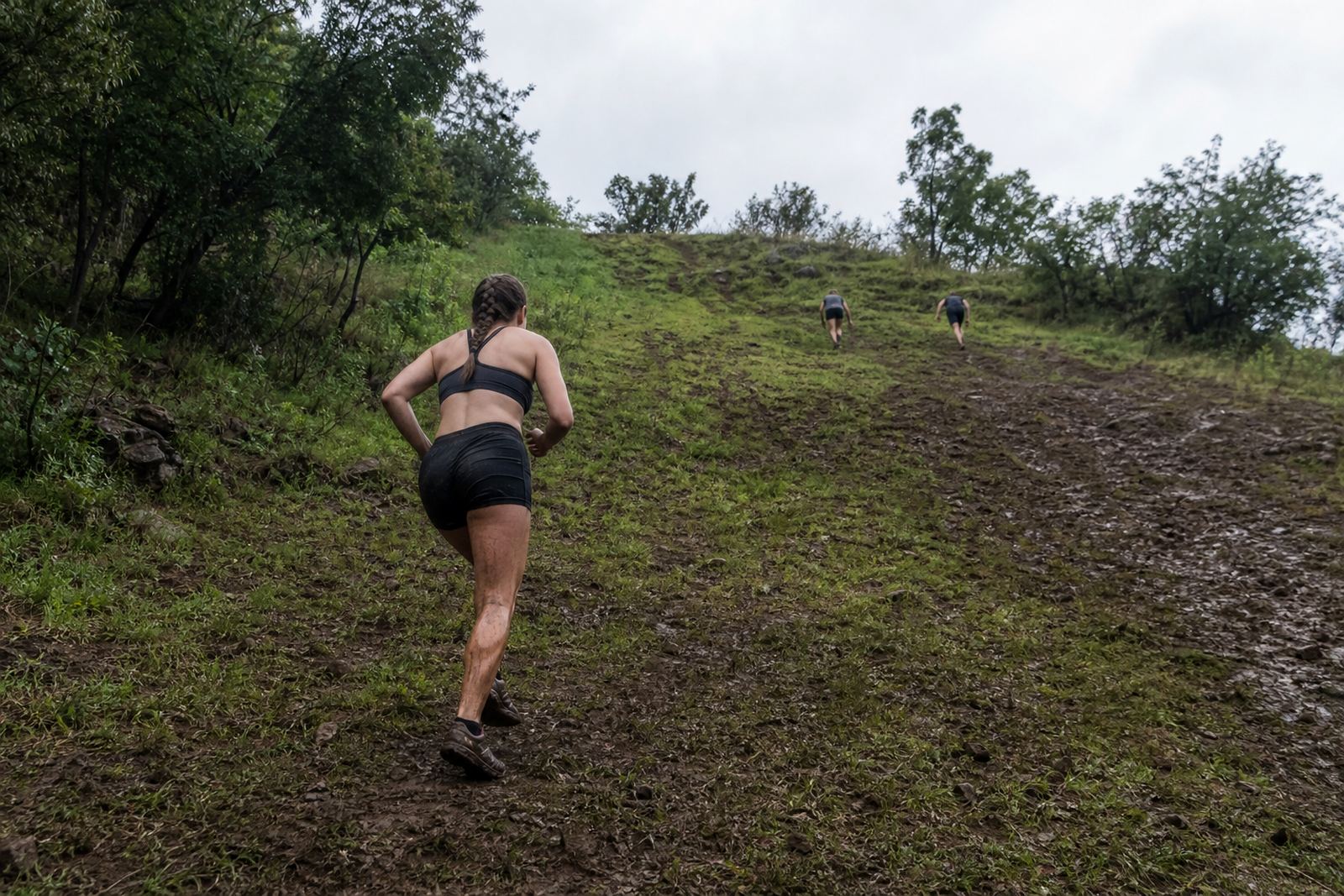
Supporters do best when they arrive early enough to find parking, read the venue notes and settle in before the first wave moves out. Around Hekpoort and the wider Magaliesberg area, access roads can be dusty after a dry week and muddy after rain, so shoes with proper grip are worth it even if you are not racing. Keep your ticket, gate notes and any access instructions ready, because some venues split public parking from crew and participant zones.
If you are supporting a team member, ask where they want you to stand and when they expect to pass key points. That avoids a lot of wandering around fences and marshal areas later on. At some venues, spectators can see several obstacles from one rise or farm track, while others need a short walk between vantage points, so it helps to plan your route before the action starts.
- Wear closed shoes with a firm sole, especially on loose gravel or wet grass.
- Bring a hat, sunscreen and a light jacket for early mornings or late finishes.
- Keep your parking note or access instructions in an easy-to-reach pocket.
- Leave space in the car for muddy kit and wet towels on the way home.
What to Wear When You Are Not the One in the Mud
Supporters spend more time standing than they expect, so dress for comfort and sun protection. Light layers work well in the North West, where mornings can start cool and then warm up quickly once the wind drops. Breathable shirts, a cap and sunglasses make a real difference, and if the venue has uneven ground, trousers or tights are often better than shorts for walking through long grass or thorny edges.
Think about the whole day, not just the hour you will be cheering. If you are carrying snacks, a water bottle, spare power bank and a fold-up chair, you will be much happier in clothes with pockets or a small day bag. On windy days, keep loose items tied down; nothing ruins a good viewing spot faster than chasing a hat across a field. Pack a spare top too, because dust and splash zones can leave you looking far less polished by midday.
Best Places to Watch Without Stepping Into the Race Line
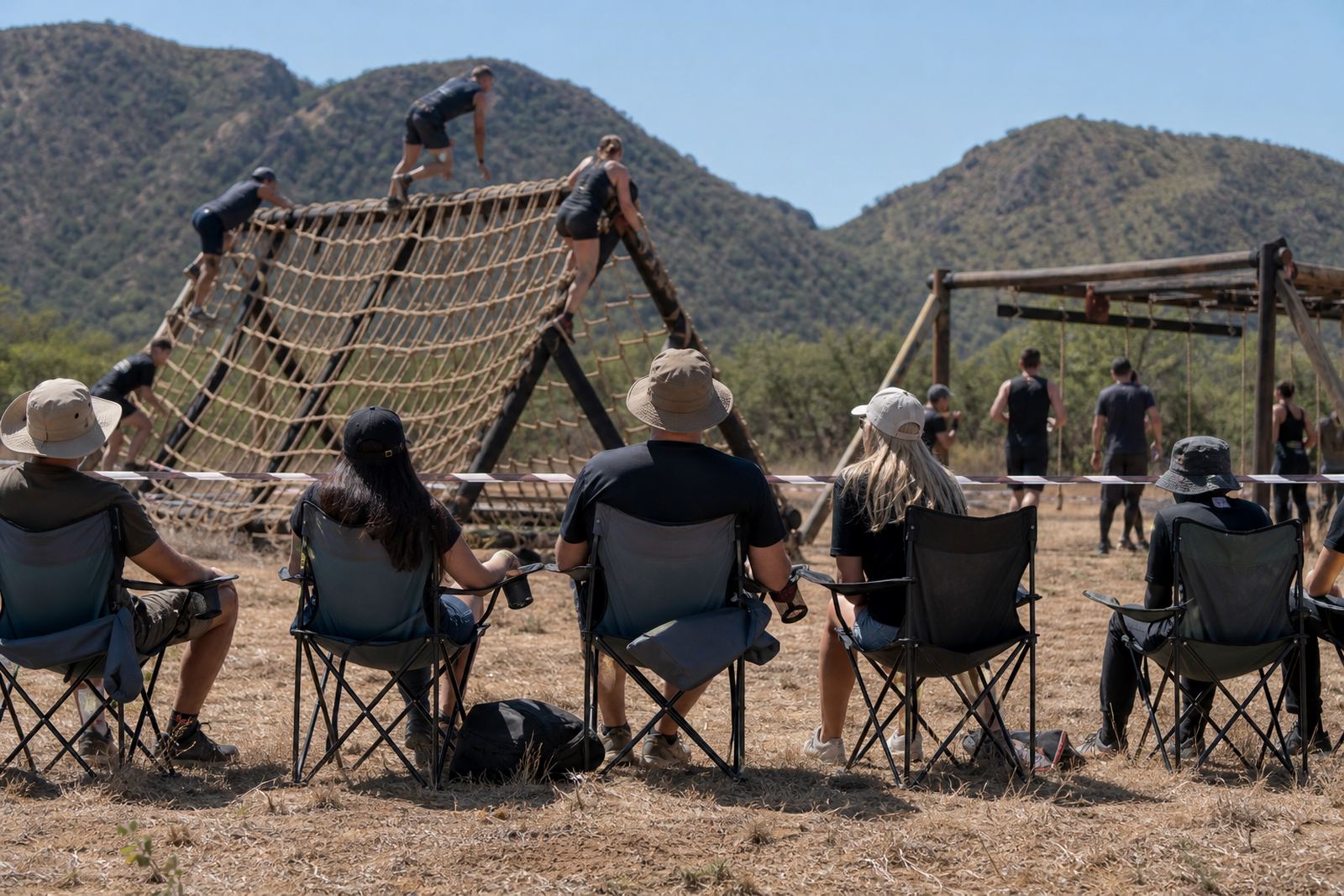
The best spectator spot is one where you can see the effort without blocking athletes, marshals or emergency access. Ask staff where public viewing is allowed and stay behind tape, rope or the marked edge of the course. In obstacle events, people often want a close-up look at climbs, crawls or water sections, but the safest place is usually a little back from the action where you can cheer clearly and still give runners room.
A good local example is a race in the Magaliesberg foothills near Hekpoort. The terrain can create natural viewing points on rises and bends, which lets families see several competitors pass through one area without crowding the obstacle itself. If you are with younger children, keep them near you at all times and choose a spot with shade and a clear exit path. It is worth checking whether the ground around the viewing point gets slippery after irrigation or rain, because that is where a lot of accidental falls happen.
- Stand well back from rope lines, water crossings and ladder sections.
- Do not cross marshal routes, even if another supporter seems to be doing so.
- Pick one base spot if you are attending with children or older family members.
- Look for shade, a toilet nearby and a clear route back to the parking area.
Cheering That Lifts People Up Without Distracting Them
Strong encouragement matters in obstacle racing, but timing matters too. Short calls like name, team name or a quick “you’ve got this” are often better than long speeches while someone is climbing, carrying or balancing. If your athlete seems tired, keep the encouragement positive and practical. A calm shout at the right moment can be more useful than noise all the way through an obstacle.
Respect the other athletes as well. Not everyone wants a camera in their face while they are scrambling through mud or trying to catch their breath. If you take photos, avoid stepping into someone else’s clear line of movement, and never call out instructions that conflict with the marshal on the ground. Cheer for the whole field, not only your own runner, because the atmosphere at these events is better when everyone feels backed.
- Use names, team colours or short phrases rather than long instructions.
- Keep applause and shouting clear, but don’t crowd the obstacle edge.
- Let photographers and marshals do their work without interference.
- Celebrate effort as well as finish times, because plenty of people are racing for personal goals.
What Supporters Should Pack So the Day Runs Smoothly
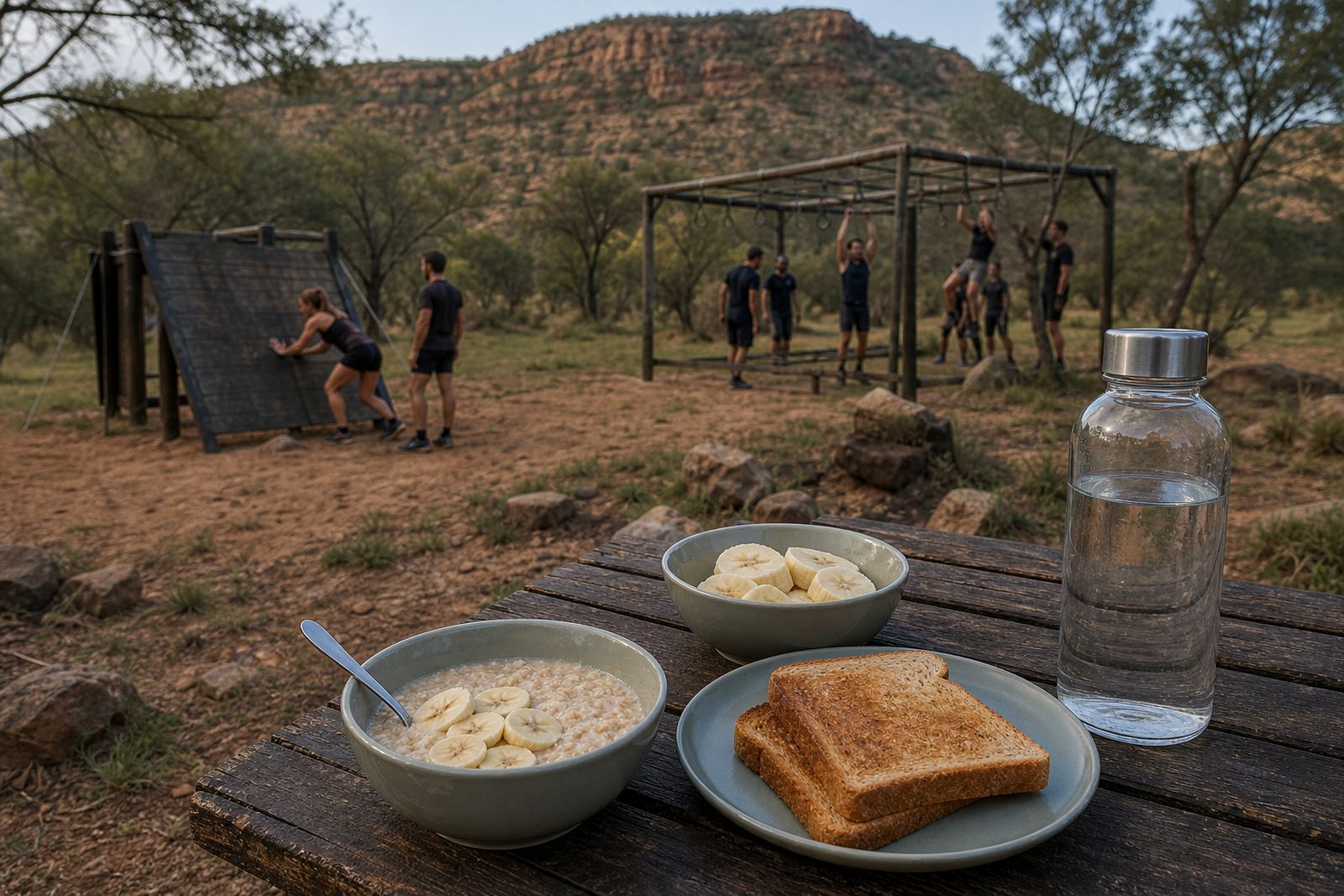
Supporters often forget that race venues are active outdoor sites, not picnic lawns with everything supplied. Pack water, snacks, tissues, hand sanitiser and a small rubbish bag so you can leave the venue tidy. If the forecast points to heat, bring extra drinking water and something salty to nibble on. If rain is likely, a compact poncho beats a heavy umbrella, which can block the view for everyone behind you.
For longer events, a fold-up chair or ground mat is handy, but keep it small enough to carry easily. A reusable bottle, sunblock, a charged phone and a spare layer are the basics. If you are attending with older supporters or anyone who tires quickly, plan regular breaks near the recovery area or shade. The point is to enjoy the day, not to spend it chasing comfort around the venue. A little planning makes the whole outing feel less like a scramble and more like a proper day out.
Rules, Waivers and Doctor Checks Are Part of Good Support
Even spectators should understand that obstacle races come with venue rules, participant waivers and safety briefings that matter to everyone on site. If your runner is part of a corporate group or team entry, they may have a captain briefing, heat allocation notes and support instructions that affect where family can stand. Respect those boundaries. They are there to keep the course moving and to protect participants, marshals and spectators alike.
If you are planning a hard day of cheering, walking around a large venue or helping with kit, check with a doctor before taking on strenuous activity yourself, especially if you have a heart, breathing or joint concern. That is just common sense. A supportive day can still be physically demanding, and no one wants a preventable problem in the middle of a dusty race field. If you are unsure about venue access, recovery zones or spectator movement, ask the event staff early rather than making a guess later.
A Better Finish for the People You Came to Back
The best spectators help create the mood of the event without becoming part of the problem. They arrive prepared, stay aware of the course, and give encouragement that is strong but respectful. That kind of support matters whether the event is drawing people from Johannesburg, Pretoria, Cape Town, Durban or Bloemfontein, or whether it is a local outing for families in Hekpoort, Magaliesburg, Hartbeespoort or Rustenburg. A race feels different when the crowd knows how to behave.
At the end of the day, the people running the course will remember the names shouted, the clean photos and the calm voice from the side line. They will also remember who stayed out of the way and made the event easier for everyone else. If you are going to support a racer in the Magaliesberg, do it with good shoes, a clear plan and a bit of patience. That is usually enough to turn a long day into a good one.