
When the first whistle blows, roles matter
A strong team does not wait until the course starts to work out who leads, who keeps the pace, and who checks on the slower runners. Sort that out before the warmup and you save energy later. One person can set the rhythm on flat ground, another can keep the group together at bottlenecks, while a third watches for someone who is fading in the heat.
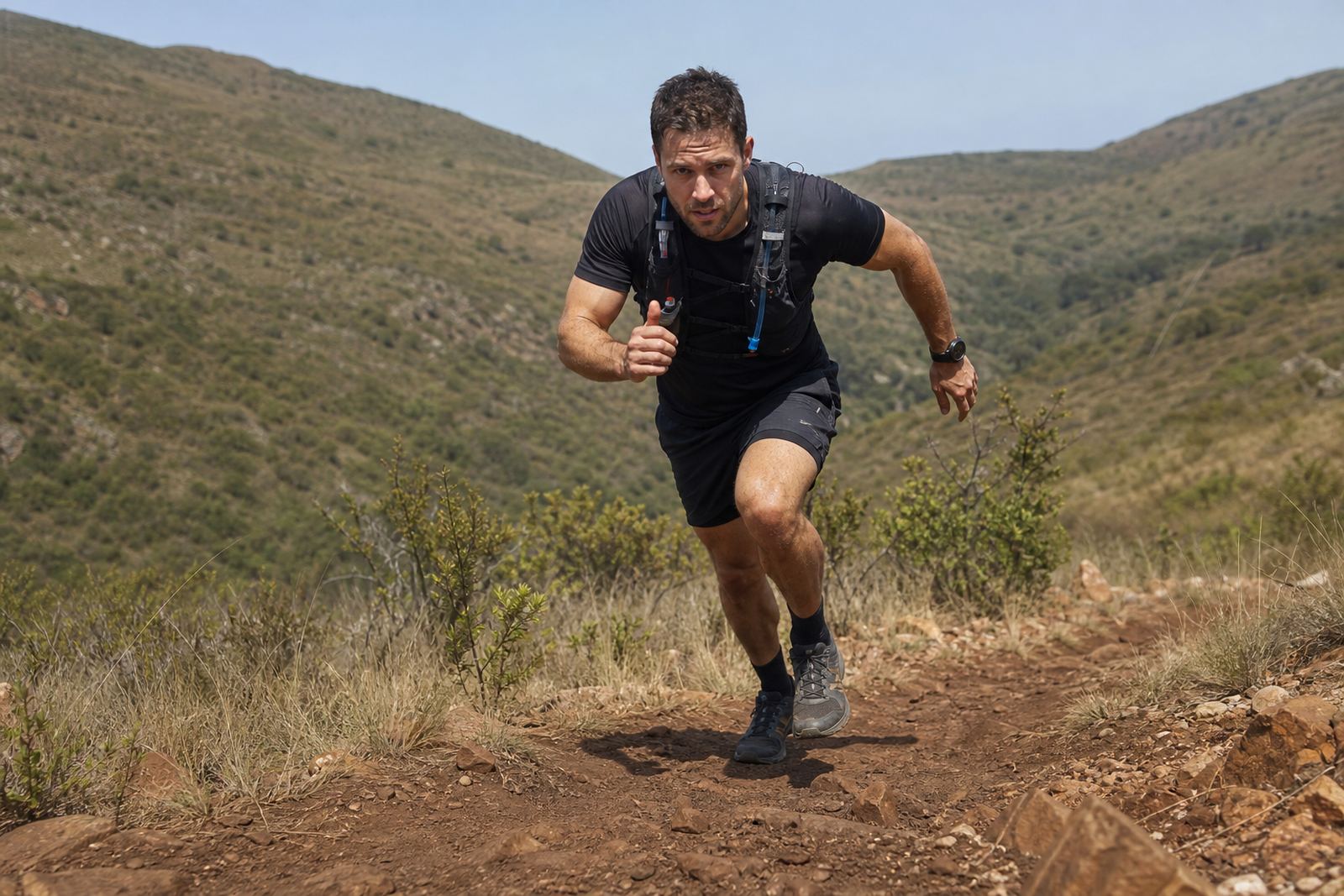
In the Magaliesberg area, where climbs, loose ground and hot afternoons can change the feel of a race quickly, groups do better when they speak plainly. Short calls work best: hold, move, watch your footing, breathe, next obstacle. That keeps the noise down and the focus sharp.
- Agree on a lead runner and a sweep runner.
- Use short words for hazards, water and pace changes.
- Keep the weakest member in sight, not behind the pack.
- Share the plan again after the safety briefing.
Training together before race day counts for more than fitness
Teams that train together learn each other's habits. You see who surges early, who holds back, and who needs a hand over a wall. That knowledge is worth plenty when the course gets messy. A weekly session with short hill repeats, grip work and bodyweight drills can help the whole group move better together.
It also helps to practise transitions. If one person struggles on a carry, the others should know how to share the load without wasting time. If someone cramps, the group must know how to slow the effort without turning it into a panic. This is where teamwork starts, not at the start line.
- Practise crawling, climbing, carrying and jumping in a controlled setting.
- Build grip strength with hanging work or rope drills.
- Train short bursts after a jog so the body learns to recover while moving.
- Check with a doctor before hard exercise, especially if you are returning after illness or injury.
Safety briefings are part of the race, not extra admin
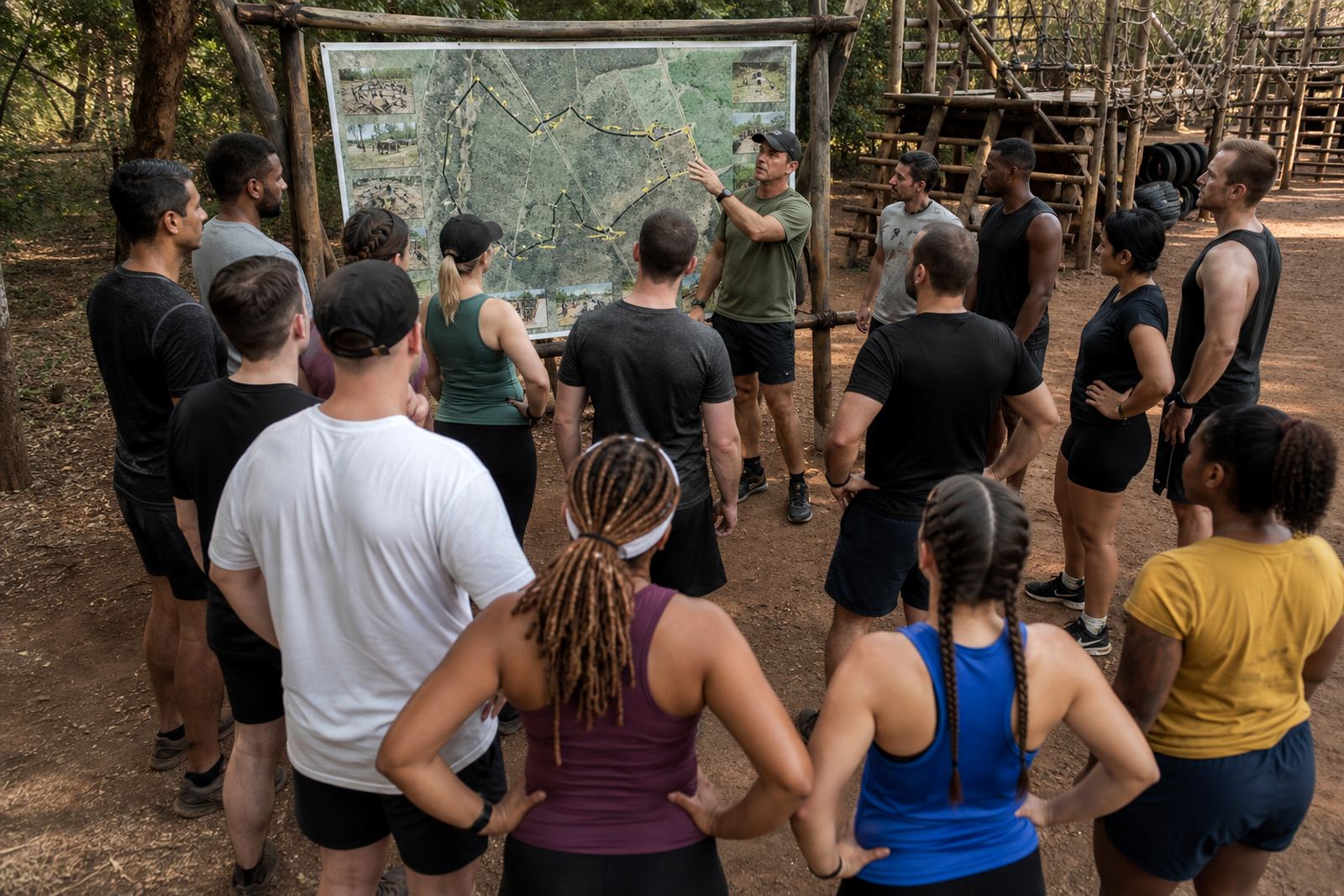
A proper safety briefing gives the whole group the same information, which matters when the terrain changes or a water crossing slows everyone down. Listen for obstacle rules, dismount points, marshal instructions and any places where the course narrows. That is where teams get split if they are careless.
Waivers, wristbands and check in steps are not there to waste time. They set out the conditions for taking part and make sure each group knows what is expected. If there is a captain in the group, that person should keep an eye on the paperwork and the briefing notes so nobody gets left behind at the start.
- Read the waiver before arrival so there are no hold ups.
- Listen for the parts on lifting, falling and obstacle order.
- Ask about recovery space, water points and where support staff are placed.
- If a marshal gives a stop call, stop immediately.
How to carry each other over the hard bits
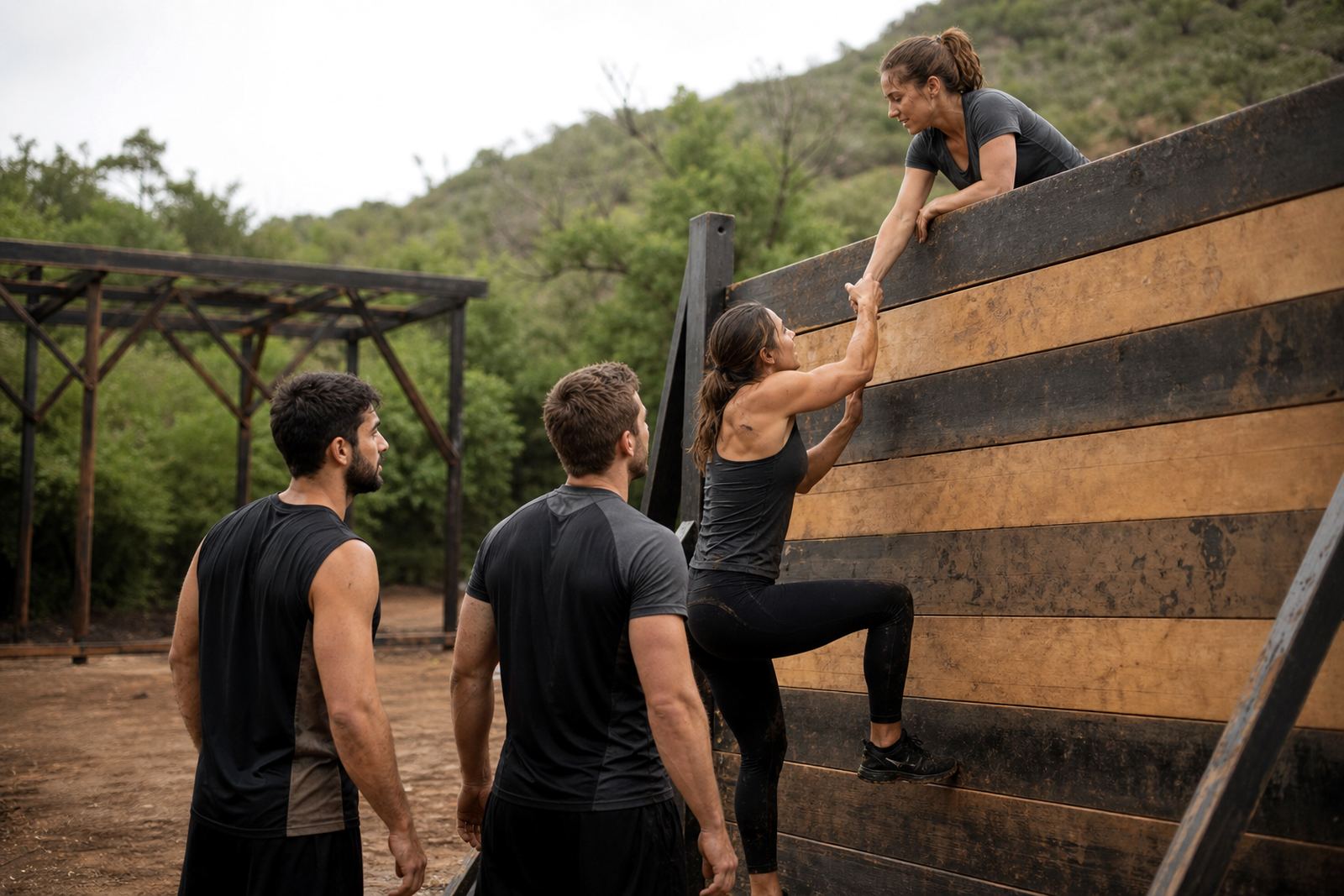
Most groups do not fall apart on the easy sections. It happens on the wall, the carry, or the long run between obstacles when fatigue starts to bite. The fix is not loud encouragement alone. It is steady help. A hand up, a shoulder at the right time, and a quick check that the next person is ready can save a lot of energy.
Good teams also share the mental load. One person may be calm at the rope climb and tense at the water. Another may enjoy speed but dislike mud. When the group understands that each member has a different pressure point, support becomes practical instead of forced. That is what keeps the mood up when the work gets ugly.
- Offer support before someone asks for it, but do not grab without warning.
- Match your help to the obstacle: lift, steady, spot or pace.
- Use names when calling out so no one misses instructions.
- Keep jokes light if the group is tired, not at someone’s expense.
A Magaliesberg course asks for local sense too
Teams travelling from Johannesburg, Pretoria, Durban, Cape Town or Bloemfontein should allow for the basics that matter on North West terrain. Dust can be hard on shoes, sun can be harsh on exposed skin, and rain can turn a track slick in a few minutes. In Hekpoort and the wider Magaliesberg area, weather shifts and uneven ground are part of the day, so timing, water and footwear all count.
For corporate groups and mixed fitness teams, the practical approach is best. Carry a small bag with dry clothes, a towel, snacks and any personal items needed after the race. If your group has several first timers, plan a simple reunion point near the recovery area. That keeps the whole crew together after the finish, instead of wandering off in different directions.
What a team should sort out before arrival
A little planning before the drive to the venue makes race day less tense. It helps when one person handles the group messages, one keeps an eye on arrival times, and another watches the kit list. That way nobody ends up without the right shoes, a water bottle or a spare top for after the course. Municipal rules, parking directions and venue instructions should also be followed as given on the day.
At Punisher, group support can include registration help, captain communication, heat allocation support, custom team briefing and recovery area guidance. Those details are especially useful for mixed groups, because not everyone reaches the start line with the same confidence. The better the information flow, the better the team moves.
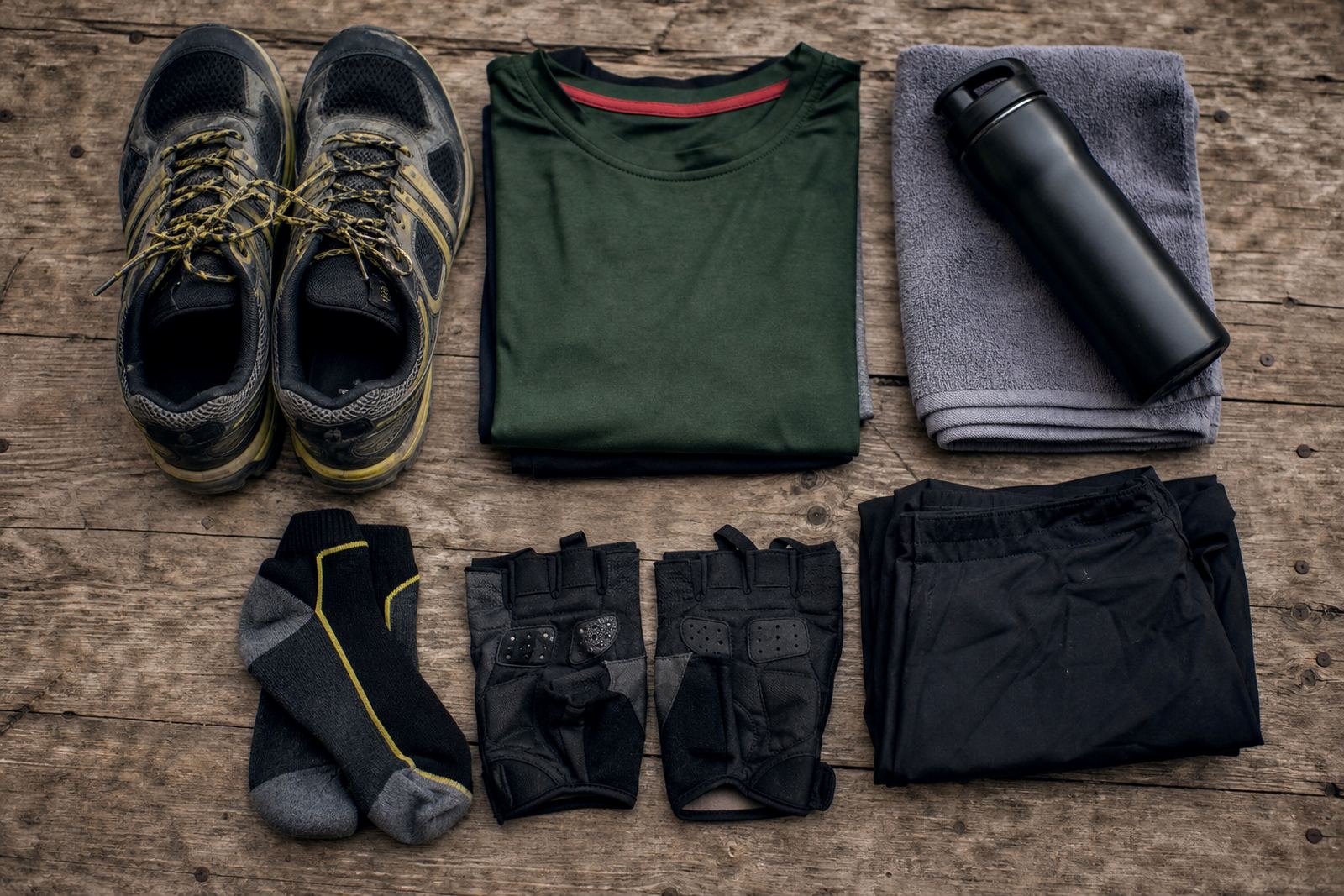
- Bring trail-ready shoes with grip, plus a second pair of socks if needed.
- Pack water, a snack, sunscreen and a dry shirt for after the finish.
- Keep identification and waiver details easy to reach.
- Use the enquiry form on our contact page if your group needs help with team planning.
Support that lasts after the finish line
The strongest part of obstacle racing is often what happens after the final obstacle. Teams remember who helped them over the wall, who gave the last push on the carry, and who kept the group calm when the legs were gone. That shared memory is why these events work so well for work teams and groups of friends.
Teamwork on course is not about being the fastest person in the field. It is about moving as one unit, helping where needed and staying sensible from the first briefing to the recovery area. When that happens, the race feels less like a test of individuals and more like a proper group effort.