Why the chilly start matters more than the finish
In cooler weather your body takes longer to loosen up, especially if you are travelling in from Johannesburg, Pretoria or further afield and arrive stiff from the car. A race that feels fine at midday can feel very different at 07:00 when the wind is moving across open ground and the first kilometre is still in shade. That is why cold weather racing is not only about clothing, it is also about timing, movement and patience.
At a venue near Hekpoort, the air can feel sharp in the early hours and then warm up quickly once the sun gets onto the course. If you start too fast before your muscles are ready, your form goes off and you burn energy too early. A steadier first section often gives better results than trying to prove a point in the first 10 minutes.
Layering that works before the horn sounds
The best layers are the ones you can adjust without losing focus at the start line. A thin base layer, a light outer top and a spare dry layer for after the race are usually more practical than a thick jacket you cannot shed quickly. Avoid clothing that holds too much water if there is crawling, mud or wet grass on the route.
- Wear a moisture moving top that does not cling once you start sweating.
- Choose shorts or tights that let you climb, carry and squat without pulling.
- Bring a beanie, buffs or gloves if the wind is strong before the start.
- Keep a dry towel and clean shirt in the car for after the race.
If the forecast is cold and damp, your warm up kit should not be too bulky. You need enough coverage to stay warm, but not so much that you overheat while waiting. That balance matters on longer courses where you may be standing around during briefing and heat allocation.
Warm up time is part of race prep, not a bonus
Cold weather racing asks for a longer warm up than a summer event. Give yourself time for light jogging, dynamic stretches and a few movements that match the race itself, such as lunges, skips and short hill efforts. A rushed warm up can leave you tight in the calves, hips and lower back, and that shows up fast when you meet ropes, walls or uneven ground.
For most participants it helps to start moving well before the briefing ends. If you know you stiffen up in cold air, arrive early enough to do a proper warm up and not just a quick jog on the spot. If you are unsure whether hard exercise is a good idea for you, check with a doctor before taking part in a demanding event.
- Start with 5 to 10 minutes of easy movement.
- Add mobility work for shoulders, ankles and hips.
- Do a few short efforts at race pace before the start.
- Keep breathing steady, not forced.
Safety briefings hit different when fingers are cold
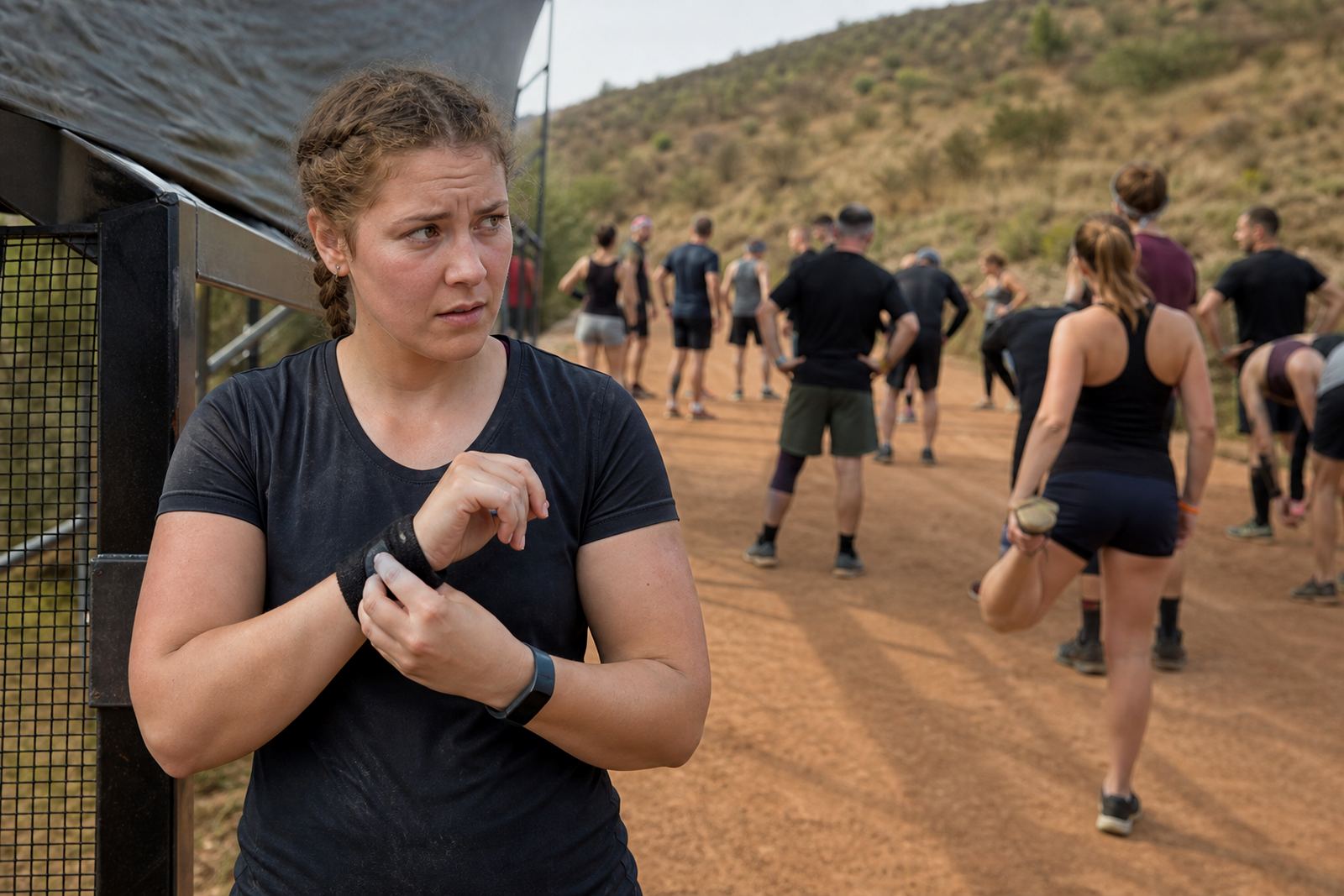
A proper safety briefing becomes even more important in cooler conditions because cold hands and less flexibility can change how you move on obstacles. Listeners tend to remember more when the briefing is clear, short and linked to what they will actually face on course. That is where water crossings, grip points, footing and team spacing need to be explained properly.
At Punisher events, the safety and briefing process is there to help participants understand the route and the risks before they start. Waivers, group briefing notes and team check-in all matter because cold weather can make small mistakes feel bigger. Bianca Khoza, our Safety and Briefing Officer, keeps the focus on practical details like where to slow down, how to help a teammate and when to ask for support.
If you are bringing a corporate group from Pretoria, Johannesburg or Rustenburg, make sure the captain shares briefing details with the rest of the team. One person hearing the rules and another person guessing them is not a good mix on a wet obstacle course, not at all.
What to put in the car and what to leave there
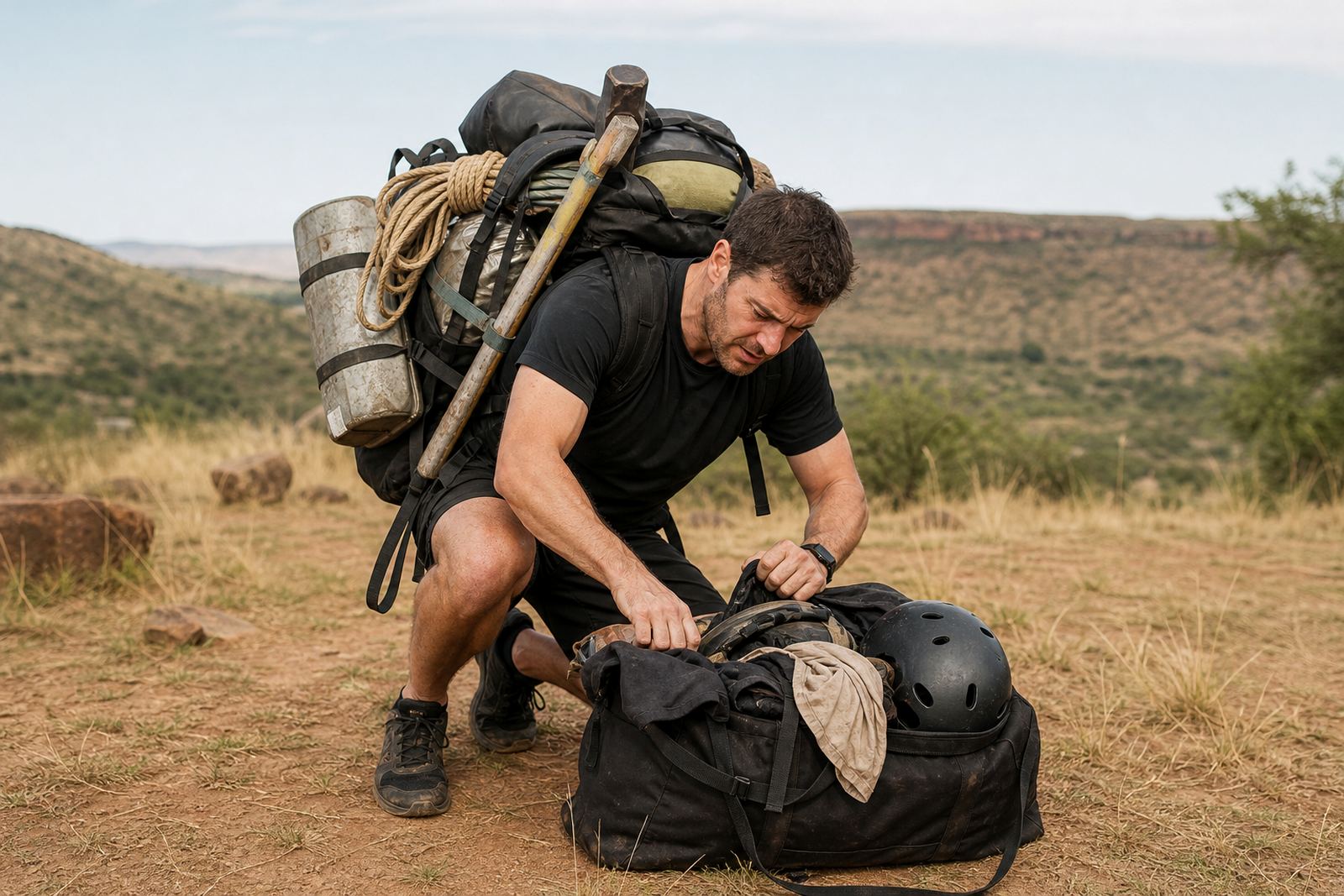
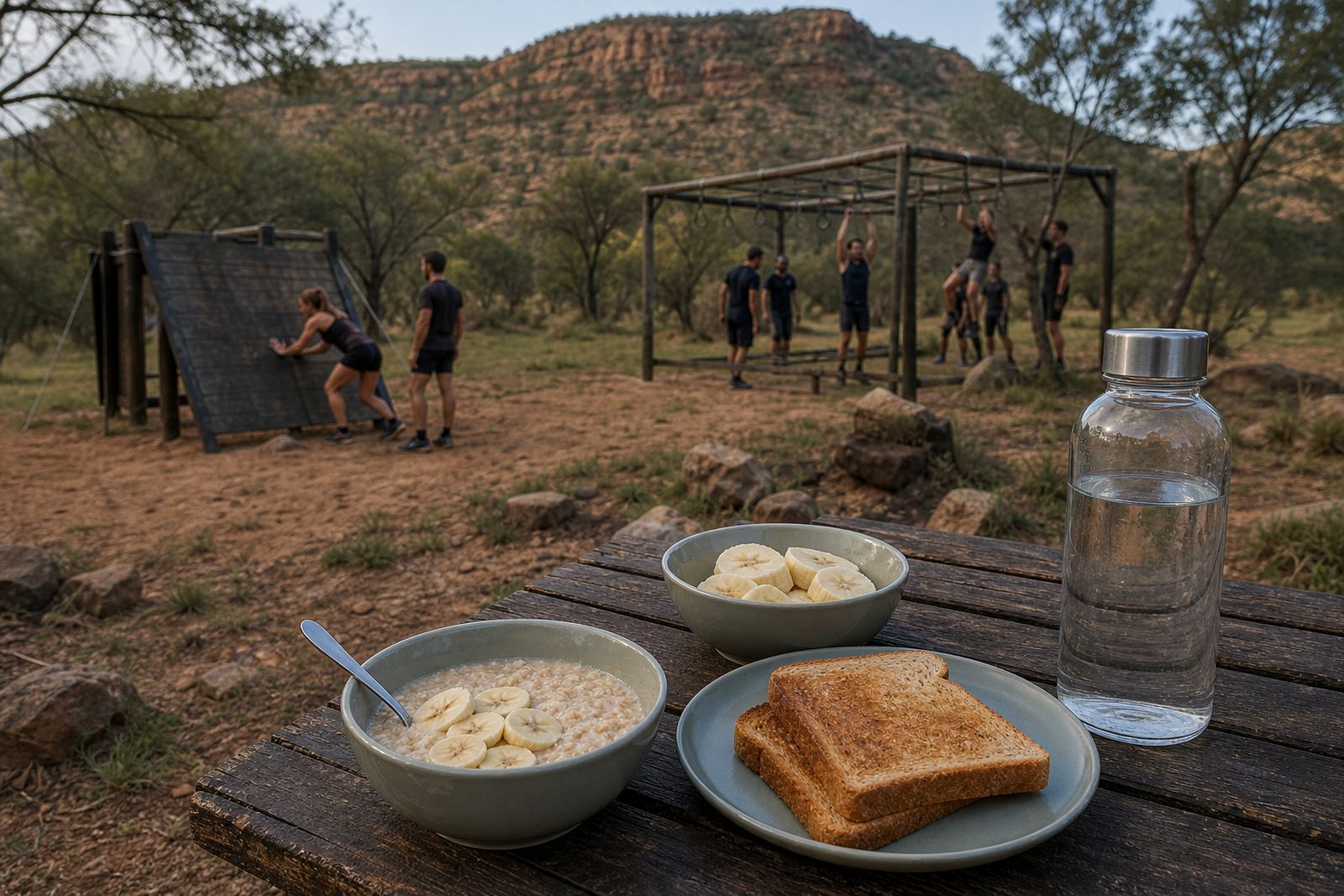
Post race comfort is often decided before you even leave home. Keep a dry change of clothes, a towel, drinking water and something warm to put on after the finish. If your event has a recovery area, use it properly and do not rush straight back into the car while still soaked through. A few minutes of recovery can make the drive home much easier, especially if you are heading back to Cape Town, Durban or Bloemfontein after a weekend event.
- Dry top, socks and underwear in a sealed bag.
- Warm jacket or hoodie for the finish area.
- Snacks you can eat without fuss after exertion.
- Wet bag for muddy kit so the car stays clean.
People often forget how hard cold water and wind can hit once the race is over. You may finish sweaty, then cool off fast in the breeze and start shivering. Having the right items close by means you can change quickly and settle down instead of standing around in damp kit.
A Magaliesberg morning tells you everything
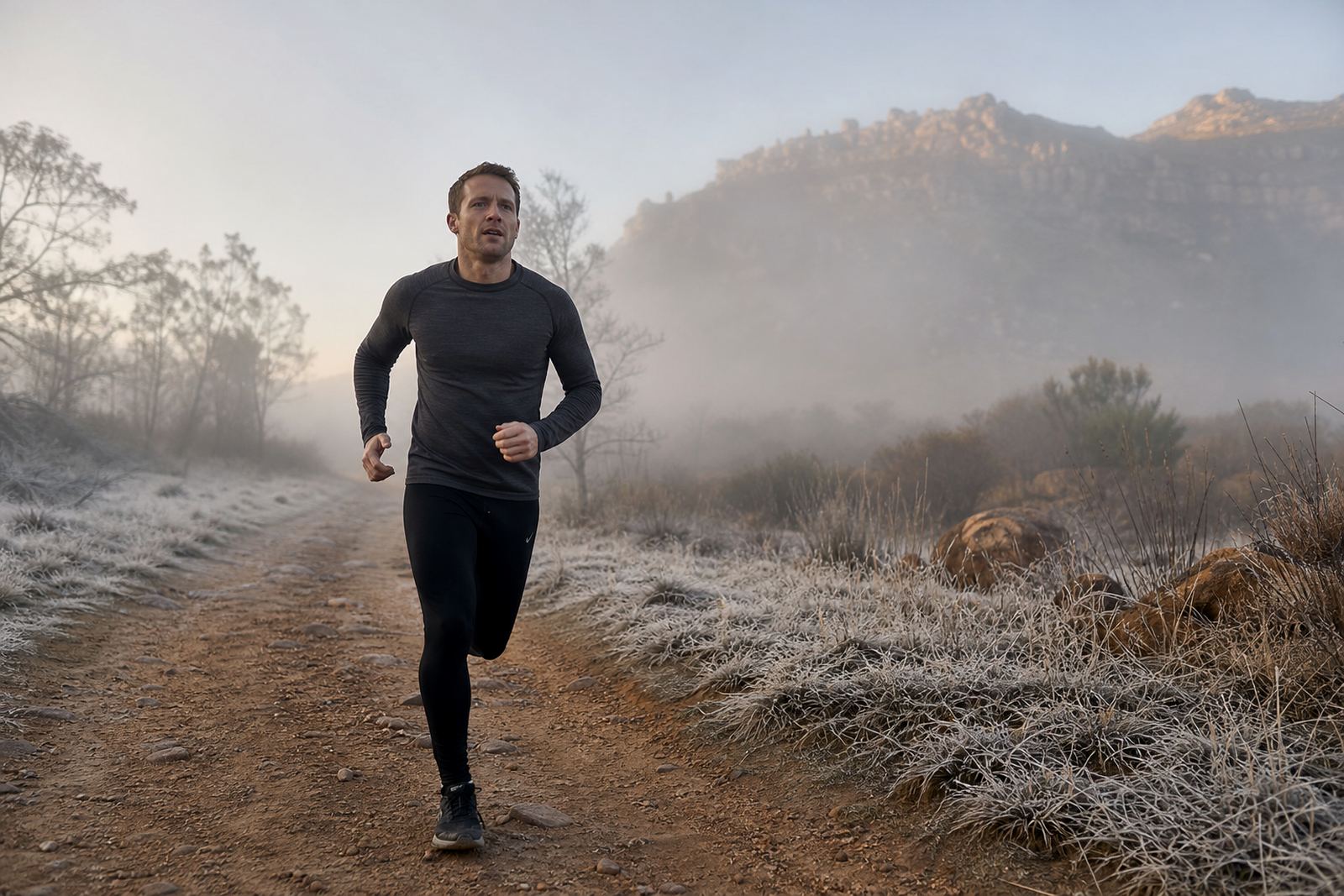
On a clear winter morning in the Magaliesberg, the course can look calm from the parking area and still feel demanding once you start climbing, carrying or running into the wind. That is why local conditions matter. Hekpoort and Magaliesburg are not the same as an indoor gym or a city race route, and the terrain asks for more care on the day. Teams that arrive with a plan tend to move better and waste less energy.
Lerato Zondo handles operations, while Johan du Plessis leads course build decisions that account for footing and movement. Tshepo Khumalo helps with training content so participants understand how to prepare, and Carmen Botha supports corporate entry planning for groups travelling in from all parts of the country. That kind of structure matters when the weather turns cool and people need clear guidance before the start.
For travellers using our Hekpoort Venue, Magaliesburg Venue, Hartbeespoort Access, Krugersdorp Visitors, Pretoria Travellers, Johannesburg Travellers, Rustenburg Visitors or Potchefstroom Visitors options, the same cold weather basics apply. Dress in layers, warm up properly, listen to the briefing and allow time for recovery afterwards. The race is still the race, just with a bit more planning.