
Start with the group you can actually keep together
The best social race day starts before the first obstacle. Pick a group that can share the same pace for at least part of the course, even if some people race hard and others walk sections. That keeps the day friendly instead of fractured. In Magaliesberg, where the terrain can shift from dry gravel to rocky climbs and uneven tracks, it helps to agree upfront on whether the goal is a fast finish, team support, or just getting everyone over the line together.
For friends and family, build the day around shared moments, not just individual times. For co-workers, make sure the plan suits mixed fitness levels, especially if some people have not trained on hills or grip-based obstacles. If anyone is unsure about hard exercise, they should check with a doctor before taking part. That is a sensible step before any demanding event, particularly if they have been inactive for a while.
- Decide whether you are racing, supporting, or doing both.
- Choose a pace that suits the least confident person in the group.
- Agree on meeting points in case the course splits people up.
- Make sure everyone knows the start time, parking plan and check-in process.
Turn the warm-up into a proper meet-up
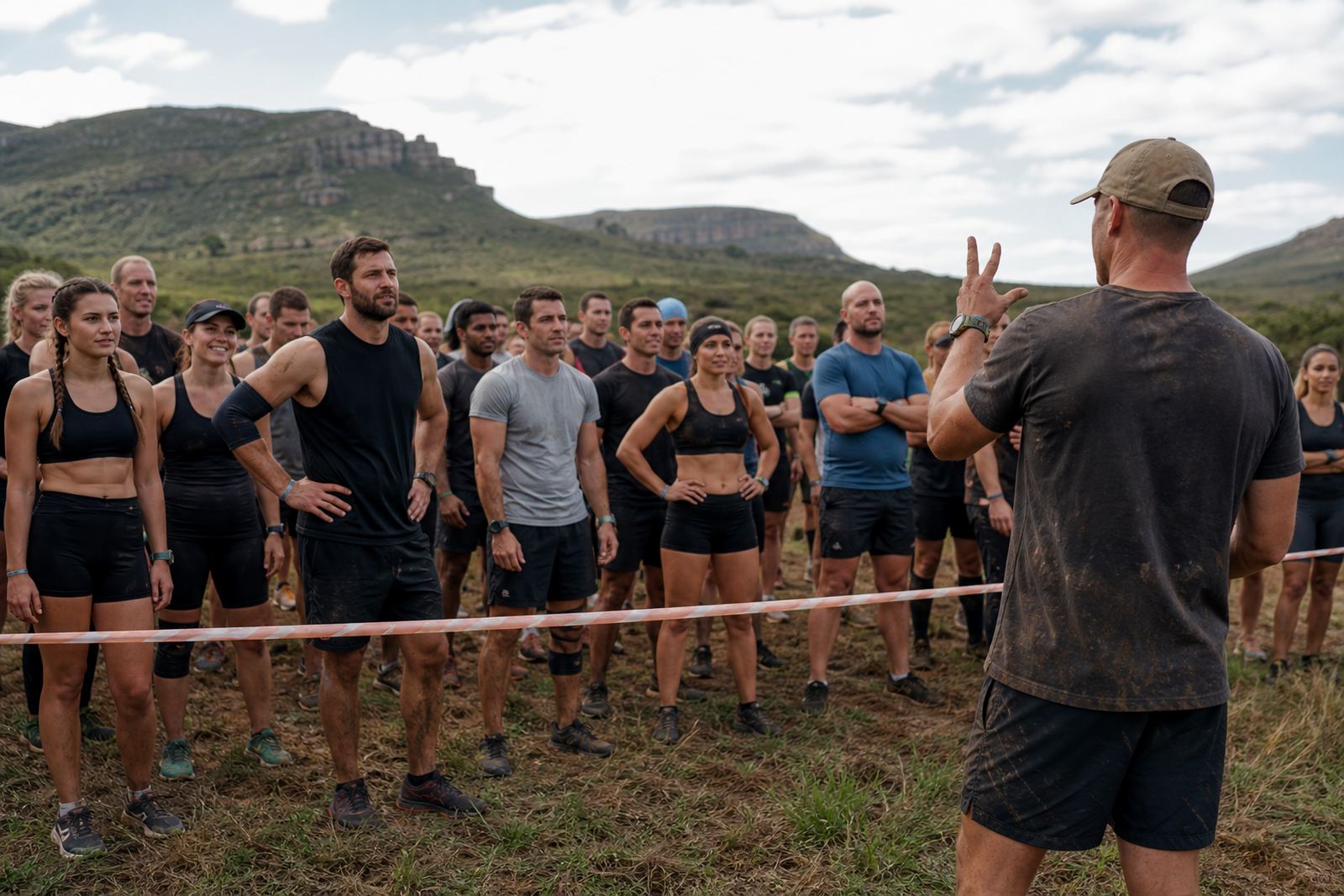
A shared warm-up does more than loosen muscles. It settles nerves, gets everyone talking, and creates one last chance to sort out bibs, laces and water bottles. A group warm-up can be gentle enough for beginners, but still useful for people who are already trained. At a race venue in Hekpoort or Magaliesburg, it also helps everyone adjust to the sun and the dust before the first whistle goes.
Keep the pre-race mood organised but relaxed. If your group is large, one person can lead the check-in list while another handles photos and one more keeps track of bags. That way nobody is left wondering where to go. A quick safety briefing should be listened to properly, especially when obstacles involve climbing, balancing, carrying or crawling. The rules are there to prevent avoidable scrapes and to make sure everyone understands where to pass, where to wait, and when to ask for help.
- Arrive early enough to settle gear and hear the briefing.
- Do the warm-up together, even if some people stretch more than others.
- Keep valuables to a minimum and leave extra items with a supporter if possible.
- Listen for course notes on slippery sections, water hazards and any out-of-bounds areas.
Make the course a team conversation
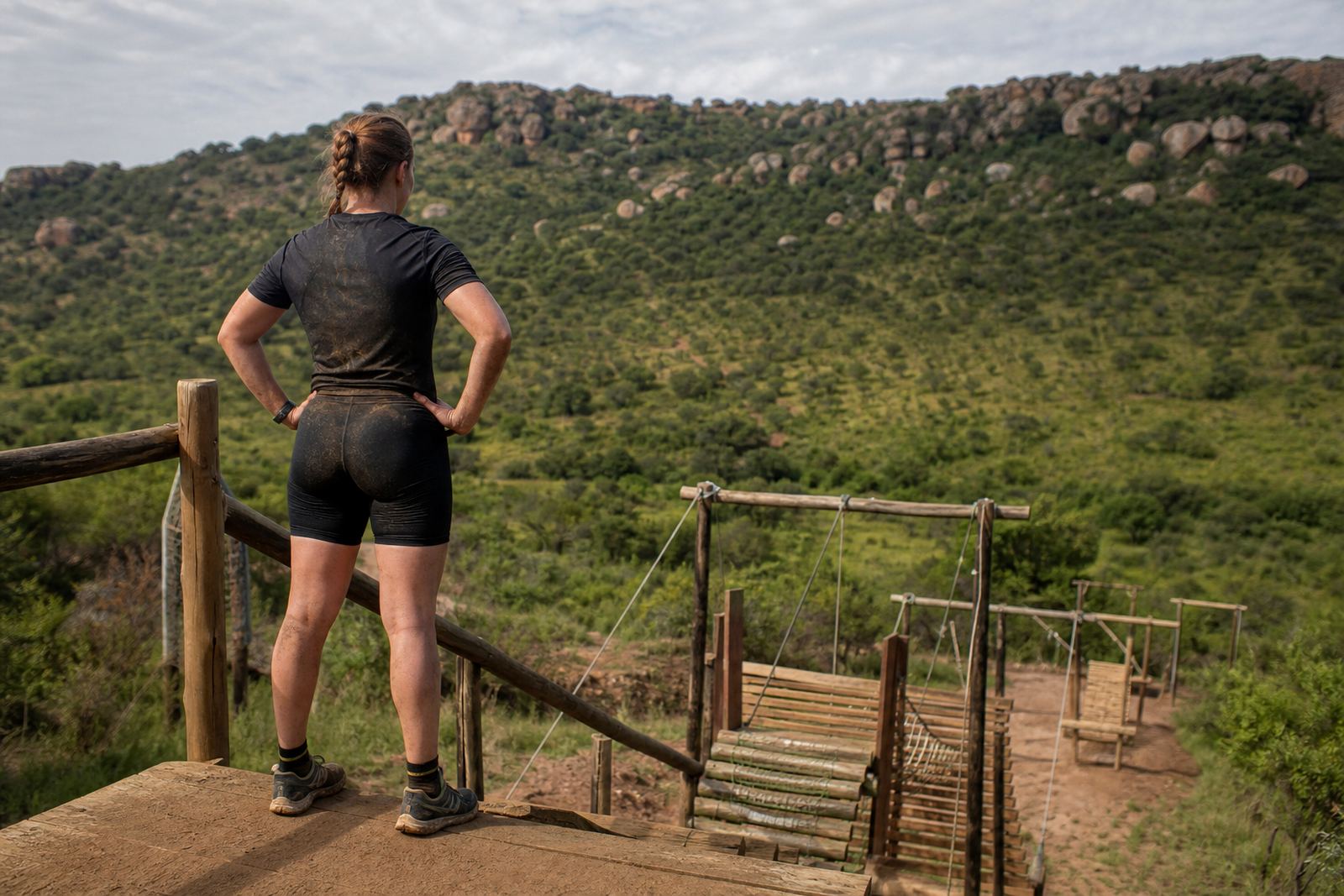
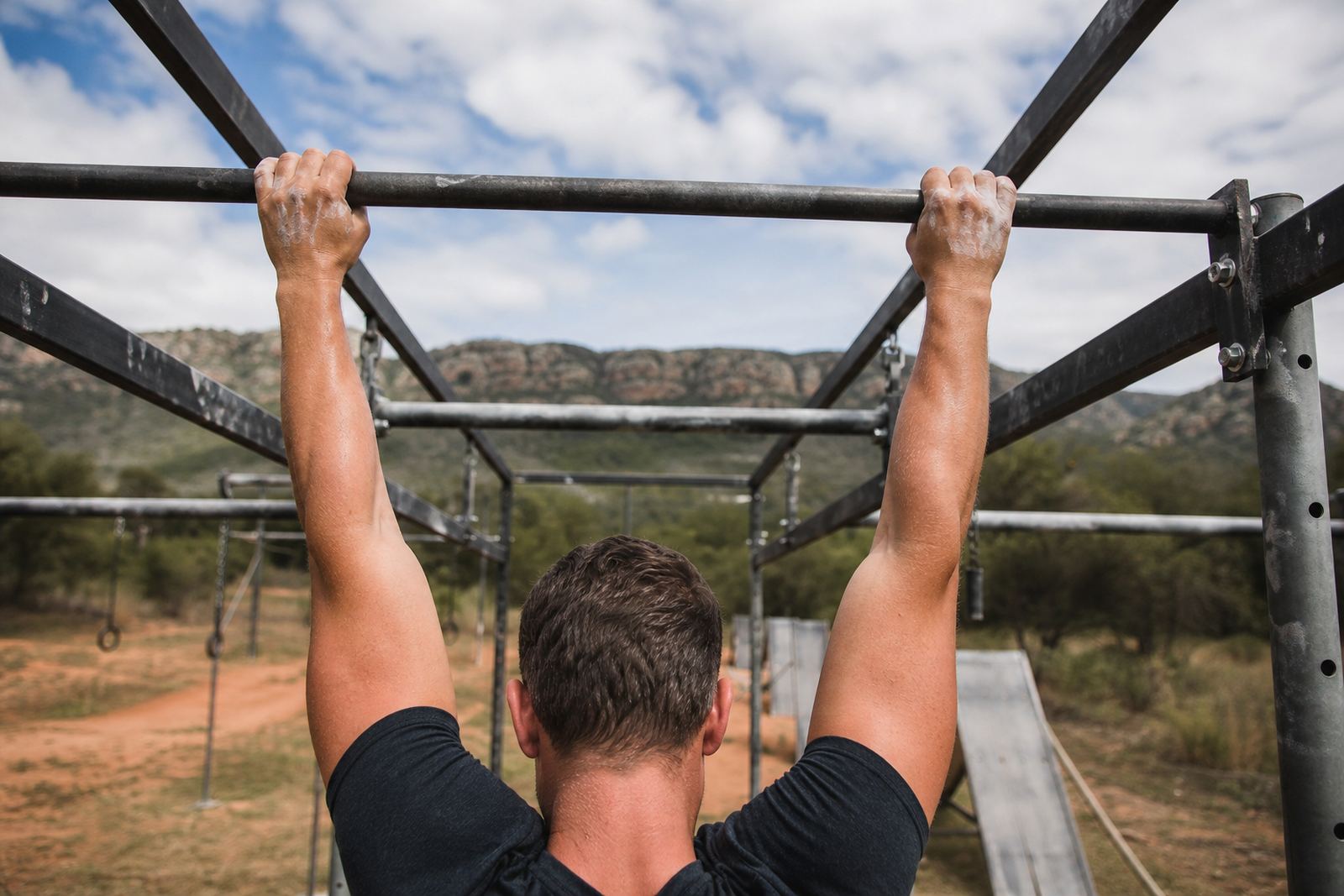
The most social racing happens on the course itself. Encourage the group to talk through each obstacle instead of disappearing into solo mode. One person can test footing, another can call out handholds, and someone else can keep the energy up when the course gets harder than expected. That matters on endurance challenges where fatigue can make even ordinary sections feel a lot bigger than they looked at the start.
Corporate teams often do best when they stop thinking like a work group and start acting like a practical unit. That means sharing decisions on when to push, when to walk, and who needs a hand over a wall or through a muddy patch. It also means accepting that some people are better at climbing while others are better at encouragement or carrying kit. A mixed team can be stronger when roles are shared properly, not when everyone tries to do the same thing.
- Call out obstacles early so the next person is ready.
- Offer a hand, but let each runner choose the level of help they want.
- Use clear words at water crossings and slippery climbs.
- Celebrate small wins along the way, not only the finish.
Family and supporters need a plan too
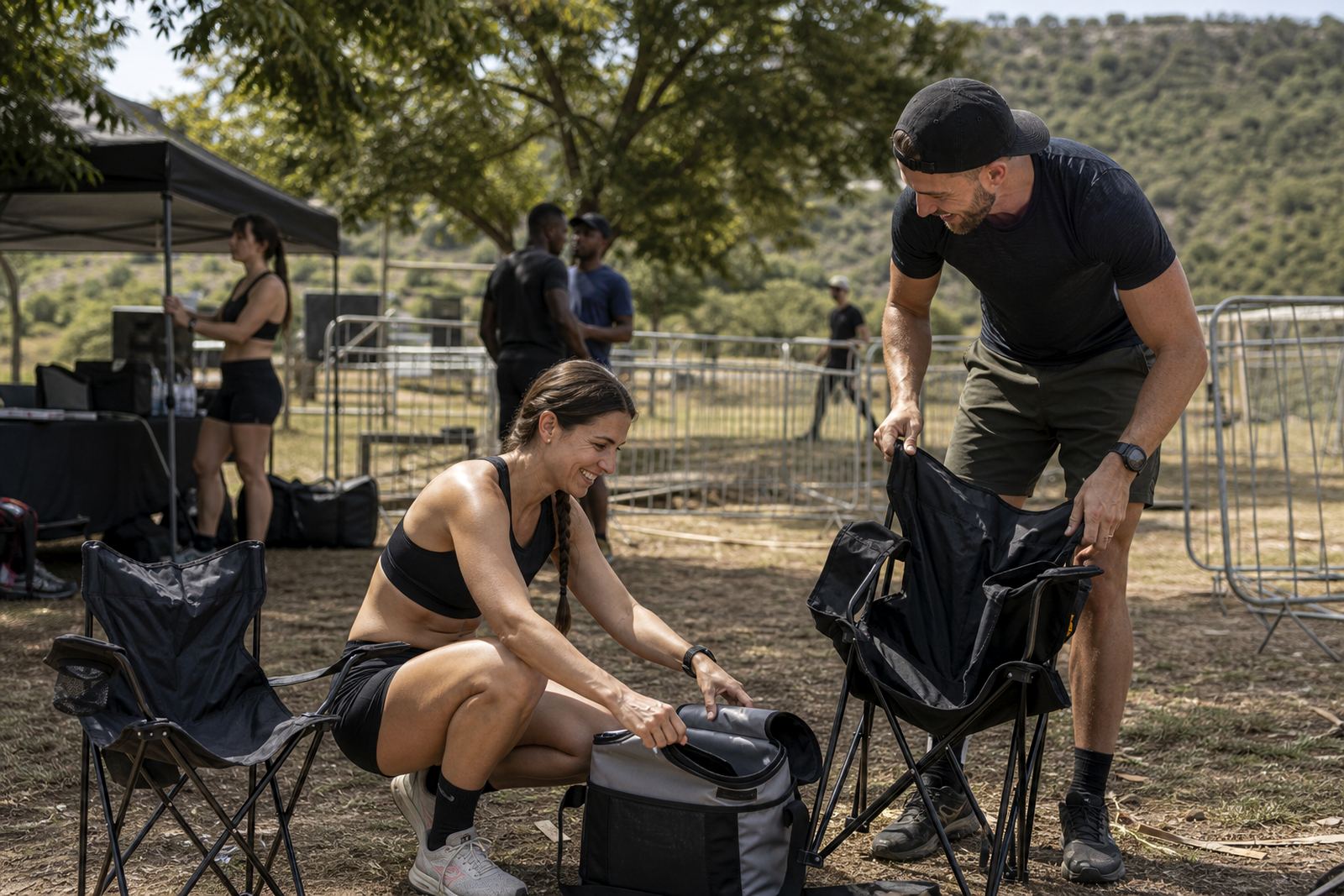
Race day runs better when supporters know their place in the plan. Families often enjoy the atmosphere as much as the competitors, especially when there are clear spots to watch, wait and regroup. Around Hekpoort, Magaliesberg, travel can shift with traffic and roadworks, so it helps to decide ahead of time who is driving, who is bringing water, and where everyone will meet after the race. That keeps the day steady rather than hurried.
Supporters can also make the day feel more social by helping with practical details. A bag of spare towels, dry socks and a change of clothes can be a lifesaver after a muddy finish. If children are coming along, give them one fixed place to wait and remind them that obstacle areas are not for wandering into. Recovery is part of the outing too, and a quiet corner with water and shade makes a big difference when the weather is hot.
- Choose one clear post-race meeting point.
- Pack dry clothes, towels and a spare pair of shoes.
- Bring water and a light snack for the recovery period.
- Keep children close to the supporter area and away from the course boundary.
What to pack when the day is about people as well as racing
The wrong gear can spoil a group day out before the first obstacle even starts. For obstacle course racing, practical clothing is better than anything fancy. Shoes with good grip, socks that can take mud, and clothes that dry fairly quickly all help. In the North West heat or on a windy day near the Magaliesberg slopes, it also helps to have a cap, sunscreen and enough water for the whole group. If it is a longer day, pack recovery snacks too, because hunger changes attitudes fast.
Waivers and registration details should be handled properly before the race begins. If a team is entering together, one person can help keep track of names, signatures and any special notes that need attention. This is especially useful for co-workers who arrive in different cars or family groups that have travelled from Johannesburg, Pretoria, Durban, Cape Town or Bloemfontein. A little order at the start leaves more space for enjoyment later. Nobody wants to spend the morning searching for papers or asking who has checked in.
For any group outing, the aim is not perfection. It is to make the day easy enough that people can focus on the race, the jokes, and the shared effort. That is what turns a hard event into a good memory.
A Magaliesberg day that feels shared from start to finish
A good local example is a mixed group meeting at Hekpoort, with some runners travelling in from Pretoria and Johannesburg, and others joining from Rustenburg or Potchefstroom. One person handles the team check-in, another keeps the supporter bag, and the rest focus on the course. After the briefing, they do a short warm-up together, split for the racing start, then regroup in the recovery area for water, photos and dry clothes. It is not complicated, but it works.
The real value of making racing social is that it gives every type of participant a place. The fitter runners get a challenge, the newer runners get support, and the supporters get to be part of the effort instead of watching from the side. That balance matters in obstacle racing because the day can be demanding, especially when there are hills, heat, mud and tired legs all at once. With a bit of planning, the outing becomes more than an event. It becomes a shared effort with a proper ending.
If your group wants help with team registration, waiver coordination, safety briefings, captain communication or recovery area guidance, use the enquiry form on our contact page to plan the details in advance.