
Why a Carry Station Feels Harder Than It Looks
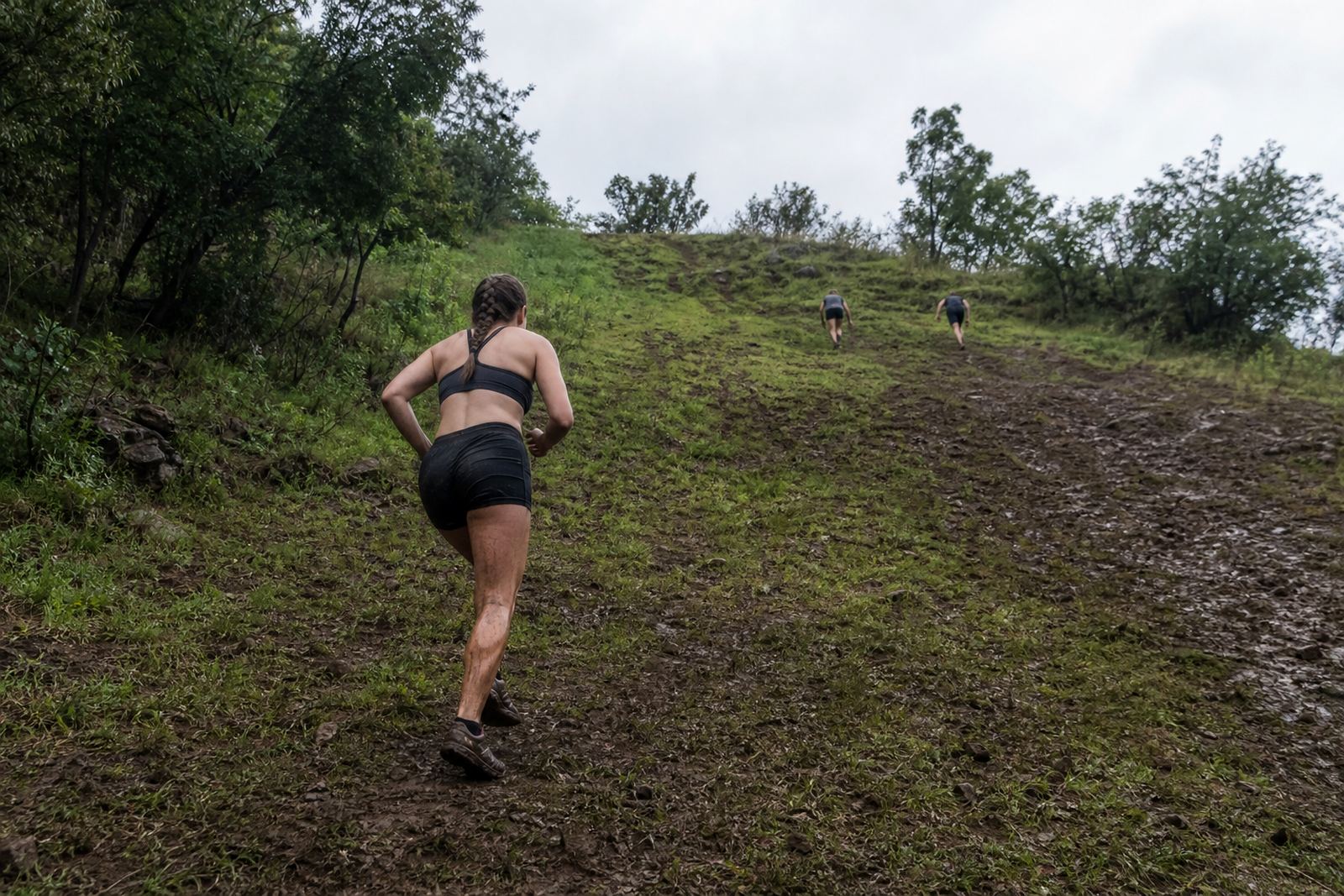
In an obstacle race, carrying buckets, sandbags or odd shaped items asks more of the body than a normal run. Your hands tire, your shoulders tighten and your breathing gets messy fast, especially on loose gravel, wet grass or uphill ground around the Magaliesberg side of Hekpoort.
The trick is to treat the carry as a skill, not a punishment. Keep your steps short, lift with your legs and avoid twisting while you move. If the object shifts, stop and reset rather than fighting it while off balance. That small pause often saves more time than forcing a bad carry and stumbling into the next obstacle.
Set Your Body Before You Lift
Before picking up any load, plant both feet and check the ground. On obstacle courses, mud can hide dips and loose stones can roll under your shoe. Bend at the hips and knees, keep your chest up and take hold of the item close to your centre line.
- Keep your head neutral, not jutting forward
- Brace your midsection before the lift
- Use two hands where the event allows it
- Lift smoothly, then start walking before you speed up
- Do not snatch the load from the ground
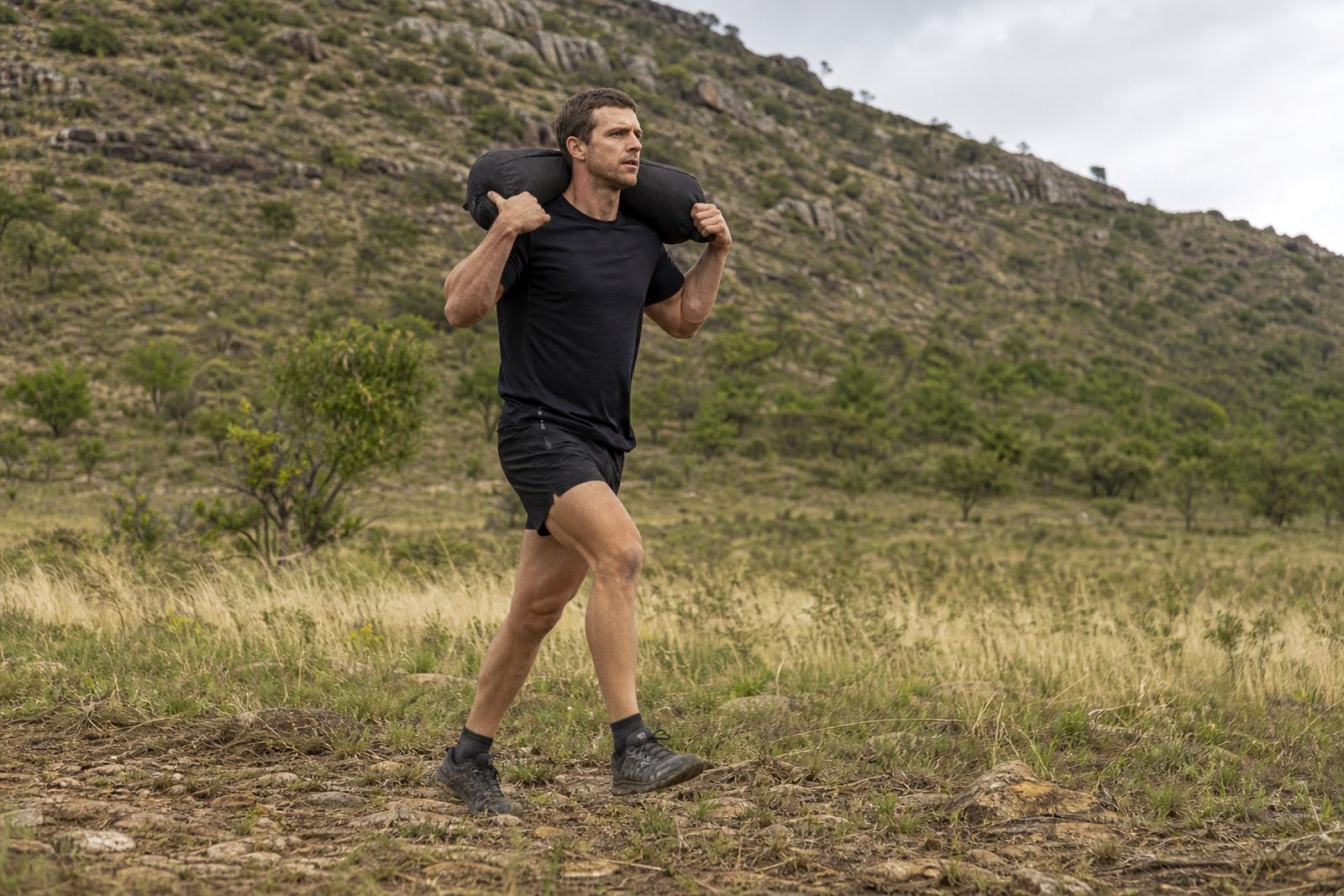
If the item is a bucket with a handle, test the handle first. If it bites into the hand, adjust your grip slightly and keep the wrist straight. With sandbags, press the bag into your body or shoulder if the course rules allow that hold. A cleaner carry beats a flashy one every time.
Buckets, Sandbags and Odd Shapes Need Different Tactics
Not every carry item behaves the same way. A bucket swings, a sandbag shifts, and a tyre or awkward frame can pull you sideways. The shape decides the method, so do not use one habit for every obstacle.
- For buckets, keep the load still by walking taller and avoiding arm swing
- For sandbags, clamp the bag tightly and re-centre it if it slips
- For uneven objects, keep the heavier side closer to the body
- If you are carrying two items, match the pace between both sides
- When the course turns, slow down before the corner, not during it
On a course near Hartbeespoort or Rustenburg, wind and uneven ground can make a light bucket feel heavy very quickly. On damp turf near Pretoria or Johannesburg, a wet sole can turn a controlled carry into a scramble. Keep your eyes two or three steps ahead so you can choose the cleaner line.
Pace Beats Panic When the Lungs Start Burning
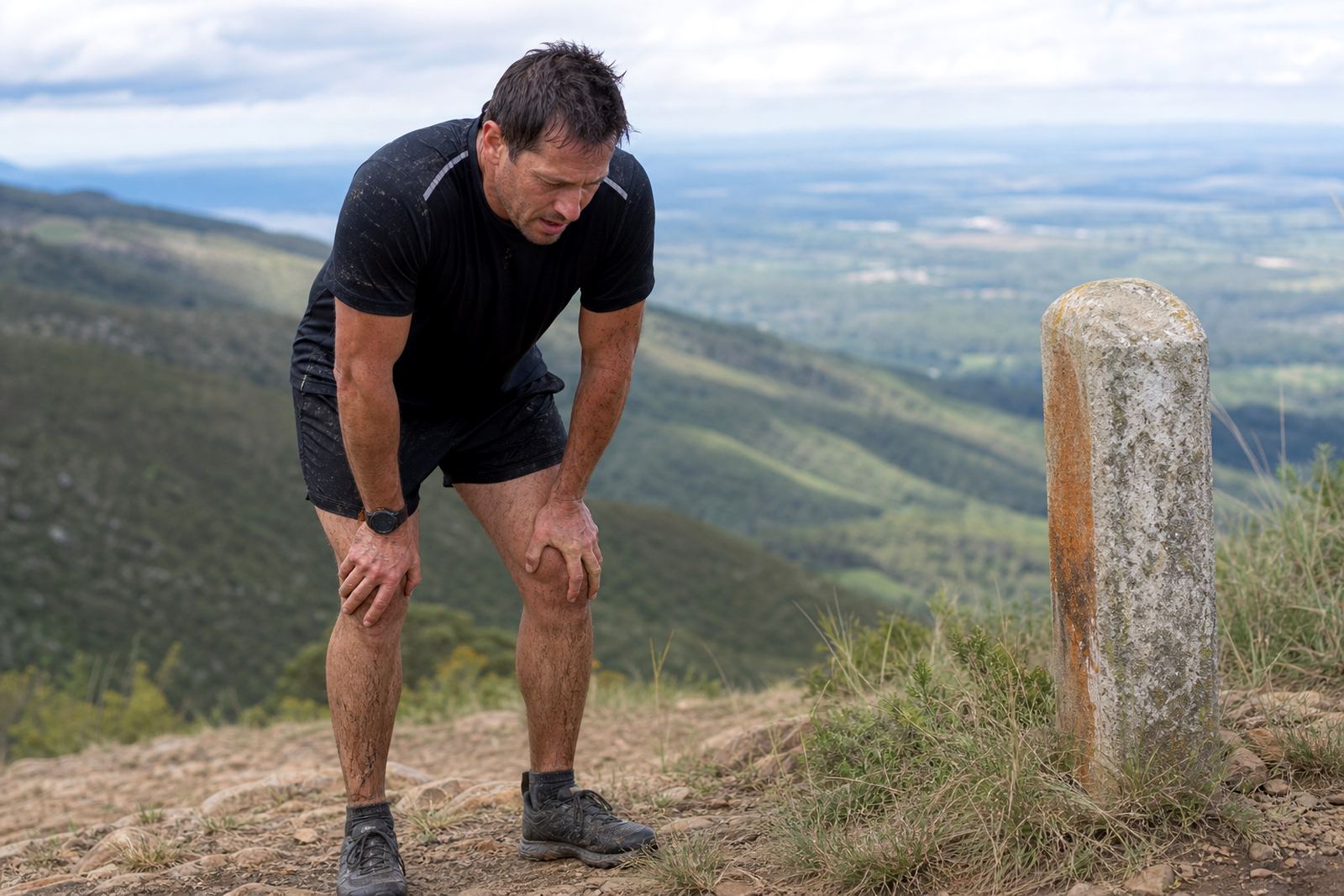
Most people blow up because they sprint out of the gate and then try to rescue the carry with brute force. Instead, move at a pace you can hold for the full obstacle. Think steady steps, regular breathing and a relaxed face. Tension wastes energy.
Use your breath as a metronome. Inhale for a few steps, exhale for a few steps, then keep that rhythm. If the object starts to wobble, do not hold your breath. Exhaling helps reduce whole body tension and gives you a clearer feel for the load. If you need a moment, set the load down safely, collect yourself and lift again. That is not failure, it is smart work.
Safety Briefings, Waivers and What to Bring Along
Every participant should listen properly during the safety briefing before a carry section. That briefing explains the route, the hold style allowed, the marshal signals and what to do if you need help. Read and sign the waiver carefully so you understand the course rules and the personal responsibility involved.
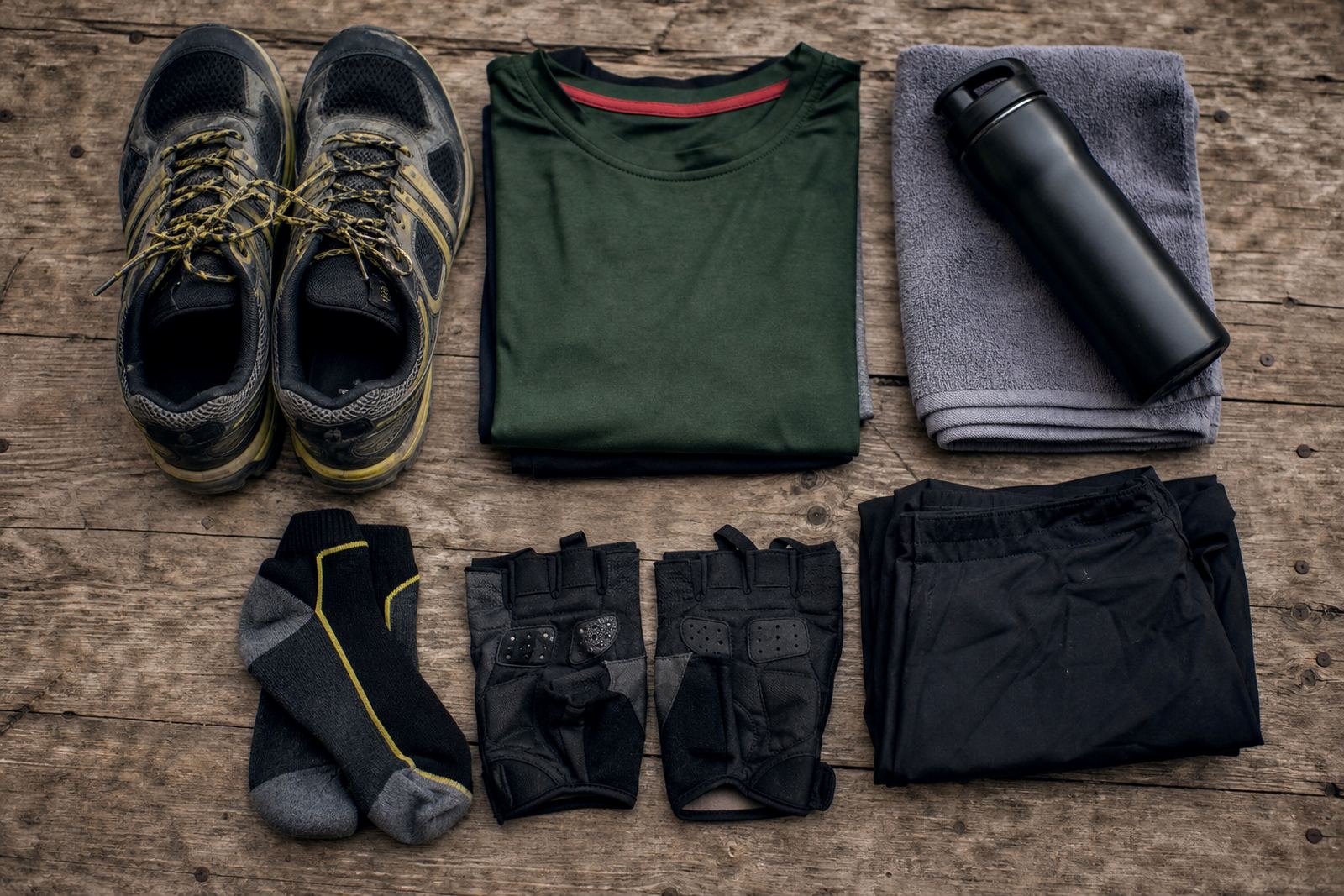
Before taking part in hard exercise, check with a doctor if you have concerns about your health or recent injury. For the event itself, bring items that help you stay steady and comfortable on the day.
- Trail shoes or trainers with decent grip
- Water and a small towel
- Dry socks for after the race
- A spare shirt for the drive home
- Any personal medication you need during the day
- A change of clothes if you are travelling from Pretoria, Johannesburg or further afield
Do not arrive expecting the course to suit indoor gym habits. Dust, mud, heat and uneven ground all change how a carry feels. If the weather has been wet around Magaliesburg, expect a slipperier surface and plan for shorter, more careful steps.
Training the Carry Without Wearing Yourself Out
You do not need fancy training to improve this skill. Practice loaded carries with a bucket, a bag of sand or even a water container at home, but keep the effort controlled. Focus on posture, grip and walking position rather than speed. Good form now will help on race day when your legs are tired and the course is moving under your feet.
For group events, a shared warm up helps everyone settle in before the start. Teams in corporate entries often do better when they agree on who carries first, how they swap if the rules allow it and how they call for support if one member starts to struggle. Clear captain communication and a proper participant checkin make the whole section calmer.
A Magaliesberg Carry Can Be Won on the Small Details
Picture a team travelling in from Krugersdorp and Potchefstroom to a venue near Hekpoort. The first runner grabs the sandbag too high, the second drops the bucket too early, and both lose rhythm on the slope. The team that slows down, resets each grip and keeps talking to one another usually gets through cleaner, even if they are not the fastest on the start line.
That is the real lesson of carrying loads in obstacle events. Stay organised, use your body well and respect the terrain. A carry is never only about strength, it is about judgement under pressure and that can be trained.