




Pick the guide that matches your event
Not every obstacle race asks the same thing from your body. A shorter course with crawls, carries and a few climbs calls for one type of prep, while a longer endurance challenge near Hekpoort or Magaliesburg needs steadier pacing, better grip work and more time on your feet. Start with the guide that matches the kind of race you have entered, then adjust it for your current fitness.
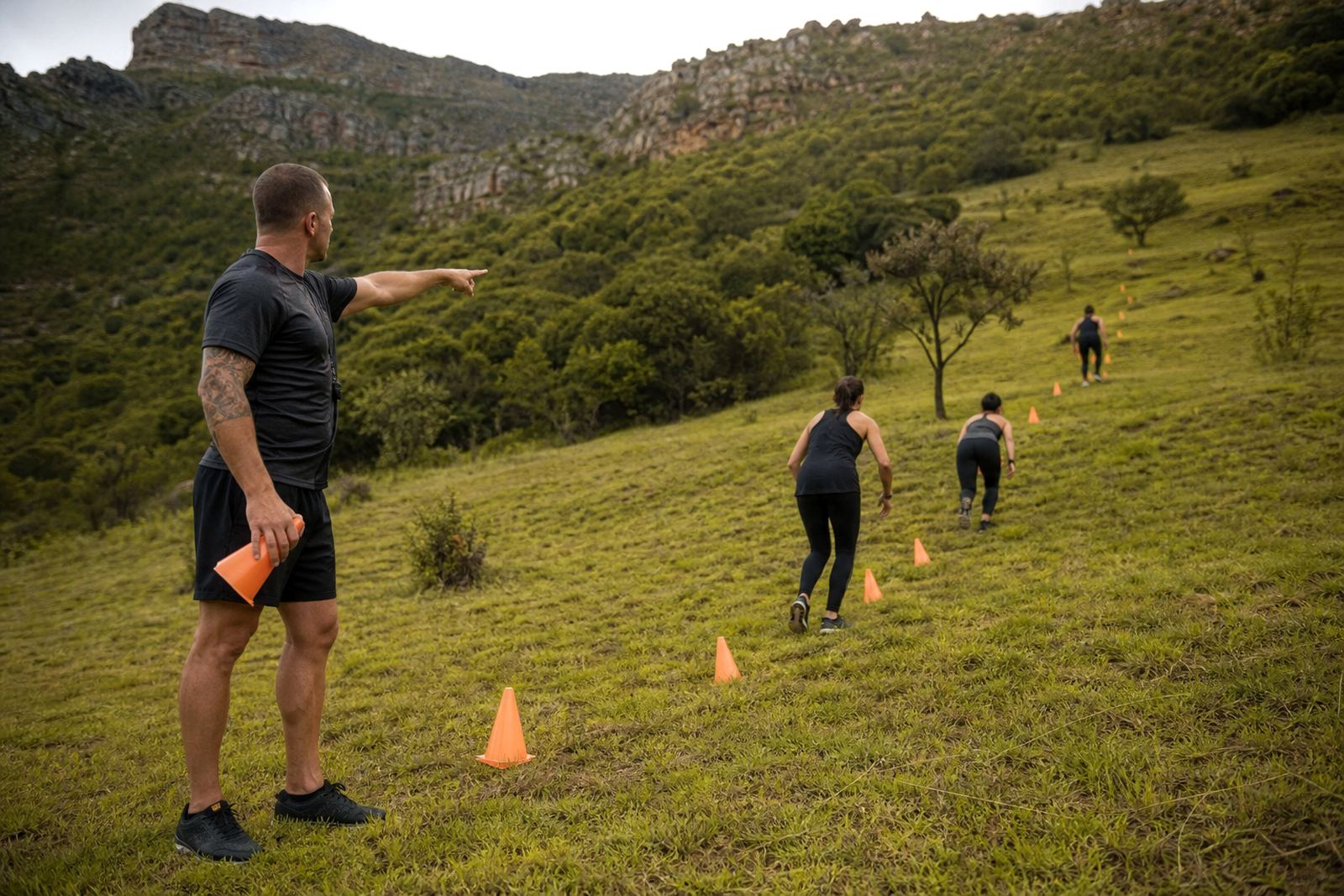
If you train in Johannesburg, Pretoria, Rustenburg or further afield, your terrain may differ from race day ground. Some people have access to trails and hills, others train on roads, steps or gym floors. The point is to prepare your legs, lungs and hands for repeated effort, not to copy the exact course at home.
The weeks before the start line
A practical plan usually mixes steady cardio, bodyweight strength and grip work. Keep the sessions honest and regular, but do not stack hard days back to back if your body is not used to it. A few well structured weeks beat one frantic burst of training, and it leaves less room for niggles.
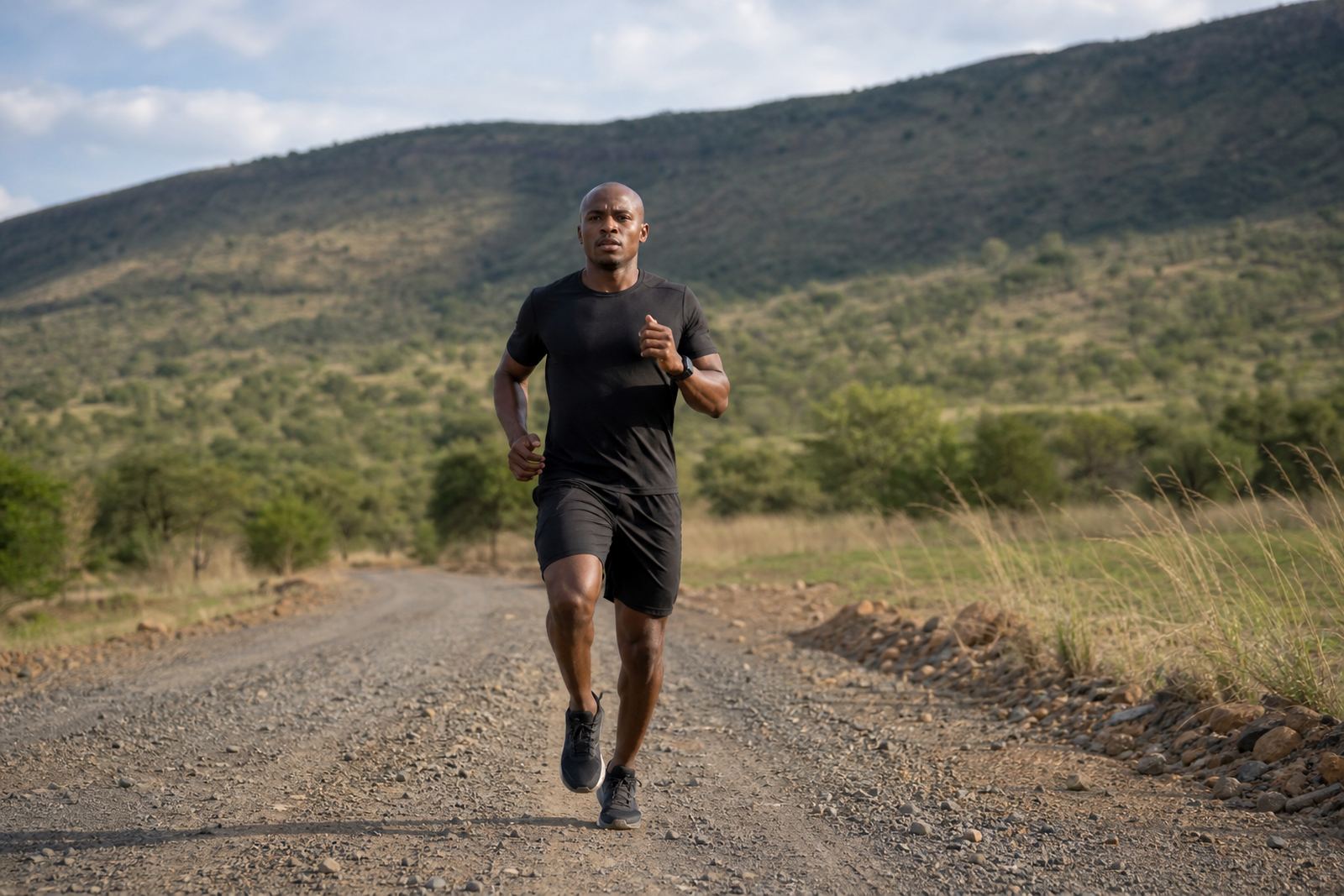
- 2 to 3 cardio sessions each week, such as brisk running, hill repeats or cycling
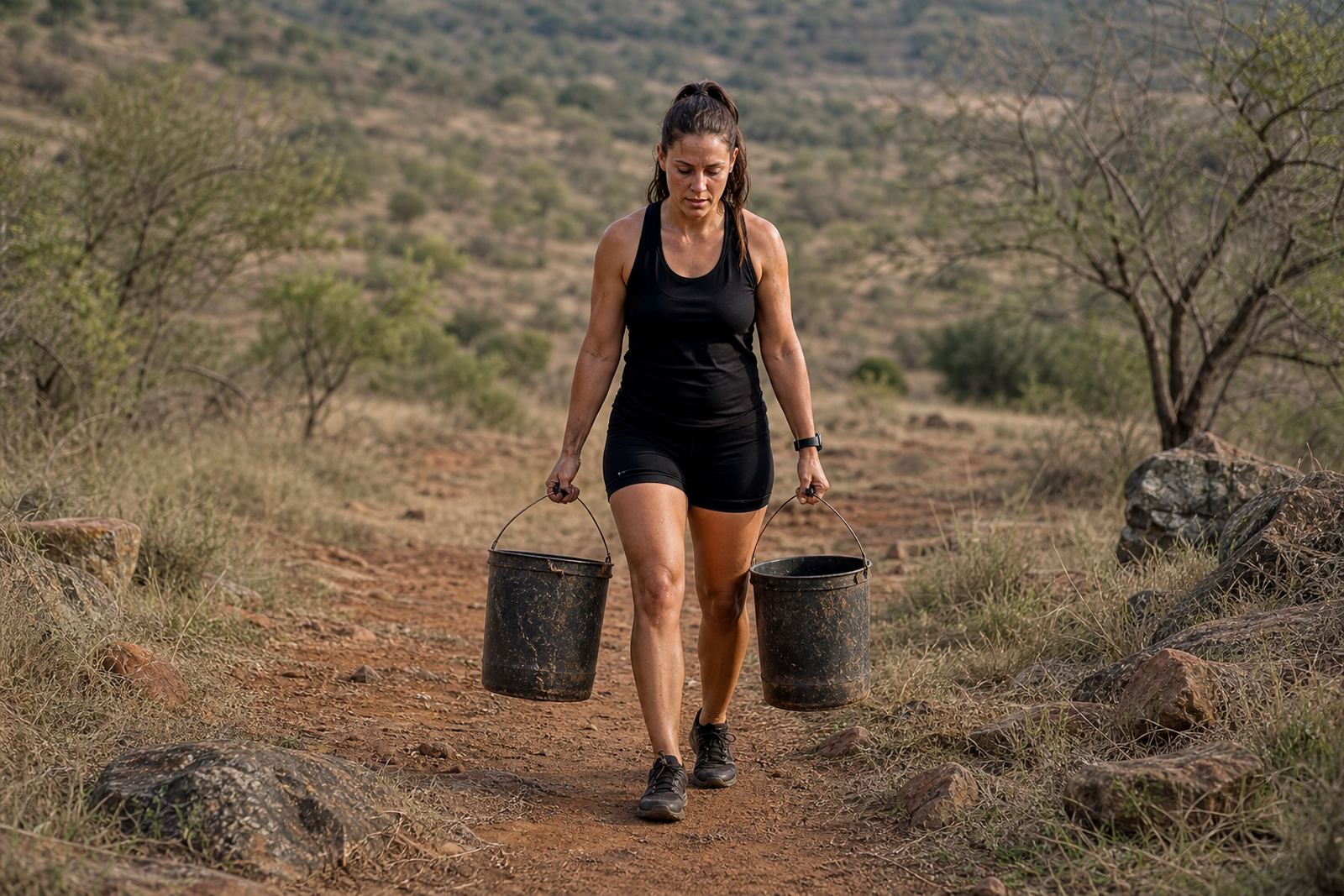
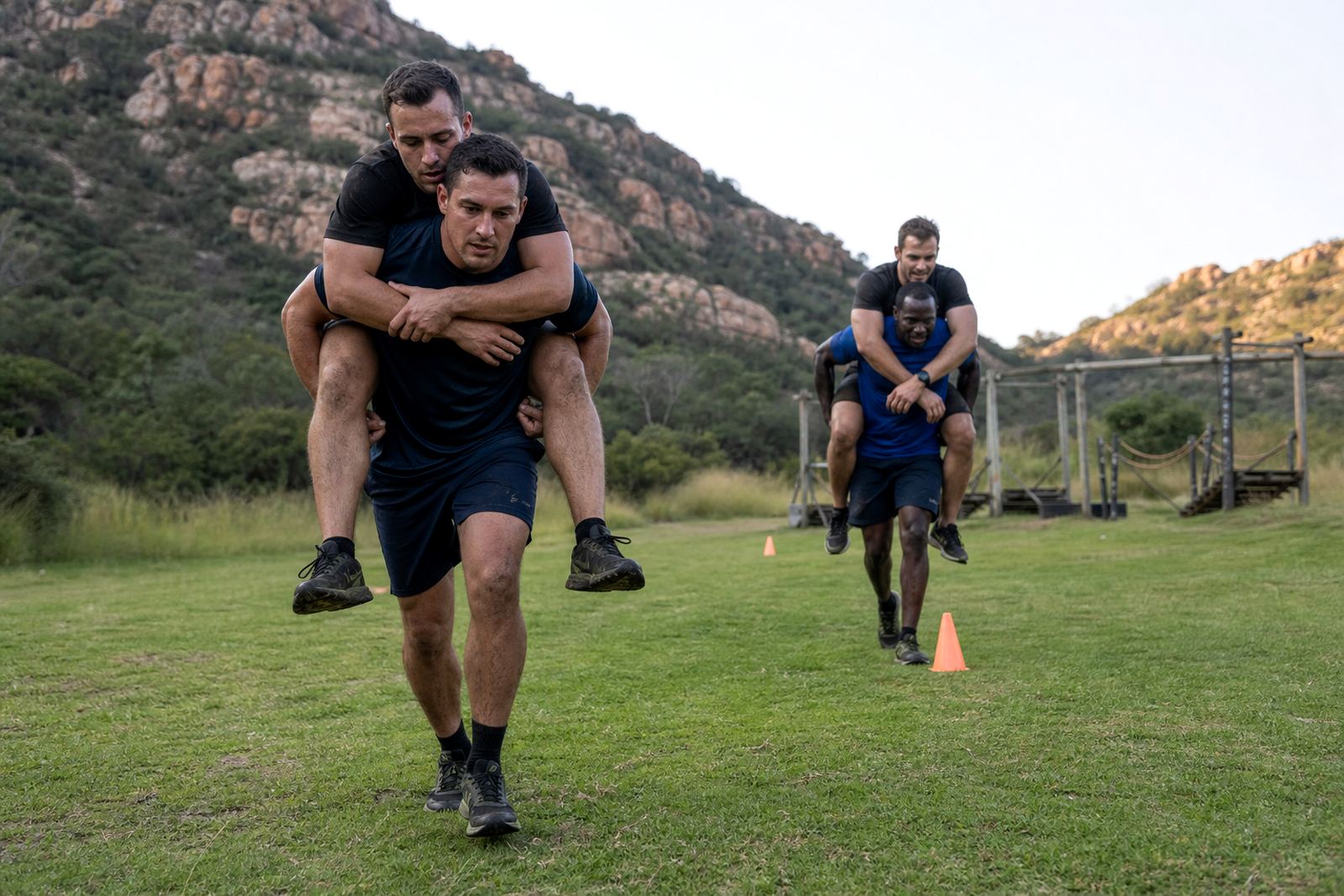
- 2 strength sessions with squats, lunges, push ups, planks and carries
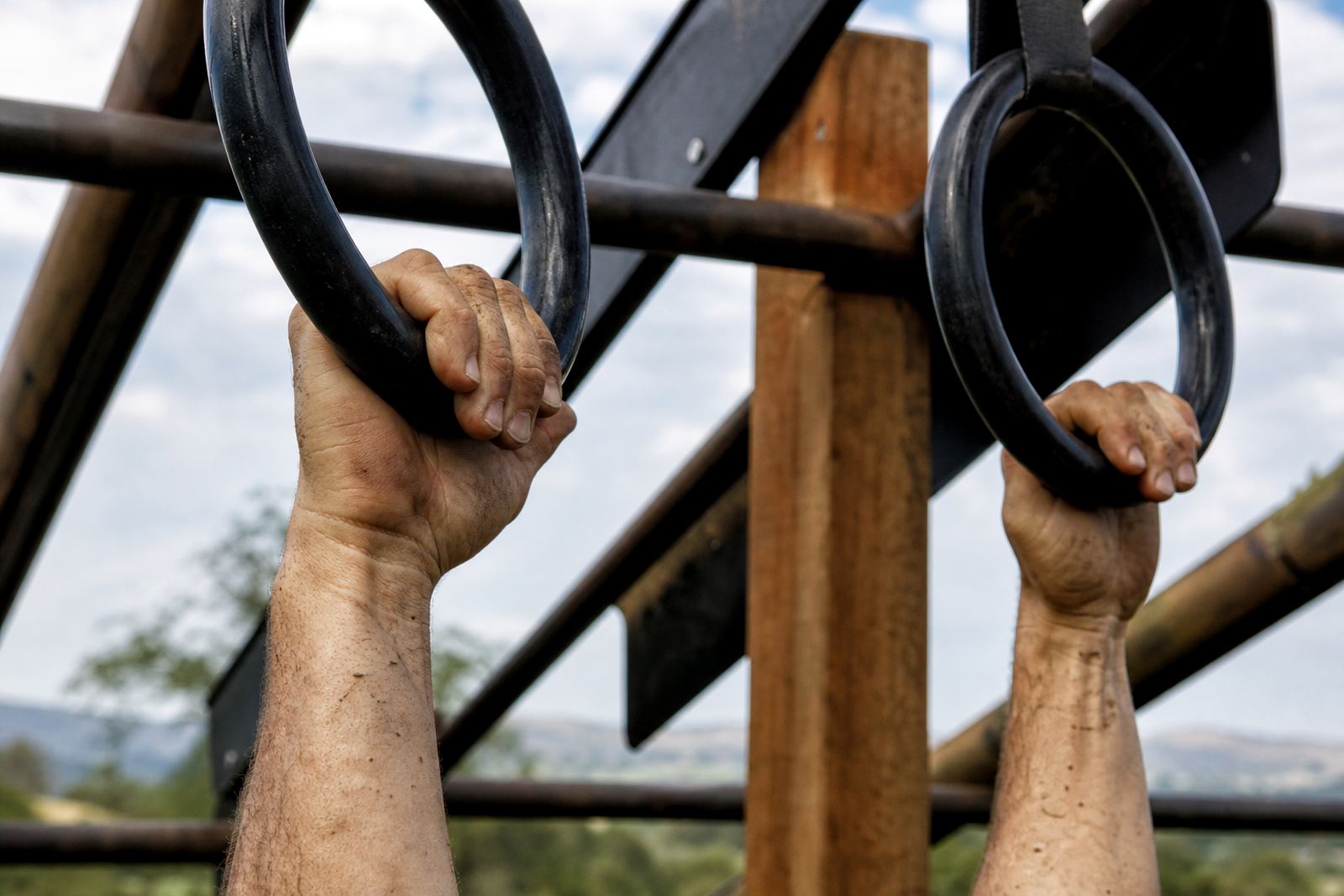
- 1 grip focused session using hangs, farmer carries or towel holds
- 1 recovery day with light movement, mobility or an easy walk
If you are returning after a long break, reduce the volume first and build steadily. It is better to arrive undercooked than injured.
What race day really asks of you
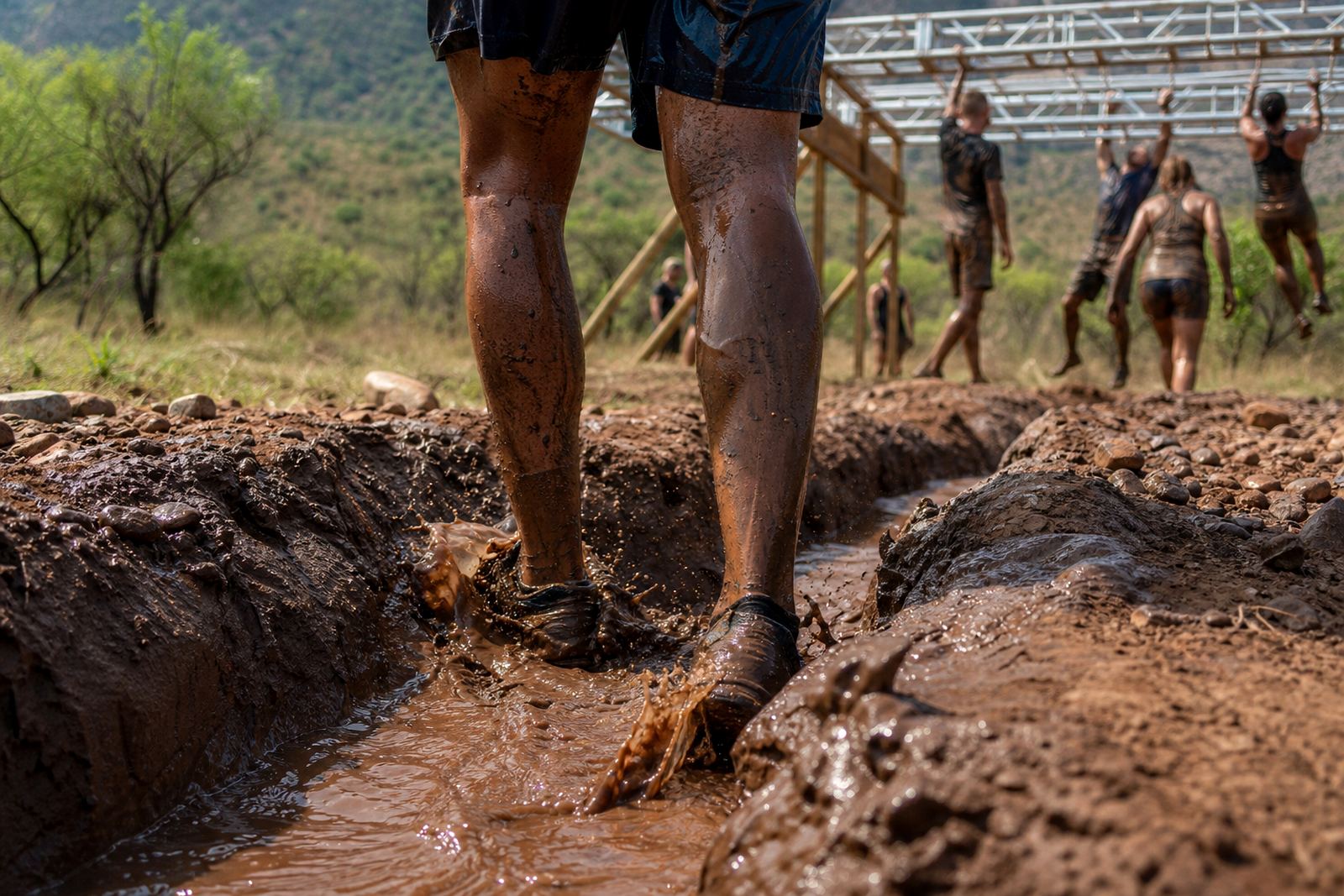
Obstacle course races reward people who can settle early, breathe properly and keep moving after each obstacle. The first kilometres often feel easier than the middle section, so save some energy for the parts where legs get heavy and hands start to tire. On a hot North West day, that matters even more. Hydrate well before the start and do not wait until you feel flat.
Check the briefing carefully, because course rules can change depending on weather, ground conditions or safety controls. If you are unsure about anything, ask during the briefing rather than guessing halfway through. A missed instruction can cost time and, more importantly, cause avoidable trouble.
Safety briefing and waiver basics
Every participant should pay close attention at the safety briefing. That is where you hear about obstacle rules, course hazards, warmup guidance and what to do if you need assistance. Teams from Pretoria, Cape Town, Durban or Bloemfontein may arrive with different expectations, but the briefing keeps everyone on the same page.
- Read the waiver before race day and understand the conditions you are accepting
- Tell organisers about injuries, asthma, allergies or anything else that may affect your participation
- Follow marshal instructions at obstacles, water points and recovery areas
- If something feels wrong, stop and ask for help rather than pushing through blindly
Before hard exercise, check with a doctor if you have any health concerns or if you have been inactive for a while. That is especially important before endurance work, heat exposure or heavy training blocks.
What to pack without overthinking it
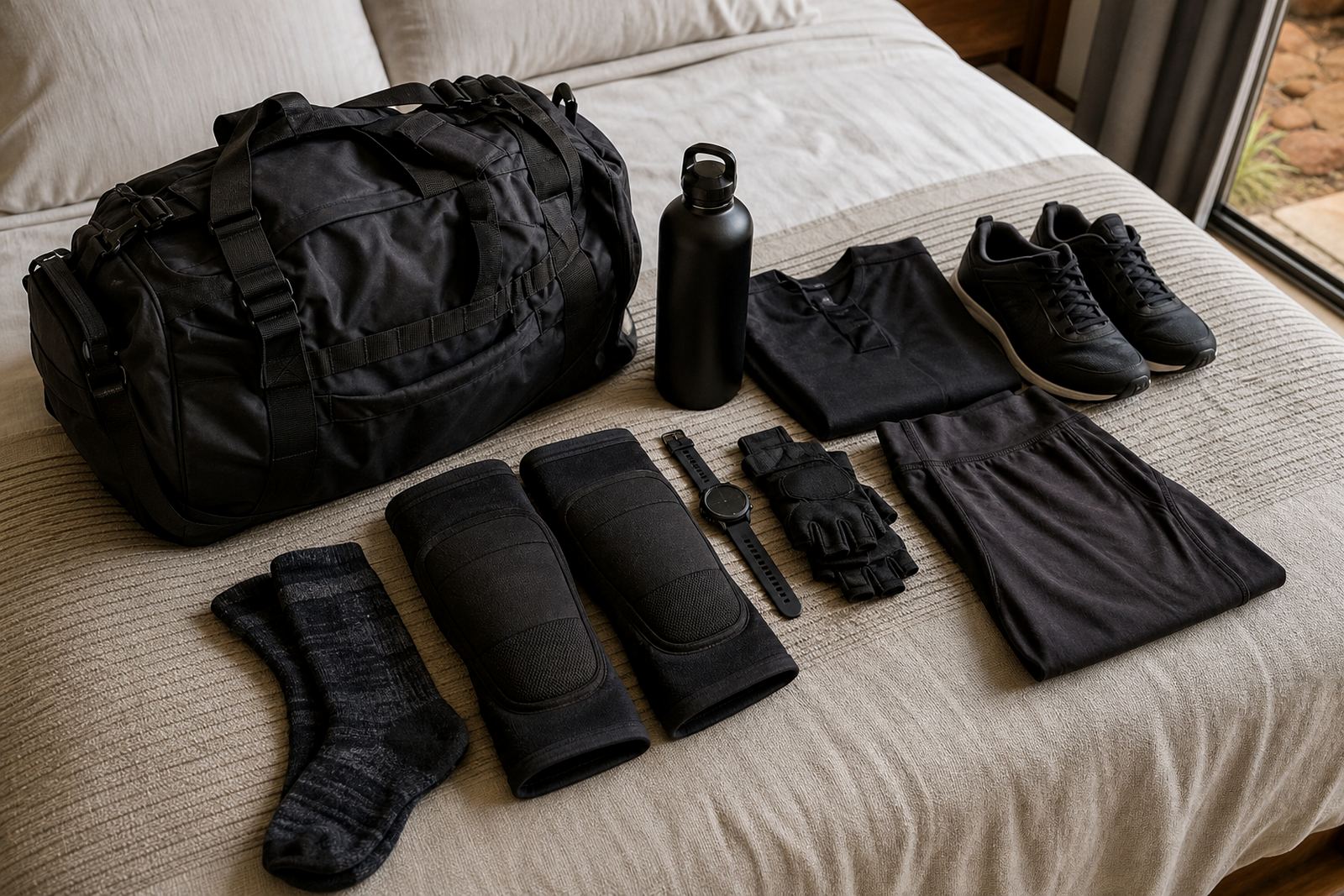
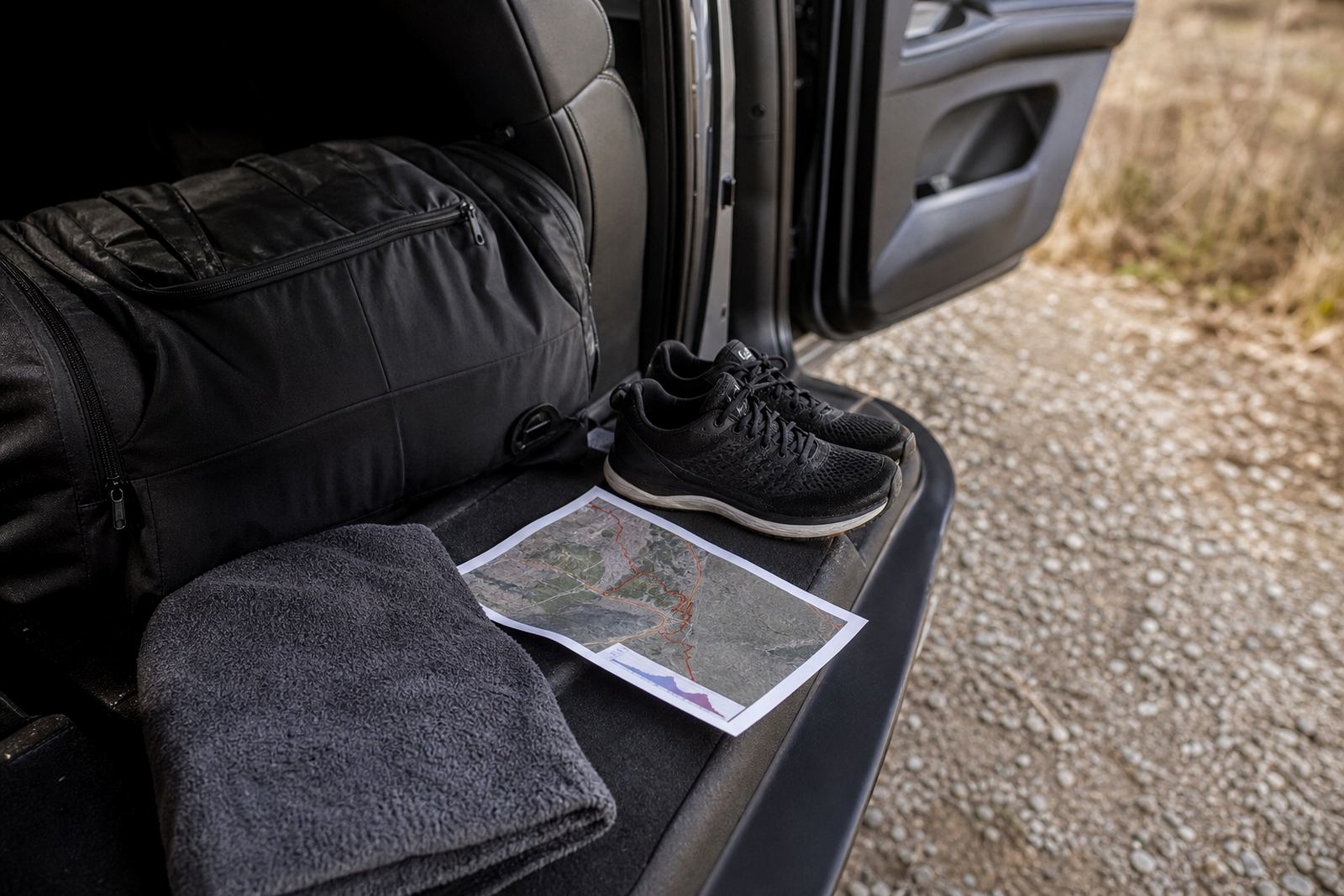
Bring the basics that help you stay comfortable, dry and ready to move. The exact kit depends on the venue, weather and the type of race, but there are a few items most participants should have in the bag. Keep valuables to a minimum and label anything that could get mixed up in a group area.
- Proper running shoes with enough grip for mud, wet grass or rough ground
- Change of clothes and a towel for after the race
- Water, snacks and any personal items you need during the day
- Sun protection, a cap and spare socks if conditions look dry and dusty
- Any required medical items you are responsible for carrying
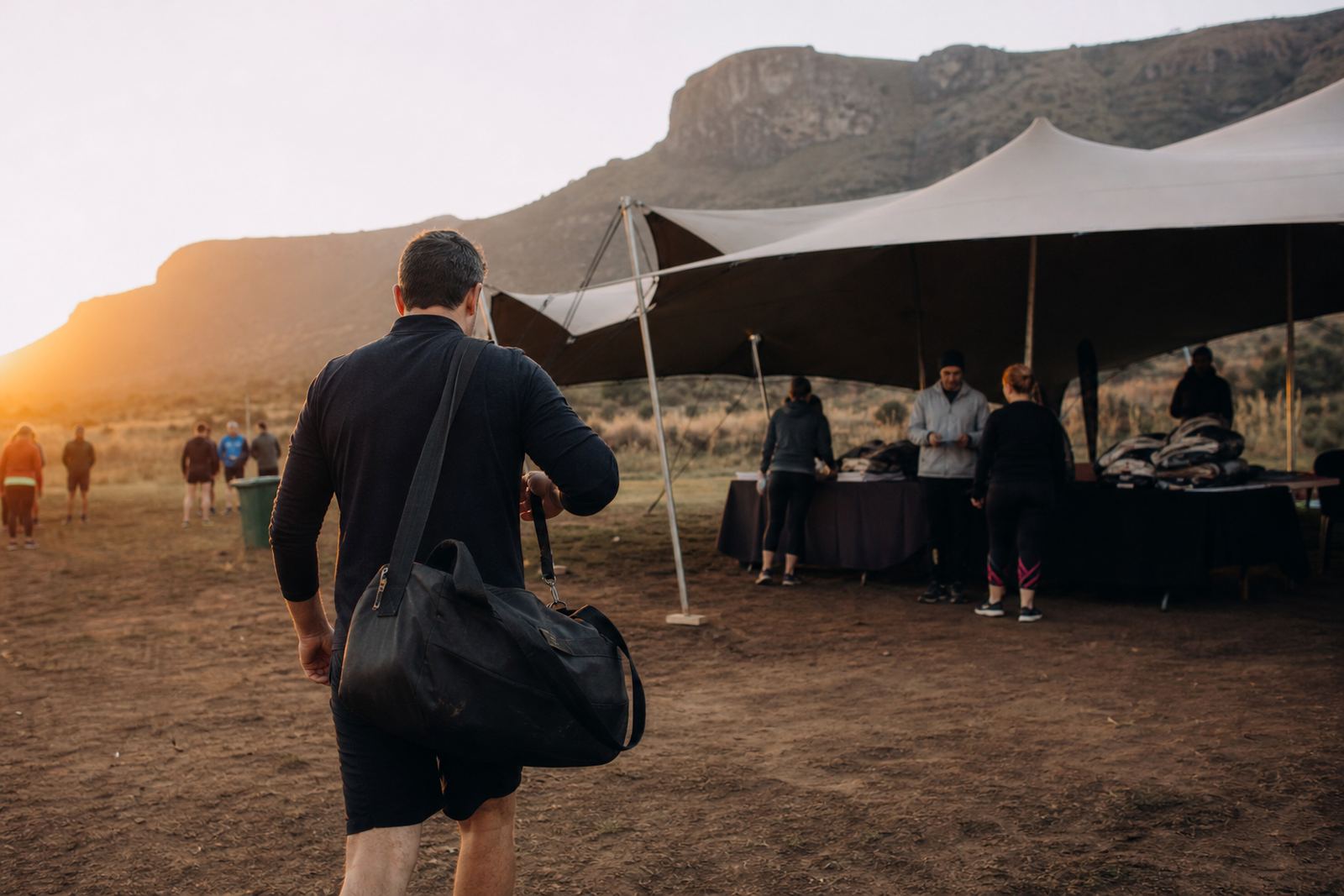
If you are travelling from Krugersdorp, Hartbeespoort or Potchefstroom, leave enough time for check in and warmup. Rushing in late makes even a good plan feel messy.
Training for teams, companies and mixed ability groups
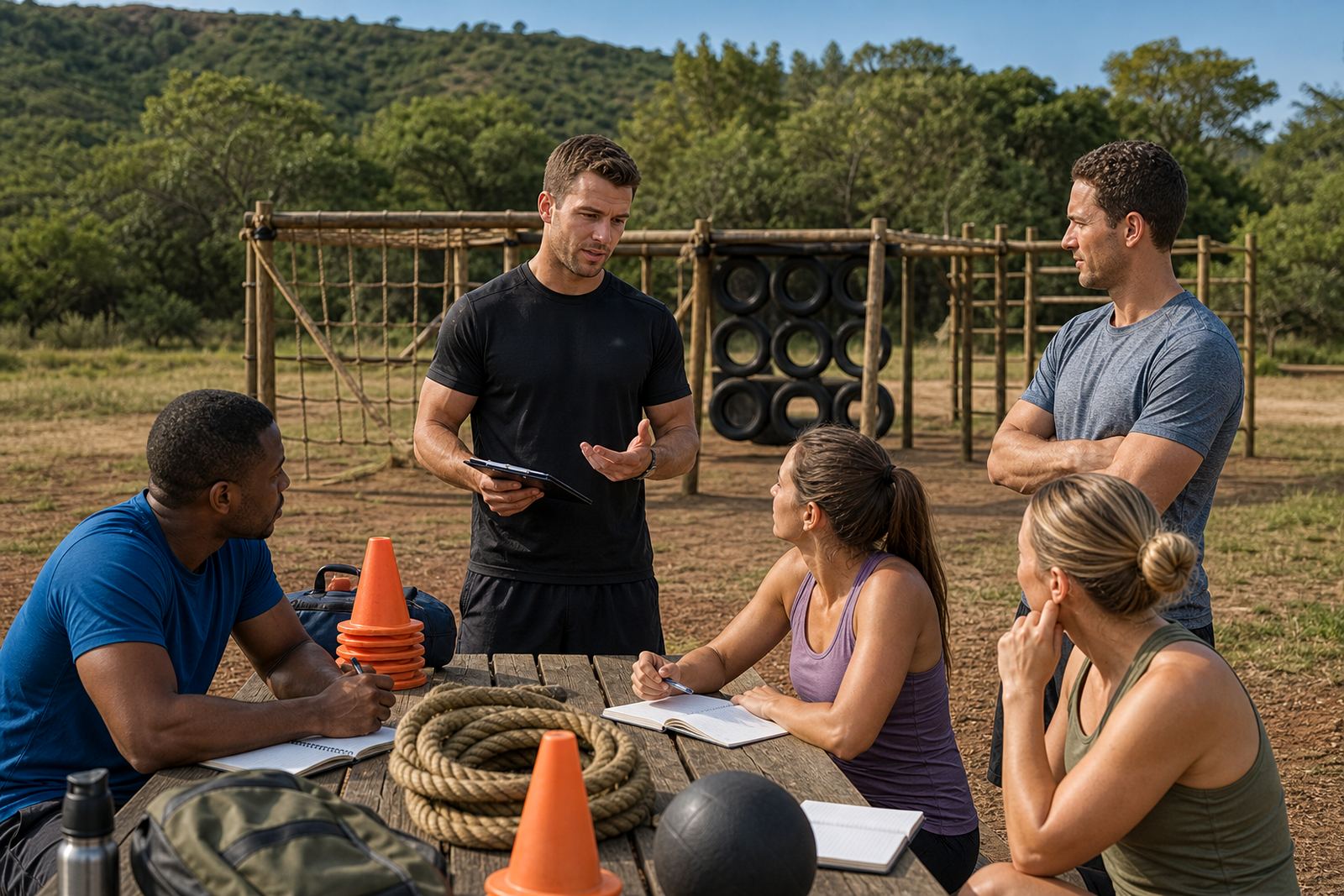
Groups often need more than a training plan. They need coordination, clear roles and a way to keep everyone comfortable on the day. That is where team briefings, captain communication, heat allocation support and onsite check in all help. For corporate entries or mixed ability teams, a shared warmup and recovery area guidance can make the whole event feel less chaotic.
Not every participant will move at the same pace, and that is normal. The best team approach is to set a realistic target, agree on support points and make sure nobody is left guessing. A good group plan helps stronger runners and newer participants work together without drama.
When to ask for help before the race
If you are unsure how to train for your event, need help with waiver coordination or want a clearer plan for a company entry, ask early. It is easier to sort the details before race week than to try fix them at the gate. Participants from Hekpoort, Magaliesburg, Pretoria and Johannesburg often need different travel and timing plans, so a bit of preparation goes a long way.
These guides are meant to help you prepare sensibly, not to promise a painless day. Obstacle racing asks for effort, patience and a bit of grit, but it is also meant to be fun. Train in a way that leaves you ready for the course and not broken by it.