
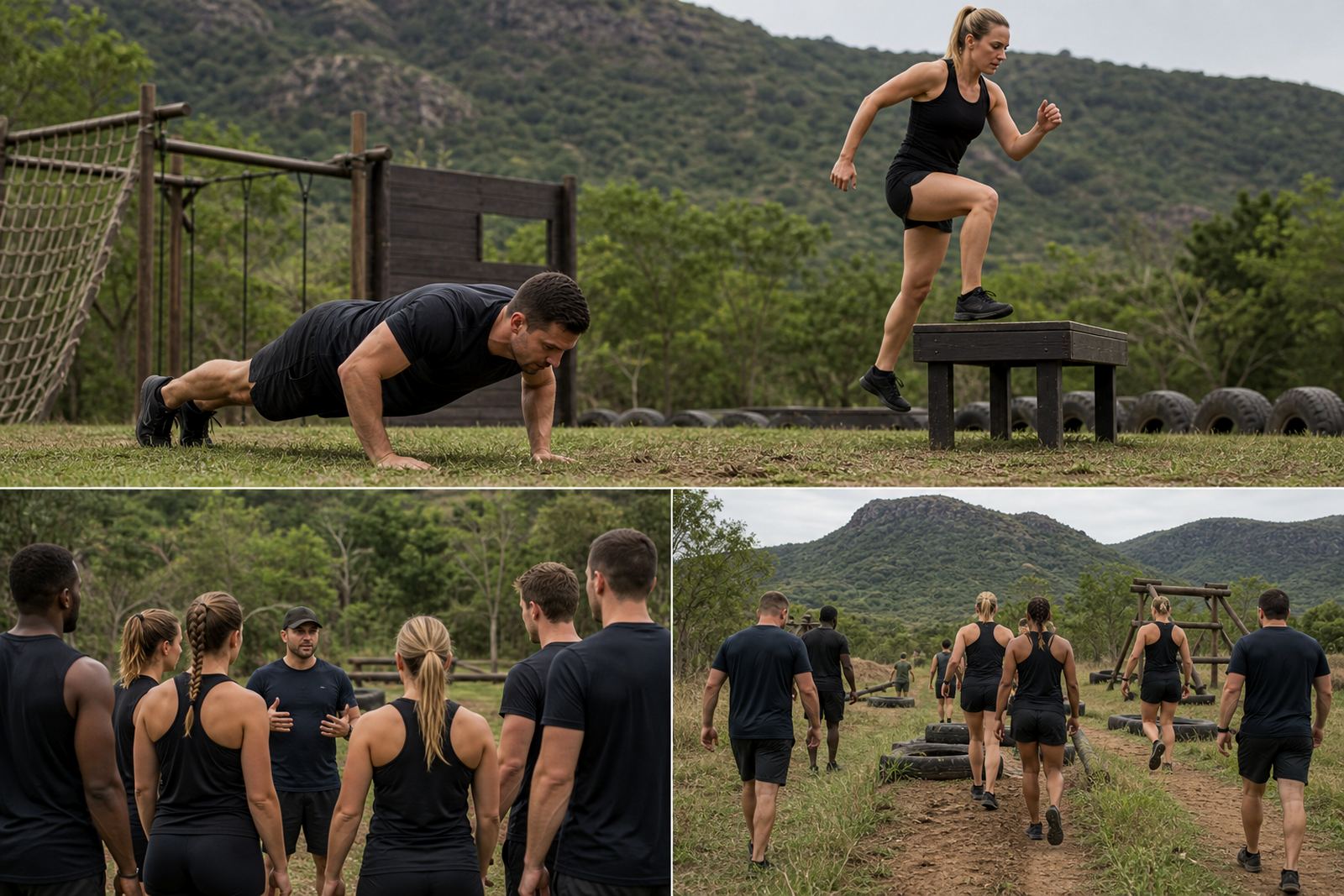
Why bodyweight work makes sense before a muddy course
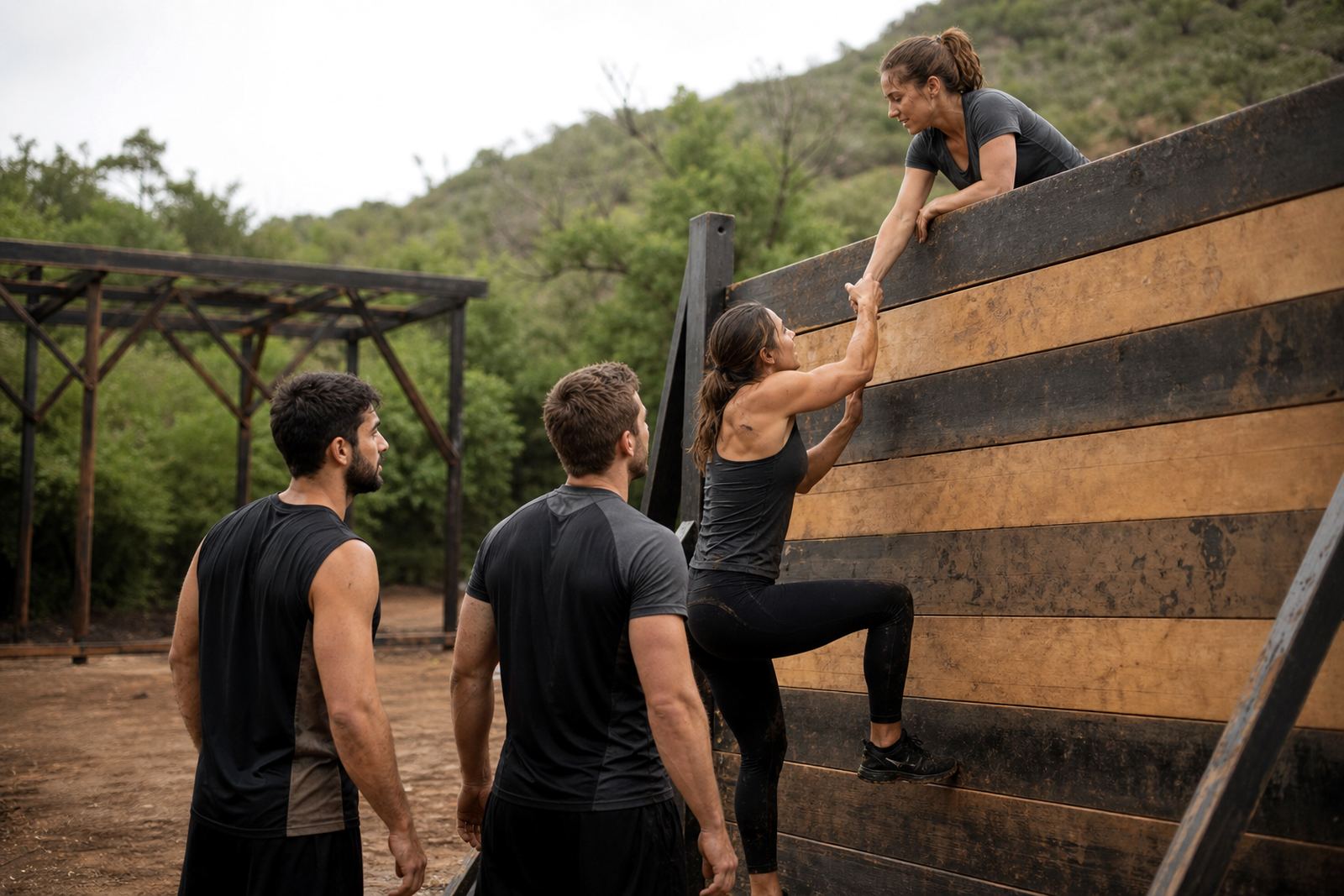
Obstacle races ask for more than pure fitness. You may need to climb, crawl, jump, carry your own weight and keep moving when your legs are already tired. That is why bodyweight training is a practical place to start, especially if you are preparing from Johannesburg, Pretoria, Rustenburg or further afield and want to train at home or in a small open space.
The first win is control. Bodyweight exercises teach you how to move well before you add speed or heavy load. They also help you notice weak spots early, such as poor hip drive, shaky knees on landings or a core that gives up too soon. If you are new to hard exercise, check with a doctor first, especially if you have had chest pain, joint problems or any long term condition.
- Start with movements you can repeat with good form
- Work on legs, upper body, grip and core in the same week
- Keep recovery days in the plan, not as an afterthought
- Train for the type of work a course asks from you, not just for the mirror
Four moves that do the heavy lifting
You do not need a complicated routine. Four basic movements can cover a lot of ground and they can be scaled for beginners or stronger runners. Use a flat patch of ground, a mat, a wall or a sturdy step if needed.
Squats build leg drive for climbs and step ups. Push-ups train the chest, shoulders and arms for getting over walls and through mud. Lunges improve balance and single leg strength for uneven ground. Planks and side planks help the middle of the body stay tight when you are carrying buckets, tyres or your own tired frame over a course.
- Squats: 2 to 4 sets of 8 to 15 reps
- Push-ups: 2 to 4 sets, from knees or full version
- Lunges: 2 to 3 sets of 6 to 10 reps per leg
- Planks: 3 holds of 20 to 45 seconds
Grip, crawl and carry without fancy gear
A lot of people focus on running, then get surprised by the upper body work. Obstacles often ask you to hold on, pull yourself through, or keep moving while your shoulders burn. You can train that at home with a towel, a bucket, a backpack or a safe outdoor rail. No special kit is needed, just a bit of planning and care.
Try towel hangs over a doorway that is safe and suitable, or squeeze a rolled towel hard for timed holds. Bear crawls across a yard or garage floor are excellent for shoulders and core. Loaded carries with a backpack filled with water bottles or books can prepare you for awkward objects on race day. Keep the load sensible, form comes first, bruise your ego not your back.
- Bear crawl 10 to 20 metres, rest, repeat
- Carry a backpack for 20 to 40 metres at a steady walk
- Hold a towel or rolled cloth tightly for 20 to 30 seconds
- Use a wall sit to build leg endurance when hills feel endless
A week that fits around work, school and traffic
Most people need a plan that works around traffic, shifts and family duties. A short, repeatable routine is easier to keep than a perfect one that collapses by Wednesday. For example, a Monday session can be legs and core, Wednesday can be upper body and grip, and Friday can be movement and light conditioning. If you are based in Pretoria or Johannesburg, you might do the longer session on a weekend when you can get to a park or open yard.
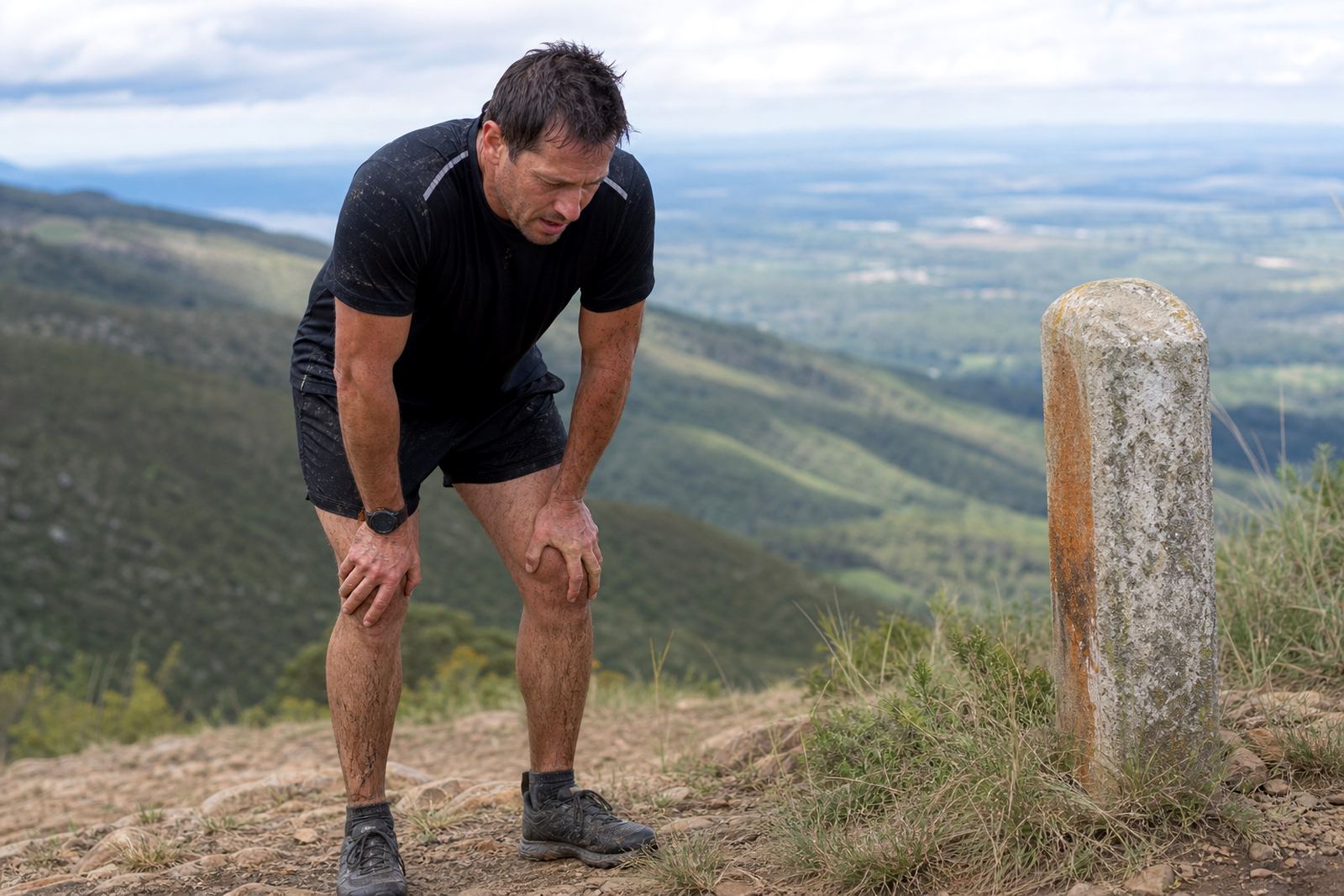
Keep the pace honest but manageable. You should finish feeling challenged, not wrecked. If you are very sore for two or three days after every session, you are probably doing too much too soon. Add one small change at a time, either more reps, another set, or less rest. That way your body has time to adapt and your race prep stays steady rather than stop start.
- Day 1: squats, lunges, plank work
- Day 2: push-ups, crawls, carry drills
- Day 3: brisk walk, easy jog or hill repeats
- Day 4: rest or light stretching
Safety briefings are not a box to tick
Training is only one part of race readiness. Good events give clear safety briefings, explain the course, and make sure people know where to line up, how to move through obstacles and what to do if they need help. Listen properly, even if you have done many races before. The weather in the Magaliesberg can change quickly, and dust, heat or wet ground can affect your footing.
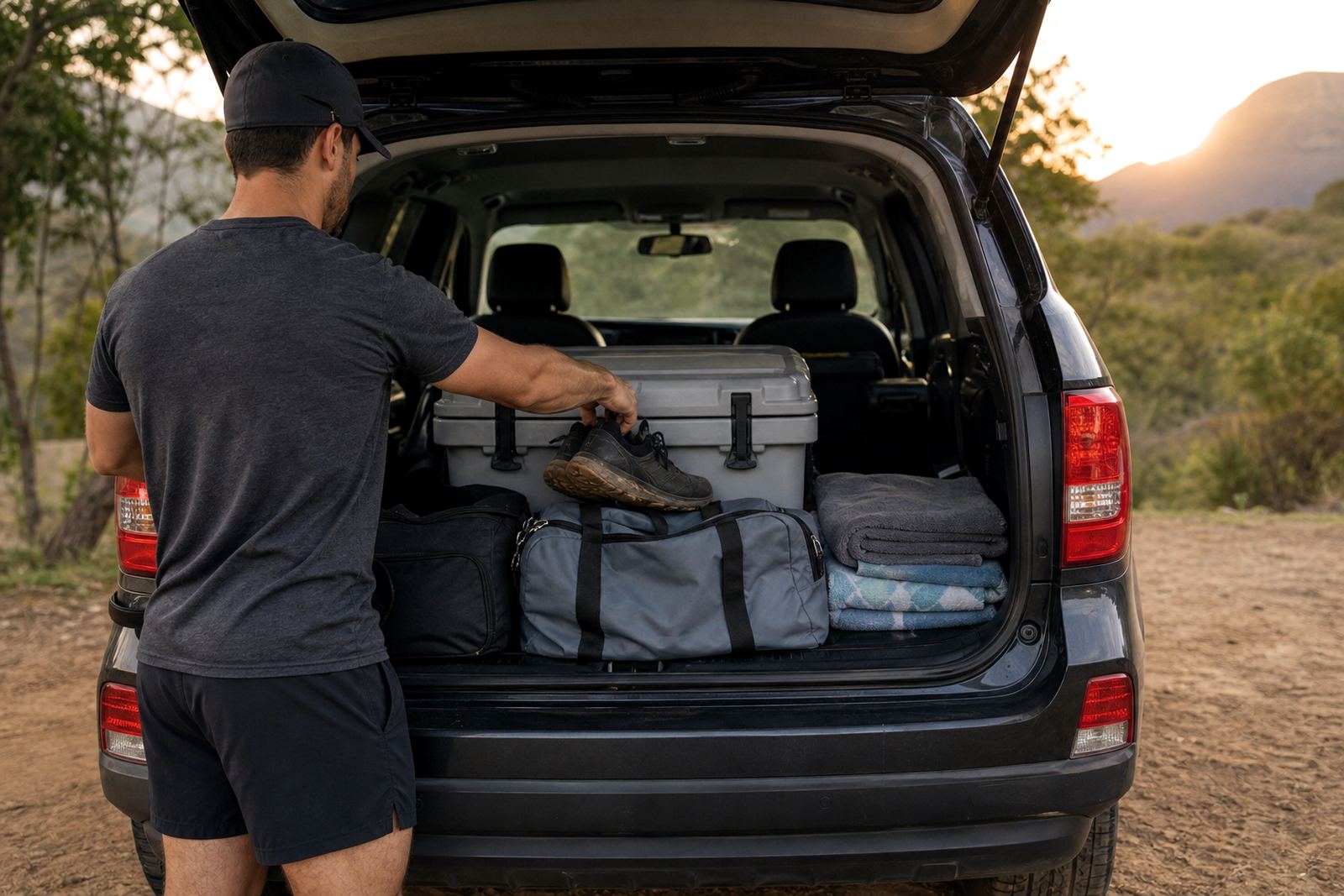
Waivers matter too. Read them, ask questions and make sure your details are correct before you arrive. If you are handling group entries for a company team, sort the paperwork early so the day starts calmly. Bring water, comfortable training shoes with grip, a change of clothes, sunscreen, and something warm for after the race if the wind picks up. A small towel and a sealed bag for muddy gear also help a lot.
- Hydrate before you arrive, not only during the event
- Wear kit that can get dirty and still move well
- Carry any required waiver or confirmation details
- Tell the briefing team about injuries or concerns before the start
A local start point that keeps training honest
If you train near Hekpoort, the terrain gives you a practical advantage. The slopes, open ground and uneven surfaces around the Magaliesberg can be used for hill walking, short hill sprints and balance work. That kind of training is useful for people travelling in from Cape Town, Durban or Bloemfontein as well, because it mirrors the fatigue and variety of an obstacle course better than flat, indoor-only work. Small group sessions also help with teamwork, which matters when a course asks people to encourage each other through a rough patch.
For teams, bodyweight training can be combined with basic event prep. One person leads warm-up, another checks water, and another keeps an eye on recovery pace. That is often where good results start, not with fancy machines but with people showing up, paying attention and doing the same simple movements week after week. It is not glamorous, but it works.
If you want help with corporate entry planning, team registration help, waiver coordination, safety briefing groups, captain communication, heat allocation support, onsite team check-in, group warm-up sessions, team photo moments, supporter planning, recovery area guidance or a custom team briefing, use the enquiry form on our contact page to get the process moving.