The smartest step is not always a run step
In obstacle racing, the fastest athlete on paper is not always the fastest on course. Loose gravel, steep climbs, mud, sand, ropes and monkey bars all ask for different efforts, and a short walk can be the better choice when the terrain steals your rhythm. Around Hekpoort and the Magaliesberg slopes, even fit runners find that a fast walk on a climb saves the legs for the next obstacle.
Walking well is active, not passive. It lets you keep moving while lowering impact, settling your breathing and giving your grip a moment to recover. If you charge every rise and every obstacle approach, you may burn through your energy before the course gets difficult, and then every wall feels twice as high.
Where walking gives you more back than running
The right walking moments depend on the course, your pace and how you are feeling on the day. A short walk can be useful on long uphill sections, after a heavy carry, or when you have just come off a demanding obstacle and your heart rate is high. It can also help in soft sand and muddy ground where running costs more energy than it returns.
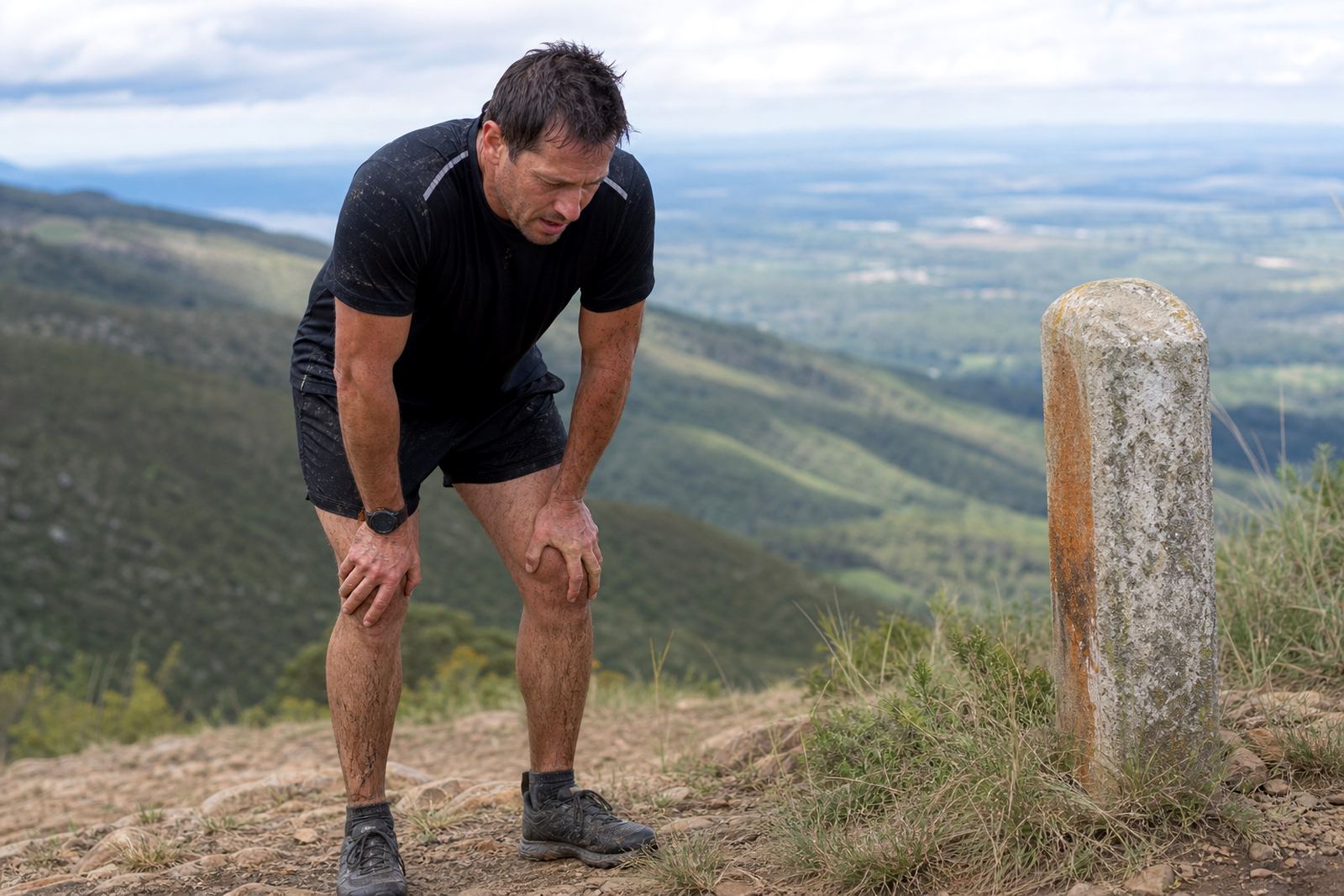
For many participants, the trick is to walk before form breaks down. If your stride gets sloppy, your breathing is out of control, or your shoulders are tightening up, a controlled walk may keep you moving better than trying to force a run. That choice often shows experience, not weakness.
- Use walking on steep climbs where running makes little gain.
- Walk after grip heavy obstacles to let your forearms recover.
- Choose a short walk when footing is uneven, slippery or sandy.
- Walk into the next obstacle with steady breathing instead of rushing in.
How to walk without losing race rhythm
Good race walking has purpose. Keep your posture tall, swing your arms, and use a brisk pace so the transition back to running feels smooth. If you drop your head and shuffle, your body takes longer to switch back, and you can lose more time than you saved. Think of walking as a gear change, not a breakdown.
During training, practise moving between run and walk on hills, after carries and after stair work. This teaches your body that a walk is part of the plan, not a last resort. In a practical sense, it also helps you judge how long you need before you can push again, instead of guessing in the middle of a race.
- Keep your steps short and quick on climbs.
- Use your arms to keep forward drive.
- Look ahead, not at your shoes.
- Restart running before you feel fully fresh, so the pace change stays smooth.
Breathing control beats chasing every metre
One of the main reasons to walk is breathing control. When breathing becomes too fast, your body starts spending energy on recovery instead of movement. A short walk gives you a chance to bring your breath under control, especially after a scramble net, rope climb or mud section where the effort spikes suddenly. That small pause can protect the rest of your race.
In the Magaliesberg heat, breathing can get tight faster than expected. On hotter days, a controlled walk at the right time may prevent a bigger drop later. Even in cooler weather, altitude and long climbs can make your lungs work hard, so pacing matters from the first kilometres, not only near the finish.
Local course thinking from Hekpoort to the wider region
At a course near Hekpoort, a participant from Johannesburg may arrive fresh but still need to respect the hills, loose ground and the sun reflecting off open sections. Someone travelling from Pretoria or Rustenburg might be fit on roads or in the gym, yet still find that obstacle racing asks for different effort patterns. That is where walking becomes useful, because it helps you save your bigger pushes for the sections that really matter.
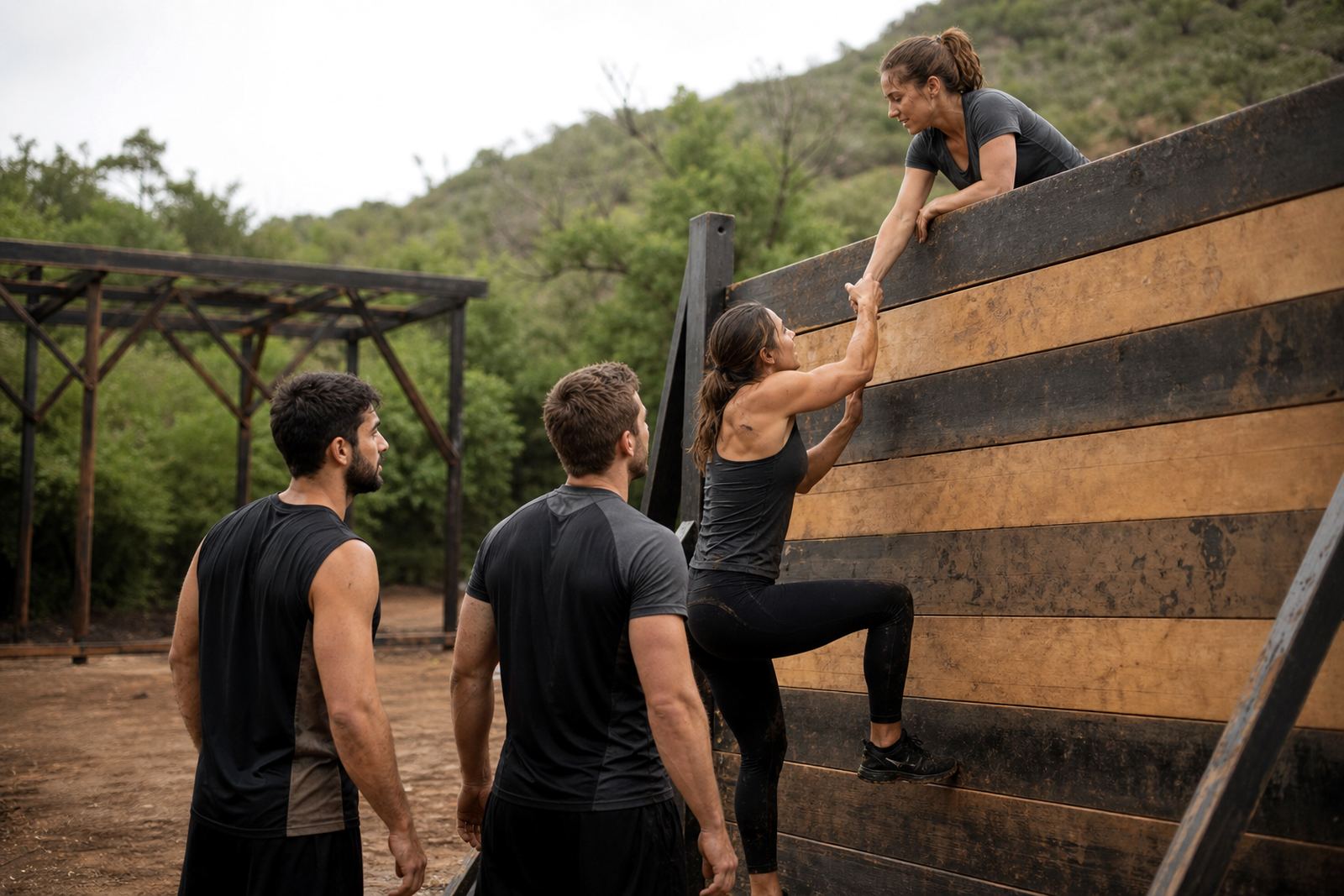
For teams, walking can also support group movement. If one member is stronger on climbs and another is stronger on carries, a sensible walk pace can keep the group together without turning the day into a chase. That makes the event more manageable and helps the whole team finish with better control.
Before taking part in hard exercise, check with a doctor if you are unsure whether the effort level is suitable for you. A good event plan also includes a safety briefing, waiver handling and enough time to warm up properly before the start.
What to sort out before race day
Strategic walking works best when you arrive prepared. Good shoes with grip, clothing that handles dust and sweat, and enough water for the day all make a difference. If the event uses team registration help, heat allocation support or captain communication, make sure everyone in the group understands the walking plan before the start, not after the first obstacle.
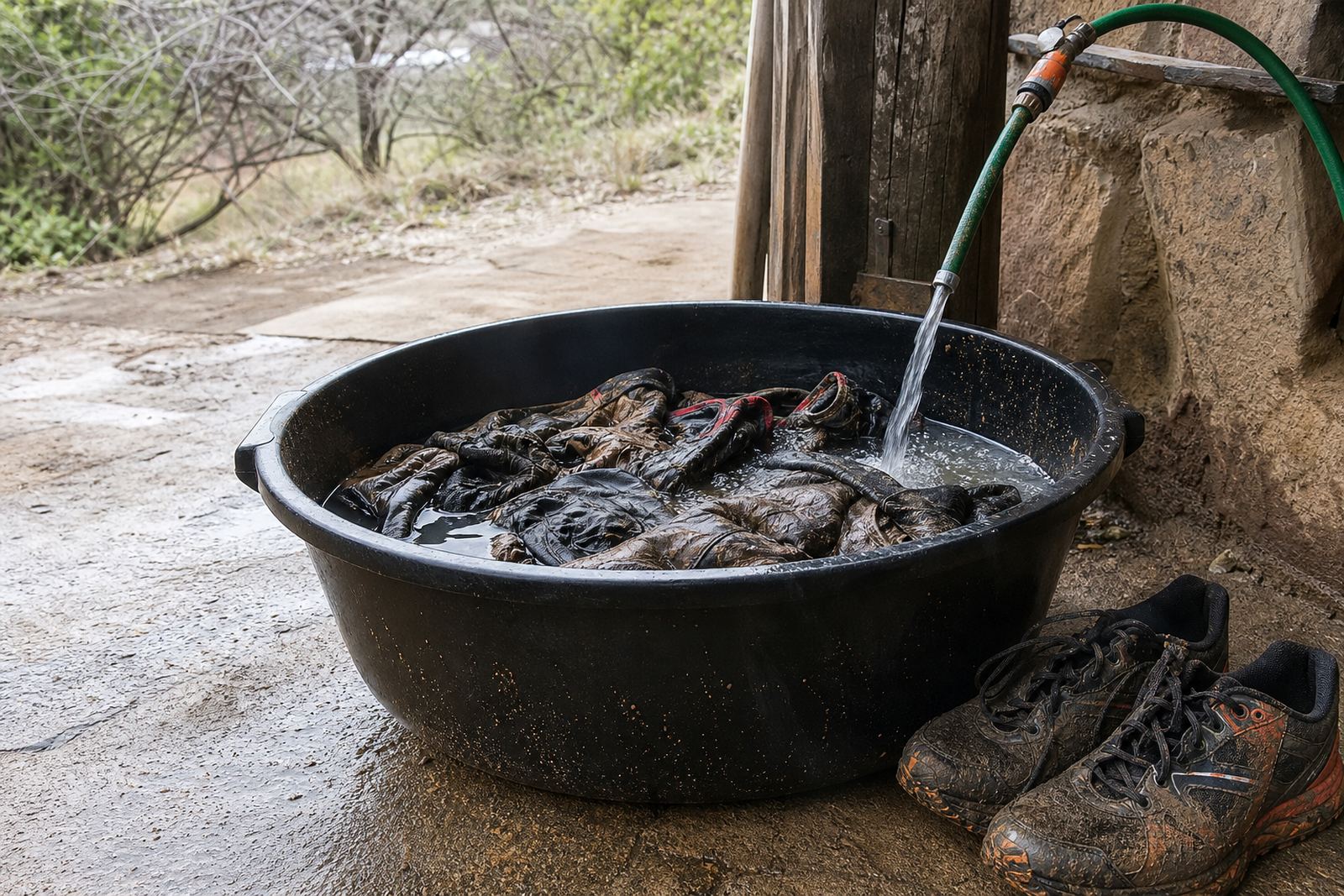
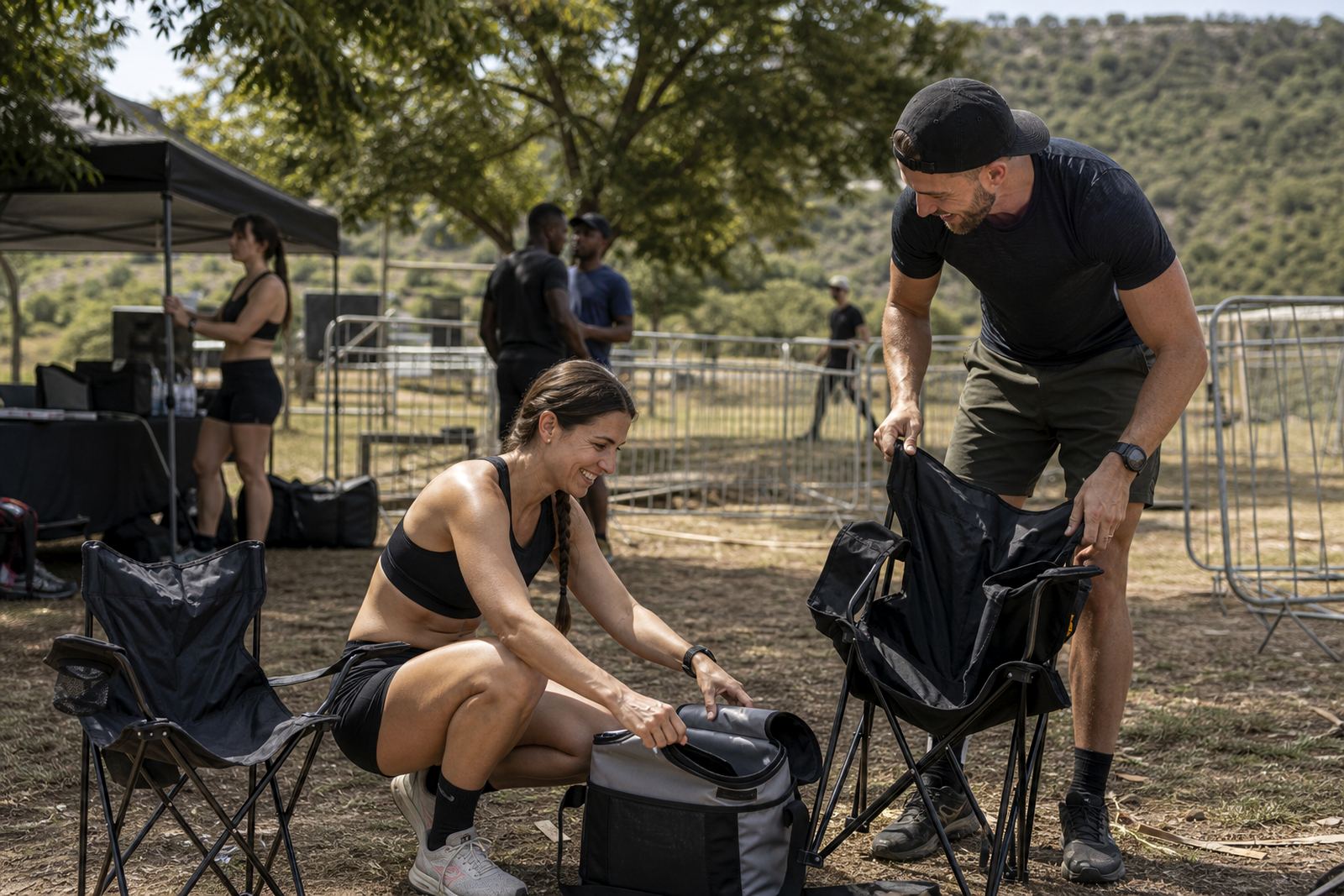
For obstacle races, practical preparation is just as important as fitness. Bring what you need for changing weather, muddy ground and a long outdoor day, and follow the course instructions given at check-in. If the event includes a recovery area, use it properly after the finish, especially if you have been walking hard between obstacles and your legs are starting to tighten up.
- Wear trail shoes or other footwear with proper grip.
- Carry water and any items required by the event rules.
- Listen closely at the safety briefing and ask questions early.
- Know where your team will meet if the group splits on course.