
Dawn at Hekpoort feels colder than the forecast says
Early starts in Hekpoort can catch people out. The valley air often sits cool and still before sunrise, then the sun comes up hard and the temperature climbs quickly. If you leave the start area in a heavy top, you may feel fine for the first kilometre and then regret it once the climbing begins.
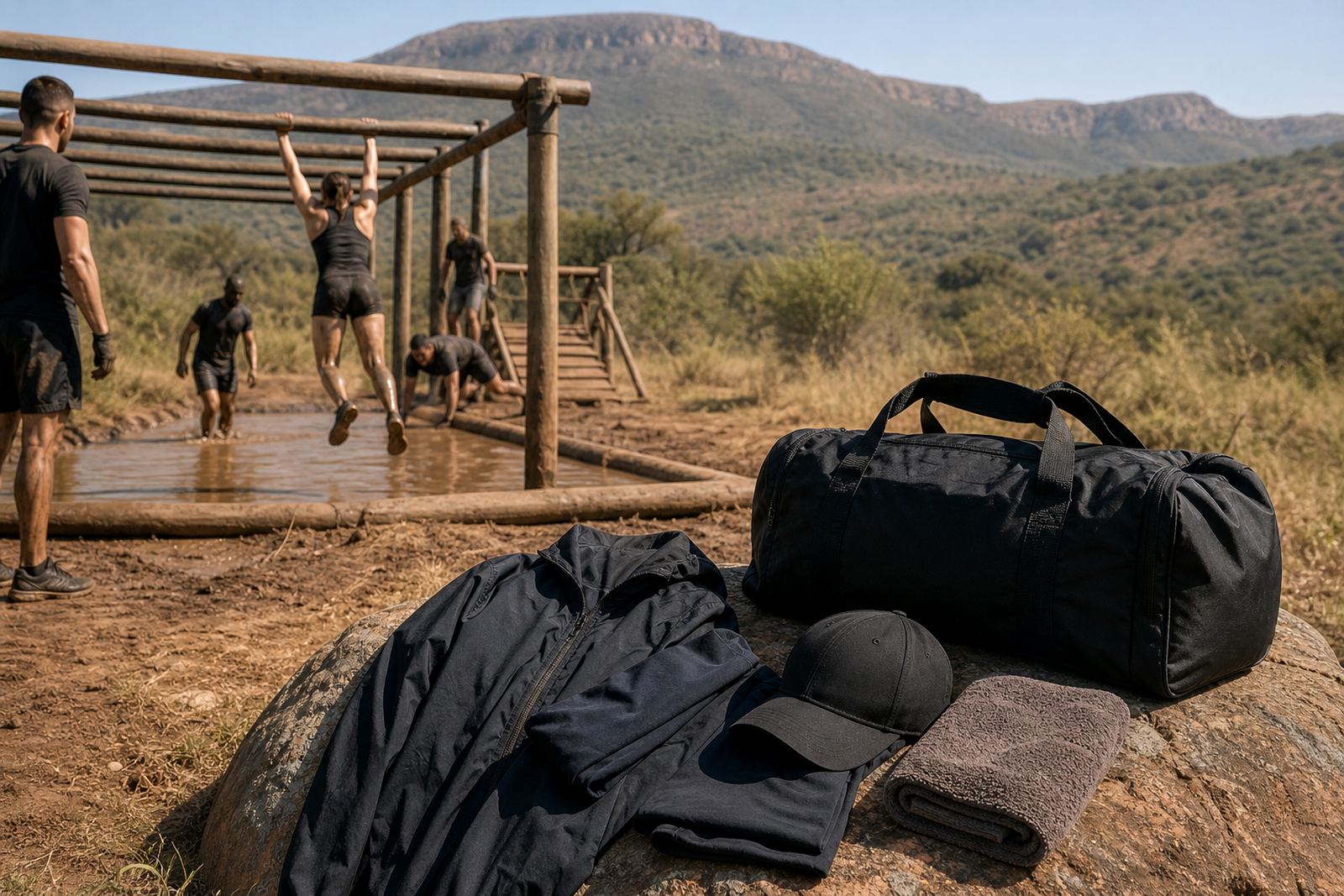
Pack in layers that are easy to shed and carry. A light long sleeve top, thin zip top or a throwaway outer layer works better than bulky clothing. Choose fabrics that dry quickly. Cotton holds sweat and rain, which makes you colder when you stop at an obstacle or wait at a briefing point.
- Wear base layers that do not soak up water
- Bring a light cover-up for the queue and the warmup
- Keep one dry top in the car for after the race
- Use socks that stay comfortable when wet and muddy
Midday heat needs a lighter carry than most people plan for
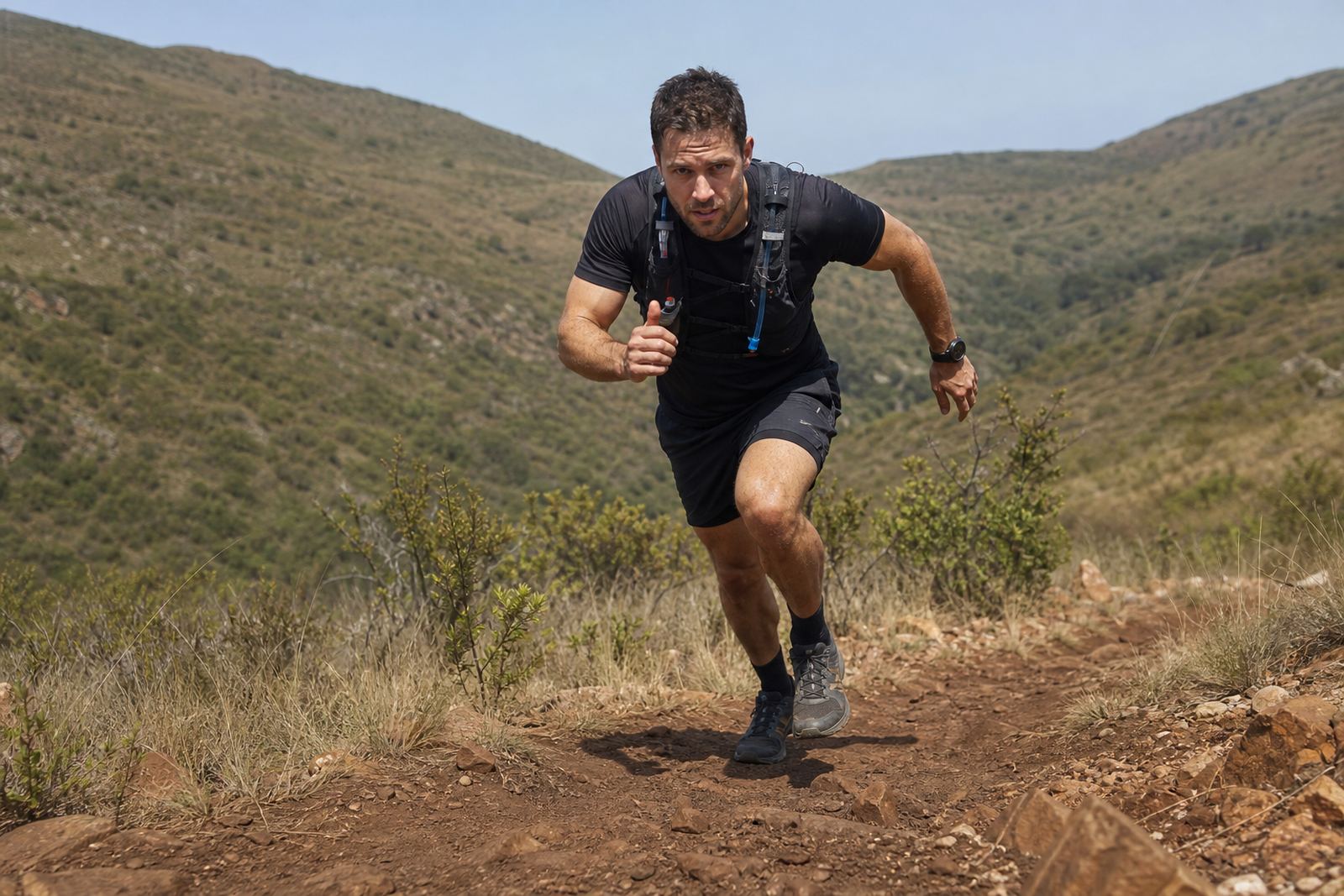
Once the sun is up, the same course that felt brisk in the morning can turn hot and tiring. The Magaliesberg area can bake under clear skies, especially on open sections where there is little shade. If you are travelling from Johannesburg, Pretoria or further afield, arrive thinking about heat as much as distance.
Do not overpack your race kit. You want enough to deal with changes, but not so much that you are dragging extra weight for no reason. A small waist pack or compact bag can hold the essentials. If you are handling an endurance challenge, make sure your clothing does not chafe under load or when it gets wet from sweat and water obstacles.
- Cap or head cover for sun protection
- Small towel or cloth for wiping mud from your hands
- Electrolyte drink or plain water, depending on your event plan
- Dry shoes for after the finish line if you are driving home far
People often forget that hot weather is harder after a cold start. Your body is already working, so the transition from cool to warm can catch you out. Keep sipping water, take the warmup seriously and pace the first part of the course so you are not burning out before the final obstacles.
Rain, wind and muddy banks change the course under your feet
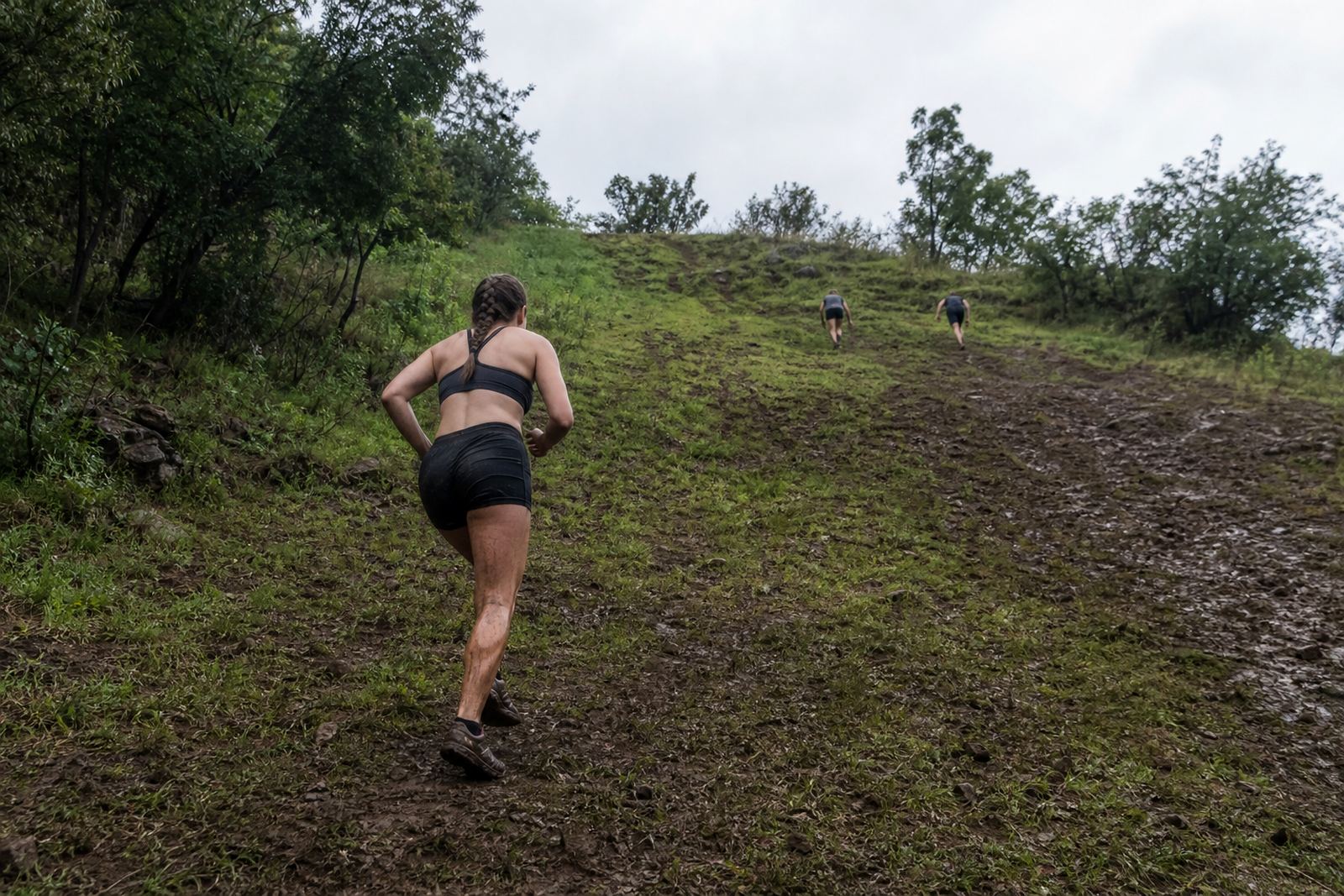
A bit of rain can turn a good trail into a slippery route very quickly. In the Magaliesberg, a shower can arrive, pass over and leave the ground wet but steamy. If wind picks up, exposed areas become colder than you expect and a soaked shirt can feel heavy by the second half of the event.
Good changing weather gear is not about looking prepared, it is about staying steady when the surface changes. Shoes with proper grip matter more than fashion. If your socks stay wet, your feet soften and blisters start. If your top holds too much water, you cool down too fast when you stop near the obstacle line. That is when small mistakes happen.
Think through what you will wear before you leave home. If rain is likely, bring a lightweight cover for before the start and a bag for wet clothing afterwards. Many participants also forget a spare towel, which matters more than people think when mud is involved.
- Trail shoes or training shoes with strong grip
- Extra socks in a sealed plastic bag
- Light rain cover that folds small
- Plastic bag for muddy kit and wet gloves
What to pack without turning your kit into dead weight
The best packing list is one that solves real problems. You do not need four jackets, but you do need the items that keep you safe, warm and able to move. At events in Hekpoort, Magaliesburg and Hartbeespoort, people often travel in groups and leave some things in the car or with a supporter. That works well if the plan is clear from the start.
Useful items are the ones that help before, during and after the course. A spare shirt, a cap, water, dry footwear and a warm layer for later are usually enough for most participants. If you are part of a team, agree on who carries what so nobody arrives with three towels and no dry socks. Corporate groups often use our team registration help and captain communication to keep this organised.
- Race clothing that you have already tested in training
- One warm layer for before the start or after the finish
- Food you know your stomach handles well
- Plenty of water if your event plan asks you to self-manage it
- ID, waiver details and anything requested at check-in
It also helps to think about the drive home. Muddy kit in a car can become a problem in hot weather, so sealed bags are practical. If you have a long trip back to Pretoria, Rustenburg, Potchefstroom or Bloemfontein, make the return trip easier by packing a clean change of clothes in a separate bag.
Safety starts before the first obstacle, not at the briefing tent
Changing weather is one reason event organisers give safety briefings before the start. Listen carefully, especially when the briefing covers slippery ground, water sections, climbing areas and where to slow down. Waivers matter too, because they set out the participation terms and remind everyone that obstacle racing carries real physical demands.
If you are not used to hard exercise, check with a doctor before taking part. That is particularly important if you have a health concern, if you have been inactive for a while, or if you are stepping up to a longer endurance challenge. No one benefits from guessing how the body will react once the course gets tough.
Support staff can help with heat allocation support, onsite team check-in, recovery area guidance and custom team briefings, but the participant still needs to arrive prepared. Follow the instructions, ask questions during the briefing and do not try to rush an obstacle because the weather looks okay at that moment. Conditions can shift very quickly, and the course does not care what the sky looked like ten minutes earlier.
A Magaliesberg morning shows why layers matter
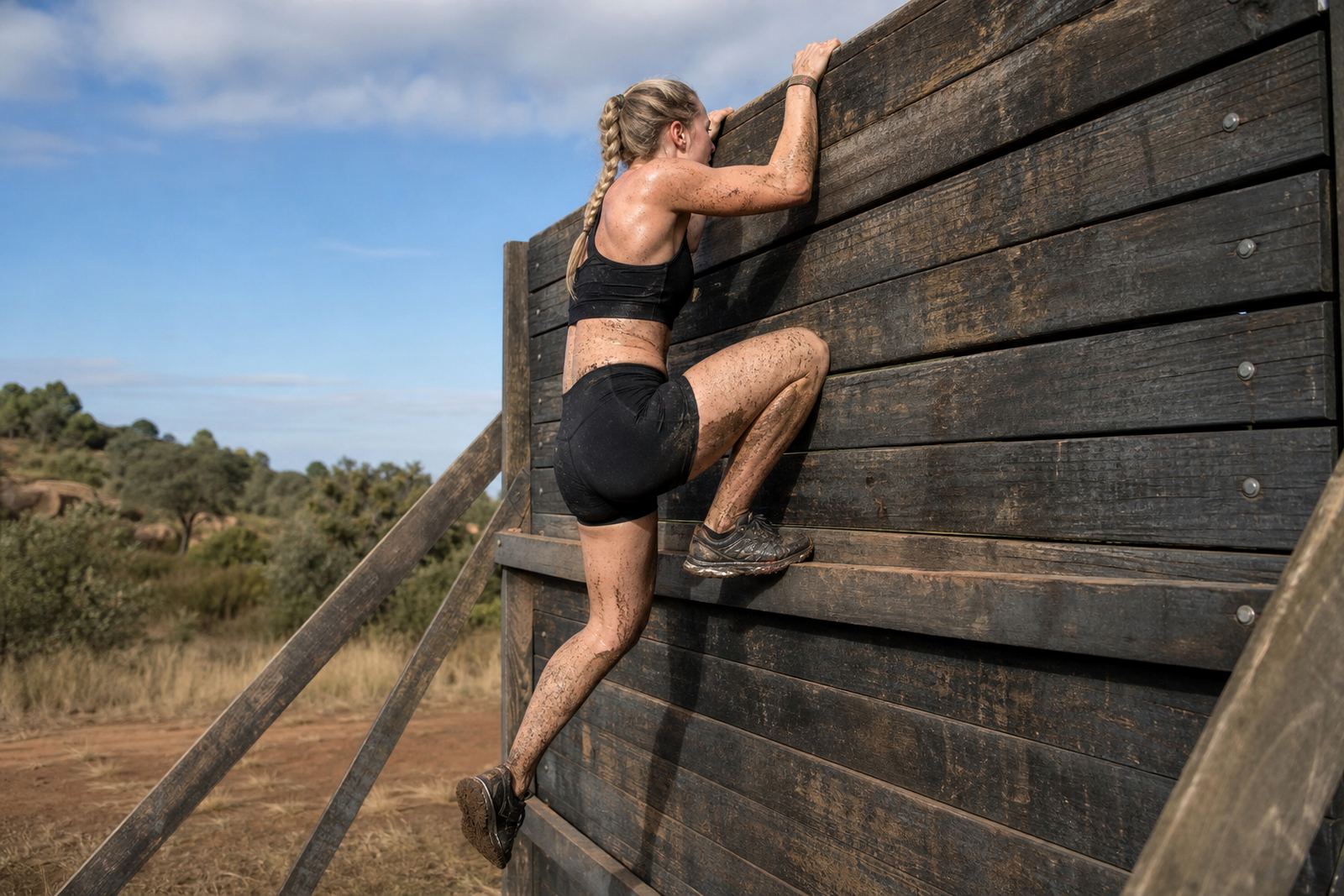
Picture a team leaving Johannesburg early for a race at Hekpoort. The morning air is cool, the wind is still, and everyone arrives wearing hoodies. By the time the warmup starts, the sun is out and the blacktop already feels hot underfoot. Ten minutes after that, someone is standing in mud with a wet shirt, and another runner is wishing they had brought a spare pair of socks.
That is the reality of outdoor events in the North West. You do not need a full suitcase, only a plan that matches the day. A good pack keeps the team comfortable from the parking area to the recovery area, with enough flexibility for a cold start, a warm middle and a damp finish. If you are supporting a group, make a small checklist before you leave home and keep it simple.
For an event near Magaliesberg, Johannesburg, Pretoria or Hartbeespoort, pack for the weather you expect, and the weather you may get. That one habit saves energy, lowers stress and makes the whole day feel more manageable.