
Hard effort is not the place for guesswork
Obstacle course races ask for running, climbing, crawling, carrying and quick changes of pace. That mix can be tough on the heart, lungs, joints and muscles, especially if you have not trained for a while or if you are managing a health issue.
If you have chest pain, shortness of breath that feels unusual, dizziness, high blood pressure, asthma, diabetes, a history of fainting, a heart condition or a recent injury, speak to your doctor before taking part in a demanding event. The same applies if you are pregnant, recovering from surgery, or unsure how your body will handle repeated bursts of effort.
A doctor can help you judge whether a hard session, a shorter wave, or a slower build-up makes more sense. That advice is worth getting before race day, not after you are already standing in the heat near Hekpoort trying to force a pace your body has not earned yet.
What a doctor can help you work out
A medical check is not about stopping you from taking part. It is about making sure you start with the right expectations and the right precautions. Many people can train for obstacle racing safely once they know what to watch.
- Whether your current medication affects heart rate, hydration or balance
- Whether old injuries need support, rest or a different movement plan
- Whether you should avoid all-out effort, long climbs or heavy carries
- Whether you need a gradual return to exercise instead of jumping straight into hard training
- Whether your doctor wants any tests done before you push harder
Bring those notes into your training plan. If your doctor says you can exercise, ask what signs should make you stop and seek help. Clear guidance makes the whole build-up calmer and safer.
Training for Magaliesberg without overdoing it
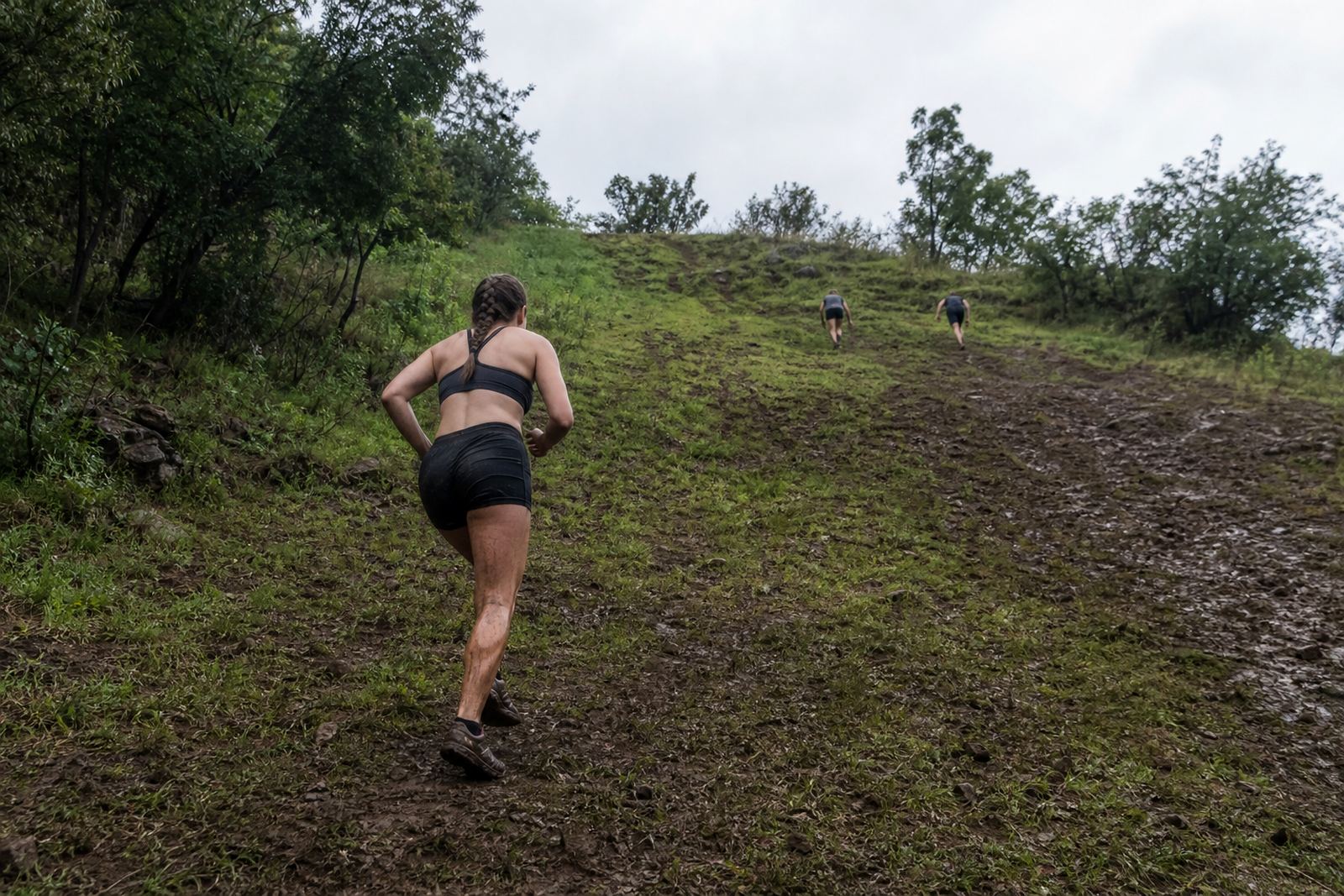
The Magaliesberg area is beautiful, but the terrain can be unforgiving. Dust, uneven ground, heat, and sudden climbs can tax a person who only trains on flat paths. Start with walking, light running, bodyweight work and grip strength, then build steadily over several weeks.
Good preparation is not only about fitness. It is also about learning how your body reacts to heat, recovery and repeated effort. Train in conditions similar to the event when you can, but do not copy race-day intensity every session. That is where people get caught out.
- Practise running after a warm-up, not from a cold start
- Work on carrying, climbing and crawling in controlled sessions
- Test your hydration plan on training days
- Wear the shoes and clothing you plan to race in
- Rest properly between hard sessions so sore knees and calves can settle
If you are travelling in from Johannesburg, Pretoria, Durban, Cape Town or Bloemfontein, give yourself enough lead time to recover from the trip and get used to the local conditions. A tired body is more likely to cramp or make poor footing decisions.
Safety briefing notes are not optional extras
Before any obstacle course race, a proper safety briefing matters. It explains the route, obstacle rules, required conduct, water points, emergency procedures and what to do if a participant needs help. Listen carefully, even if you have done other events before, because layouts and conditions change.
For team entries, make sure the captain understands the briefing and can pass the details on to the rest of the group. In our Hekpoort venue area and across Magaliesburg, Hartbeespoort, Krugersdorp, Pretoria, Johannesburg, Rustenburg and Potchefstroom access routes, weather and ground conditions can change from one weekend to the next. What feels easy on paper can become demanding under the sun or after a sudden shower.
Do not treat the briefing as a formality. It is there to help you finish safely and know when to slow down, call for assistance or skip an obstacle if needed.
Waivers, honesty and the practical side of taking part
Waivers are part of the process because they help set out the risks involved in obstacle racing. Read every section carefully and answer honestly. If you leave out a condition, injury or concern, it becomes harder for support staff to look after you properly on the day.
Be truthful about recent illness, asthma, joint pain, fainting spells or anything else that could affect your participation. That information does not go in a drawer and forgotten. It helps with safety briefing groups, heat allocation support, onsite team check-in, recovery area guidance and any custom team briefing that may be needed.
- Carry your identification and any required event paperwork
- Know who your team captain is, if you entered as a group
- Arrive with enough time for check-in and the briefing
- Tell staff if you feel unwell before the start, not after
- Follow marshal instructions first, even if your pace is already set
Honesty is not a small detail. It is part of staying safe while you push yourself.
What to bring when the day is going to be long
Obstacle racing is easier when you arrive prepared. The basics are plain enough, but people still forget them, especially when they travel from further afield and juggle a team bus, private cars, or a full weekend outing.
- Trail shoes or trainers with grip
- Comfortable clothing that can handle mud, dust and sweat
- Water and any food your doctor or trainer has recommended
- Sunscreen, hat and a towel
- A change of clothes for after the race
- Any prescribed medication you may need during the day
If you are unsure whether something should be packed, think about comfort, hydration and recovery. People from coastal areas often underestimate how dry the air in the North West can feel, while others are surprised by how quickly the temperature shifts in open terrain. A spare shirt and dry socks can make a long drive home far easier.
The local habit that keeps people in the race
At a place like Hekpoort, the strongest participants are not always the fastest starters. Often it is the ones who listened to their bodies, asked the hard questions early and got medical guidance where needed. That habit is worth more than bravado.
If you have health concerns, check with your doctor before hard exercise, then build your training around that advice. If you are unsure how a condition, medication or old injury might affect the day, say so early. Our team can help with corporate entry planning, team registration help, waiver coordination, safety briefing groups, captain communication, heat allocation support and recovery area guidance, but medical clearance is still your own responsibility.
For groups travelling in from nearby towns or further away, that extra check can turn a worrying start into a manageable challenge. It is not about making the event smaller. It is about making the effort smart enough to finish well.