Wait your turn, then move with purpose
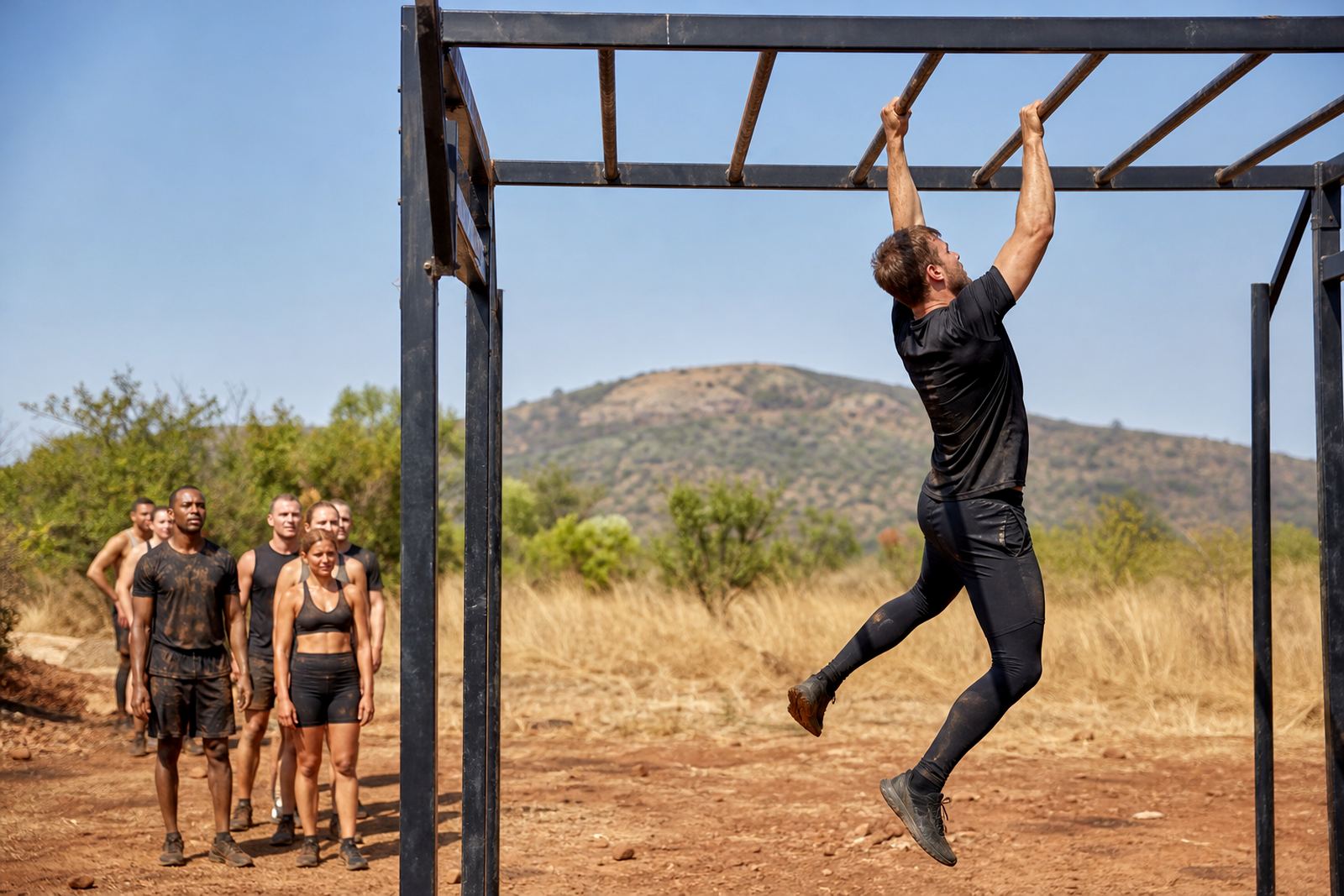
Most delays at obstacles start when one runner rushes in before the person ahead has cleared the landing, rope or grip point. The cleaner habit is to pause, watch the line ahead, and step in only when there is space to finish without bumping elbows or blocking the exit. That small pause saves scraped knees, arguments and a lot of wasted breath.
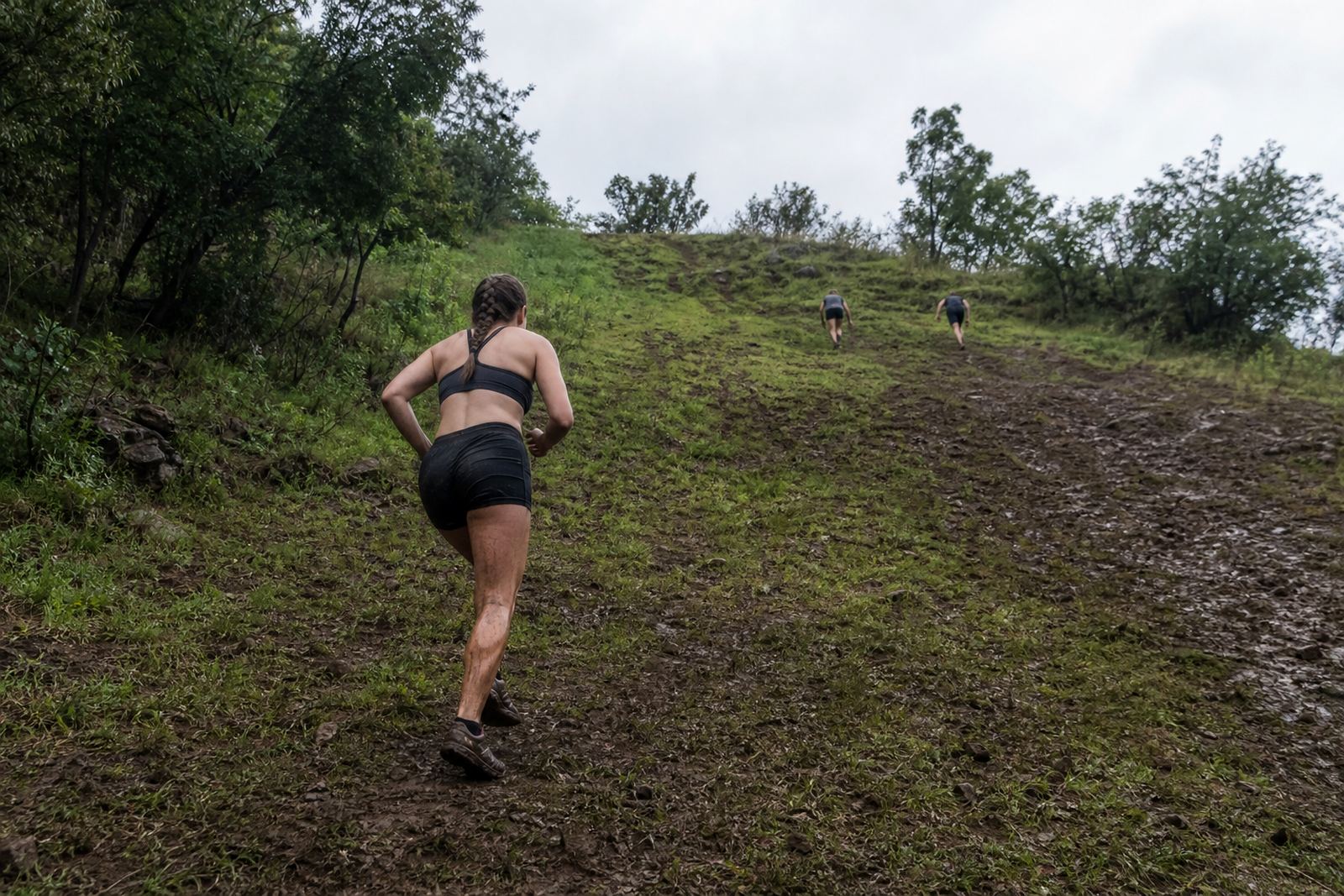
At a hill climb or wall section, let faster entrants pass only where the marshal has marked a safe overtake point. Do not push through a bottleneck just because your legs are fresh. If the obstacle needs body weight, balance or timing, the person already on it deserves room to finish the movement first.
- Call out clearly if you are ready to go or if you need a second.
- Keep your kit tight so straps, loose laces and bottles dont catch other runners.
- Step off the landing area quickly once you have completed the obstacle.
How to speak at an obstacle without shouting over people
A race is noisy enough with breathing, water splashes and the odd cheer from the side. Good communication keeps it orderly. Use short, direct words such as asking if the lane is clear, warning that you are stepping left, or letting the next person know you need help getting down. You do not need a speech, just enough information for the next runner to react safely.
If someone is moving slowly, avoid comments that sound like pressure. A calm tone helps more than a barked instruction. The same applies to teammates. Encourage each other, but do not crowd the obstacle with six people all giving different advice. One voice is enough.
- Use the same instruction your marshal gives, if you are unsure what to say.
- Keep jokes off the obstacle until the person is down and stable.
- If a fellow entrant looks unsettled, ask whether they want a hand rather than grabbing them.
Share the course, not just the challenge
Obstacle etiquette is about shared space. A course may look like one long test, but every section has people with different strengths. Some runners will move well on carries and sandbags, while others cope better on walls or crawls. Fairness means recognising that difference without making it into a contest between strangers.
In the Magaliesberg area, wind, dust and uneven ground can change how a station feels from one hour to the next. On a hot North West morning, a shaded queue at a water crossing may move faster than a sunbaked balance beam. Be ready for that. Give space to the entrant shaking out cramps, or the one adjusting a grip before the next climb, because a rushed move can turn a small wobble into a fall.
- Do not cut the queue because you think your fitness level should place you ahead.
- Respect marshal instructions, even if you think another route looks quicker.
- Offer room for someone to reset if they need one more breath before starting.
What to bring so you do not become a problem for others
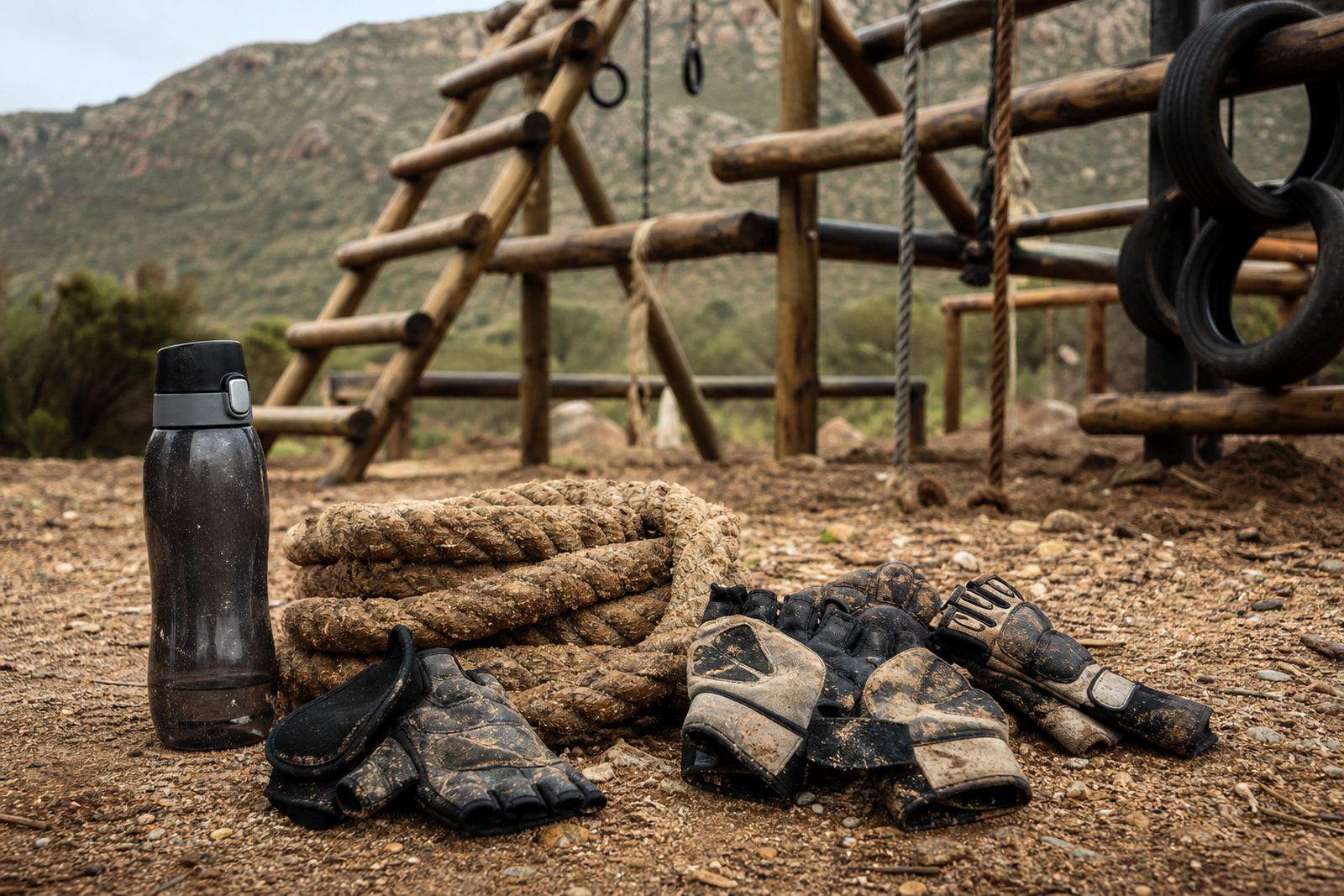
The wrong kit causes avoidable hold-ups. Comfortable shoes with decent grip, clothing that dries quickly, and a secure way to carry essentials all help you move without fuss. If you are wearing gloves, make sure you can still let go easily. If you bring a hydration pack, keep the straps snug so they do not swing into the next person on a narrow obstacle.
Before hard exercise, check with your doctor if you have any health concerns, are recovering from injury, or have not trained recently. That is not about stopping you from joining in. It is about making sure the effort matches what your body can handle on the day. A brief safety briefing and signed waiver also matter, because they set the rules for how the event is managed and what to expect at the course.
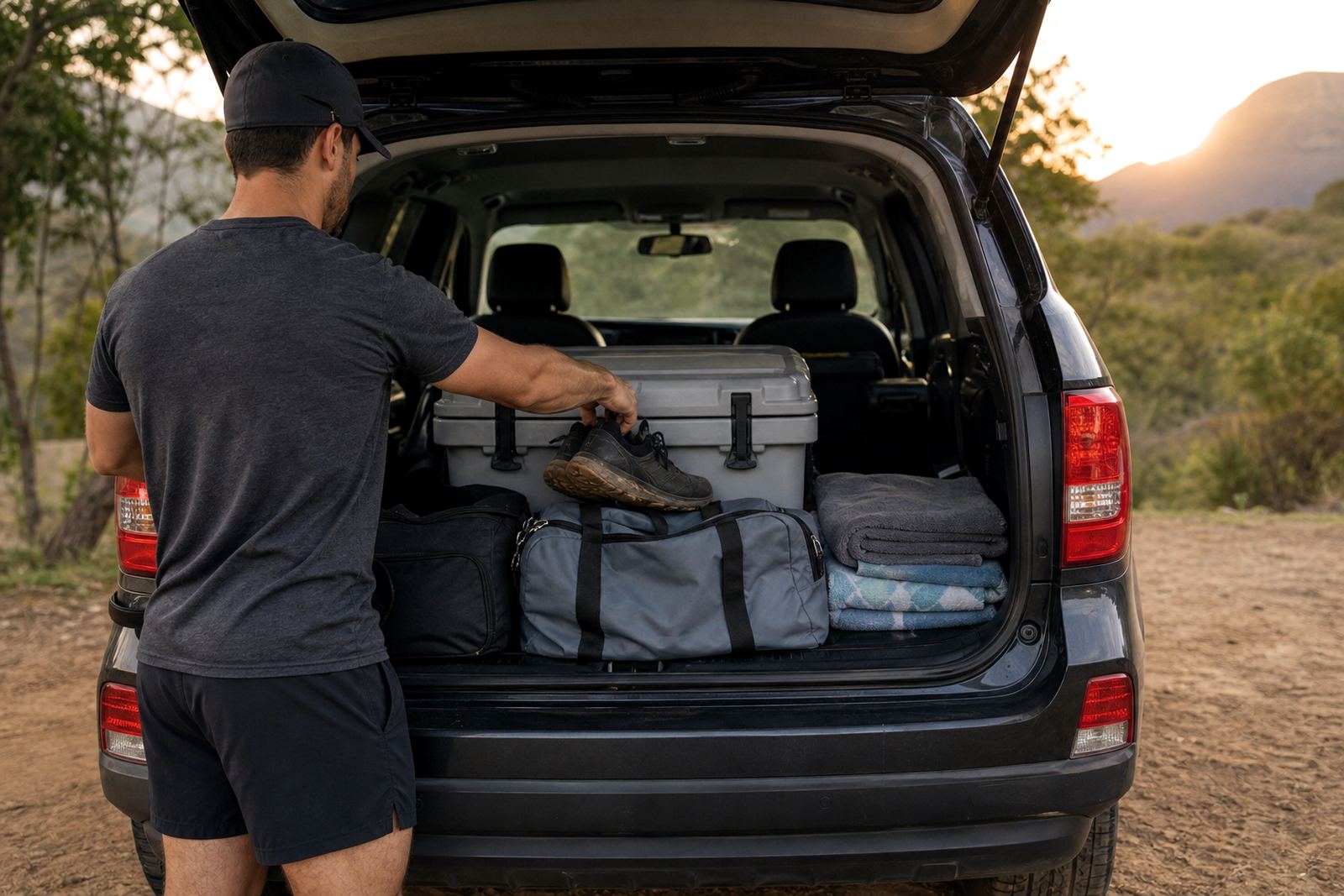
- Bring a water bottle or hydration pack, plus a dry shirt for after the finish.
- Carry a small towel and any personal items you need for recovery.
- Pack ID, completed waiver details and anything required for team registration.
Team manners matter more than team noise
Teams can make an event feel organised or chaotic. Good groups wait together at the start, listen to the briefing, and send one captain forward to ask questions if anything is unclear. That keeps the marshal line clean and stops the same query being repeated by five people at once. It also helps with heat allocation and onsite checkin when the venue is busy.
If you are running with colleagues from Johannesburg, Pretoria, Cape Town, Durban or Bloemfontein, agree on a few basics before you arrive. Decide who carries what, who checks on the slowest runner and who hands out encouragement without blocking the obstacle. That way your team supports the event instead of slowing it down.
- Keep the group together until the marshal says the next wave can move.
- Use one captain for questions, safety notes and timing changes.
- Leave space at recovery points for other entrants to sit, breathe and reset.
When the course gets busy, patience is part of the finish
A crowded obstacle is not a sign that the event is failing. It usually means the course is doing exactly what it should, testing grip, balance, grit and judgement all at once. When you wait your turn, keep your tone calm and follow the briefing, the whole field moves better. That includes people on their first attempt and those using the race to measure progress over time.
At our Hekpoort base in Magaliesberg, we see how quickly the mood changes when entrants arrive prepared, listen properly and respect the marshals. The finish feels better when nobody is left angry at a bottleneck or nursing a preventable knock. A little discipline on the course turns a hard day into a good one, and that is worth more than rushing past a single obstacle.
After the race, thank the people around you, collect your team, and use the recovery area guidance if you need a seat, water or a quiet minute. Good etiquette does not end at the last barrier. It carries through the whole event, from the first briefing to the final photo.