

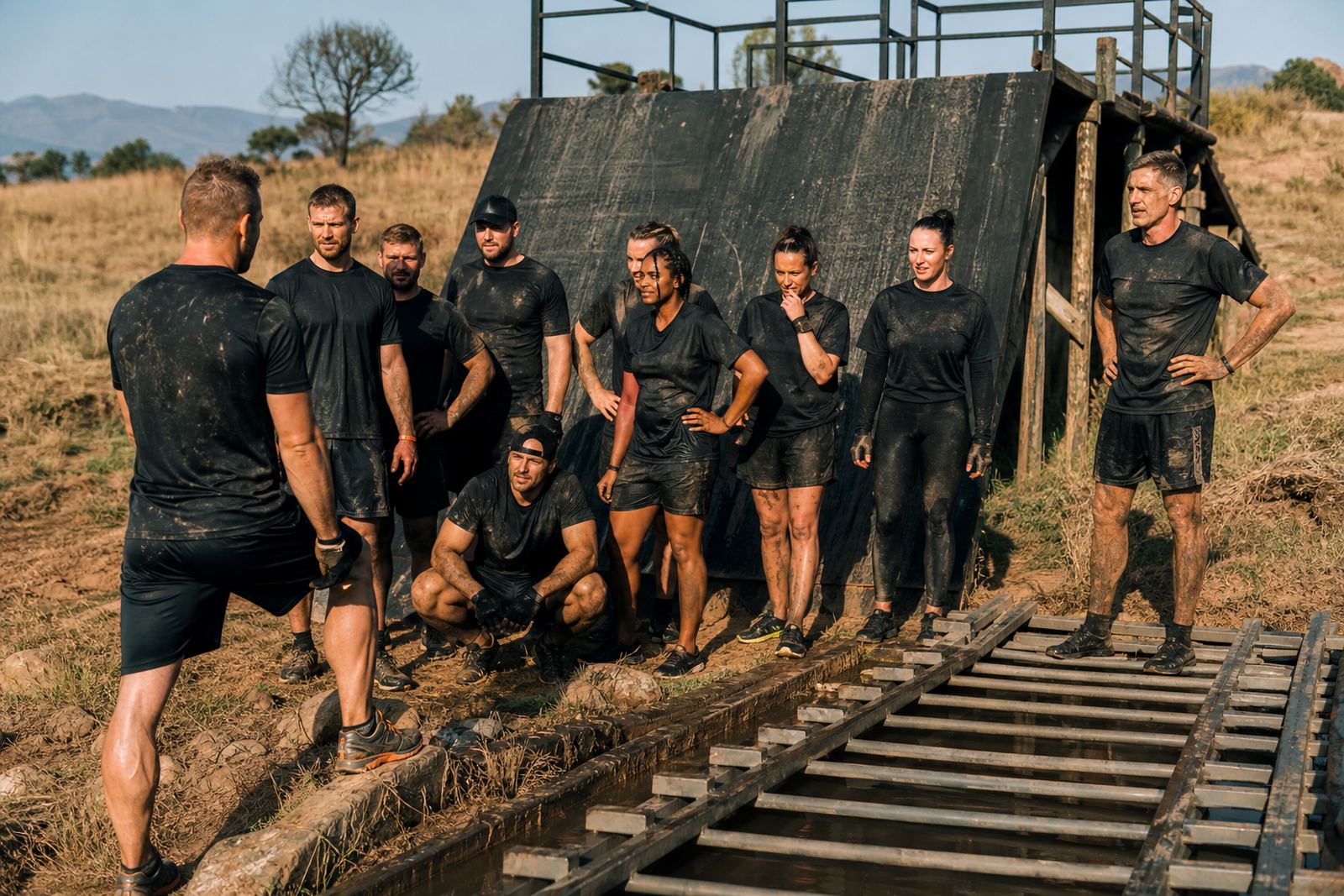
Pick the race that matches your Saturday legs
Every event type asks something different of you. Some people want a first run with mud, crawling, carrying and a few climbs. Others want a harder day out that asks for steadier pacing, better grip strength and a calm head when the lungs start burning. Around Hekpoort and Magaliesburg, terrain can change quickly, so the right choice depends on fitness, experience and how much challenge you want on the day.
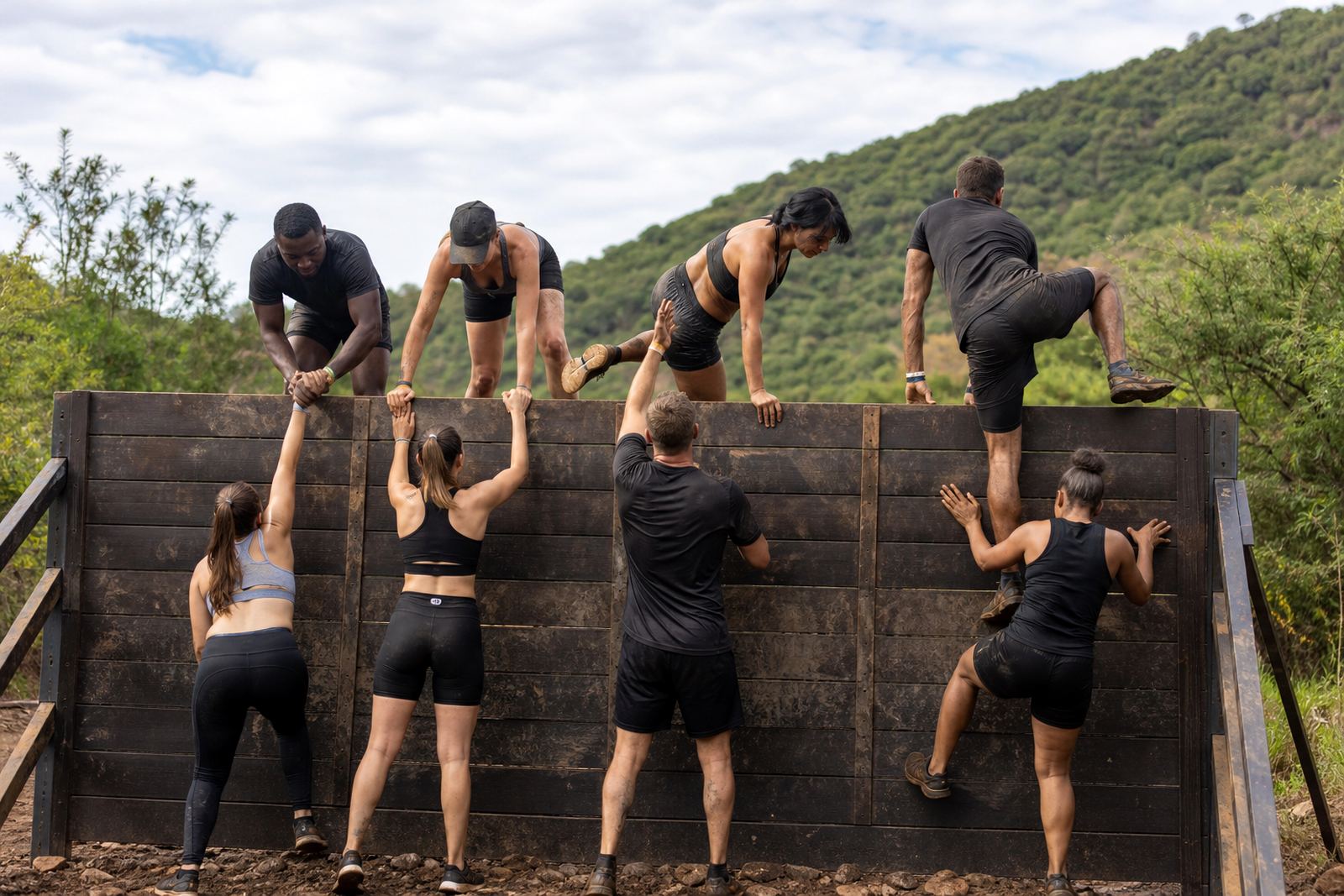
Start by thinking about whether you are entering solo, with a work team, or with a group of friends who prefer to move together. A team entry suits people who will help each other over walls, through water and across carries. A more personal entry suits runners who want to measure their own progress. If you are unsure, our team can guide the registration steps and help match the format to your group.
What sits inside an obstacle race day
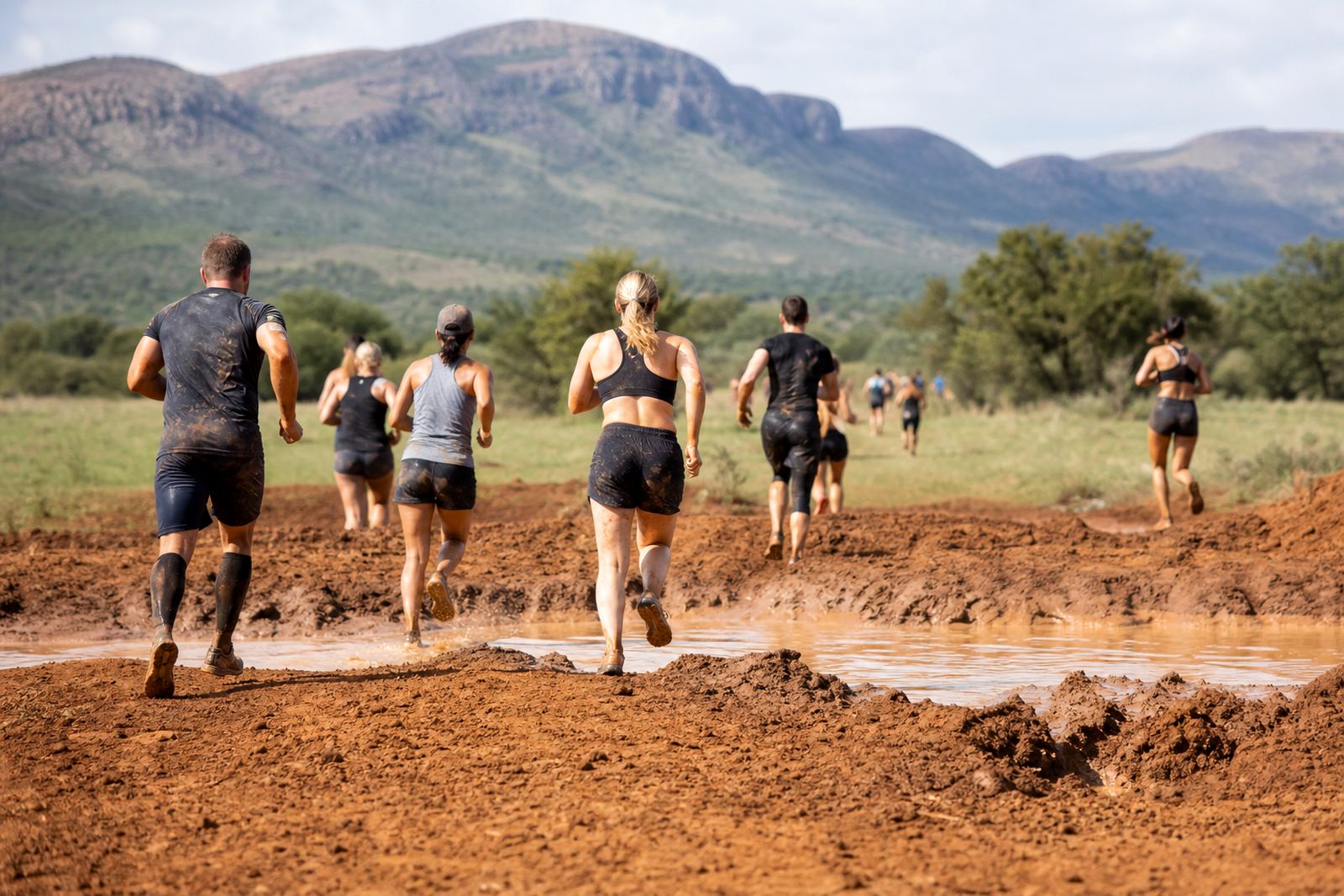
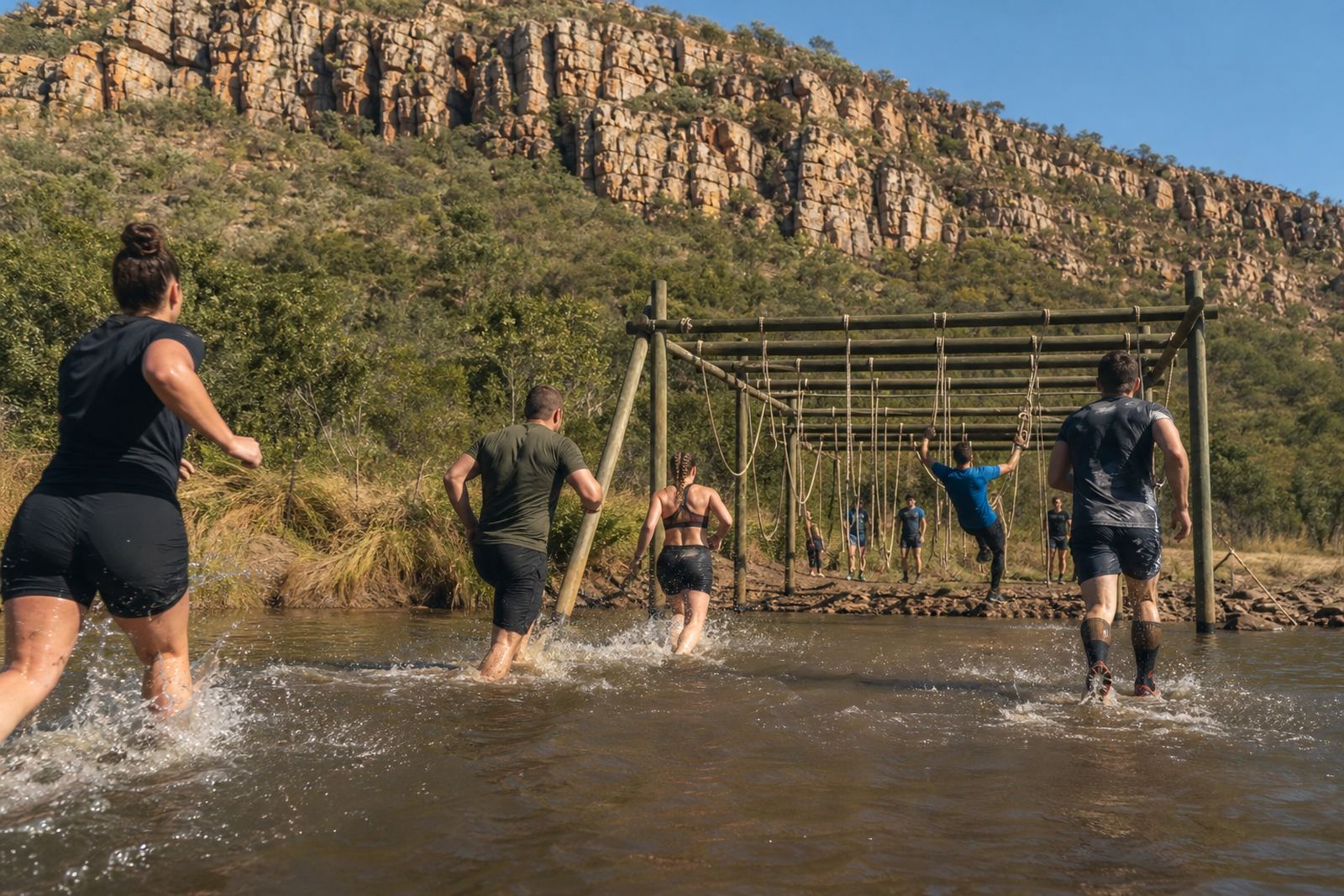
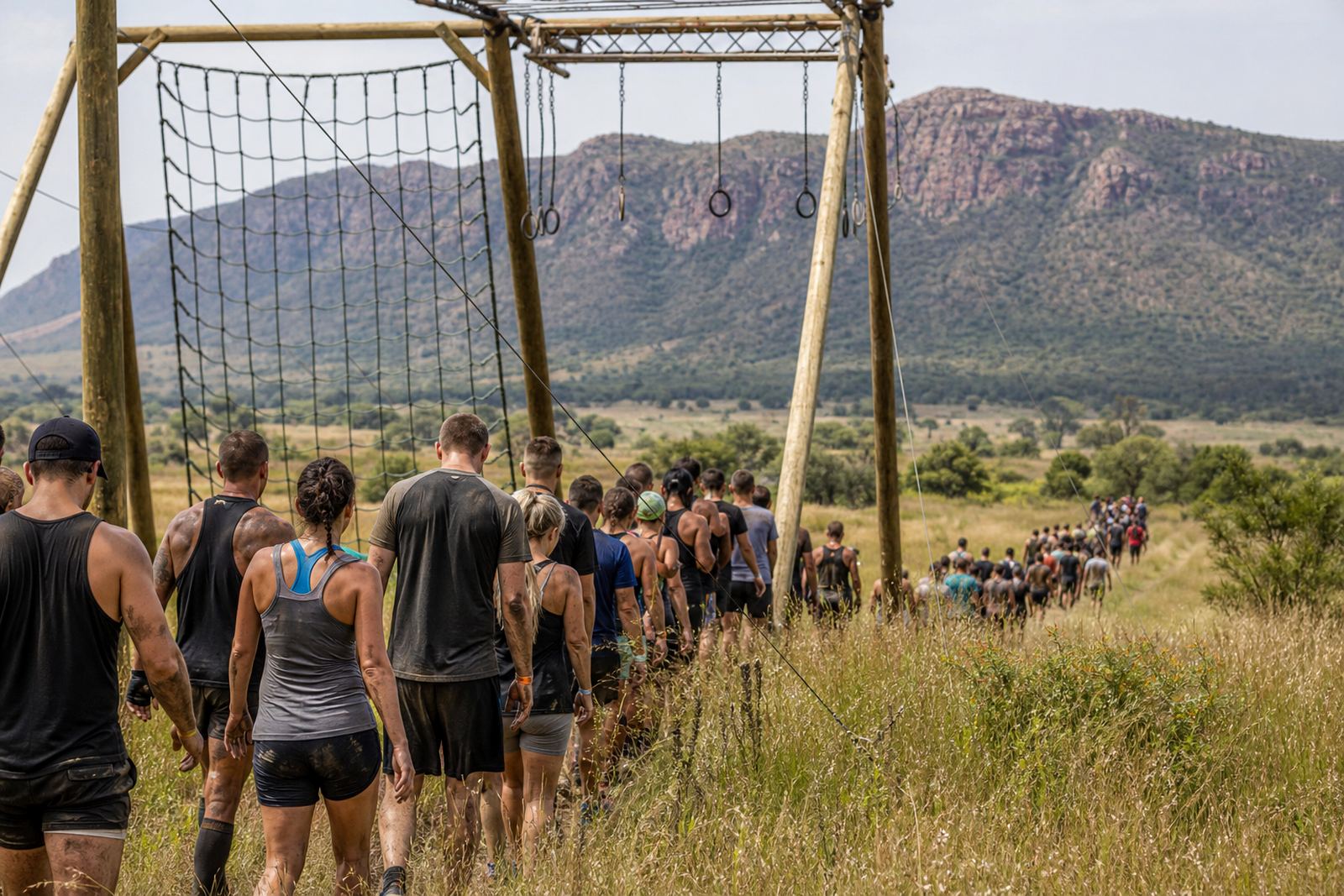
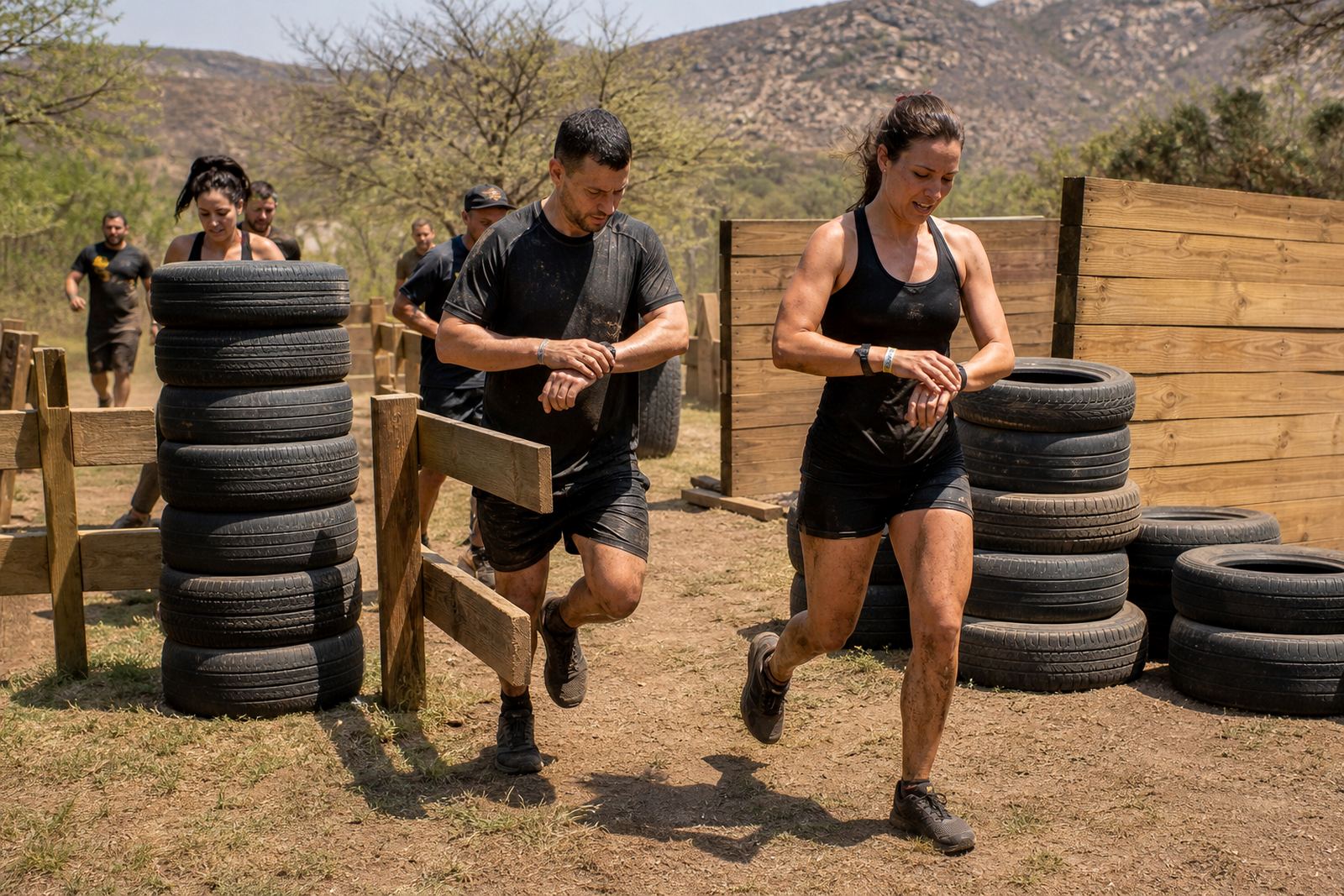
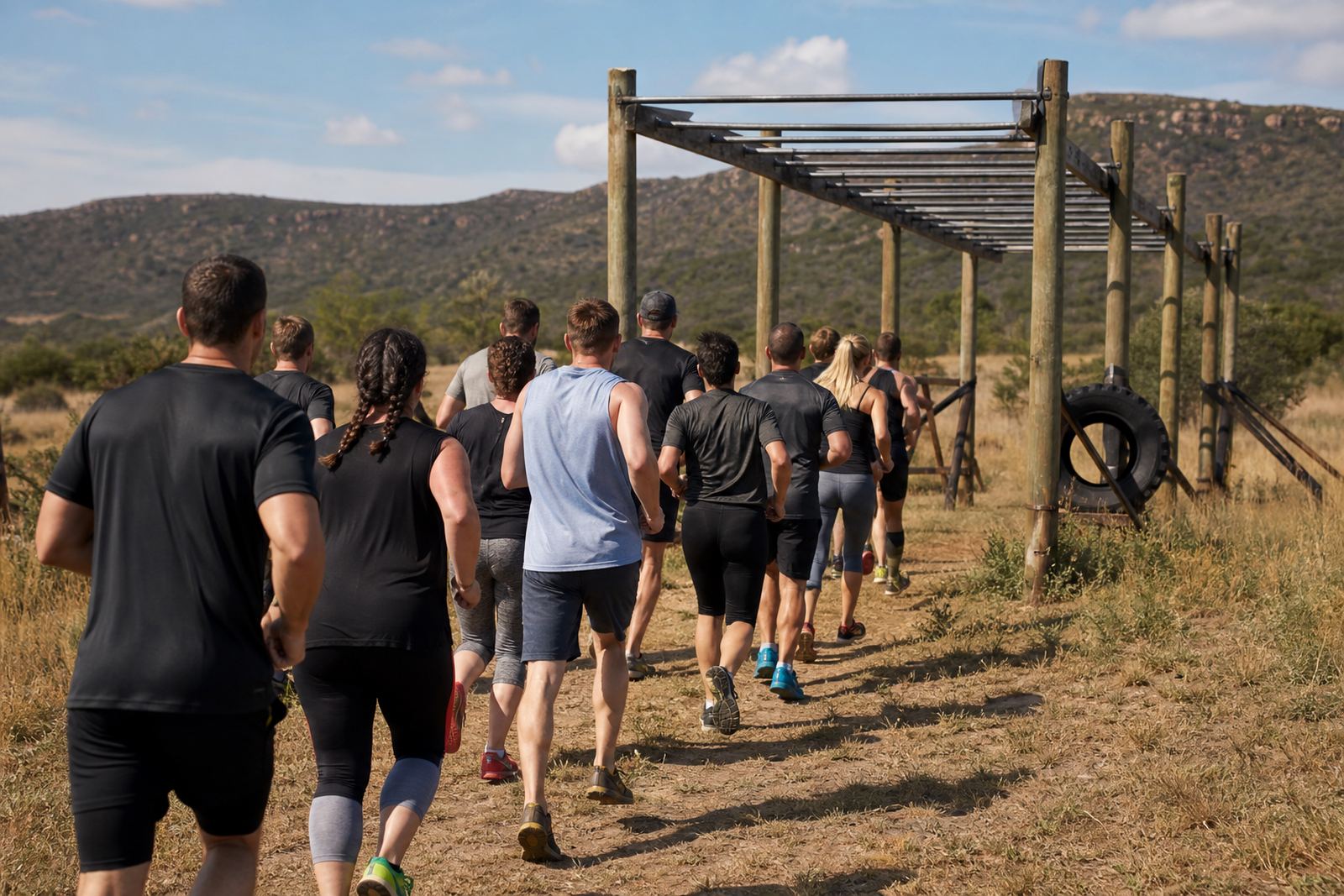
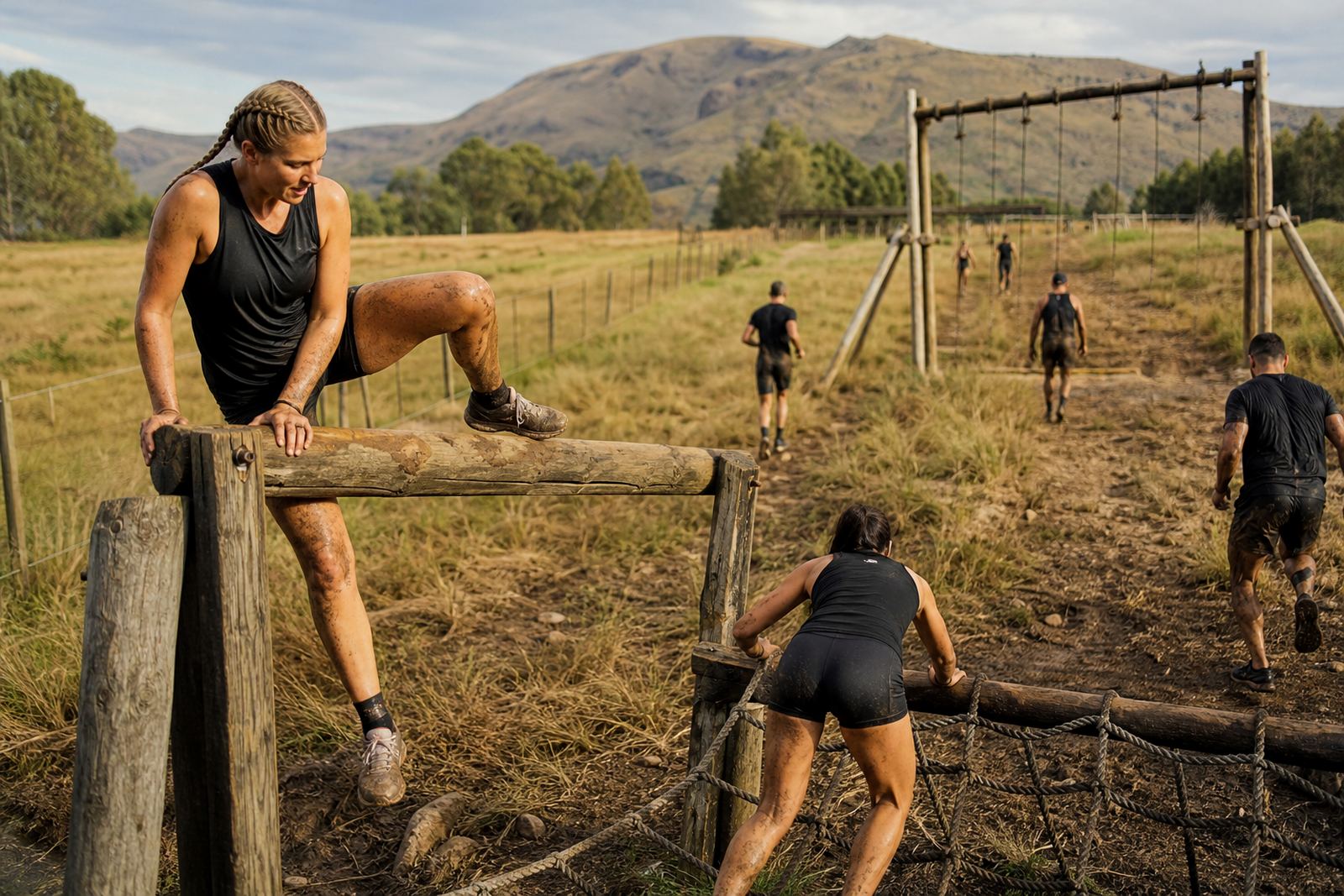
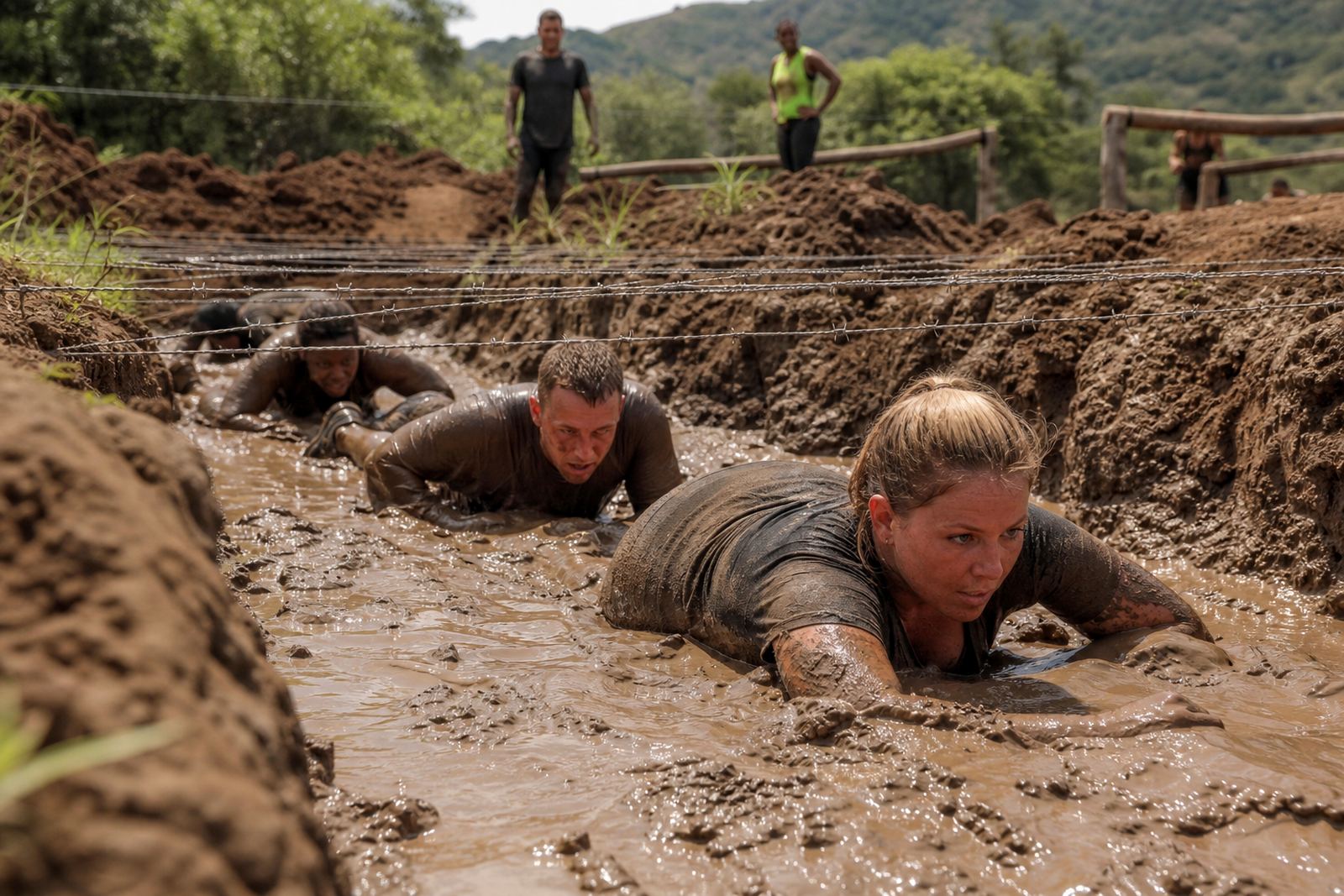
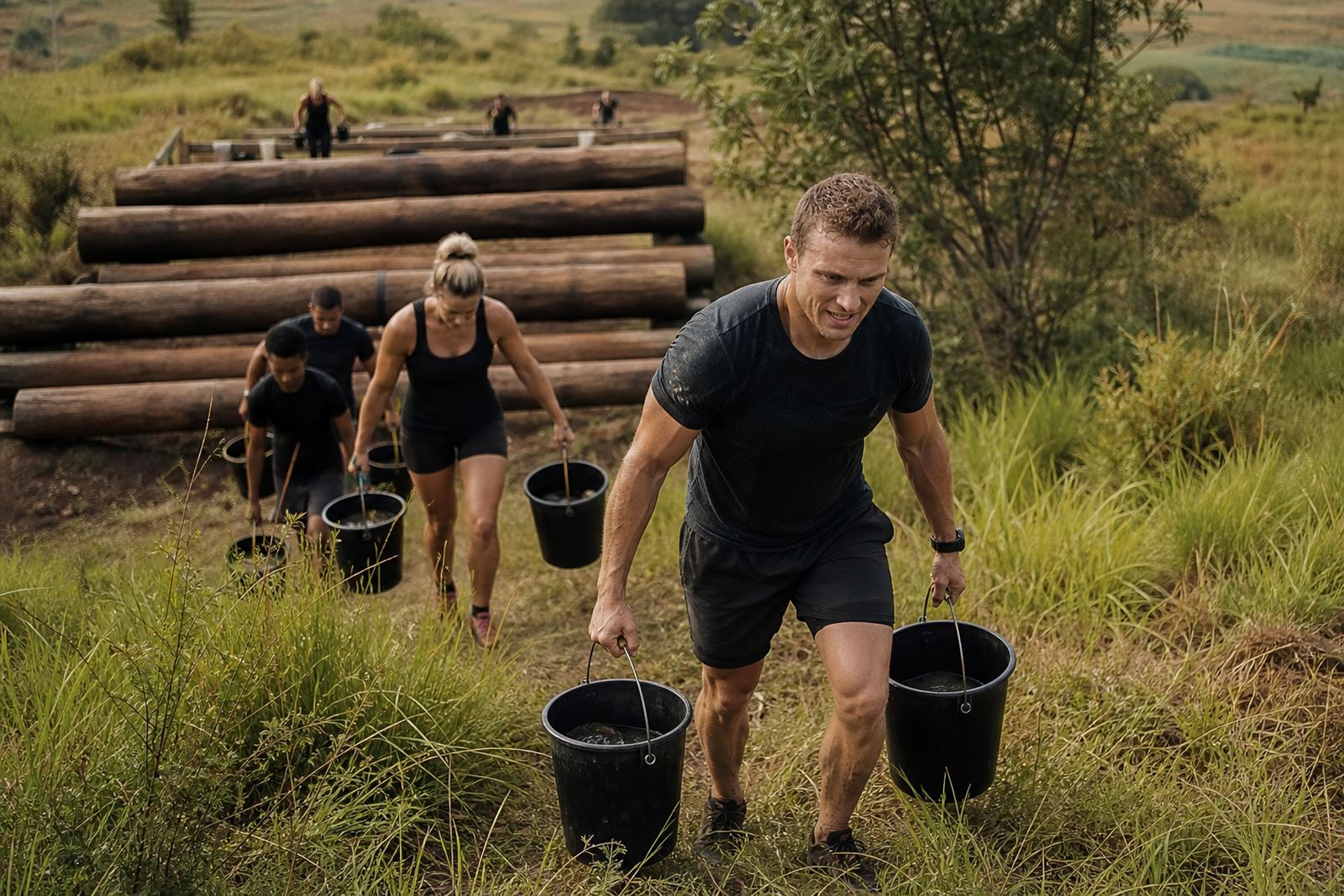
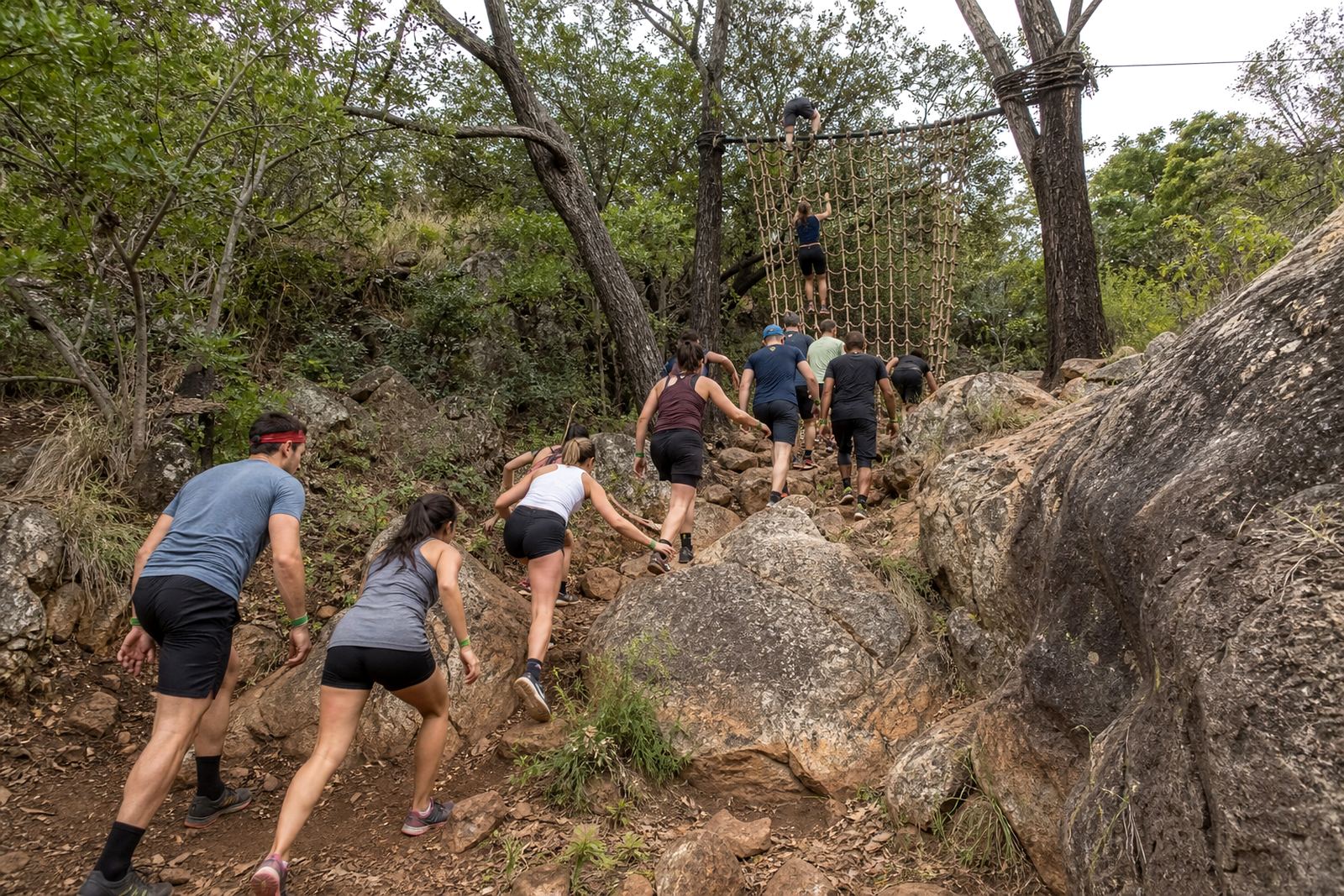
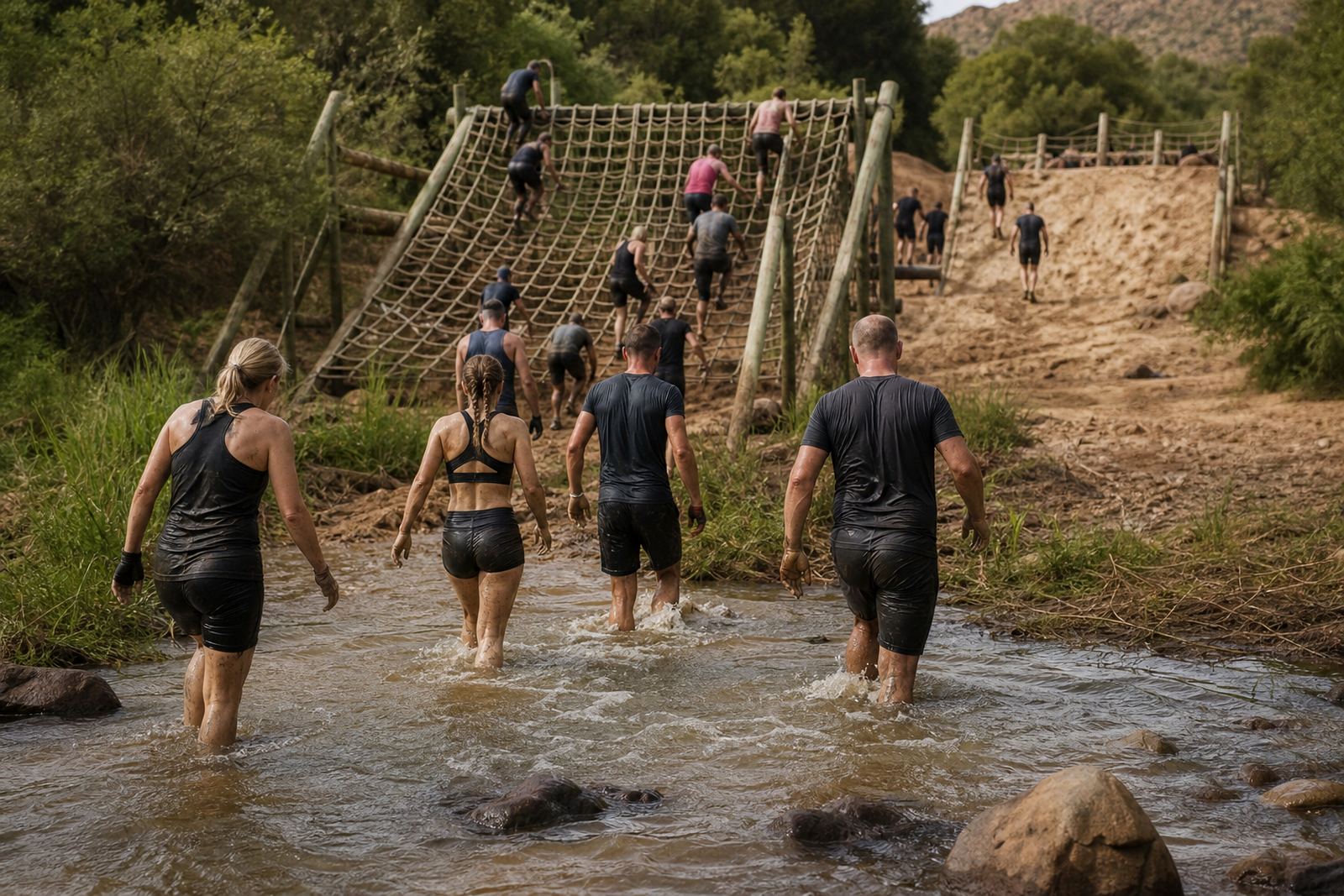
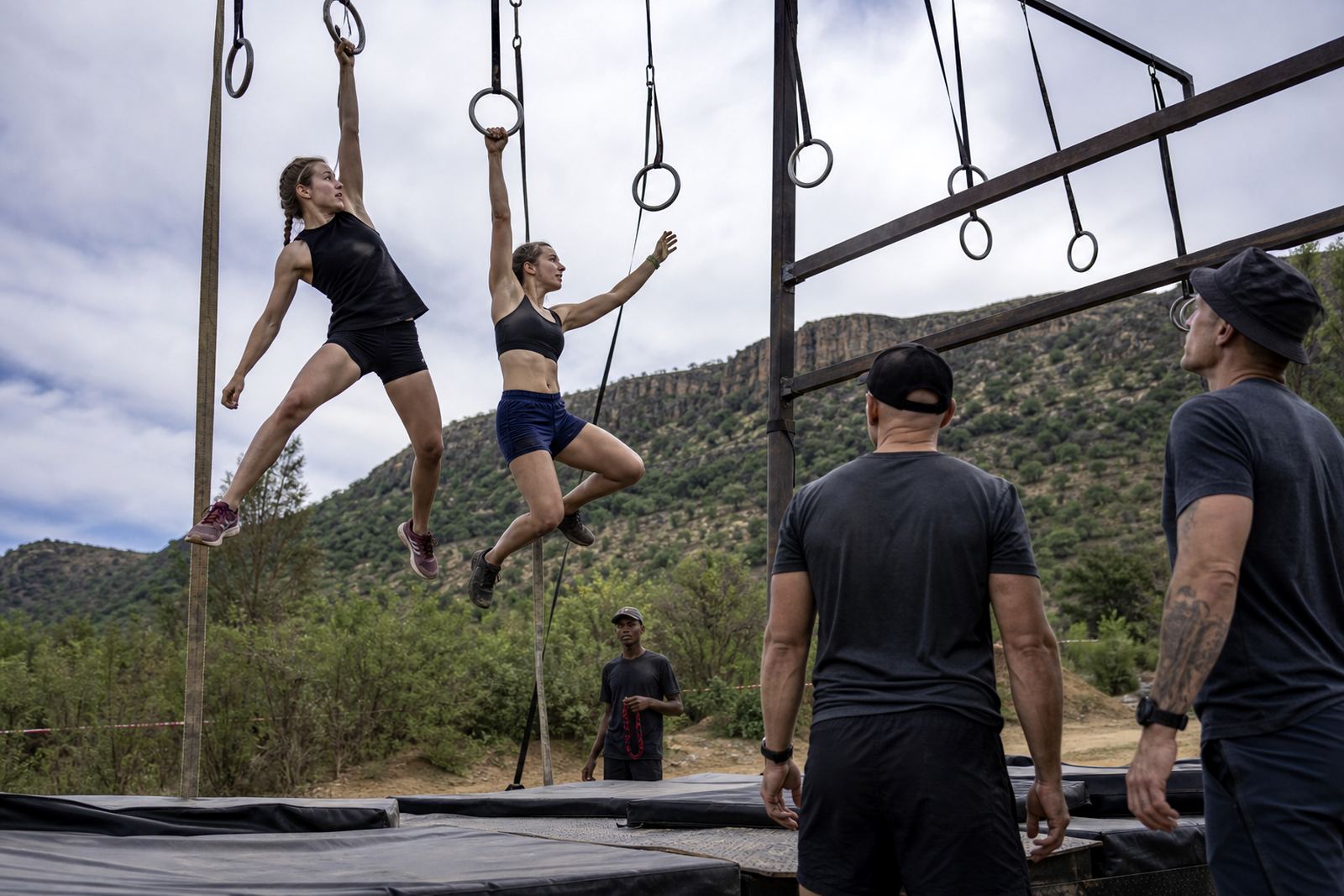
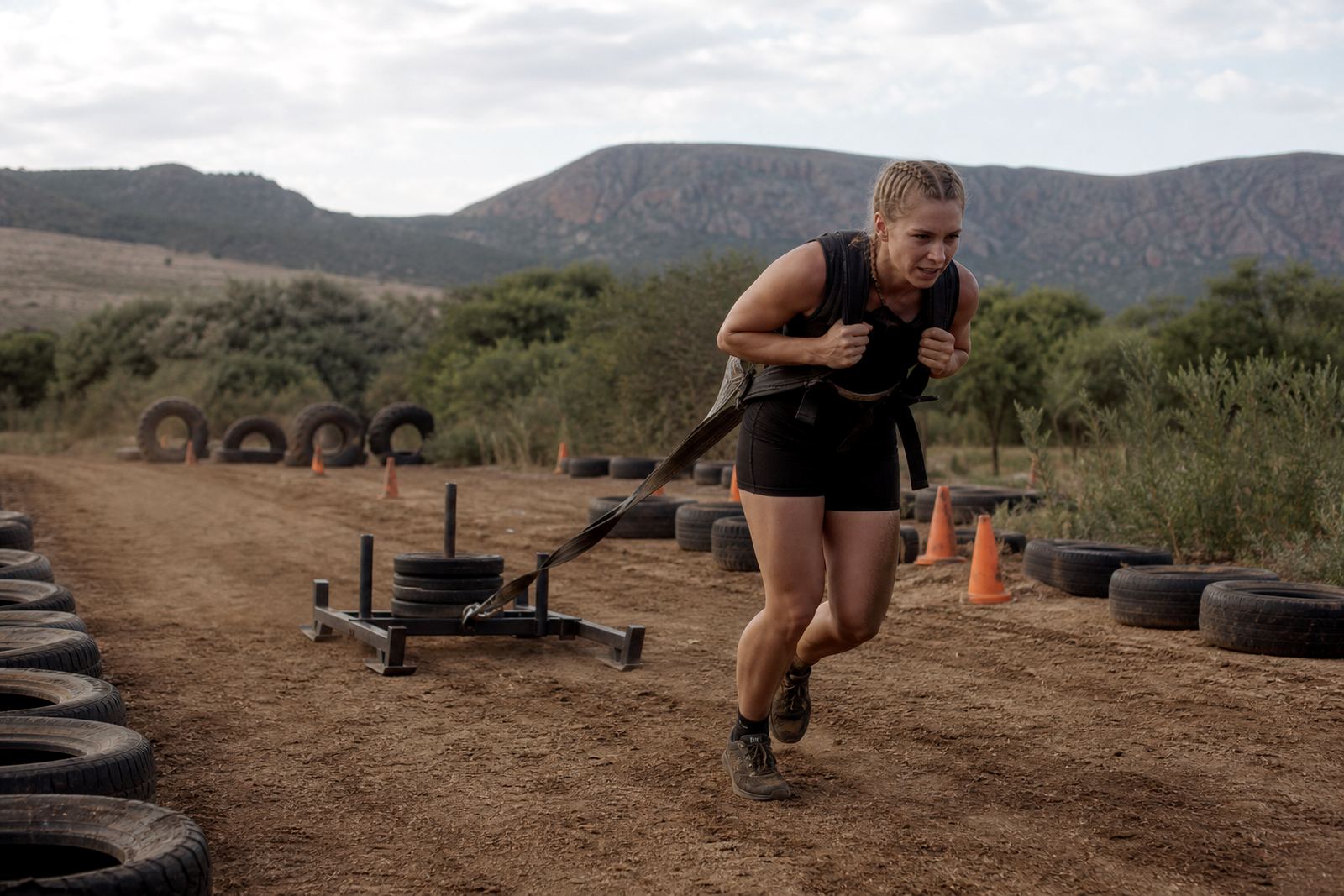
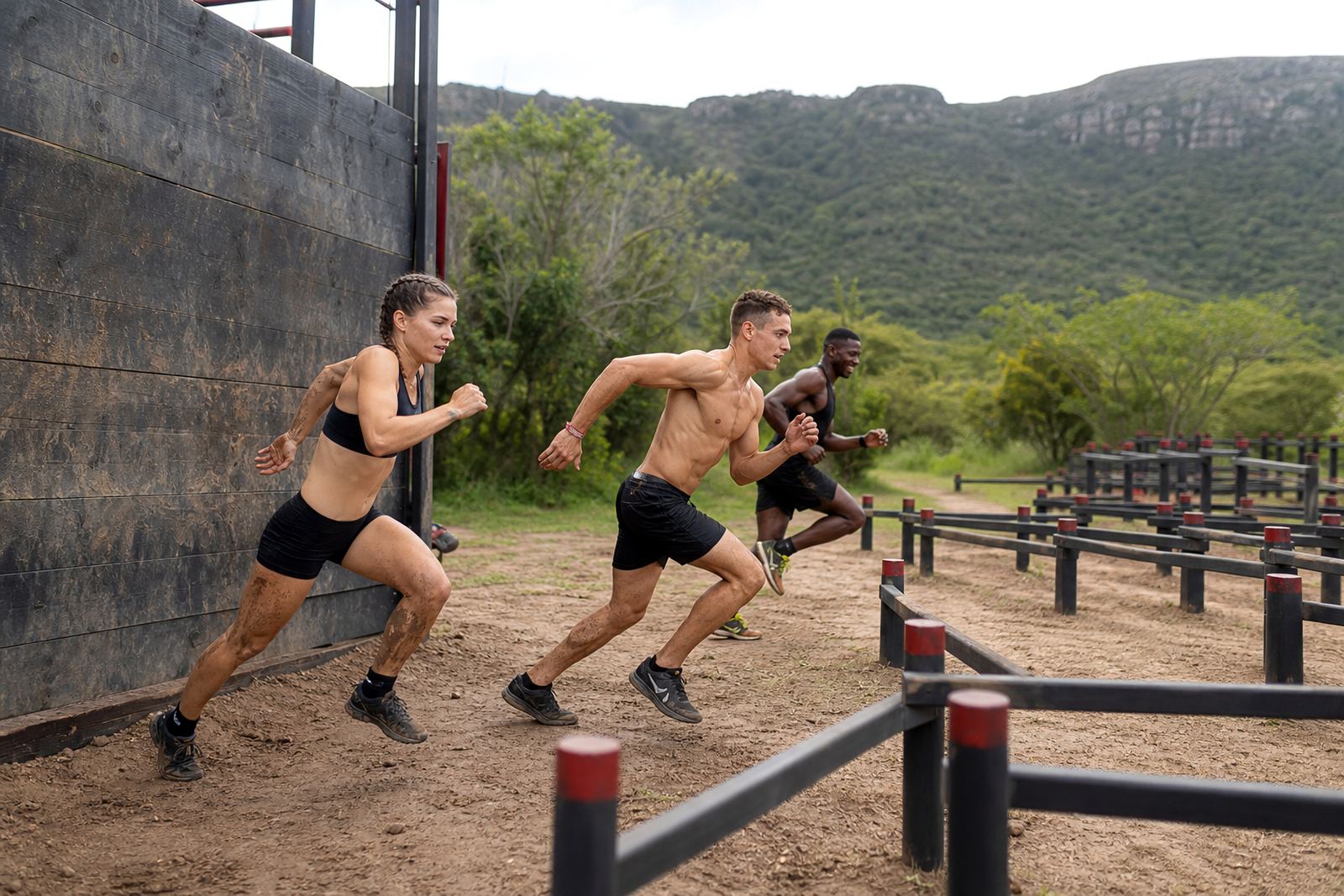
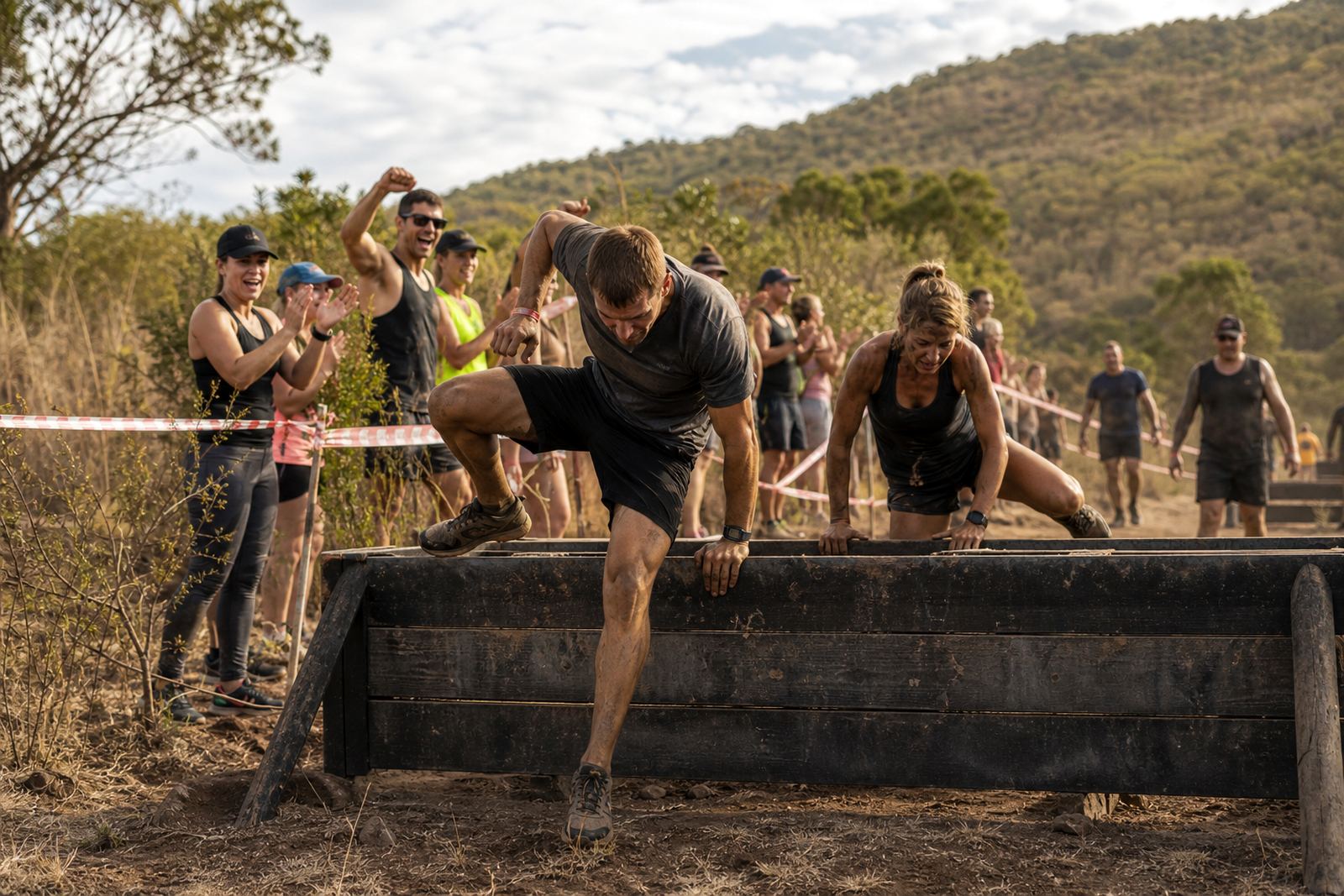
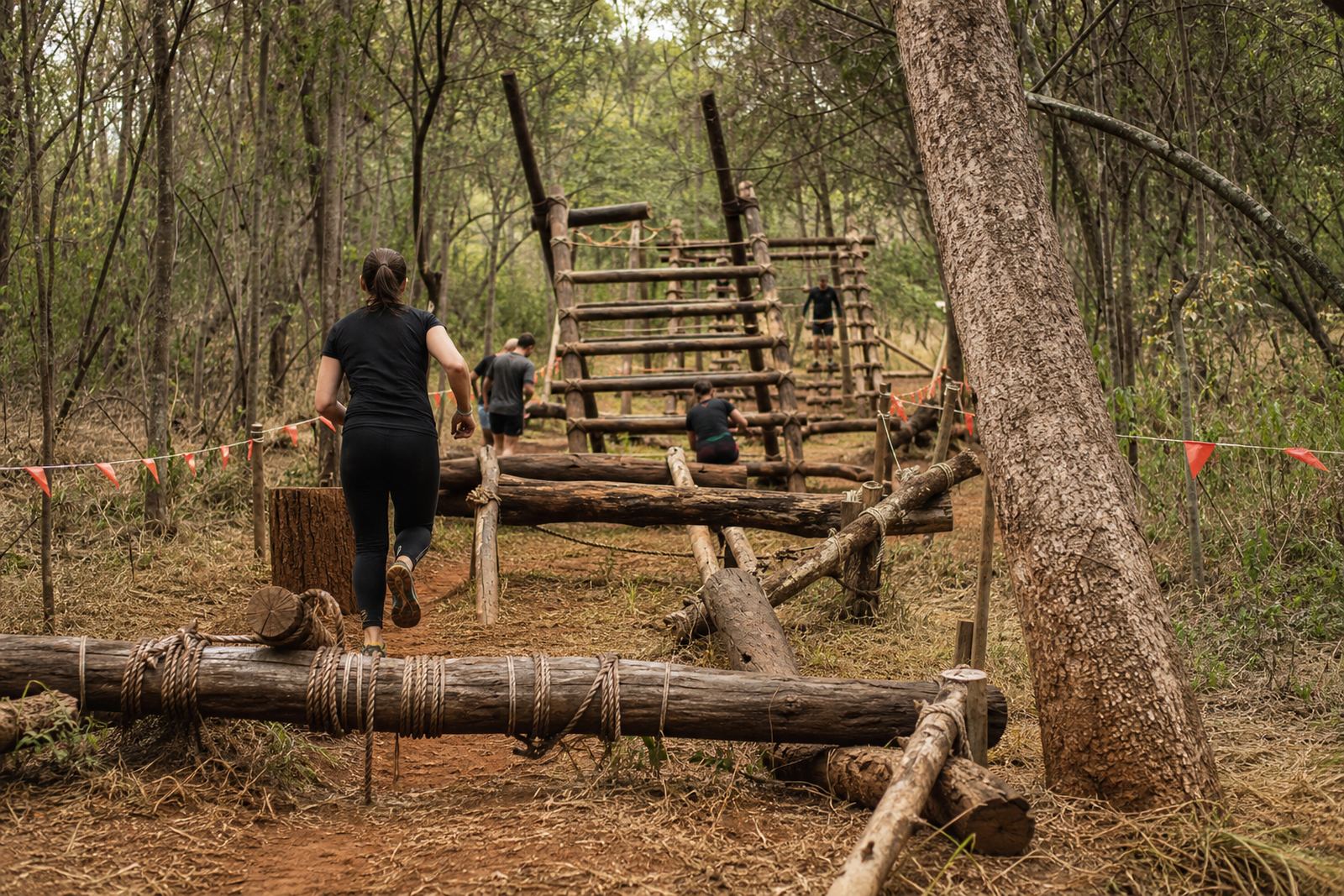
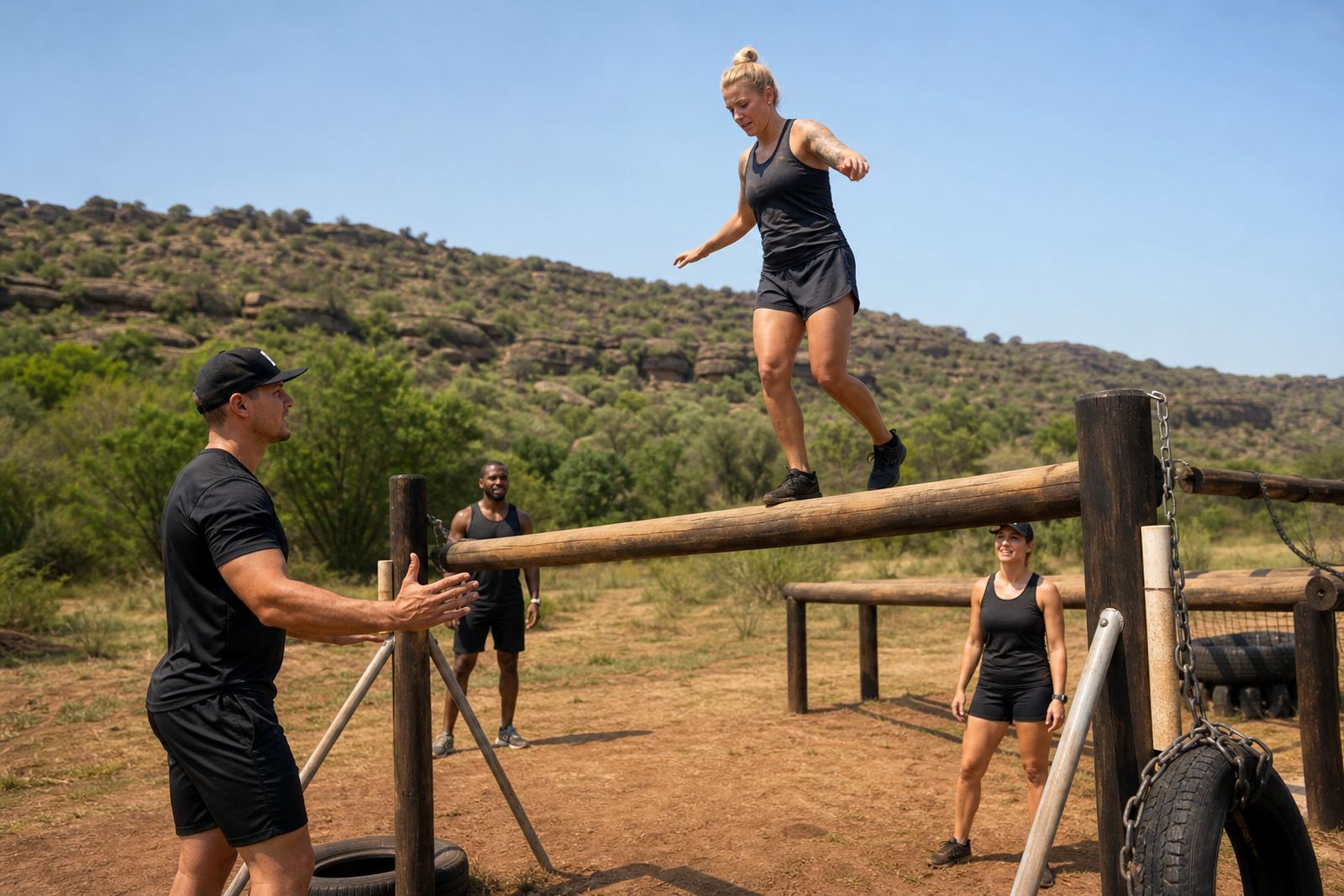
Obstacle races are more than just running between points. Expect a mix of trail sections, climbs, carries, balance work, low crawls and grip-heavy obstacles that use the whole body. Some events lean more towards speed and movement, while others stretch into endurance territory with longer distances and tougher transitions. In the Magaliesberg, wind, dust and heat can all play a part, so pacing matters just as much as power.
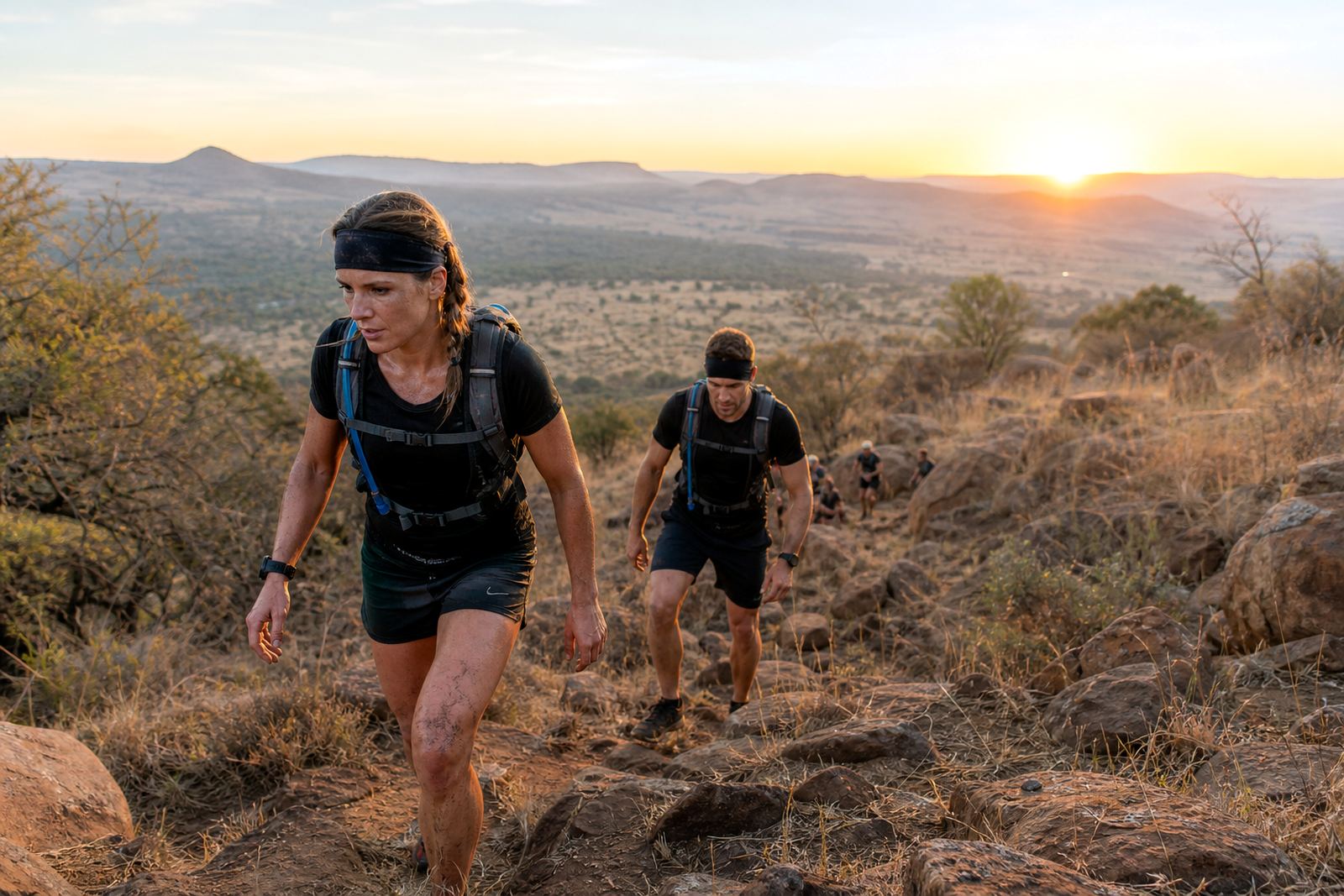
- Trail running sections with uneven ground and changes in height
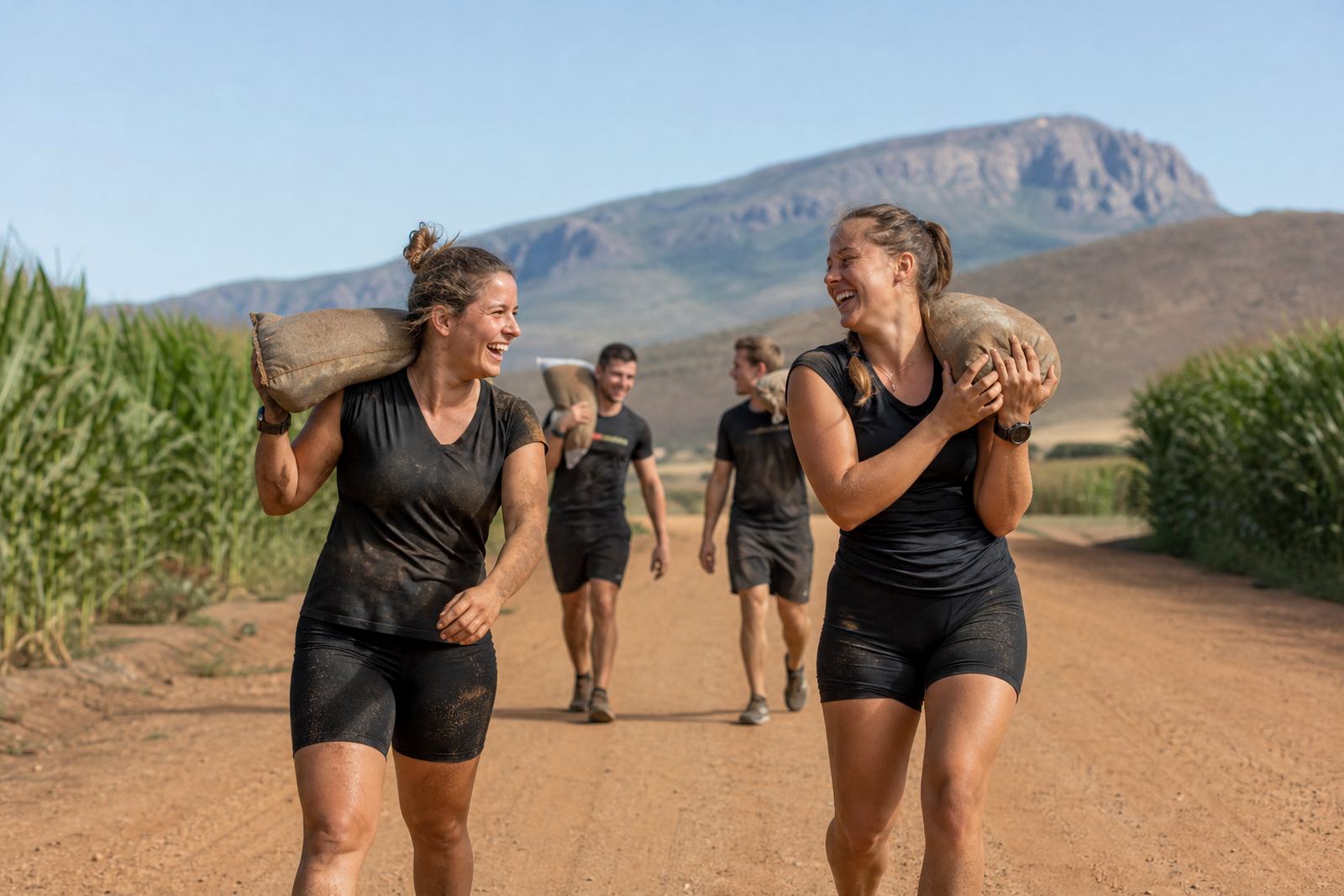
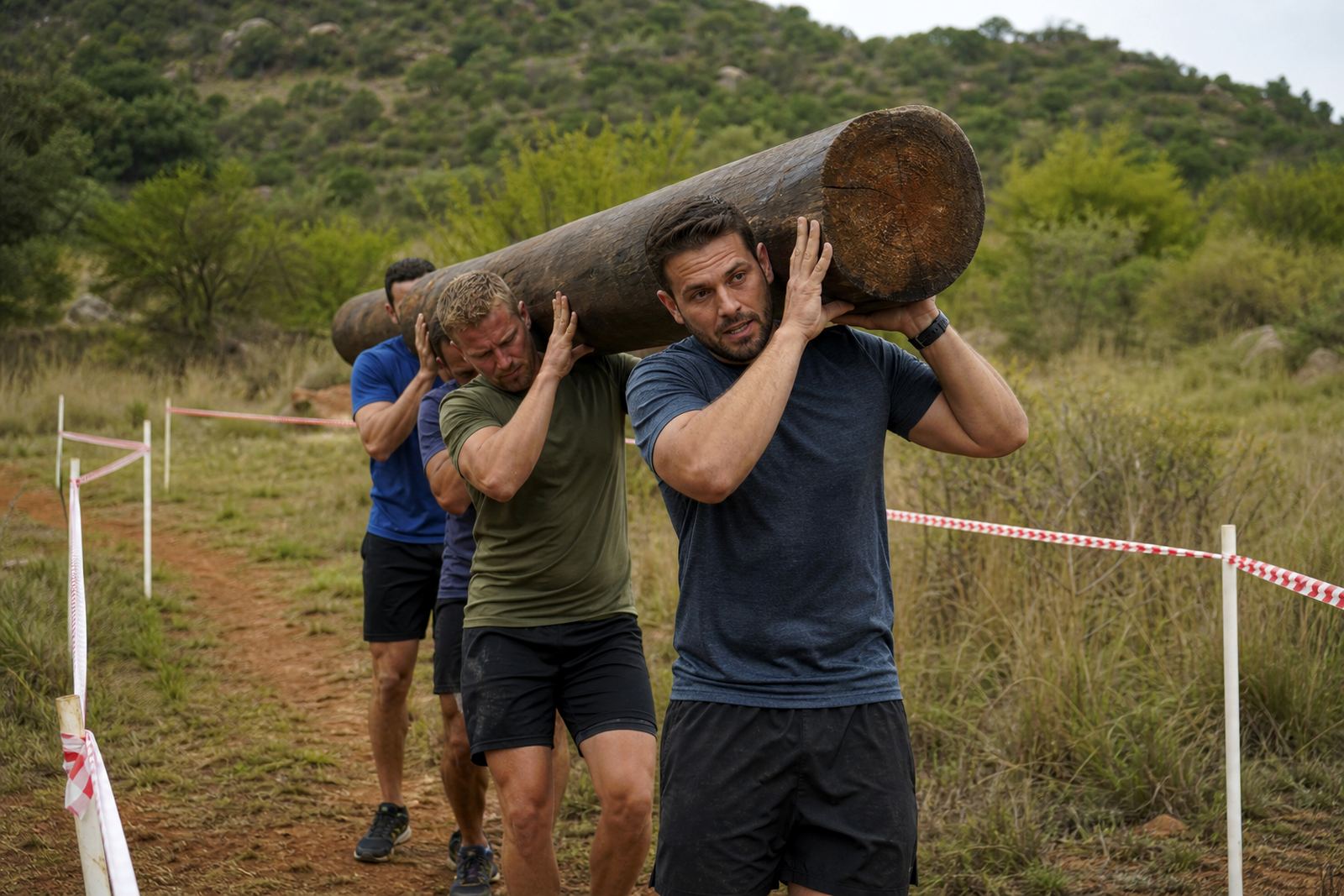
- Carry tasks that can tax shoulders, hands and core strength
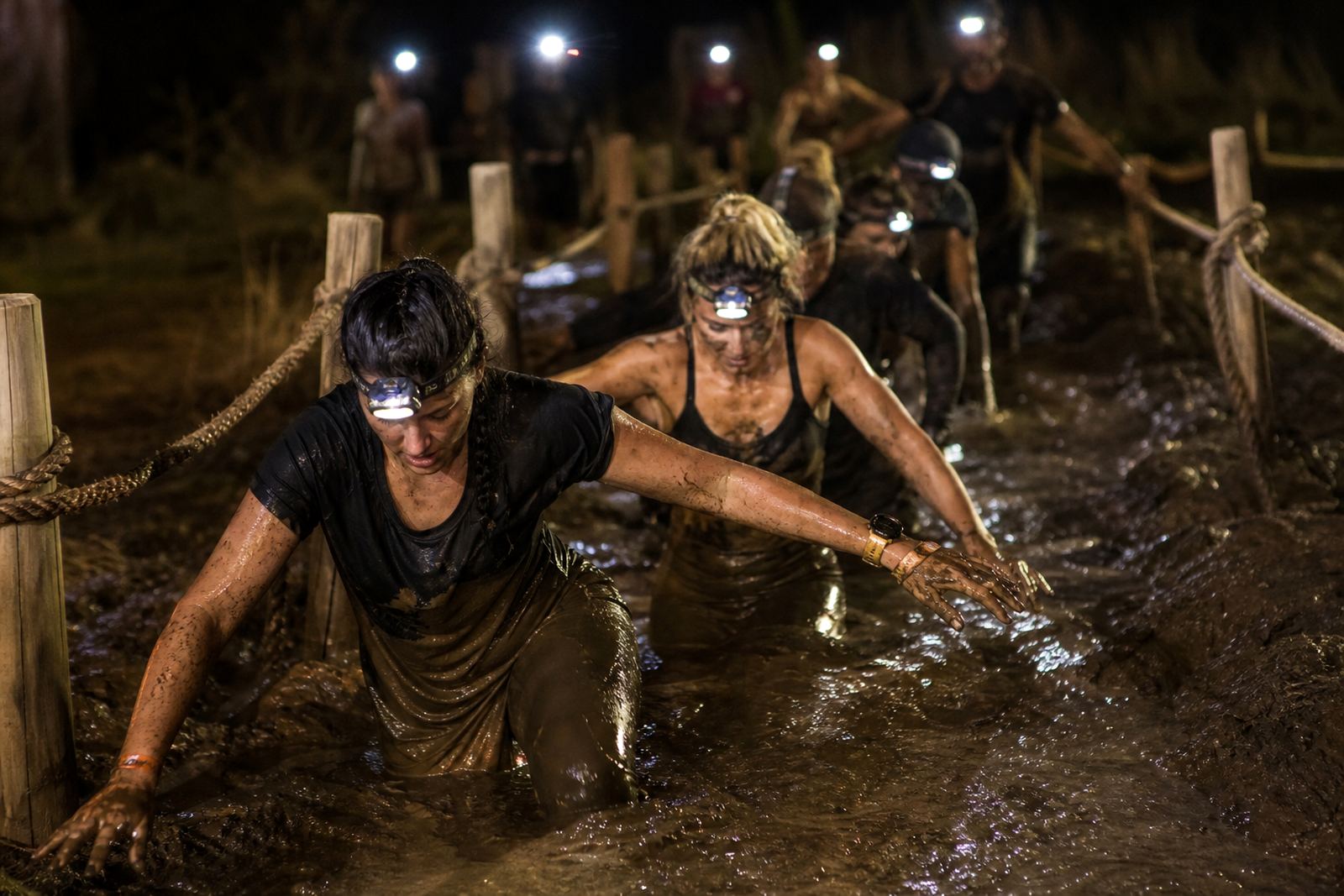
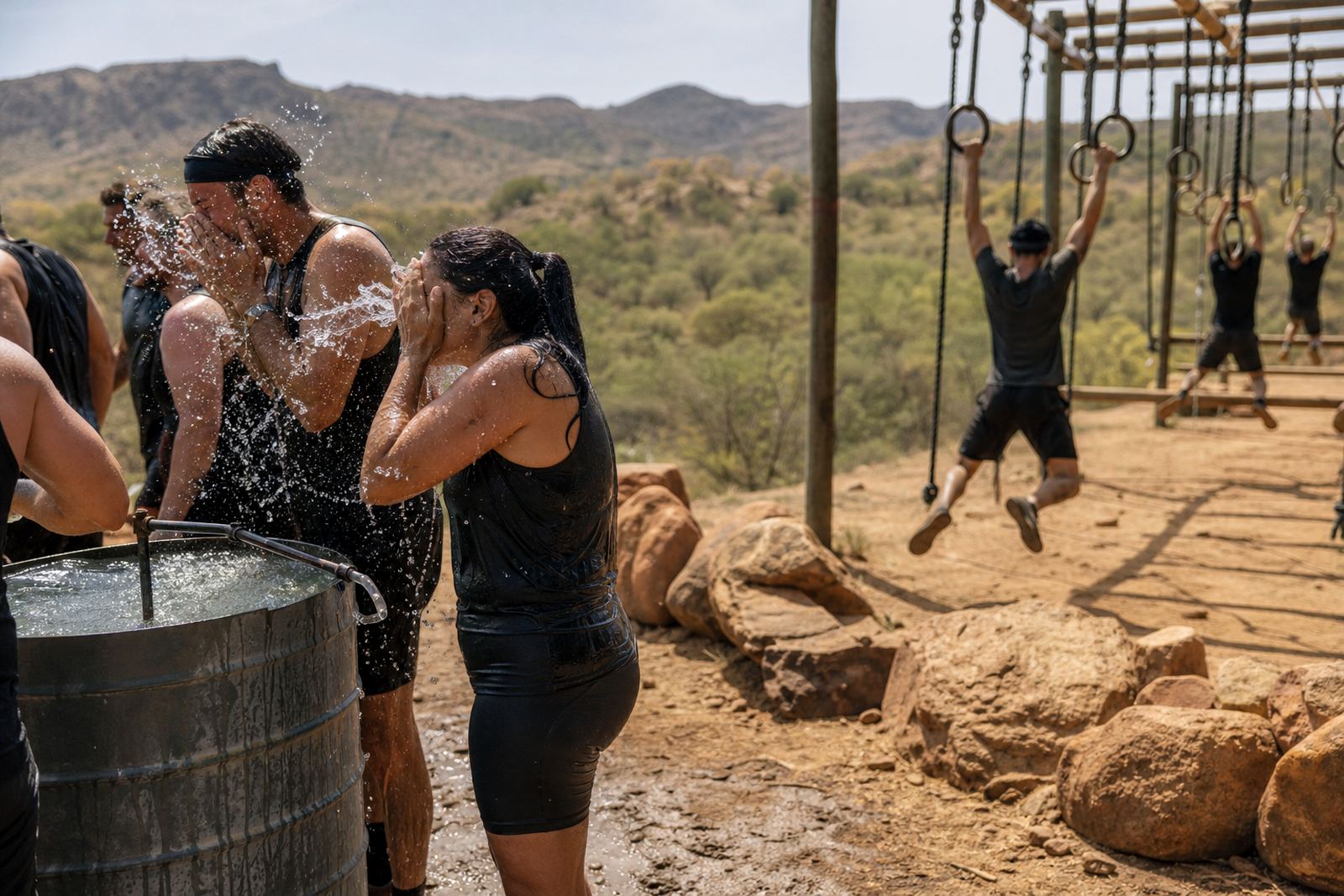
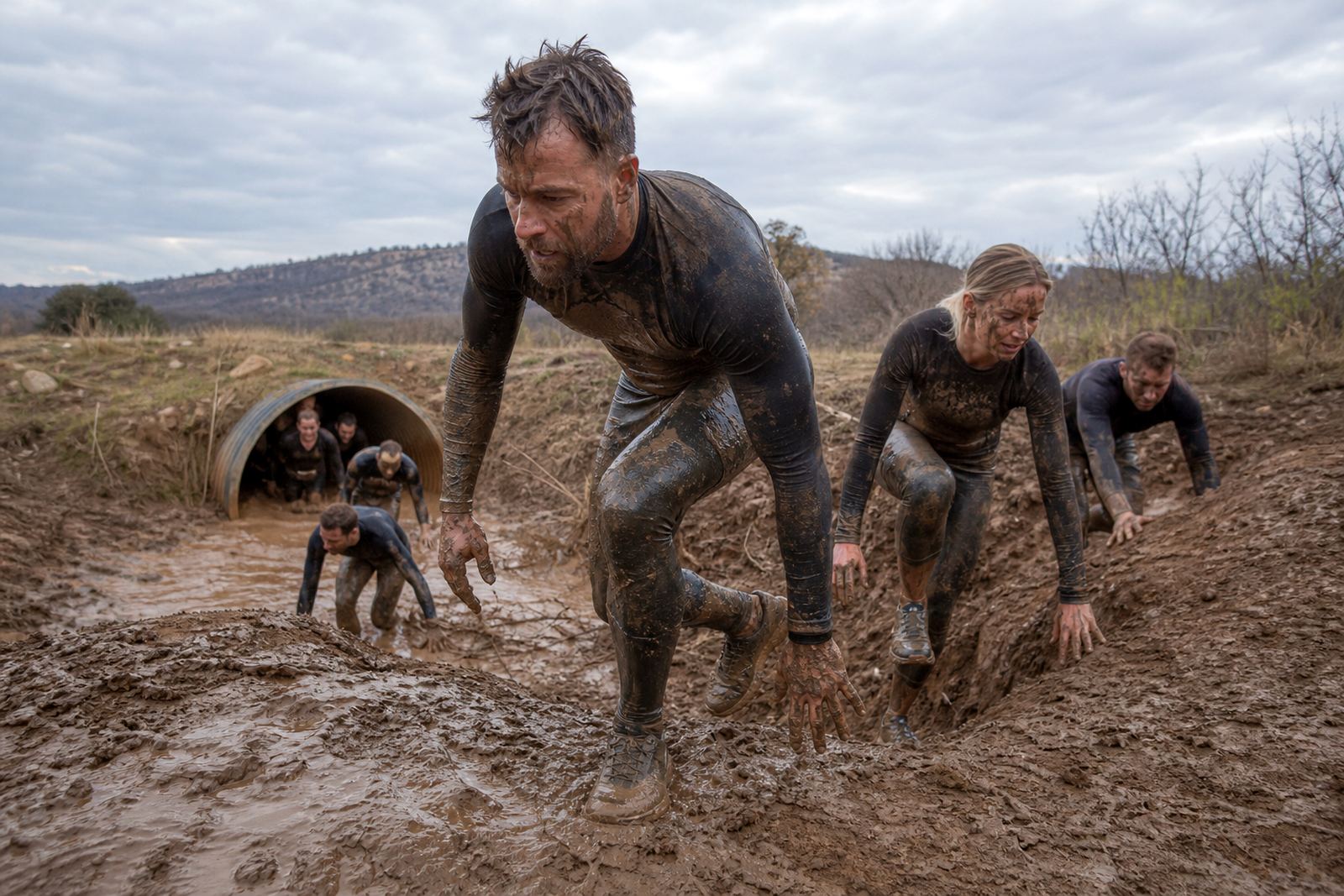
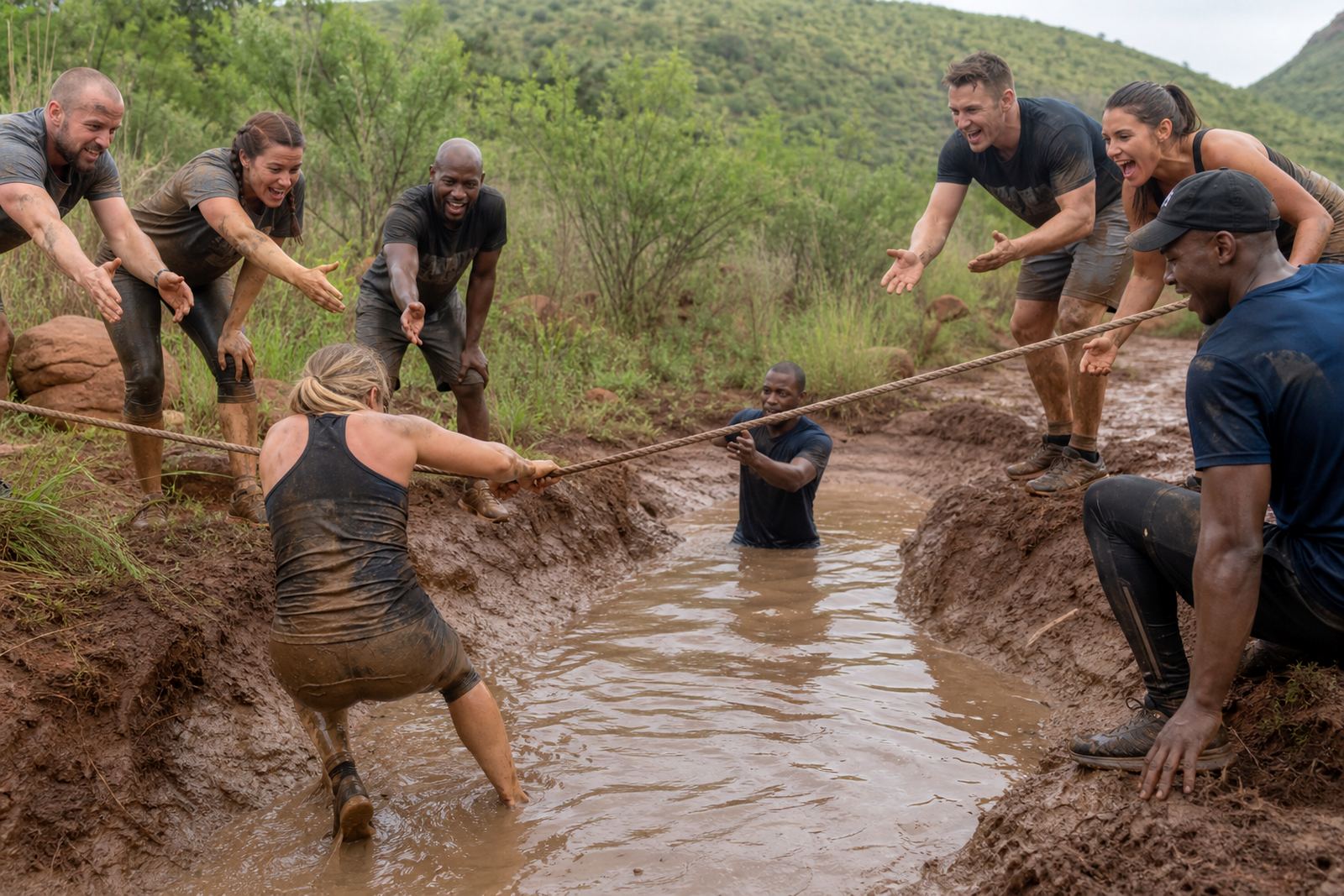
- Water, mud or low-crawl sections depending on the course
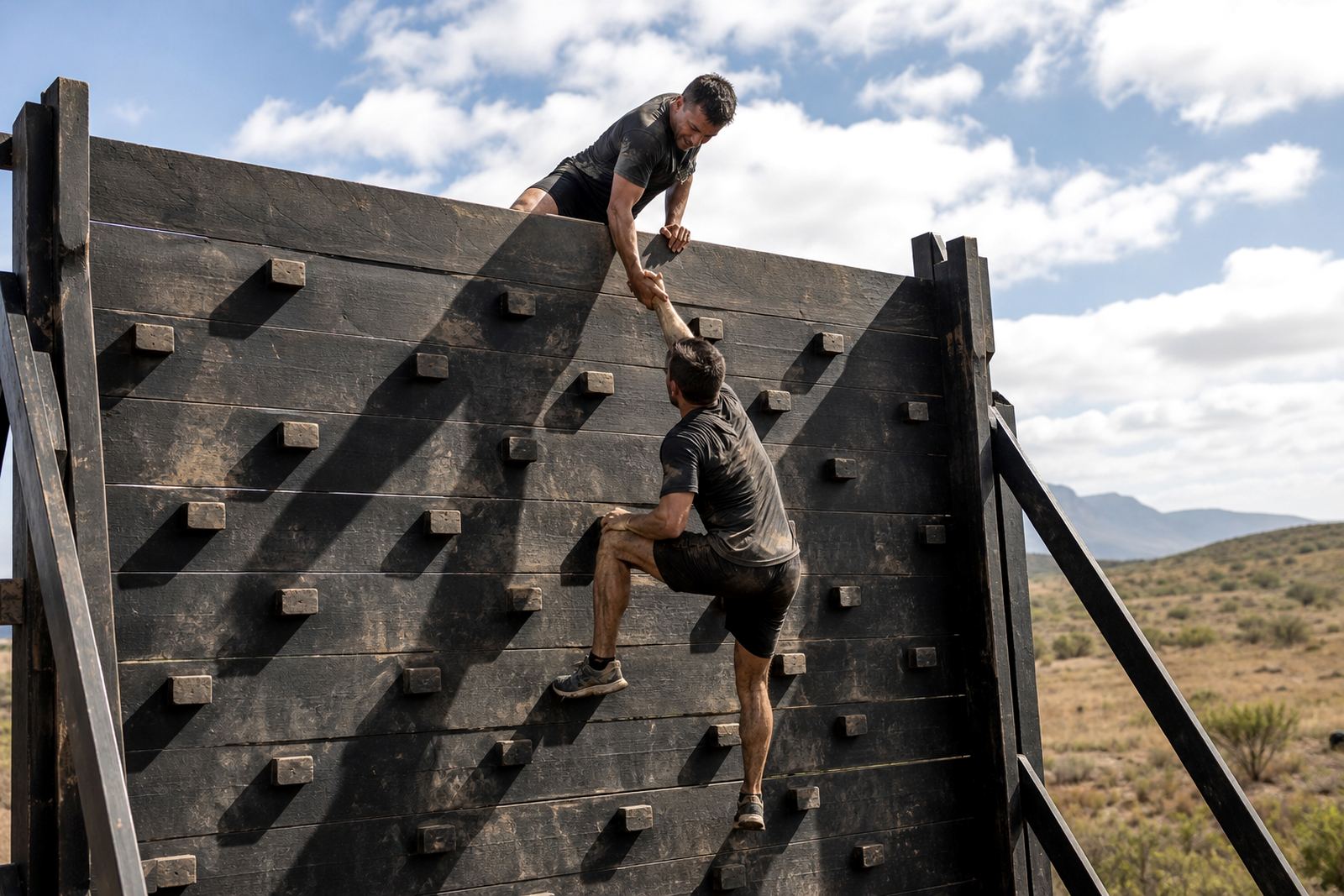
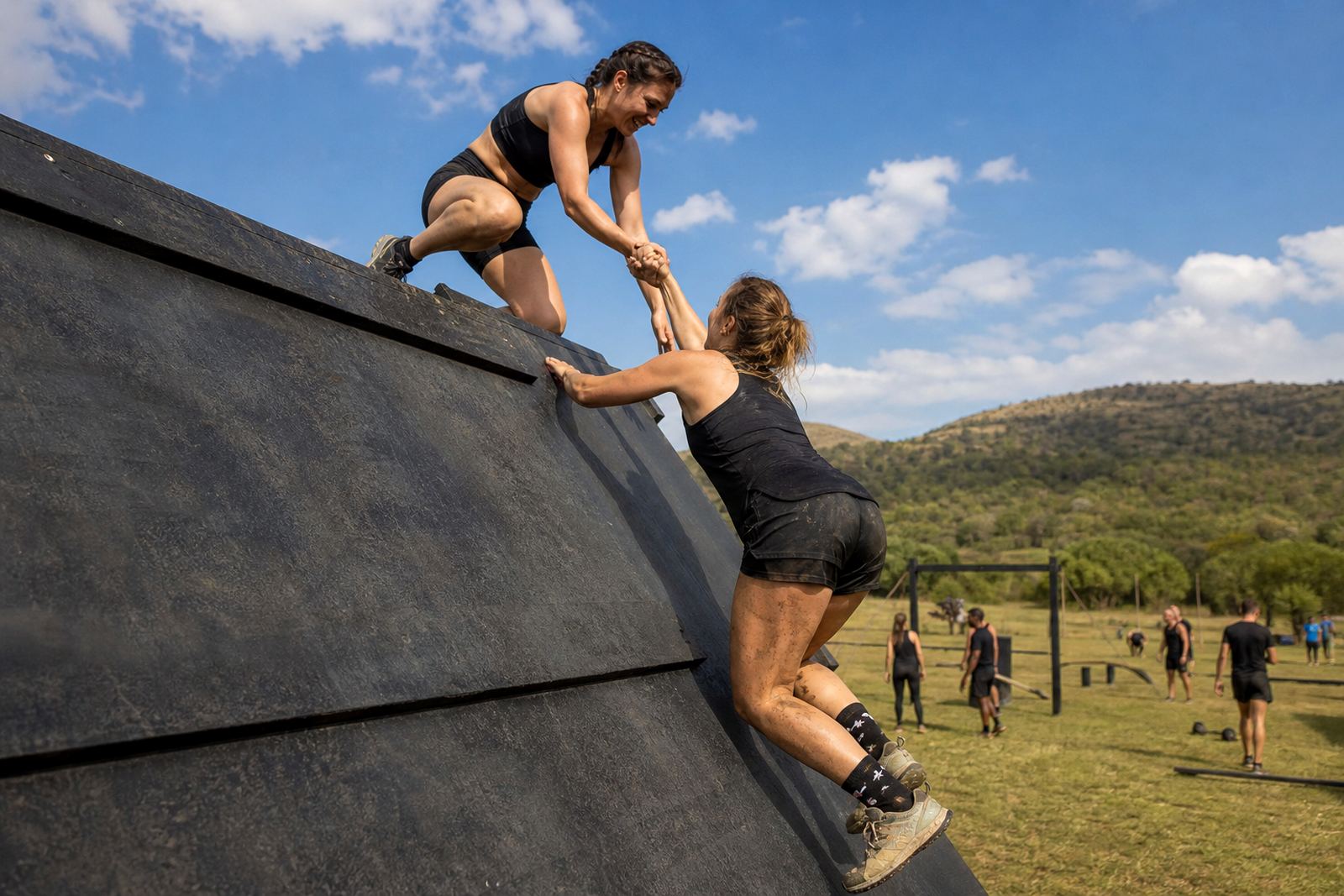
- Wall-style obstacles, climbs and balance features
- Recovery points where you can reset breathing and hydration
Training support before your feet hit the start line
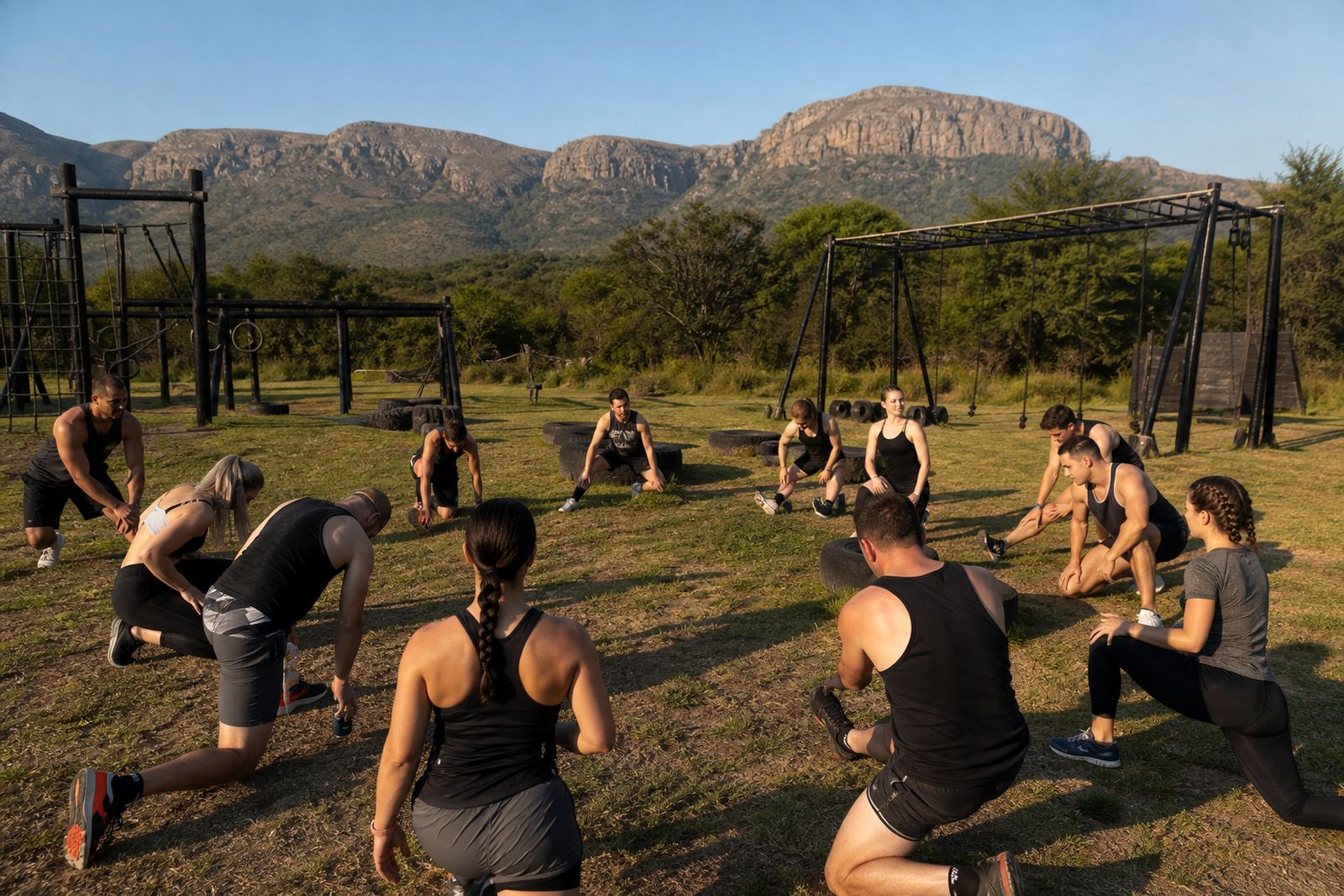
Many participants do not train like elite athletes, and that is fine. A sensible build-up normally includes walking or running, hill work, bodyweight strength and some practice with carrying and climbing. If your team is entering from Johannesburg or Pretoria, or travelling in from Cape Town or Durban for a bigger weekend, plan time for travel, rest and warm-up rather than turning up cold.
Our training content support helps participants understand what to expect, how to pace the day and how to work as a team. It also helps with the practical side of preparation, like footwear with proper grip, clothes that can handle mud, and a change of kit for after the finish. If you have not done hard exercise before, check with a doctor first before taking on a demanding event.
- Train with hills, stairs or uneven ground where possible
- Practise bodyweight squats, planks and pulling movements
- Use shoes that drain well and grip on loose ground
- Carry a water bottle on training days to get used to hydration
- Build rest days into your week so the body can recover properly
Safety briefings that keep the day clear
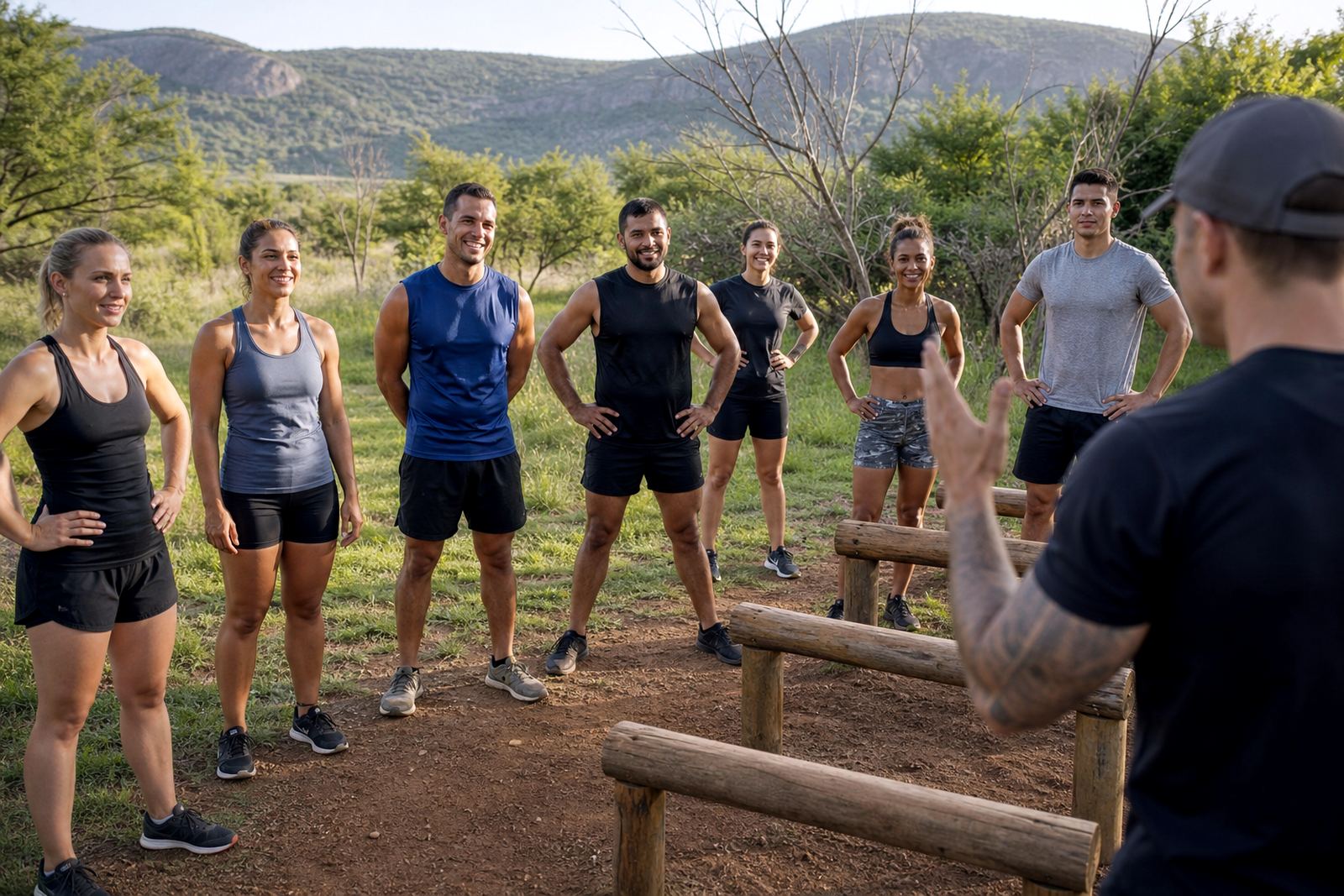
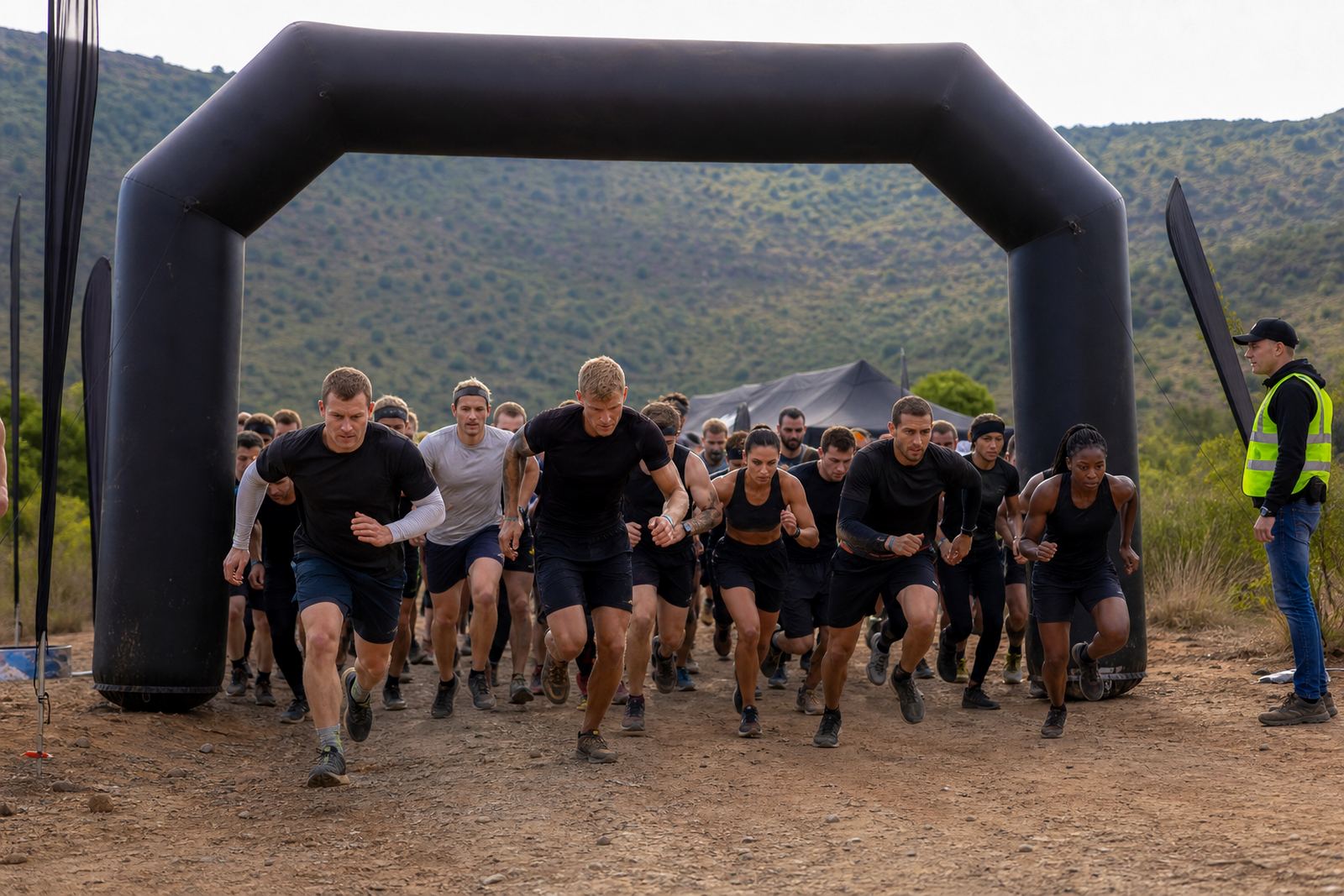
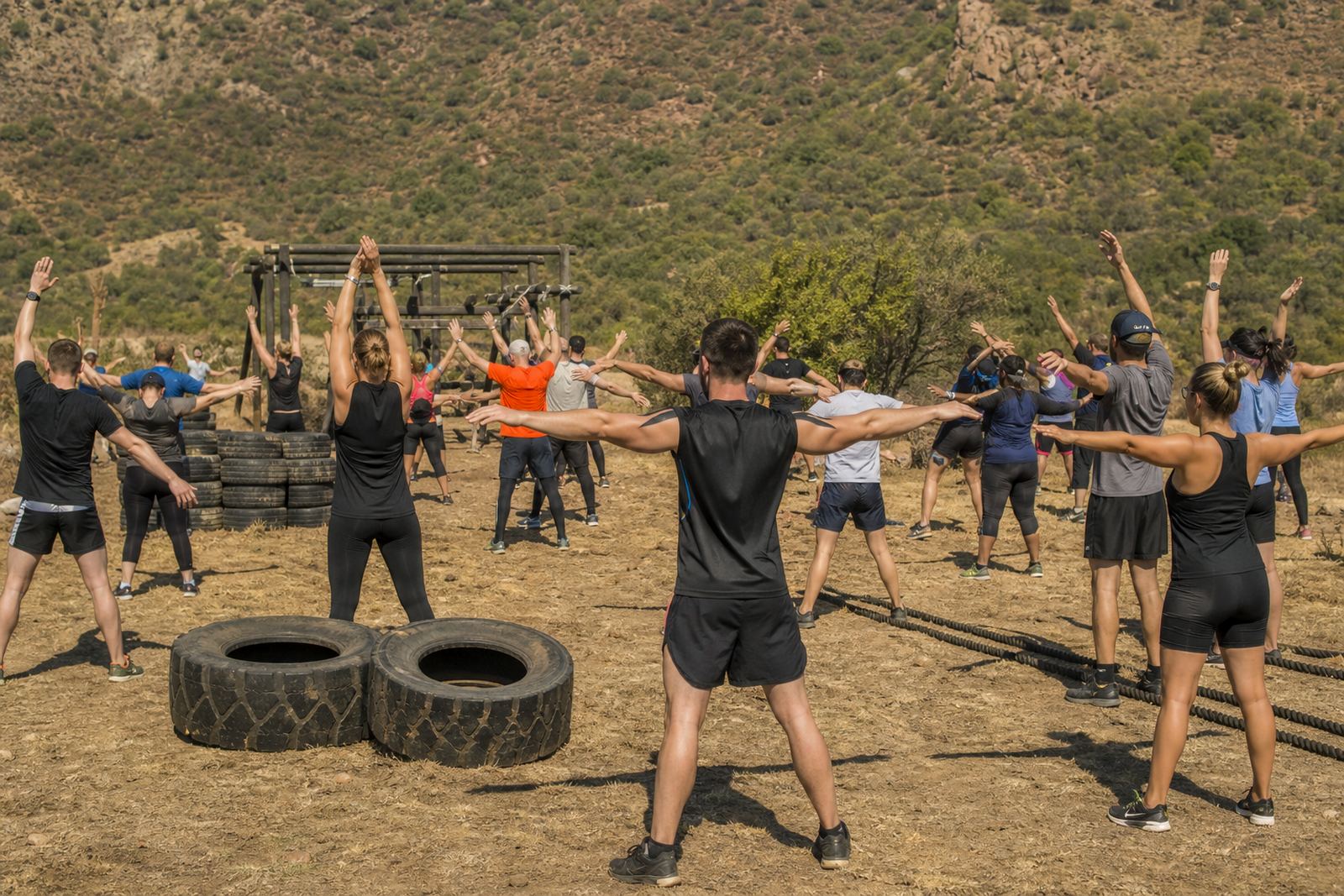
Before any race starts, participants receive a safety briefing that covers the route, obstacle rules, marshals, passing points and what to do if a teammate needs help. This matters on open ground where weather, dust and footing can change through the day. We also use waiver coordination and heat allocation support where needed, so the entry process is organised and the start flow is easier to manage.
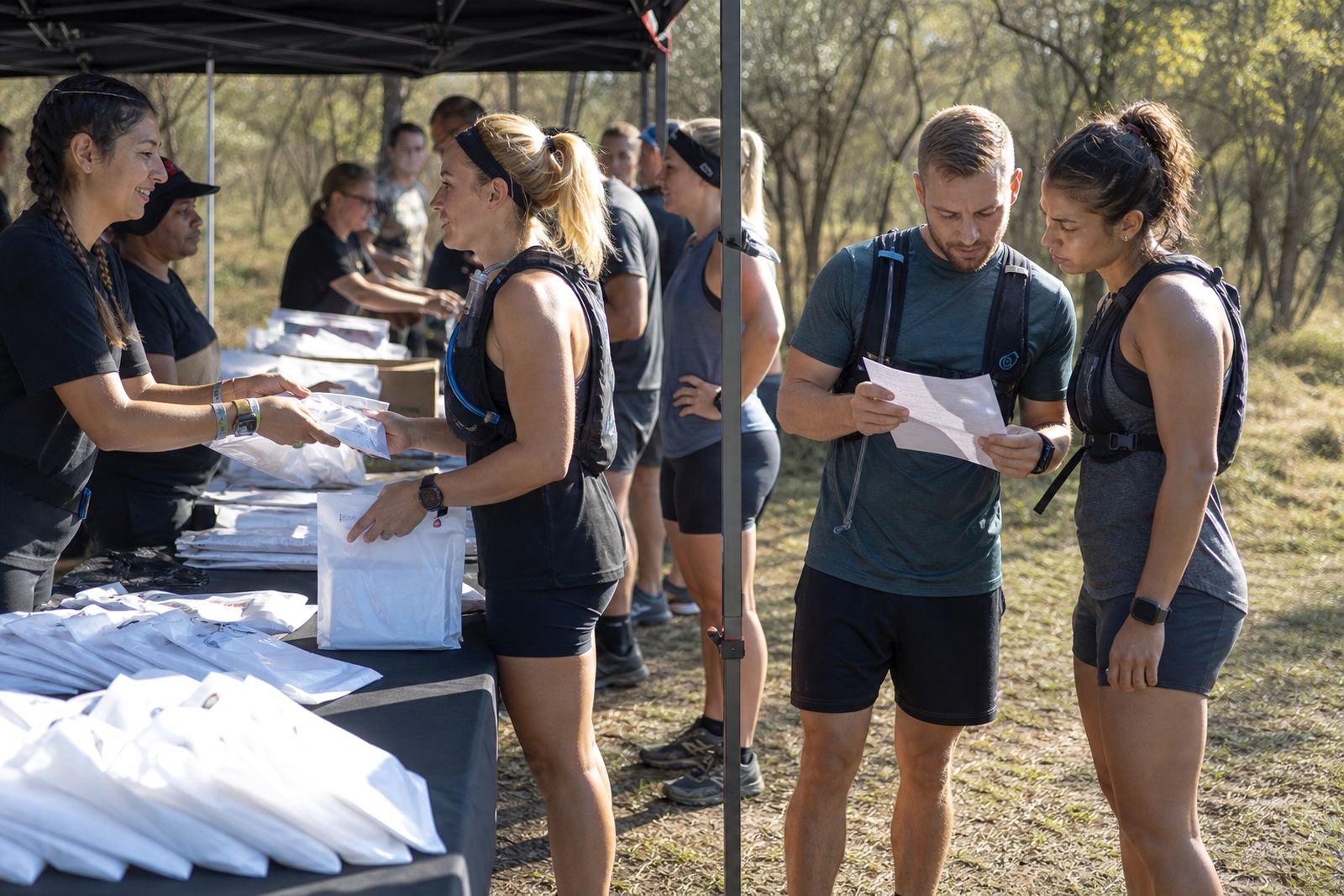
Our safety and briefing officer works with course operations to keep instructions plain and direct. That includes group briefings for corporate entries, captain communication for larger teams, and onsite team check-in so people know where to go without wasting time. When the morning is cold and the midday sun kicks in, clear direction helps a lot, especially for visitors unfamiliar with the area around Hekpoort, Hartbeespoort, Krugersdorp or Rustenburg.
What to pack when mud, heat and all meet
What you bring can make the whole day easier. The course team handles the event setup, but participants should arrive with the basics that suit an outdoor challenge in North West. Pack light, keep valuables to a minimum and bring what you need for before, during and after the race. If you are travelling from Potchefstroom or the Gauteng side, allow time for road delays and parking checks at the venue.
- Trail shoes or trainers with decent grip
- Change of clothes and a towel for after the finish
- Water, snacks and anything allowed in your race category
- Sunblock, cap and a light layer for early starts
- Personal medication if prescribed, plus any waiver or entry details
A torch in the car can also help if you are leaving after dark.
Teams, captains and the finish-line handover
Corporate entries and larger groups often need more than a standard sign-up. We help with team registration, captain communication, recovery area guidance, custom team briefings and supporter planning so the group flow works better from start to finish. That is useful for office teams, clubs and community groups that want a shared challenge without confusion at the start gate.
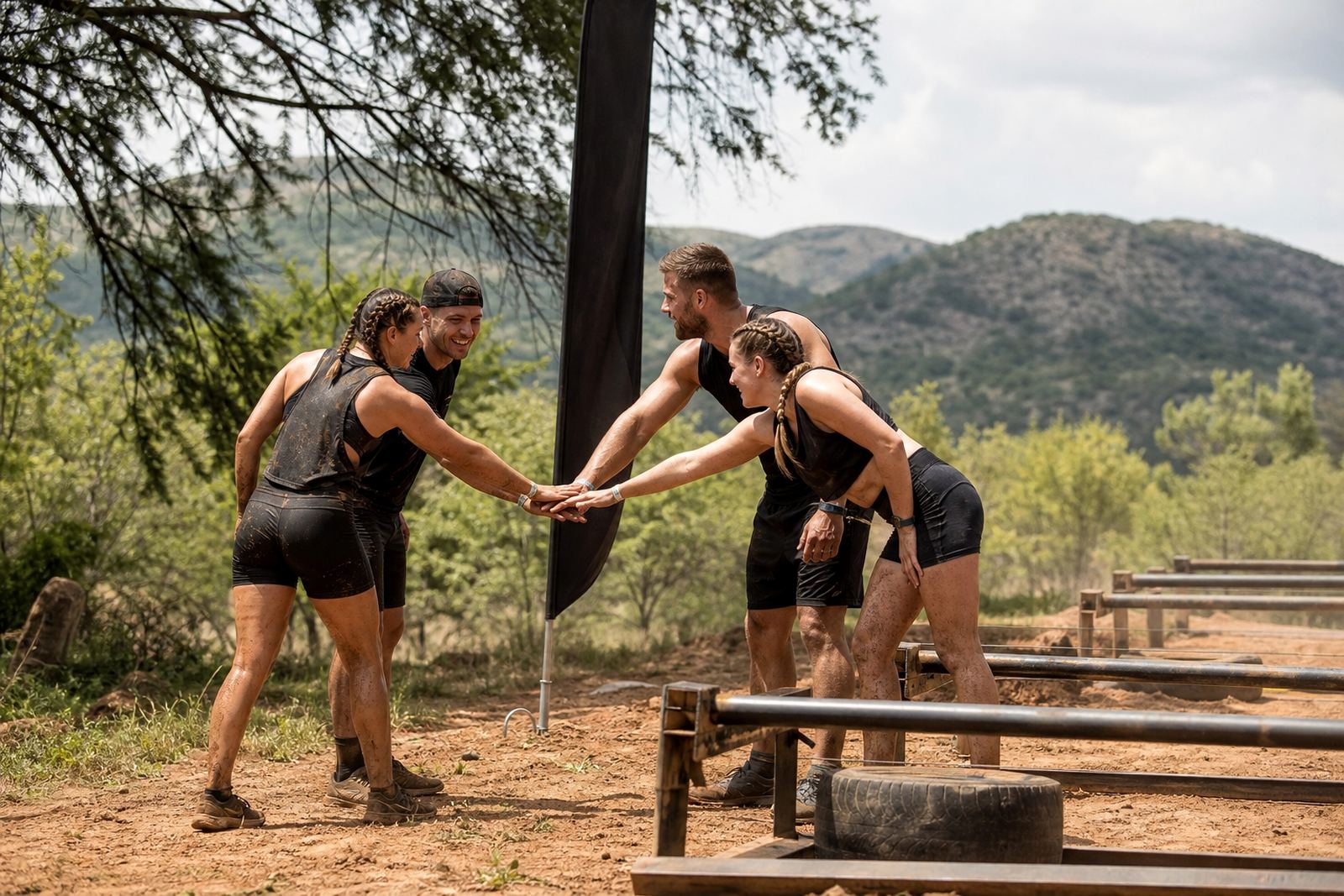
After the last obstacle, the reward is usually simple but real: relief, laughter, a few muddy photos and the satisfaction of finishing something difficult together. Team photo moments and onsite check-in make the end of the day easier to manage, especially when people want to regroup before heading back to Johannesburg, Pretoria, the Vaal or further afield. The series is built for different goals, but the finish line feeling is the part most people remember.