The first hill is not the finish line
The opening metres of an obstacle course race can make a careful runner feel slow. Around Hekpoort and the Magaliesberg ridges, though, the early rush usually costs more than it gives. A hard surge through the first climb can lift the heart rate too high, and once that happens every carry, crawl and rope section starts to feel heavier.
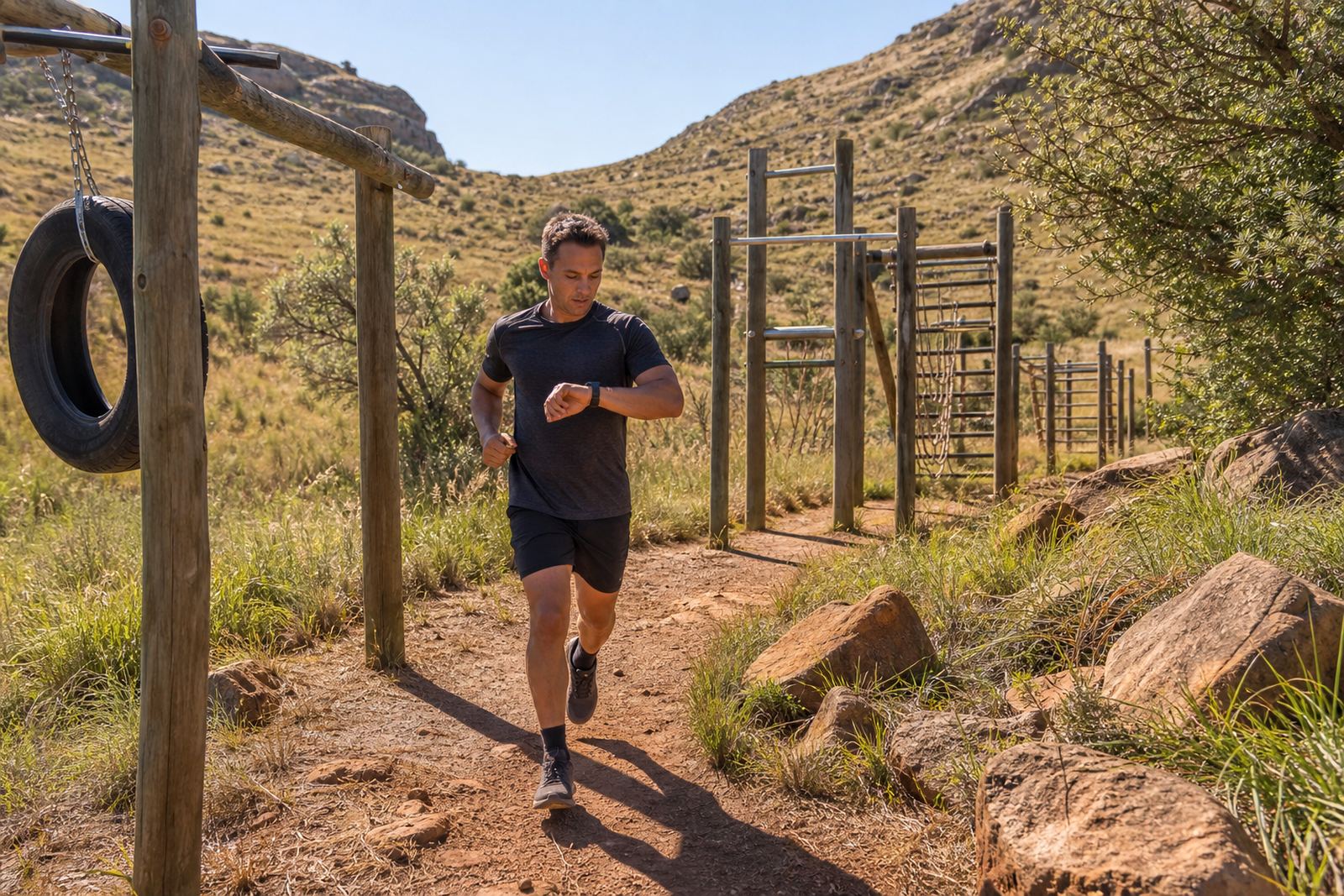
Steady pacing is not about being timid. It is about choosing where to spend effort. On mixed terrain, especially with loose dust, rock steps and muddy patches, a controlled start keeps your breathing settled and your grip stronger when the obstacles begin.
What steady effort looks like on a rough course
Good pacing changes with the course, but the principle stays the same: move hard enough to stay competitive, yet leave enough in reserve for what comes next. A strong obstacle racer does not treat every section like a sprint. They read the ground, use walk breaks on steep rises, and recover while moving between obstacles.
If you are racing in the North West, heat and sun can also drain you faster than expected. That matters on exposed sections where there is little shade and little chance to cool off. A smart pace means you can still lift, jump, climb and carry cleanly when the race is already deep into the day.
- Shorten your stride on climbs so you waste less energy.
- Relax your shoulders before grip-heavy obstacles.
- Use flat ground to settle breathing, not to chase every person in front.
- Take water early if the race format allows it, especially in hot weather.
Training the body to stay calm when the lungs shout
Training for pacing should include more than distance. It helps to practise moving after effort, because obstacle racing rarely gives you a full rest. Run a short hill, then climb, carry or crawl straight after it. Do repeats that teach your body to recover quickly while still working.
Strength matters too. Legs that can handle squats, step-ups and lunges will hold form for longer on uneven ground. Grip work is useful for rope climbs, rigs and monkey bars, but it should be paired with breathing control so you do not panic when your forearms start to burn.
- 1 to 2 hill sessions a week can help if you are building race fitness.
- Use loaded carries with sandbags, kettlebells or similar kit for race-specific conditioning.
- Finish some sessions with a 5 to 10 minute easy jog to practise recovery.
- Check with a doctor before hard exercise if you have concerns about your heart, joints or breathing.
Where people lose time without realising it
Many athletes do not fade because they are unfit. They fade because they waste energy in the wrong places. They start too fast, grip too hard, panic at a failed obstacle or rush the recovery zone instead of using it well. That is where a race briefing helps. If you understand the course rules, the penalties for missed obstacles and the safety steps for muddy or wet sections, you can pace with more confidence.
Waivers and participant checks also matter before the start. When you have completed the required paperwork, listened to the safety briefing and know how the heat allocations and team check-in work, there is less last-minute stress. Less stress means better judgement when the course gets messy and a clearer head when the body is tired.
A Magaliesberg example: pace for the terrain, not for the crowd
Imagine a team travelling in from Pretoria or Johannesburg to race at a Hekpoort venue. The first few runners shoot off hard on the opening rise, trying to stay with the front pack. By the time they reach the carries and technical mud, their breathing is ragged and their grip is fading. The team that held back a little can still move together, support each other through the harder obstacles and finish with better control.
That is especially true for corporate entries. When a group wants good team photo moments, useful supporter planning and a shared recovery area afterwards, the race works better if the stronger runners do not abandon the rest of the group too early. A controlled pace helps teams stay connected and reduces the chance of avoidable strain.
In Magaliesberg weather, one sharp shower can turn a dry track into slick clay very quickly. That makes pacing even more important. A rushed approach at the start can leave you stumbling later, while a steady rhythm lets you choose better foot placements and keep your balance on the tricky bits.
Race day habits that save energy for the last kilometre
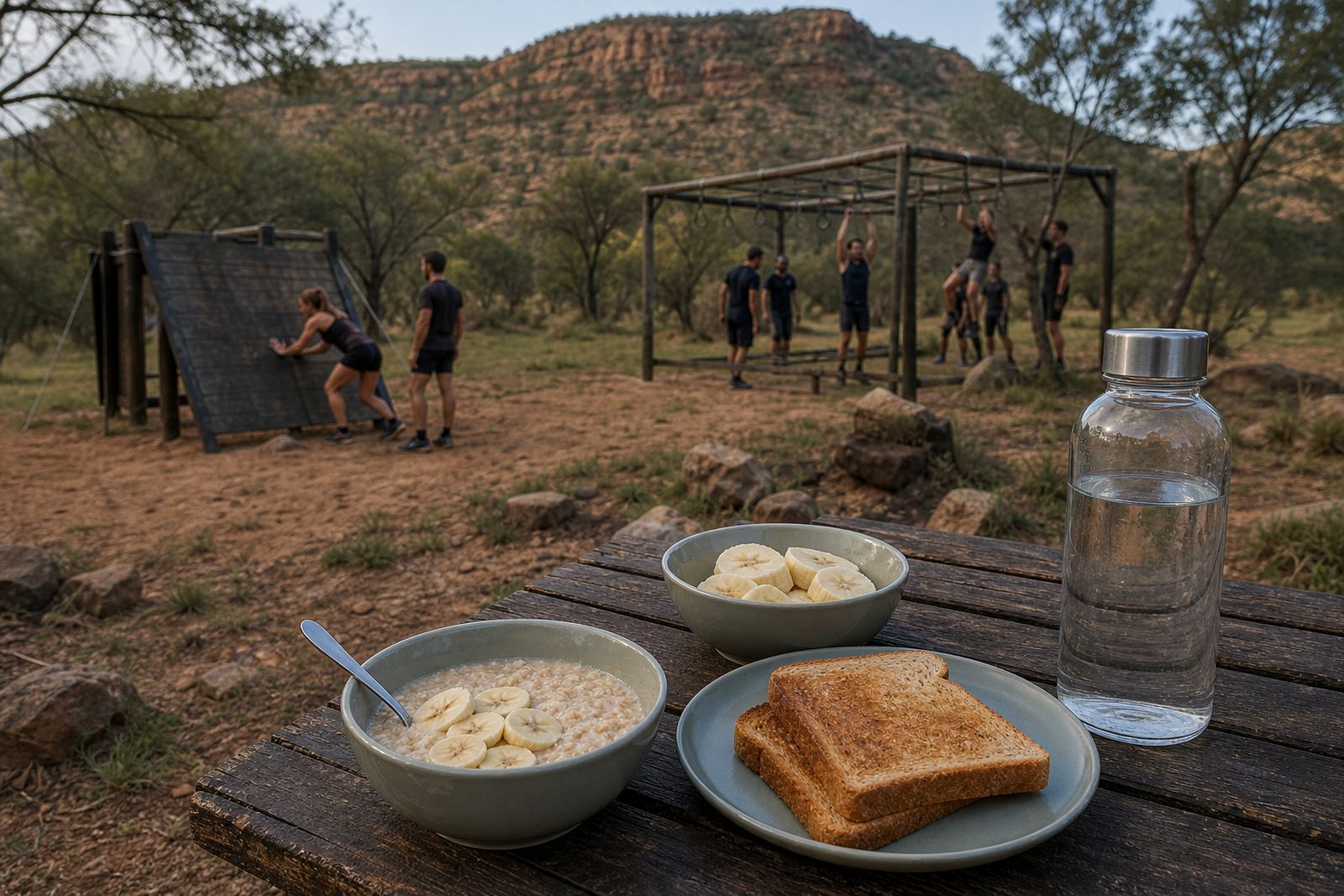
The last part of an obstacle race often feels longer than the first. If you want to finish strong, you need habits that protect energy from the start. Eat and drink sensibly before the race, arrive early enough to settle in, and use the warm-up session to wake the legs without tiring them out.
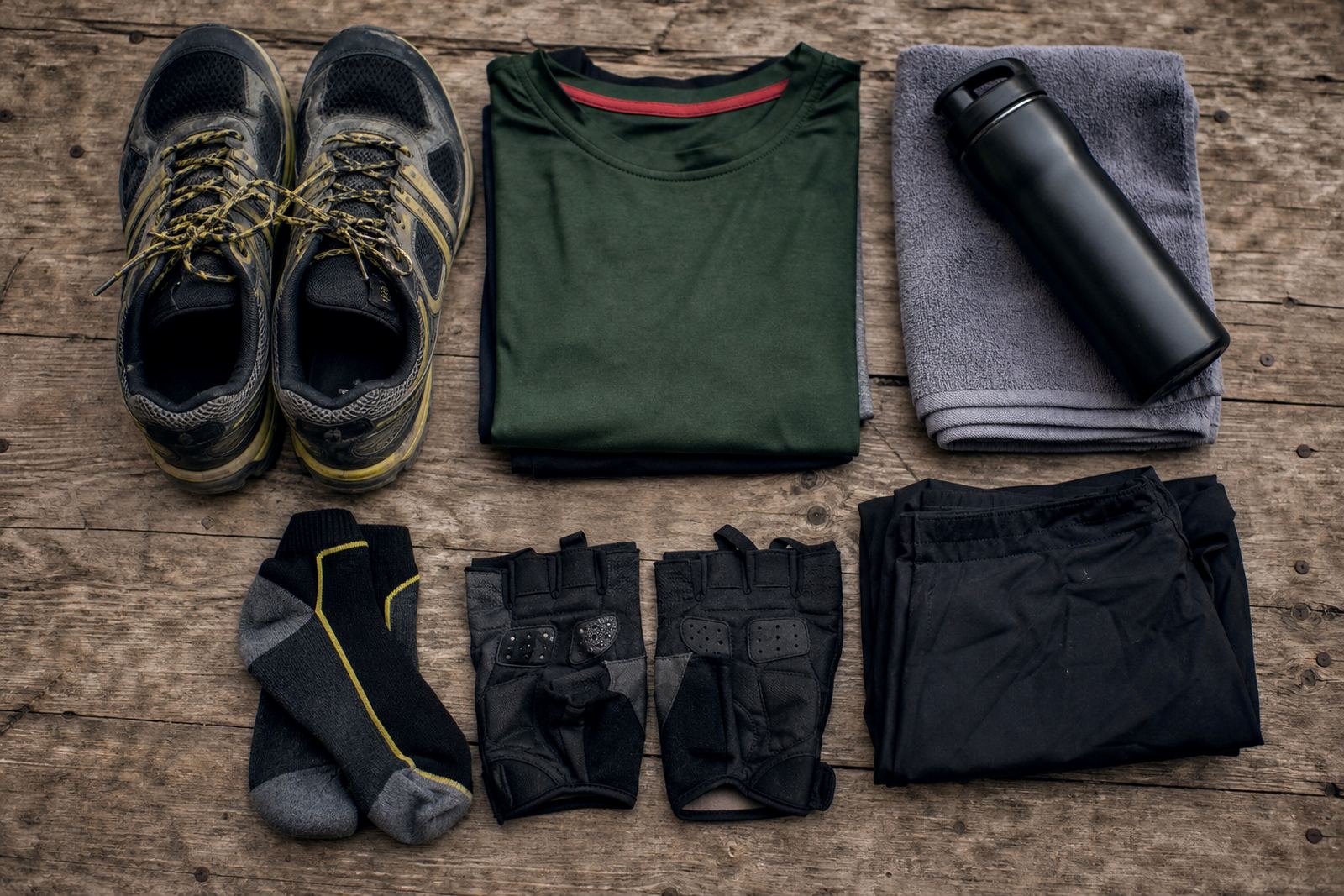
A practical race checklist can help:
- Trail shoes with decent grip for mud and loose ground.
- Light gloves if the course has wet rope or carry sections.
- Enough water and any nutrition you normally tolerate during exercise.
- A towel, spare clothes and dry shoes for after the finish.
- Wet wipes or similar basics for the drive home.
For colder mornings around Rustenburg or Potchefstroom, a throw-on layer before the start can help you stay loose while waiting. In hotter conditions, focus on shade, fluids and not letting excitement push you into an early burnout.
Why the patient racer usually has the better day
Steady pacing gives you more than a decent finish time. It gives you better form, cleaner obstacle attempts and a race that feels under control even when the course is not. That matters for first timers and experienced racers alike. If the goal is to enjoy the challenge and still have something left at the end, patience is often the better weapon.
For athletes and teams planning obstacle course races or endurance challenges across South Africa, the message is the same: train for the terrain, listen to the briefing, respect the safety steps and pace like the later stages matter, because they do. If you are unsure about an event requirement or team entry detail, use the enquiry form on our contact page and our team in Hekpoort can guide you through the process.