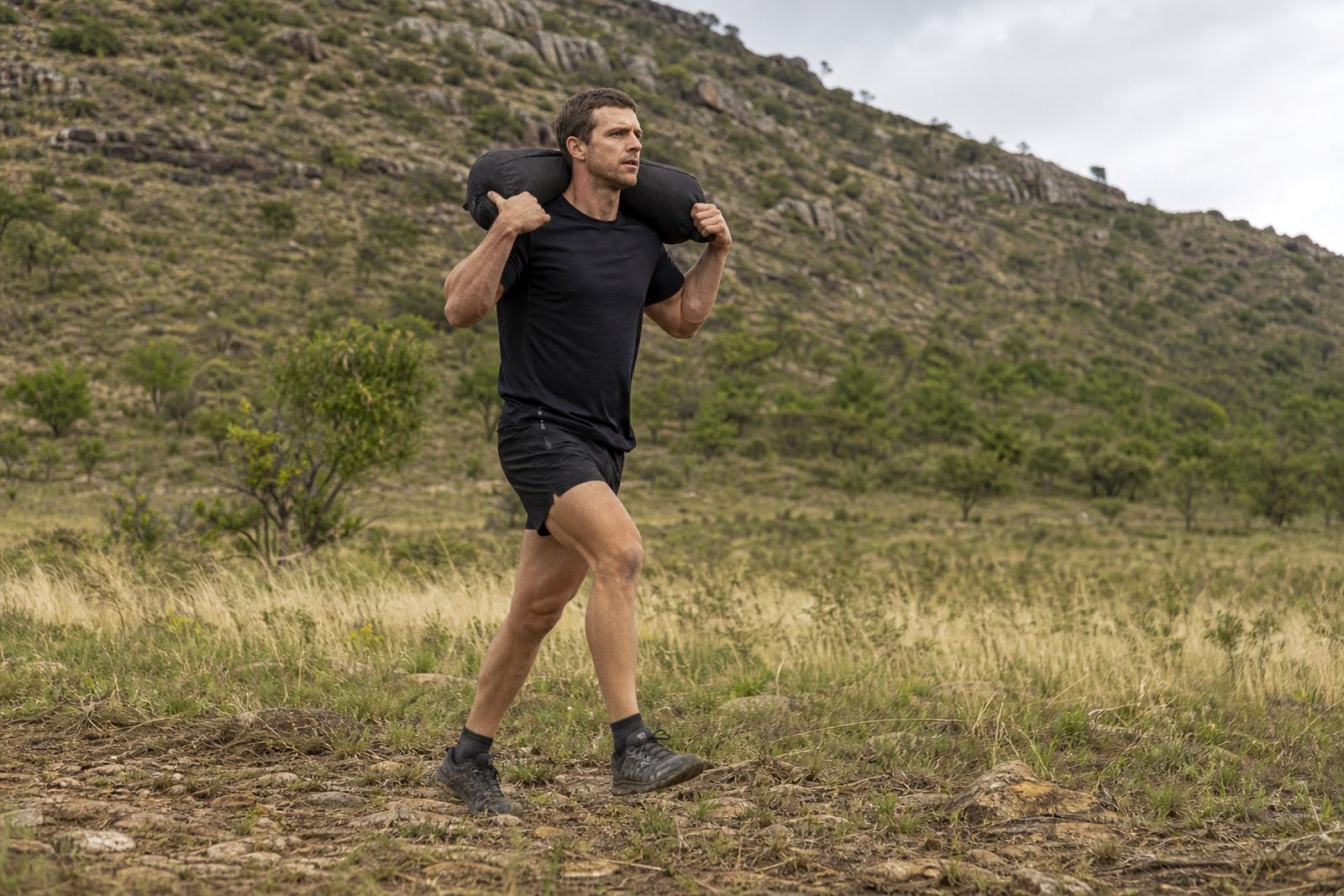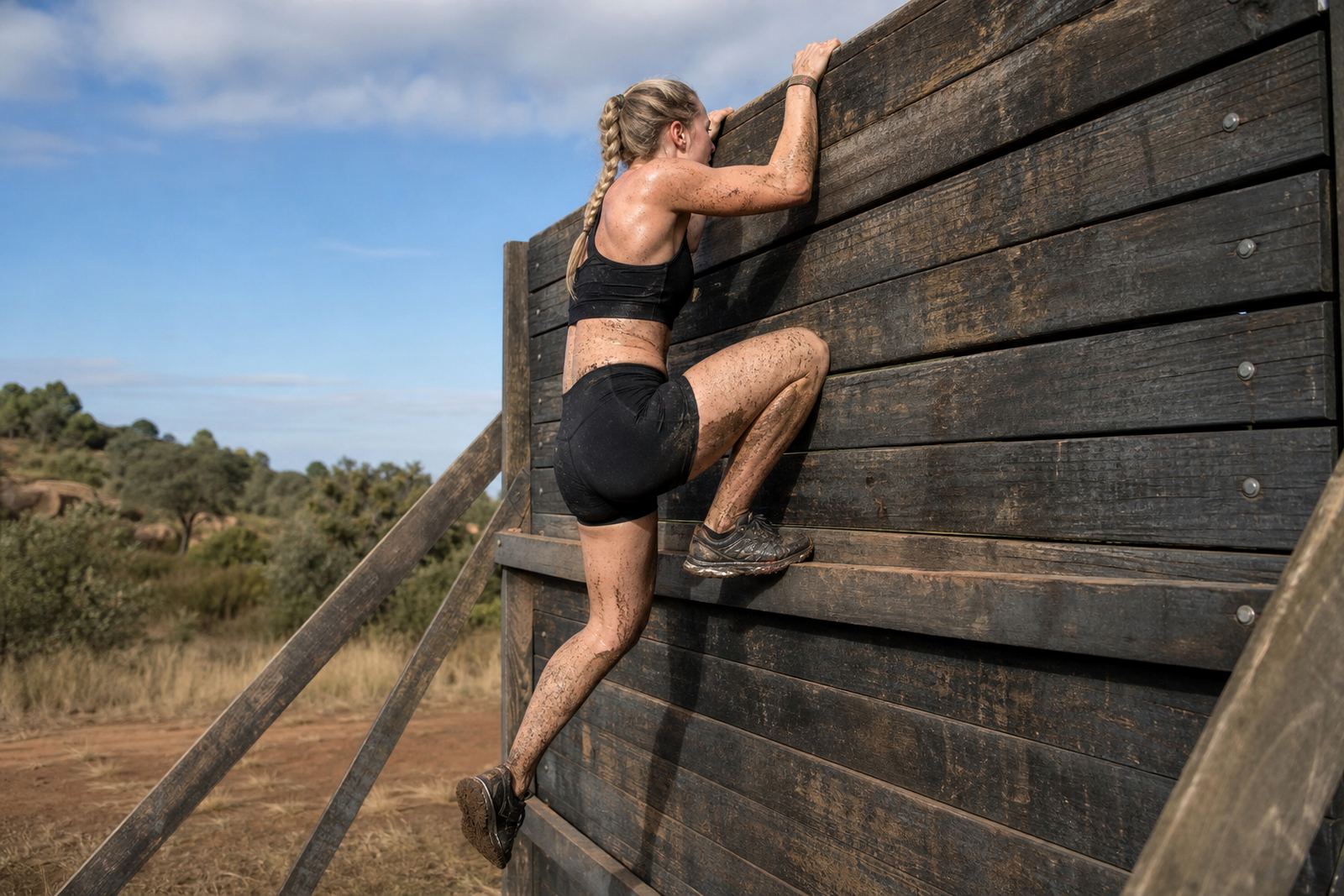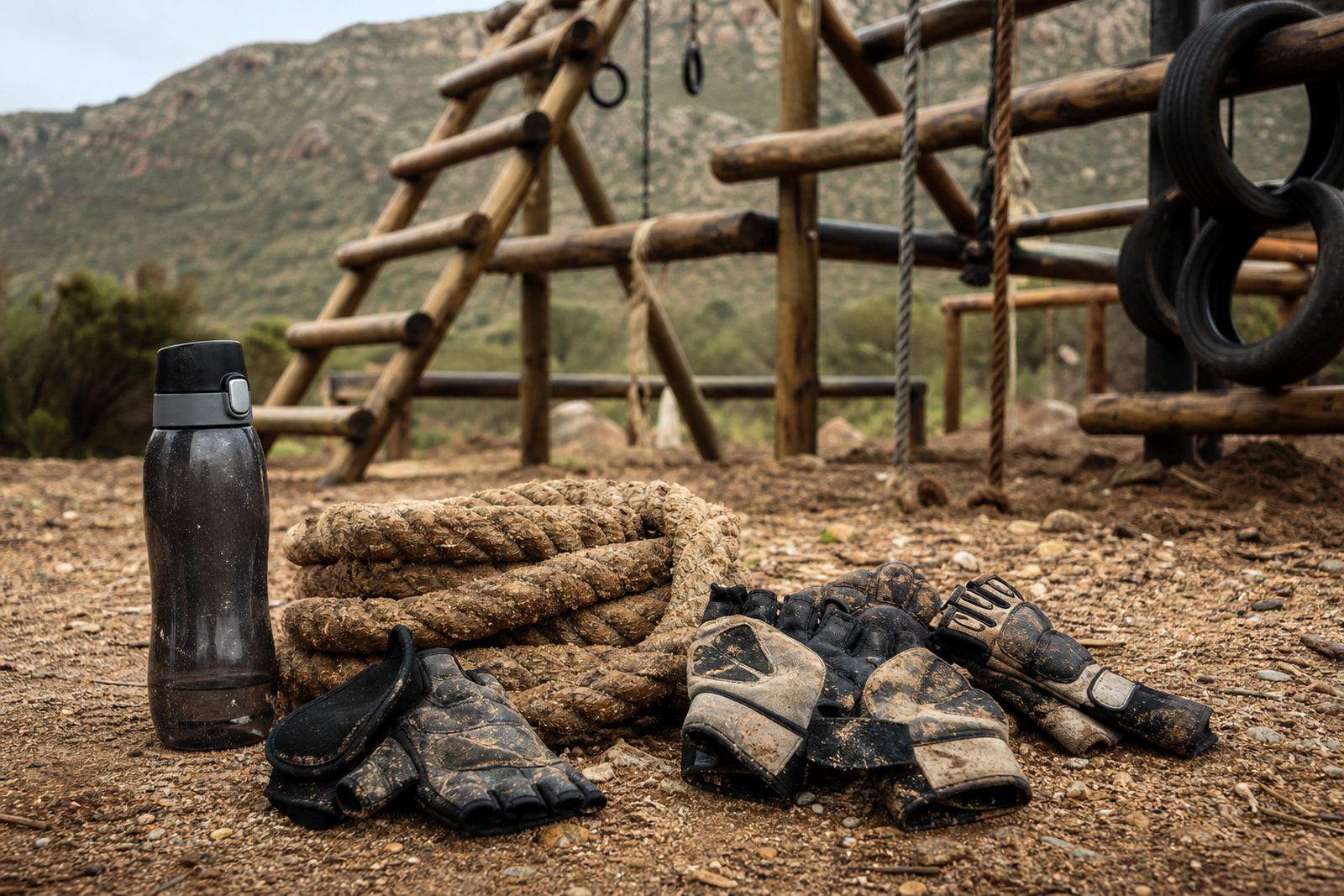
When bare hands work better than gloves
Some runners prefer to race without gloves because they want direct contact with rope, wood, sandbag handles and monkey bars. Bare hands can give a strong feel for texture, which matters when your grip changes from dry dust to wet metal in one section of the course. If you usually train without gloves, forcing a pair on race day can feel clumsy and slow.
That said, bare hands can leave you with blisters, torn skin and sore palms after repeated hanging or carrying. In a Magaliesberg event, where mornings can start cool and later heat builds on open ground, your hands may also dry out quickly. If you are doing longer training sessions or a team challenge with repeated obstacles, the comfort trade-off becomes more important.
- Choose bare hands if you rely on direct feel and already have hardened palms.
- Skip gloves if they slip when wet or if the seams rub between your fingers.
- Use hand tape only where it does not affect your grip on ropes or bars.
Fit matters more than padding
A glove that feels soft in the shop can still fail on course if the palm is too thick or the fingers are too long. Loose material bunches up when you grab a bar, and that extra movement can steal grip strength. Too tight, and your hands go numb before the first carry. Fit should feel snug without cutting into your knuckles or wrist.
Check whether the glove closes properly around the wrist and whether you can still open your hand fully. If the fingertips bunch at the end, the shape is wrong for you. For obstacle racing, a close fit is usually better than extra bulk, because your hands need to wrap quickly around ropes, tyres, buckets and rails. Comfort matters, but a glove that is comfotable in the car and useless on a wall is not the right call.
- Try a full grip test before deciding.
- Make a fist, spread your fingers and pull on the wrist closure.
- Check for rubbing at the thumb web, palm seam and little finger side.
Grip surface and sweat control
The palm finish on a glove can help or hinder you. Smooth material may feel fine at first, but it can become slippery when sweat builds or when mud starts breaking down the surface. Textured palms often give better control on ropes, cargo nets and carries, especially if your hands sweat a lot under pressure.
Breathability also counts. In warm weather around Rustenburg or Potchefstroom, hands can overheat quickly, and moisture inside the glove can weaken grip. In colder, windy starts near Hekpoort, a slightly warmer glove may feel better, but only if it still lets you hold on firmly. A good test is to wear them for a hard gym session, then check how the palm feels once your hands are damp.
- Look for palm texture that still grips when wet.
- Choose breathable backs if your hands sweat heavily.
- Avoid gloves that trap grit, because sand and dust can wear skin down fast.
Weather, terrain and the kind of obstacle ahead
Magaliesberg courses can mix loose dust, rocky patches, grass slopes and water obstacles. That mix changes what you need from your hands. On dry climbs, you may want maximum contact and freedom. On muddy sections or wet grip points, a glove can protect your skin and give you confidence when your hands are already tired.
Think about the event style too. For a shorter, faster race, many people keep gear light and go bare handed. For longer endurance work, gloves may help you hold poles, ropes and carries over a longer period. If your route includes repeated climbs and descents, the extra protection can reduce the sting of friction. At a Hekpoort start line, you might see one teammate with gloves and another without, and both can be right if they have trained that way.
- Choose lighter gloves for speed and flexibility.
- Choose more protection for repeated rope and bar work.
- Match the glove to your race pace and the course surface.
Train in the gloves before race day
Do not wait until the morning of the event to decide how your gloves behave. Train in them while doing carries, hangs, crawls and hill work. That shows whether the seams rub, whether the palm slips on sweaty rails, and whether you can still move fast when your hands are tired. A glove that feels fine for ten minutes may become a problem after half an hour.
If you are joining a group from Johannesburg or Pretoria, use a few training sessions to compare one glove style against another. Watch how they behave on rope pulls, tyre drags and pull-up bars. If they snag on rough timber or feel too bulky on a narrow grip, that is useful information. For hard exercise, check with a doctor first if you have any concern about your fitness, heart health or injury history.
- Test the gloves in the same type of movement you will do in the race.
- Check for hot spots after sweat, mud and repeated grip changes.
- Do a short, hard session before deciding on final gear.
Practical race-day checks before the gun goes
Before the start, make sure your gloves are clean enough to hold, dry enough not to slip and secure enough not to slide off in a wall climb. If the event includes a safety briefing and waiver process, use that time to sort your gear, ask about any obstacle rules and confirm how the course team wants you to handle high-risk sections. Good preparation helps keep the focus on movement instead of fussing with your hands.
For team entries, gloves can also affect how quickly a group moves through a course. One person may need more protection for a carry, while another wants maximum dexterity for a balance obstacle. In a Magaliesburg venue setting, where weather can shift during the day, it helps to pack a spare pair, a small towel and a dry bag for post-race kit. If your hands blister easily, keep a bit of tape or skin care in your recovery bag.
- Pack a spare pair if your first pair gets soaked or torn.
- Bring a small towel for mud and sweat between obstacles.
- Check that the gloves do not interfere with wrist bands, timing tags or your own safety gear.