
Start with a grip that will not waste energy
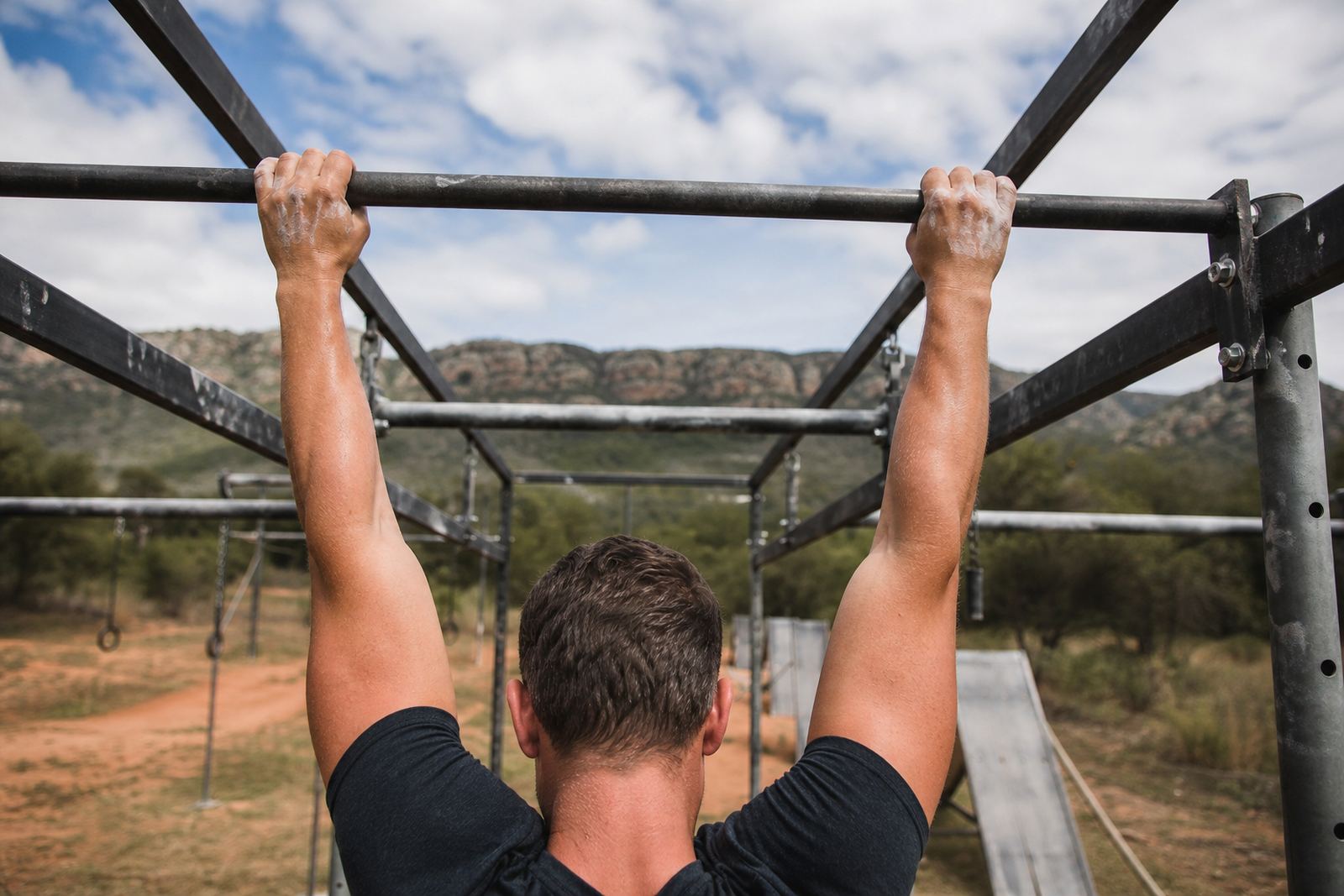
The rope climb begins in the hands, not the feet. Wrap the rope firmly with one hand above the other and keep the wrists straight enough to hold without over squeezing. A white-knuckle grip burns forearms fast, especially if the day is hot in Hekpoort or the air is dry near Rustenburg.
Use chalk only where it is allowed and keep your hands clean before the start. If the rope is wet from mist, drizzle or sweat, your grip must still feel steady. A good coach will tell you to think about holding the rope like a ladder rung, not hanging from it like a swing.
- Keep the top hand high and the lower hand close to the chest
- Thumbs should close around the rope for security
- Reset your grip before you start climbing if your hands feel uneven
- Do not snatch at the rope when you are already tired
Body shape matters more than brute force
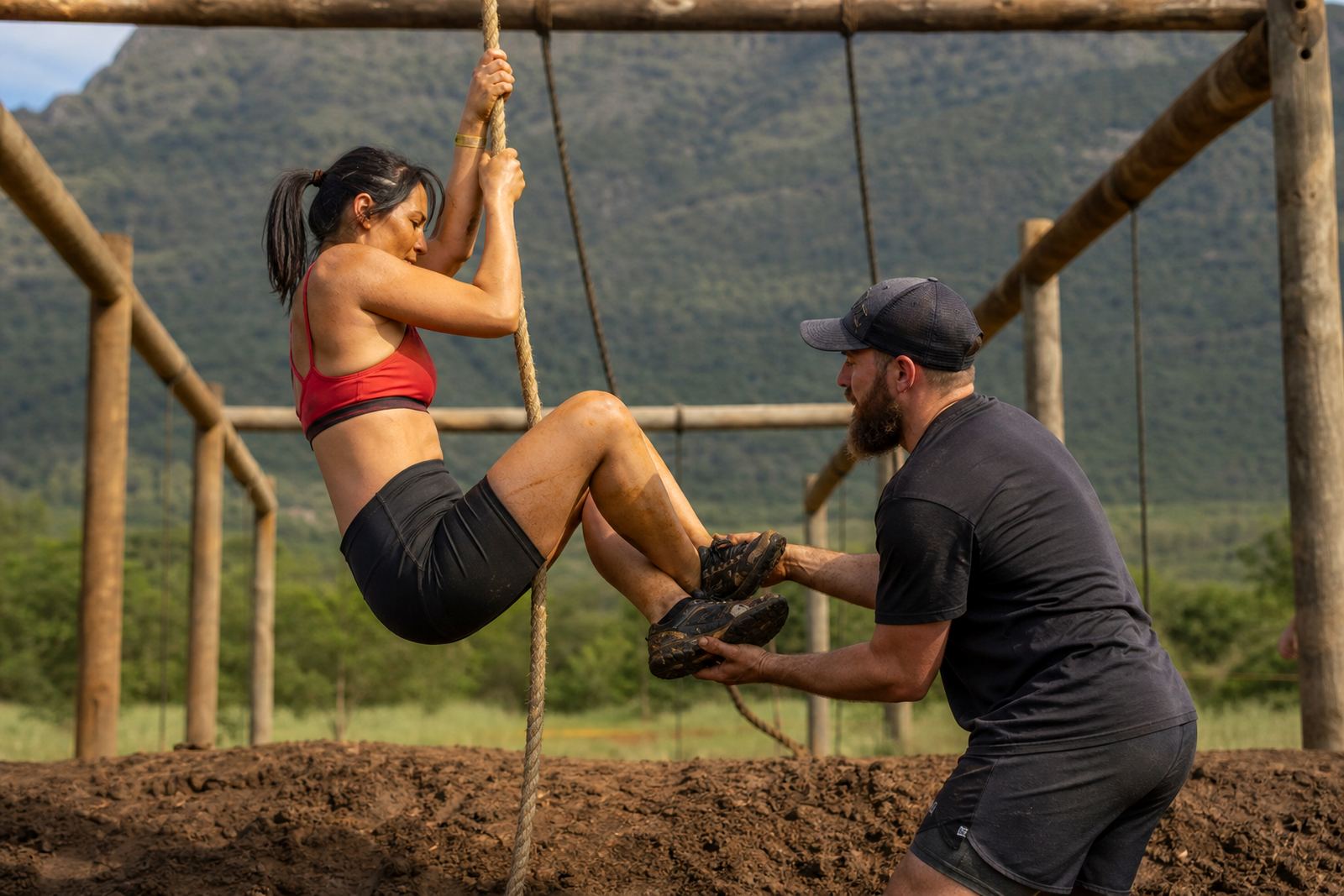
Many beginners try to pull with the arms only, then wonder why they stall halfway up. A better position is to keep the chest close to the rope, knees lifted and feet ready to clamp when you are allowed to use them. This shortens the distance your arms have to work and gives you more control.
Think tall through the hips and tight through the core. If your body swings away from the rope, every pull becomes harder. On a course in Magaliesberg, where the ground may be uneven and the climb may follow a run or carry, that extra control can save a lot of energy for the rest of the obstacle route.
Before hard exercise, check with a doctor if you have any heart, joint, breathing or back concerns. That is especially useful if you have been off training for a while or you are stepping into your first endurance event.
Feet are there to help, not just hang around
When the rules allow foot use, learn a basic lock and stand. The rope should sit against the foot with the body weight supported by the legs, not only the arms. This turns the climb into a series of small stands instead of one long pull.
A common mistake is rushing the feet. Place them carefully, then stand tall before reaching higher. If you move too quickly, the rope slips and you lose the rhythm. A clean foot placement is slower for a second, but it usually saves time over the full climb.
- Bring knees up before placing the rope against the foot
- Stand through the legs before the next hand movement
- Keep toes active so the rope does not roll off
- If the rope slides, pause and reset instead of fighting it
Training that helps on race day without needing a fancy gym
You do not need special kit to improve. A few steady sessions per week can build useful strength for rope work, carry events and climbing obstacles. Focus on pull-ups or assisted pulls, hanging holds, core stability and leg drive. Short sessions done properly are better than one big push that leaves you sore for days.
In and around Pretoria or Johannesburg, many entrants train before work or after traffic dies down. That can be as basic as a doorway pull bar, a set of resistance bands and a sturdy mat. If you train outdoors in the North West, make sure the surface under you is safe, and avoid wet concrete or loose stones.
- Dead hangs for grip endurance
- Rows for upper back strength
- Planks and knee raises for body control
- Step-ups or lunges for leg drive
What to expect from the briefing before the climb
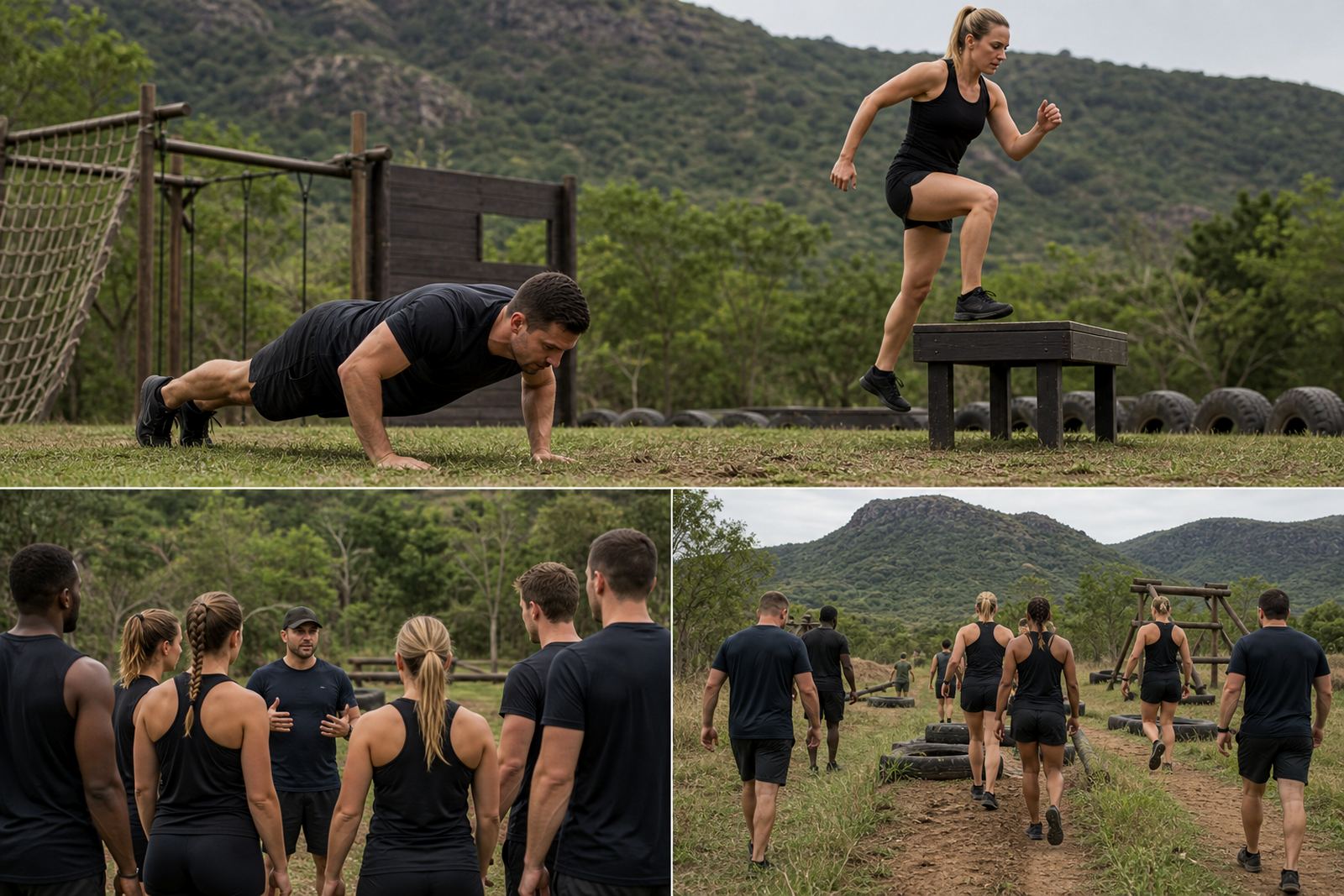
Any proper obstacle race should give a safety briefing before participants start. Listen closely, because rope climbs can change from one event to the next. You may hear about start zones, landing areas, where hands must stay, and what to do if a marshal tells you to stop. That briefing is there to protect you and the people climbing near you.
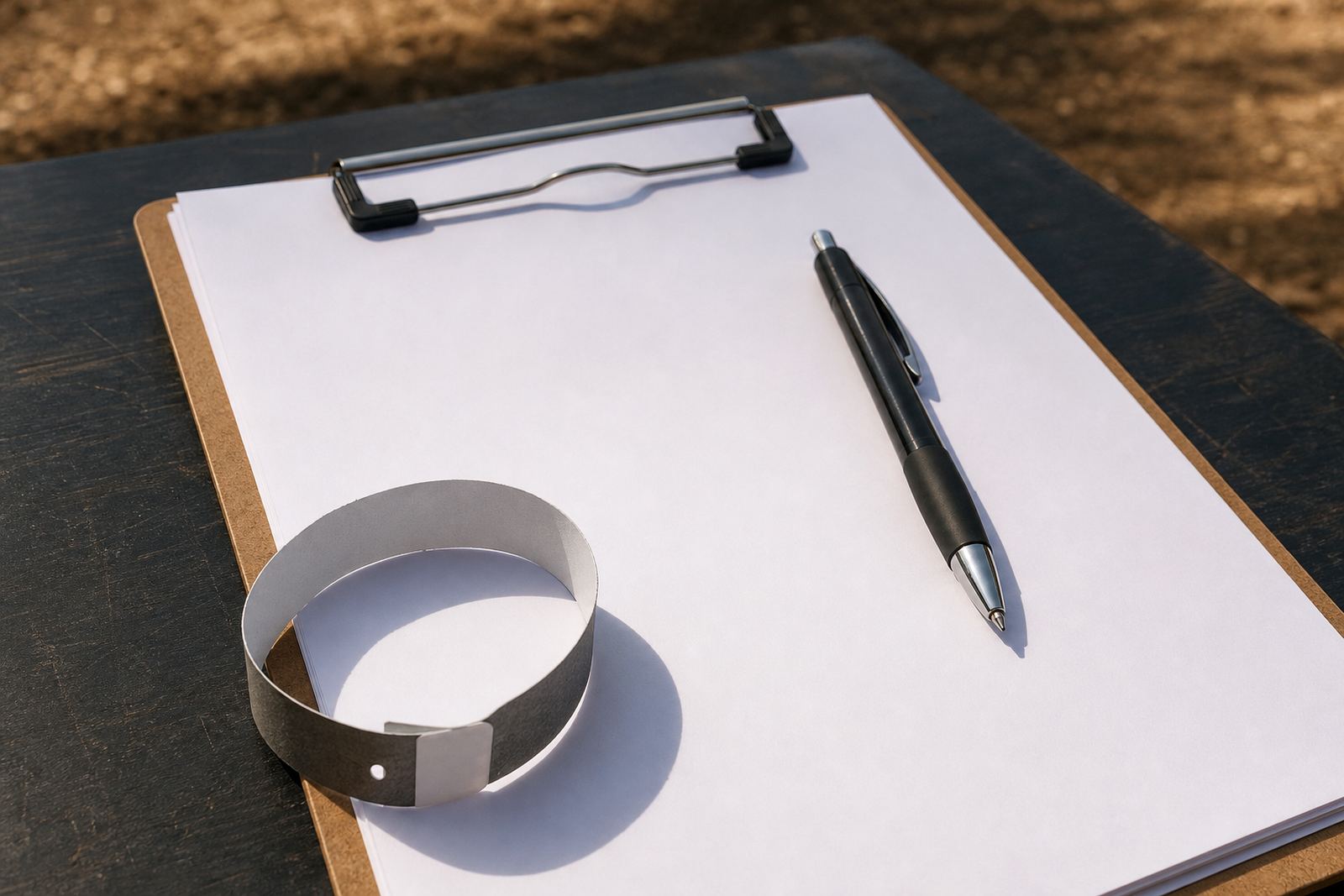
Waivers matter too. They are part of the entry process because a rope obstacle has clear risks, even for fit people. Read what you sign, ask about the obstacle rules, and let the organisers know if you have any current injury or restriction. Team events in particular should make sure every member hears the same instructions, not just the fastest runner in the group.
Pack light, but do not leave the useful bits at home
For a rope climb and the rest of an outdoor course, the best pack list is practical. You want gear that handles sweat, dust and a bit of mud, while still being easy to move in. In the Magaliesberg, weather can change during the day, so a dry top after the race and a spare towel are worth packing.
- Comfortable training shoes with good grip
- Light clothing that will not catch on the rope
- Water and a snack for after the event
- Chalk only if the organisers allow it
- A spare shirt for the drive home
- Any personal medication you normally carry
If you are travelling in from Cape Town, Durban or Bloemfontein, build in time for parking, registration and the safety talk. It is better to arrive calm than to rush straight into a climb with cold hands and a high heart rate.
A local climb can teach more than a full week of indoor training
A rope climb in Hekpoort feels different from one done indoors. Wind, dust, heat and uneven footing all change how you move. That is why obstacle racing works so well for people who want practical strength, not only gym numbers. You learn how to breathe, reset your grip and keep your head clear while your body is working hard.
For teams, this obstacle also shows who communicates well under pressure. A captain can help with pacing, while support staff can guide warmup groups, safety briefings and recovery area flow. At a good event, nobody is left guessing. You know the rules, you know the landing zone, and you know how to finish with control rather than panic.
The best rope climbers are not always the biggest or strongest. They are usually the ones who stay calm, use their feet properly and move one step at a time.