
The heat starts before the first whistle
Hot weather racing begins long before you line up at the start. If you are travelling in from Johannesburg, Pretoria, Cape Town, Durban or Bloemfontein, give yourself time to arrive without rushing, park properly and settle in before the safety briefing. A calm start matters because heat, dust and nerves all work against you once the course gets moving.
For obstacle course races in and around Hekpoort and the wider Magaliesberg, the sun can feel stronger on open ground than people expect. The dry air hides how much fluid you are losing, and by the time you feel thirsty you are already behind. A sensible plan is to sip water through the morning, eat a light meal that agrees with you, and avoid arriving on an empty tank. If you are not used to hard exercise in the heat, check with a doctor first, especially if you have blood pressure concerns, asthma or a history of heat illness.
It also helps to keep your kit easy to manage. On a hot day you do not want to be fighting with clothing, laces or straps while your heart rate is rising. Anything that saves small bits of effort adds up, and that counts on a course with climbs, walls and carry sections.
What to pack when the forecast says sun
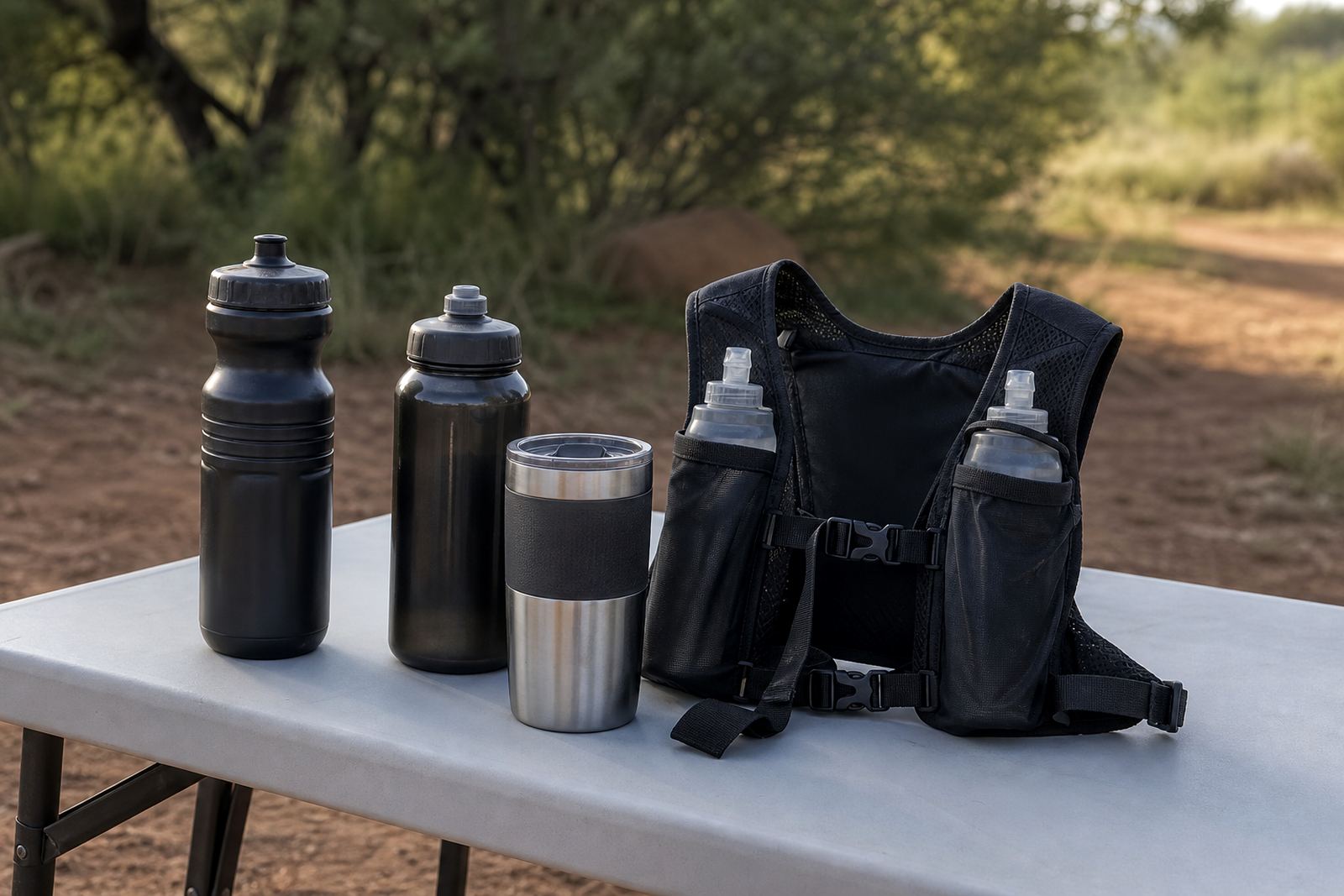
You do not need a mountain of gear, but you do need the right items. Keep it practical and lightweight. A small bag with your essentials is better than overpacking and then leaving things in the car without a clear plan. In the North West, shade can be limited and the wind can dry you out fast, so think ahead before you join the start pen.
- Water or a hydration pack if the event format allows it
- Electrolytes or a drink mix you already use on training runs
- Cap, buff or visor for sun cover between sections
- Sunscreen that can handle sweat and a few reapplications
- Light towel for the recovery area and post-race clean-up
- Dry shirt and shoes for after the race, especially if your socks get soaked
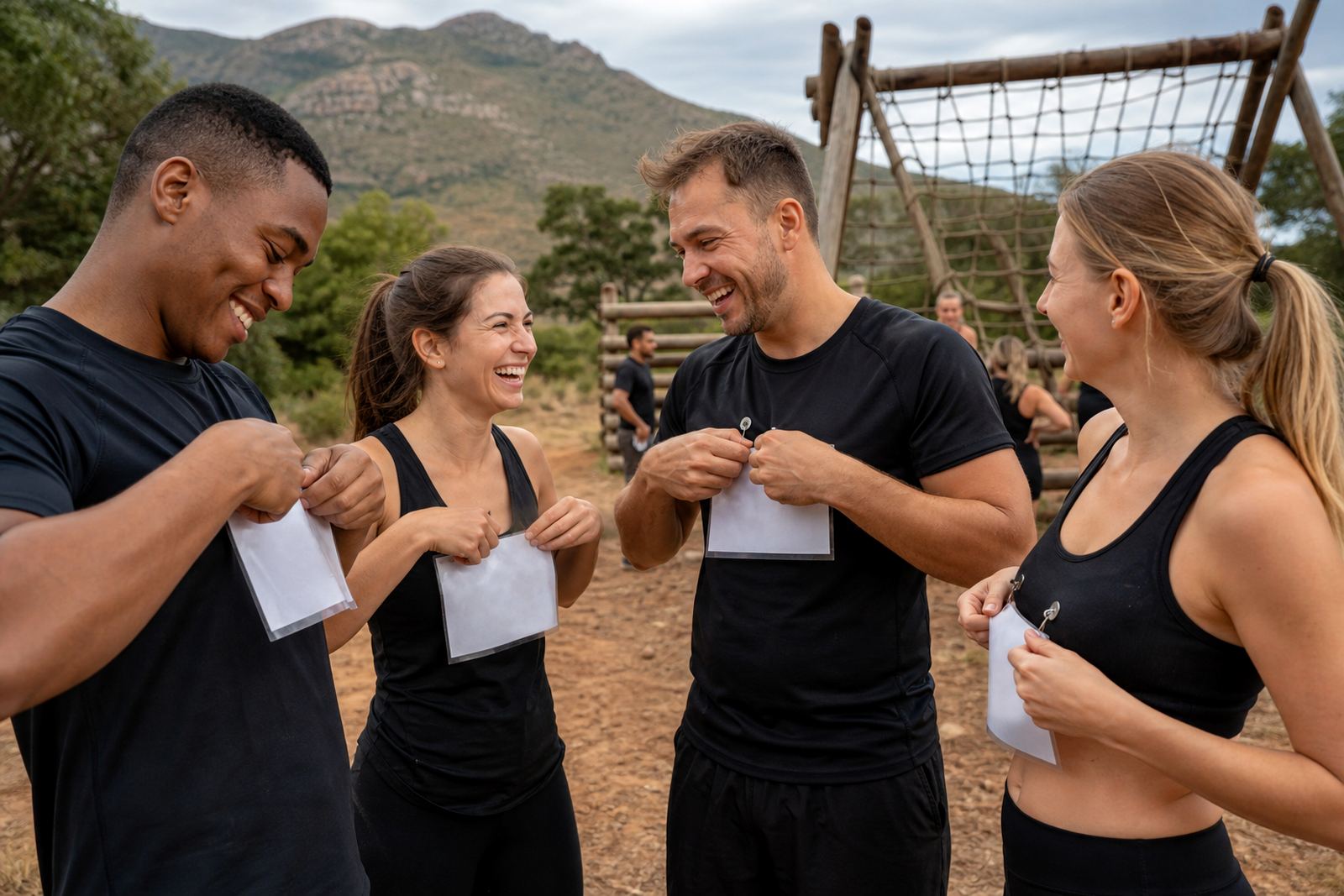
Bring any paperwork the event requires, including waiver details and your entry confirmation. If you are part of a team, keep captain communication clear so nobody is searching for missing information at the last minute. That kind of admin sounds small, but it saves stress when heat is already doing enough work on its own.
Pace like the course is longer than you think
Hot weather changes how hard a race feels. A pace that is comfortable in cool weather can become too aggressive once you are climbing, carrying and gripping in direct sun. That is why sensible pacing beats early heroics. You want enough energy left for the obstacles that actually need skill and control.
In a Magaliesberg setting, the terrain itself asks for discipline. Short bursts on sand, uneven ground and dusty slopes can spike your effort quickly, so use the flats to recover rather than to push yourself to the edge. If a section feels manageable, keep it that way. If you sprint the early parts, you may pay for it at the next obstacle and again at the finish.
One useful rule is to check in with yourself every few minutes. Ask whether you are breathing too hard, whether you are getting dizzy, and whether your concentration is slipping. Heat can make people reckless or sluggish, and both are trouble on a technical course. A steady rhythm, plus a bit of self-control, usually gets better results than trying to force a fast time from the start.
Groups coming in from Pretoria, Johannesburg or Rustenburg often arrive with different fitness levels in the same team. That is normal. The stronger runners can support the rest through spacing, encouragement and patience, which keeps the whole group safer and better organised.
Shade, water and the recovery area matter more than people admit
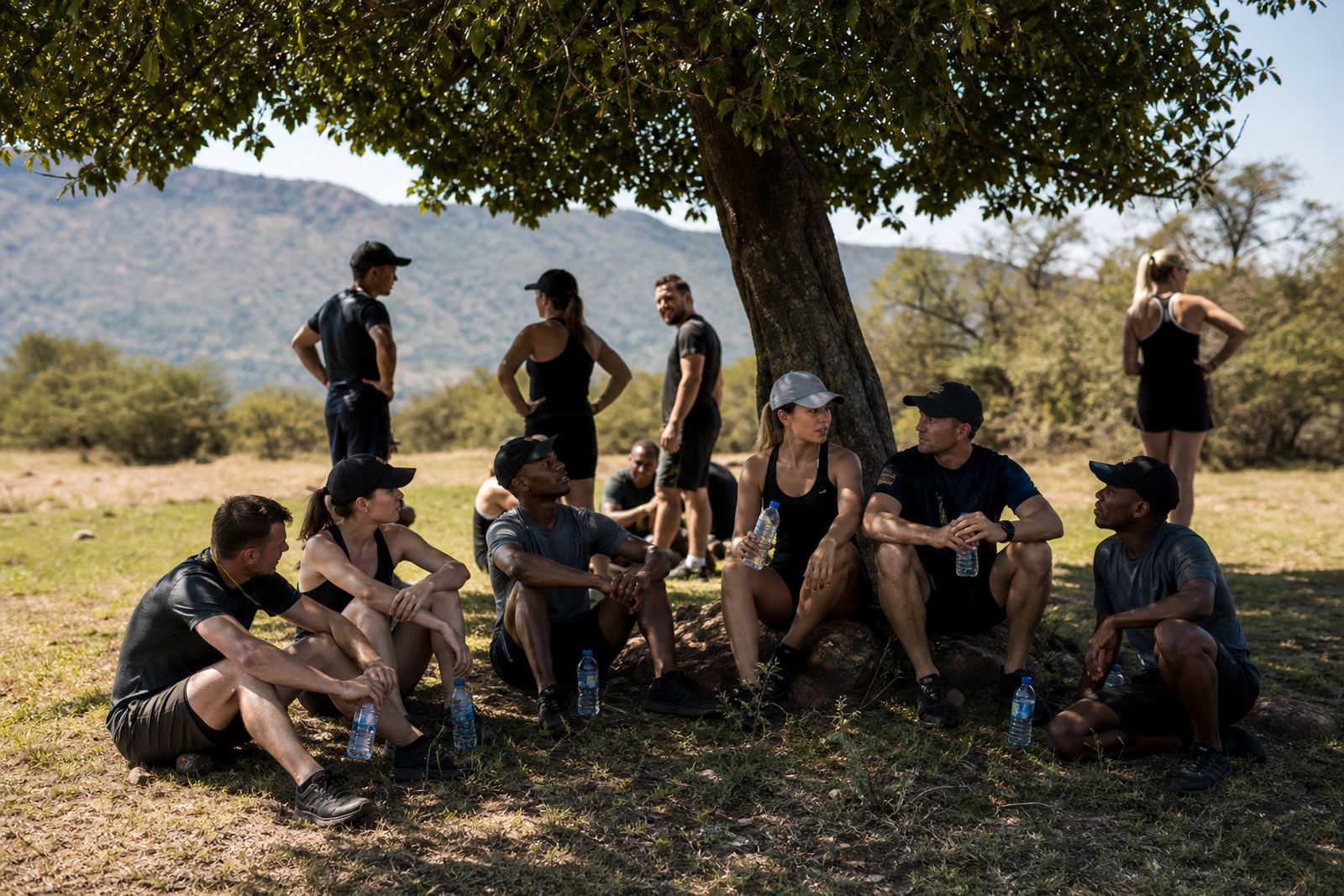
Many participants focus on the obstacles and forget the spaces in between. On a hot day the recovery area, water points and any available shade are part of the event, not just extras. If you finish a hard section and then stand in full sun waiting for your team, your body keeps working while you think you are resting.
Use the recovery area properly. Sit down if you feel light-headed, loosen tight gear, and drink in small amounts rather than gulping everything at once. If the organisers have safety briefing groups, pay attention to the advice about where to find support and how to flag a problem early. That is especially important for corporate entries, team registration groups and visitors who are new to obstacle racing.
- Move out of direct sun when you finish a hard segment
- Cool your neck and wrists if you feel overheated
- Take small sips instead of chugging water
- Eat a light snack only if it sits well with you
- Tell a marshal if you feel unsteady, confused or cramped
For families and supporters, planning also matters. A shaded spot for watching, a bottle of water and realistic expectations make the day easier for everyone. Hot weather tests patience as much as fitness, and that is worth remembering.
Why the briefing is not just a formality
The safety briefing is where a lot of bad assumptions are stopped before they turn into problems. In warm conditions, the rules around hydration, heat stress, course behaviour and support access become even more important. Listen carefully, because the practical detail can save time and reduce risk once the race starts.
Waivers, heat warnings and any participant instructions should be handled before you are tired, sweaty and trying to think about the first obstacle. If your group has a captain, make sure that person understands the communication points and the check-in process. A clean admin process is especially useful for teams travelling from out of town, where people may arrive in separate vehicles and at different times.
Coastal humidity is one kind of trouble, but inland heat brings its own pressure. Near Hekpoort and Magaliesberg, the air can feel dry yet intense, which catches people off guard because they do not feel drenched. That is when poor pacing and weak attention to fluids become costly. The safest approach is to treat every hot event day as a serious effort, not as a casual run with a few obstacles thrown in.
A local day in Hekpoort, done the sensible way
Picture a team driving in from Pretoria or Johannesburg for a morning race near Hekpoort. They arrive early, find shade where they can, do the briefing together and stick to the team plan instead of going off in different directions. Their captain keeps the group organised, the warmup is short and useful, and everybody knows where the recovery area is before the first whistle.
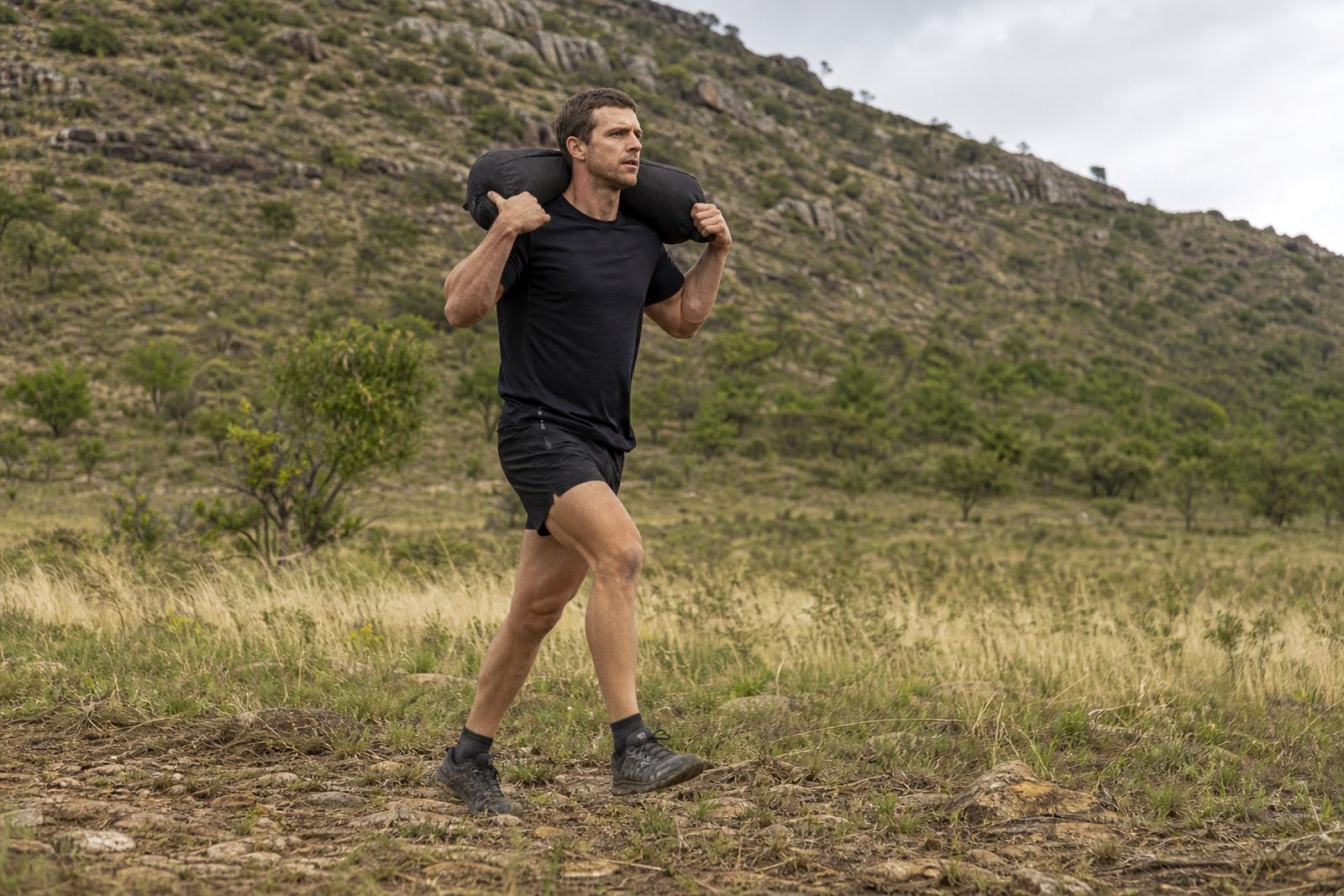
As the temperature climbs, the team avoids the mistake of racing the opening section like it is a fresh winter run. They take water at the right moments, help one another through the carry stations, and save enough for the obstacles that demand balance and grip. Nobody is trying to prove something too early, and that is often the difference between finishing strong and fading out.
That kind of day is what hot weather racing should feel like: firm preparation, practical support and enough discipline to enjoy the course without paying for avoidable errors later. If the plan is solid, the heat becomes part of the challenge instead of the reason the day falls apart.