The finish line is not the end of the work
After a wet race, the first mistake is rushing straight into the car with boots, socks and a muddy shirt still dripping. Give yourself a few minutes to breathe, sip water and settle your heartbeat before you start stripping off gear. If you have stayed in wet clothes for too long, the skin can get rubbed raw, especially around the groin, underarms and behind the knees.
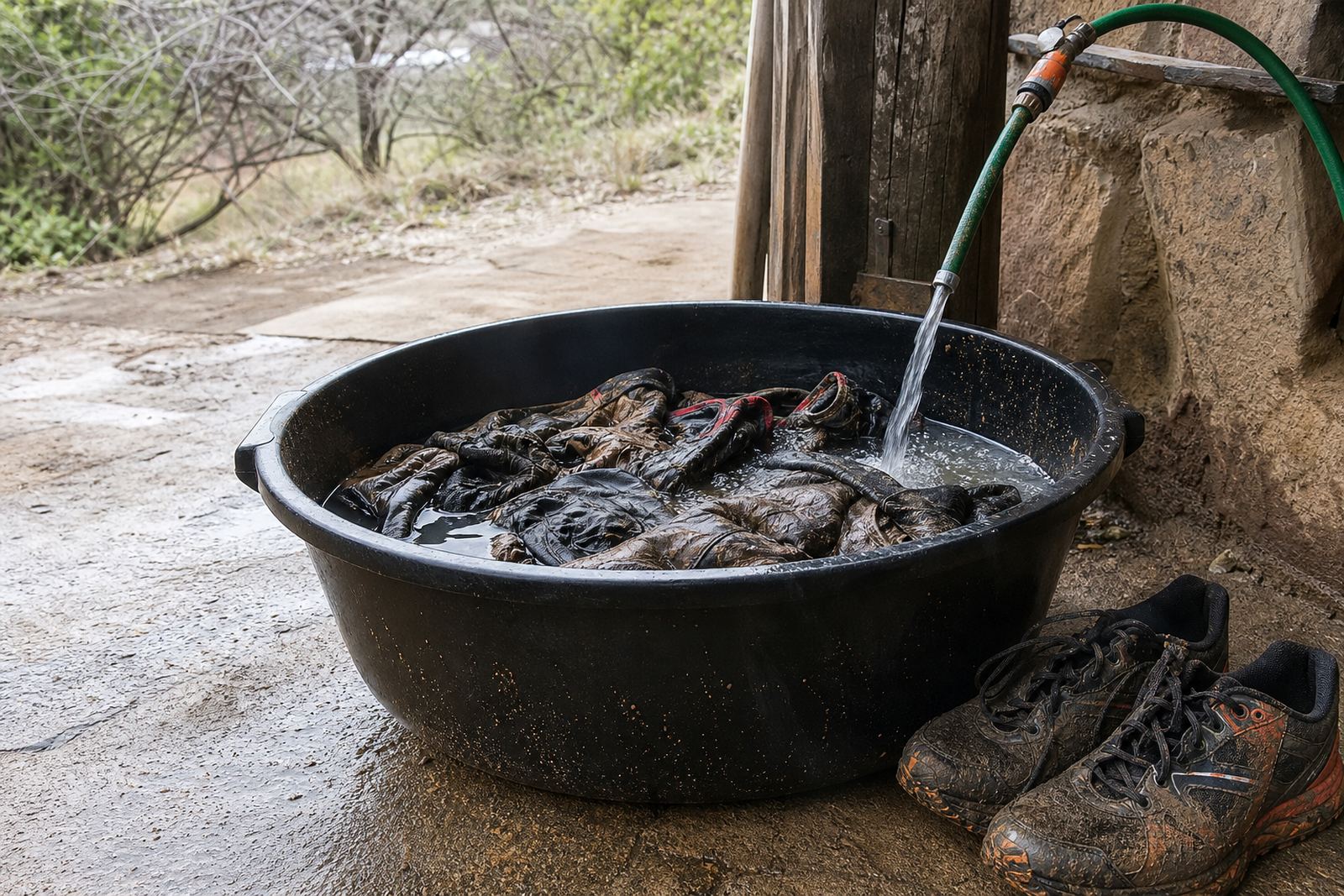
At a venue in the Magaliesberg, the ground can go from dusty to sticky fast after rain, and that mud clings to seams, straps and laces. Take a moment at the recovery area to rinse off the worst of it before heading home. It saves your vehicle from smelling like a riverbank for days, and it makes the rest of the clean-up far easier.
- Remove race bibs, timing straps and ankle tags before washing clothing.
- Wipe off thick mud with a towel or an old cloth first.
- Keep a spare bin bag or wet bag in the car for filthy kit.
- Do not leave damp gear balled up in a boot overnight.
What to do with shoes, gloves and kit that took a pounding
Trail shoes and gloves usually suffer the most, because mud works its way into every fold and opening. Start by knocking off dried clumps outside, then rinse with cool water. A soft brush helps on soles and uppers, but do not scrub so hard that you damage the fabric or loosen glue. If the shoe insole lifts out, remove it so both pieces dry properly.
Wet rope grips, hydration packs and compression socks need a different approach. Hang them where air can move around them, not in a closed cupboard. If you are in Pretoria or Rustenburg and the weather is humid, drying may take longer than expected, so give the kit space and time. Heavy heat can warp some materials, so avoid putting everything too close to a heater or in direct sun for too long.
- Shake out gravel, grass and sand from shoes before rinsing.
- Open zips, clips and bladder pockets so moisture can escape.
- Hand wash gloves and technical layers in mild soap if needed.
- Air dry helmets, hats and straps fully before storage.
Skin care after mud, sweat and repeated dunkings
Mud itself is not the problem, it is the mix of water, friction and sweat that can irritate skin. Once you are home, rinse off as soon as you can with lukewarm water. A gentle shower removes grit that can keep scratching the skin after the race is done. Pay extra attention to underarms, feet, neck lines and anywhere fabric has rubbed all morning.
Small cuts and grazes should be cleaned properly, then dried and covered if needed. If you notice swelling, a rash that spreads, or any wound that looks infected, get medical help. And before taking on a hard training block or a tougher event, check with a doctor if you are not sure whether your body is ready for that level of effort.
- Rinse off mud before it dries hard on the skin.
- Use a clean towel, not the same one you left in the race bag.
- Change into dry clothes as soon as possible.
- Watch for blisters on heels, toes and palms after a long course.
The local example: Hekpoort mud after a Magaliesberg downpour
Hekpoort gives a fair lesson in post-race recovery. When the weather turns, clay-rich mud can hold on to shoes and calf guards like glue, and the wind can dry the top layer while the inside stays damp. That is why a proper clean-up in the Magaliesberg should start before you leave the venue, not only when you get home in Johannesburg or Potchefstroom.
Teams travelling out from Cape Town or Durban often have a longer road back, so the recovery plan needs to cover the car trip too. Keep a towel, refuse bags and a water bottle in the vehicle. If you are sharing transport, separate clean clothes from wet kit so the smell and grit do not spread through the whole car. It sounds small, but it makes a long trip much better, and the rest of the day less miserable.
- Use a waterproof bag for muddy trainers and socks.
- Keep one dry shirt aside for the drive home.
- Carry paper towels for the car floor and door handles.
- Place a bin bag under wet bags to protect seats and mats.
Food, fluids and the quiet work of getting your legs back
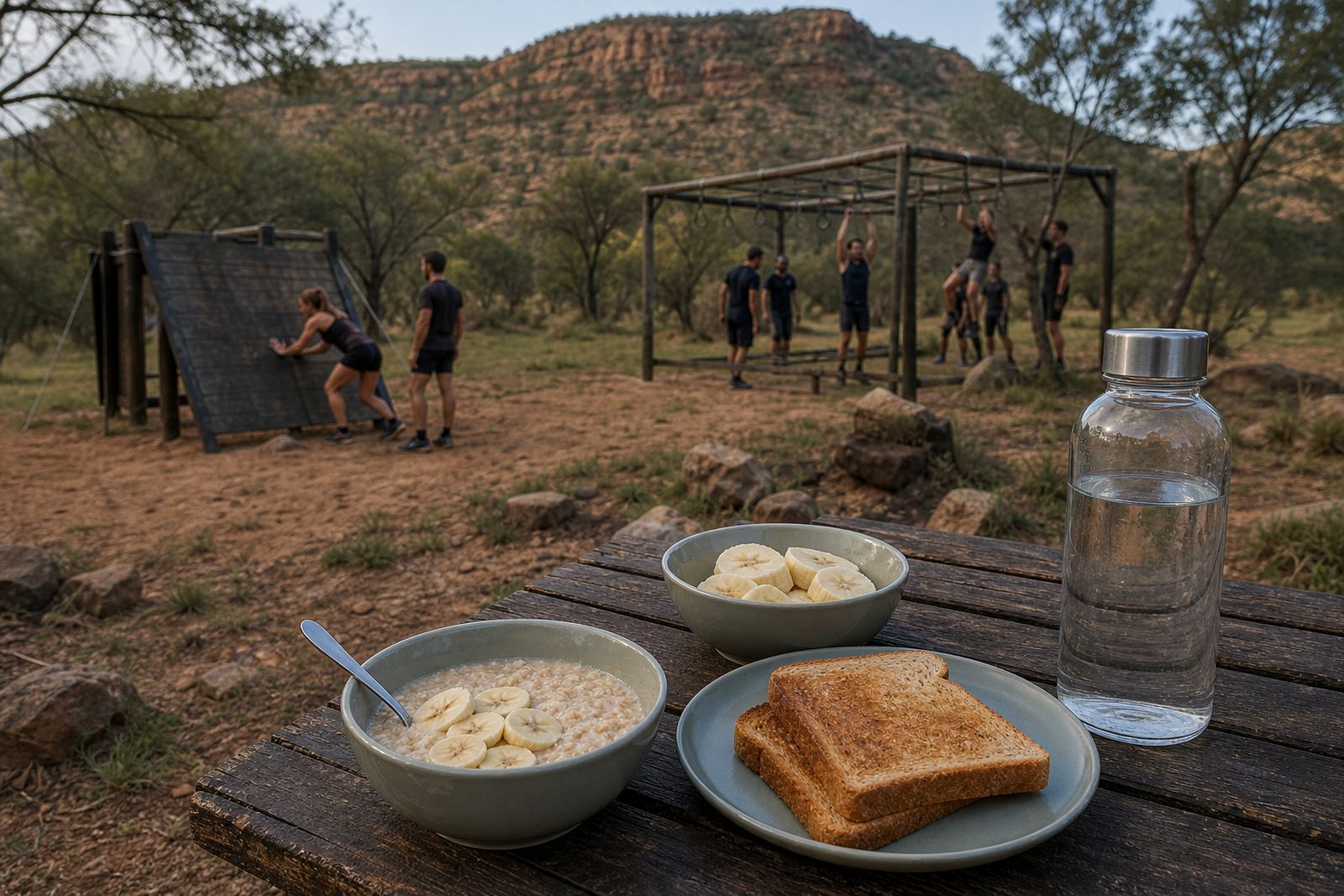
After a tough obstacle course, recovery is not only about washing mud off gear. Your body needs water, salt and decent food to settle down again. Start with fluids, then eat something with protein and carbohydrates once your stomach feels ready. A packet of chips and a cool drink may be easy to grab, but a proper meal later on does more for recovery than a rushed snack.
Legs that have climbed walls, hauled weights and crawled under obstacles may feel tight for a day or two. Gentle walking, light stretching and an early night help more than trying to force another hard session too soon. If the race has left you unusually sore, dizzy or cramping badly, slow down and pay attention to it. The body usually gives fair warning if you listen.
- Drink water steadily instead of waiting until you feel parched.
- Choose a meal with enough salt after heavy sweating.
- Loosen tight calves and hips with light movement.
- Sleep properly before you decide on the next training session.
How teams can pack for a cleaner exit next time
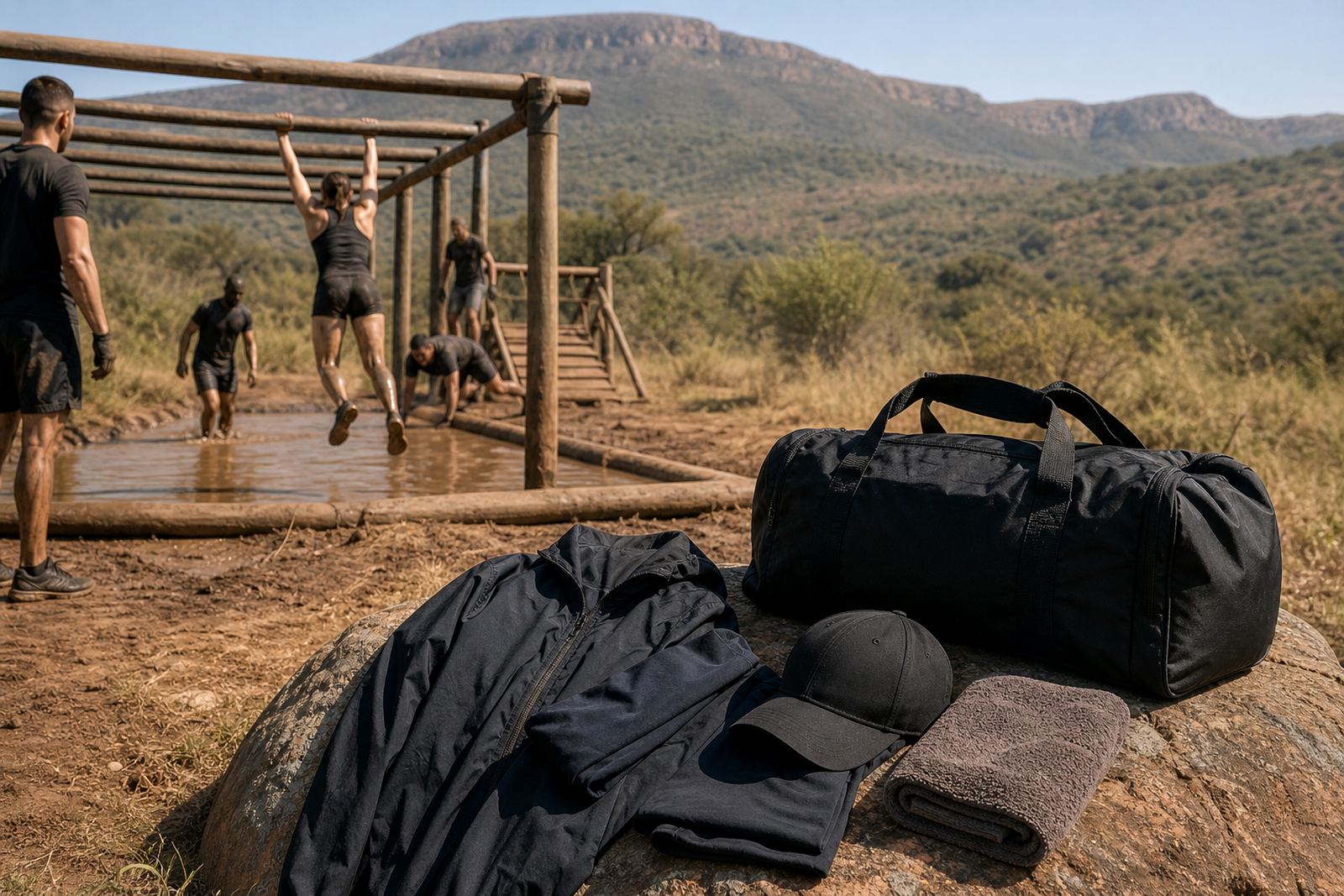
Good recovery starts before the start horn. Corporate teams, travel groups and first-timers all benefit from a small post-race kit packed in advance. That way the mess stays contained, and no one is hunting for a clean shirt or a towel while standing in wet socks. For groups arriving through Hekpoort, Magaliesburg or Hartbeespoort, it also helps the captain keep people organised when the event is done.
A sensible kit should cover the drive home, the wash at home and the next day at work. It does not need to be fancy, just well thought out. At Punisher events, that kind of preparation also makes waiver coordination, safety briefings and recovery area guidance run more smoothly for everyone in the group.
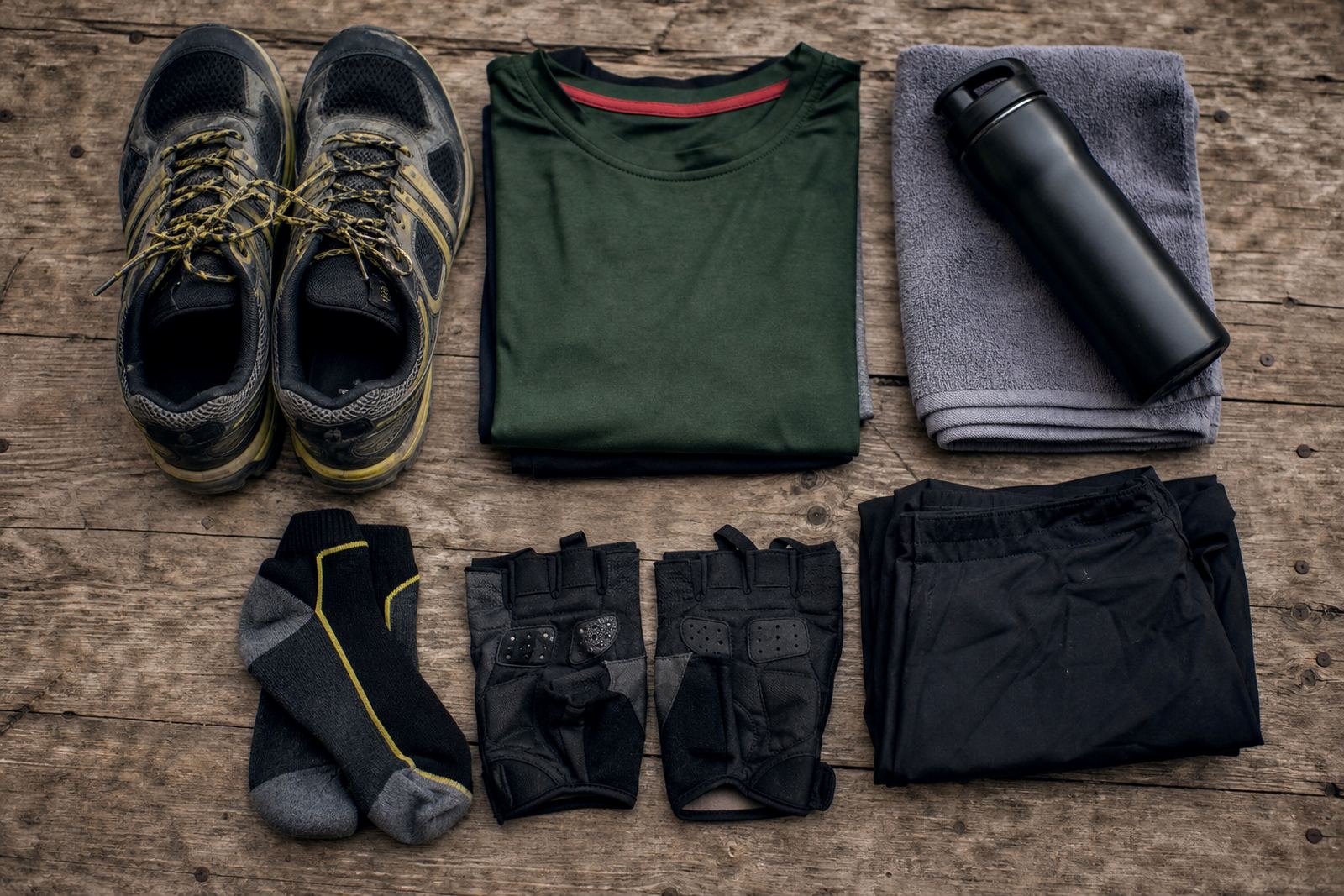
- Two towels: one for the body, one for gear.
- Dry shirt, shorts and underwear in a sealed bag.
- Spare socks and slide-on footwear for after the race.
- Refuse bag, water bottle and a small snack.