
Going out too hard before the first obstacle
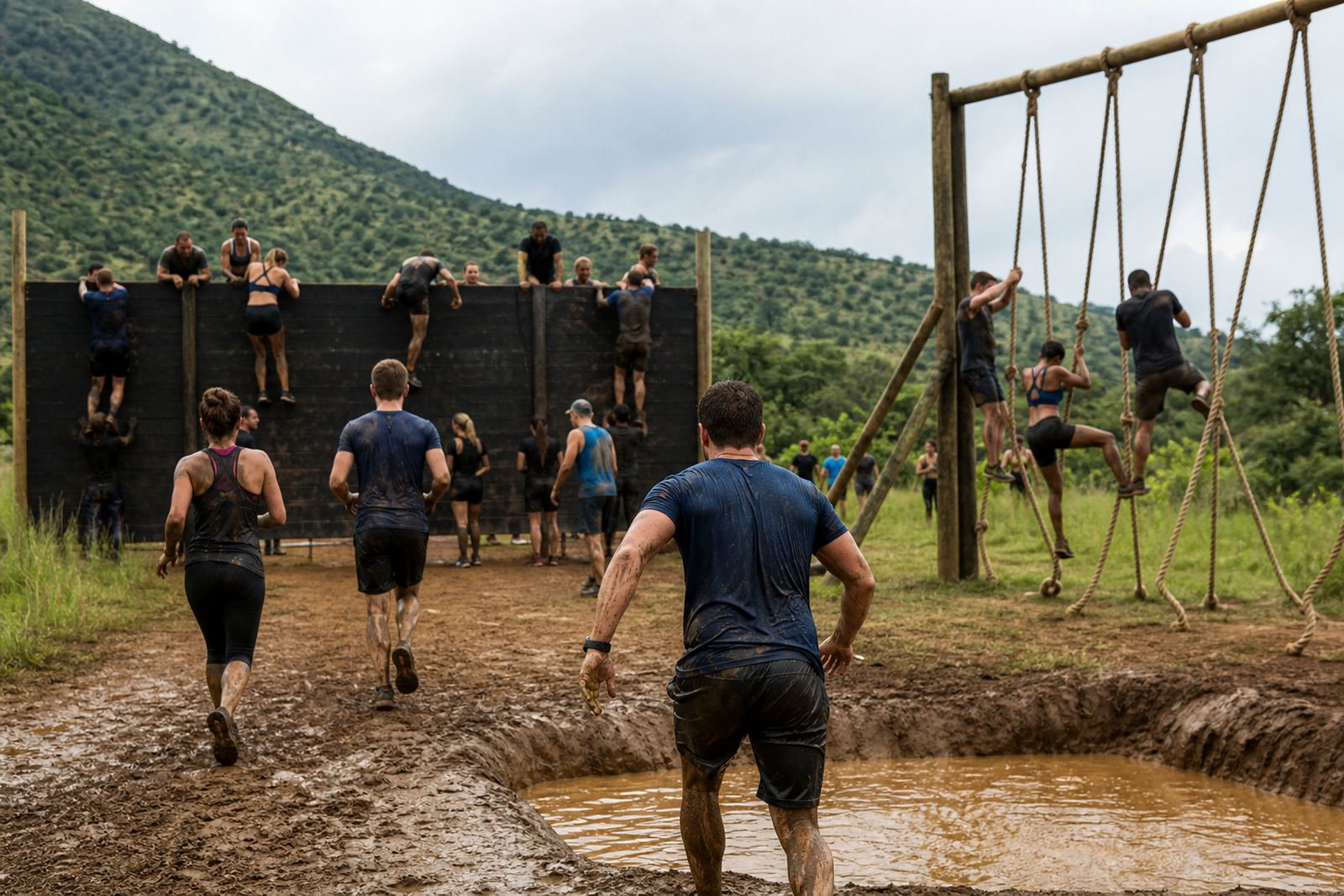
New participants often treat the opening kilometre like a flat road run. That usually backfires on the hills around Hekpoort or the loose ground near Magaliesberg, because the body is already under strain before the carries, walls and water sections start. A better plan is to settle into a pace you can hold, then save enough breath for the obstacles that need grip, balance and a clear head.
If you are training for a race, practise short runs followed by bodyweight work, then repeat. That teaches your legs to recover while moving, which is what obstacle racing asks for. Check with a doctor before hard exercise if you have any medical condition, chest pain, dizziness or a long break from training.
Treating strength training like an afterthought
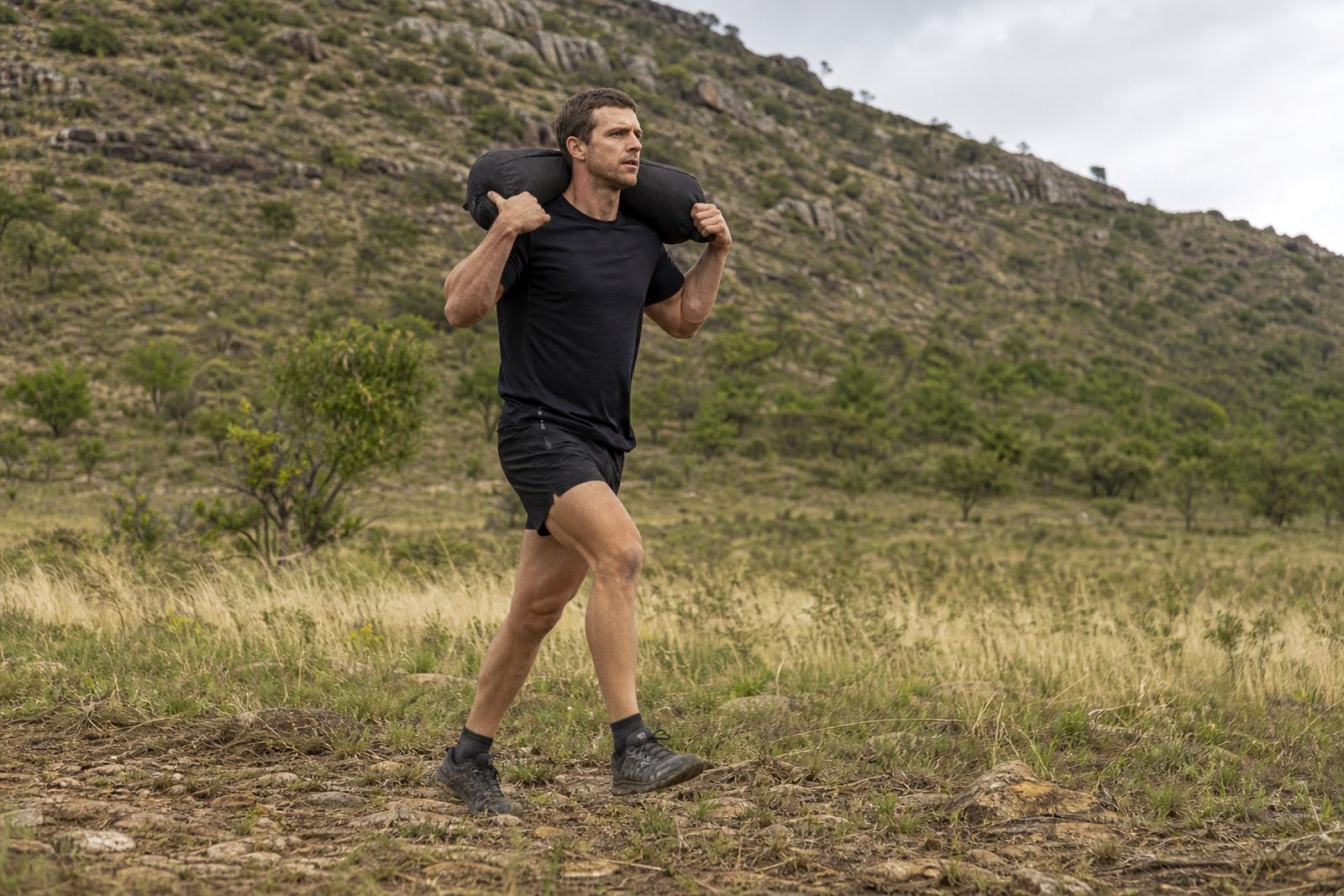
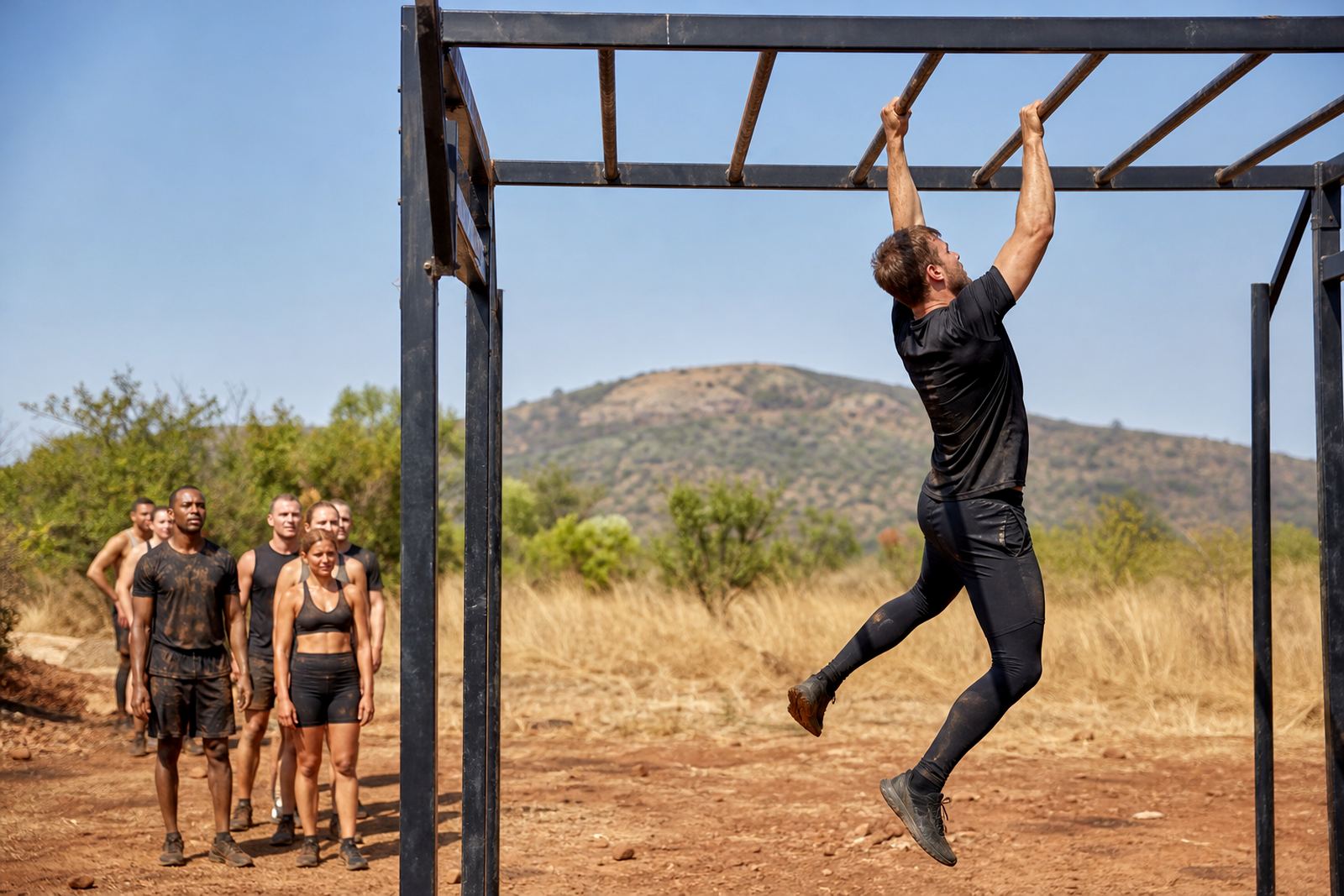
Many beginners only run and then wonder why a rope climb, sandbag carry or wall pull feels impossible. Obstacle courses reward more than cardio. You need pulling strength, carrying strength, core control and a bit of grip endurance too. Even simple work like dead hangs, lunges, push ups and farmer carries can make a large difference over a few weeks.
- Train your grip twice a week with hangs, towel holds or bucket carries.
- Practise getting up and down from the ground without rushing.
- Build leg stamina with hill walking, step ups and loaded carries.
- Keep one session for mobility so your shoulders and hips do not tighten up.
People often chase long runs and skip the other parts, but then struggle on the course. That is a classic beginner error, and it is avoidable with a balanced plan.
Arriving with the wrong kit in the bag
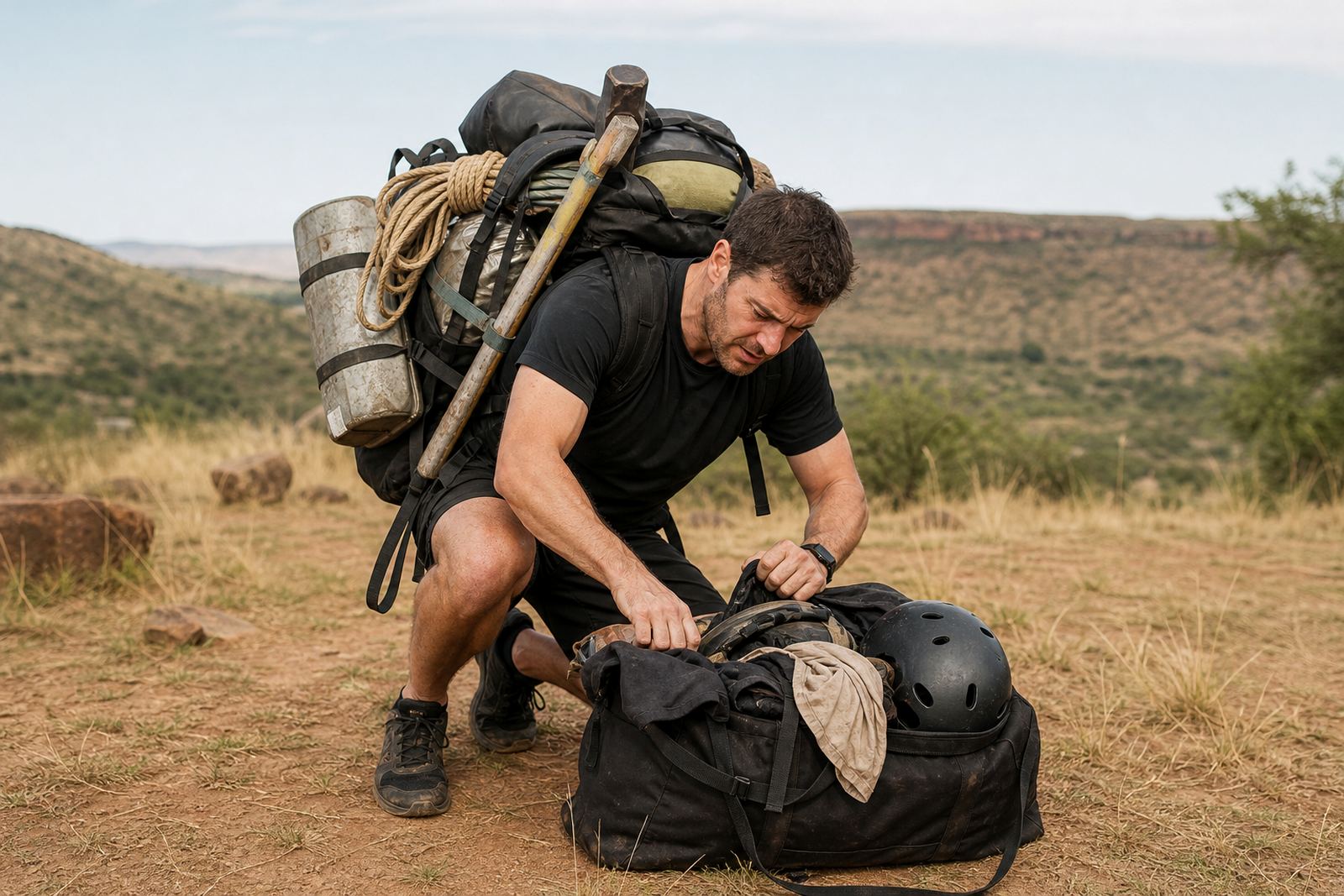
Race day is not the place to test new shoes or a fresh pack. Beginners sometimes arrive in heavy trainers, cotton socks or clothing that holds water and sand. In the North West heat, that can turn a manageable race into a miserable one, and in wetter sections the extra weight stays with you. Choose footwear with decent grip and a fit that stays secure when muddy.
Bring the basics that help you stay organised and comfortable:
- Water bottle or hydration pack, depending on the distance and your personal needs
- Dry clothes and a towel for after the event
- Light snacks for recovery once you finish
- Sun protection for open sections and waiting areas
- Any paperwork requested for registration or waiver steps
Leave valuables at home if you can, and pack everything the night before so you are not rushing from Pretoria or Johannesburg with half the load still on the kitchen table.
Skipping the safety briefing because it feels obvious
A safety briefing is not filler. It explains how the course is set up, where marshals are posted, what to do if you slip, and how to move through a station without causing a pile-up. Beginners sometimes nod through it and then miss a detail that matters, such as how a rope section is entered or where to wait for your turn. At our Hekpoort and Magaliesburg venues, that guidance matters because terrain changes fast and the footing can shift from hard ground to dust or mud in a few steps.
Listen for group instructions, heat allocation notes and any rules about spacing. If you are part of a team, make sure one person understands the captain communication plan and shares it clearly. A calm briefing helps the whole group move better, and it prevents avoidable mistakes before the first obstacle is even reached.
Signing forms in a hurry and not asking about the waiver
Another common beginner mistake is treating the waiver like paperwork to rush through. Read it properly. It explains risk, personal responsibility and the event rules that keep everyone moving safely. If something is unclear, ask before the start, not after you have already clipped through a section or entered a heat.
It also helps to sort your registration details early, especially if you are part of a company team or a mixed group travelling in from Rustenburg, Potchefstroom or the Pretoria side. A bit of admin discipline saves time at onsite team check-in and makes it easier for organisers to help with custom team briefing, recovery area guidance and supporter planning.
- Confirm your name is correct on the entry list.
- Check who is in your heat or team group.
- Make sure the captain knows the meeting point.
- Ask what time you need to be at the venue.
Expecting race day to replace training
Some first-timers think adrenaline will do the work for them. It wont. Race day shows what your training prepared, not what you hoped for. If you have not practised carrying, climbing or moving on tired legs, the course will expose that quickly. A better approach is to do a few weeks of steady preparation, then use the event day to test what you have built.
For local participants, a good example is a group from Johannesburg travelling out to the Magaliesberg for their first challenge. The ones who arrive early, walk the venue, listen carefully and warm up as a team usually settle in faster than those who rush straight to the start line. That difference is not luck, it is preparation.
If you are bringing a corporate group, use the training content, team registration help and participant support tools properly. That way the team arrives knowing the basics, rather than learning them under pressure.
Waiting until the finish to think about recovery
Beginners often focus only on getting through the course and forget what happens afterwards. Recovery starts before you line up. Eat properly the day before, drink enough water, and avoid turning up underfed. After the race, move slowly for a few minutes, change out of wet kit and get something light to eat once your body settles.
Do not ignore small warning signs. If a cramp, strain or dizzy spell does not pass, speak to a marshal or safety officer straight away. The point of the day is challenge, not heroics. A sensible finish leaves you able to train again, travel home safely and enjoy the next outing in better shape.