

What a race day looks like when the ground changes under you
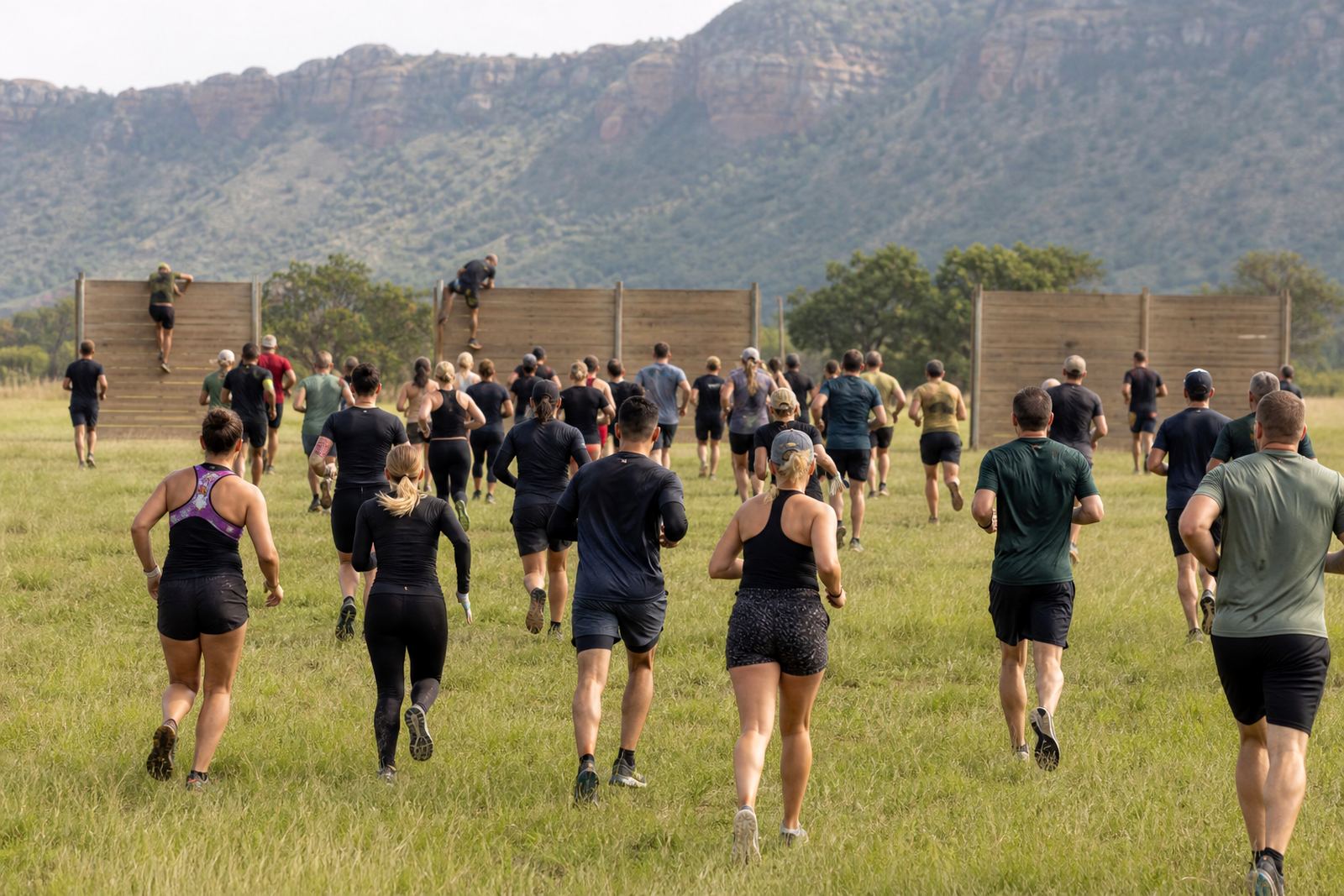
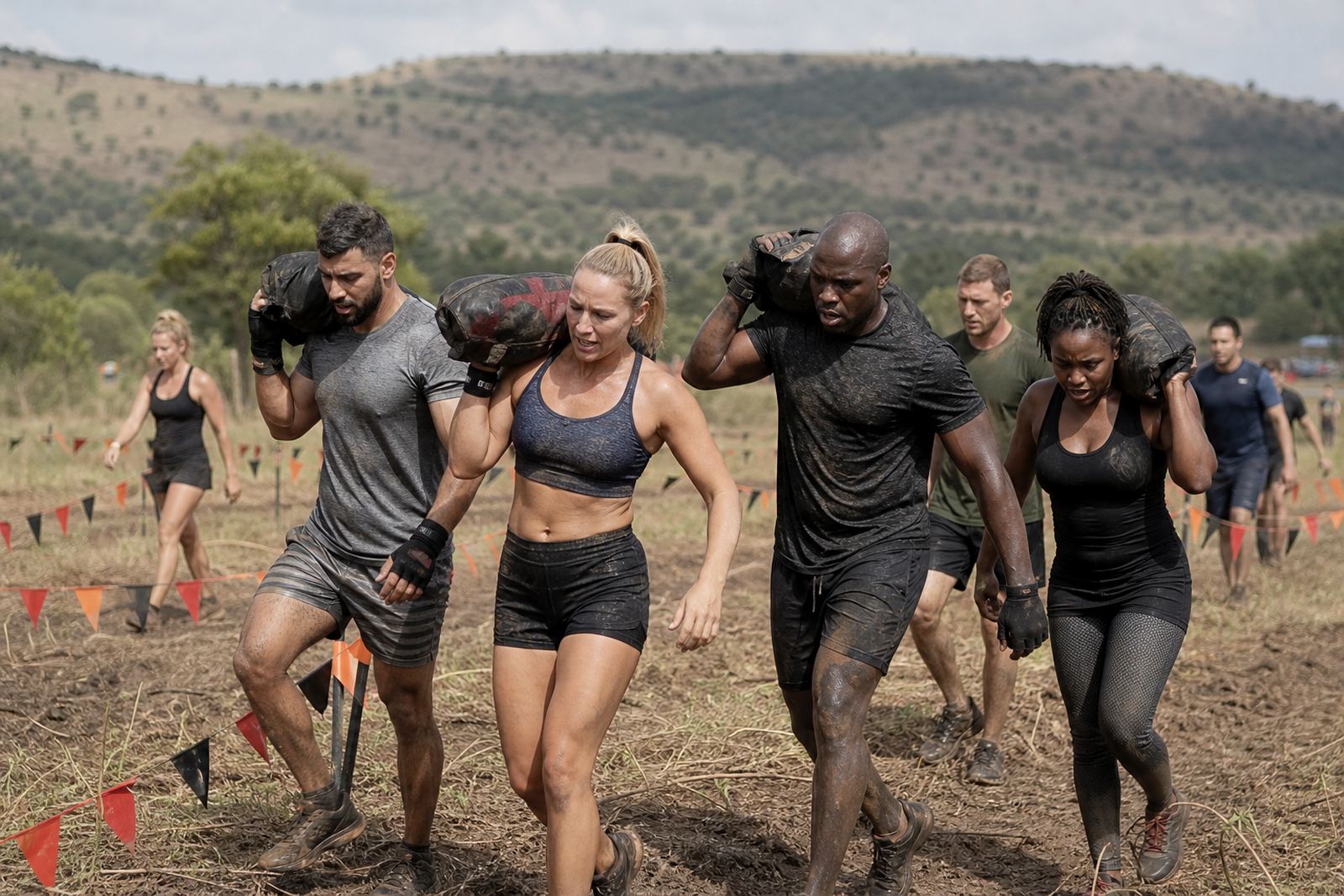
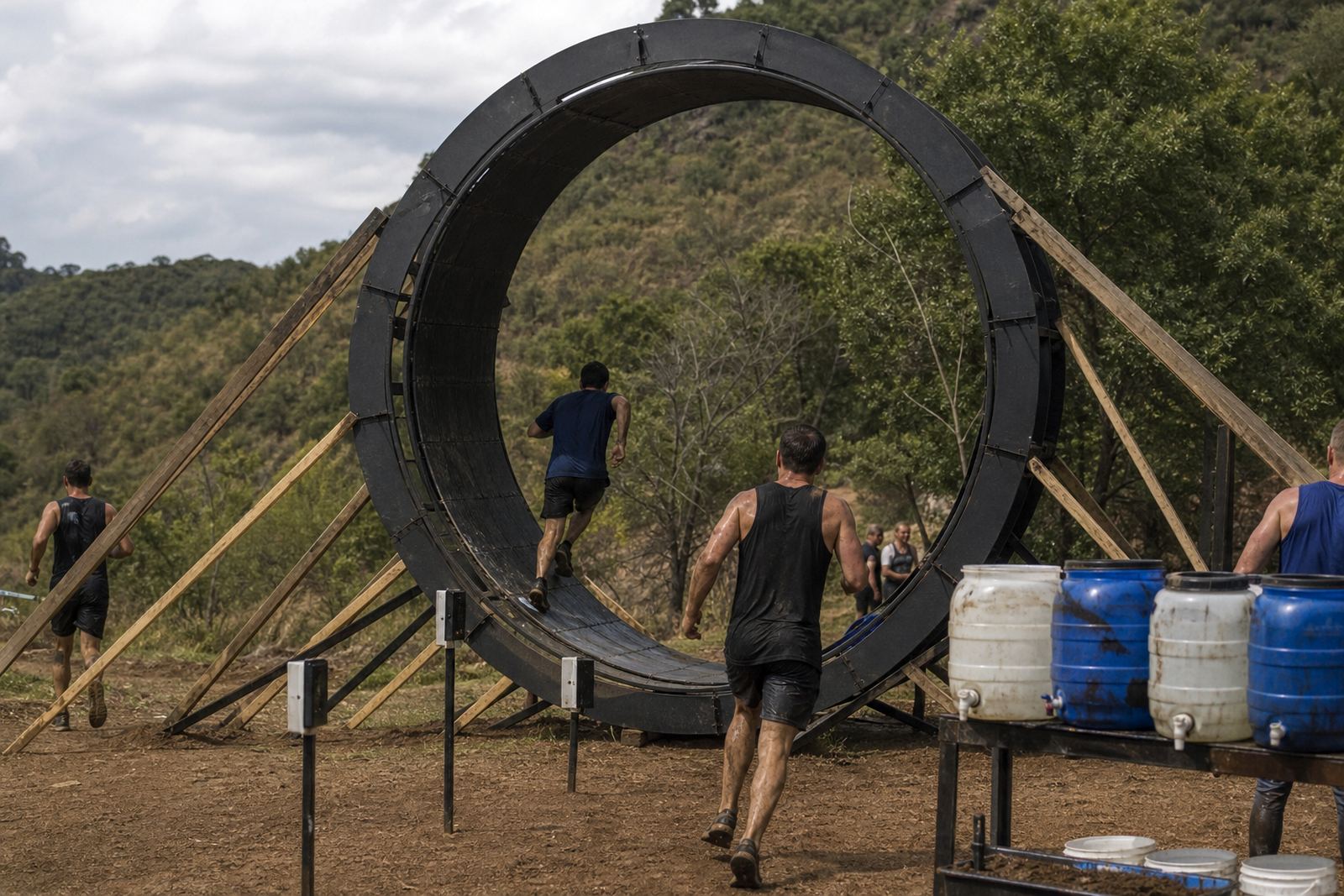
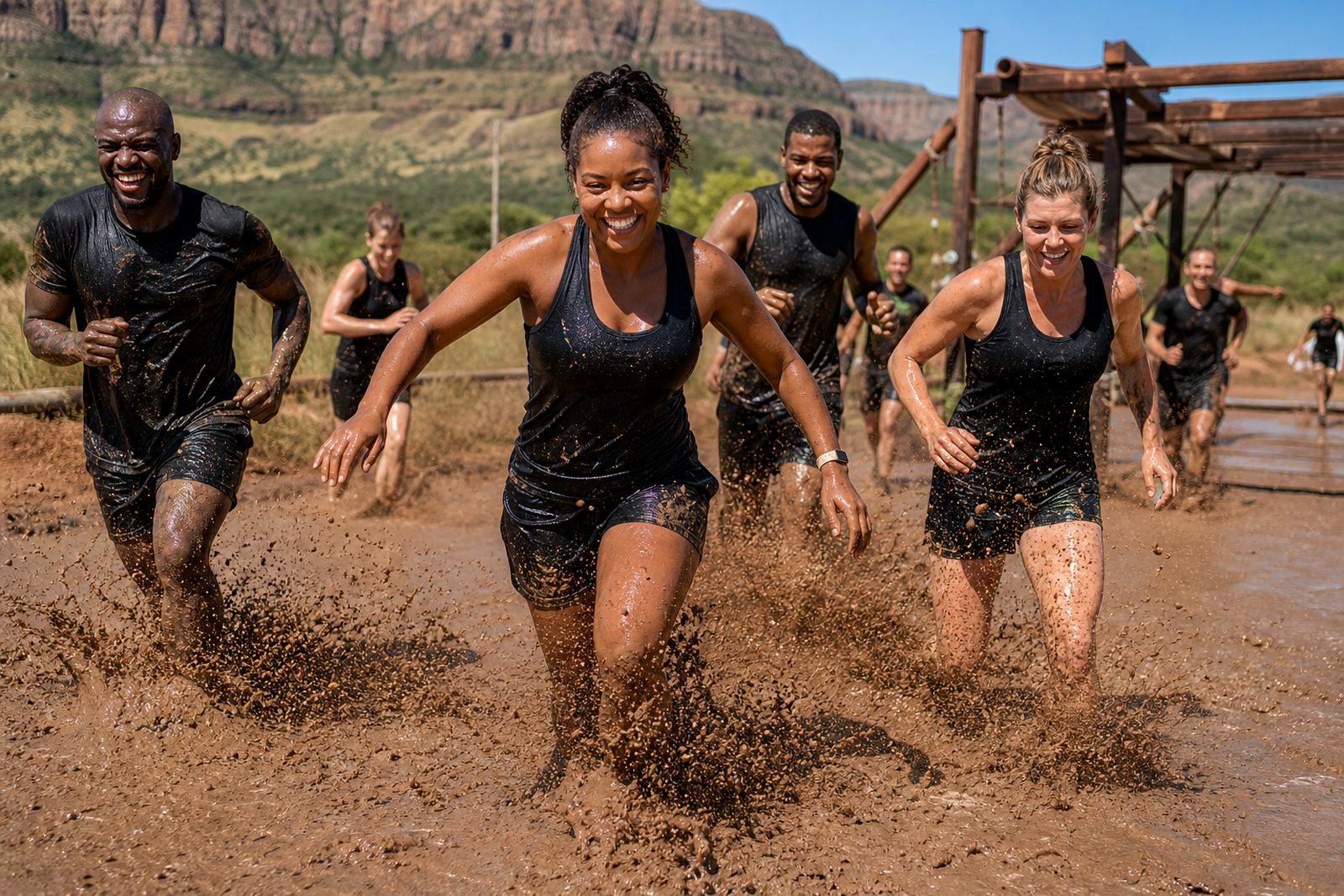
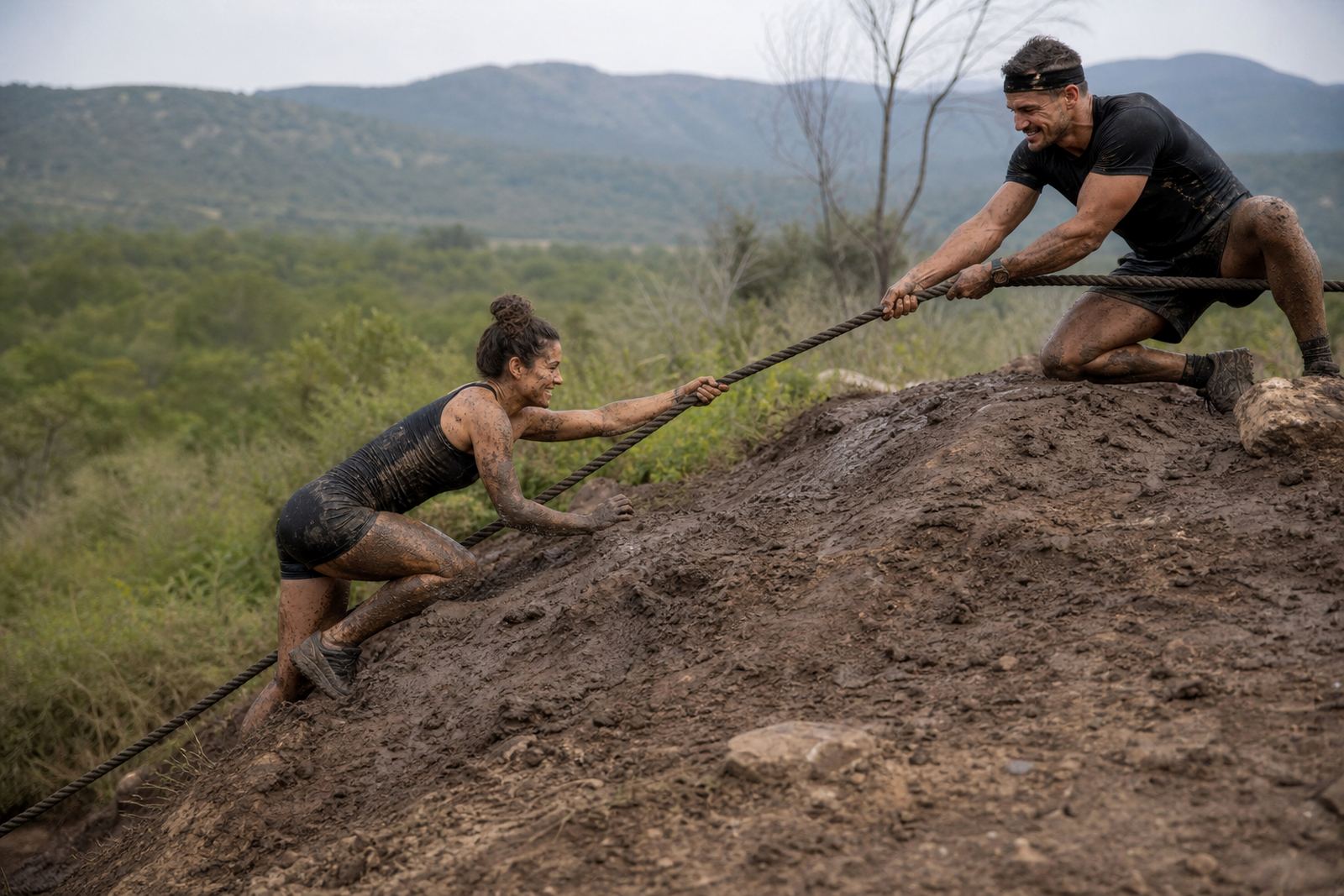
Magaliesberg terrain can mean hard packed tracks, rocky patches, dry slopes and river crossings after rain, so no two event days feel the same. That is why we plan each course with the local ground in mind, then brief participants on footing, spacing and how to move safely between obstacles.
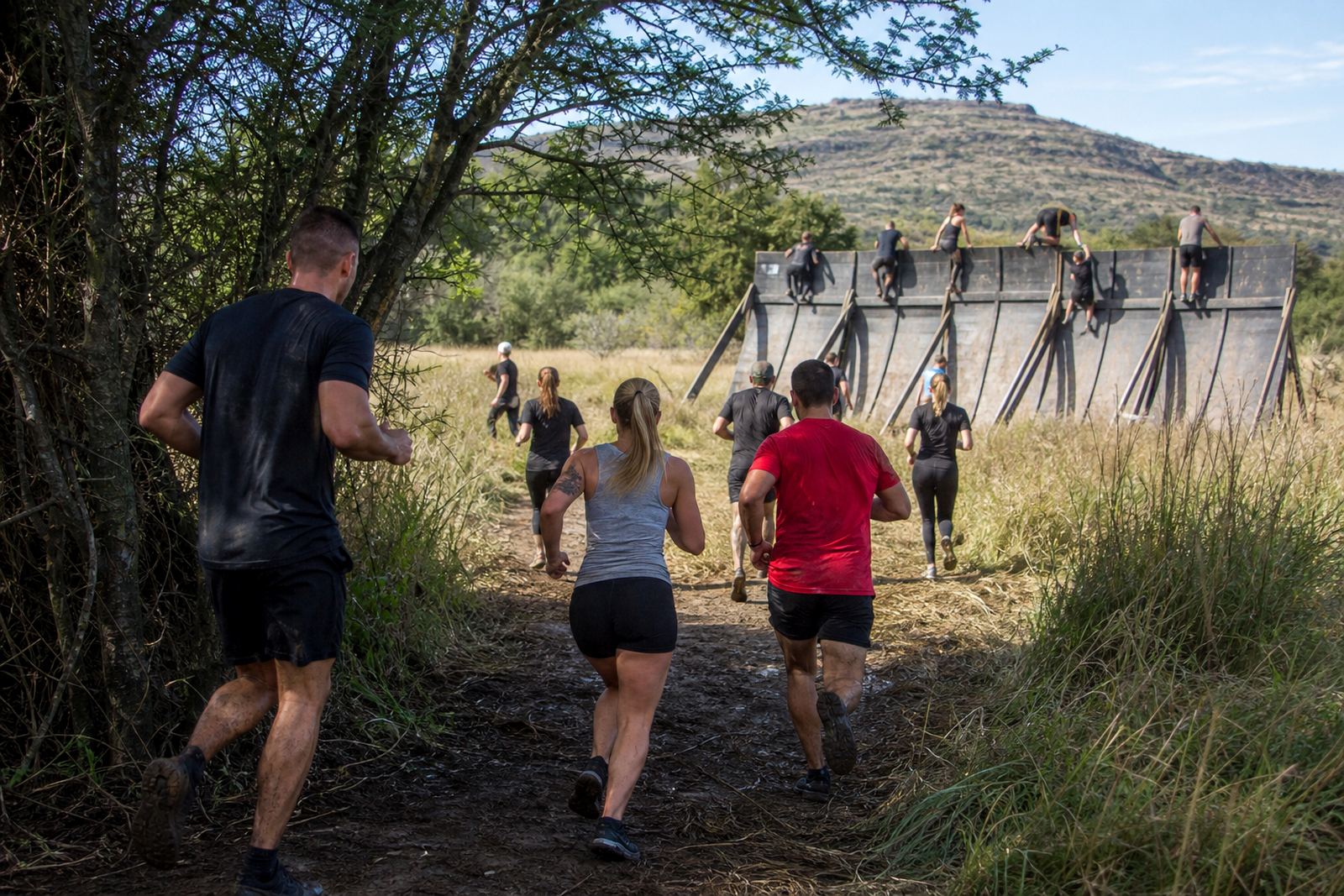
In some settings the pace is fast and open, with long running sections and simple sight lines. In others, the route calls for tighter control, more marshals and clearer recovery points. The result is a race day that feels active without becoming chaotic, even when groups arrive from different provinces and fitness levels.
- Course flow matched to the terrain
- Clear start, obstacle and finish zone movement
- Support for mixed fitness groups and team entries
How group entries move through the day
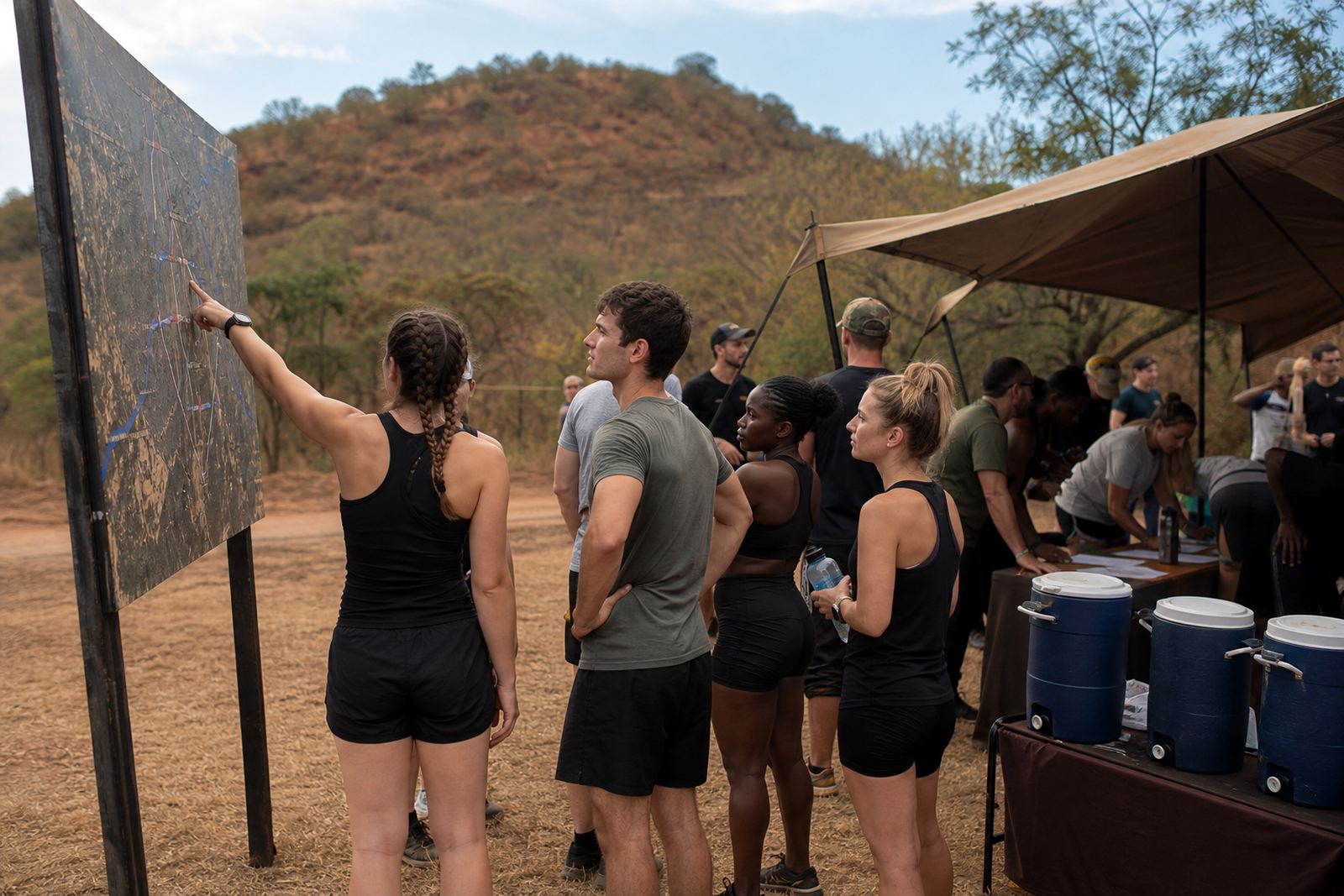
Team arrivals often shape the whole atmosphere at the venue. Corporate crews, friend groups and club runners usually need different levels of guidance, from captain communication to load-in timing and check in support. We keep those moving parts organised so the team can focus on the course rather than on paperwork at the gate.
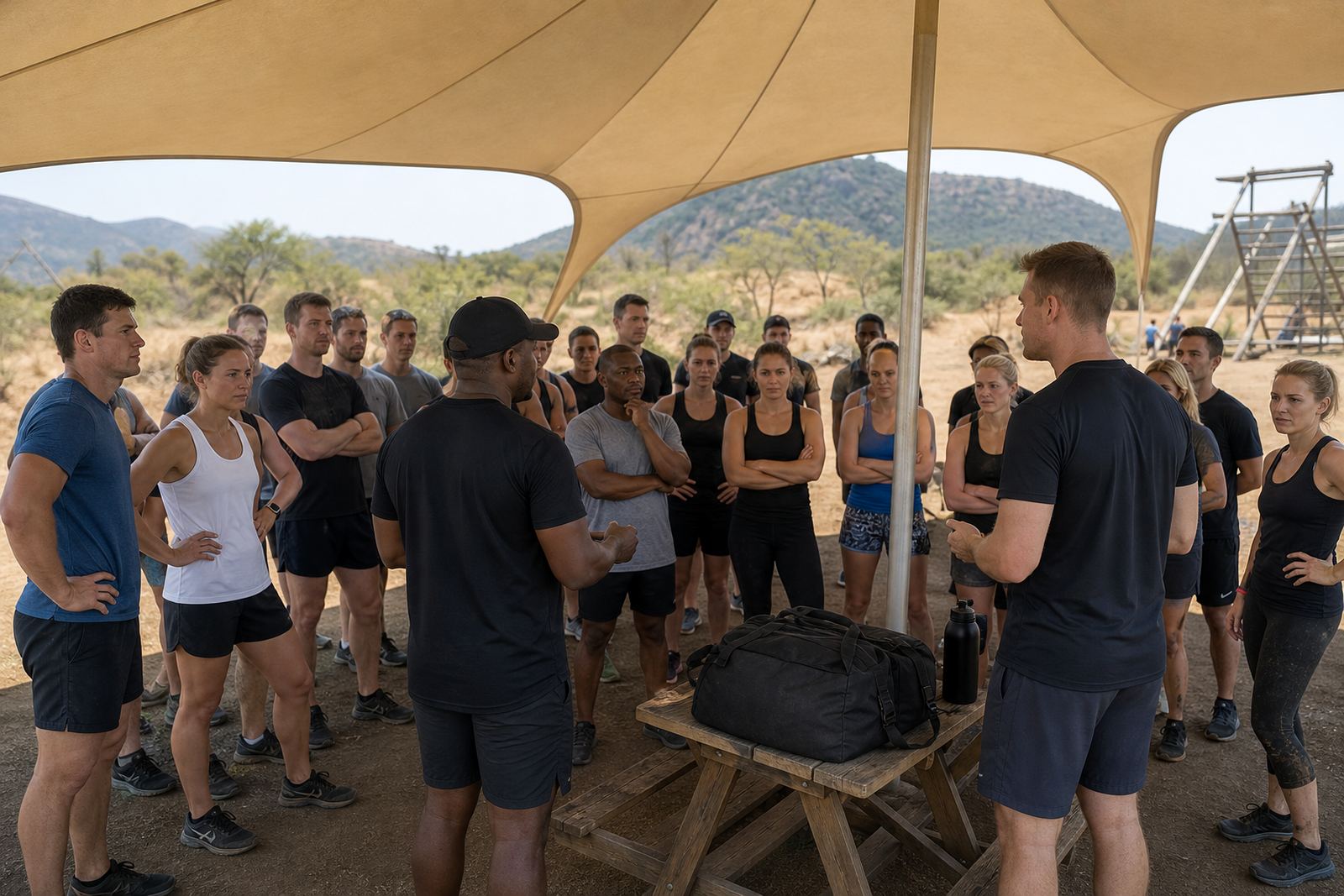
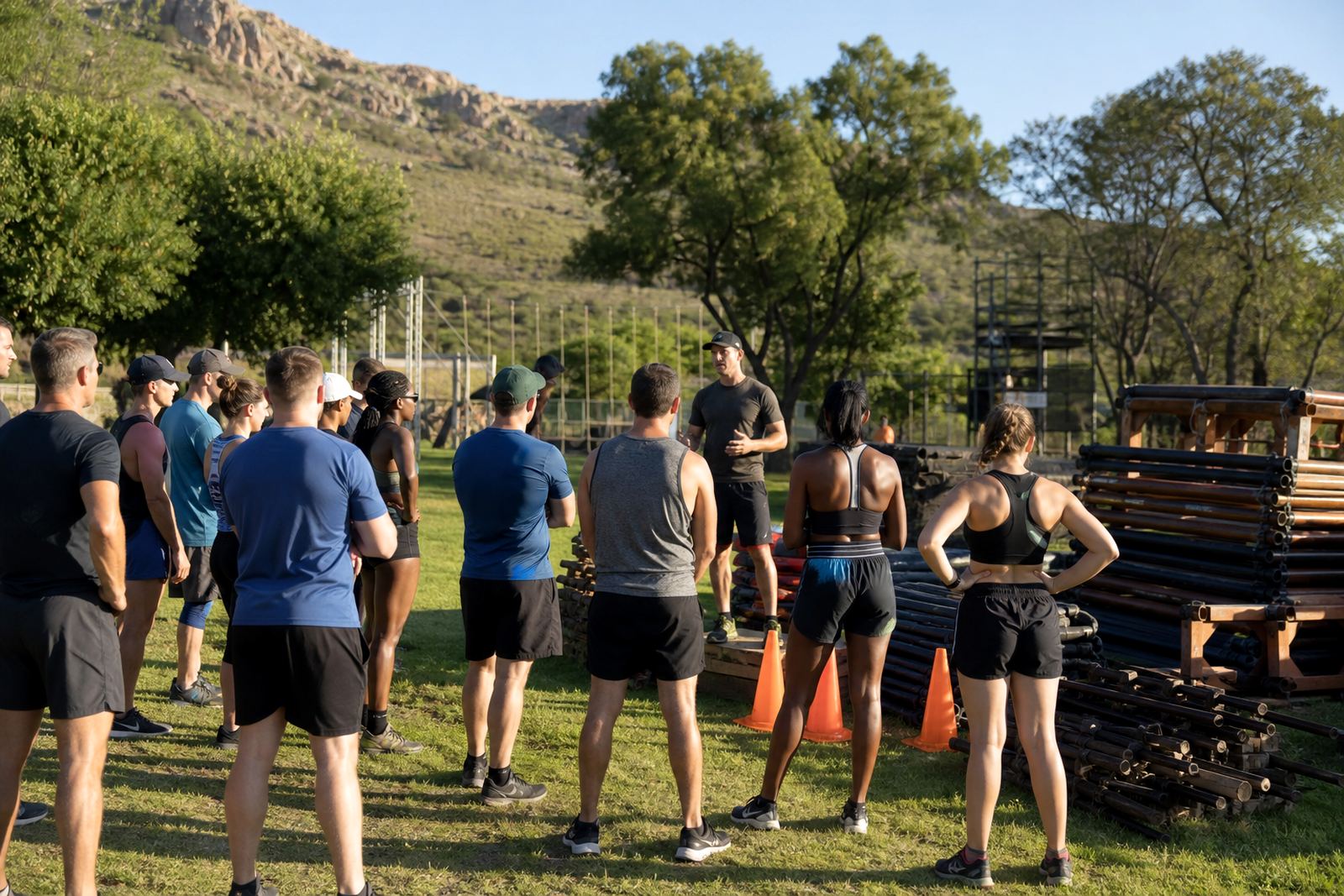
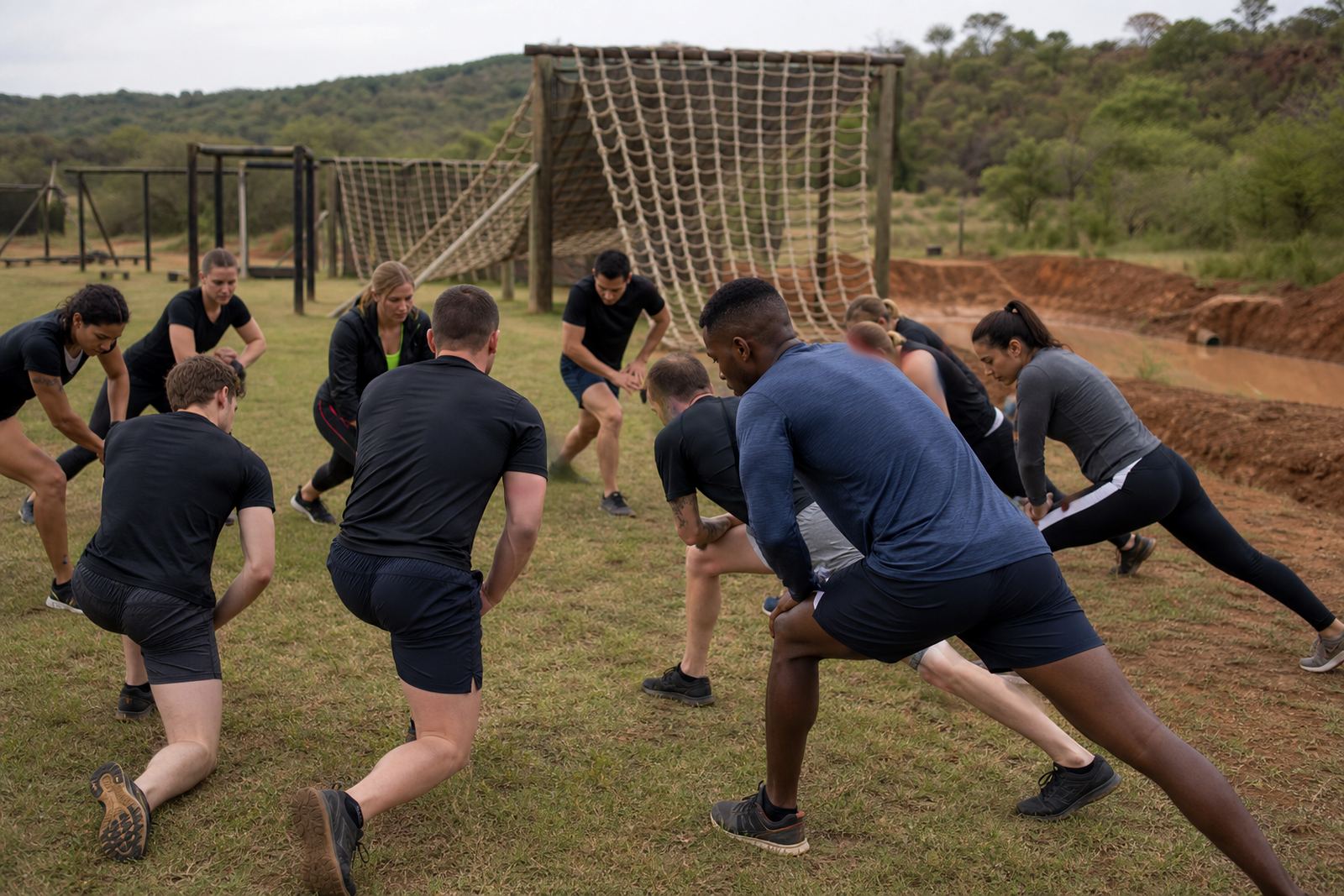
For larger groups, the day often starts with a custom team briefing, a warmup session and a reminder on waiver sign-off. The support flow then carries through to the finish, where recovery area guidance, supporter planning and team photo moments help close out the event in a calm way.
- Team registration help and captain communication
- Onsite check in and waiver coordination
- Group warmup session and recovery area guidance
Why safety briefings matter before the first obstacle
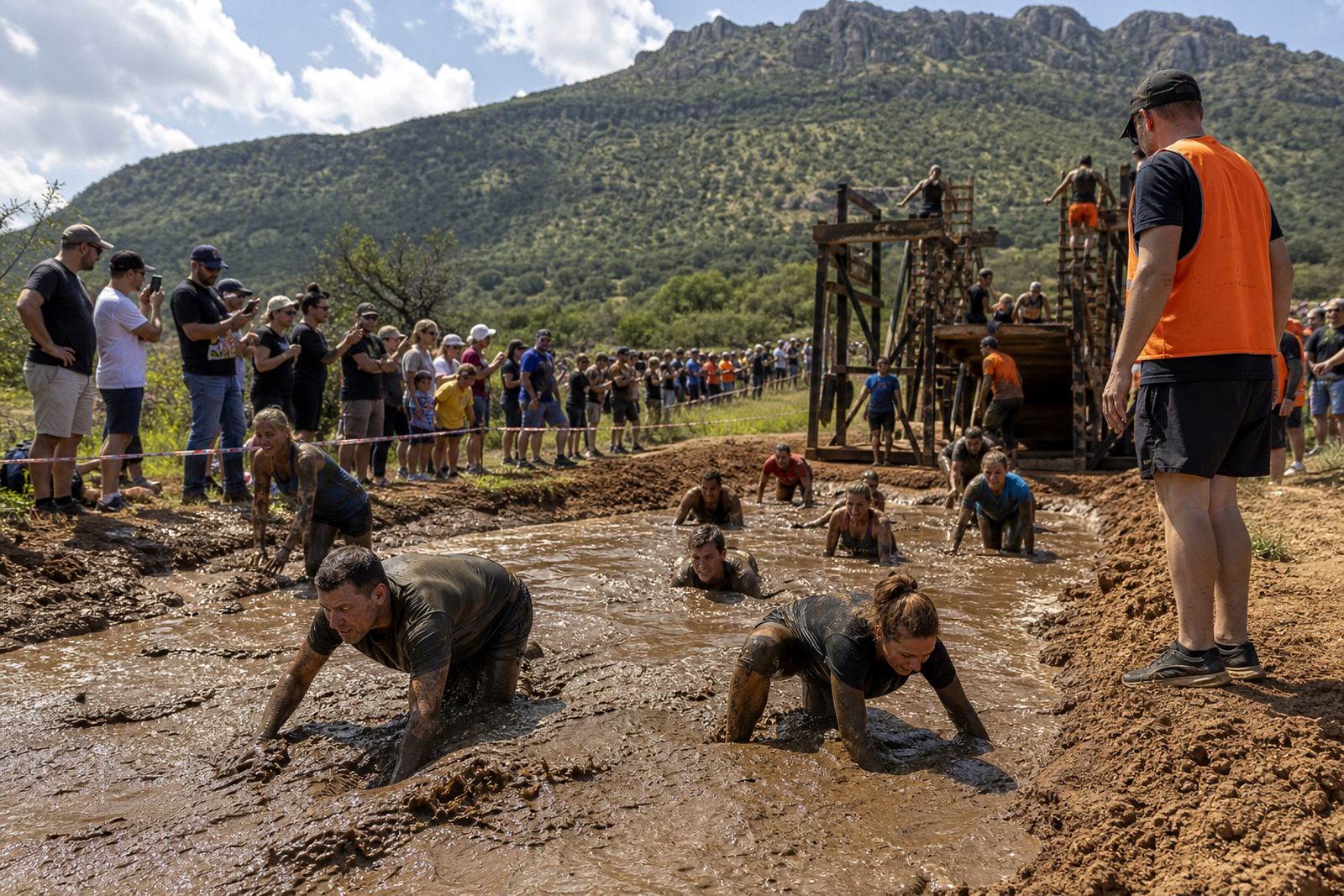
Before any hard effort, a proper safety briefing helps everyone understand the route, the obstacle rules and the signals used by the event crew. That includes where to slow down, how to pass other runners and what to do if a participant needs a pause. It also sets expectations for wet ground, sun exposure and uneven surfaces.
Participants should check with a doctor before hard exercise, especially if they have not trained recently or are managing an ongoing condition. We do not give personal medical advice, but we do make sure the briefing is clear, practical and focused on safe participation for the day.
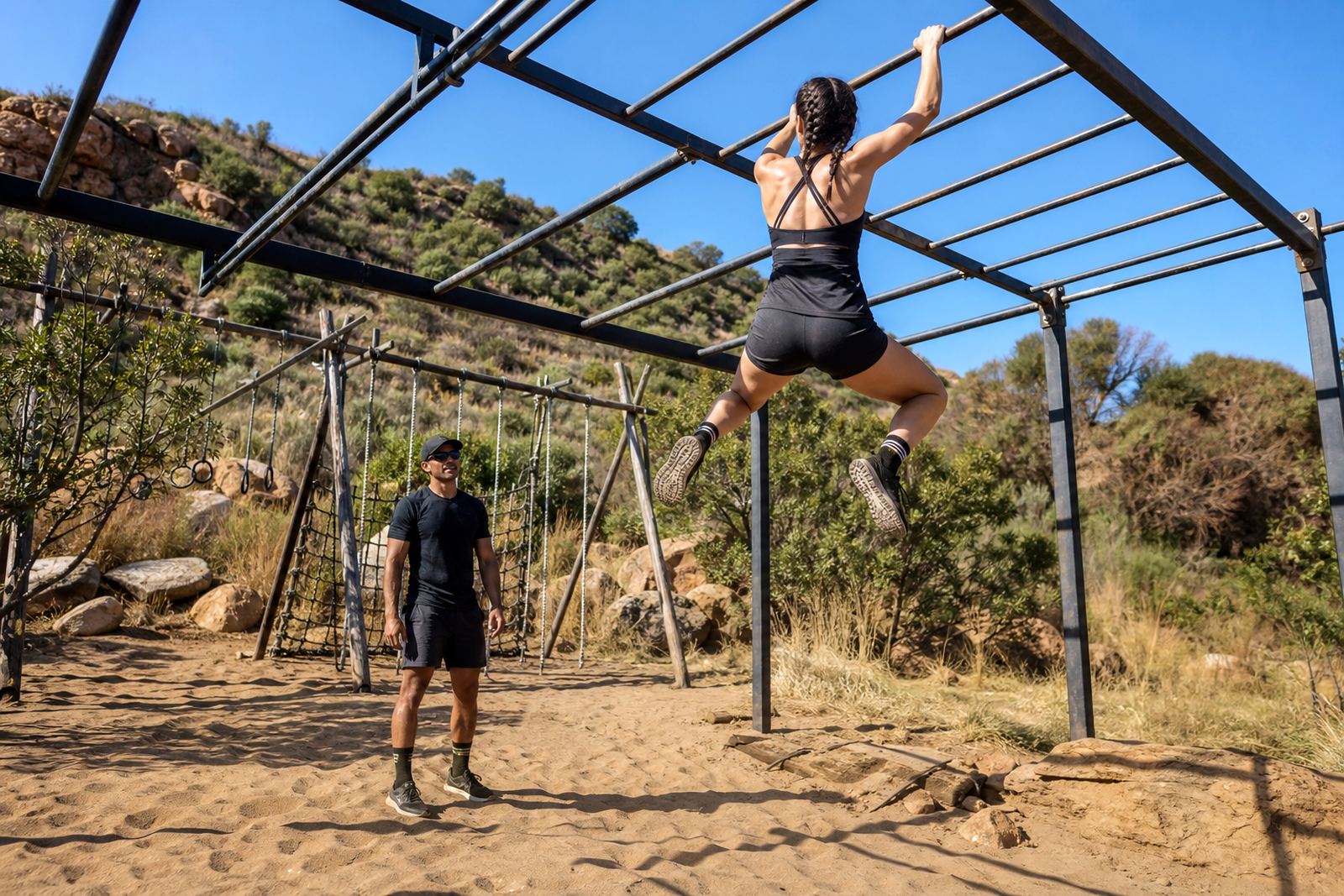
- Route and obstacle instructions
- Spacing, passing and marshal signals
- Reminder to check with a doctor before hard exercise
What people usually bring to race day
Race day works better when you arrive with the right basics. In hot inland weather, that means water, sun protection and clothing you do not mind getting dirty. In cooler or wetter conditions, a light layer and a towel can help after the finish. A small bag with dry clothes is also worth keeping in the car for the trip home.
Most participants bring shoes with grip, a refillable water bottle, a towel, a change of clothes and any personal items needed for the day. If a team is entering together, it helps to label bags clearly and keep a spare set of socks nearby. Small details matter when there is dust, mud or sweat to deal with.
- Grip shoes and spare socks
- Water, sun protection and dry clothes
- Small labelled bag for personal items
Town by town, the day feels different
Hekpoort, Magaliesburg and Hartbeespoort can all bring their own kind of race day feel, even when the event format stays similar. Visitors from Krugersdorp, Pretoria, Johannesburg, Rustenburg and Potchefstroom may arrive with different travel times and group sizes, so planning has to reflect that. Long drives, early starts and family supporters all affect the flow around the venue.
That is also why branch and area support matters. A traveller heading in from Pretoria may need a different arrival window to a local Hekpoort team, while a corporate group from Johannesburg might need more help with team check in and captain communication. The challenge is to keep the event moving without rushing people.
- Local arrival planning for different travel times
- Support for visitors, teams and supporters
- Venue flow adjusted for the day’s mix of participants
The kind of finish line people remember
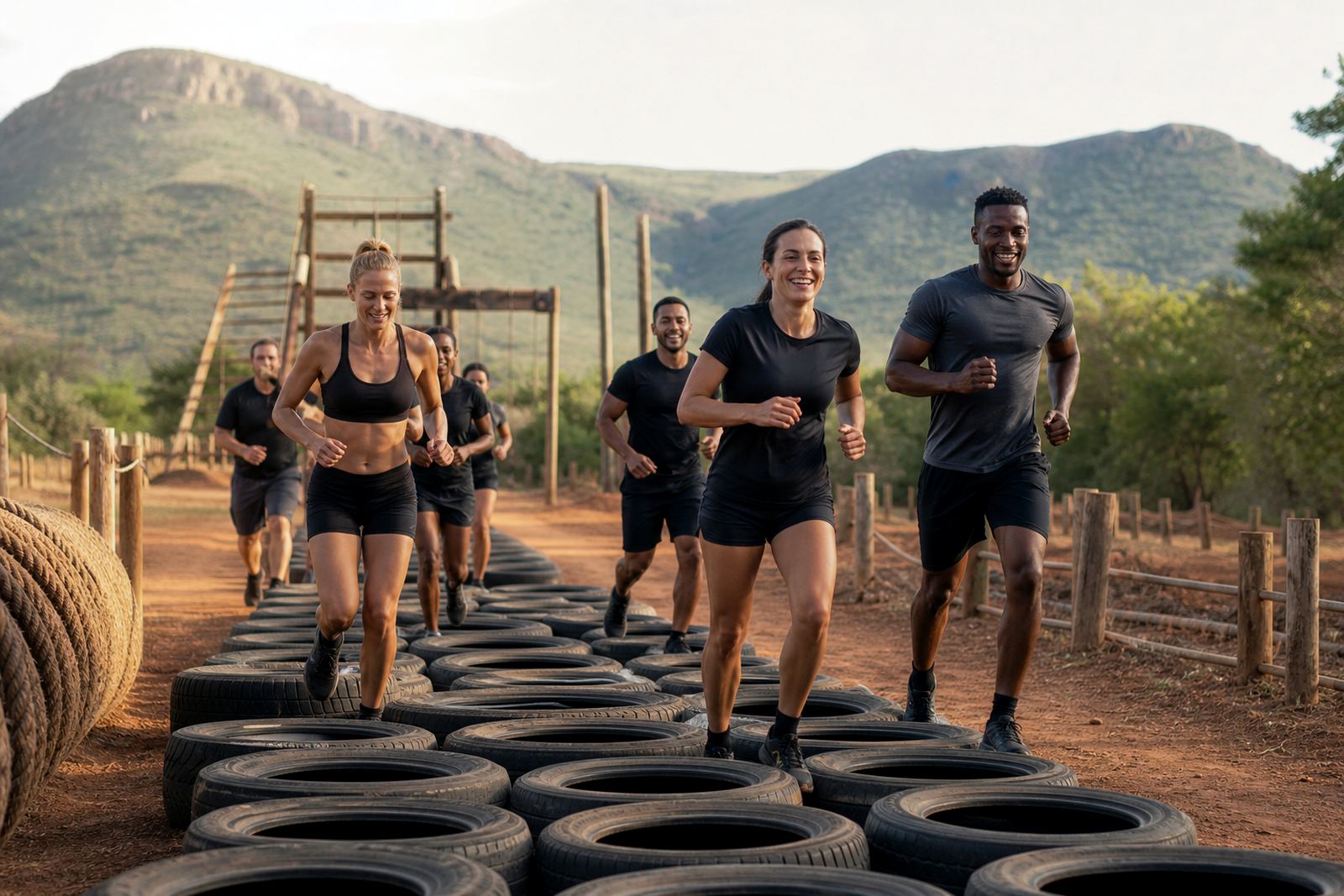
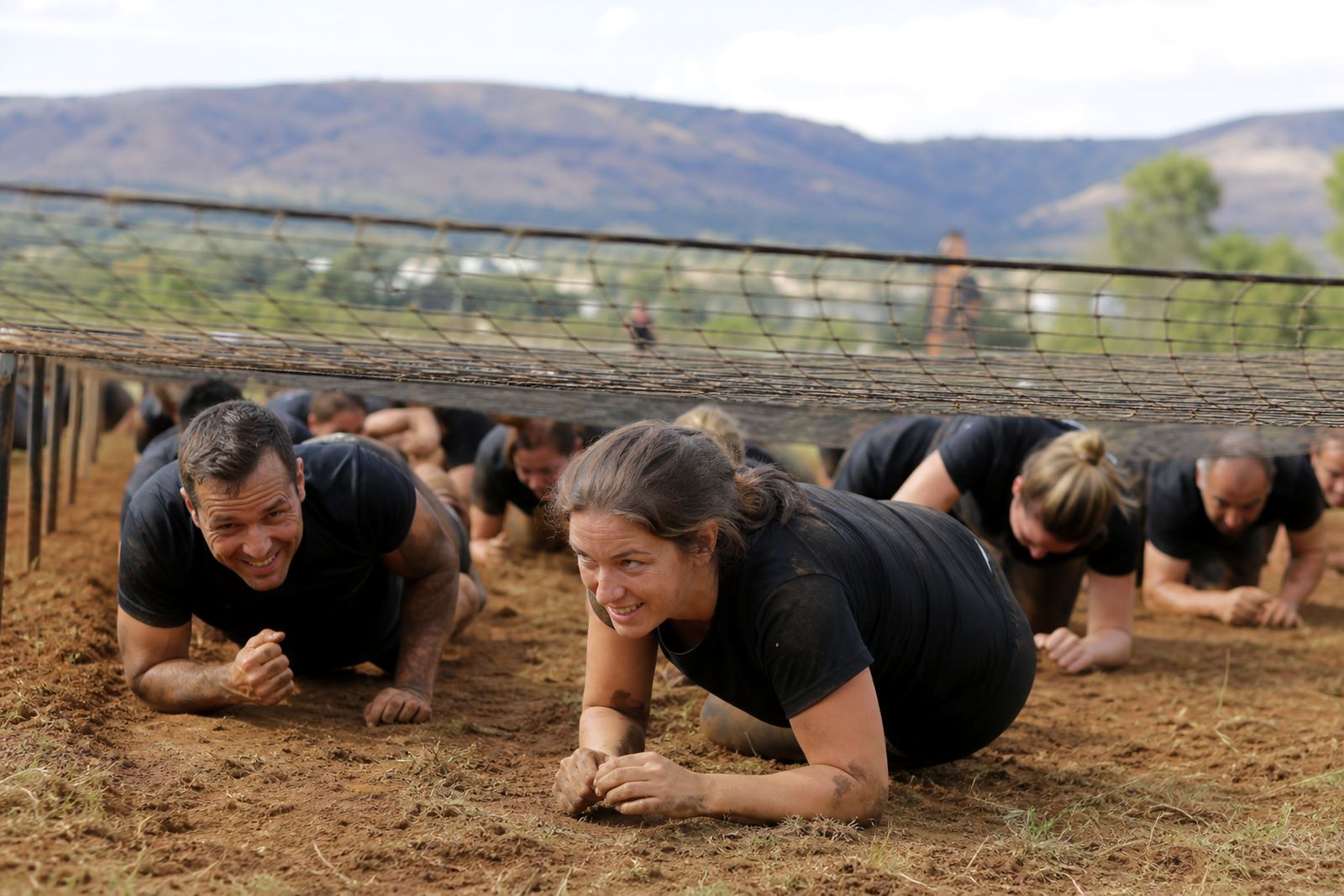
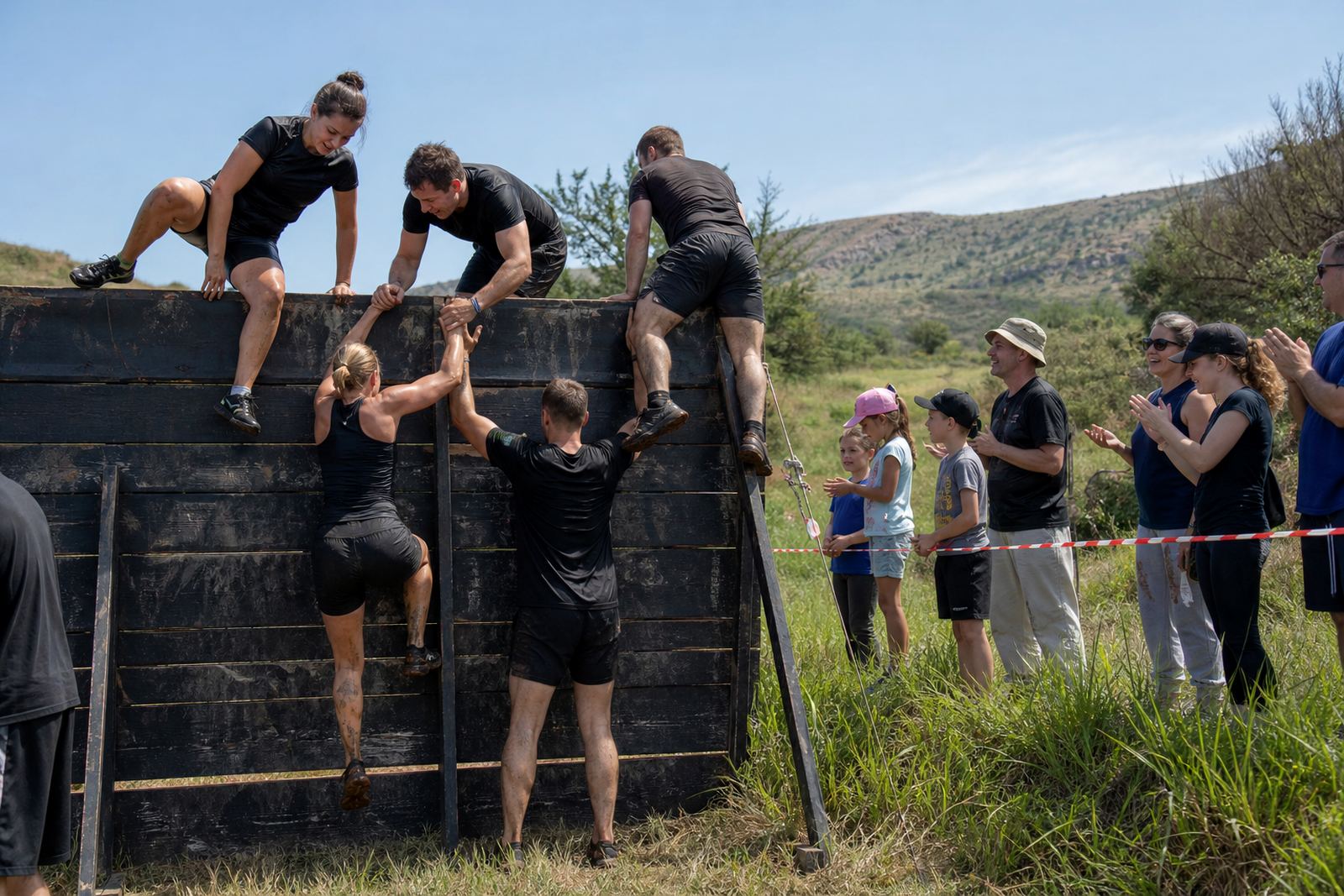
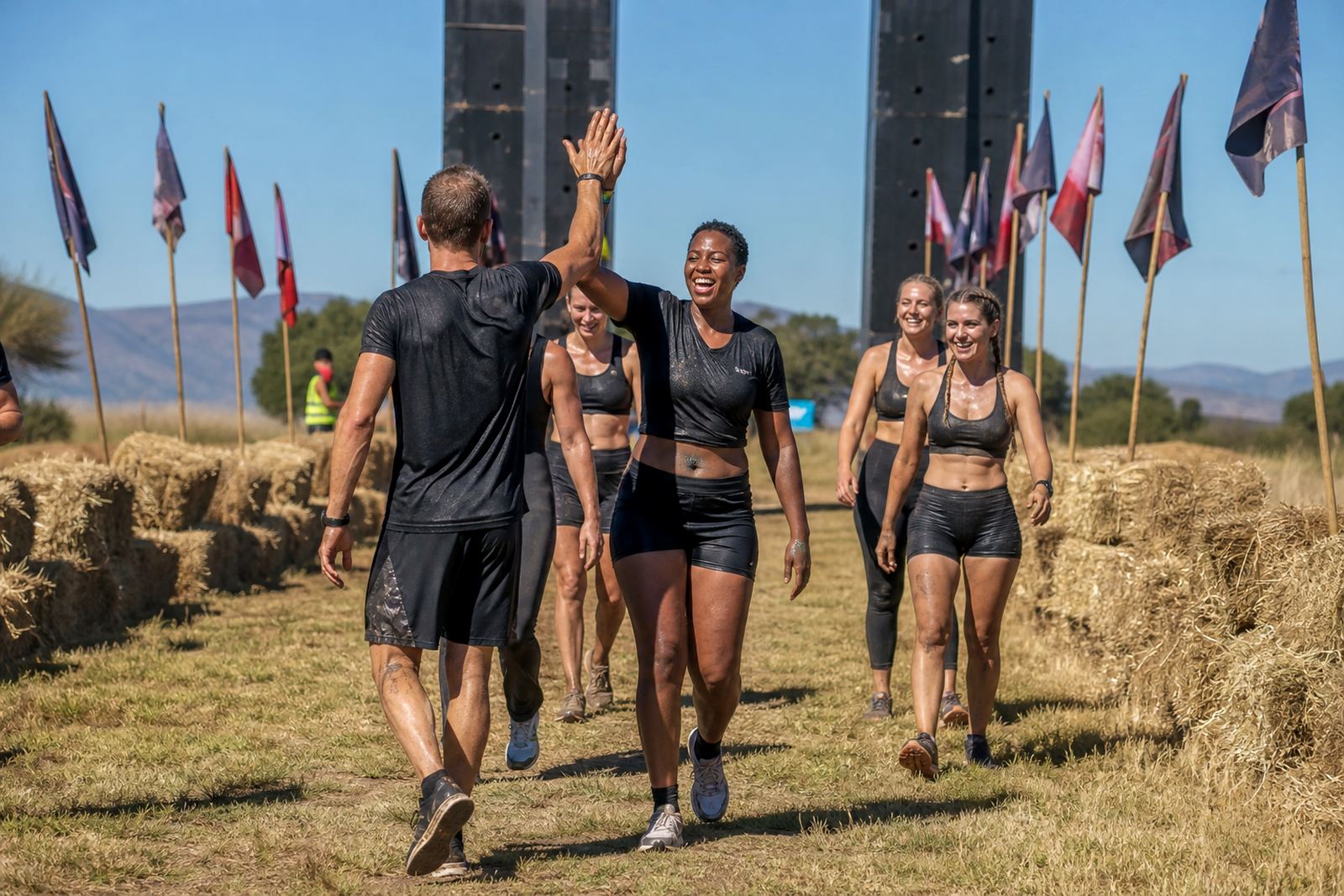
A good race day does not only depend on the obstacles. It depends on how the day is managed from the first briefing to the last finisher. When the crew stays organised, participants feel supported, even when the course is tough and the weather tests everyone. That is often what people remember most, the effort, the teamwork and the sense of having pushed through together.
Past highlights across our obstacle events show that different settings can still deliver the same core feeling: challenge, encouragement and a safe finish. Whether the group is there for fun, training or a bigger team goal, the day should leave people tired, muddy and glad they showed up.