Why the hill can ruin your race before the mud does
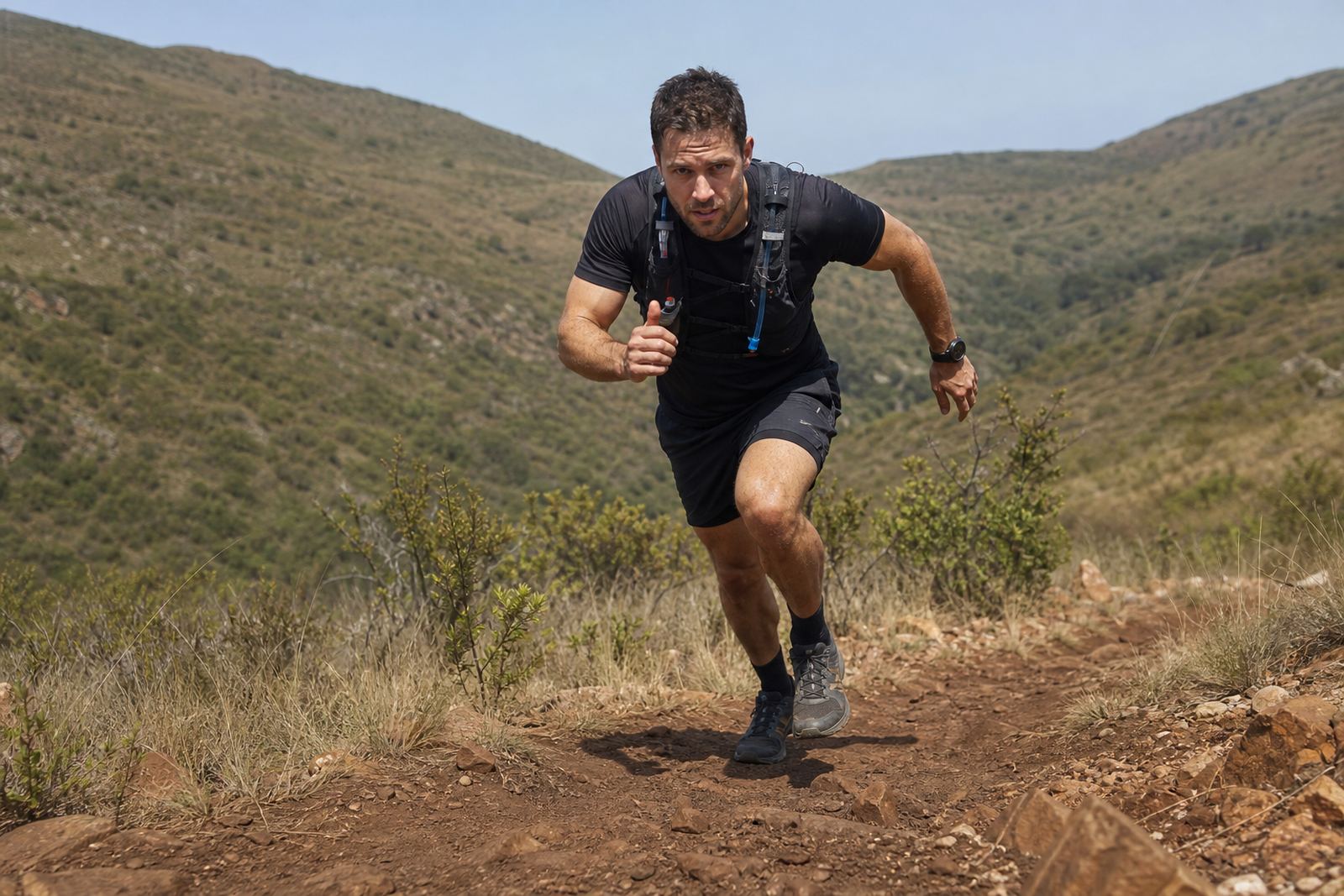
An obstacle race does not reward the runner who attacks every incline at full tilt. A hard climb pulls on the calves, glutes and lower back, and if you chase the top too fast you arrive at the next obstacle with your breathing already out of control. That is when hands slip, grip fades and concentration drops.
In the Magaliesberg, uphill work is part of the terrain, not a special section to fear. The trick is to treat climbs as a controlled effort. You want to arrive at the top with enough left in the tank to carry, crawl, jump or climb again. That means less ego, more rhythm.
Many runners from Johannesburg, Pretoria and even further afield make the same mistake on their first hilly event: they run the start as if the course is flat. After a few minutes the legs fill with acid and every obstacle after that feels twice as high. Pacing matters more than bravado.
Train your legs to climb without wasting breath
Hill prep works best when it is practical and repeated. You do not need a fancy plan, but you do need time on your feet and a few sessions that teach the body to stay useful while tired. Short, sharp hill repeats build power. Longer climbs build patience.
Mix running with walking on steep ground so your body learns both gears. On race day, some hills are best handled with a strong walk and a focused breath pattern, not a desperate sprint. That is especially true when the ground is loose, rocky or slippery after rain.
- Use a local rise, gravel road or farm track for repeats of 30 to 90 seconds.
- Keep your chest tall and your steps short, especially on steep ground.
- Practice climbing after a set of squats, lunges or step-ups so your legs feel effort while already tired.
- Finish some runs with a hill, not just at the start, so you learn to climb under fatigue.
When training near Hekpoort or around the Magaliesburg side, look for ground that forces small adjustments in footing. That is closer to what you will meet on a course than a neat tar road. It also teaches you to keep moving even when the surface changes underfoot.
Breathing, posture and grip: the parts most people ignore
People often think uphill race training is only about strong legs. In reality, your posture and breathing can save more energy than an extra burst of speed. Keep your head neutral, shoulders relaxed and arms working close to the body. If you hunch over too much, you close the chest and make breathing harder than it needs to be.
Use a steady breathing rhythm while climbing. A simple pattern is better than panicking and gulping air. If you can still speak a short sentence, you are probably not working beyond control. When the hill gets steep, accept that your pace will change. Fighting the hill wastes energy, and the body punishes that later.
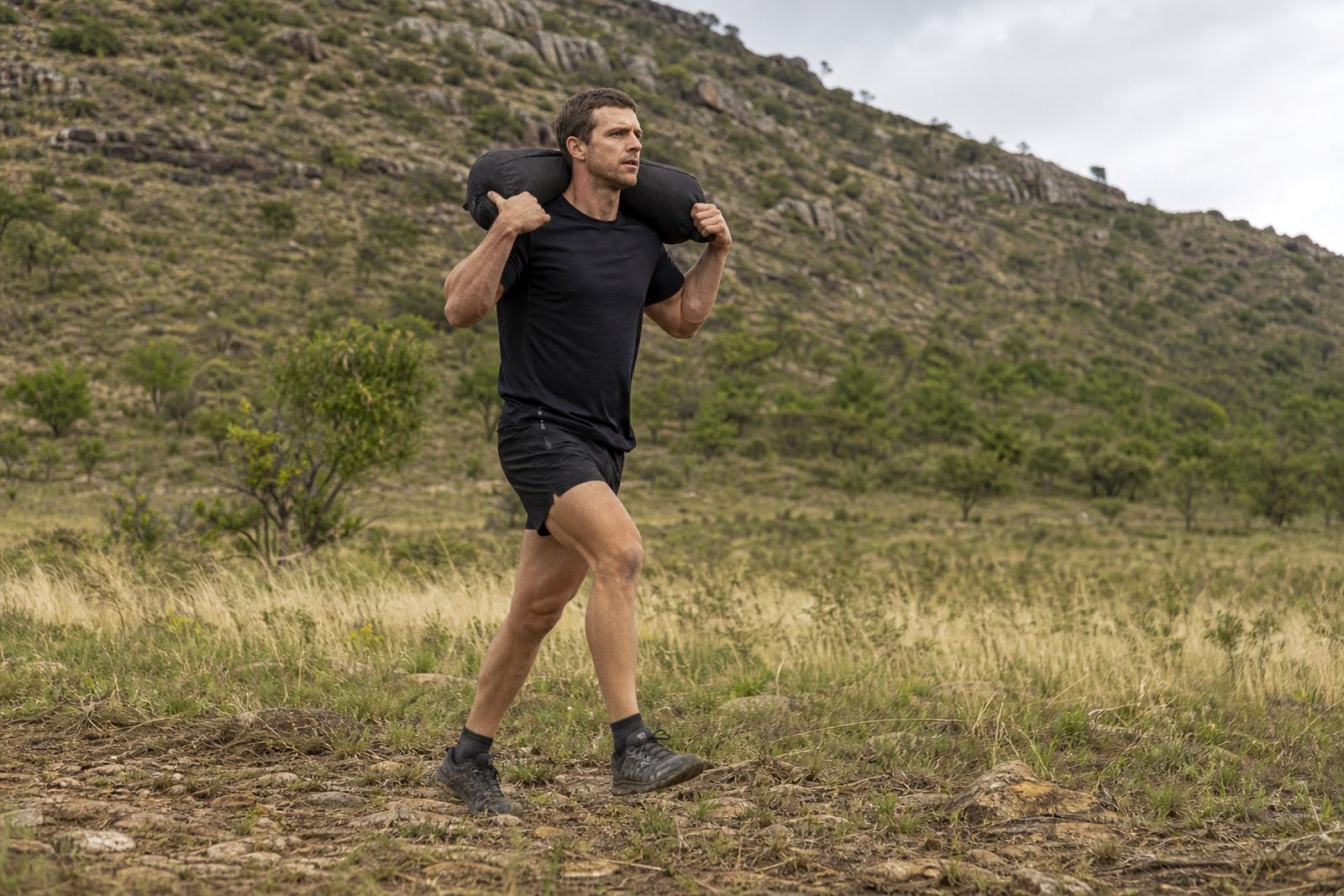
Grip also matters if the climb leads into ropes, walls or carry sections. Train your hands with dead hangs, towel holds and farmer carries. Strong hands do not make the climb easier on their own, but they stop you from losing time at the obstacle that follows. On a damp morning in the North West, grip can go from fine to poor very fast.
What to bring when the climb is part of the route
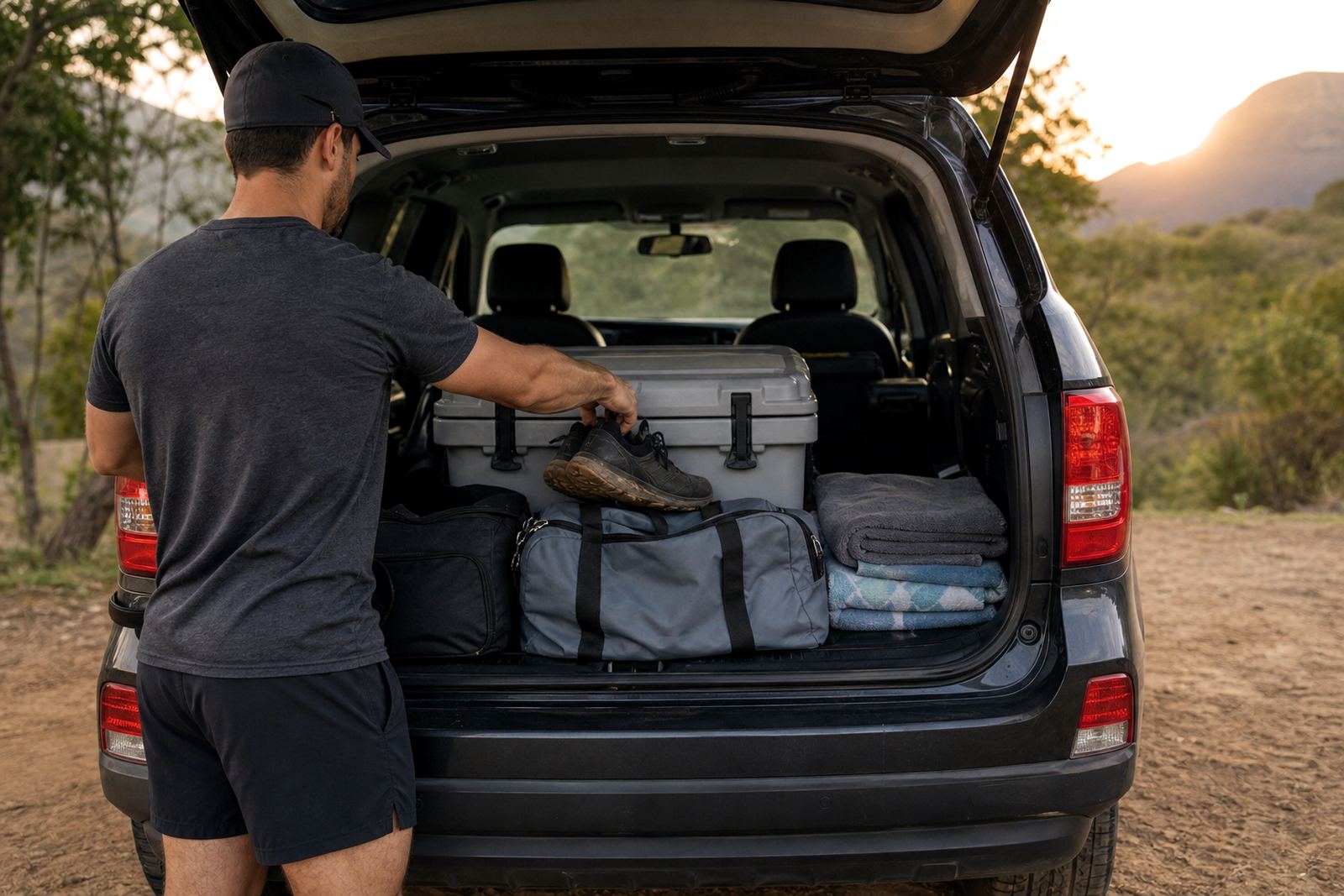
Race day kit should match the terrain and the weather, not just your usual training run. In a hilly obstacle event, the wrong shoes or too much clothing can leave you overheating on the climbs and cold while you wait at a briefing point or recovery area.
Before you arrive, check the event instructions and follow the safety briefing. If you are unsure about hard exercise, check with a doctor first. That is especially important if you have not trained for steep work, or if you are returning after a long break.
- Trail shoes or trainers with grip that can handle loose ground.
- Light, quick-drying clothing that will not hold too much water or mud.
- Enough fluids for the day, plus a small snack for after the event.
- An extra layer if the morning is cold in Hekpoort or the wind is up.
- A valid ID and any paperwork needed for waiver coordination and team registration.
Keep your kit simple. Too much gear becomes one more thing to manage when the course turns upward. If you are travelling in from Pretoria, Durban or Cape Town, pack for the weather at the venue rather than what it was in town when you left.
How to pace the first climb so the rest of the course still feels possible
The opening hill often sets the tone for the whole race. If you blast it, the next few minutes become a battle to recover. If you go in with control, the course opens up. The goal is not to win the first hill, it is to keep your body available for every section that follows.
Start a touch slower than feels natural. Focus on smooth foot placement and short steps. On a long climb, use brief walk breaks before you become desperate. That keeps your breathing under control and helps you settle into a work pattern instead of a panic pattern.
For teams, this is where captain communication and custom team briefing help. Strong runners can still move together if they agree on pace before the start. Nobody should be pulled into a speed they cannot hold. A steady team usually finishes better than a fast team that breaks up on the first slope.
A Magaliesberg example: the climb, then the obstacle
Think of a course section near the Magaliesberg foothills where the ground rises, flattens for a moment and then drops into an obstacle lane. The right way to handle it is to treat the climb as preparation for the task ahead. You keep your breathing even, use the incline to build momentum, then arrive at the obstacle with enough left to do the job properly.
A participant from Rustenburg might be tempted to sprint the hill because it looks short. But short hills can still empty the tank if the surface is loose or the gradient changes suddenly. Better to keep the shoulders loose, eyes up and steps measured. Then, once at the top, you can reset quickly and move into the next challenge with control.
That same approach works for corporate teams too. If your group is using team registration help, onsite team checkin or recovery area guidance, the hill section should be discussed in the safety briefing groups before anyone starts. People perform better when they know where to push and where to hold back.
Recovery that starts before you stop moving
Recovery on a hill course does not begin after the finish line. It begins the moment you choose not to overcook the ascent. Save energy, and the rest of the race becomes easier to manage. That applies to the warmup too. A good group warmup session should wake up the hips, calves and core without tiring you out before the climb begins.
After the race, keep moving gently for a few minutes, drink water and get out of wet clothing if possible. In colder weather around the Magaliesburg side, sitting still too fast can make the body stiffen up. A light recovery walk and some calm breathing help more than rushing to the side and collapsing.
If you are racing with colleagues, support the slower finishers. The hill does not treat every runner the same, and the best teams understand that. The photo moment is better when everyone arrives with a bit of dignity left, not just one strong runner and a few wrecked ones.