Start with kit that can take mud, dust and a climb
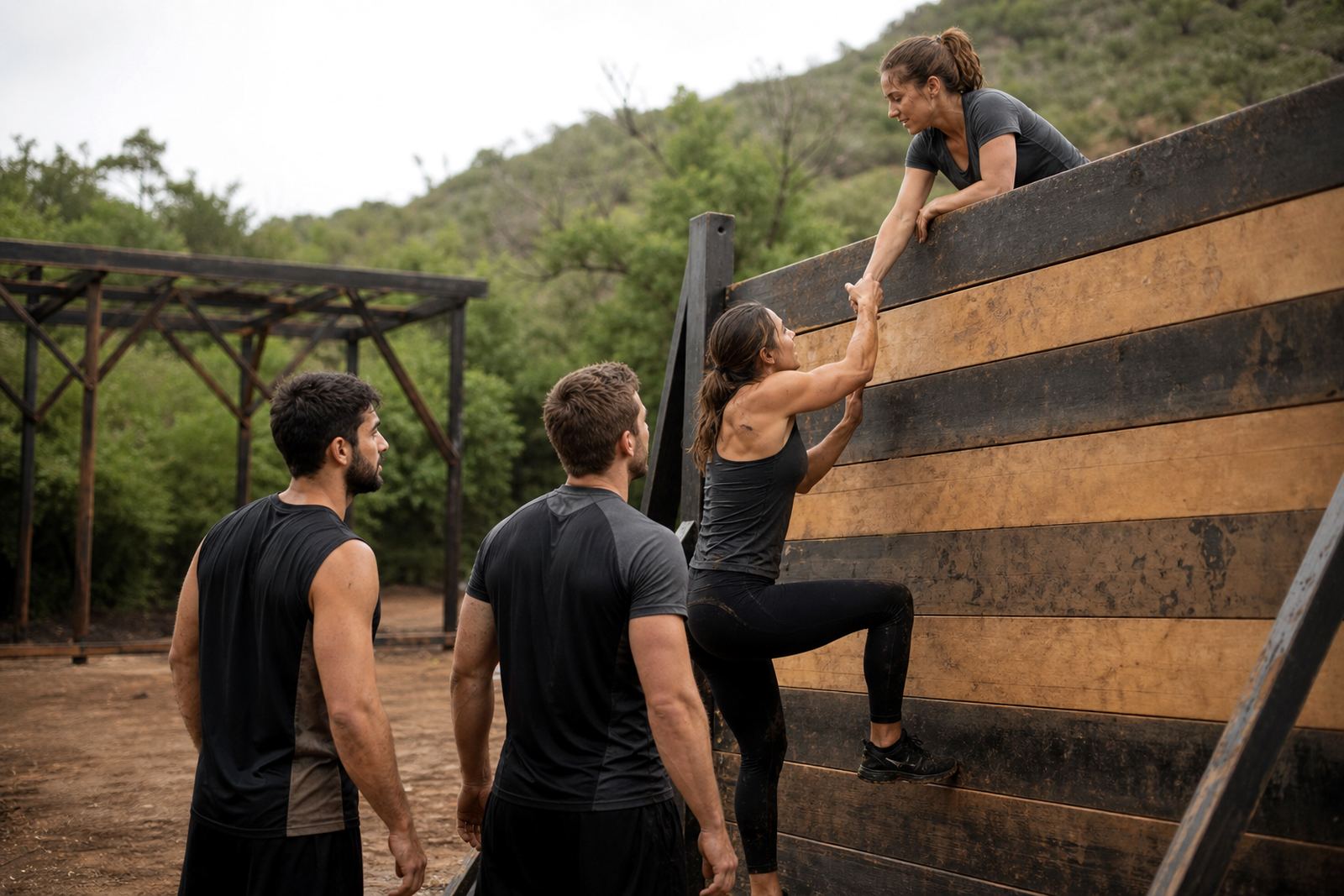
Obstacle course races ask more of your clothing than a normal training run. You need gear that can handle scrambling, crawling, carrying and getting wet, then drying out again without rubbing your skin raw. In the North West sun, light and breathable is usually the better choice, but it still needs to stay put when you are climbing over timber, netting or loose rock.
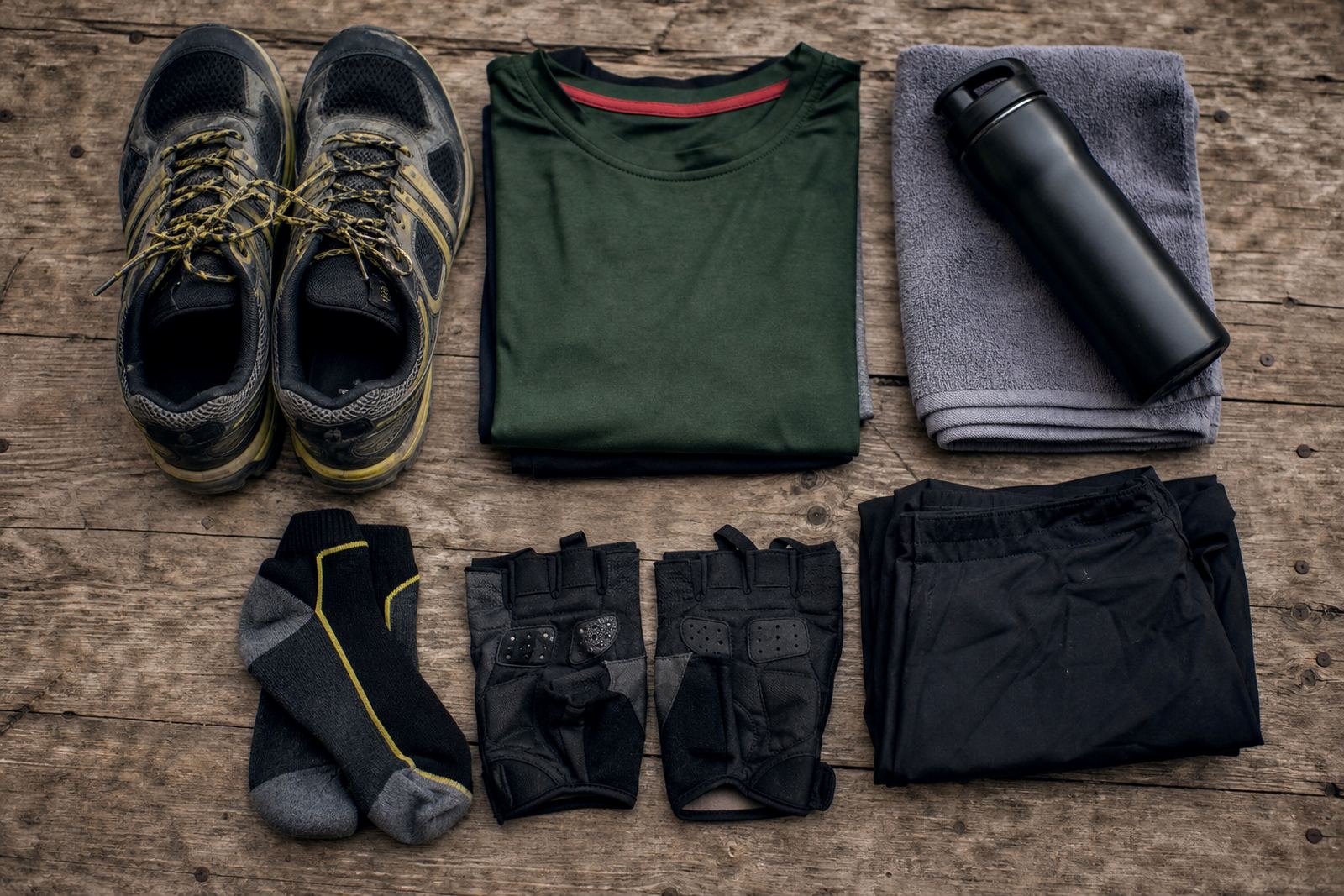
Go for clothes that are already well worn in. A new top or pair of shorts can feel fine in the shop then start chafing halfway through the first section. If you are travelling in from Johannesburg, Pretoria, Cape Town, Durban or Bloemfontein, pack the outfit you have already tested in training, not the one you saved for race day.
- Shorts or tights that do not ride up
- A top that wicks sweat and does not hang loose
- A light layer for cool early starts in Hekpoort
- Extra socks in case the ground is wet or muddy
If you are unsure what works for your body, try a full training session in the same kit before race day. That way you will know where it rubs, stretches or gets heavy once it is wet.
Shoes that grip when the ground gets awkward
Your shoes matter more than many first-time racers expect. In the Magaliesberg area, you may deal with sand, gravel, hardpack, uneven veld and slippery patches after water obstacles. A shoe with decent grip and a secure heel is usually better than something soft and smooth. You want enough protection to keep sharp stones out, but not so much bulk that every step feels heavy.
Check the laces, insoles and tread before you pack them. If the sole is already worn down, the shoe may slide on dusty slopes or lose grip on damp ground. For runners who have only trained on tar, this is often the first place where race day feels different. A trail-style shoe or a grippy training shoe is often a better choice than a slick road shoe.
- Well-fitted shoes with laces you can tighten properly
- Grip that still holds on dust and wet patches
- Enough toe room for downhill sections
- Old socks only if they are still in good condition
In rural spots around Hekpoort and Magaliesburg, dust can get into every crease, so bring a spare pair of socks and a plastic bag for the dirty ones. It keeps the rest of your kit easier to manage in the car.
Hydration is not something to wing on the day
Hard exercise in South African conditions can drain you quickly, especially if the heat is already up by late morning. Bring water and make a plan for sipping before, during and after the event. If you usually train with a bottle or hydration pack, use the same setup at the race so you do not waste time figuring it out under pressure.
Do not arrive already thirsty. Start hydrating the day before and keep drinking in small amounts, rather than trying to fix everything in one go just before the start. If the weather is warm or windy, you may need more than you expect because sweat evaporates fast and fools you into thinking you are not losing much.
- Water bottle or hydration pack you can carry easily
- Electrolytes if you normally use them in hard sessions
- Light snack for after the race if you get shaky when hungry
- Cooler box in the car for the trip home if the weather is hot
Anyone with a medical condition, a history of fainting, asthma or concerns about intense exercise should check with a doctor before taking part in hard training or racing. That is especially important if you have not exercised hard in a while or if you are returning after illness or injury.
The small things that save you from a miserable finish
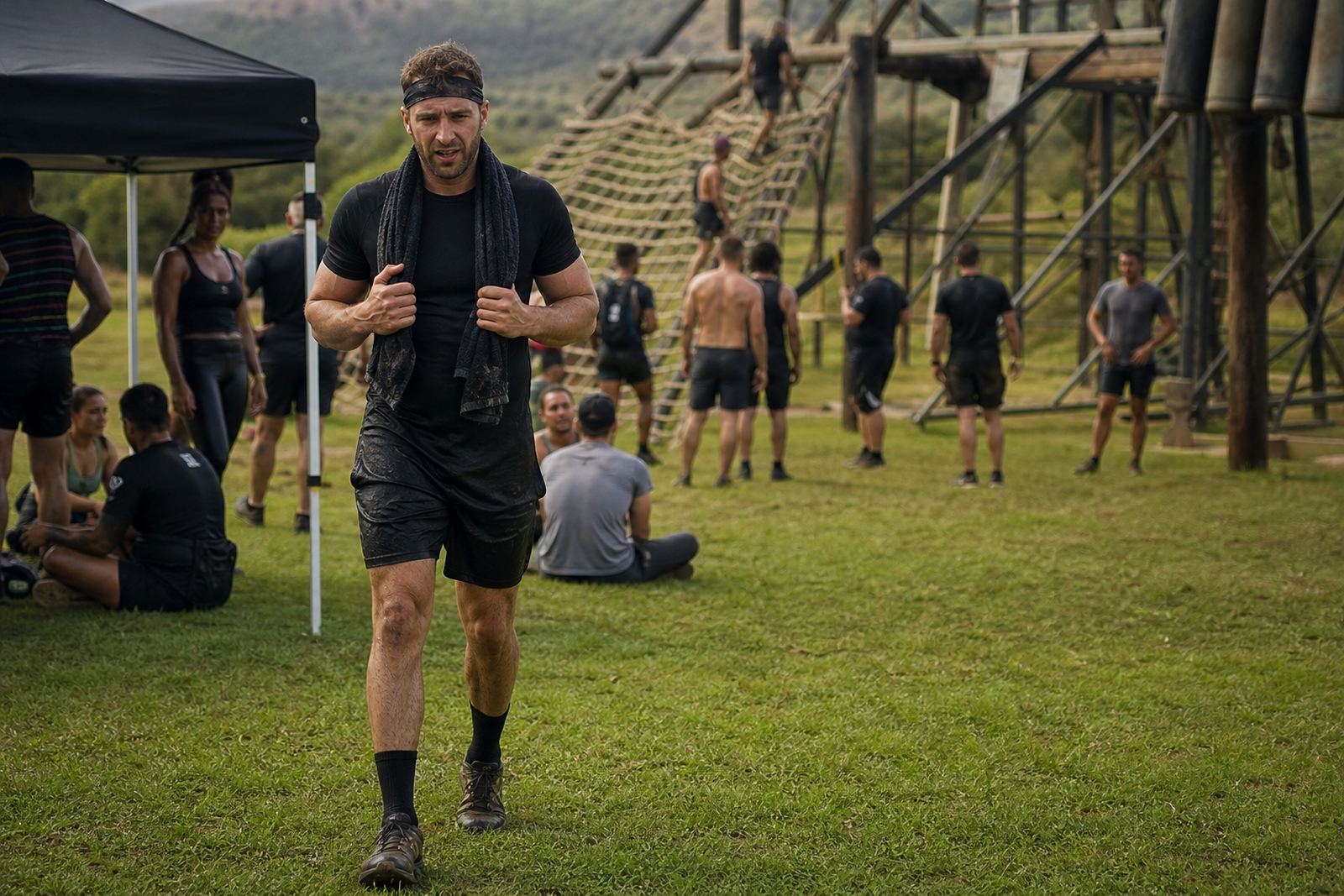
Race day is usually easier when you carry a few practical extras. A towel, a change of clothes and a dry bag or bin liner can make the drive home much more pleasant, especially after mud, sweat and water obstacles. If you are travelling from further out, you will be glad you packed for the whole day and not only for the course itself.
It also helps to bring something for recovery. You may not need much, but a clean shirt, dry underwear and a simple snack can make a big difference once the effort is over. Parents, team captains and corporate groups often underestimate how useful a spare set of basics can be when several people need changing space at once.
- Towel for wiping down after the race
- Fresh clothes and dry underwear
- Plastic bag for muddy gear and wet socks
- Sun protection such as a cap or sunscreen
- Small first-aid items you usually carry, like plasters for blisters
If you are racing as part of a company team from Pretoria or Johannesburg, label your gear clearly. In a busy recovery area, black bags and similar clothing can get mixed up quickly.
Waivers, briefing and the paperwork people forget
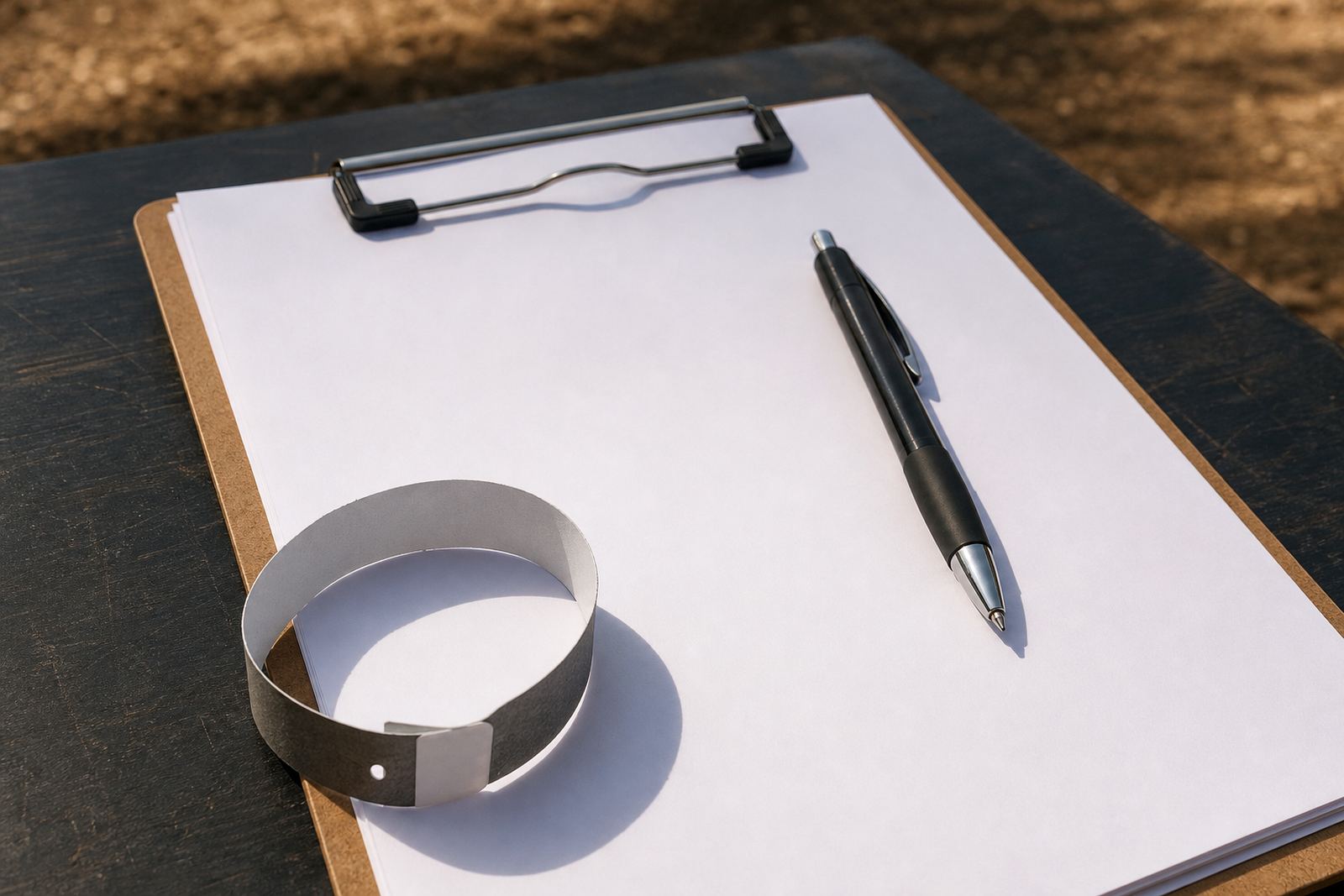
Obstacle course events usually involve a waiver and a safety briefing before you start. Read the forms properly and fill them in before the start area gets busy. If there is anything you do not understand, ask during the briefing rather than guessing. That is there to help you stay safe on course and to make sure everyone follows the same rules around obstacles, spacing and support.
For group entries, the paperwork can be just as important as the shoes. Corporate teams often need help with registration, waiver coordination, heat allocation support and captain communication. If you are travelling with a team from Rustenburg, Potchefstroom or Krugersdorp, get your documents and names sorted early so nobody is hunting for details on race morning.
Do not leave the waiver until the last minute. It is easier to handle before you are tired, muddy or rushing around the parking area. The same goes for any team instructions, especially if your group is doing a custom briefing or support planning session.
A Magaliesberg example: what one sensible bag looks like
A practical race bag for a participant heading to Hekpoort from Pretoria might look plain, but it does the job. One change of clothes, a towel, a water bottle, grippy shoes, a cap, a few snacks and a dry bag can cover most needs without overpacking. You do not need fancy extras, only kit that keeps you comfortable before and after the course.
In the Magaliesberg heat, the people who are usually most relaxed are the ones who packed early. They are not borrowing socks, not searching for a spare top and not standing around in muddy shoes after the finish. That leaves them more time for recovery, team photos and a proper debrief with the people they raced with.
If you are bringing supporters, think about them too. A small chair, hat, water and sun protection can make the waiting time much more manageable, especially at outdoor venues where shade is limited. Good planning keeps the whole day calmer, and less of a scramble.
What you bring should make the race easier, not heavier. If a item will not help before, during or after the course, leave it at home and keep your kit light enough to carry without fuss.