The few minutes that set the tone for the whole race
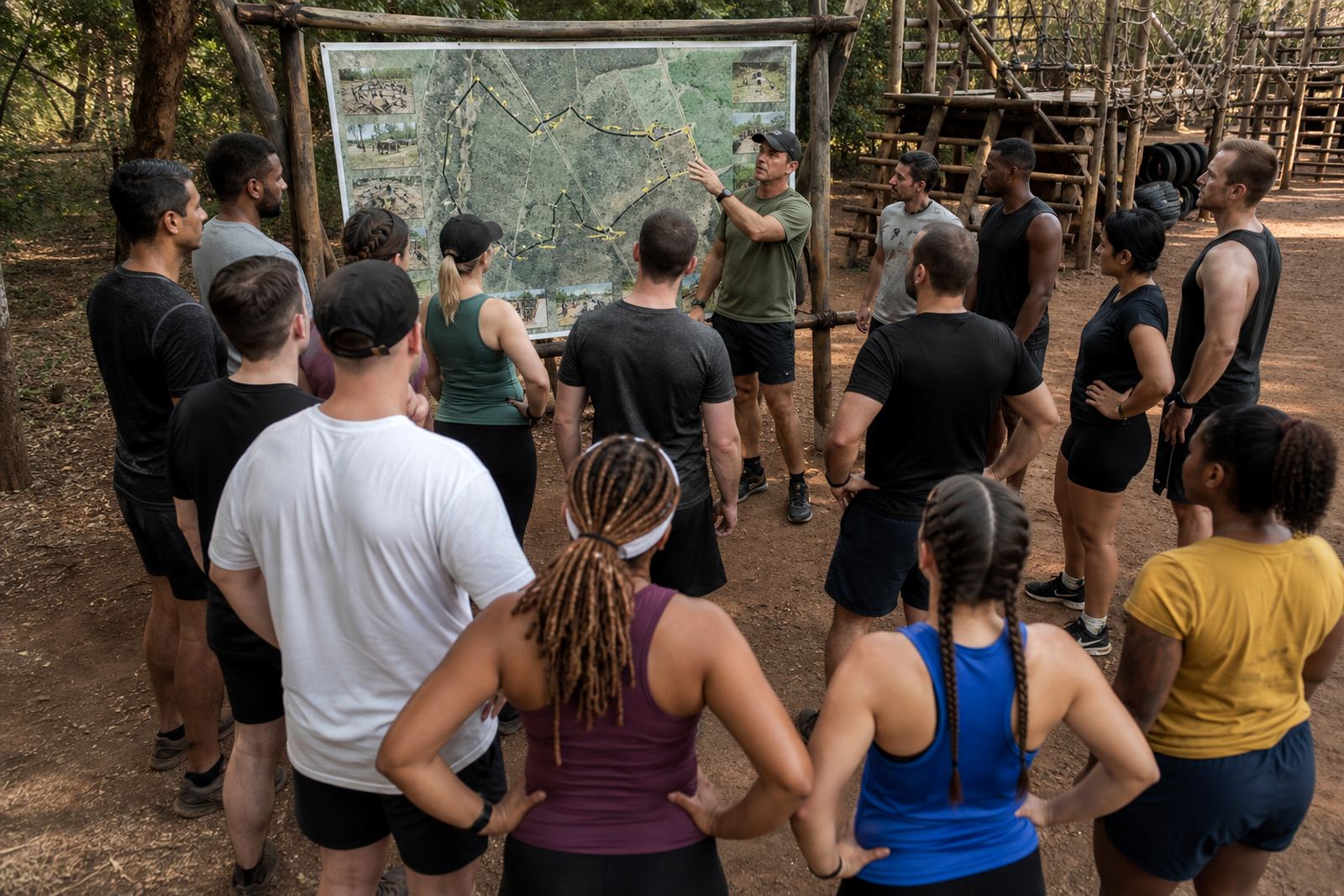
Before the first climb, crawl or carry, a briefing gives every entrant the same starting point. That matters at obstacle course races where the ground changes quickly, the route can split and the pressure rises once the horn goes. In the Magaliesberg, where heat, dust and uneven ground can all show up in one morning, clear instructions are not a nice extra. They are part of how the day works.
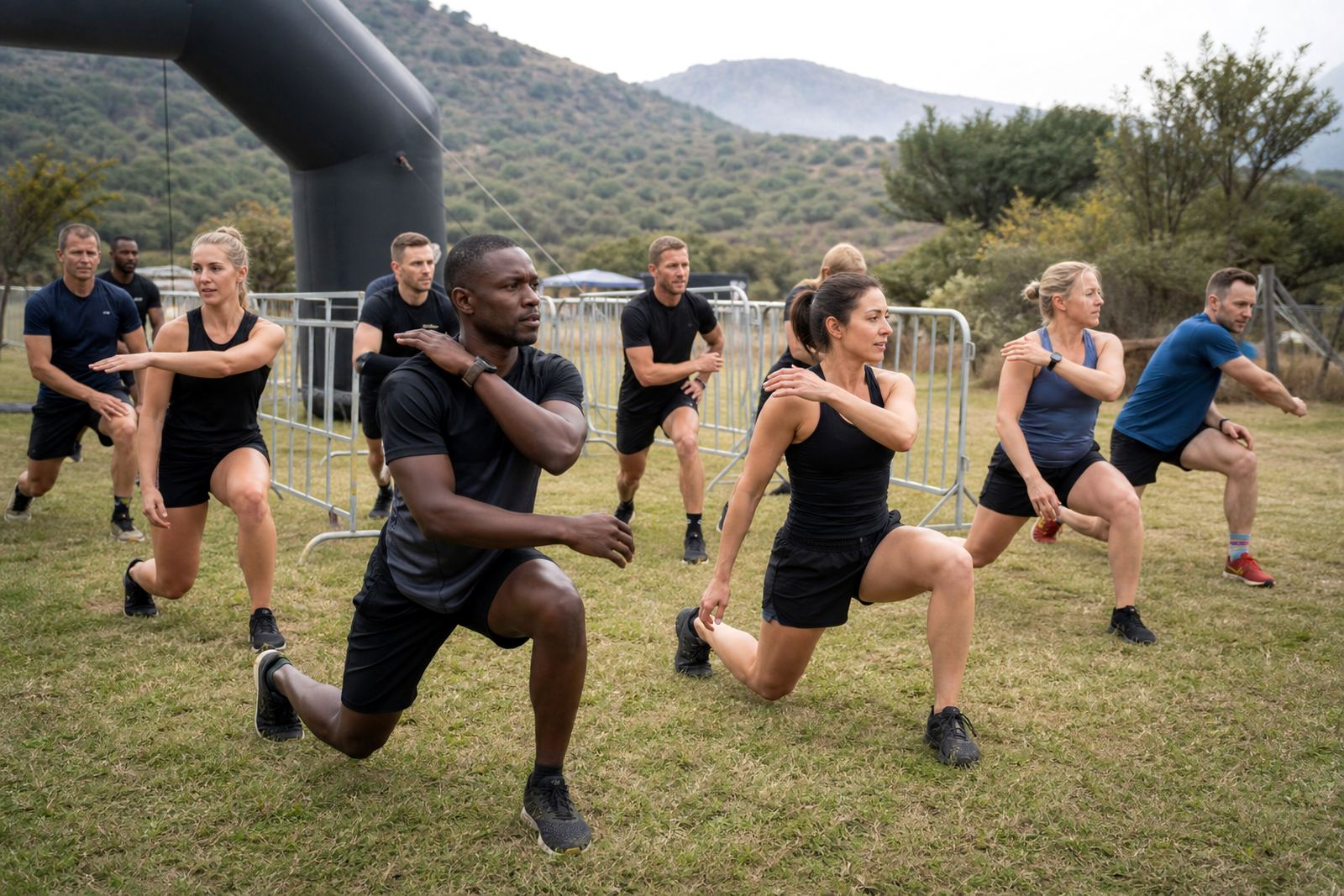
A proper briefing explains how the race will unfold, where the route turns, when to slow down and how to pass other participants without creating risk. It also sets the tone for venue conduct, which includes staying within marked areas, listening to marshals and leaving gates, tape and equipment as found. That kind of order helps the event move smoothly whether entrants are travelling in from Johannesburg, Pretoria or further afield.
When people hear the same instructions at the start, there is less confusion later. That means fewer stoppages, fewer missed turns and fewer unnecessary arguments at obstacles. It also helps first-timers feel less rattled, which matters when the course asks for more than ordinary weekend fitness.
Route flow is easier when everyone hears it once and hears it clearly
Obstacle courses are not only about strength. They are about timing, patience and knowing what comes next. A briefing gives entrants a mental map of the course before they hit the first hill or mud section. That helps with pacing, especially when teams are split by fitness levels or when one participant needs a slower line.
At a venue in Hekpoort, for example, a group may arrive from Pretoria in one vehicle, while another pair comes from Rustenburg after an early start. Once they are together, the briefing can explain the route flow, where the recovery area sits and how heat allocation or wave starts will work. That avoids confusion at the line and saves time later when people need water, shade or a quick catch-up before their next section.
- Follow the marked route only, even if a shorter line looks tempting.
- Listen for marshal instructions at narrow points and heavy carries.
- Keep your place in the heat unless an official directs otherwise.
- Tell a marshal straight away if you see an issue on the course.
That kind of direction sounds basic, but on a busy course it prevents small mistakes from becoming avoidable delays. It also helps support crews understand where to stand and where not to block access.
Obstacle rules are there to protect effort, not spoil it
Every obstacle has a purpose. Some test grip, others balance, lung capacity or upper-body control. Briefings explain how each section is meant to be used, what counts as a safe attempt and when a participant should take the penalty route or ask for guidance. That is especially important for mixed groups where some entrants train often and others are trying an endurance challenge for the first time.
When the rules are clear, entrants can commit properly instead of hesitating halfway through a climb or jump. They know when to wait, when to move and how to avoid crowding. They also understand that a marshal may stop a participant if an obstacle is being used unsafely or if weather conditions have changed the ground underfoot.
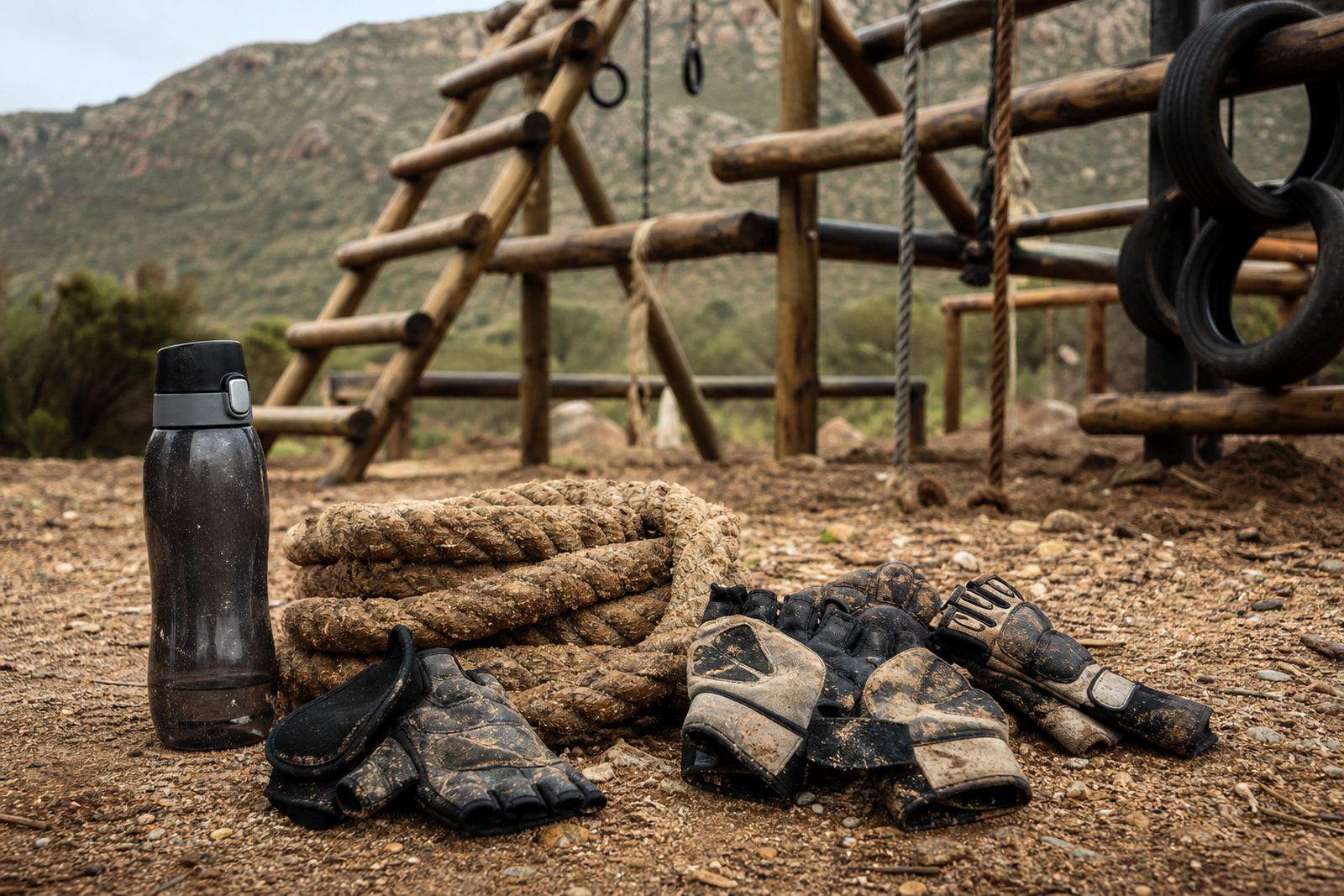
In the Magaliesberg, weather can shift quickly. A dry track in the morning may be slippery after a shower, and rocks can hold heat later in the day. A briefing that covers these points gives people practical expectations rather than guesswork. It is much better to hear, before the race starts, where footing may be loose or where gloves will help than to discover that under load.
Venue conduct keeps the day orderly for everyone on site
Race day is shared space. Participants, supporters, marshals and support teams all move through the same venue, and each group needs to know where it fits. Briefings explain conduct at the start, along the route and in the recovery area so people do not block access, leave litter or interfere with equipment.
At larger gatherings, this can include simple things that are easy to forget in the excitement of the morning:
- Use only the toilets, wash points and recovery areas marked for entrants.
- Keep pets and unrelated visitors out of restricted sections.
- Do not step onto obstacles to take photos while others are using them.
- Respect quiet instructions during safety checks and team calls.
- Dispose of tape, cups and food wrappers in the bins provided.
These are not fussy rules. They are there so the venue can function without bottlenecks. That matters for local areas around Hekpoort, Magaliesburg and Hartbeespoort where access roads, parking flow and turnaround times can be tight. A clear briefing reduces pressure on the team managing the site and helps participants enjoy the day without avoidable friction.
The safety talk is also where people hear the small details that save time
Good briefings include the kind of detail that is easy to miss in pre-race excitement. Where should you put your bag? What happens if you need to step out? Which wristband or number should be visible? Where does the team regroup after a wave? Those answers matter, especially for corporate entries where colleagues may arrive separately and not know the plan.
For teams travelling from Johannesburg or Cape Town, an early briefing can keep the whole group aligned. If one person is handling registration, another supporting warm-up and another watching the recovery area, everyone needs the same information. That is why services such as team registration help, waiver coordination, custom team briefing and onsite team check-in make a difference. They turn a busy arrival into a managed one.
The same applies to people who have not done this kind of event before. A briefing explains where to listen, where to wait and who to ask if something is unclear. It is also the right place to remind entrants to check with a doctor before hard exercise if they have health concerns or have been out of training for a while.
Why the best races sound calm before they feel hard
A race can be tough and still feel organised. That balance starts with a briefing that is clear, steady and direct. When entrants know the route flow, the obstacle rules and the venue conduct, they spend less energy second-guessing and more energy on the task in front of them.
For a local example, picture a mixed team arriving in the Magaliesberg after an early drive from Pretoria. One member is confident on carries but nervous on climbs, another has done similar events but has never raced in the North West before, and a third is just there to test themselves. A strong briefing gives all three the same map, the same rules and the same chance to settle before the start. That is why safety briefings matter so much. They keep the event fair, focused and easier to move through from the first whistle to the recovery area.
In the end, briefing time is not lost time. It is the part of the day that helps the rest of the day make sense.