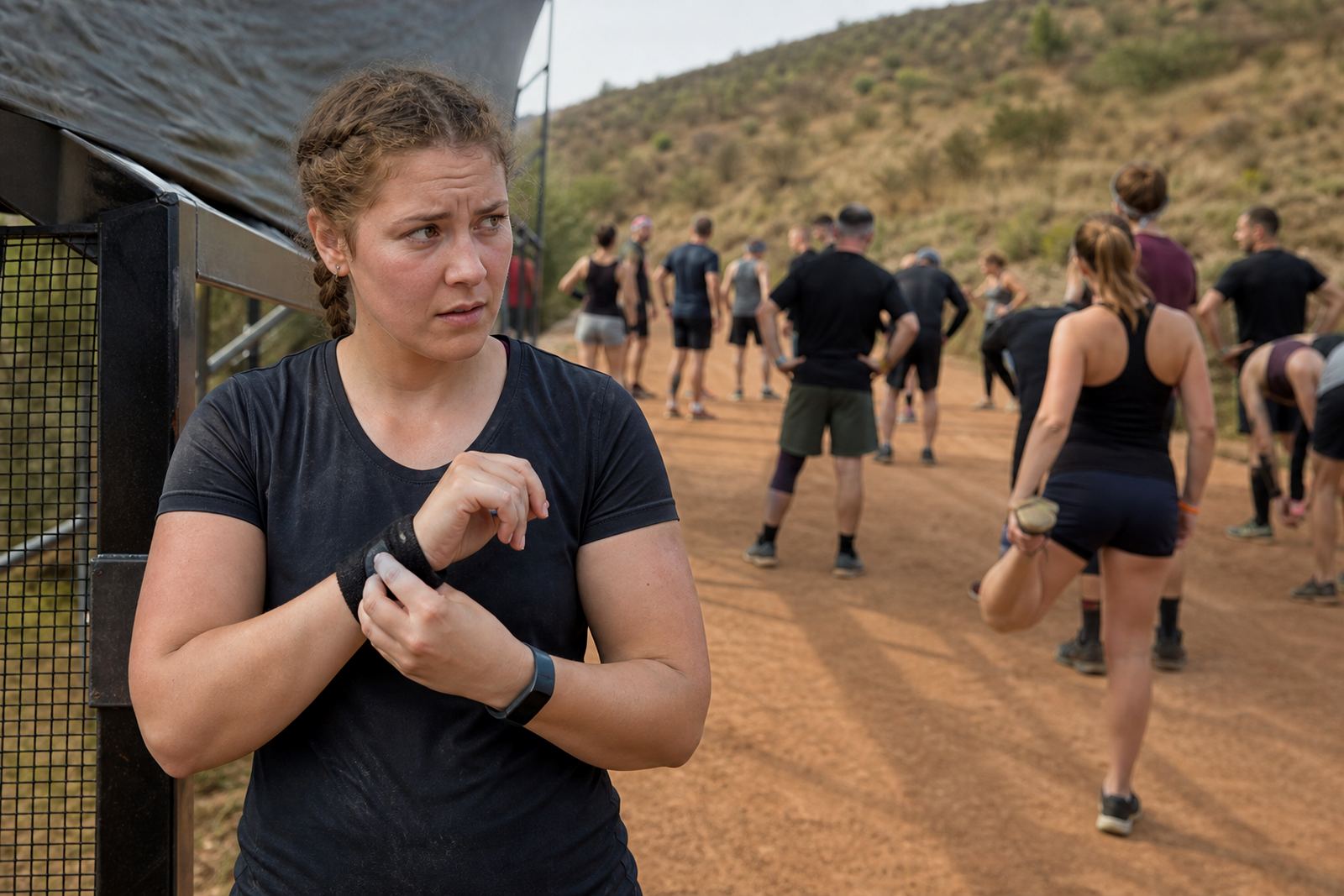
Why the last kilometre is not the end of the work
Obstacle course racing asks a lot from your legs, grip, lungs and balance, then the finish can leave you hot, muddy and stiff in a short space of time. A proper cool down helps your heart rate settle, eases the sudden stop from hard effort, and gives your body a cleaner shift from race mode into recovery mode.
That matters in the Magaliesberg, where a course can mean uneven ground, dust, wet clay and a fair amount of climbing. If you stop dead after the finish chute, especially in damp kit, you may feel shakier than needed. Gentle movement for a few minutes is usually better than collapsing onto the grass and staying there. It is not about doing more exercise, just giving your body a minute to wind down.
What a good cool down looks like on the field
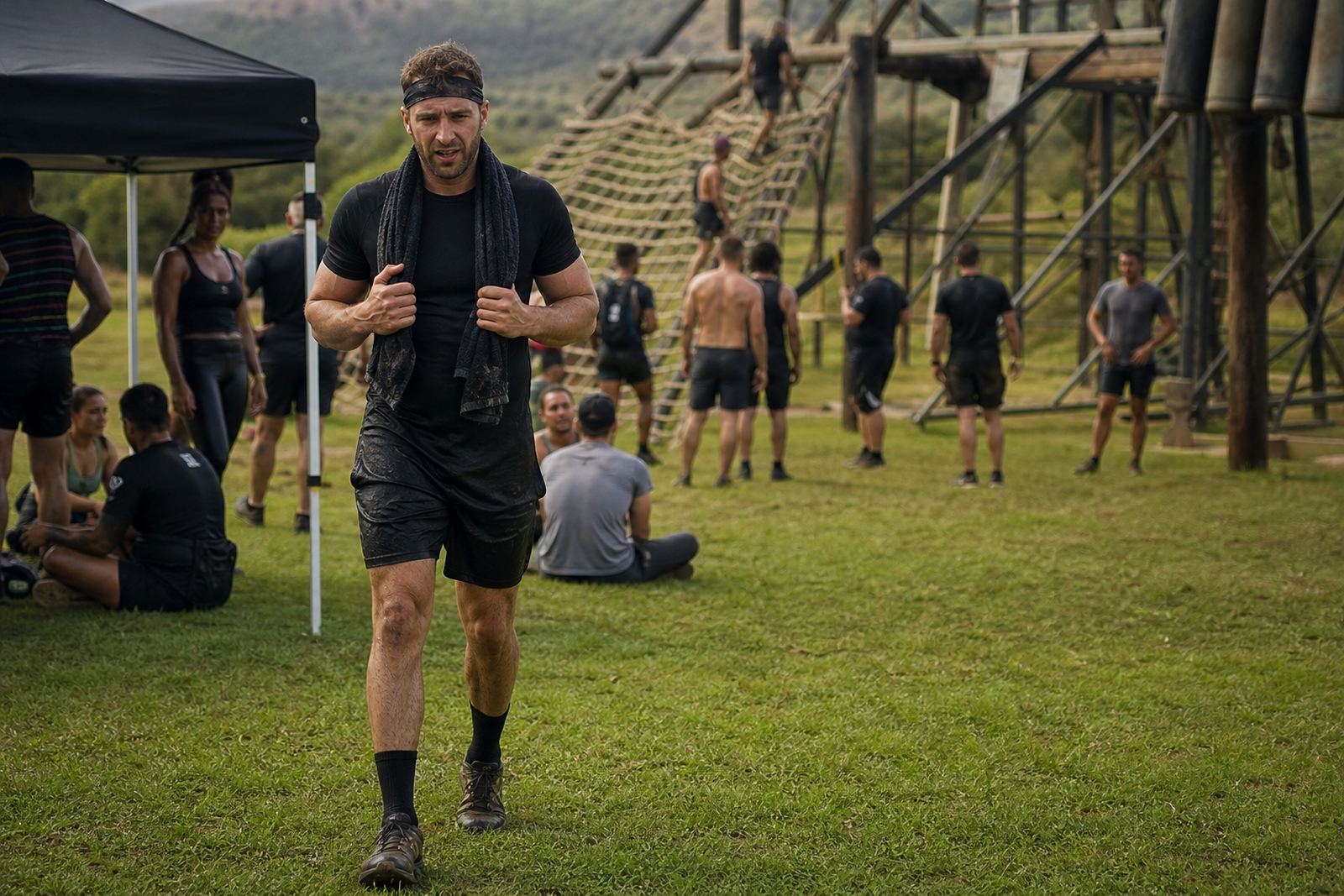
A cool down does not need a long plan or special gear. Walk around for a few minutes, breathe steadily, sip water and let your breathing return to normal before you sit down for too long. If your legs feel tight, light movement is often more useful than standing still in one spot.
- Walk slowly for 5 to 10 minutes after the finish.
- Shake out your arms and legs instead of holding tension.
- Take small sips of water rather than gulping a bottle in one go.
- Use the recovery area if one is set up, and follow the marshal directions.
In a muddy event, a cool down also helps you notice if you are light-headed, cramped or just plain exhausted. That is useful information, because it tells you whether to rest, eat something or ask for help. If you have a medical condition or you are planning a very hard event, check with a doctor before you push your training or racing further.
Dry clothing changes the whole next hour
Wet clothing can make recovery uncomfortable fast. Once the body stops working hard, sweat and muddy water start cooling you down in the wrong way, especially if the wind picks up in open country or late afternoon shade. Changing into dry clothes is one of the easiest recovery habits you can build.
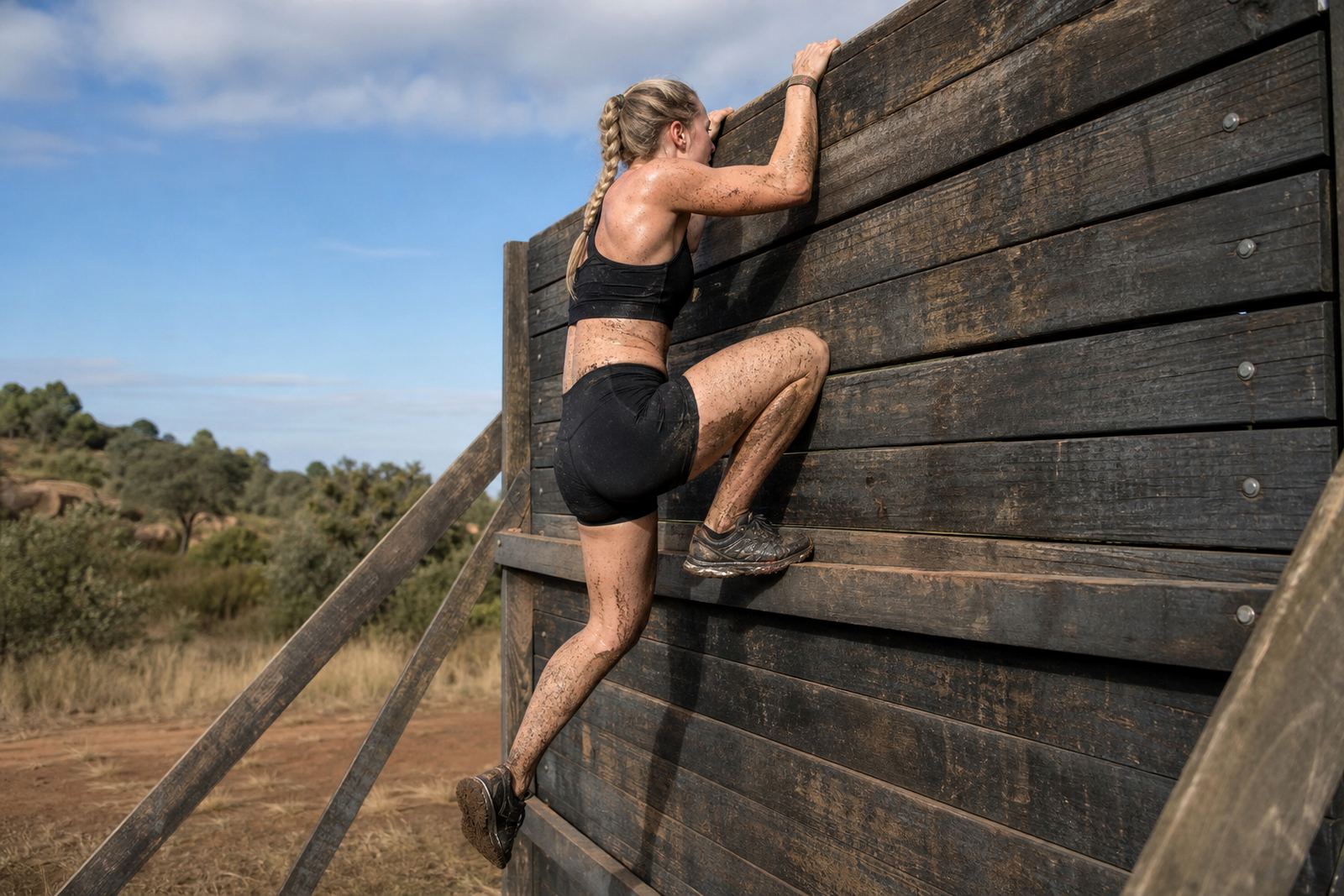
Keep a dry T-shirt, shorts or tights, underwear, socks and a towel in your kit bag. If you are racing in winter or in the cooler parts around Hekpoort and Hartbeespoort, add a warm top as well. Even in summer, wet feet in closed shoes can turn into a problem on the drive home. A dry pair of socks, well yes, can feel like a luxury after crawling through mud and then climbing over a wall.
- Pack a plastic bag for wet shoes and dirty kit.
- Bring a second towel if the course is likely to be heavy with mud.
- Keep a warm top close to hand for the walk back to the vehicle.
- Do not sit in wet kit while waiting around for friends or team mates.
Food and water after the finish line
Recovery is easier when you eat and drink before you feel completely empty. After a race, many people are tempted to ignore food until later, but a small snack can help you settle sooner. You do not need anything fancy. A sandwich, fruit, yoghurt, rice cakes or a proper meal once you are cleaned up can all help you get going again.
Hydration matters too, especially after a hot North West day or a long effort with plenty of carrying, climbing and crawling. Sip water and, if you have been sweating heavily, add something with electrolytes. Do not force huge amounts down at once. The goal is steady replacement, not a race at the cooler box.
- Eat something within a reasonable time after finishing.
- Choose food that sits well on the stomach after hard effort.
- Keep water close for the drive back to Pretoria, Johannesburg or Rustenburg.
- If you feel unusually unwell, stop and get checked by the event team.
How a muddy course changes the recovery job
Mud adds its own kind of tiredness. It pulls at the shoes, changes your footing and makes every climb feel a bit longer. That is why your recovery after a wet race should include more than just stretching for ten seconds and heading off. Look after your feet, hands and any rubbed spots before they become painful later in the day.
At a Magaliesberg race, someone from Johannesburg might finish with clay on the calves, sand in the shoes and a shoulder that feels sore from carrying over an obstacle. Another runner travelling from Durban may be more bothered by the heat and dehydration than by the mud itself. Each person finishes a bit differently, so the recovery area should give space for washing down, changing and settling before the drive home.
- Check for blisters, cuts and rubbed skin once you have cleaned off.
- Rinse mud from feet and ankles before putting on dry socks.
- Let gear dry properly once you get home, not in a closed pile.
- Use gentle movement later in the day if your body feels stiff.
What teams should sort out before they leave the venue
Teams often focus on the race itself and forget the hour afterwards. That is a mistake, because the post-race period is when people start comparing aches, looking for lost kit and trying to find the vehicle. A little planning helps. If your group entered through corporate entry planning, team registration help or captain communication, make sure everyone knows where to meet after the finish.
It also helps to have one person watch the recovery flow. Someone can keep an eye on the cooler box, another can help with dry clothing, and another can check whether a team mate needs a quieter seat before the road back to Krugersdorp, Potchefstroom or Pretoria. Nothing dramatic, just practical organisation. The body is already dealing with effort, so do not add chaos if you can avoid it.