
Start with the road, not the starting horn
For an early race in Hekpoort, Magaliesberg, it helps to work backwards from the venue gate. Check your drive time the night before, then add a buffer for traffic out of Johannesburg, Pretoria congestion, or slower stretches on regional roads. If you are towing a trailer or carrying gear for a team, leave even earlier. North West roads can be quiet, then suddenly busy around farm traffic, municipal works, or weekend visitors heading to Hartbeespoort.
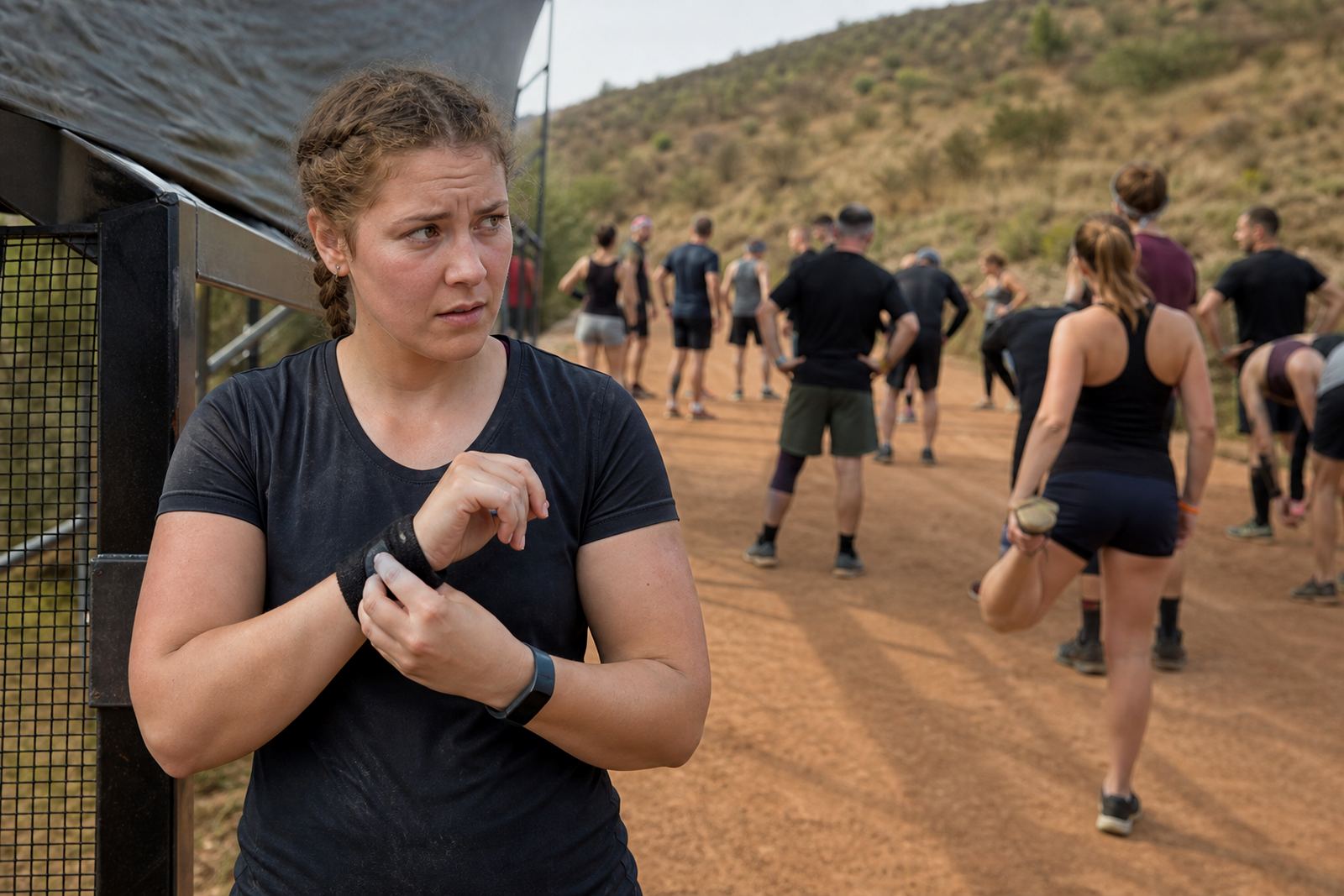
Many participants try to arrive just in time for the start, then end up rushing through registration and the safety briefing. That is a poor trade when you still need to warm up, sort your kit, and find your team. Aim to arrive with enough time to park, walk to the check in point, and settle your breathing before the first instruction.
- Set your route the day before and check for roadworks or closures.
- Keep a second route in mind in case of delays near Krugersdorp or on the approach from Pretoria.
- Fuel up the vehicle before you leave, especially if you are driving in very early or after work the day before.
What the Magaliesberg adds to the drive
The area around Hekpoort and Magaliesburg is beautiful, but it does ask a bit more from drivers than a city run. Roads can be rough in places, wildlife can appear near the verge, and early morning mist may hang low in the valleys. If you are coming from Cape Town, Durban or Bloemfontein, the final stretch after a long highway trip is where concentration matters most. Fatigue after hours on the road makes simple mistakes more likely, so share driving where you can.
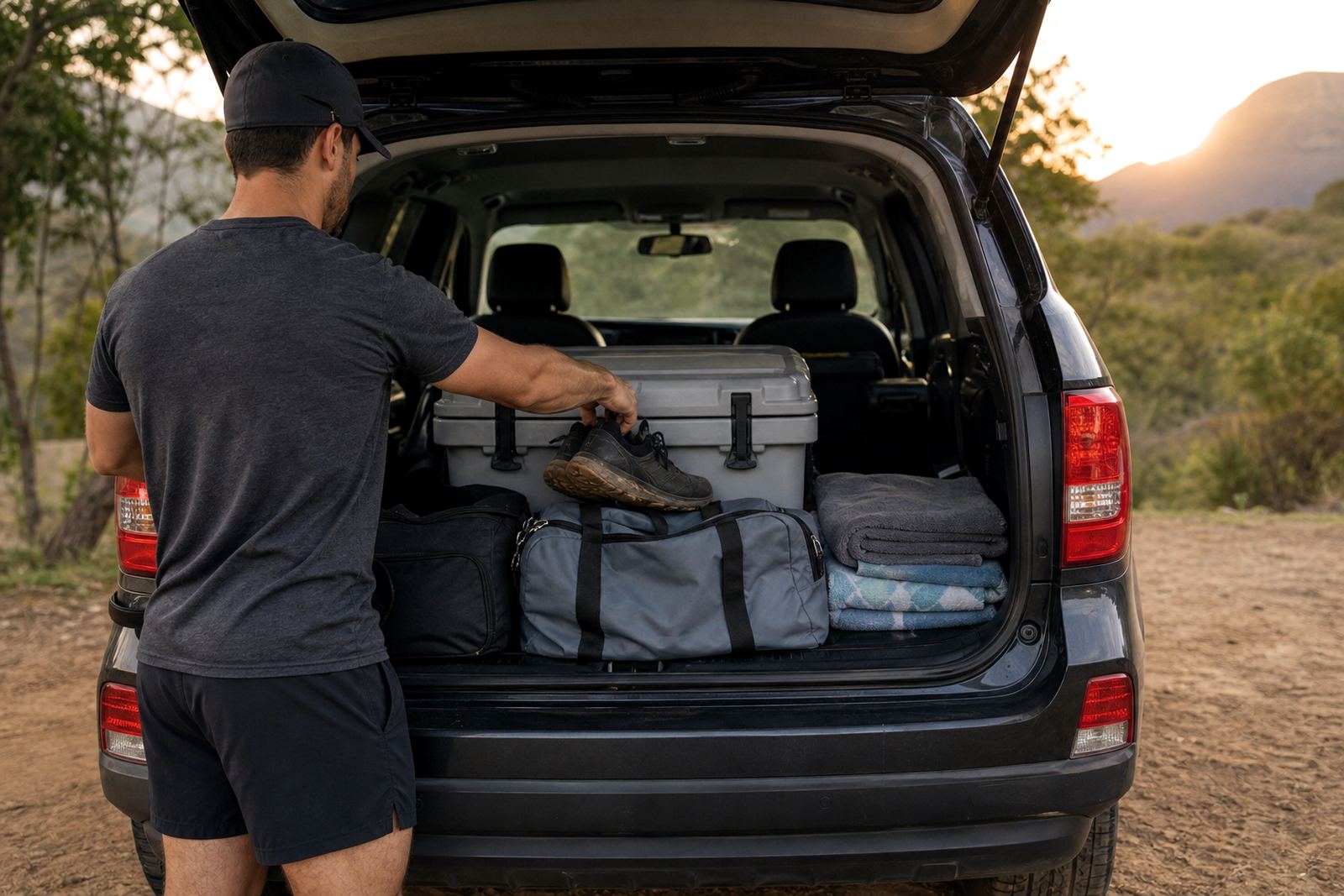
On dusty days, keep windows closed until you park. After rain, some access roads can become slippery, and low profile vehicles need extra care over uneven sections. If you are carrying a cooler box, shoes, a change of clothes and team kit, secure everything so it does not slide around during braking. A stable load is safer and less distracting.
- Use headlights early in mist or poor light, even if it is not yet dark.
- Allow extra time for gravel or uneven access roads near the venue.
- If you are tired after a long trip, take a short break before the final leg.
Your race bag should work as hard as you do
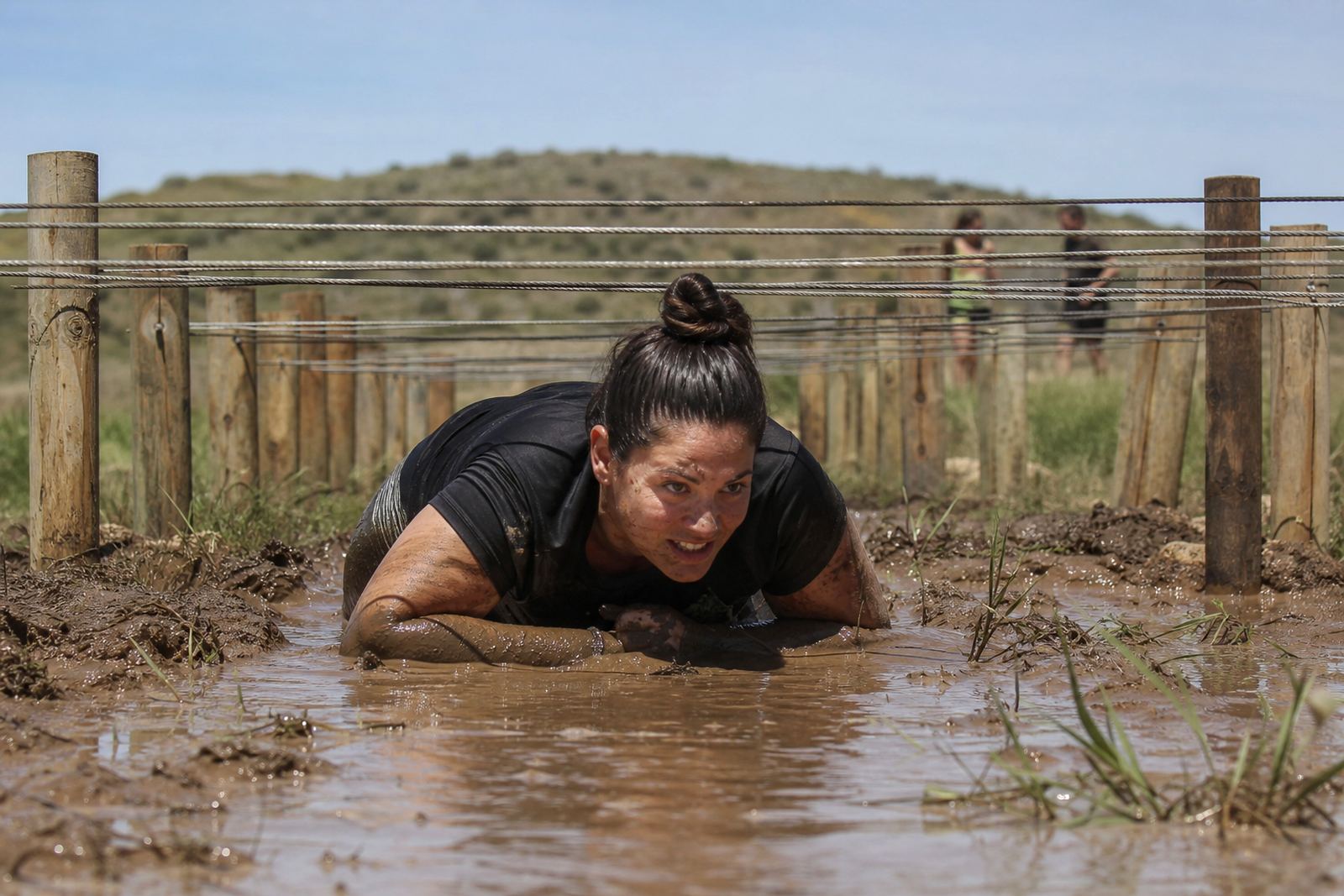
Obstacle course racing is easier when your bag is packed for the day, not for a gym session at home. Bring clothing that can handle mud, water and dust, plus a dry layer for afterwards. Good shoes with grip matter more than fashionable ones, and socks that stay comfortable when wet can save you from sore feet later. If the race involves crawling, climbing or carrying, avoid anything loose that can snag.
For team entries, make one person responsible for the basics that everyone tends to forget. A small kit with tape, plasters, sunscreen and a snack can be handy in the recovery area. If you wear gloves for grip, test them in training first. New kit on race day often causes more hassle than help.
- Bring a filled water bottle or hydration pack.
- Pack a towel, dry T shirt, underwear and socks for after the race.
- Carry your ID, any required waiver details, and a copy of your team instructions if you need them.
- Keep cash or a card for small extras, but do not leave valuables loose in the vehicle.
Briefings, waivers and the bit people skim too fast
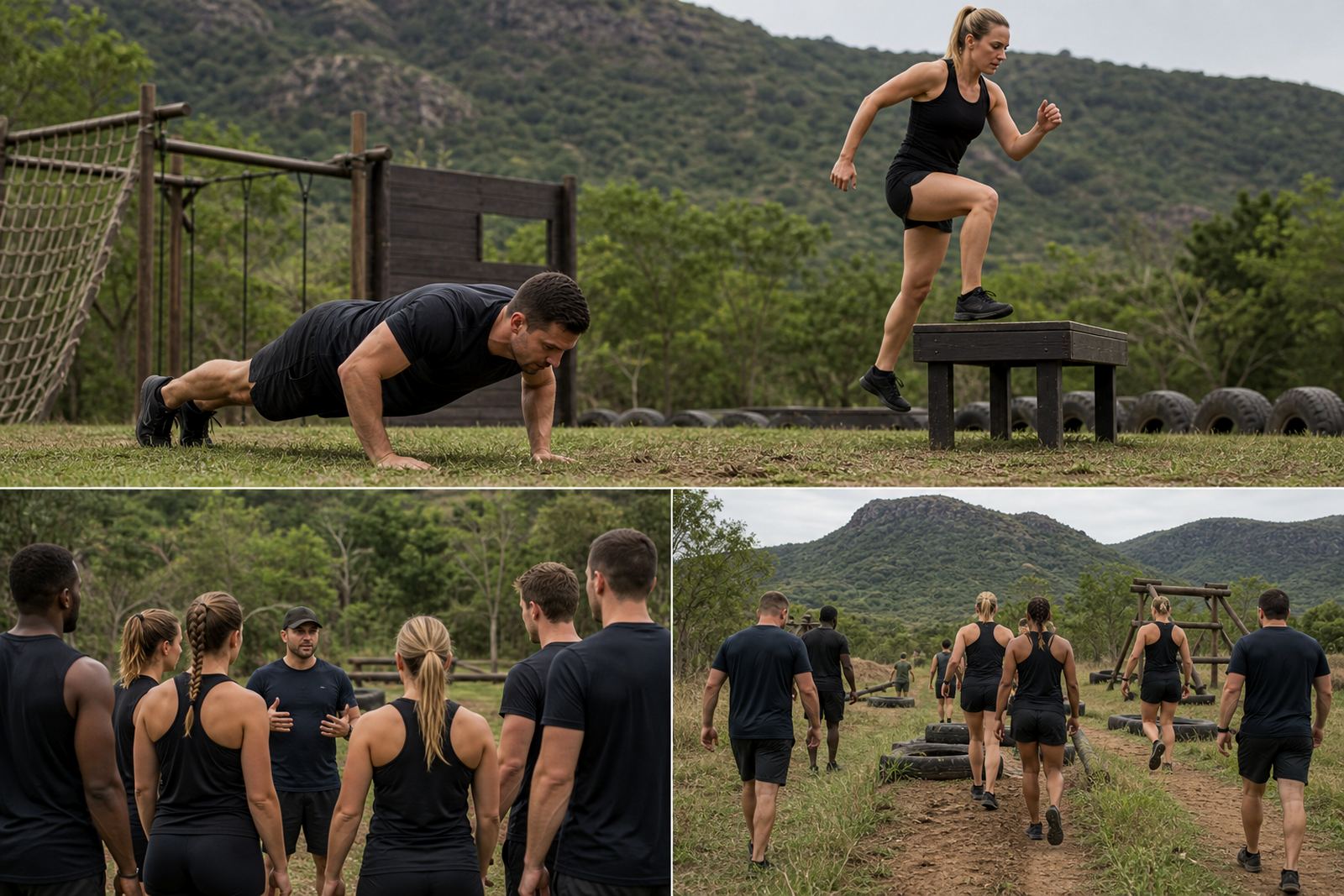
The safety briefing is not filler. It explains how the course works, where to move, what to avoid, and what to do if someone in your group needs help. Listen properly, even if you have done similar events before. Course features change, conditions change, and the ground underfoot in the Magaliesberg can be different from one weekend to the next.
Waiver coordination also matters. If you are entering as a company team, let one person check that everyone has completed the required paperwork and understands the rules. That saves time at the gate and helps the event run smoothly. Bianca Khoza, our Safety and Briefing Officer, and the participant support team often see the same problem: people arrive focused on the challenge but not on the admin that lets them start on time.
- Read the waiver before race day if possible.
- Stay with your team until the briefing is finished.
- Ask about recovery area guidance, heat allocation support and any course restrictions before you head off.
Training for the road to the start line
Travel and training are linked more than many people think. If you are driving in from Johannesburg or Pretoria, the race day starts long before the first obstacle. A body that has been sitting in a car for two hours needs a better warmup than a casual walk from the parking area. Stretch lightly, move your shoulders, open your hips and get your breathing under control before you line up.
For harder endurance events, check with a doctor before taking on high intensity exercise, especially if you have a medical condition, recent injury or have been inactive for a while. That advice is worth following even if you feel fit enough on paper. Tshepo Khumalo’s training content focuses on practical preparation, and one of the biggest lessons is that pacing matters. Start steady, drink early, and do not burn all your energy in the first few obstacles.
- Use short training sessions that mix running, carrying, climbing and grip work.
- Practise moving after a drive, not only after a warm gym session.
- If your group is travelling together, agree on one meeting point and one person to lead final check in.
A local run day example from Hekpoort
Picture a team leaving Pretoria before sunrise for a race near Hekpoort. They stop once for fuel, keep snacks within reach, and arrive with enough time to sort bibs, names and final instructions. While one person handles the team check in, the others use the time to warm up and walk the route to the start area. There is no panic, no searching for missing shoes, and no last minute argument about who has the waivers.
That same approach works for visitors from Rustenburg, Potchefstroom and Johannesburg too. If you are staying overnight nearby, pack the evening before and keep race kit separate from casual clothes. Carmen Botha and the corporate entries process are there to help larger groups move cleanly through registration, but the best results still come from a team that arrives prepared and calm.
By the time the course starts, the drive should already feel behind you. You are there to race, not to recover from the journey.