
The morning jitters are not a bad sign
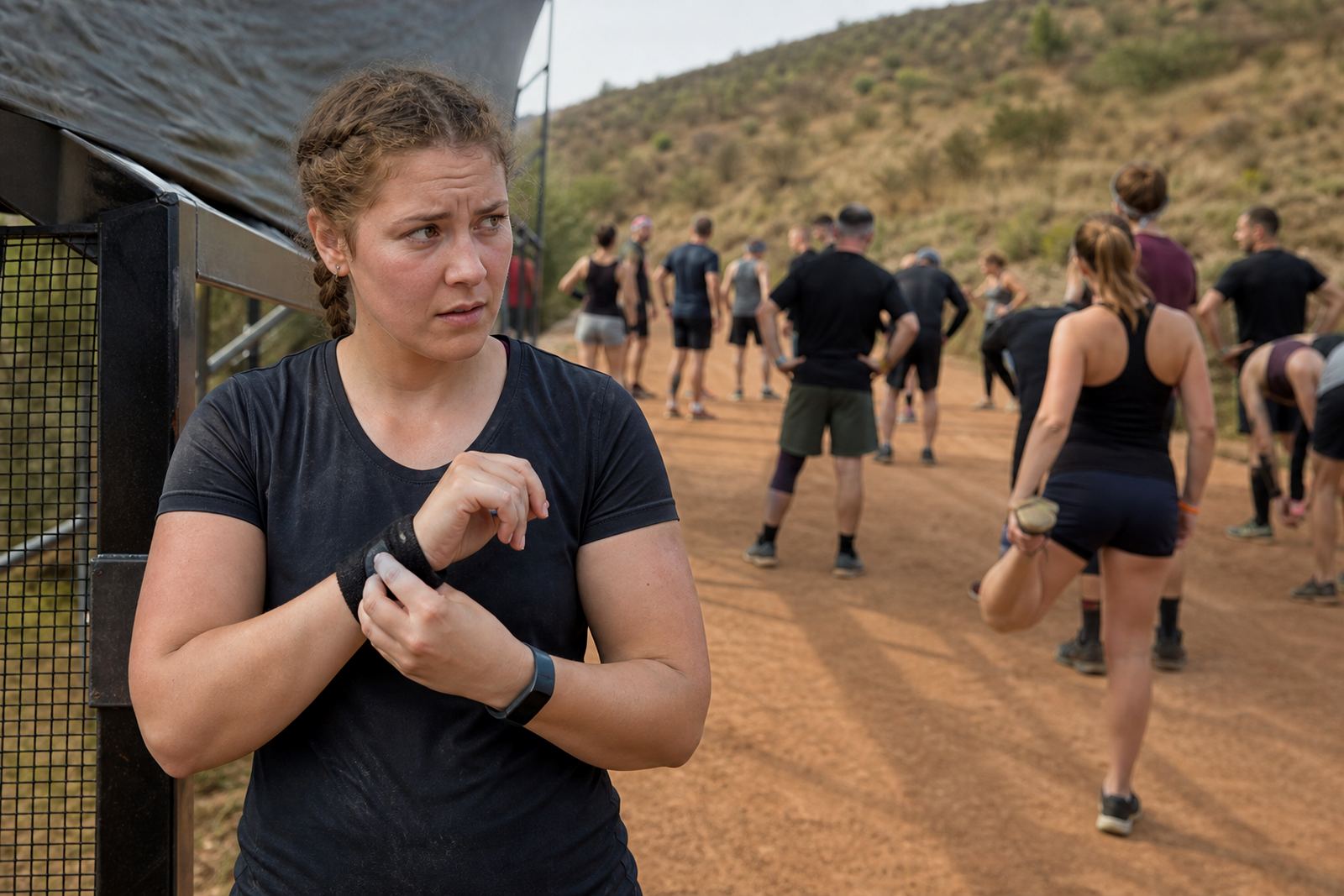
Most first-timers think nerves mean they are not ready. In truth, nerves usually mean you care enough to take the event seriously. At a start line in the Magaliesberg, that feeling can be stronger because the terrain looks unfamiliar, the obstacles look high, and everyone around you appears calm. Do not read too much into that. Some people are hiding their own anxiety, and others are simply used to the routine.
It helps to name what is bothering you before the start. Is it the climbing, the mud, the heat, or the idea of getting stuck at an obstacle while others pass? Once you know the fear, it gets smaller. You can plan for it instead of letting it sit in your head and grow.
- Arrive with enough time to check in without rushing.
- Drink water early, not only once you feel thirsty.
- Keep your first goal very plain: start steadily and keep moving.
What to do the night before the whistle
The night before a race is not the time to test new shoes, new supplements, or a late workout. Keep dinner familiar, get your kit ready, and sleep as well as you can. In North West weather, mornings can start cool and turn warm quite quickly, so lay out clothing that can handle both. A lightweight shirt, grippy shoes, and socks that do not rub are worth more than fancy gear you have never worn before.
If the race uses a waiver and a safety briefing, read both properly. These are not just boxes to tick. They explain the course rules, the obstacle standards, and what the organisers expect from you on the day. If you are unsure about a climb, a carry, or a jump, ask before the start. That is far better than guessing at speed.
- Pack identification, water, a towel, and a dry change of clothes.
- Bring a small snack for after the finish, such as fruit or a sandwich.
- Check your transport plan so you are not worrying about parking or pickup at the last minute.
Pacing beats panic on every lap and climb
First-race anxiety often comes from starting too fast. People see a gap open, then chase it, then blow up before the course is half done. The better plan is boring on purpose: short strides, steady breathing, and controlled effort. If you can talk in short phrases, you are probably in the right zone for the early sections.
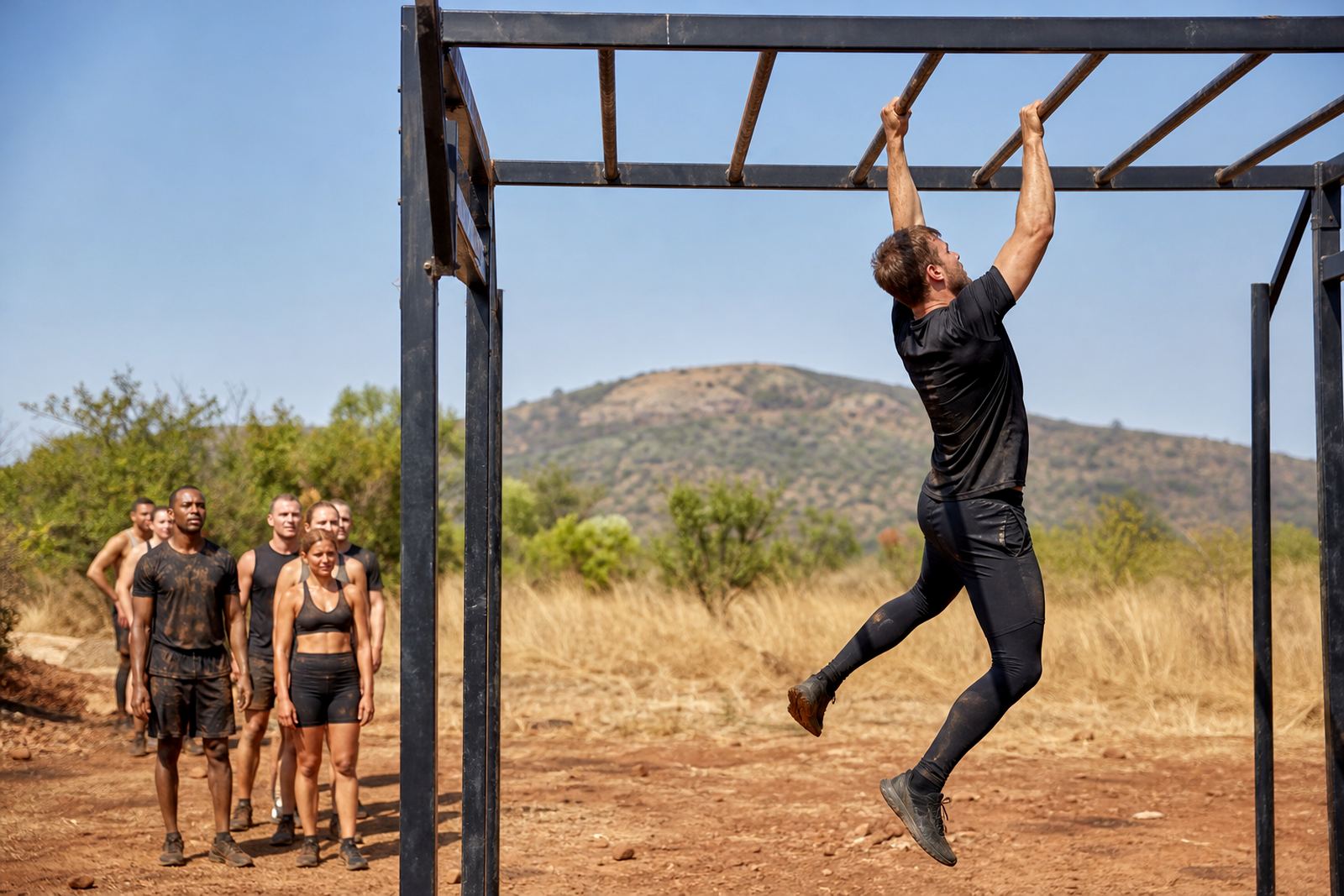
Obstacle course races reward patience. A careful walk up a steep bank can save more energy than a hard run that leaves you breathless for the next obstacle. If a task is awkward, pause, reset your grip, and try again. A calm minute is often quicker than three rushed attempts.
- Use the first kilometre, or first stretch, to settle your breathing.
- Run the flats and recover on the climbs where needed.
- Think in small stages, not the whole course at once.
The briefing is where confidence gets built
A proper safety briefing can take a lot of stress out of the day. It tells you how to move through the course, where the support areas are, how heat groups work, and what to do if someone is struggling. At a venue around Hekpoort or Magaliesburg, the ground can vary from loose gravel to rough patches and open sun, so these details matter. Listen closely, because the rules help you finish safely and with less confusion.
If you are entering as a corporate group, or travelling with friends, use the briefing to agree on a plan. Decide how you will handle separation, where to meet if someone falls behind, and who carries what. The stronger the group plan, the less likely anyone feels stranded.
- Know where your captain should report if the event uses team communication.
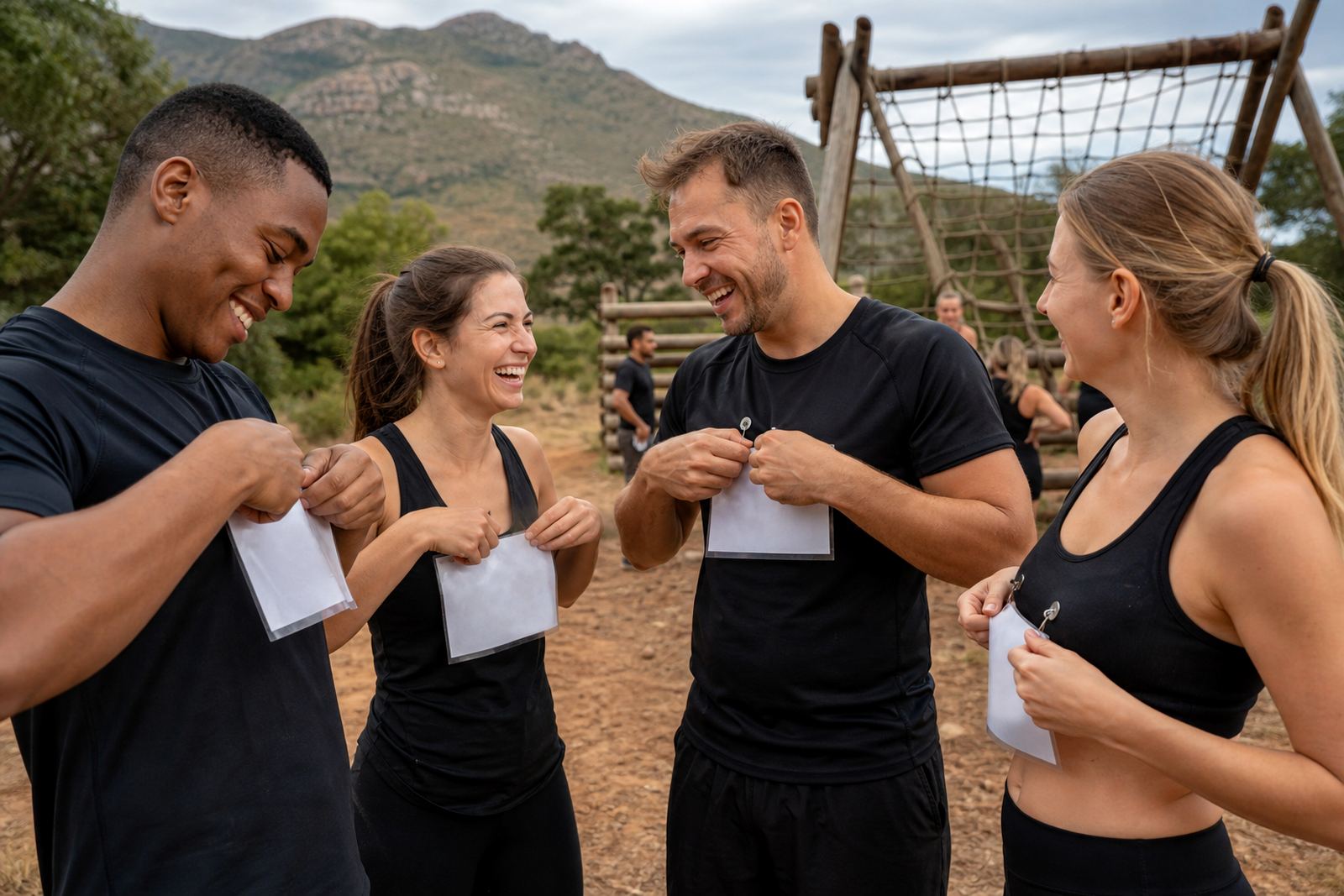
- Make sure your waiver is completed before the start area gets busy.
- Ask about recovery space, water points, and any cut-off instructions.
What to bring so the day feels manageable
Most first-time stress comes from not knowing whether you have packed the right things. Keep it practical. You do not need a large bag, just the right few items. In summer, sun protection and water matter. In the cooler months, a dry layer for after the finish is useful, especially if there is a breeze across open ground near the foothills.
It is also worth thinking about the drive. Travellers from Johannesburg, Pretoria, Rustenburg, Potchefstroom or further afield may spend enough time on the road to arrive stiff and flat. A few stretches before check in can help.
- Trail shoes or trainers with proper grip.
- Water, a towel, sunscreen, and a cap or visor.
- A change of clothes and something warm for after the race.
- Any personal items required for medication or comfort, kept dry in a small pouch.
Finish the first race by thinking like a finisher
The best first race is not the fastest one. It is the one where you stay composed, keep moving, and learn how your body responds under pressure. If you miss a grip, slip in mud, or need to slow down, that does not mean the day is going badly. It means you are participating in a real obstacle course, not a gym session. Every finish line has a few untidy moments in it.
For some participants, the biggest win is simply standing at the end knowing they did not quit. For others, it is finishing with a teammate who needed encouragement. Either way, the result is the same: you learned how to handle pressure, and you have a better base for next time. If you are unsure whether hard exercise is suitable for you, check with a doctor before race day. That is the safest way to decide how hard to push.
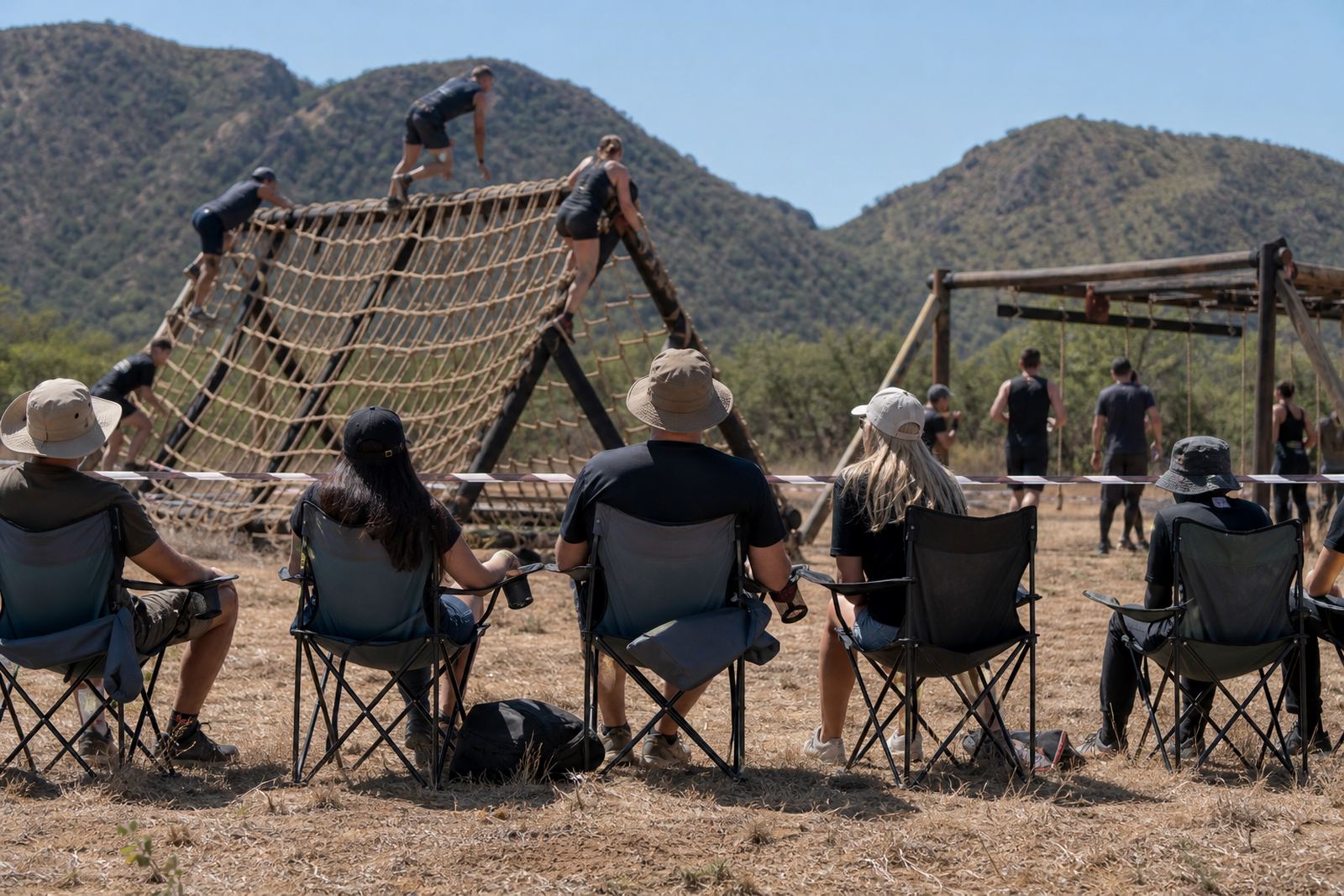
At a Magaliesberg event, the scenery can distract you in a good way if you let it. Look up now and then, breathe, and remember that the course is only asking for the next step, not the whole day at once.