Why your hands fail before your legs do
In obstacle course races, grip usually goes first because it works quietly in the background while the rest of the body is busy. By the time you reach a monkey bar section, rope climb, wall carry or cargo net, your fingers and forearms are already paying for every pull, swing and catch. Around Hekpoort and the wider Magaliesberg area, the dry air can help with sweat control, but dust, sun and early morning chill all change how your hands behave on metal and rope.
Good grip training is not only about squeezing harder. It is about hanging longer, switching hands cleanly, keeping the shoulders switched on and breathing under strain. If you are starting a harder training block, check with a doctor before hard exercise, especially if you have had wrist, elbow or shoulder trouble.
Build the habit with short hangs and honest timing
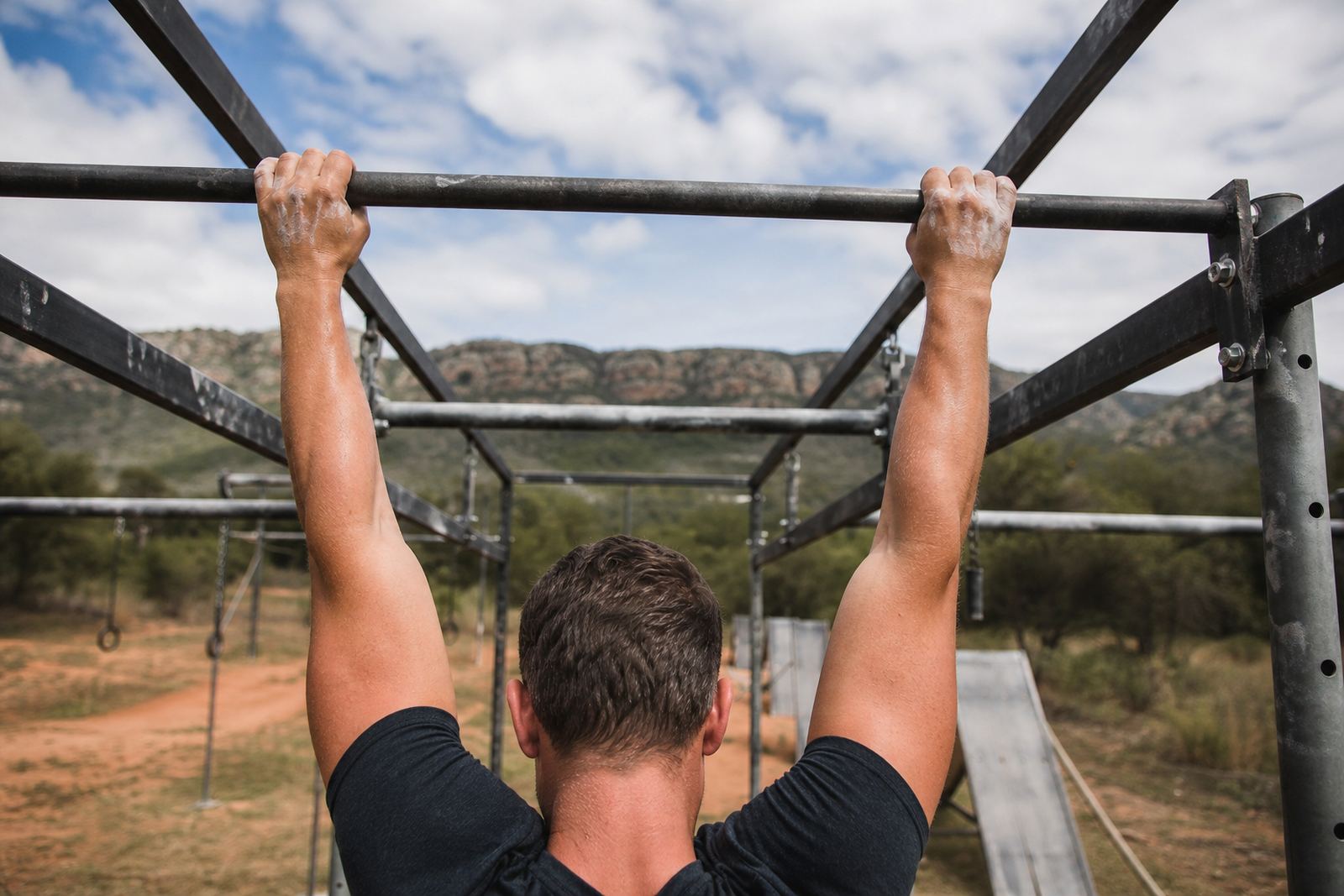
The fastest way to improve hanging endurance is to practise hanging, then repeat it often enough for your body to adapt. Start with short sets that let you keep form neat. A dead hang from a pull-up bar, sturdy beam or similar fixed point works well if the surface is safe and the load is controlled.
Try these progressions during the week:
- 3 to 5 sets of dead hangs for 10 to 20 seconds
- Active hangs where the shoulders stay engaged, not loose
- One-arm assisted hangs with a foot lightly on a box or tyre
- Timed hangs after a short jog to copy race fatigue
Leave a little recovery between sets. If your hands are slipping after the first few seconds, stop and reset rather than chasing ugly reps. The point is quality, not just surviving the minute.
Train the forearms like a job, not a party trick
Forearm endurance improves when you work the whole chain, from fingers to elbows. Farmers carries, towel holds and thick-handle carrying drills all help because they ask the hand to stay closed while the body moves. A towel draped over a bar can make a simple hang much harder and gives a closer feel to rope work.
Useful exercises include:
- Farmer carries with two equal loads for 20 to 40 metres
- Towel rows or towel hangs for extra hand demand
- Plate pinches or book pinches for thumb strength
- Wrist flexion and extension work with light load
- Slow rope pull simulation using a towel or strap
Keep your wrists in good positions. If your grip work is heavy, your elbows may talk back the next day, so spread the load across the week and do not cram every drill into one session. A small typo here and there is easy to make when training hard, and a tired forearm can feel that way too.
Use control drills before speed tries to take over
On course day, people often rush the first obstacle and then fight the next one with tired hands. Control drills help you stay calm when the surface is swinging, wet or uneven. In the Magaliesberg hills, wind can affect ropes and hanging frames, while a shaded obstacle can stay damp longer than expected after early morning mist or rain.
Before you train for speed, practise control:
- Pause halfway through a hang and re-set your shoulders
- Climb down slowly instead of dropping off every time
- Switch hands one at a time on a bar, then repeat under fatigue
- Hold a top position for 3 to 5 seconds before moving on
These small holds teach patience. They also improve your ability to keep the chest open and avoid panic breathing when a section gets awkward. That steadiness matters just as much as raw power.
A local training loop that fits a busy week
If you are travelling from Johannesburg, Pretoria, Rustenburg or Potchefstroom for a race in the Magaliesberg area, training time is often limited. A short loop works better than a grand plan that never gets done. Build one session around grip, one around pulling, and one around movement under fatigue.
Try this practical weekly split:
- Day 1: hangs, carries and towel work
- Day 2: pull-ups or assisted pulls, plus core work
- Day 3: hill walk, jog or interval run with a short grip finisher
At a venue in Hekpoort or Magaliesburg, you may also face dust, uneven ground and weather changes that are normal for North West outdoor events. Train in a similar mix where possible. Even a simple tyre, monkey bar frame or sturdy rail can give you useful race-specific work if you stay safe and steady.
Race-day hands need a plan before the whistle goes
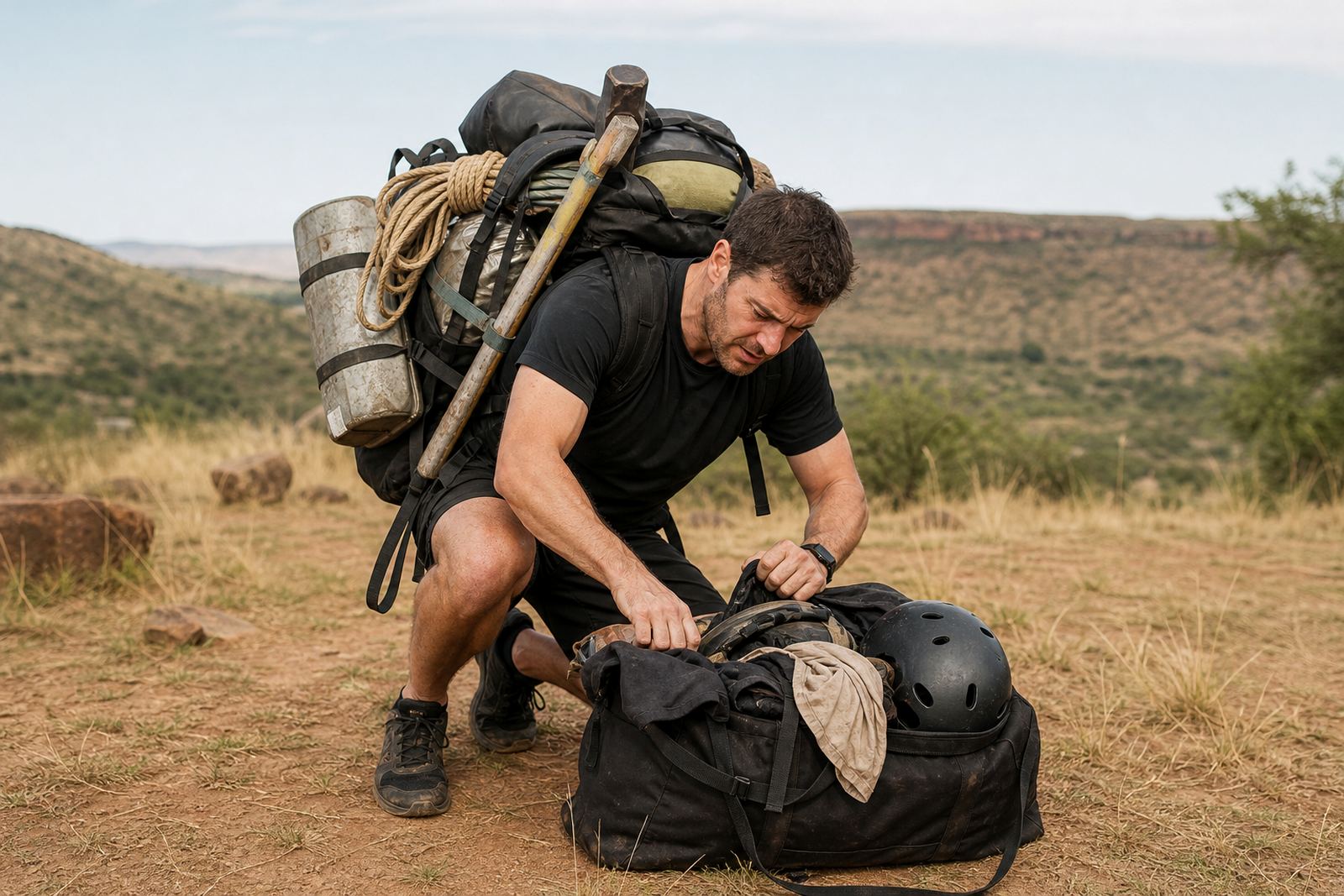
Grip is not only a gym problem. It is also a race-day management problem. If the organiser gives a safety briefing and waiver process, pay attention to it because different obstacles may have different ways of entering, exiting and retrying. Read the rules, ask questions early and listen for the recovery-area guidance so you know when to push and when to back off.
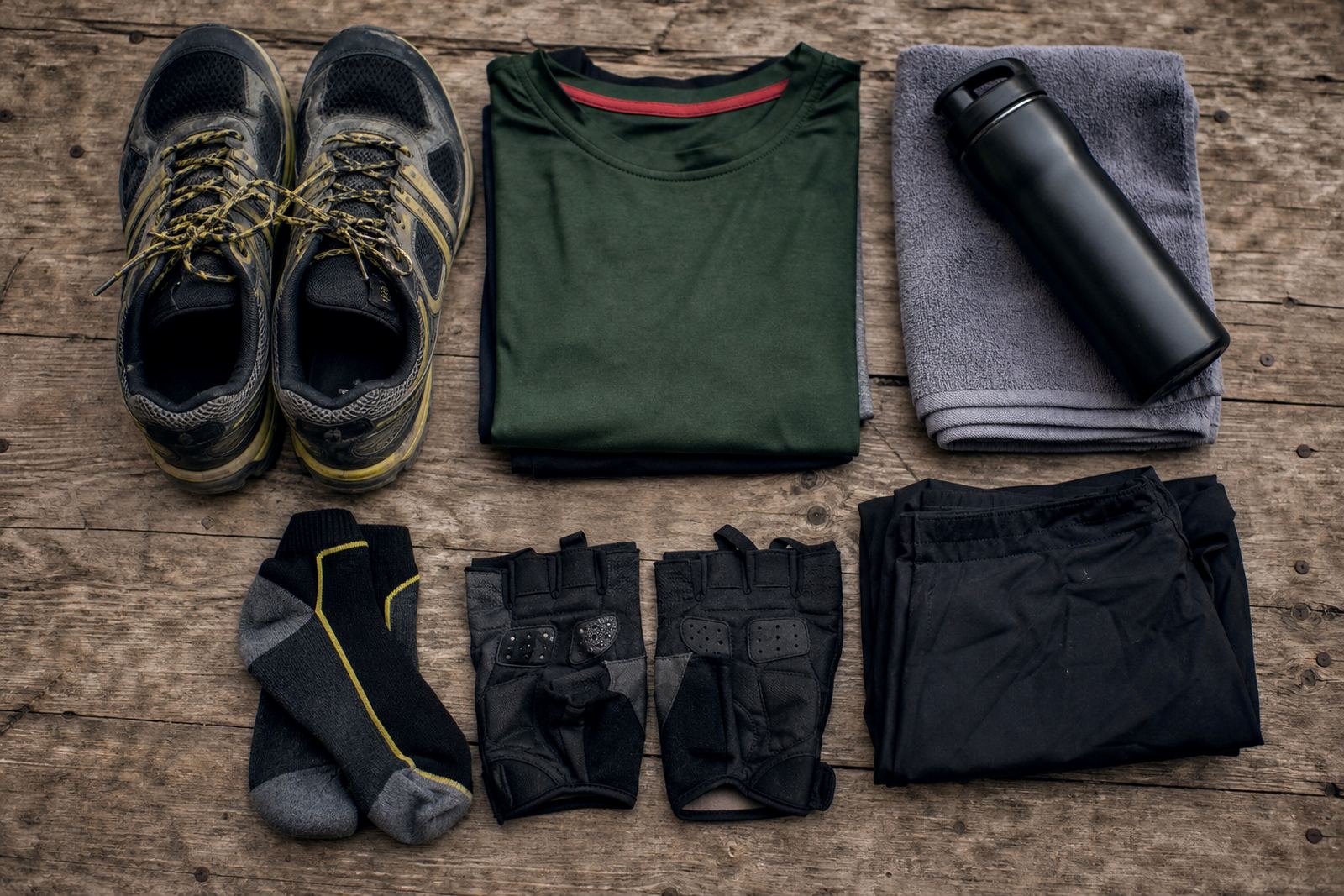
What to bring for a safer, more comfortable day:
- Supportive training shoes with enough tread for mud and gravel
- Water and a snack for before and after the event
- A small towel for sweat and dust
- Sun protection, depending on the weather
- A clean shirt or dry layer for after the race
Keep your hands reasonably clean before you start, but do not overdo chalk or tape unless it is allowed and helps your grip without causing problems. A dry palm is useful, though too much product can make rope handling messy. If your hands blister easily, build them up gradually and manage the skin after training.
When teamwork matters more than hero moves
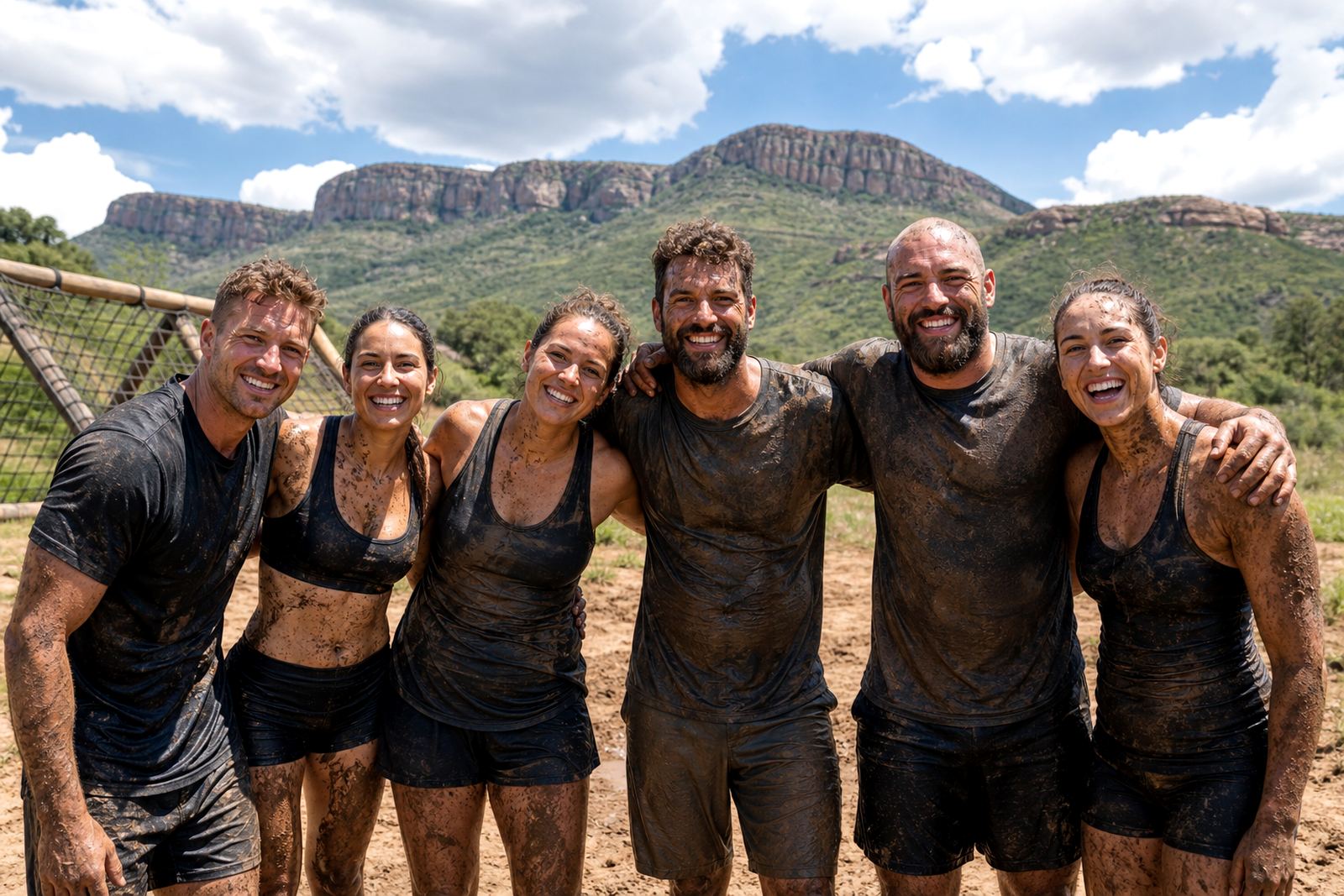
Obstacle racing often looks individual from the outside, but teamwork changes the whole experience. A strong grip can help you support a partner over a wall, steady someone on a beam, or hand off advice when they are tired. That is why team registration help, captain communication, custom team briefing and onsite check-in all matter for group entries. They set the tone before anyone reaches the first obstacle.
For corporate groups or mixed fitness teams, the best results often come from keeping the plan practical. Focus on safe pacing, clear instructions and realistic expectations. One participant may be confident on hangs and another may be better on carries or hills. When everyone understands their role, the whole group moves better and there is less panic at awkward sections.
Grip training is not about showing off. It is about staying useful when the course starts to bite. That is where the real improvement shows up.