Why the first 200 metres matter more than they look
At the gun, many participants surge because everyone around them is moving, and that crowd pressure is real. The trouble is that obstacle course racing is not a flat road race. A sharp burst off the line can leave your breathing high before you reach the first hill, rope, wall or muddy patch, and once your heart rate is up it is harder to settle again.
A calmer start does not mean being passive. It means choosing a pace you can hold while you read the course. If you begin with control, you are less likely to trip at the first turn, miss a hand placement, or waste energy fighting for position in places where the course naturally bunches up.
- Take the first steps with short, steady strides
- Keep shoulders loose instead of tensing up
- Look ahead for footing, not at the runner directly in front of you
- Save the hard push for open ground or a section you know well
Settle your breathing before the field settles you
Good breathing is one of the easiest ways to avoid a panicked start. When people sprint off the line, they often hold their breath for a few seconds without noticing it. That extra tension makes the first obstacle feel harder than it should and can make hands slippery by the time the first grip challenge arrives.
Use the start as a rhythm check. Inhale through the nose or mouth, exhale fully, and let the breath match your stride. If you know you are the type to go out too hard, count the first ten to fifteen steps in your head and keep them measured. It sounds small, but it can save a lot of energy over a long day on course.
- Breathe out fully before the start so you are not already tight
- Match breath to movement instead of chasing the person beside you
- If you feel the rush building, shorten your stride rather than forcing speed
What a clean start looks like on mixed terrain
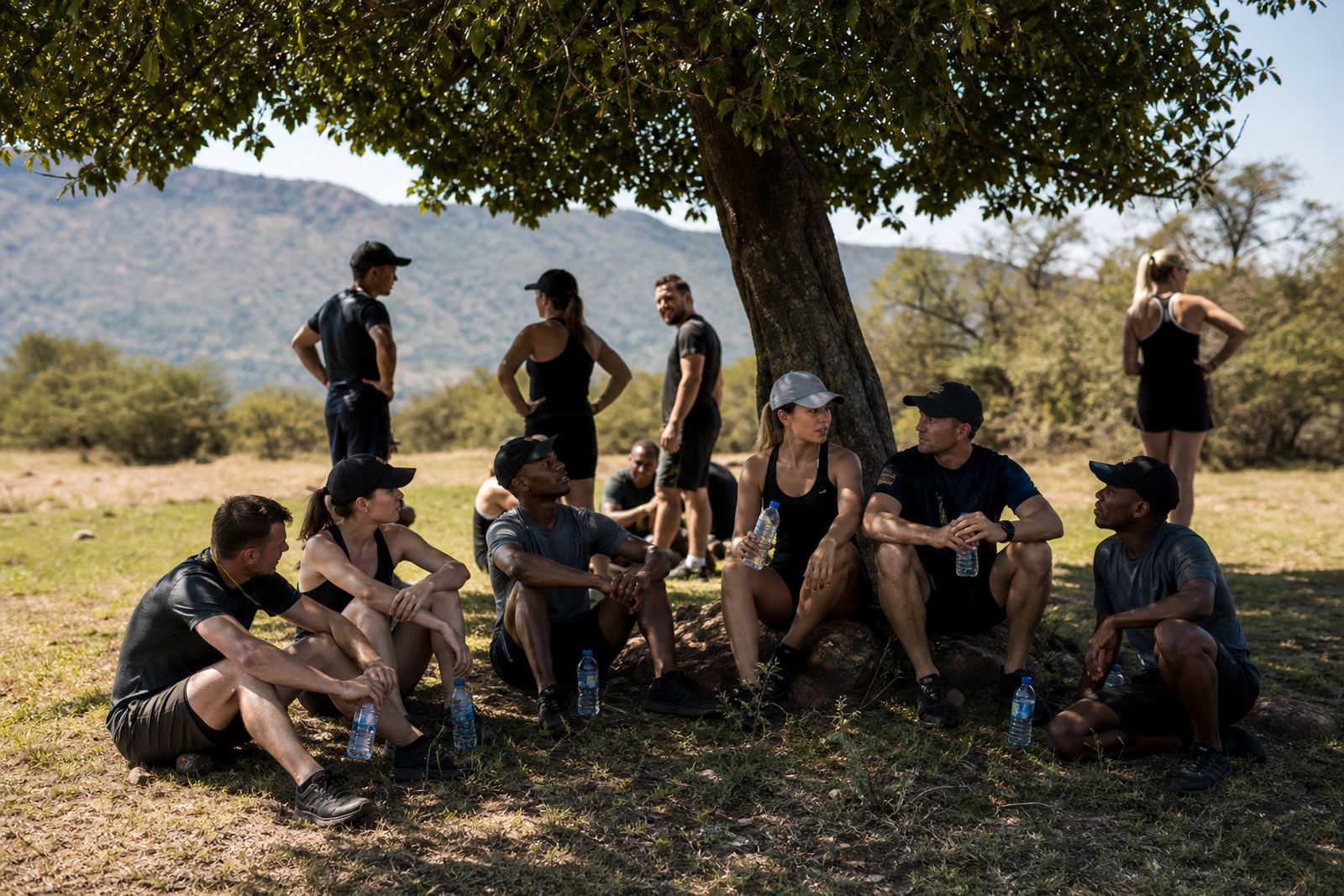
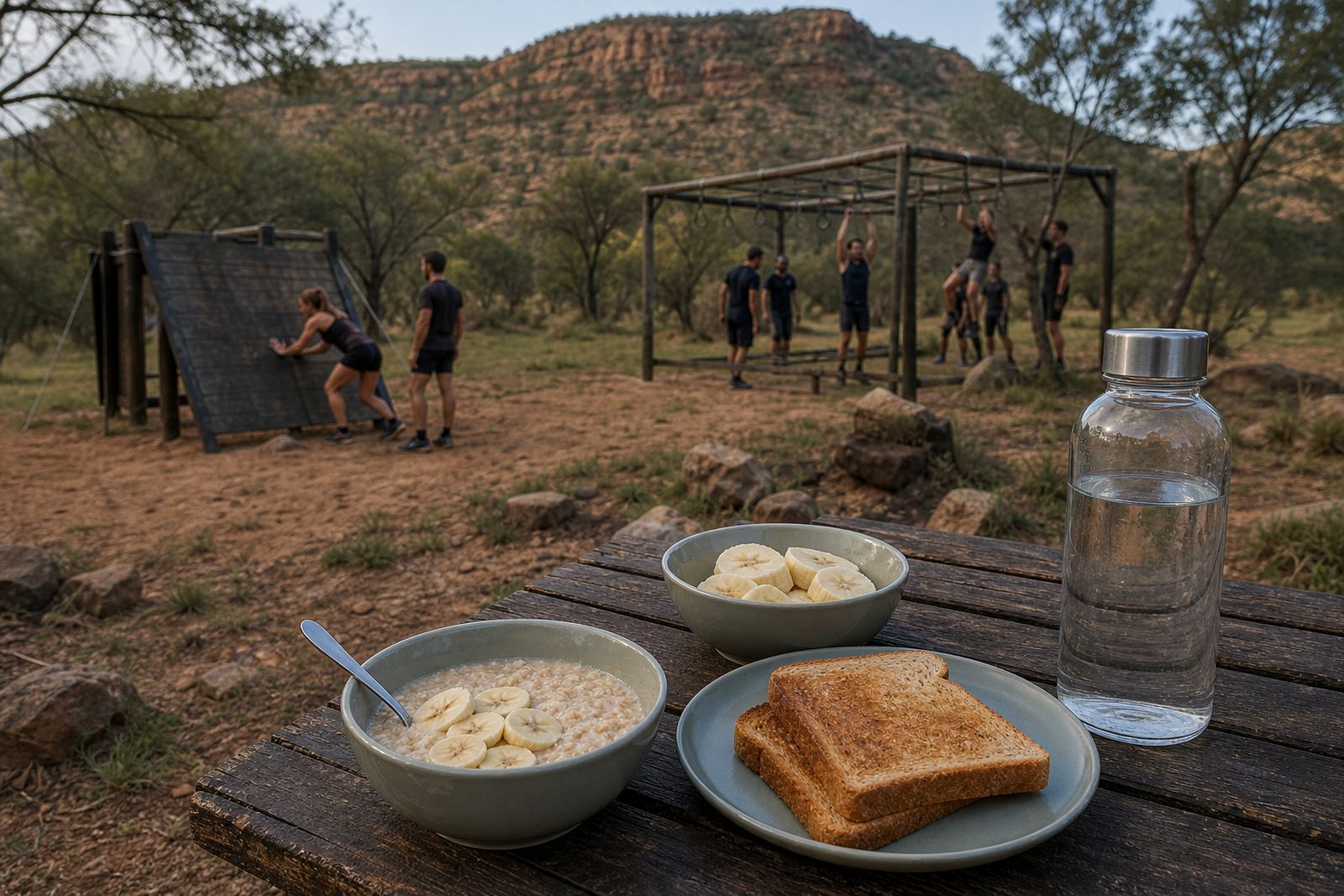
A race in Hekpoort or around the Magaliesberg does not give you much room to waste energy. The ground may be dusty, rocky, uneven or slick in patches, and one rushed step can turn into a small slip that costs more time than a calmer pace ever would. Early control matters even more when the course includes climbs, water, carries or narrow passages where people bunch up.
A practical start is about positioning, not panic. Find a clear line, keep your feet under you, and wait for the field to thin before you make your move. If there is a hill in the opening stretch, do not attack it like a sprint. Walk strong, breathe steadily and hold form. That is often faster than burning out halfway up.
- Watch for loose stones, roots and ruts in the opening stretch
- Leave space for sudden changes in direction
- Use the terrain, do not fight it
- On uphill ground, focus on efficient steps rather than speed alone
The briefing is where race day calm begins
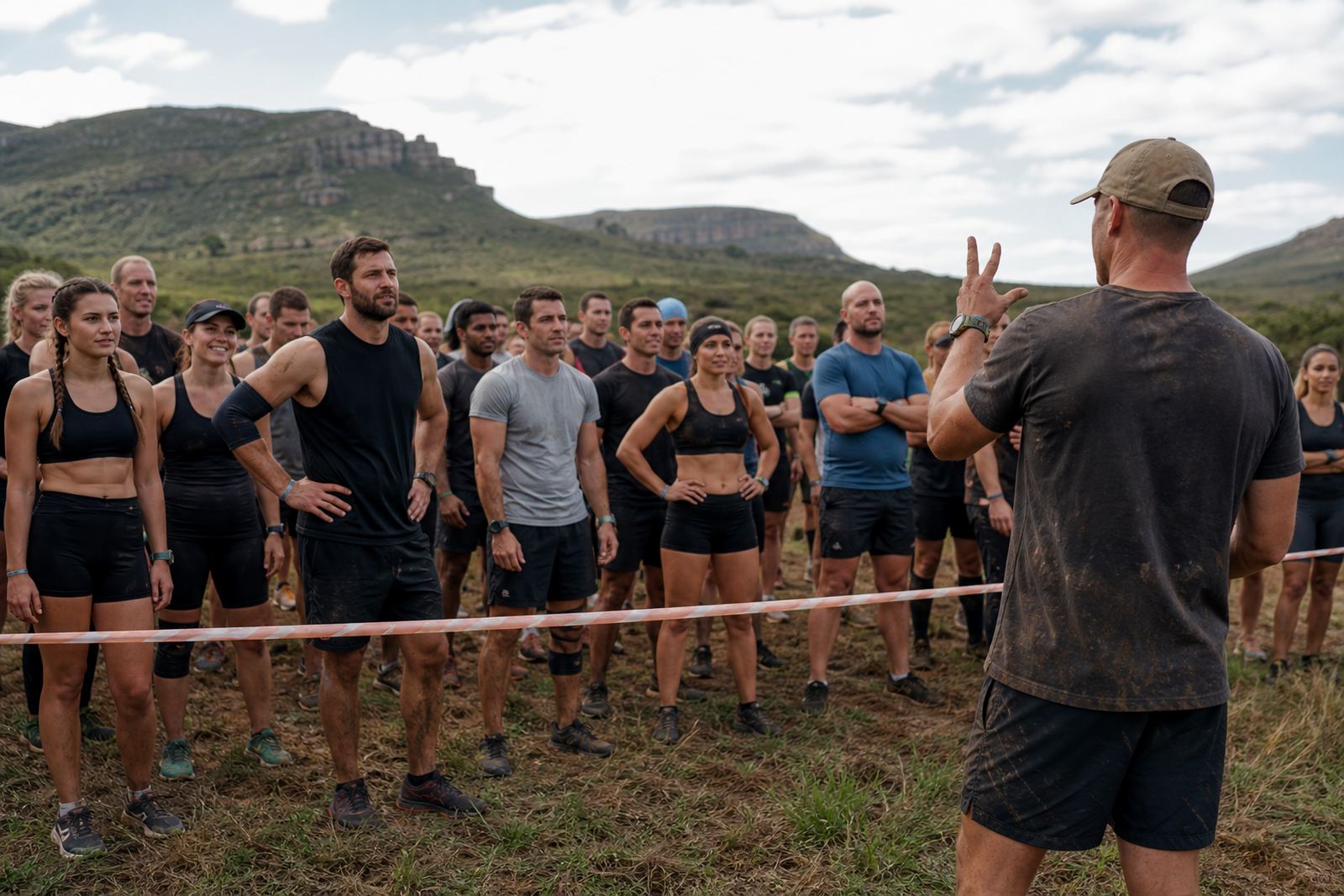
Many of the mistakes made at the start line are really briefing mistakes. If a participant has not listened carefully to the safety notes, waiver requirements, heat allocation details, or the order of the opening section, the start can feel rushed before the race even begins. A clear briefing helps everyone know where to stand, what to expect, and how to move off safely.
It also helps to know the basics of your own day before you line up. Check your heat, listen for the right call-up, and make sure you understand any team instructions. If you are racing hard for the first time, or returning after a long break, it is sensible to check with a doctor before hard exercise. That is a general precaution, not personal medical advice, and it can help you make better choices about effort and preparation.
- Attend the full safety briefing, even if you have raced before
- Complete waiver steps in advance where possible
- Ask about team registration, captain communication and heat allocation support if you are part of a group
- Know where the recovery area is before the start horn goes
What to pack so the first minutes stay orderly
Rushing at the line is often worsened by poor preparation. If you are hunting for kit, adjusting clothing or worrying about hydration, you are already behind. Pack what you need the night before and keep it basic. For obstacle racing, less clutter usually works better than overpacking.
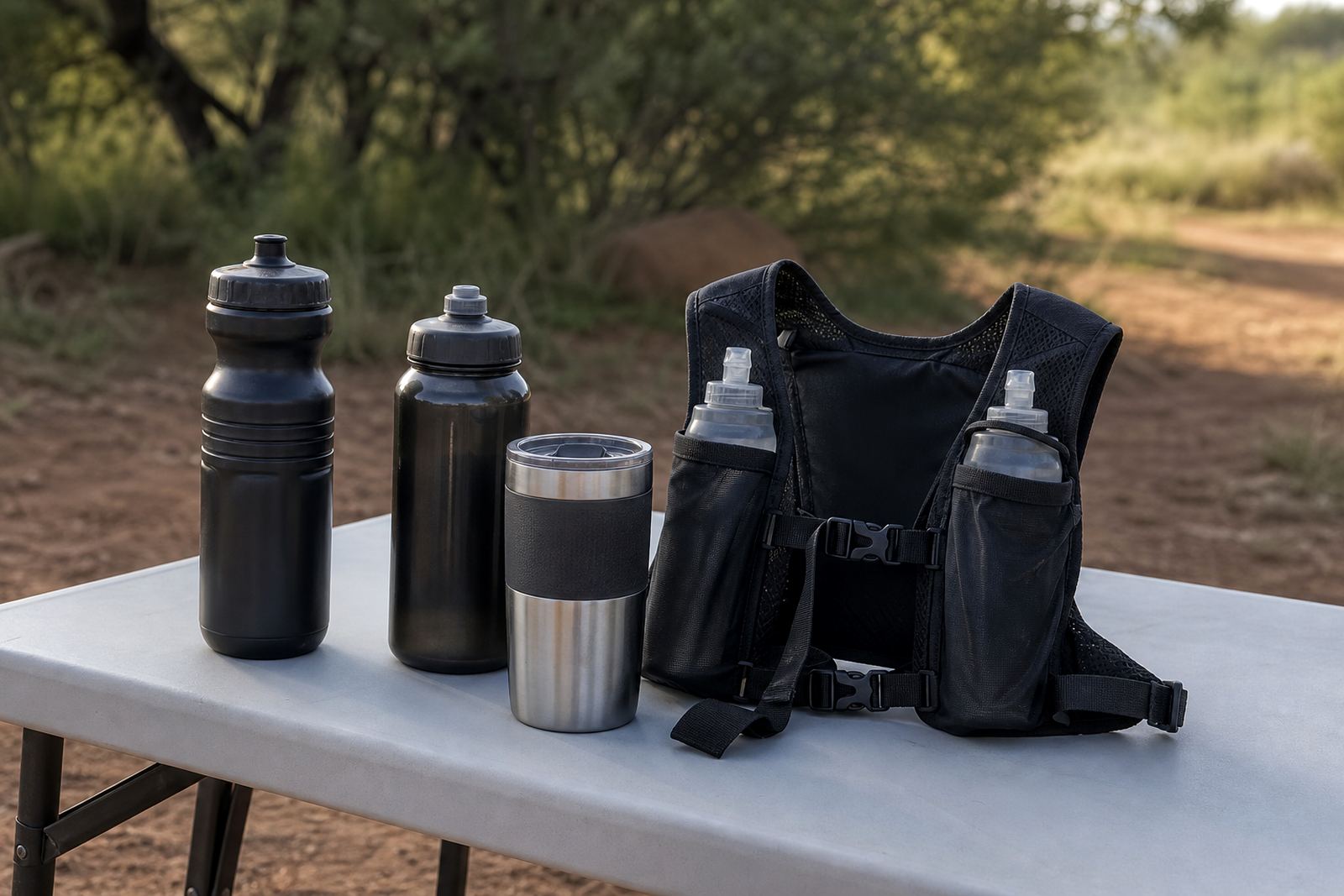
Bring items that help you start clean and stay safe. If the event is in dry, hot conditions, carry enough water for your own needs before and after the race. If the course is wet, think about grip and a spare layer for after finish. Many participants also forget a small towel, a sealed bag for muddy items, and a change of socks. At a venue like Hekpoort, where the weather can shift and the ground can change quickly, that practical approach matters.
- Trail shoes or trainers with decent grip
- Water, especially for warm conditions
- Identification and any required waiver confirmation
- Dry clothes for after the finish
- A small towel and a bag for dirty kit
A steadier first minute can save the whole race
At Punisher events, the strongest performances are not always the ones that start fastest. They are often the ones where the participant keeps composure, listens to the briefing, and uses the opening stretch to settle into the day. That is true for solo runners and teams alike. A team that starts in control is more likely to keep communication clear through carries, climbs and obstacle transitions.
A local example is easy to picture in Magaliesberg. A Johannesburg traveller may arrive amped, caught up in the energy of the venue, while a Pretoria team may be focused on matching pace from the start. The better result is usually the same: breathe, move with purpose, and avoid the urge to race the first section as if it is the last one. That small discipline can make the difference between a strong finish and a hard early fade.
For corporate entries, team registration help, waiver coordination, safety briefing groups, custom team briefings and onsite team check-in all play a part in reducing start-line chaos. The calmer the start area, the better the race usually goes for everyone.