Why mud punishes guesswork
Mud exposes weak points fast. A strong engine helps, but if your feet slide on the take-off, your hands are slick on a rope, or you rush a descent because the ground feels unstable, you waste energy and raise the risk of a fall. Training for mud means learning how to move with shorter steps, lower body tension and better balance when the course changes under you.
In the Magaliesberg and Hekpoort area the terrain can shift from hard-packed farm track to wet grass, loose dust and rocky patches in one section. After rain, the ground often stays greasy in the shade and firmer in open sun, so you need to be ready for both. That mix is exactly why repeated effort matters, because a race rarely gives you a clean surface all the way through.
- Shorten your stride on slick ground so your foot lands under you, not far in front.
- Keep your eyes a few steps ahead to spot ruts, stones and puddles.
- Practise controlled breathing when the ground slows you down.
- Accept that pace will change and focus on steady movement.
Build the legs that stay useful after the first splash
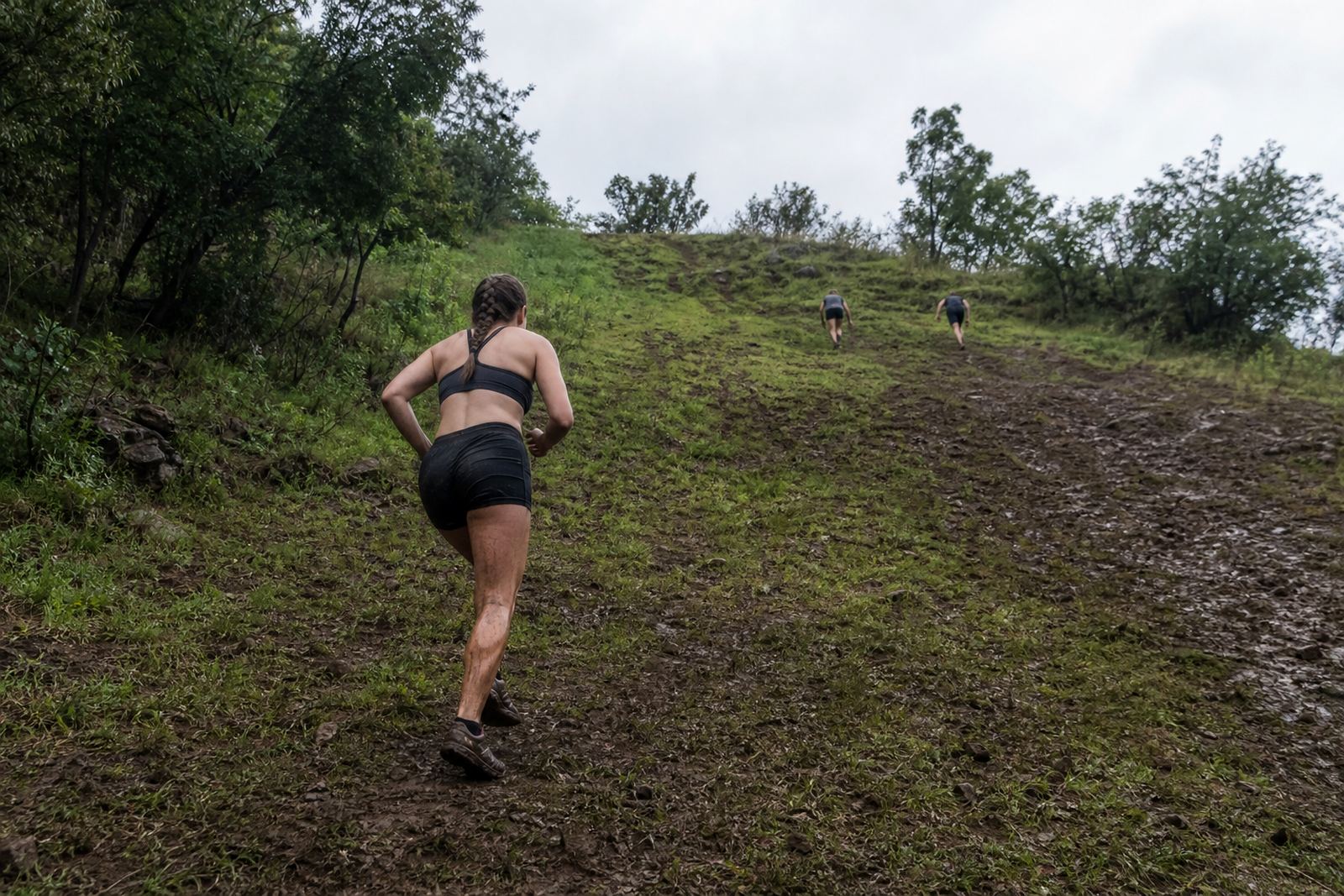
Mud racing asks for repeated efforts, not one big burst. You may sprint a rise, crawl under a low frame, then climb again with wet shoes and tired legs. Training should reflect that pattern. Mix hill work, bodyweight circuits and longer steady sessions so your legs learn to keep working while the grip goes away.
A practical session is four to six rounds of 2 minutes hard effort, 1 minute controlled walk or jog, then 10 to 15 bodyweight squats, lunges or step-ups on a safe surface. Add carries with a sandbag or water container if you train on a farm, yard or open field. If you are new to hard exercise, check with a doctor first before starting a tough programme, especially if you have chest pain, old injuries or a medical condition that affects exertion.
- Use hills for power, but keep the descent controlled so your legs learn braking.
- Train tired. A mud race often feels worst after the first third, not at the start.
- Include one session a week where you move, rest, then move again under fatigue.
- Work on single-leg balance at home or in a gym, even 30 seconds at a time.
Footing practice beats fancy shoes
Good footwear helps, but no shoe removes bad habits. For slippery sections, train your ankles, calves and hips to stabilise quickly when the surface shifts. If you can, practise on wet grass, loose gravel or soft ground after rain, always with care and a clear space around you. The aim is not to race on dangerous terrain for the sake of it, but to learn how your body reacts when the surface feels unpredictable.
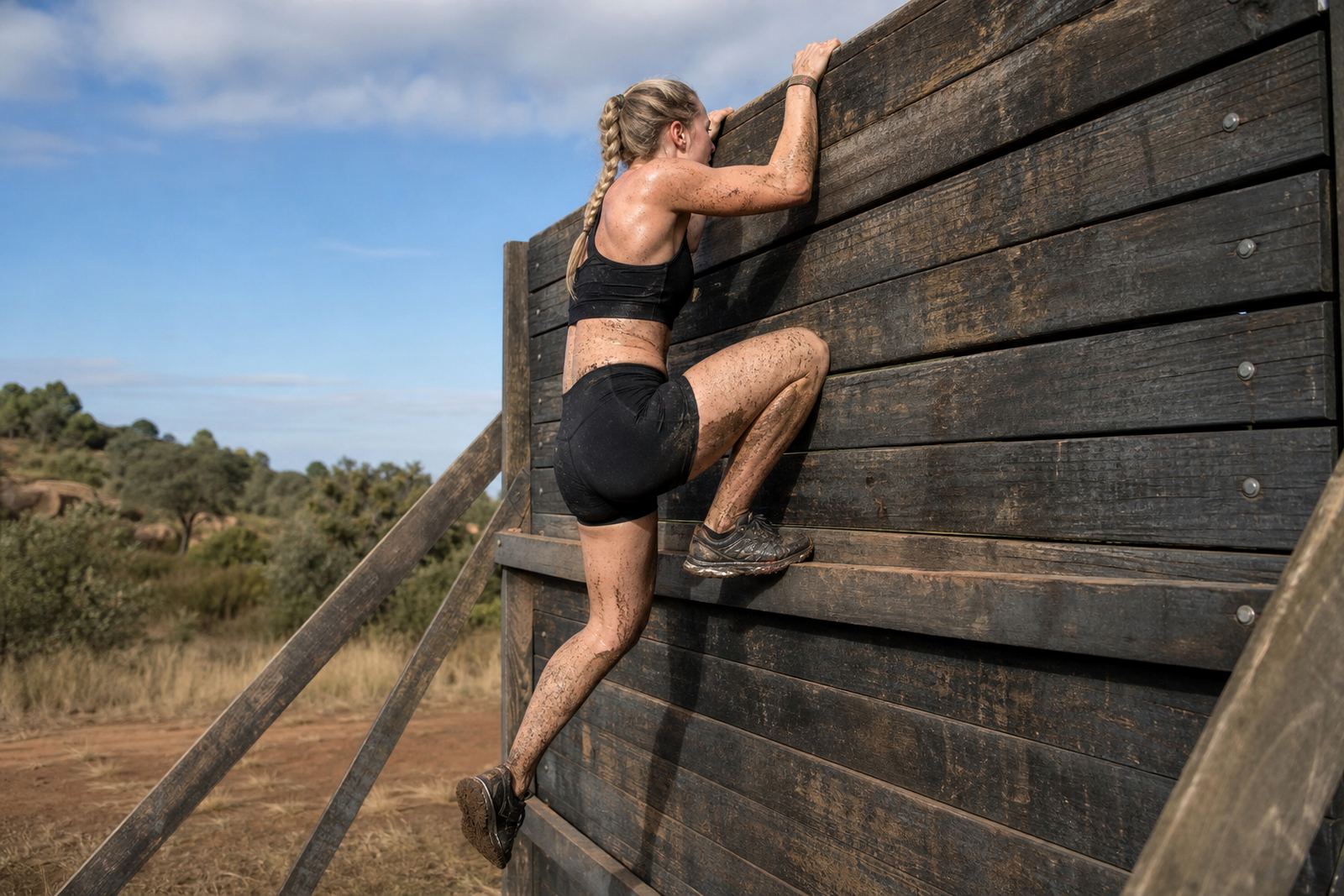
Pay attention to how your feet land. Flat, heavy stamping usually makes slipping worse. Light, quick placement gives you more correction time. When climbing a muddy bank, lean slightly forward from the ankles, not the waist, and drive your knees with purpose. On downhills, keep your core firm and avoid overstriding, because one long reach can send you skidding. It sounds small, but that small adjustment saves energy across a long course.
- Practise fast feet drills on grass or a mat to improve quick recovery after a slip.
- Strengthen calves and ankles with raises, side steps and balance work.
- Test socks and shoes on wet ground before race day so you know how they feel when soaked.
- Dry your kit properly after training, especially near the coast where humidity hangs around.
What to bring when the course will be messy
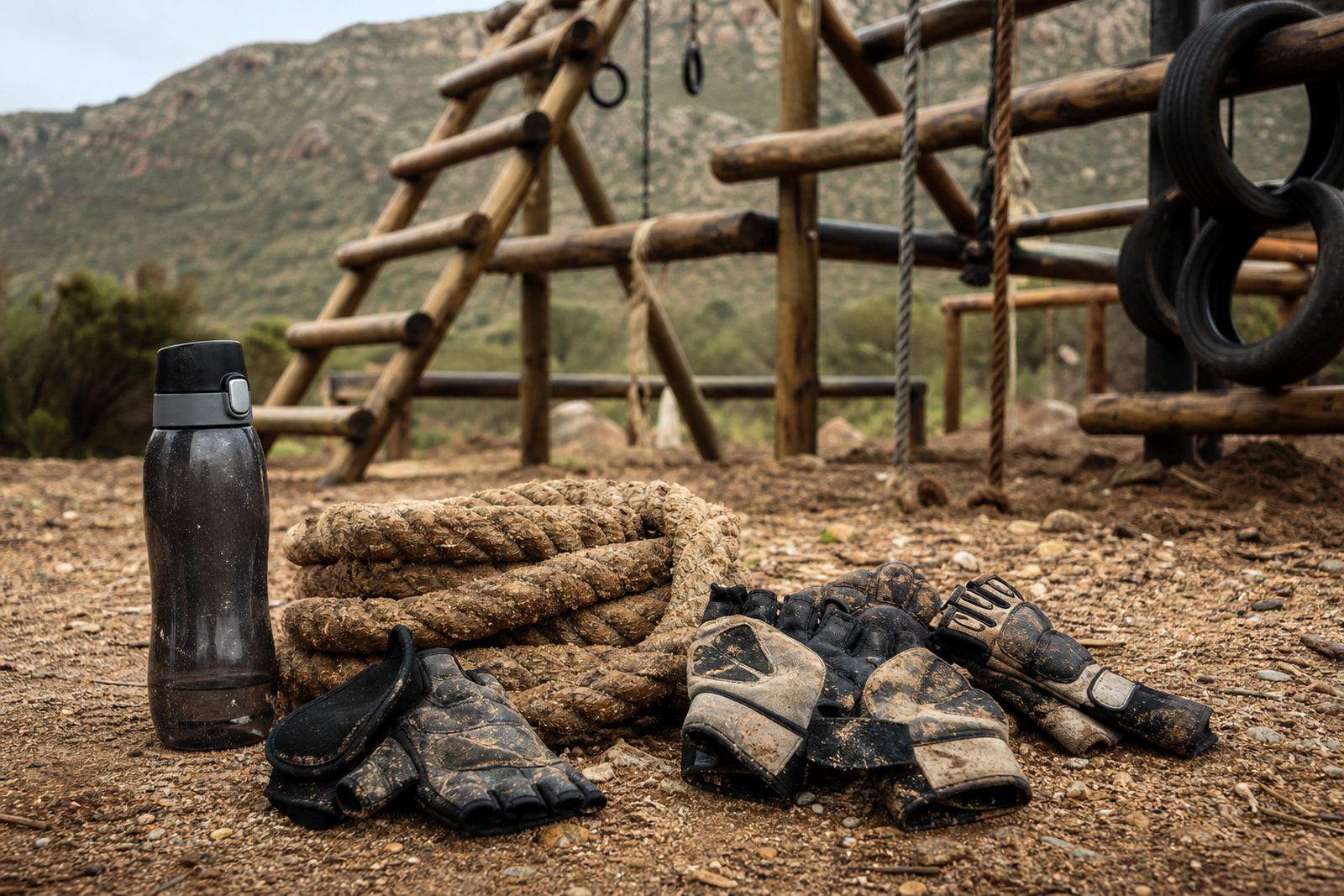
Mud events reward people who arrive organised. Bring kit that can get dirty, water for before and after the race, and dry clothes for the trip home. If the event briefing asks for a specific item, follow it. You may also be asked to sign a waiver and attend a safety briefing before your start wave, and both matter because they set out the course rules, obstacle guidance and what to do if conditions change.
At Punisher, our team supports participants with safety briefing groups, team registration help, waiver coordination, heat allocation support and onsite team check in. That means you can spend less time guessing and more time preparing properly. If you are entering as a company team or a group from Pretoria, Johannesburg, Rustenburg, Potchefstroom or further afield, keep your captain in the loop so everyone hears the same instructions and arrives with the right kit.
- Trail shoes or trainers with grip that you do not mind getting filthy.
- A change of clothes, towel and a plastic bag for wet kit.
- Water, light snacks and a cap or sun cover for waiting areas.
- Any required identification, waiver paperwork or team details requested by the organiser.
A Magaliesberg example after rain
Picture a cool morning in Hekpoort after heavy rain. The grass looks harmless from the car park, but the first few metres already feel slick underfoot. A participant who charges straight in often burns more energy, slips early and arrives at the next obstacle breathing too hard. The better approach is measured: smaller steps, eyes up, hands ready, breathing under control and a steady rhythm through the wet sections.
That is where team support helps too. A captain can keep the group calm, and a short custom team briefing can remind people to take mud seriously without turning the day into a lecture. If one runner needs to slow for a section, that is normal. The point is to finish with good decisions, not to prove anything by rushing into a slip. You will enjoy the race more when you stop fighting the surface and start reading it.
After the finish line, before the next one
Mud training does not end when the whistle blows. Recovery matters because repeated efforts in wet terrain load the calves, hips and lower back in ways that dry-road running does not. Walk for a few minutes after the finish, change out of wet clothes, eat something proper and drink water. If you have bruises, a twist or a fall that feels more serious than ordinary race wear and tear, get it checked rather than pushing through blindly.
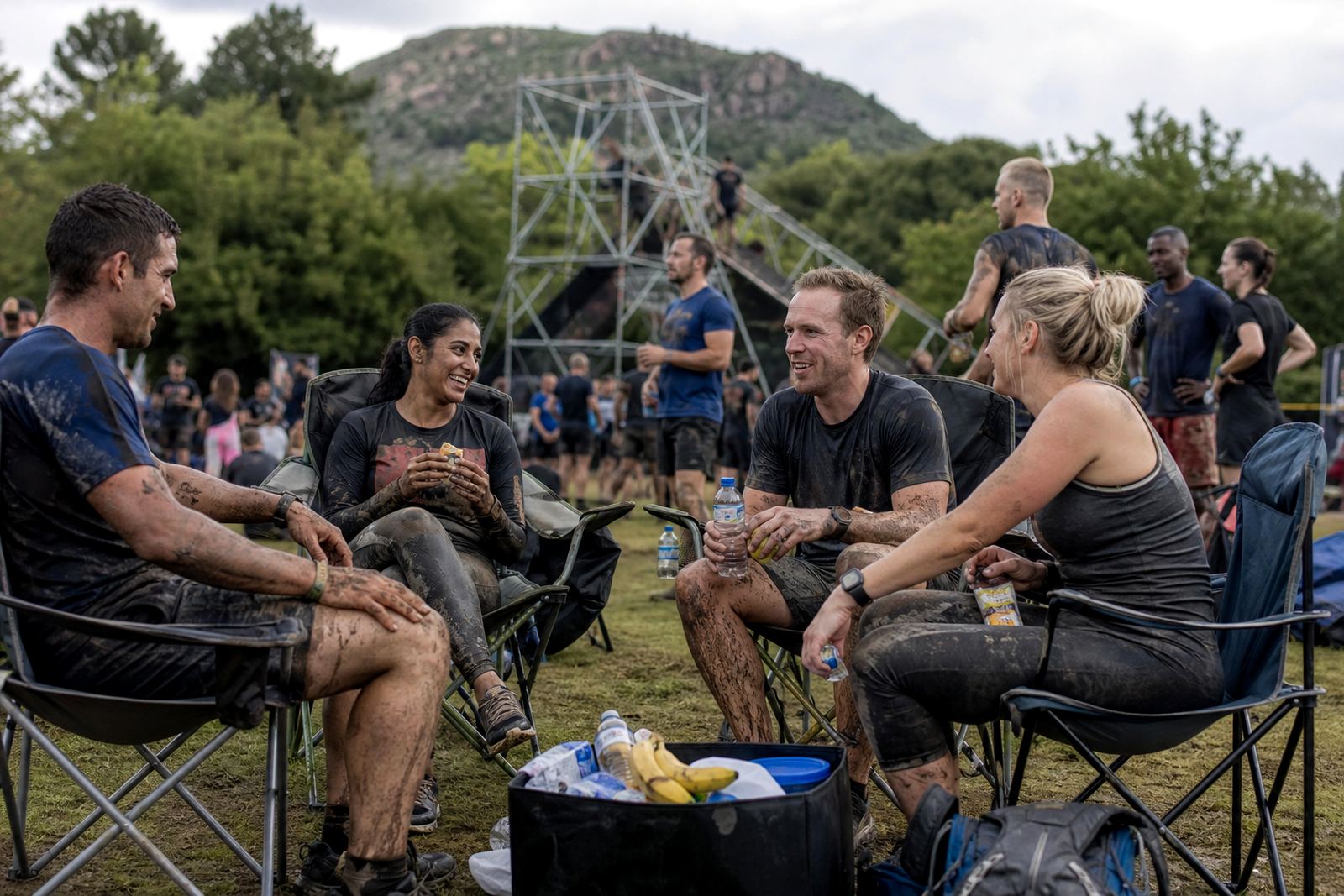
For teams, the best habit is to review what worked. Did people slip more on climbs or descents? Was the warmup long enough? Did everyone hear the safety points clearly? These answers help next time. Good mud preparation is not dramatic. It is a set of small habits that make wet ground more manageable and the whole day a lot more enjoyable.