Why the lowest line usually wins
In a mud crawl, the fastest athlete is not always the one with the biggest stride. When the section is tight, wet and close to the ground, a lower body position cuts drag and helps you keep steady pressure on the surface instead of fighting it. That matters at venues around Hekpoort and the wider Magaliesberg where the soil can turn heavy after rain, and the first instinct to lift the hips too high often leads to extra resistance.
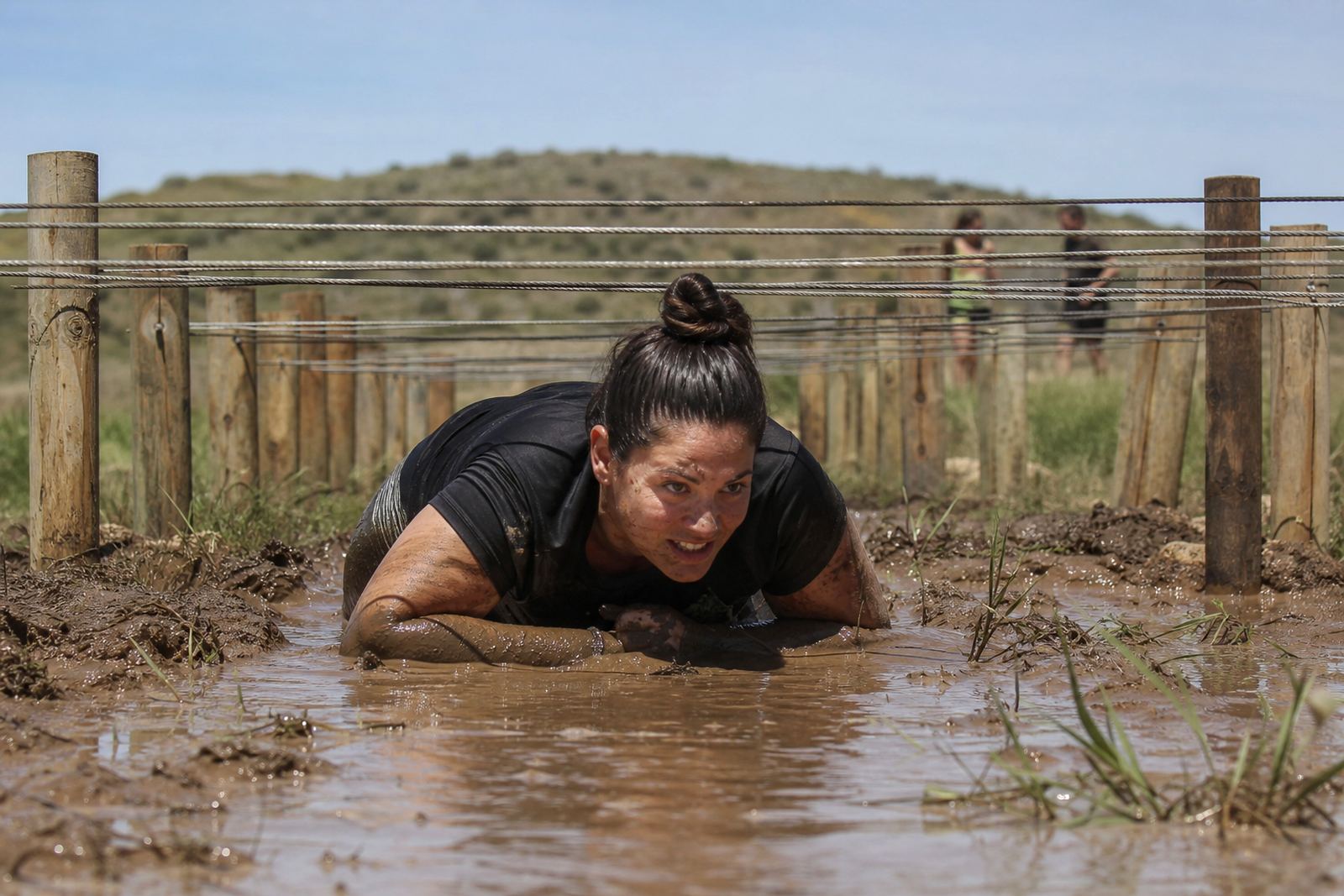
Think of the crawl as a controlled slide rather than a scramble. Keep your chest close to the ground, spread your weight across forearms and knees, and move one limb at a time with purpose. If you rush, your feet slip and your upper body starts doing more work than it should. That is how people burn out early in the course and pay for it later on the hills, sand or carry sections.
Good crawl technique also protects other runners around you. When everyone stays low and steady, there is less bumping, less accidental kicking and fewer panic movements in a narrow lane.
Set your body before you enter the mud
The best crawl starts before the mud begins. As you approach the obstacle, shorten your stride, lower your centre of gravity and put your weight a little forward so you are ready to go down smoothly. If there is a briefing before the start, listen closely to the route instructions and any safety notes for the section, especially where the ground may be uneven or slick.
At the entrance, drop to the ground under control rather than throwing yourself forward. Keep your hands ready to catch your weight, then settle into a position that lets your hips stay low without flattening your chest completely. You want enough clearance to breathe properly, but not so much height that your knees and toes dig in too deep.
- Hands: place them just ahead of your shoulders for balance.
- Elbows: keep them in a line that lets you push and pull without twisting.
- Hips: low, but not sagging into the mud.
- Head: turned slightly to the side for breathing and sight.
- Feet: toes pointed enough to push, not so wide that your legs snag.
If you are wearing gloves, make sure they still allow grip when wet. In very sticky mud, bare hands can feel the texture better, but that is a personal choice and depends on the obstacle, your skin and the day’s conditions.
The crawl rhythm that saves energy
A mud crawl is a rhythm exercise. You are not trying to sprint through it, you are trying to avoid wasted effort. A useful pattern is: reach, pull, slide, settle. One forearm reaches forward, the body follows, then the opposite knee or foot supports the next movement. Keep each action small. Large pushes look strong but they often kick mud into your face and make the line wobble.
Breathing matters more than many people expect. Some runners hold their breath when they go under a low section, then rush the next few metres. That creates a spike in effort. Instead, breathe out as you move forward and take a short breath once you have settled again. A steady pattern helps you stay calmer and keeps your pace from collapsing.
If the course is crowded, patience is part of technique. In obstacle events around Pretoria, Johannesburg and further afield, many participants arrive with different fitness levels. Keep your line tidy, wait for space when needed, and move when the path opens. The cleanest crawl is often the one that avoids needless stops.
- Use short pushes instead of long lunges.
- Keep your eyes a few metres ahead, not down in the mud the whole time.
- Reset your hands if they start slipping, rather than forcing a bad grip.
- Save your faster effort for the exit, not the middle.
What to do when the mud gets heavy
Some crawl sections are shallow and quick. Others are thick enough to hold your boots and make every movement feel slower. In heavy mud, widen your base slightly and reduce the force of each push. Pulling too hard can make your shoulders tense and your lower back take strain. A smoother line is usually better than a powerful one.
When the ground starts clinging to your clothing, check your posture. If your hips are dropping too low, the surface can grab your thighs and knees. If your hips rise too high, your feet start slipping backwards. The sweet spot is a flat, efficient shape where the chest stays close and the body moves as one unit.
At a Magaliesberg race site after rain, this becomes very noticeable on the final approach to a crawl tunnel or netted section. The mud can build on your shoes quickly, so each move needs to be deliberate. A small pause to reset your hands and knees can be faster than forcing a rushed next step. That is not giving up, it is proper pacing.
Safety briefing habits that matter on the day
Before any hard obstacle course effort, check that you are medically fit for it and speak to a doctor if you have any concerns about training load, asthma, recent injury or joint pain. That advice is especially important if you are planning a tougher event with crawling, climbing and running all in one circuit.
Read the waiver carefully before you start and listen to the safety briefing groups. The briefing will usually explain the route, the signs for marshal support, where to stop if you cramp, and how to handle a fall or a slipped knee in the mud. If you are racing as part of a company team, make sure your group understands the heat allocation, the captain communication process and the onsite team checkin steps before the start horn.
- Know where the recovery area is.
- Carry enough water for the warmup and race window.
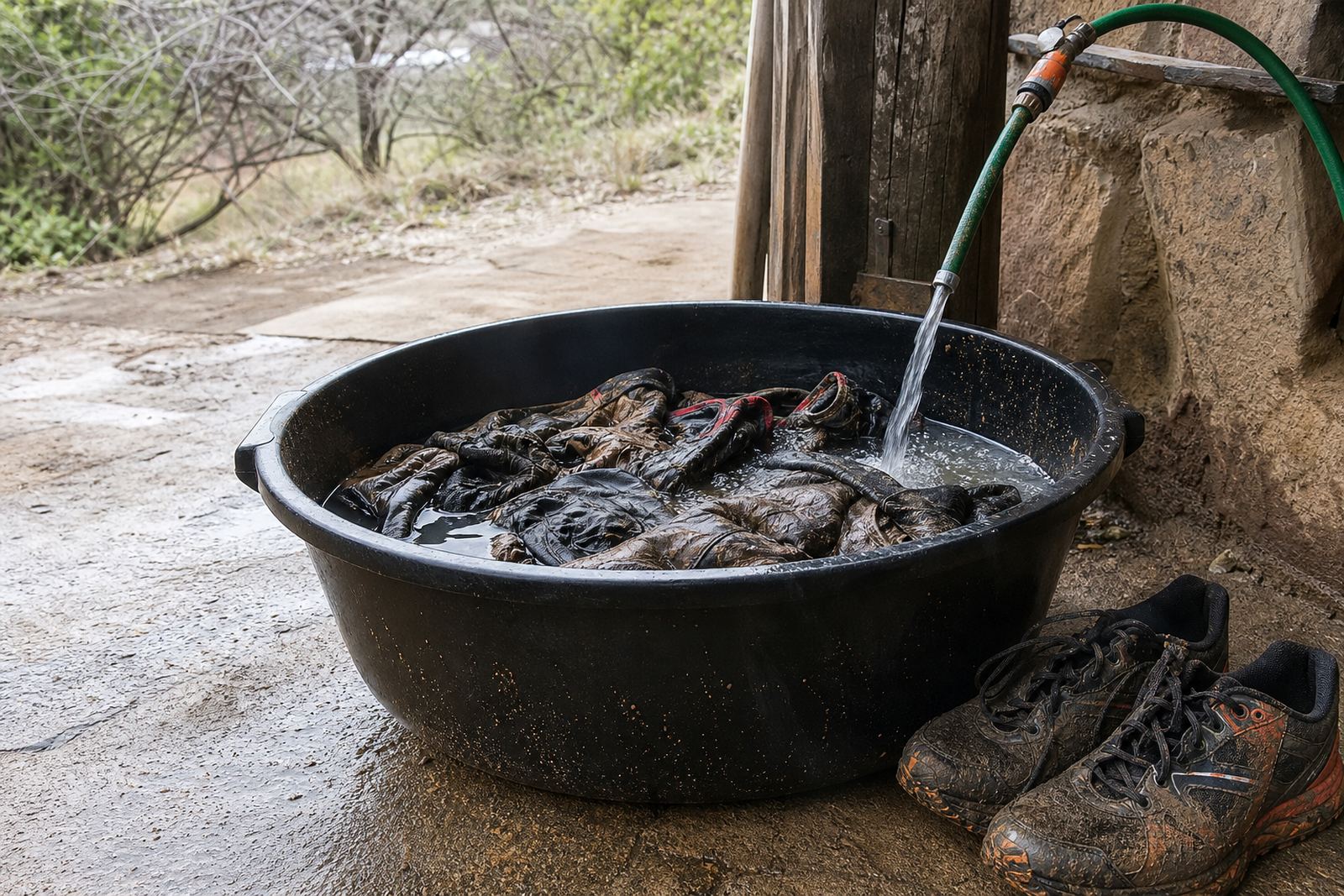
- Use clothing that can handle mud and a rinse afterwards.
- Keep a dry layer in the vehicle for after the event.
- Bring any medication you may need, in the original container.
Facilities differ from venue to venue, so ask in advance about parking, changing space and how muddy your shoes will be when you leave the course. On public roads and municipal access points, officials may also direct traffic or limit access for safety, so allow extra time if you are travelling from Krugersdorp, Rustenburg or Potchefstroom.
Training the crawl before race morning
You do not need to practise in a swamp to improve your crawl. A flat patch of grass, a gym floor or even a shaded yard can help you rehearse body position, shoulder endurance and controlled breathing. Start with short ground movements of 10 to 20 metres, then rest and repeat. The goal is to teach your body to stay calm when it is low and under pressure.
Good preparation also means training the muscles that support the crawl. Focus on core stability, shoulders, hips and grip. If you can hold a steady plank, bear crawl smoothly and get up from the ground without wobbling, you are already in a better place for the course.
- Practice low crawling in short sets, not only long sessions.
- Work on shoulder taps and planks for control.
- Add walking lunges and step-ups for leg endurance.
- Include easy runs so your breathing stays settled after effort.
- Finish with mobility work for wrists, ankles and hips.
For corporate teams and mixed groups, a custom team briefing can help everyone understand the obstacle pattern before the start. That is useful for first-timers from Cape Town, Durban or Bloemfontein who may not know how quickly a crawl can change their pace. The better you know your own movement, the more likely you are to finish the section with energy left for the next challenge.
A Magaliesberg crawl that rewards patience
Picture a muddy crawl in Hekpoort after a spell of light rain. The ground is soft, the lane is narrow and the low section bends slightly before the exit. The runners who do best are usually the ones who drop early, keep their breathing even and avoid sudden jerks. They do not waste effort trying to look fast. They stay tidy, finish the section cleanly and then build speed once the ground opens up again.
That is the real lesson of mud crawl technique. It is not about brute force. It is about keeping your body organised when the terrain wants to pull it apart. If you get the position right, the crawl becomes manageable, and if you manage the crawl well, the rest of the race becomes easier too.
For participants preparing through Punisher events across the North West and beyond, that discipline carries over into every other obstacle. Strong technique in the mud often means stronger confidence for the climb, carry and run that follow.