What makes Ultra Endurance OCR different on race day
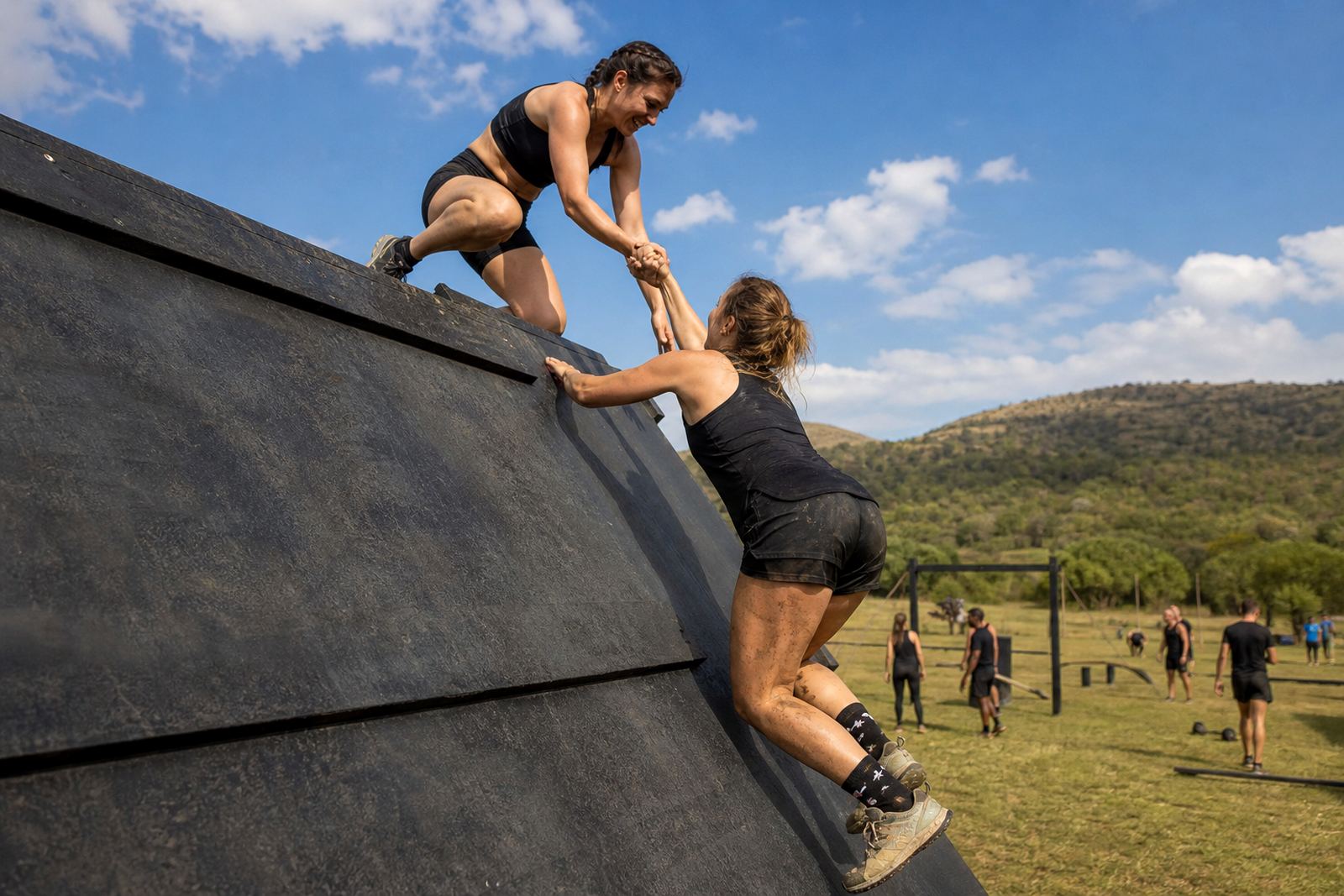
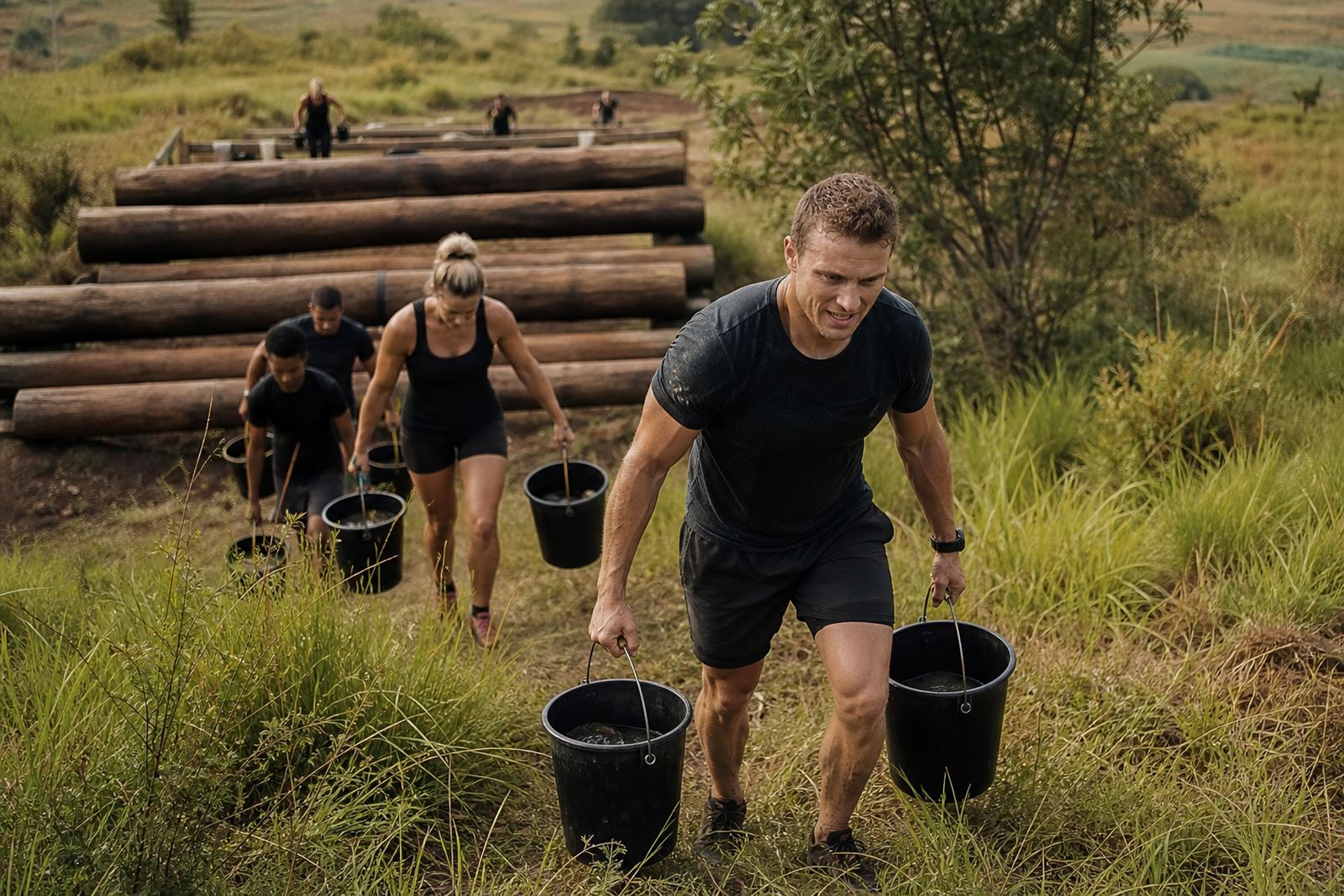
Ultra Endurance OCR is the longer, more demanding side of obstacle racing. Expect extended running or hiking sections, repeated obstacle work, grip-heavy carries, climbing, crawling and water or mud features where the course layout allows. The format is designed to keep you working for longer, so pacing matters as much as strength. It is a proper test for people who already know how to handle effort, recover quickly and stay switched on when fatigue starts to bite.
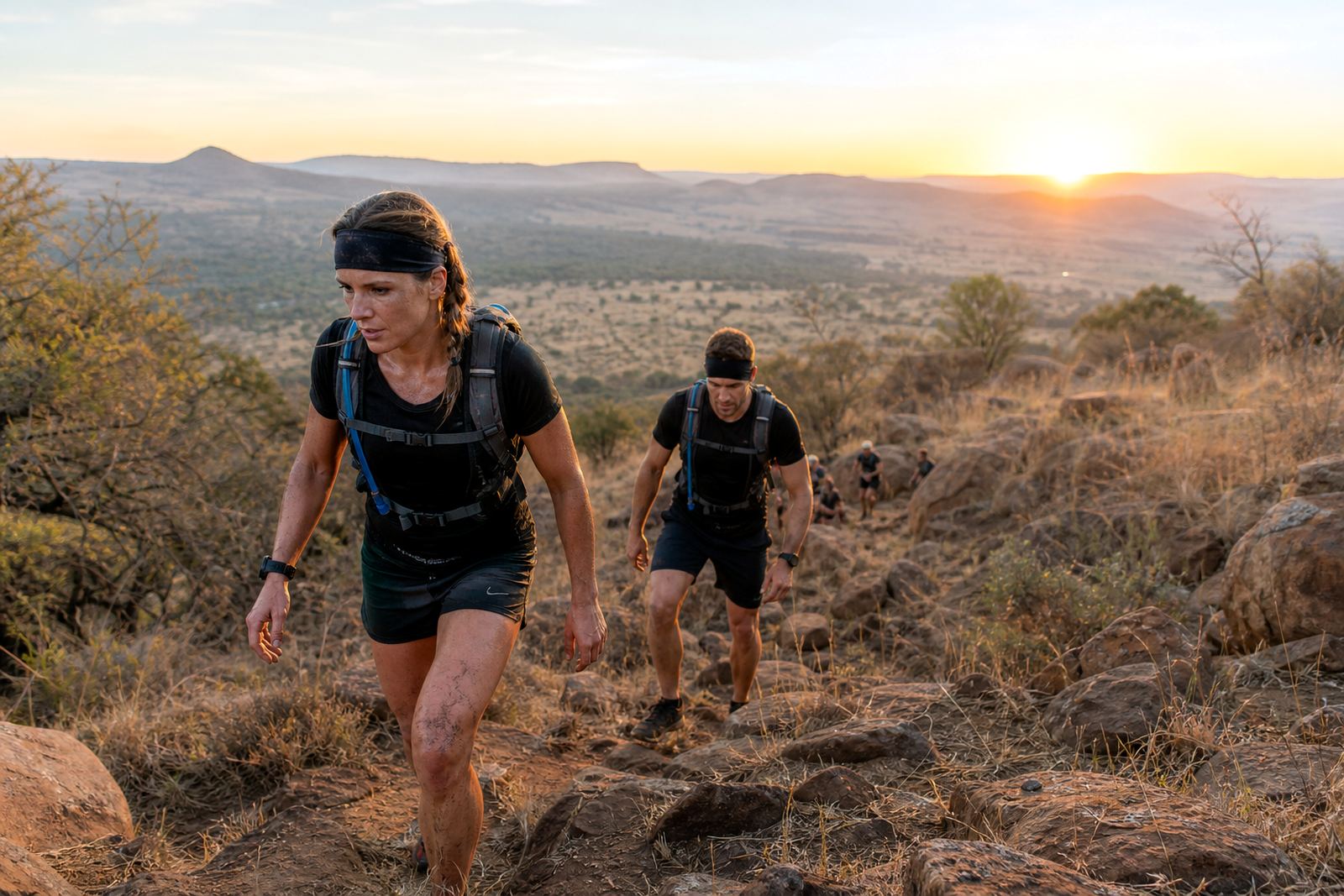
The race is hosted from Hekpoort in the Magaliesberg, with access points that suit visitors from Hartbeespoort, Krugersdorp, Pretoria, Johannesburg and other parts of the North West and Gauteng. Terrain can change from rocky ground to open field and uneven paths, so trail shoes with good grip are strongly recommended. If you are used to short obstacle events, this one asks for more from your engine, your head and your team mates.
- Long-format OCR for experienced entrants
- Mixed terrain with repeated obstacle sections
- Suitable for individuals, corporate teams and mixed fitness groups
- Designed for pacing, teamwork and mental resilience
Course fit, distances and entry options to confirm
Ultra Endurance OCR is offered as a serious race format with options that may vary by venue layout, course build and event plan. Because obstacle spacing and terrain work change from one build to the next, each entrant should confirm the exact distance, cut-offs where used, wave timing and team format when making an enquiry. That helps us place you in the right start group and allocate support properly for your level.
For corporate entries, team captains can arrange group registration help, captain communication, heat allocation support and custom team briefing. Solo entrants can still ask for participant support, recovery area guidance and safety briefing group placement. If you are travelling in from Durban or Cape Town, allow time for travel, warm-up and check-in. Arriving late can mean missing the briefing, and that briefing matters for obstacle technique, route markings and safety instructions.
- Solo and team entry support available
- Wave, heat and briefing allocations can be planned
- Suitable for corporate groups and adventure clubs
- Confirm distance, start time and team format before attendance
Training load, warm-up and what to bring in your kit bag
This format rewards entrants who prepare properly. In the weeks before race day, work on steady-distance running, hill repeats, loaded carries, climbing strength, grip endurance and movement under fatigue. A mix of road running, trail work and bodyweight training helps, but the biggest difference usually comes from being able to keep moving after the first hard section. If you have any medical condition or have been inactive for a while, check with a doctor before hard exercise.
Bring clothing that handles sweat, dust and water. In the Magaliesberg, mornings can start cool and later heat builds quickly, so layers that can be removed or carried are useful. For coastal visitors used to humidity, the dry inland air may feel different and hydration planning becomes important. A small kit bag should include the basics below.
- Trail shoes or training shoes with strong grip
- Moisture-wicking top and shorts or tights
- Water bottle or hydration pack
- Spare socks and a dry change of clothes for after the race
- Light towel, sun protection and any taped support you normally use
- Identification and your registration details for check-in
Safety briefing, waiver steps and on-site flow
Every entrant should attend the safety briefing before taking part. The briefing covers obstacle technique, passing rules, the course marking system, where to seek help and how to react if someone is struggling. It also explains any venue-specific points such as steep sections, slippery ground, water features, emergency access and recovery area use. Bianca Khoza coordinates the safety and briefing process, so the instructions given on the day must be followed by every participant, whether you are racing alone or as part of a corporate team.
Waiver coordination is part of the entry process, and team captains should make sure their members understand what they are signing. On event day, the onsite team check-in process helps confirm your name, wave, team allocation and briefing attendance. If you are bringing supporters, ask about supporter planning so they know where to stand, where the recovery area is and what access is allowed at the venue. Good order at check-in keeps the start line moving and reduces avoidable stress.
- Safety briefing is mandatory before the race
- Waiver handling can be managed for groups
- Onsite check-in confirms wave and team details
- Supporters should follow venue guidance and access limits
Course build, ground conditions and what changes the run
Ultra Endurance OCR depends heavily on the build. Johan du Plessis leads course build planning so the layout works with the ground available at the Hekpoort venue, the Magaliesburg venue and other access points used for event delivery. Obstacle spacing, footing and recovery zones can all change depending on slope, weather and ground condition. After rain, soil can shift and grip can change quickly. In dry weather, dust and heat become the bigger factor. Either way, the course is built to keep participants alert from start to finish.
Because the event is held outdoors, the course may include sections where water, mud or loose surfaces affect how you move. That means clothing, pacing and footwear matter more than many entrants expect. Corporate groups often ask for custom team briefing so captains can explain how their team will move together, when to wait, and how to handle stronger and slower members without losing momentum. Ayanda Nxumalo supports participants who need clear guidance before the start, while Lerato Zondo manages the practical flow around operations.
- Course layout changes with terrain and weather
- Grip, balance and pacing are important throughout
- Custom team briefing helps mixed-level groups
- Recovery area guidance is available after the finish
Details we need from you before we lock in your entry
To place you correctly in Ultra Endurance OCR, we need a few practical details: your full name, team name if applicable, preferred venue access point, fitness level, any group captain contact, and whether you need help with heat allocation or onsite check-in. Carmen Botha handles corporate entries, while Tshepo Khumalo supports training content for groups that want a clear prep structure before race day. If you are travelling from Rustenburg or Potchefstroom, mention your route so the check-in plan matches your arrival time.
For teams, it helps to confirm how many members are entering, whether everyone is doing the same format, and if supporters will be attending. If your group wants team photo moments or recovery area guidance, include that too. Every booking should be accurate because the race flow, briefing groups and support setup all depend on the details provided. Clients reach us through the enquiry form on our contact page, and that is the best place to share the information needed for a proper entry setup.
- Full name and team name if relevant
- Preferred venue access point and travel origin
- Fitness level and any group support needs
- Team size, captain details and supporter plans
Key facts
| Format | Long-format obstacle course race |
|---|---|
| Venue base | Hekpoort, Magaliesberg, North West |
| Entry types | Solo entries, team entries, corporate groups |
| Terrain | Mixed outdoor ground, inclines, rough footing and obstacle zones |
| Support services | Waiver coordination, safety briefing groups, heat allocation support, onsite team check-in |
| Best suited to | Experienced entrants seeking a deeper physical and mental challenge |