What this course format puts under your feet
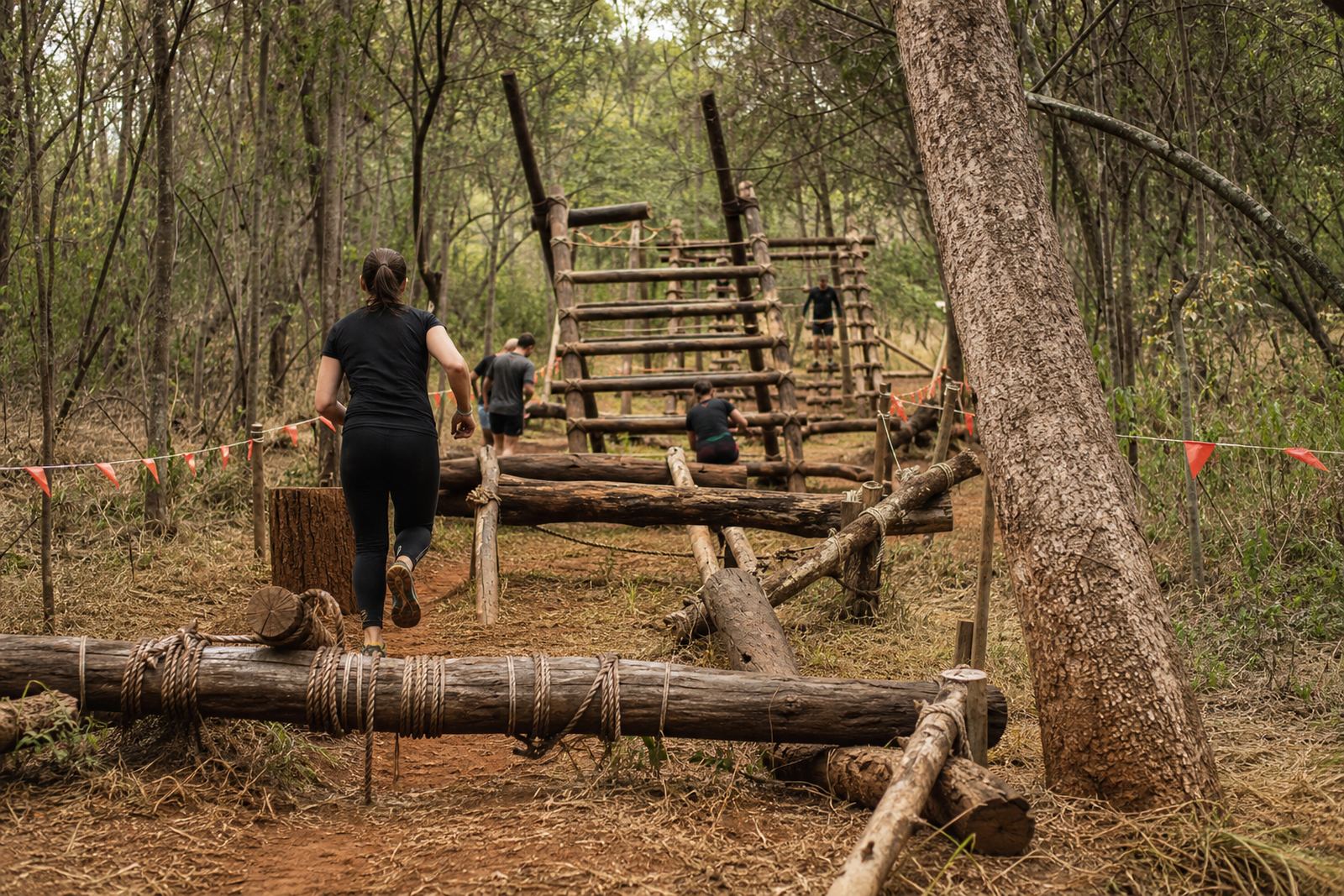
This is a runner focused obstacle course built around trail movement, with marked stretches of ground trail, rough footing, climbs, descents and man made challenge stations placed along the route. It is designed for South African conditions, so the layout can handle dust, loose stone, heat, wind and the kind of uneven ground you get around Hekpoort and the wider Magaliesberg area.
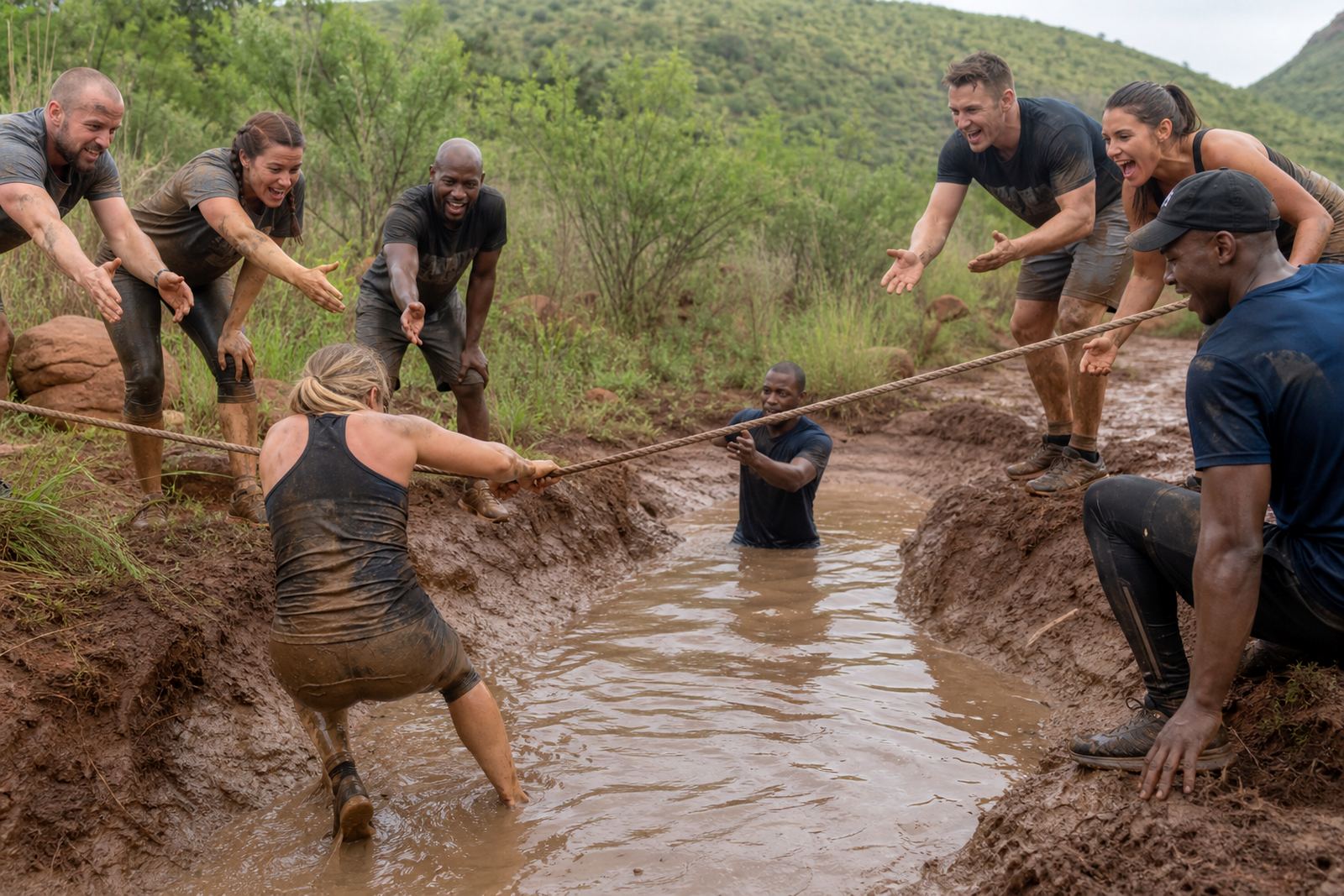
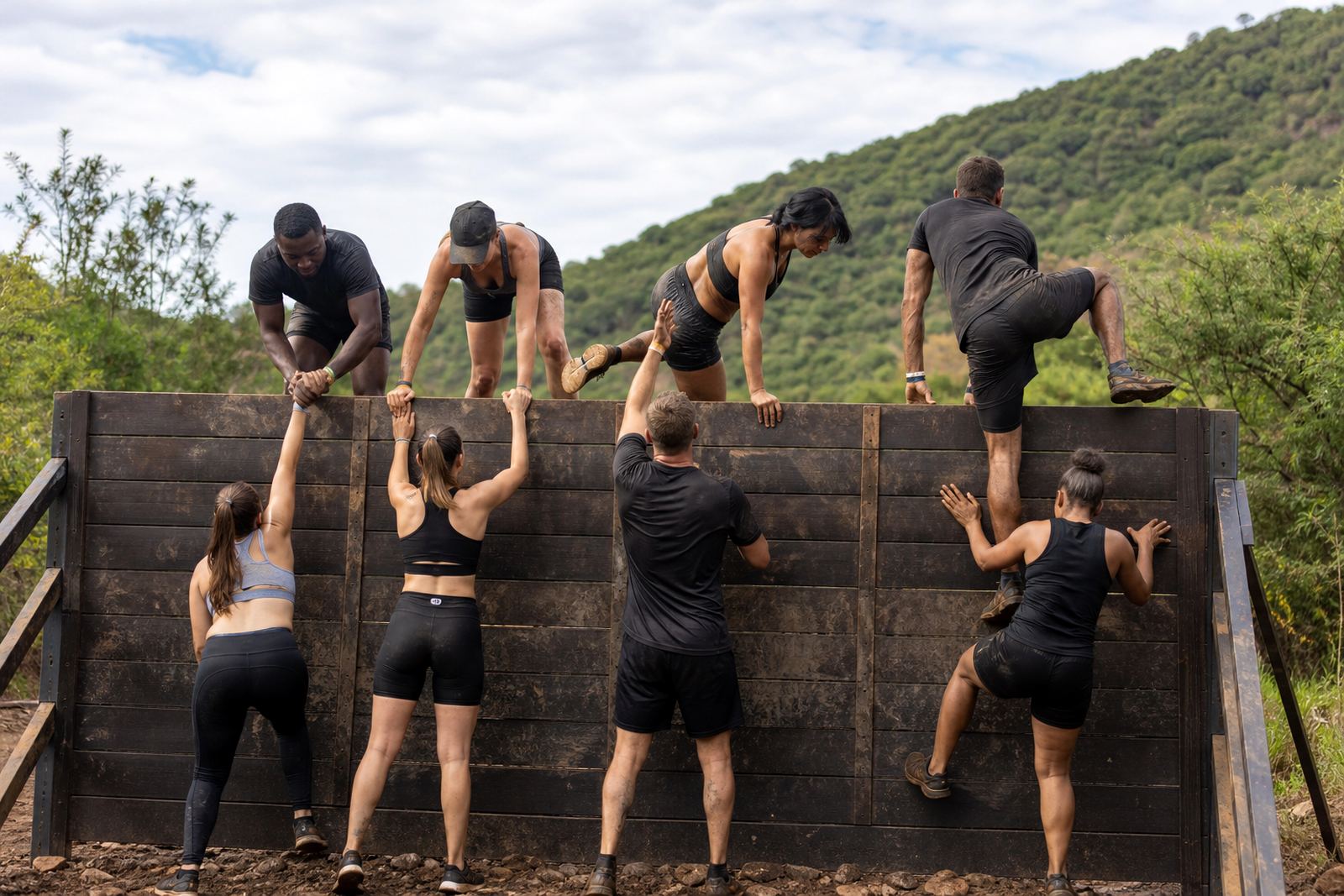
The course can be set out for shorter punchy efforts or longer endurance work, depending on the route design and the group using it. Expect mixed terrain, grip demanding sections, wall climbs, low crawls, carries and balance features that test pacing and body control. It is not a flat lap and not a pure trail run either, which is why many runners use it for strength under fatigue.
Route lengths and build choices that suit different groups
Trail And Obstacles can be planned as a compact circuit for repeated heat style runs or as a longer course for endurance focus. The layout is adjusted to the ground available, access points and the type of event being run, whether it is a corporate build, a club challenge or an open entry race day. Section spacing can be tightened for a faster race feel, or opened up for more recovery between obstacles.
- Short course layouts for quick efforts and team relays
- Mid distance routes for mixed fitness levels and club events
- Longer endurance formats for runners wanting sustained effort over rough ground
- Flexible obstacle spacing for safer passing and better event flow
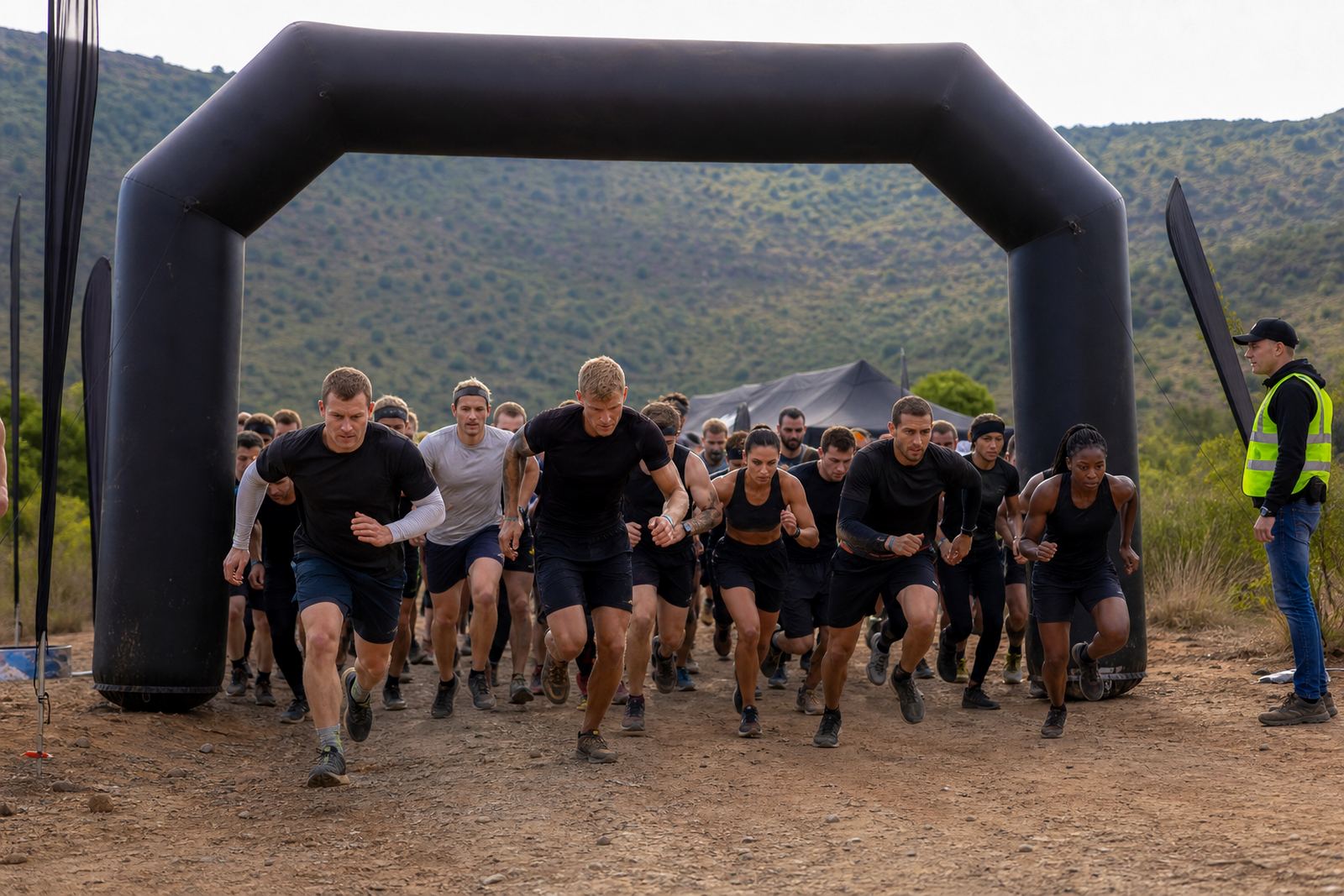
We also plan entry and exit lanes, spectator points and recovery space so the race area stays orderly. That matters on busy days when heat groups, team support and briefing flow all need to move without crowding.
Where the ground works hardest for this format
This course type suits open land with natural rise and fall, compacted dirt, rocky patches and enough room for route marking. In the Magaliesberg area, the terrain gives runners proper trail movement and enough variation for obstacle placement without forcing everything onto one straight line. It also works well for events serving Johannesburg, Pretoria, Krugersdorp, Hartbeespoort, Rustenburg and Potchefstroom participants who are travelling in for the day.
It is a good fit for venues that can handle foot traffic, vehicle access for gear, and safe spectator placement. If the site is exposed, wind and dust can affect staging, so the setup needs clear boundary marking and practical ground cover where required. On hotter days, shade, water access and recovery planning become part of the build, not an afterthought.
Build setup, access and safety fit-out
Installation is handled with route marking, obstacle anchoring, lane direction and briefing points placed before the first runners go out. The build needs enough lead time for ground checks, fixing of pressure points and final safety walk-throughs. Where a course includes heavier features or repeated use through the day, the anchoring and base support have to be checked again before heat changes. A wobly obstacle is not acceptable.
- Clear start and finish points with participant queuing space
- Obstacles placed to allow safe approach, exit and marshalling
- Briefing area for rules, heat order and penalty or rerun instructions
- Recovery zone guidance for runners who need a breather after the course
- Onsite team check-in support for groups arriving together
For larger group days, Safety Briefing Groups and Custom Team Briefing can be added so captains know the route rules, timing process and support points before the first heat starts. Where conditions are hot or the ground is dry, the safety officer will also flag hydration and surface grip concerns before the run begins.
What runners should bring and prepare
Participants should arrive ready for trail movement, not road running only. Trail shoes with grip are the best choice for rough ground, and clothing should allow free movement through crawls, climbs and carries. Most runners prefer light kit that will not snag on timber or rough edges. If the event requires a waiver, it must be completed before participation, and anyone unsure about hard exercise should check with a doctor before taking part.
- Trail shoes with a firm sole and good tread
- Lightweight clothing that dries quickly
- Water, towel and a change of clothes for after the race
- Grip gloves if the route uses rope or carry stations
- Any required waiver details and personal identification for check in
For corporate teams, it helps to nominate a captain before arrival so group communication is clear. That keeps registration, warmup and heat allocation moving, especially when several teams are entering at once from different towns.
Care between race days and repeated use
Because this is a natural terrain format, care is mostly about keeping the route safe, tidy and predictable between uses. Loose rocks, eroded edges and broken grip surfaces need attention before the next group goes out. If rain has softened the ground, obstacle bases may need to be reset and the approach lines reworked so runners are not sent into muddy sink points or slippery corners.
After use, the obstacle faces, landing areas and marshal points should be checked for wear. Ropes, handles and carry features need inspection for fray or movement, and any damaged part should be removed from service until it is properly fixed. In the Magaliesberg weather, sun and dust can age gear quickly, so regular checks are part of keeping the course ready and safe.
Confirm these details before the order is final
To plan the right course build, we need the event site, expected group size, runner level, route length preference and whether the day is for open entry, corporate entries or team challenges. It also helps to know the available ground, vehicle access, water points, briefing area and any venue rules that affect noise, parking or spectator movement. If the site has a steep section or a narrow entrance, that changes how the course is laid out.
For group planning and participant support, clients can reach us through the enquiry form on our contact page. That is the best way to send venue details, heat preferences, team names and any special safety notes for the day.
Key facts
| Course type | Natural terrain trail route with man made obstacle points |
|---|---|
| Primary use | Obstacle course races, endurance challenges and team events |
| Typical ground | Dirt tracks, rough trail, rocky patches, climbs and descents |
| Build needs | Route marking, obstacle anchoring, briefing point, recovery area |
| Best suited for | Corporate groups, clubs and mixed fitness entrants |
| Venue fit | Open outdoor land around Magaliesberg and surrounding Gauteng and North West access routes |