What Bootcamp Race Day feels like on the ground
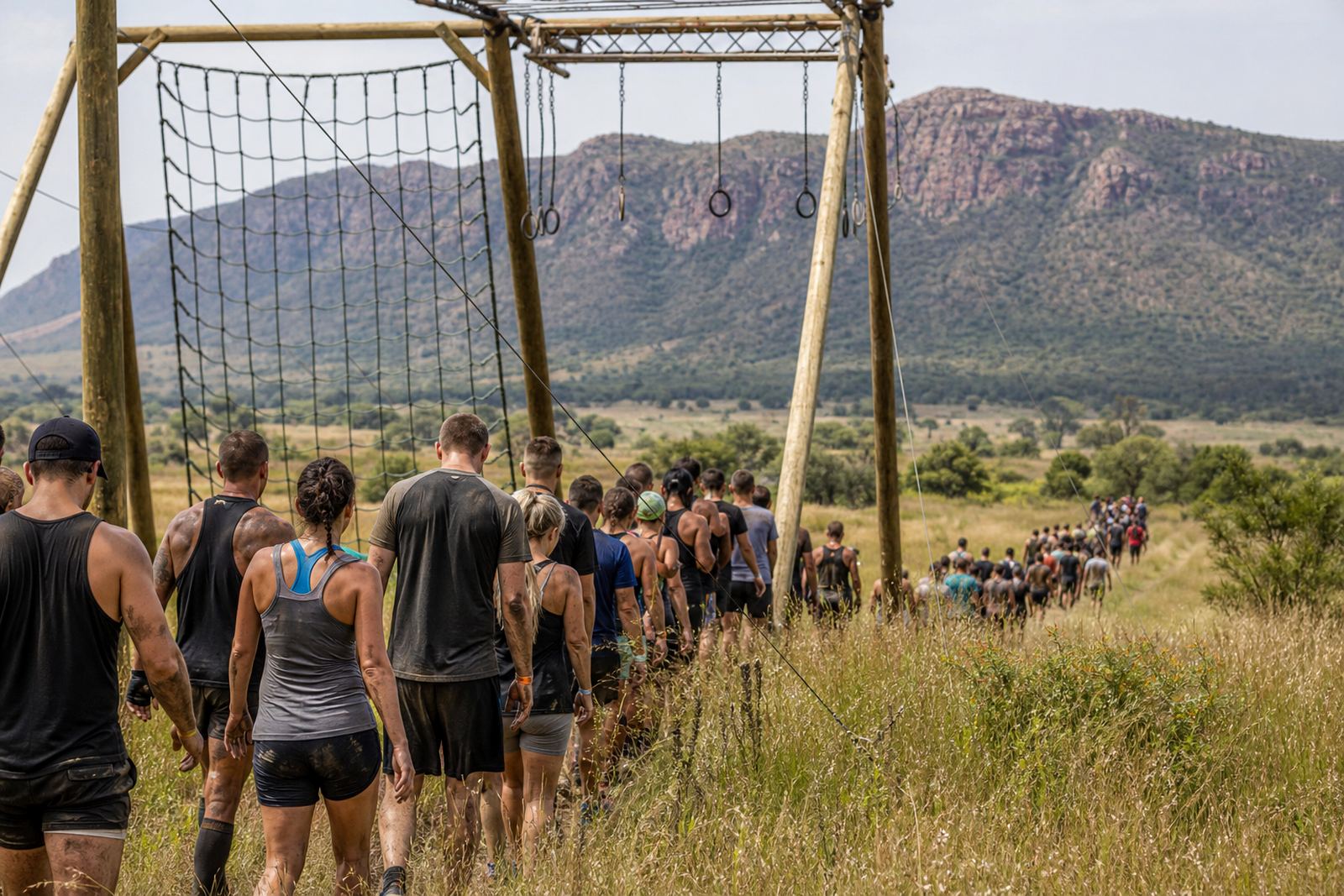
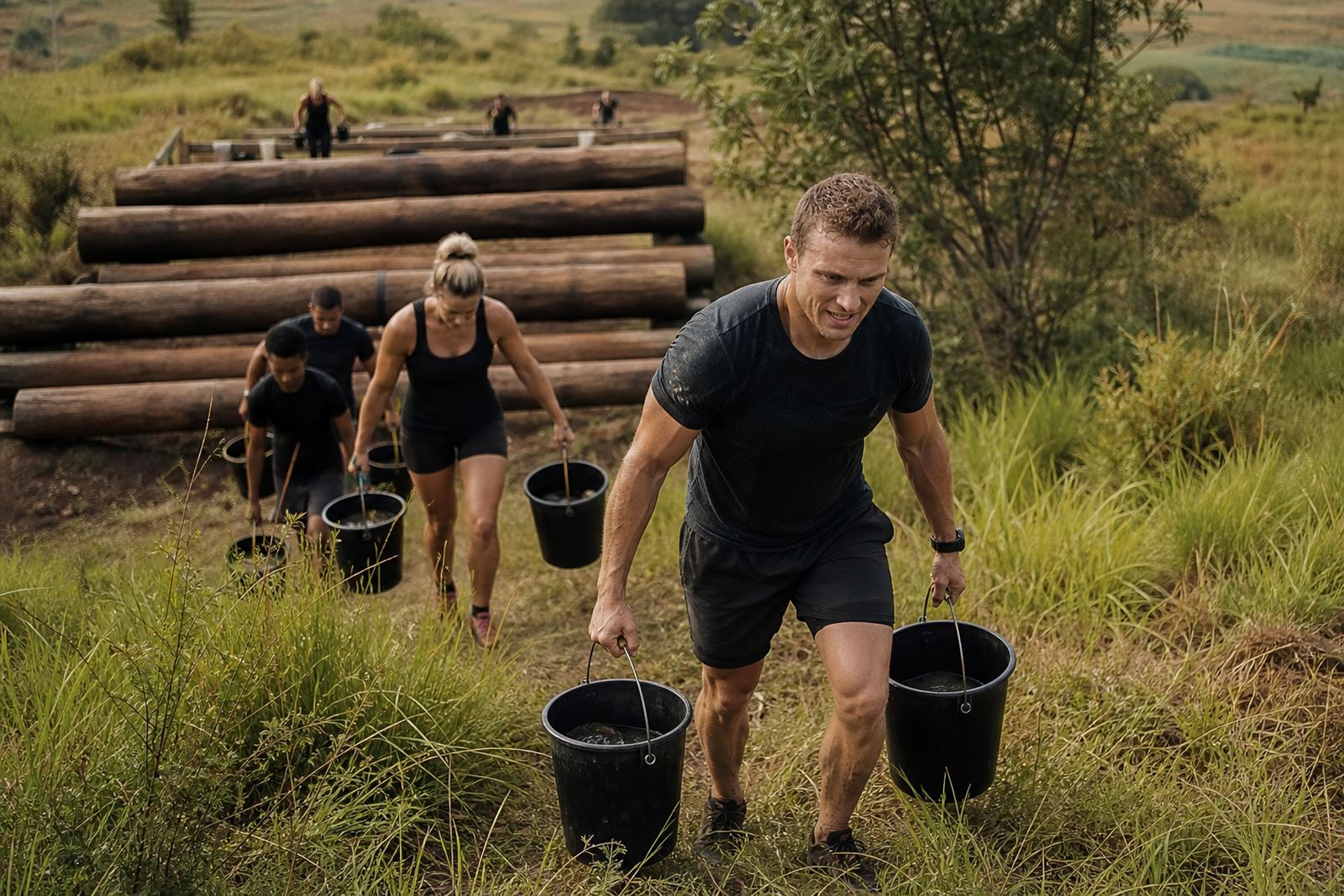
Bootcamp Race Day is built for participants who want the rhythm of a group workout and the variety of an obstacle course in one outing. You get a set course flow, timed or untimed participation depending on the event format, and enough structure to keep mixed groups moving without losing the fun of mud, climbs, carries and balance work.
The format suits corporate teams, school groups, social running clubs and adventure groups travelling in from Johannesburg, Pretoria, Cape Town, Durban and Bloemfontein. It also works well for people who want a clear start point, marshalled course sections and practical support at the venue. The setting in Magaliesberg gives you rocky ground, open air and weather that can change quickly, so the event is planned with that in mind.
- Obstacle sections with running, crawling, climbing and carry work
- Group start structure for teams and smaller mixed entries
- Briefing led support before participants enter the course
- Recovery space for rest, water and re-grouping after a run
Course sizes and entry options that fit real groups
Bootcamp Race Day is arranged around the size of the group and the way the event needs to run. Some entries are for a single participant, but the format is especially practical for team blocks where captains need help with names, heat allocation and check in order. In that case the entry can be split across waves so the group is not all pushed onto the course at once.
Available options usually include standard individual entry, team entry support, captain communication, custom briefing for corporate groups and supporter planning for people who are only there to cheer. For larger groups, the organiser can help with grouping by fitness level, pace or department, which makes the morning easier to manage and cuts down on confusion at registration.
- Individual entries for solo runners and training partners
- Team registration help for business groups and clubs
- Custom team briefing for mixed fitness groups
- Heat allocation support where waves are used
Where the format suits best in North West and beyond
This race style suits venues that can handle uneven ground, open staging areas and safe marshal access. In the Magaliesberg area, Hekpoort and Magaliesburg are a natural fit because the terrain already gives the kind of variety obstacle events need. It also suits travellers coming in from Rustenburg, Potchefstroom, Hartbeespoort, Krugersdorp and Pretoria who need a clear event flow and enough space for teams to gather before the start.
Because outdoor endurance work can feel very different in summer heat or during a windy winter morning, the course setup and briefing need to match the day. Participants should check with a doctor before hard exercise if they have any health concerns, especially if they have been away from training for a while. That advice matters more on a day with long climbs, grip work and repeated effort, because the body feels it by the second half of the route.
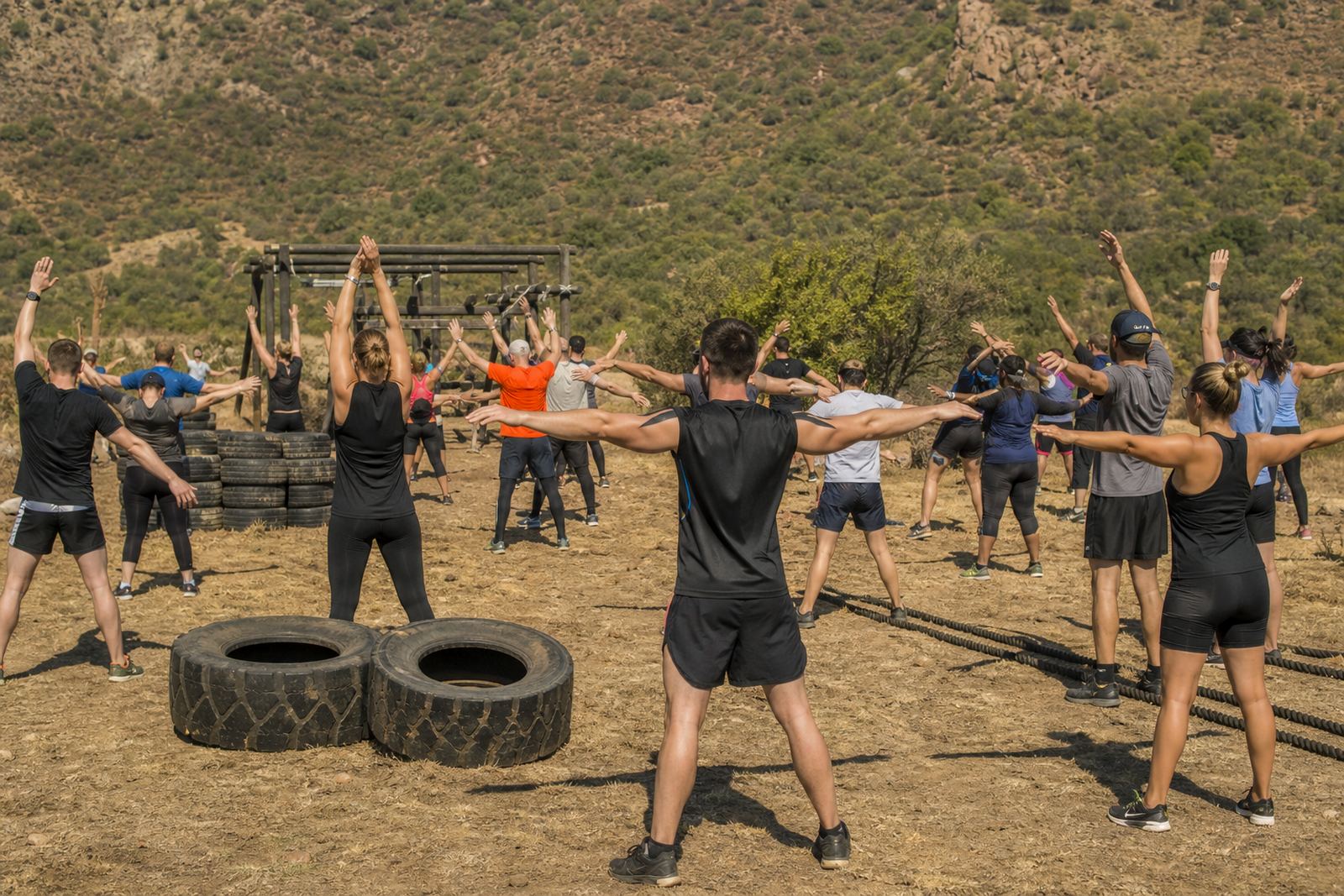
- Open ground for warmup and group staging
- Access for support staff, water points and recovery space
- Suitable for corporate days, club challenges and adventure groups
- Useful for visitors travelling from Gauteng and nearby towns
Briefing, waivers and on-site flow without the fuss
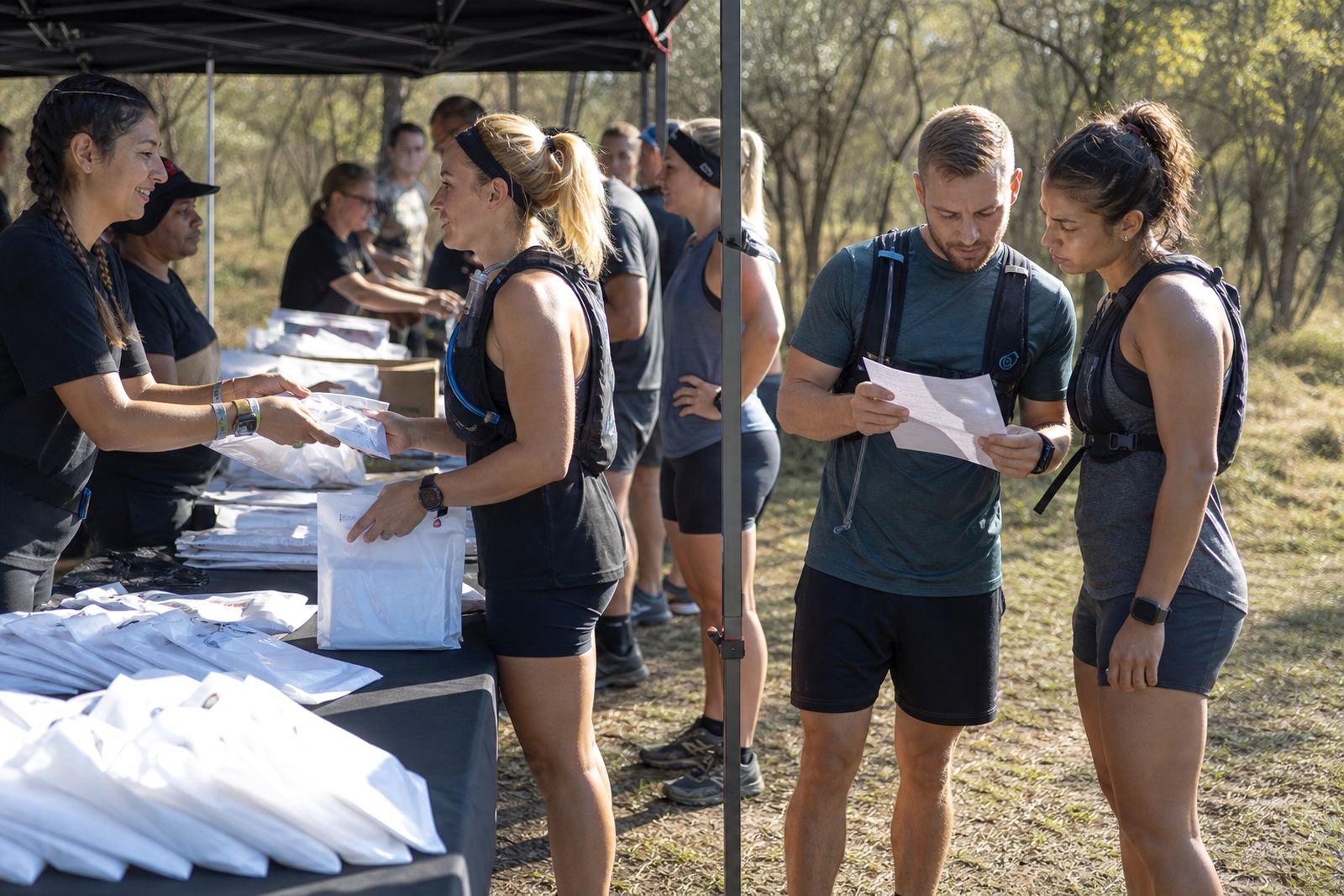
Before anyone starts, participants go through a safety briefing and waiver process so the event can run in a controlled way. The briefing covers obstacle use, passing space, where to wait, what to do if a participant gets tired, and how to move around marshals and support zones. Waivers are handled as part of the entry process, which helps reduce delays at the venue and keeps the check in line moving.
On the day, teams are usually managed through a captain contact point, then sent through on the correct heat or group slot. For corporate entries, that can include a named contact person, grouped check in and a final reminder on what to wear. Bianca Khoza handles safety and briefing coordination, while Ayanda Nxumalo supports participant queries and team flow on the ground. It keeps the event orderly without making it stiff.
- Safety briefing groups before the start
- Waiver coordination tied to the entry process
- Onsite team check in for faster handling
- Captain communication for group updates and reminders
What to bring so the day runs properly
The right kit makes a big difference on an obstacle day. Participants should wear clothing they can get dirty, proper running shoes with grip, and socks that can handle mud and gravel. A spare set of clothes and a towel are worth packing, and if the weather looks hot, a cap and extra water are useful too. Coastal humidity is not the issue here, but dust, heat and cold wind can all show up in the same week if you are travelling in from out of town.
For team groups, it helps to arrive with names confirmed, waivers sorted, and any special needs flagged in advance. Bring any personal items needed for the recovery area, plus dry clothes in a bag that seals properly. A small typo in a kit list can be annoying, but missing shoes or forgetting a water bottle is worse when the course gets muddy and the finish line is still a fair walk away.
- Trail or running shoes with decent grip
- Water, towel and a change of clothes
- Snug clothing that can handle dirt and sweat
- Any personal support items needed after the race
Training support and recovery that match the event pace
Bootcamp Race Day is not only about the course itself, it also needs sensible lead-in training and a decent recovery plan. Tshepo Khumalo coordinates training content so groups know how to prepare for climbs, carries, bodyweight work and grip-heavy obstacles. That support is especially useful for corporate groups where some people train often and others do not, because the gap shows once the pace picks up.
After the event, recovery area guidance helps participants cool down, rehydrate and regroup before leaving the venue. Lerato Zondo and Johan du Plessis coordinate operations and course build details so the running order, obstacle placement and safety flow all line up. Carmen Botha supports larger entry groups, and Mandla van der Merwe oversees the wider event direction from Hekpoort in Magaliesberg.
- Group warmup session before the start
- Recovery space guidance after the run
- Custom team briefing for different fitness levels
- Supporter planning for family and colleagues on site
Key facts
| Event format | Structured obstacle race with group training energy |
|---|---|
| Venue base | Hekpoort, Magaliesberg, North West |
| Group support | Team registration, captain communication, heat allocation |
| Safety process | Briefing groups and waiver coordination |
| Participant fit | Individuals, clubs, corporate teams and mixed fitness groups |
| Travel reach | Johannesburg, Pretoria, Cape Town, Durban, Bloemfontein and nearby North West towns |