What Strength OCR puts into the course
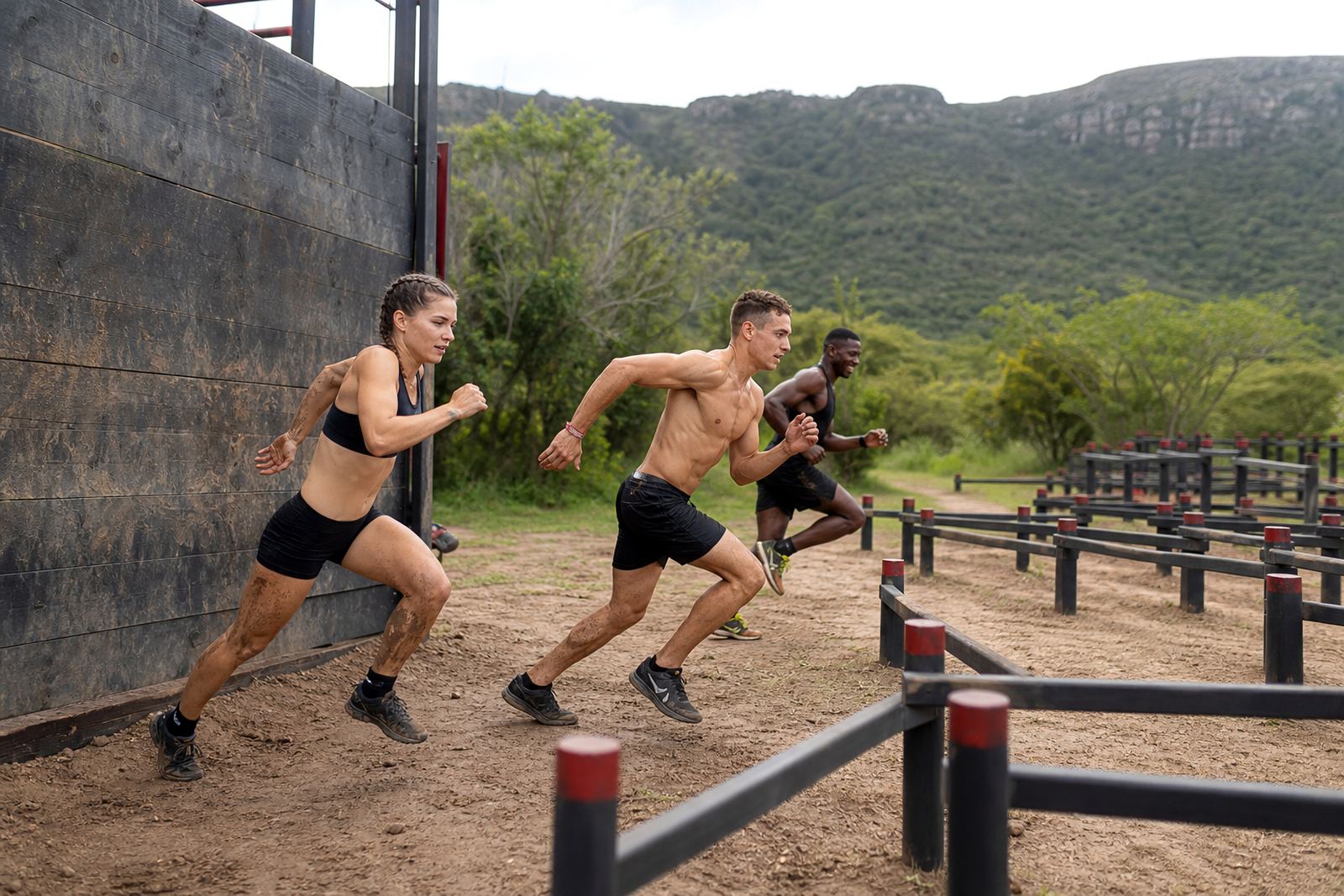
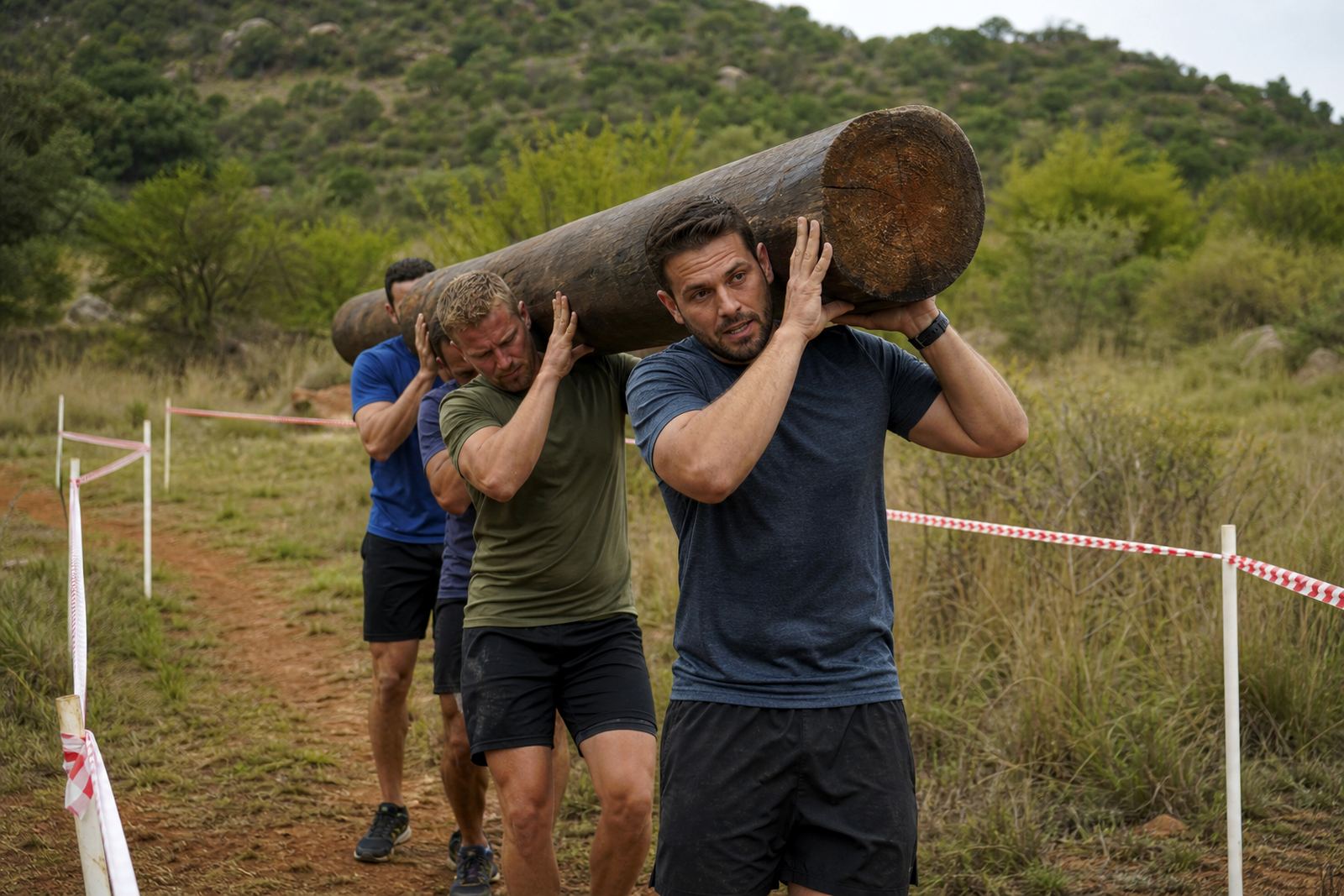
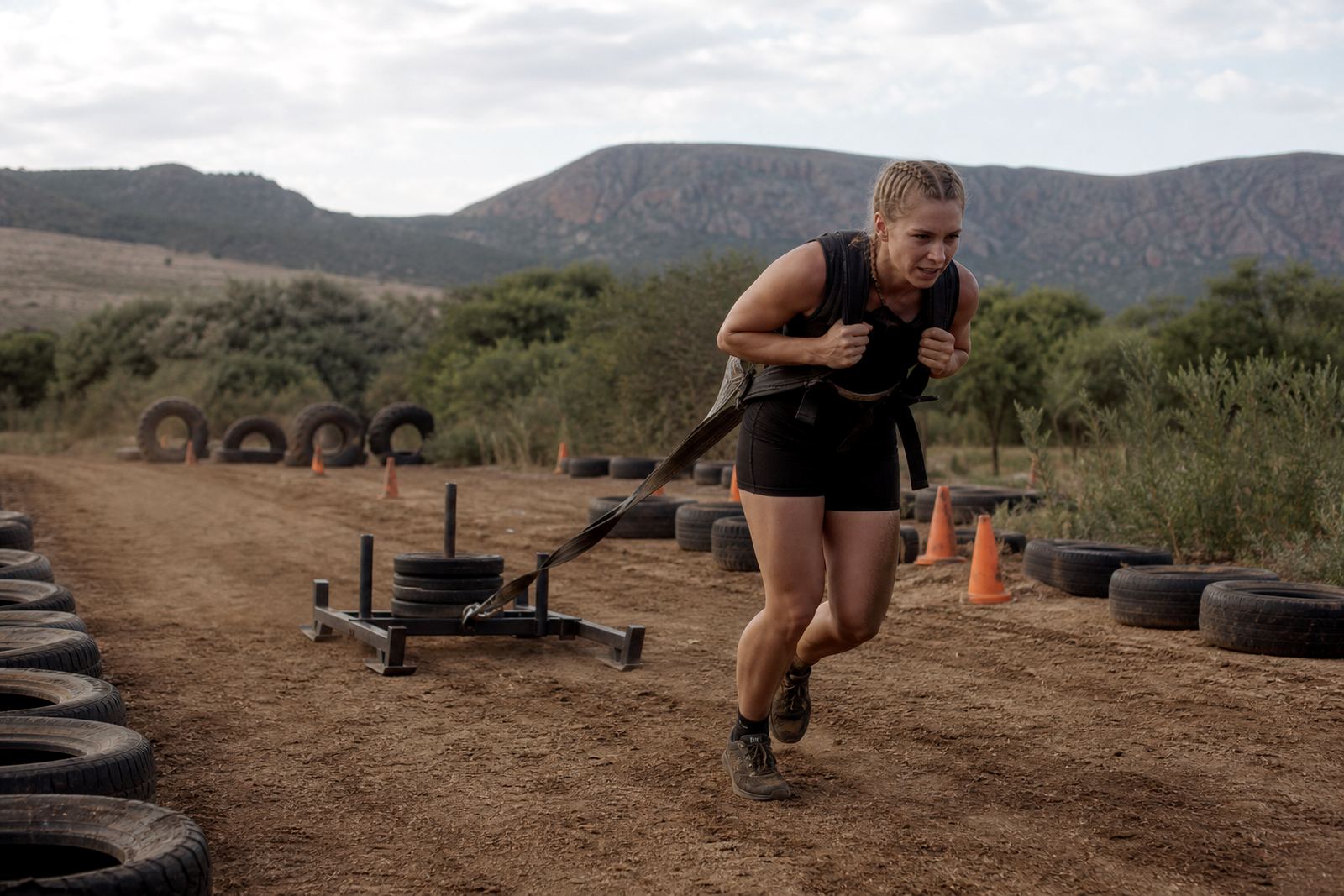
Strength OCR is a race format with more force work than a standard trail run. Expect loaded carries, sled or tyre drags, sandbag moves, rope climbs, wall clears and grip work mixed into run sections. The aim is steady effort under fatigue, not just speed on open ground.
Courses can be laid out for a shorter intro heat or a longer endurance style route, depending on the venue and the level of challenge required. In Hekpoort and the wider Magaliesberg, rough ground, loose stone and uneven climbs add to the workload, so the layout has to be planned with good spacing and clear marshal points.
- Heavy carry stations between run legs
- Push and pull obstacles with controlled loading
- Grip, balance and climbing sections
- Options for solo entrants, pairs or teams
Where the heavier format fits best
This format suits corporate team days, club challenges and endurance events where participants want a harder physical mix. It works well for groups travelling from Johannesburg, Pretoria, Rustenburg and Potchefstroom, as well as Cape Town, Durban and Bloemfontein visitors who want an outdoor challenge with proper structure.
Strength OCR also fits sites with enough open ground for a warm up area, safety lanes, recovery point and a clear finish flow. In the Magaliesberg, venue access and parking need to be managed carefully because some visitors arrive in minibuses or convoy vehicles, and dust or rain can change the ground conditions quickly.
- Corporate entry days and staff challenges
- Training groups building strength for OCR racing
- Club events with timed heats
- Mixed fitness levels where pace can be controlled
Course sizes, heat options and loading levels
Strength OCR can be scaled to suit the space and the group. A shorter format is useful for first timers or company teams, while a longer route gives experienced entrants more total work. Load levels are set with the site, the expected conditions and the type of participant in mind.
Common options include staggered heat starts, wave starts for bigger groups, and separate divisions for stronger athletes or mixed teams. If the event is used for a corporate function, the organiser can also request captain briefings, heat allocation help and team photo moments after the race.
- Short format for entry level challenge days
- Mid length format for mixed fitness groups
- Longer endurance format for advanced entrants
- Single, pair or team participation
Fitting the venue to the work load
Strength OCR needs clear ground planning. Obstacles should be placed where the surface can handle foot traffic, where marshals can see the line of movement and where recovery space is close enough for tired participants. At our Hekpoort base and surrounding Magaliesberg venues, that means checking access routes, parking flow, water points and emergency vehicle reach before race day.
If the event is held on a private site, field, farm edge or resort style venue, the course build has to match the terrain. Low wind shelters, shade points and clean briefing space are useful in hot months, while wet weather means extra attention to mud and slip control, especially on climbs and carrying stations.
- Entry and exit lanes for each obstacle
- Clear marshal positions and viewing points
- Recovery zone close to the finish
- Safe access for ambulances or support vehicles
Safety briefings, waivers and training prep
Before any hard effort event, participants should attend the safety briefing and complete the waiver process. The briefing should cover correct movement through obstacles, where to stop if a participant is struggling, how marshals signal a hold, and what happens if a section needs to be skipped. For hard exercise it is sensible to check with a doctor first, especially if there is a history of chest pain, joint trouble or long gaps in training.
Training content for Strength OCR should include carries, grip work, hill repeats and bodyweight control, not just running. Teams that prepare together tend to handle the transitions better, and they also move more smoothly through the briefing, the warmup and the finish area.
- Pre event warmup with joint mobility and light effort
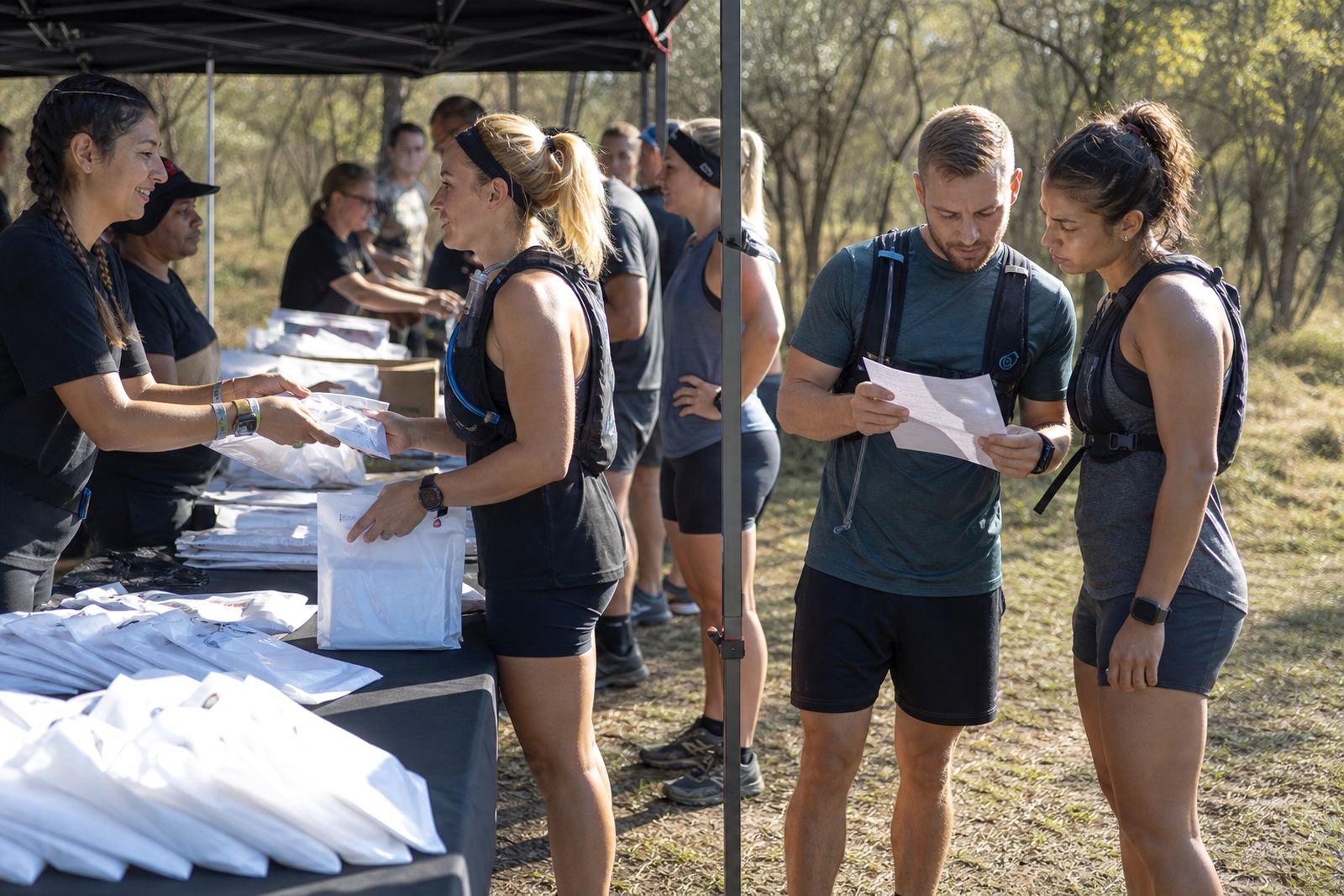
- Waiver coordination before the start wave
- Safety briefing groups for each heat
- Supporter planning and recovery area guidance
What to pack for a hard ground day
Participants should bring clothing that can get dirty, shoes with grip for loose ground and a spare set for the trip home. A small towel, water, sunscreen and a plastic bag for wet kit all help on event day. In the North West heat, a cap and extra hydration are useful, while early starts in colder months may need a dry layer for after the race.
For team entries, it helps to mark items clearly so bags do not get mixed in the recovery area. If the route uses mud, water or sand, socks and laces should be checked before the start. Nothing slows a finish down like a loose shoe or a crumpled bib number.
- Grip shoes suitable for uneven ground
- Water, towel and dry change of clothes
- Photo ID if requested for registration
- Any personal items needed for the finish area
Ordering details that need to be confirmed
When arranging Strength OCR, confirm the venue, the number of entrants, the type of heat, the strength load required and whether you need group registration help. It also helps to note any company team names, captain details, recovery area needs and whether the group will arrive from Hekpoort, Magaliesburg, Hartbeespoort, Krugersdorp or further afield.
For corporate and group bookings, the organiser should also confirm any special access needs, timing requests and briefing format. If the event includes onsite check in, supporter planning or custom team briefing, those details need to be set early so the race day runs in order and the participants know where to go.
- Event location and surface type
- Heat format and estimated start order
- Team names, captain contacts and waiver needs
- Briefing, check in and recovery requirements
Key facts
| Format | Heavy obstacle course race with lifting, dragging and carrying sections |
|---|---|
| Typical layout | Running legs combined with grip, climb and load based obstacles |
| Heat options | Solo, pairs, team waves and staggered starts |
| Venue fit | Open ground, farm venues, resorts and private challenge sites |
| Recommended prep | Hill work, carries, grip training and mobility sessions |
| Ordering info | Venue, entrant count, heat type, briefing needs and recovery space |