
Why the Grip Test Series gets attention on the course
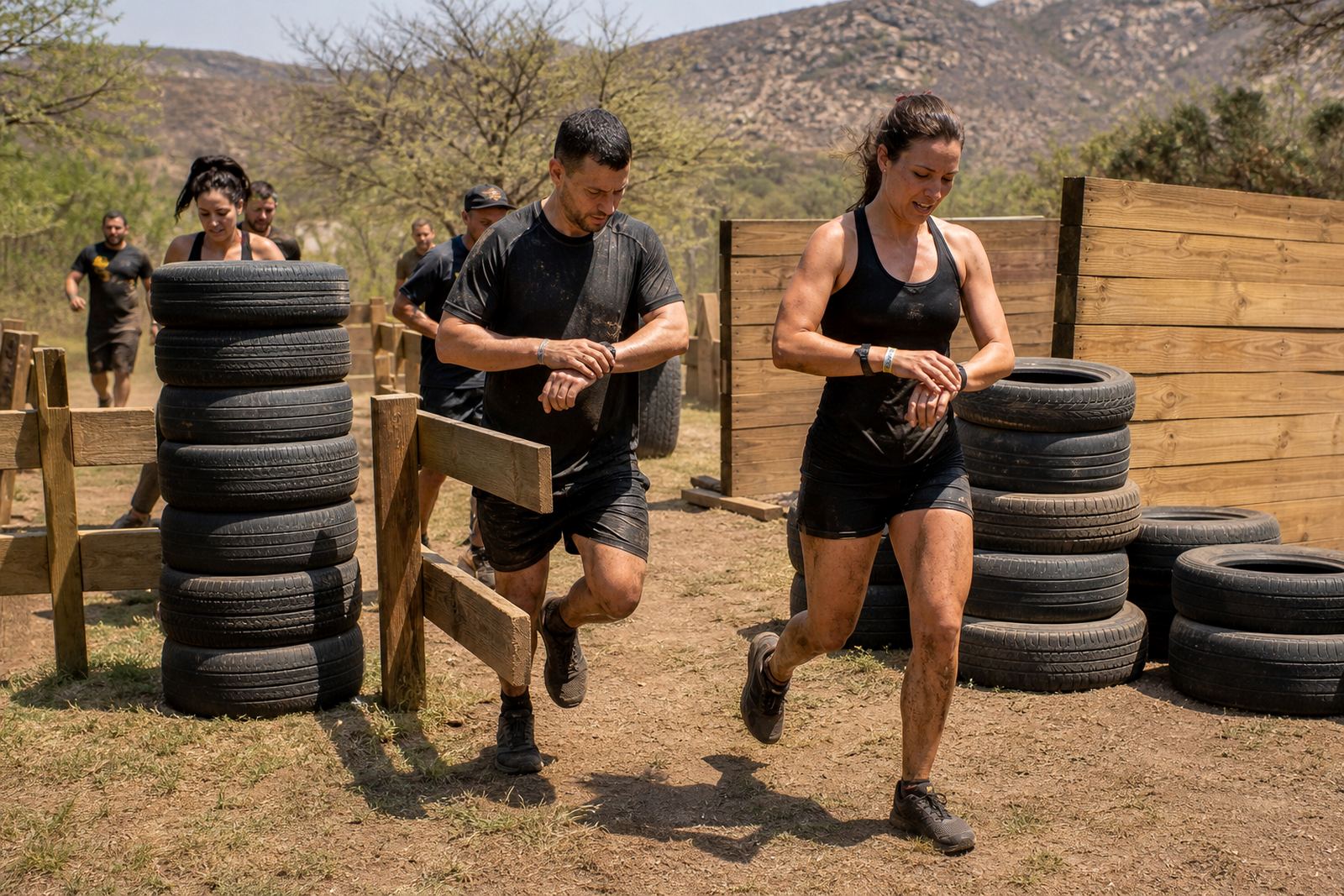
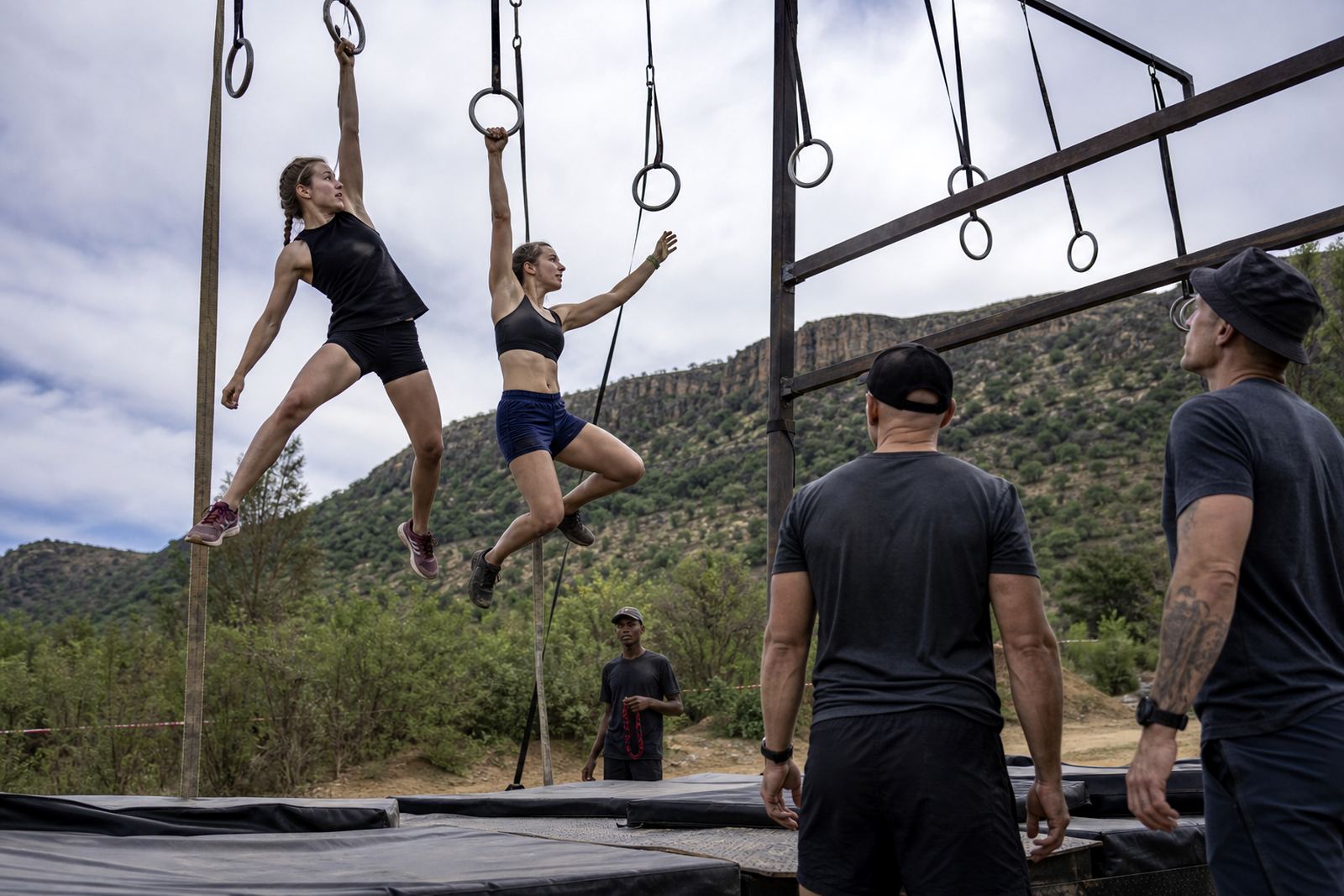
The Grip Test Series is built for participants who are happiest when the work is in the hands, forearms, shoulders and core. It mixes hangs, traverses, carries and controlled climbs with enough variety to keep the pace moving, and the layout suits both first-timers and seasoned race regulars.
In the Magaliesberg, the ground can be uneven and dusty, with cold mornings, heat later in the day and the odd gust that makes a hold feel smaller than it looks. That is part of the appeal. The series is not only about speed, it is about staying composed when your grip is fading and your breathing is already hard. A few sections ask for patience, and a rushed approach usually costs more than a steady one.
Teams often use this category for corporate events, club entries and mixed groups, because the obstacles can be paced without losing the challenge. It gives people a clear way to test themselves, while still working alongside a mate or teammate. Small errors happen quickly on grip work, so concentration matters right through to the finish.
Build style, options and the measurements that matter
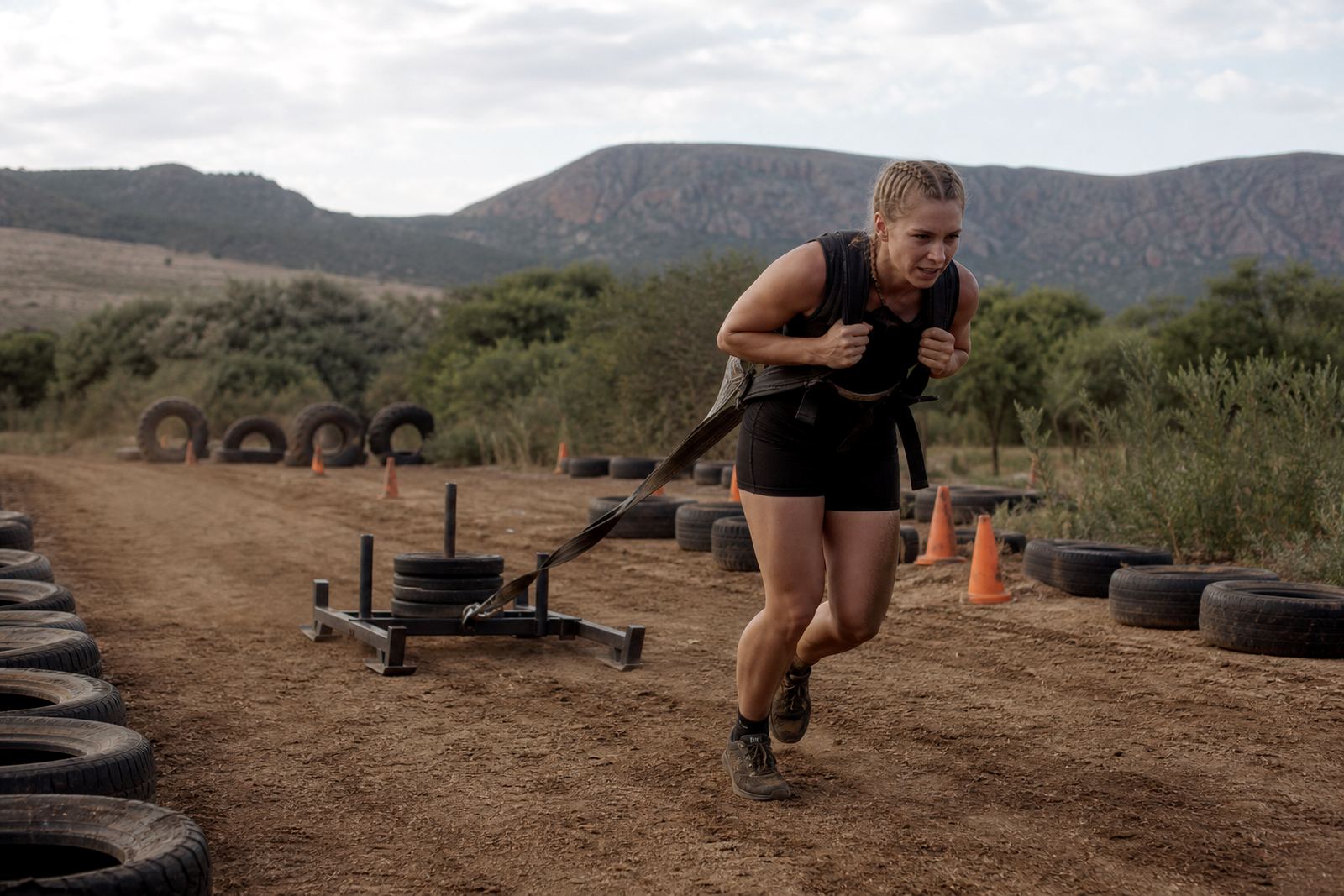
This race category is set up in modular sections so the course team can adapt the sequence to the venue and field conditions. The obstacle set usually combines suspended holds, monkey-style traverses, rope sections, carry lanes and climbing frames. Some elements are timed by passage, others by completion, which helps the briefing stay clear for mixed ability groups.
When you are ordering or planning entry for a group, the important details are not only the race title but the practical fit. We confirm lane width, grip spacing, carry weight range, obstacle height and whether the route needs a sharper climb or a longer endurance stretch. If a team is arriving with different fitness levels, that affects how heat allocation and briefing groups are arranged. The same goes for corporate entries where a captain needs one clear point of contact.
- Typical obstacle height: 1.8 metres to 3.5 metres
- Carry sections: short burst carries or longer load carries, depending on route build
- Grip features: fixed holds, swinging holds, rope lines and traverse bars
- Route spacing: enough room for safe passing, brief rest points and marshal access
Where it suits best in the North West and beyond
The Grip Test Series suits open venues where course builders can work with natural slope, dust, grass patches and hard ground. Hekpoort and the wider Magaliesberg area are a strong fit because the terrain gives the course real texture without needing complicated access, and that matters when teams are travelling in from Gauteng or further afield.
It also works well for travellers from Pretoria, Johannesburg, Rustenburg, Krugersdorp and Potchefstroom who want a day event rather than a long stay. For coastal teams from Cape Town or Durban, the key is planning for travel, hydration and recovery time. Humidity, altitude and sun exposure all change how the body feels during grip work, so we always keep the route briefing practical and specific. A participant who underestimates the weather usually feels it in the shoulders first.
For event planning, this category suits venues where there is space for team photo moments, supporter flow, recovery area guidance and a clean check-in point. If municipal rules or venue conditions affect noise, traffic or parking, those details need to be handled early, especially when groups arrive in convoy or with larger team numbers.
Briefing, waivers and the part most people skip too fast
Before any participant starts the Grip Test Series, the safety briefing must be clear and properly understood. That includes obstacle order, marshal instructions, pass or retry rules, expected hand placement and what to do if a grip slips. The waiver process also matters, because obstacle racing carries normal outdoor exertion risks and each participant needs to understand the entry terms before stepping onto the course.
For groups, we can help with waiver coordination, custom team briefing, captain communication and onsite team check-in so there is less confusion at the start line. If a team has nervous first-timers, it helps to separate the briefing into smaller groups. That gives people time to ask practical questions instead of nodding along and guessing later.
- Bring a signed waiver or complete the required entry paperwork in advance where possible
- Listen for the marshal call before entering each lane
- Check glove use, shoe grip and whether any jewellery must be removed
- Let the crew know about asthma, recent injury or anything that may affect hard exercise
Anyone planning to race should check with a doctor before hard exercise, especially if they have been inactive, recently ill or have a known condition. That is a sensible step before taking on hanging and carry work.
What to pack so your grip holds up better
The right kit makes a real difference on a grip-heavy course. You do not need to overpack, but the items you do bring should work hard and dry quickly. Good shoes, water and a spare top are the basics. If the weather turns dusty or cold, a light layer for before the start can help keep the hands and shoulders warm until the race begins.
Teams often forget small practical things like dry socks for after the race, a towel and a sealed bag for muddy kit. That matters if you are driving back to Johannesburg, Pretoria or Rustenburg after the event. The recovery area is easier to use when participants have enough to change into and a plan for food and water after the finish.
- Trail or grip shoes with proper tread
- Water bottle or hydration pack
- Comfortable clothing that moves well on rope and metal holds
- Dry towel, spare socks and a change of shirt
- Sun protection and a small snack for after the race
Group entries, team flow and the admin behind the finish line
The Grip Test Series is often booked as part of a broader team day, so the admin needs to be tight. Corporate Entry Planning helps with registration, captain communication, team size splits, heat allocation support and onsite check-in. If a group is travelling from multiple towns, we can keep the participant list tidy and make sure each person gets the correct briefing point.
For work teams, schools and social groups, support can also include recovery area guidance, supporter planning and team photo moments after the finish. A clean flow at check-in reduces delays and keeps the start area calm, which is important when people arrive early in the morning and still need to warm up. It also helps if one person is nominated to speak for the group, otherwise small admin questions get repeated three or four times.
When ordering or confirming a place in this category, have the following details ready: preferred venue area, number of participants, team captain name, any mobility concerns, and whether the group wants a stronger training focus or a more general challenge. That way the event team can match the format to the people on the day, rather than forcing everyone into one pace.
Key facts
| Category type | Obstacle course race segment with upper-body emphasis |
|---|---|
| Obstacle mix | Hangs, traverses, rope work, carry lanes and climb sections |
| Route fit | Suitable for mixed fitness levels with team pacing options |
| Typical build range | Obstacle heights from 1.8 metres to 3.5 metres |
| Venue fit | Open outdoor sites in Hekpoort, Magaliesburg and wider North West |
| Event support | Waiver coordination, safety briefings, team check-in and captain communication |