Fast laps, tight turns, less standing around
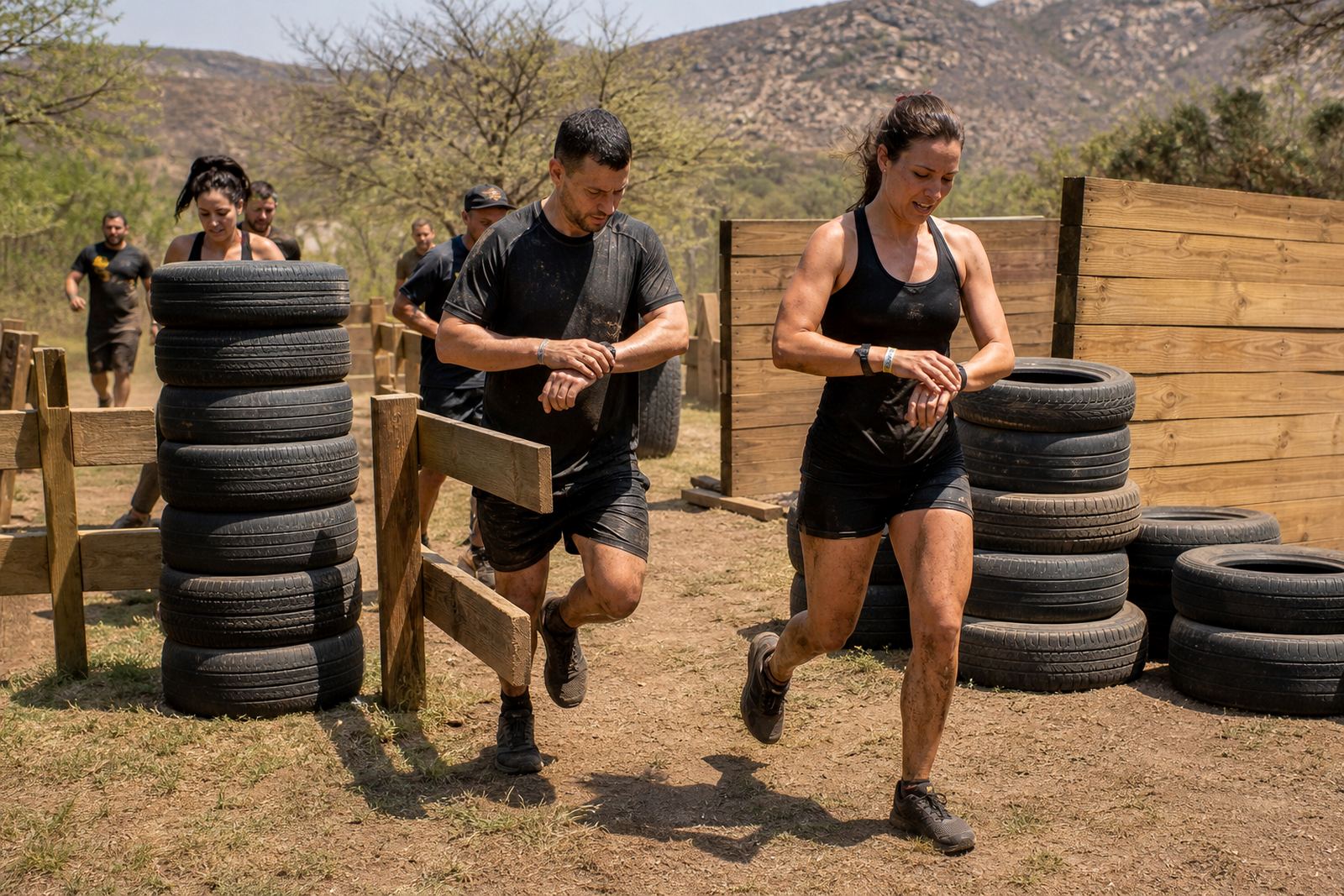
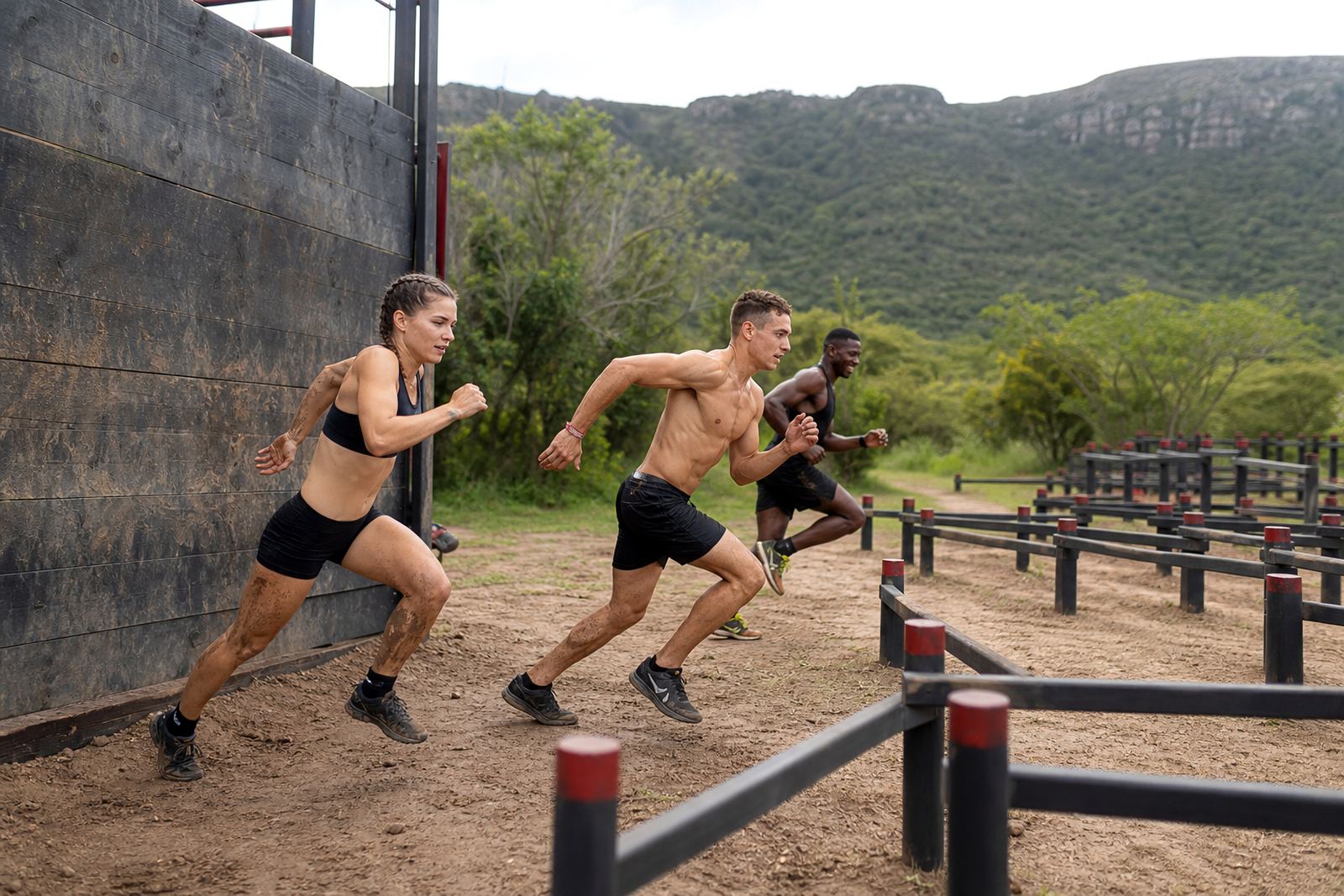
Speed OCR is set up as a shorter obstacle course race where the pace stays high from the first whistle. The course layout favours quick transitions, repeat effort and steady movement over long grind sections, so competitors have to think while they move. That makes it a strong fit for athletes who want a sharp race format and for teams that need a clear, easy to follow event structure.
In the Magaliesberg, the terrain can change quickly. Hard ground, dust, small climbs and uneven patches all affect footing, so the course is planned to keep the challenge real without turning every section into a long drag. Participants from Johannesburg, Pretoria, Cape Town, Durban and Bloemfontein often use this format for team days, fitness goals and competitive training blocks.
- Shorter race format with faster obstacle flow
- Clear transitions between running sections and stations
- Suitable for solo entrants and corporate teams
- Designed for outdoor conditions common in North West venues
What Speed OCR asks from the body
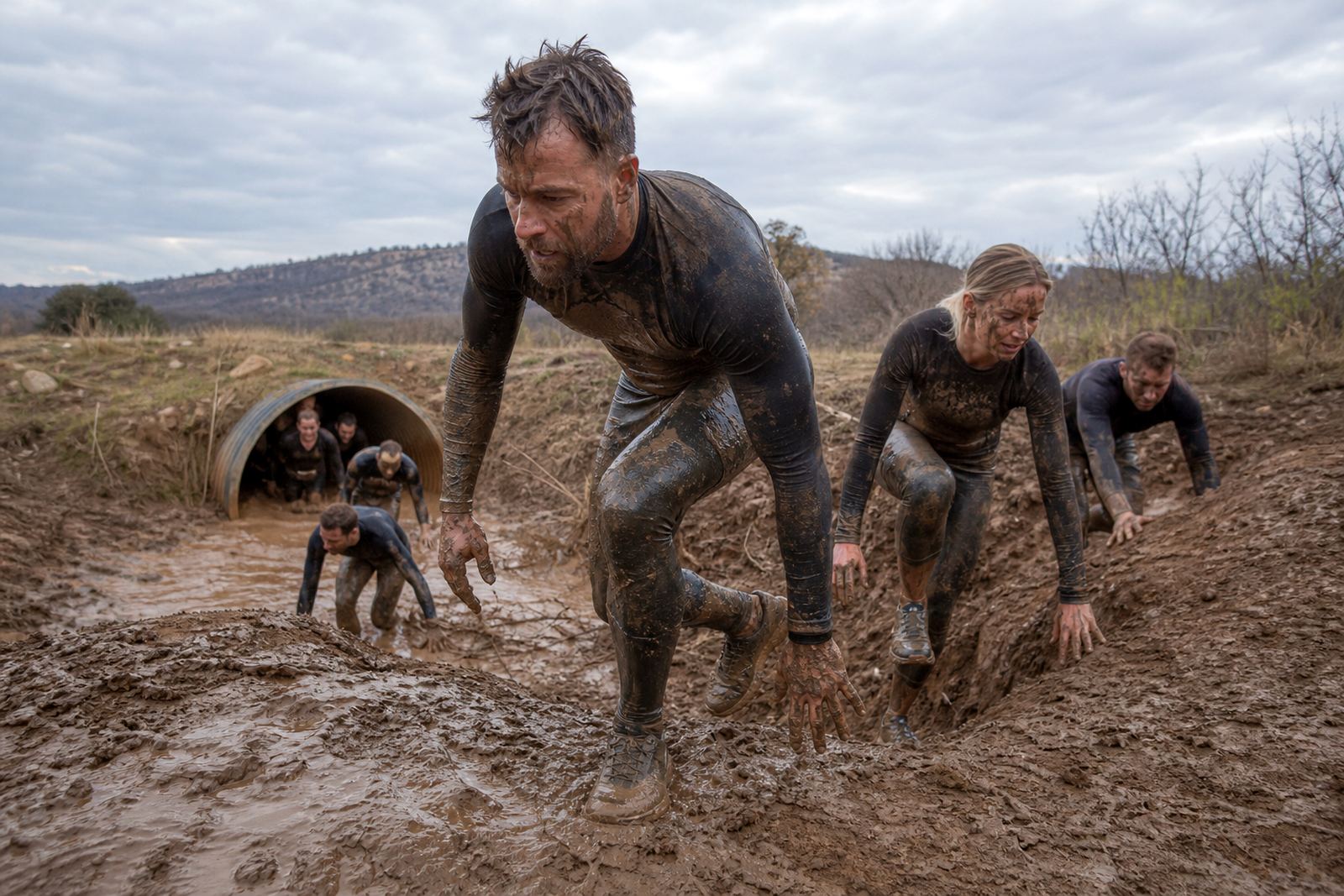
This format puts pressure on grip, legs, breathing control and recovery between efforts. Expect crawling, climbing, carrying, stepping, balancing and short sprint sections, with the pace changing quickly from one obstacle to the next. The aim is efficient movement under load, not just raw strength.
If you are planning to enter after a spell away from hard exercise, check with a doctor first. That matters especially where there is asthma, a heart condition, joint trouble or recent injury. Participants should arrive ready for warm-up, listen during the safety briefing and pace themselves honestly, because a fast start can cost a lot later on.
- Grip and upper body control for ropes, walls and holds
- Lower body drive for climbs and quick changes in direction
- Breathing control for repeat efforts in dry or windy weather
- Team communication for relay style entries and shared timing
Size choices and format options that suit different squads
Speed OCR can be planned as an individual entry, a small team format or a larger corporate group session. The main difference is how the start waves, briefing groups and recovery areas are arranged. Some teams want a tighter race pack with quick turnaround. Others need support for mixed fitness levels, where the whole group can move together and finish in a managed sequence.
For corporate entries, we can help with captain communication, waiver coordination, team registration help and onsite check-in so the group is not scrambling at the gate. At venues in Hekpoort, Magaliesburg and Hartbeespoort, the layout may also need closer parking control and clear staging because weekend traffic can build up quickly, especially when visitors are arriving from Pretoria or Johannesburg.
- Individual entries for focused race performance
- Team entries for workplace groups and clubs
- Custom briefing groups for mixed ability squads
- Supporter planning and recovery area guidance for larger groups
Course setup and what has to be ready on the day
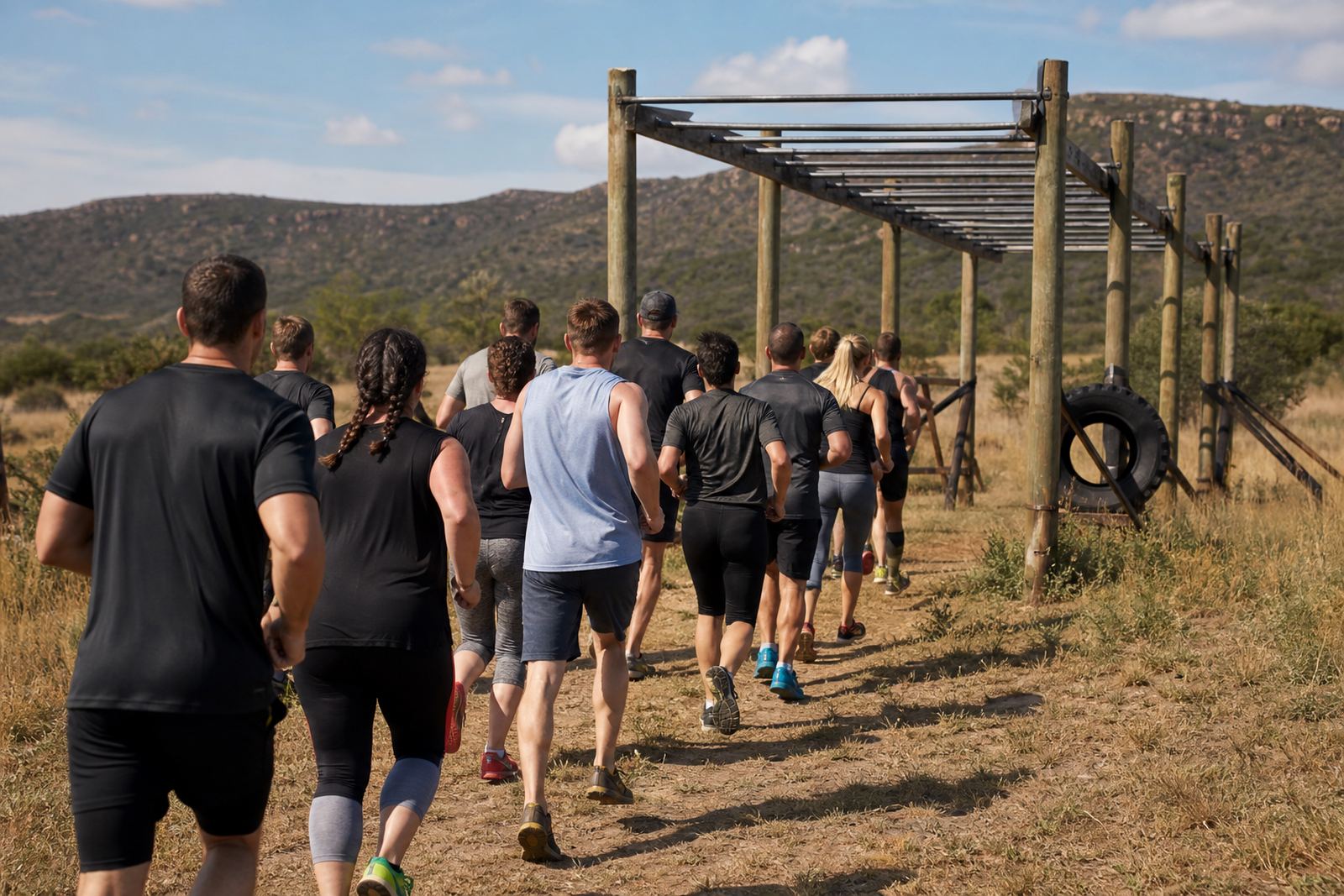
Speed OCR works best when the course build is tidy, safe and easy to read. Obstacles need to be spaced so runners are not bottlenecked, but close enough to keep rhythm. In the Magaliesberg heat, shaded briefing points and water access matter. In windy or dusty conditions, signs and lane markers need to stay visible and secure.
For events that run over municipal or landowner controlled ground, we also check the practical parts: entry flow, vehicle access, emergency access, participant marshalling and where the recovery area sits. If the event includes multiple heats, the start window and team grouping need proper control so no one is missed. Our operations, safety and course teams work through those details before the first runner steps off.
- Clear obstacle spacing to reduce congestion
- Secure markers, briefing points and start lanes
- Water access and recovery space for hot days
- Emergency vehicle access and marshal position planning
Safety briefing, waivers and what to pack in your kit bag
Every Speed OCR entry needs the usual event controls in place. That includes waiver handling, a proper safety briefing, and clear instructions on how the obstacle rules are applied. Participants should wear closed running shoes with decent grip, clothing that can handle dirt and sweat, and gear they do not mind getting wet or damaged. A small towel, water bottle and dry change of clothes can help after the race, especially when the wind picks up in the afternoon.
For corporate groups, we can coordinate group briefing times, captain handover, and team photo moments after the finish. It helps to know in advance if anyone in the group needs a modified start arrangement or extra time at a station so the support crew can plan properly. On race day, the fastest way to ruin a good event is poor check-in discipline, so the paperwork side has to be sorted early.
- Closed running shoes with grip for dusty or uneven ground
- Water bottle, towel and dry clothes for after the finish
- Signed waiver and correct team details before arrival
- Any required support item approved in advance by event staff
The order details worth checking before you send the entry
When placing a Speed OCR order or team entry, confirm the race format, heat allocation, team name spelling, number of entrants and any special support needed for the group. If the booking is for a company, school, club or mixed visitor group, it also helps to confirm the contact person responsible on the day. That keeps the lane assignment, waiver list and briefing group aligned.
For teams travelling in from Rustenburg, Potchefstroom, Pretoria or Johannesburg, timing matters as much as gear. Road delays, fuel stops and late arrivals can throw out the start plan. Let the team know whether they are arriving early for warm-up or just before their allocated wave. A clean handover at the gate makes the rest of the morning run smoother and avoids confusion at check-in.
- Race format and heat time
- Full participant list with names spelled correctly
- Team captain and onsite contact person
- Any support needs for briefing or recovery arrangements
Where Speed OCR works best across the North West
This format suits adventure sites with open ground, enough space for safe obstacle spacing and a clean route for spectators and support staff. It fits well at Hekpoort and Magaliesburg venues, and it also works for groups travelling through Hartbeespoort, Krugersdorp and the wider Pretoria side. Because the race is shorter and sharper, it is a useful option for teams that want a hard session without a full day on the course.
The same goes for weather, dust, access roads and recovery space. Speed OCR is strongest when the moving parts are sorted early, the briefing is clear and every participant knows what they are stepping into.
- Useful for adventure days, club sessions and team building
- Works well where access roads and parking need planning
- Suitable for short, high pressure race programmes
- Best used where course flow and safety control are both tight
Key facts
| Product | Speed OCR |
|---|---|
| Format | Shorter obstacle course race with quick transitions |
| Use case | Individual, club and corporate entries |
| Typical setup | Briefing groups, heat allocation, recovery area and check-in support |
| Venue fit | Open outdoor ground with clear obstacle spacing |
| Location focus | Hekpoort, Magaliesburg, Hartbeespoort, Krugersdorp and nearby travel routes |