Weeks 1 to 2: Start with walking, climbing and getting used to effort
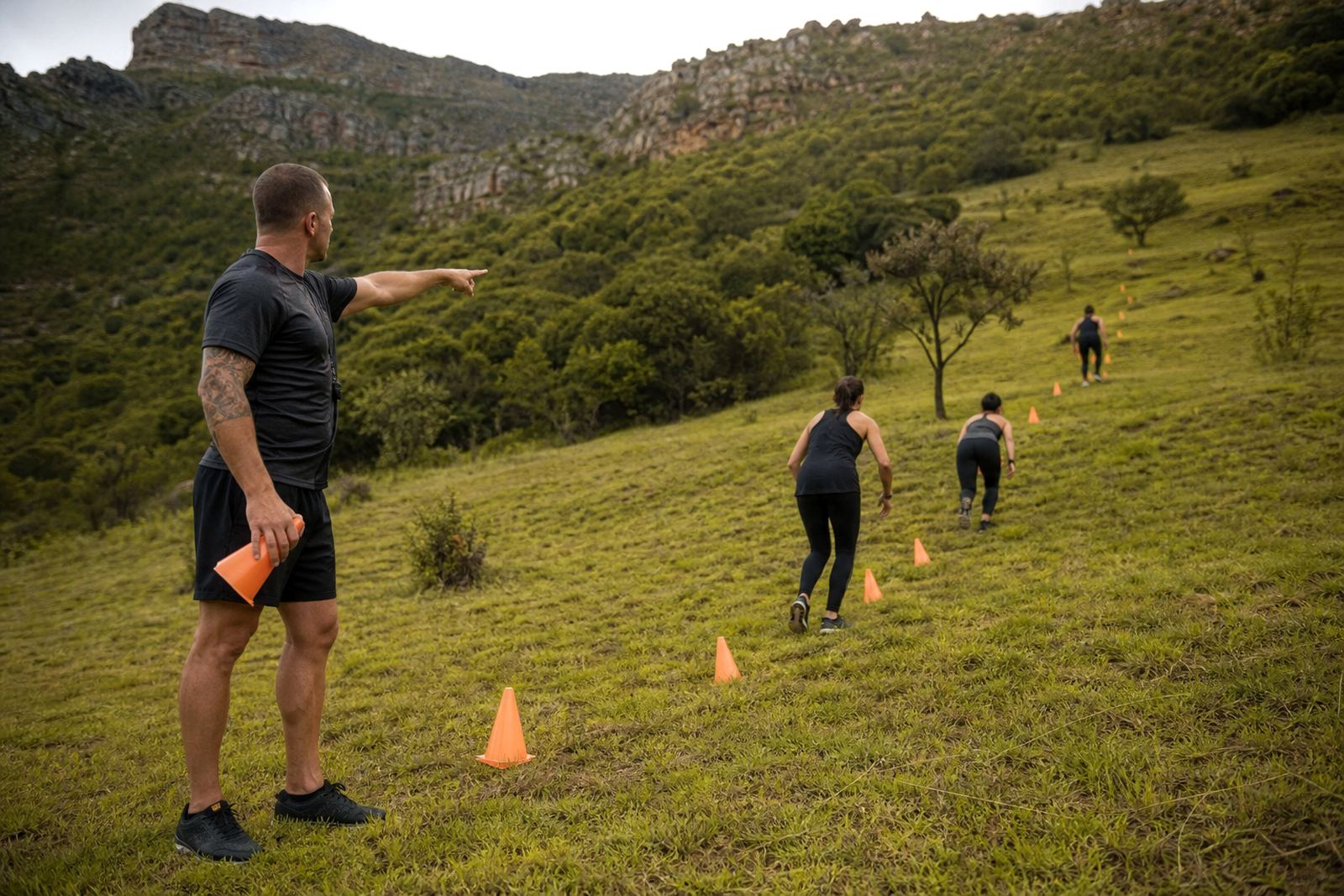
Begin with work you can repeat. In the first two weeks, walk at a brisk pace for 25 to 35 minutes, four times a week. Add a few short hills, stairs or slopes where you can, especially if you live or train in Johannesburg, Pretoria or Bloemfontein where you may need to make the most of city routes and parks. The goal is not speed, it is getting your legs, lungs and feet used to moving for longer than a quick gym session.
On two of those days, add light bodyweight work. Think squats, lunges, wall push-ups and planks. Keep the sets short and neat. If you are new to exercise or have a heart, joint or breathing concern, check with a doctor before hard exercise. That applies even if you only plan to do the shorter obstacle options.
- 4 brisk walks of 25 to 35 minutes
- 2 short strength sessions of 15 to 20 minutes
- 1 rest day with light stretching
- Comfortable shoes with grip for dirt, gravel and wet grass
Weeks 3 to 4: Build the engine and teach your hands to work too
Obstacle course races ask more than running. You may need to climb, carry, crawl, balance or hang on to something with tired forearms. During weeks three and four, keep your walking or jogging sessions going and add short bursts of faster effort. For example, after a warm-up, do one minute faster and two minutes easy, repeated six to eight times. This is enough to raise your fitness without leaving you wrecked for days.
Now add simple strength and grip work. Use a backpack with a few water bottles, or hold two buckets with safe handles if you have them. Walk for 20 to 40 metres, rest, then repeat. At the same time, practise getting up and down from the ground. Crawling under a low line, stepping over a curb or moving through sand all help. In the Magaliesberg area, uneven ground and dust are normal, so training outside is useful.
- 2 easy cardio sessions
- 1 interval session with short faster bursts
- 2 strength sessions using bodyweight or light loaded carries
- 1 mobility session for hips, ankles, shoulders and back
Weeks 5 to 6: Add race-like effort without burning out
This is the point where many beginners push too hard, then miss a week. Keep your effort controlled. One session can include a longer walk or jog of 40 to 60 minutes. Another can mix running, stairs, crawling and carries in a circuit. For example, 5 minutes easy movement, then 10 squats, 8 lunges each side, a 20 second plank, a short hill walk and a 30 metre carry. Repeat the circuit three or four times.
If you are training in coastal humidity while travelling from Durban, or dealing with heat in Gauteng and the North West, use early mornings where possible and drink water through the day. You do not need fancy supplements, just steady meals, enough fluids and sleep. Keep an eye on blisters, tight calves and sore shins. Small problems become bigger when ignored.
- 1 longer session of 40 to 60 minutes
- 1 circuit session that mixes cardio and strength
- 1 grip and carry session
- 2 recovery days with walking, stretching or easy cycling
Week 7: Rehearse the admin, the kit and the calm bits
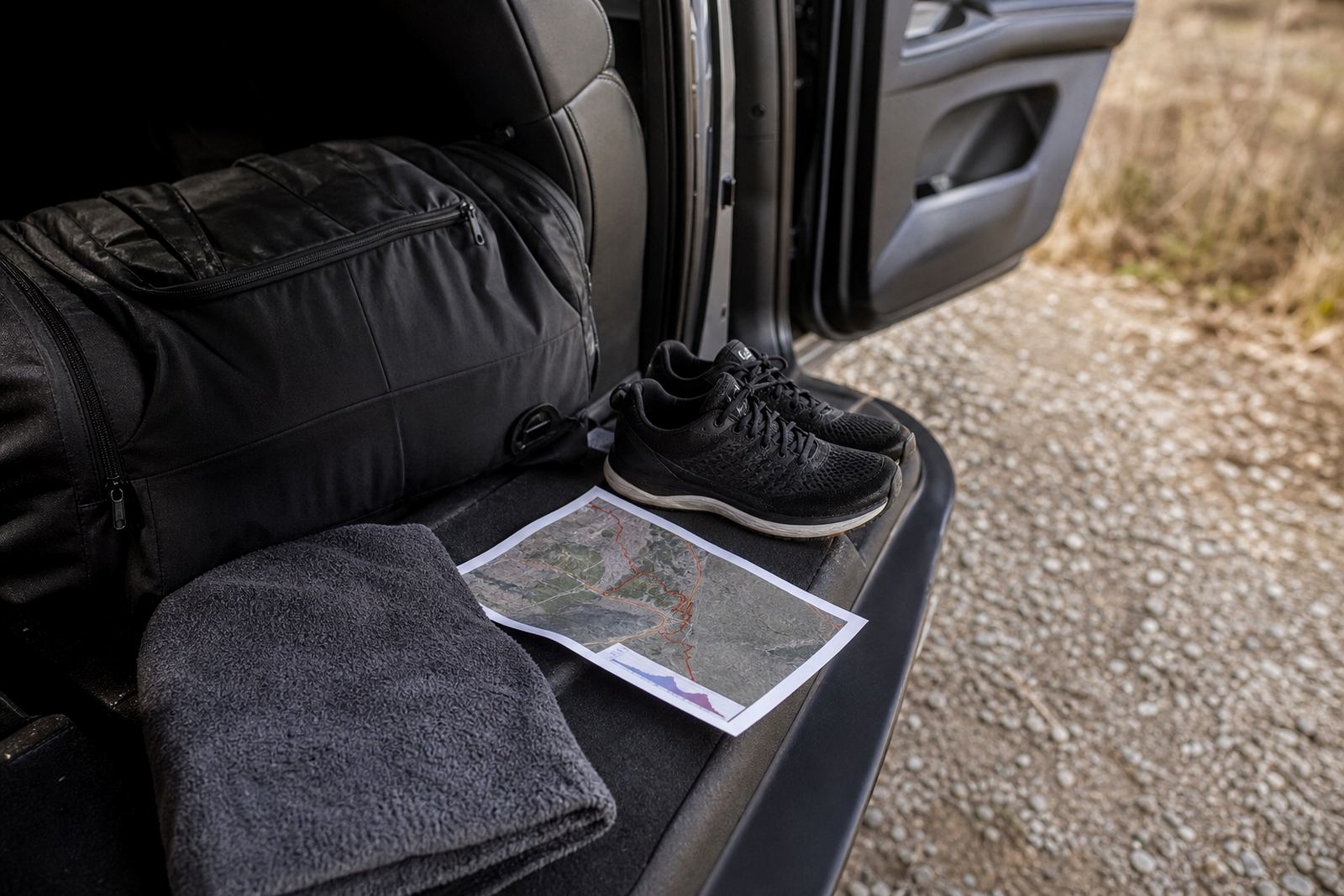
By week seven, your body should know the pattern. Now focus on the parts that make race morning easier. Check what the organiser asks you to sign or accept, including waivers, safety briefings and team instructions if you are entering as a group. If you are travelling from Cape Town, Durban, Pretoria or Bloemfontein, plan your route early and leave extra time for traffic, parking and moving gear from the vehicle to the venue.
Put your kit together and test it on a short training session. Socks, shoes, a cap, water bottle, towel and a spare top are practical basics. If the course includes mud, dust or water, use clothing that drains and dries well.
- ID or whatever entry details the event asks for
- Signed waiver or confirmation of acceptance where required
- Race clothing that can get dirty
- Water, snacks and a dry change of clothes
- Small bag for keys, tape, inhaler or other personal items
Week 8: Taper down, sleep properly and arrive ready to work
The final week is for freshness, not heroic training. Cut volume by about half. Do two light sessions only, each around 20 to 30 minutes, and keep them easy. Add a few short strides or quick footwork drills if they help you feel sharp. The aim is to arrive with energy in your legs, not a heavy training hangover.
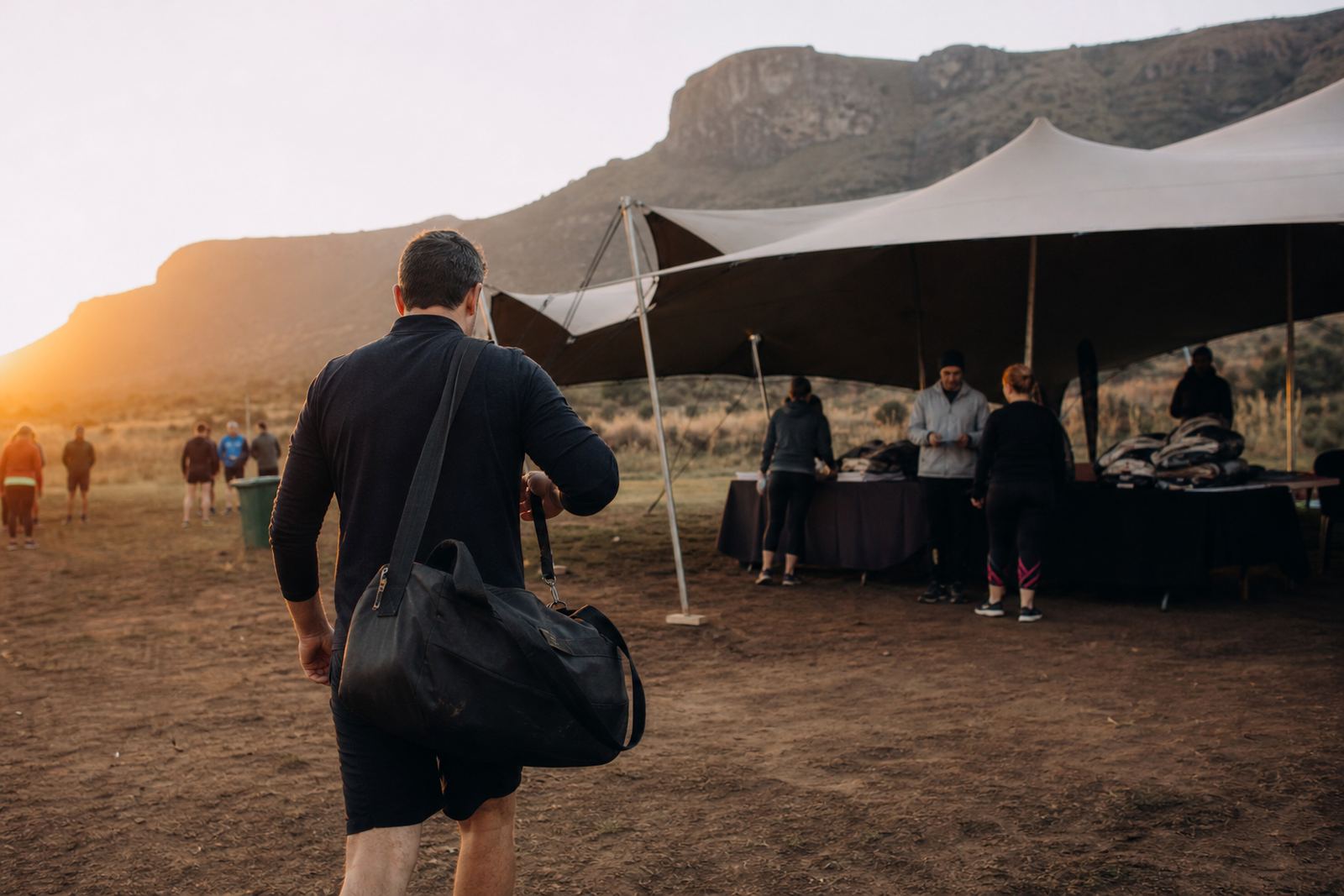
Sort your race morning details now. Eat familiar food, get to bed early, and pack your bag the night before. If you are racing with a team, agree where you will meet, who carries what and how you will handle a missed obstacle or a slow section. At Punisher events, our team covers safety briefings, group warmup sessions, captain communication and onsite check-in support so participants can settle before the start.
- Reduce training load and keep movement light
- Sleep well for several nights in a row
- Pack kit, snacks and water ahead of time
- Review the briefing and listen for course rules
What to bring when you are still learning the ropes
Beginners do best when they travel light but prepared. A clean change of clothes, a towel, water, snacks and shoes with grip are the essentials. If the course area around Hekpoort, Magaliesburg or Hartbeespoort is wet, dusty or uneven, bring something to protect your feet and skin after the race. A small plastic bag for dirty kit can also save the car seats on the drive home.
For corporate teams and mixed fitness groups, it helps to use a checklist the day before. That way no one arrives without the right name on their entry, the correct waiver status or a water bottle. Our support options include corporate entry planning, team registration help, participant support, recovery area guidance and custom team briefing, which is useful when your group is travelling in from different towns.
- Water bottle and a small snack
- Dry clothes and a towel for after the finish
- Sun protection and a cap for outdoor venues
- Grip socks or shoes suited to trail and mud
- Any personal items needed for comfort or health