
Start With the Briefing, Not the Sprint
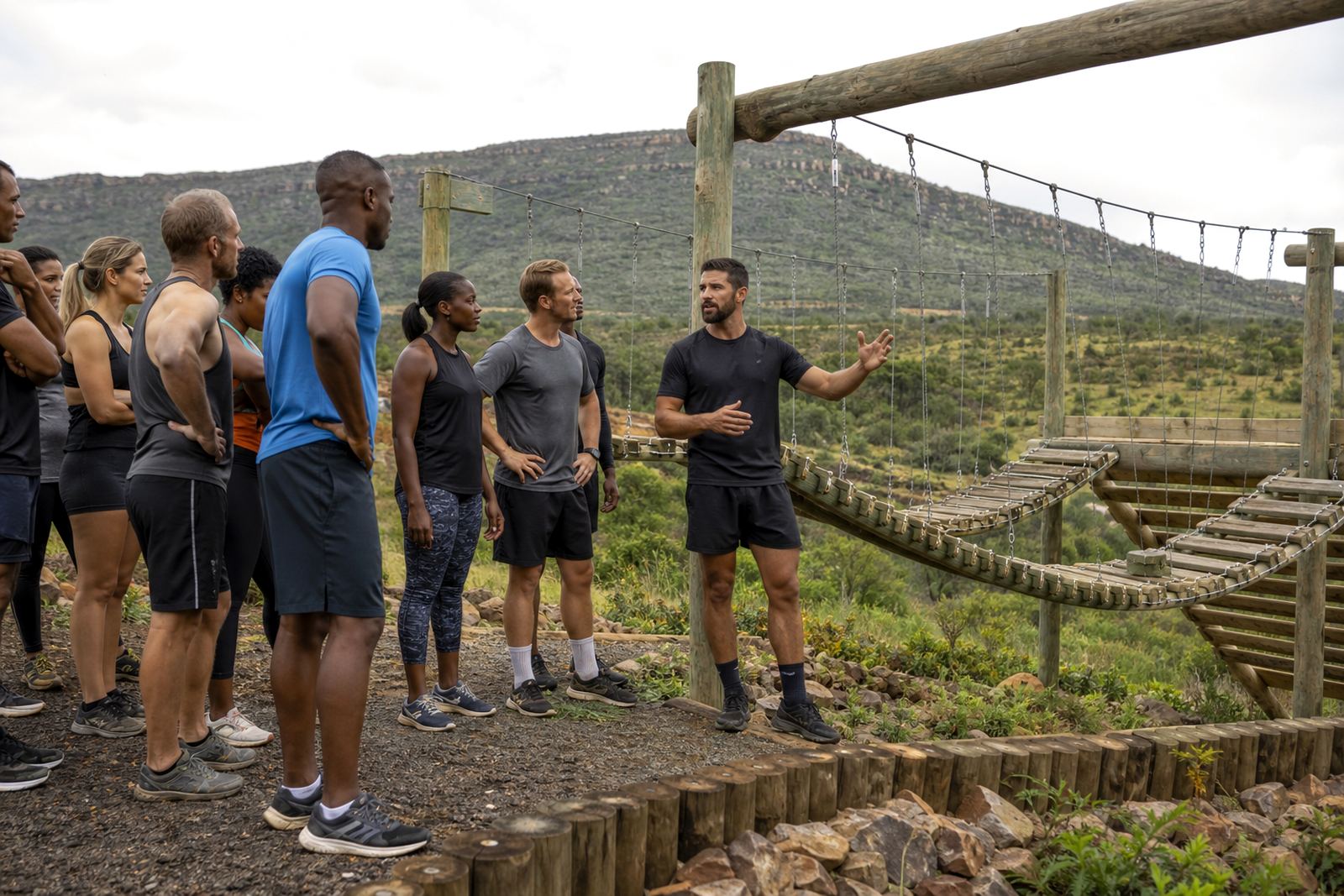
Every event day begins with a safety briefing and that is where the tone is set. Listen for how the course is marked, where to slow down, where to wait, and which obstacles need extra care. Marshals are there to guide flow and prevent pile-ups, so if they ask you to hold back or move aside, do it straight away.
In group events, it helps to keep your team close but not crowded. If one person is struggling, let them reset before the next participant arrives. That small pause can prevent slips, hard landings and unnecessary stress on knees and ankles.
Paperwork That Protects the Day
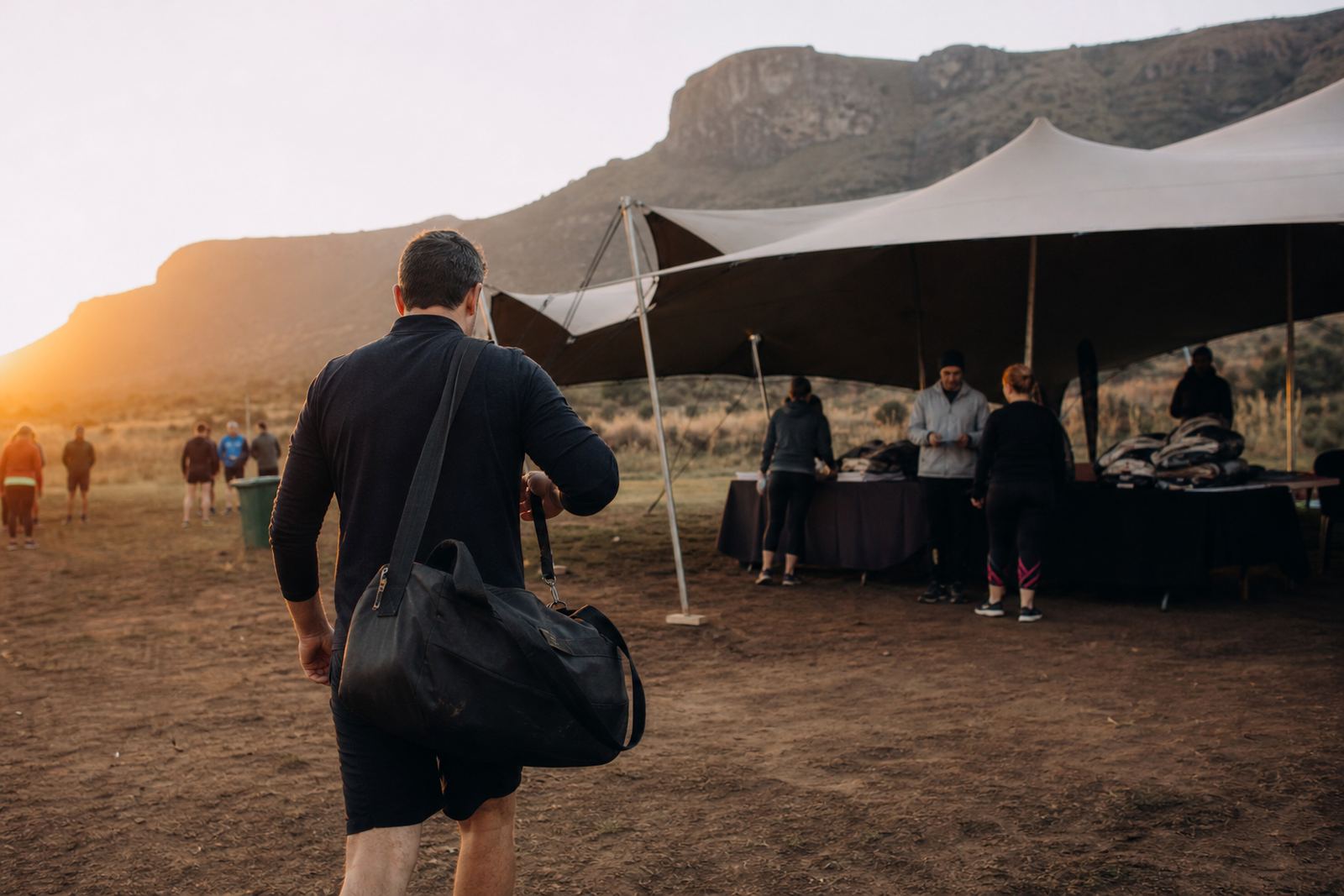
Before you step onto the start line, make sure your waiver is completed properly and any team details are correct. Waiver coordination is not just admin, it helps organisers manage participant safety, emergency access and course control. If you are registering a company team, check the captain instructions carefully so names, heats and support notes are aligned.
- Bring a valid ID or the details requested at registration.
- Read the waiver fully before signing.
- Tell organisers about any relevant injuries, braces or limitations.
- Keep your heat number or checkin note handy for the start area.
- Follow the briefing even if you have done similar races before.
If anything on your form feels unclear, ask before the start rather than guessing. A corrected detail before the gun is worth more than a rushed answer later.
Train the Body You Plan to Rely On
Obstacle racing asks for more than gym strength. You need grip, balance, short bursts of power and enough endurance to keep moving when the course gets rough. Around Hekpoort and the wider Magaliesberg, terrain can be rocky and uneven, so training should include trail running, hill work and controlled climbs. On humid North West mornings, you may also find that breathing and hydration need a bit more attention.
If you have not trained for hard exercise, check with a doctor before taking part. That is especially important if you have heart concerns, joint trouble or a long break behind you. A quick medical opinion can guide whether you should adjust your pace, your effort or your event choice.
- Practice running on uneven ground, not only pavement.
- Work on pullups, hangs and carries for obstacle strength.
- Train with a pack or water bottle so your body learns to move under load.
- Include rest days so fatigue does not build up before event day.
What to Bring So You Are Not Fighting the Course
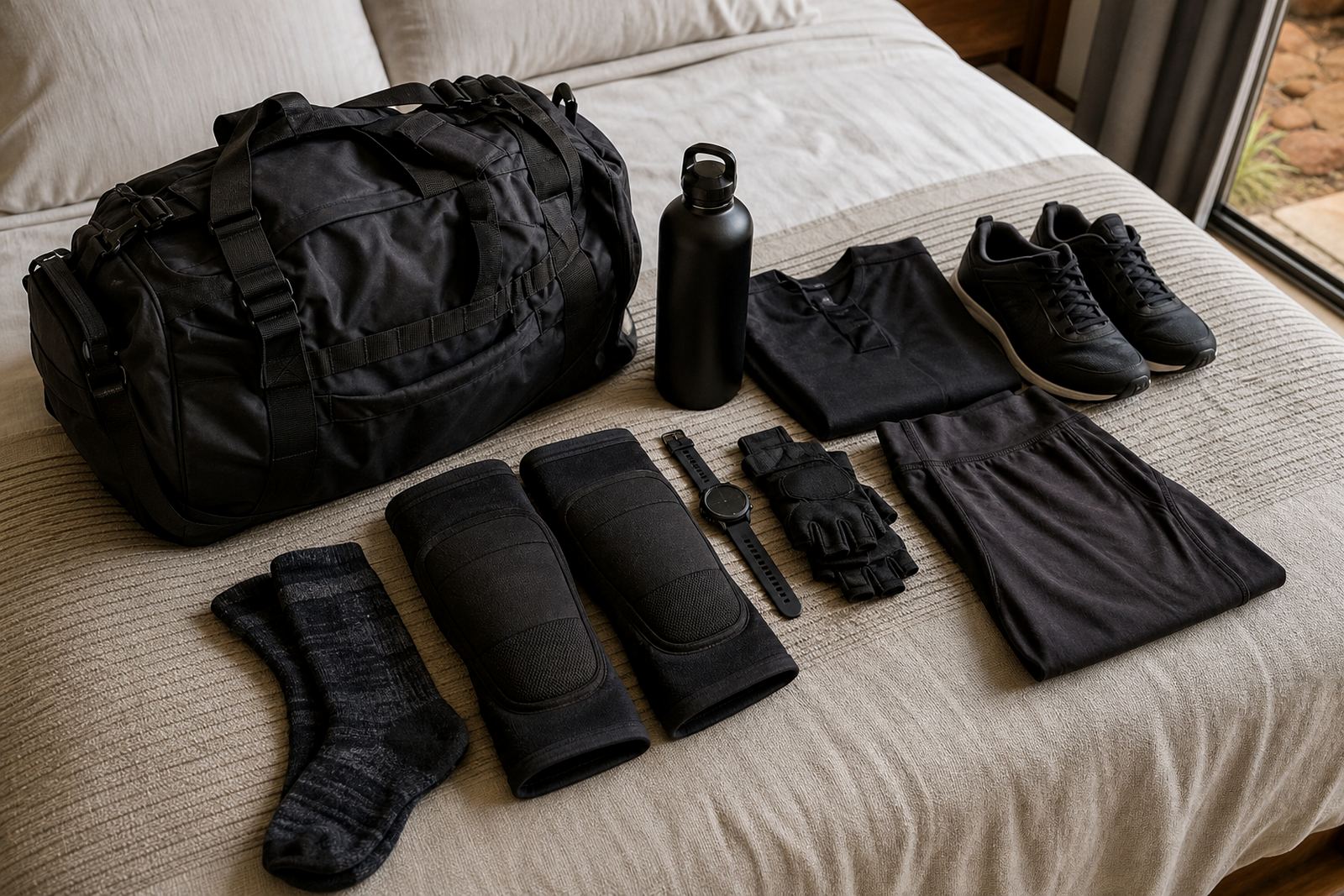
Good preparation makes a race more manageable from the first kilometre. Wear clothing that can handle mud, dust and repeated movement, and choose shoes with grip that suit trail conditions. In the Magaliesberg, the weather can change quickly, so a light layer or cap may help, while in summer you may need more water than you expect. Keep valuables to a minimum and leave anything that might bounce, dig in or get lost.
For longer challenges, pack with recovery in mind too. A towel, clean clothes and a bottle of water for after the finish can make the trip home far better, especially if you are travelling from Johannesburg, Pretoria, Durban, Cape Town or Bloemfontein.
- Trail shoes or trainers with proper grip.
- Comfortable sports clothing that will not chafe.
- Water, and extra hydration if the forecast is hot.
- Sun protection for exposed sections of course.
- Dry clothes and footwear for after the event.
How Marshals Expect You to Move
On course, control is safer than speed. Approach each obstacle at a pace where you can see your footing, hear instructions and react if another participant hesitates. If a marshal tells you to wait, lower yourself, change line or try a different route, follow that direction immediately. They are watching the whole obstacle, not only your lane.
Keep your hands free when entering technical sections, and use the obstacle in the way it was shown during the briefing. If you miss a step or lose balance, pause and reset rather than forcing through. A controlled retry is better than a rushed slip that could end the race for you or the person behind you.
When the Course Gets Busy, Keep the Flow Clean
Busy start waves, team heats and narrow obstacles can create pressure. The right response is patience. Let faster runners pass where space allows, avoid crowding the top of climbs and do not push through a bottleneck just because the people in front are moving slowly. That is especially important on muddy slopes and water sections, where footing changes quickly.
Team events work best when participants look out for one another without creating chaos. Call out hazards, encourage the person behind you and keep the line moving in a steady order. If someone needs a recovery break, step aside with them so other runners can pass. A few seconds of discipline saves a lot of trouble later on.
Finish Area Habits That Help You Leave Well
The race is not over when you cross the line. Move through the recovery area calmly, drink water and give your breathing a chance to settle before you leave the venue. If you feel dizzy, cramping badly or unusually weak, tell the onsite team straight away. Recovery guidance exists for a reason, and it helps organisers support you while the body comes back to normal.
For corporate groups, the final moments matter too. Team photo moments, checkouts and supporter planning all work better when people stay together and follow the finish flow. Keep your checkin details, follow the exit route, and make sure everyone in your group has their belongings before heading out.