Pick the right rise, not the steepest one
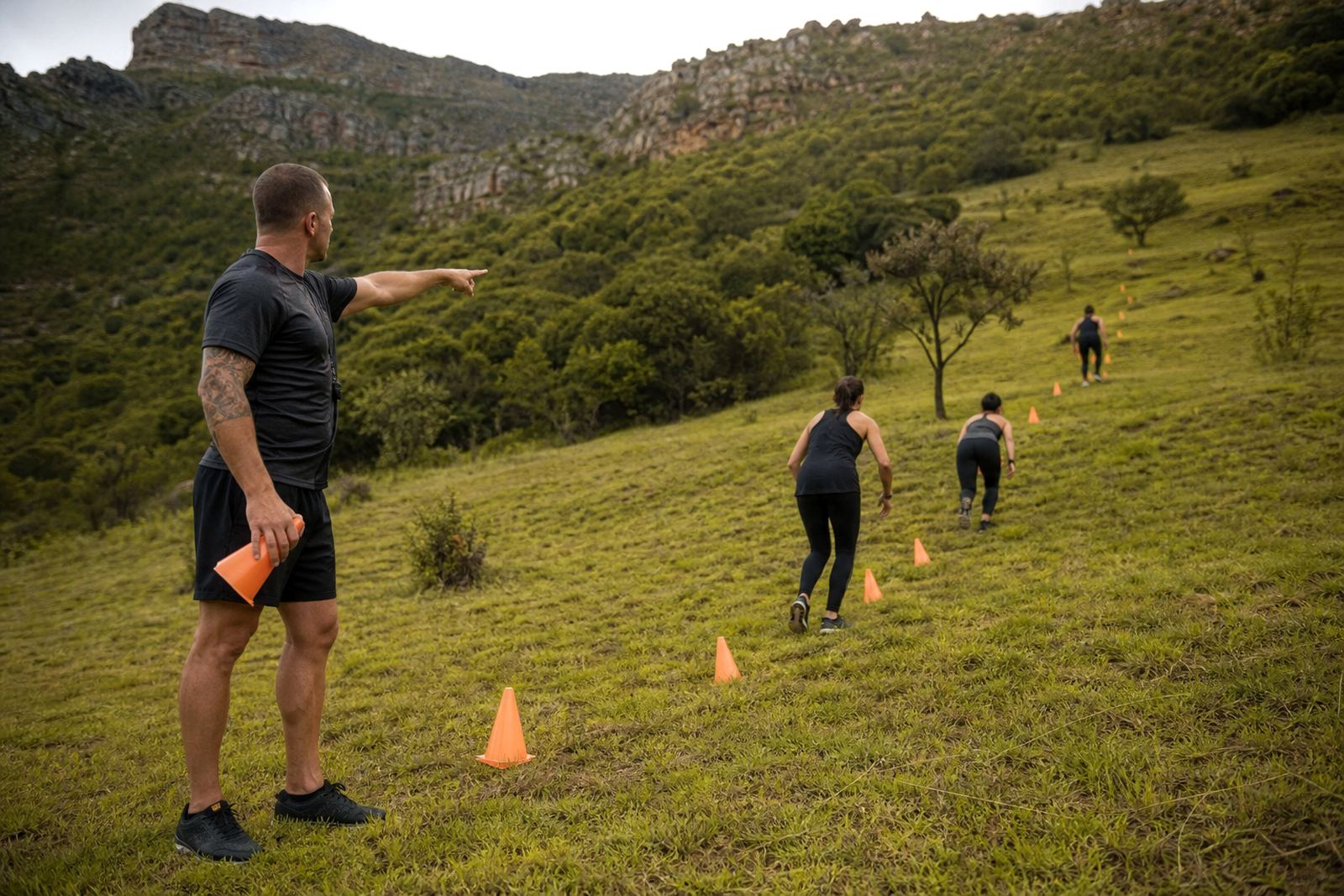
A useful hill is long enough to make you work, but not so steep that your form falls apart after the first push. For most runners and racers, a slope of 30 to 90 seconds uphill is enough to train legs, lungs and mental patience without turning every rep into a scramble.
Walk the hill before you start. Check for loose gravel, wet grass, pot holes and traffic if you are near a public road in Hekpoort, Magaliesburg or the edge of town. If you train at dawn or in low light, wear something visible and avoid sections where cyclists, hikers or local vehicles share the route.
- Choose a hill with safe footing and a clear top.
- Use a route where you can recover at the bottom without stepping into traffic.
- Test the gradient by walking it once before the first repeat.
Build a hill set that matches the day
Start with a warm-up that gets the ankles, hips and calves ready. Ten to fifteen minutes of easy jogging, leg swings and a few short strides is usually enough. On a hot North West afternoon, keep the warm-up controlled and sip water before the first effort.
For power, short hard climbs work well. For endurance, use longer climbs at a steady pace. A mixed hill session can look like this: four short sprints, four middle-length climbs, then two longer steady efforts. Walk back down with care, do not rush the descent if the ground is uneven.
- Begin with 4 to 6 repeats if you are new to hill work.
- Use 8 to 12 repeats only after your legs handle the earlier load well.
- Keep the same effort from the first rep to the last, rather than going flat out and fading.
How to move uphill without wasting energy
Good hill form is about keeping the body compact and efficient. Lean slightly from the ankles, not the waist. Drive the arms, keep the eyes a few metres ahead and place the feet under the body. If your stride gets too long, you will waste effort and load the knees more than needed.
On longer climbs, short controlled steps often work better than big pushes. Breathing should stay active but not panicked. If you cannot hold a rhythm, ease off for a few metres and settle again instead of forcing a messy finish.
- Chest tall, shoulders loose, hands relaxed.
- Short steps on steep ground, quicker steps on moderate ground.
- Use your arms to help pace, not to fight the hill.
A hill session for obstacle course days
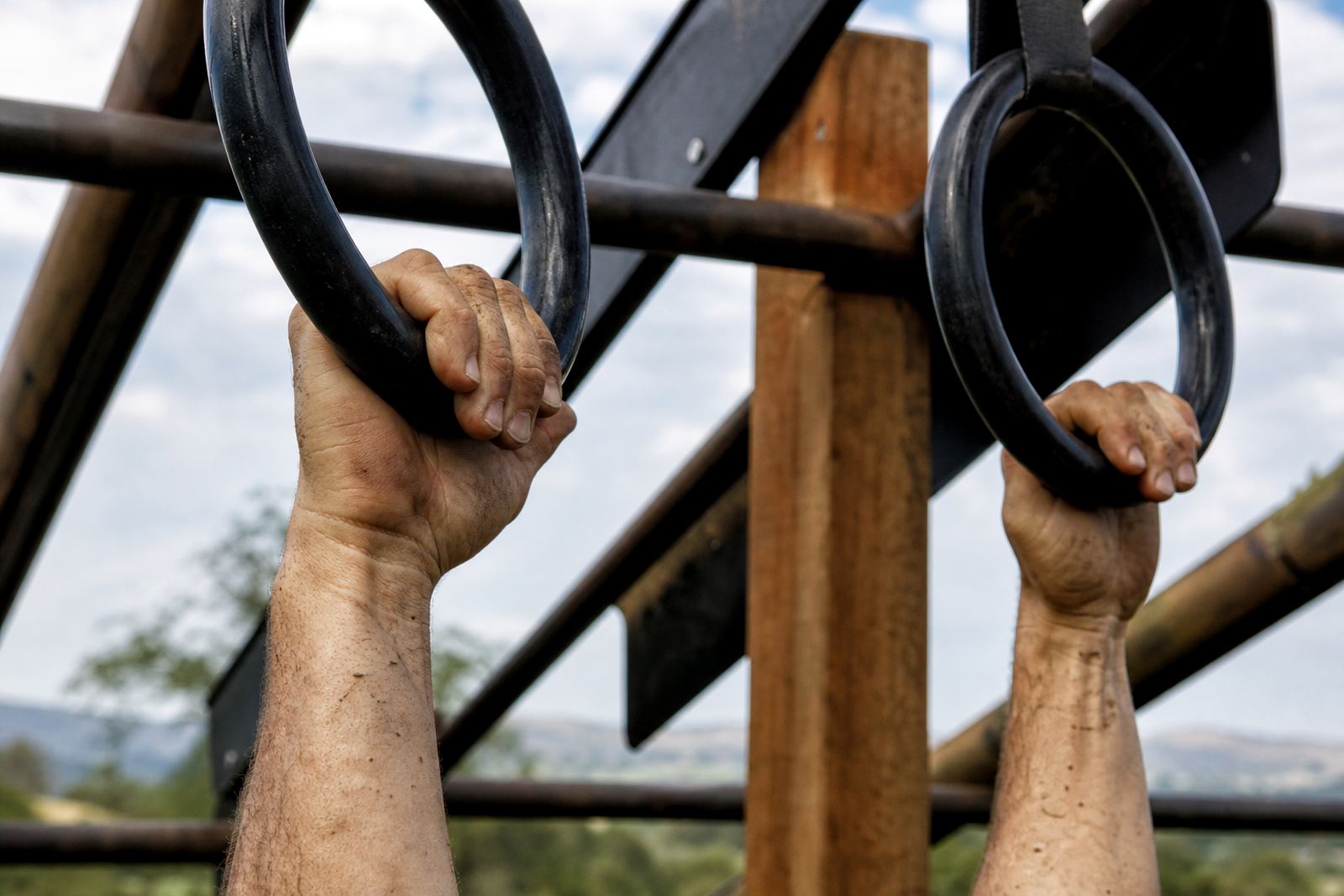
Obstacle course racing asks more than straight running. You need climb strength, grip under fatigue, and the ability to recover after a hard obstacle. Hills can help all three when you build them into a session with purposeful rest.
Try pairing each climb with a simple task at the top or bottom, such as 10 squats, a 20 to 30 second plank, or a carry with a light bag or sandbag if you train safely on private ground. Keep the load sensible, especially if you are training in the heat around Hartbeespoort or Rustenburg where dehydration creeps up quickly.
- Use one hill session per week if you are also doing strength work.
- Leave at least 48 hours before another hard leg session.
- Practice moving from effort to control, because that is what race day asks for.
What to carry, wear and sign before the first repeat
Bring enough water for the full session, a small towel, and shoes with grip that suit dirt, grass or tar depending on your route. In coastal humidity, sweat hangs around longer than expected, while inland dust can get into your eyes and mouth. A cap can help on bright mornings, and gloves may be useful if you are mixing in carries or rope work.
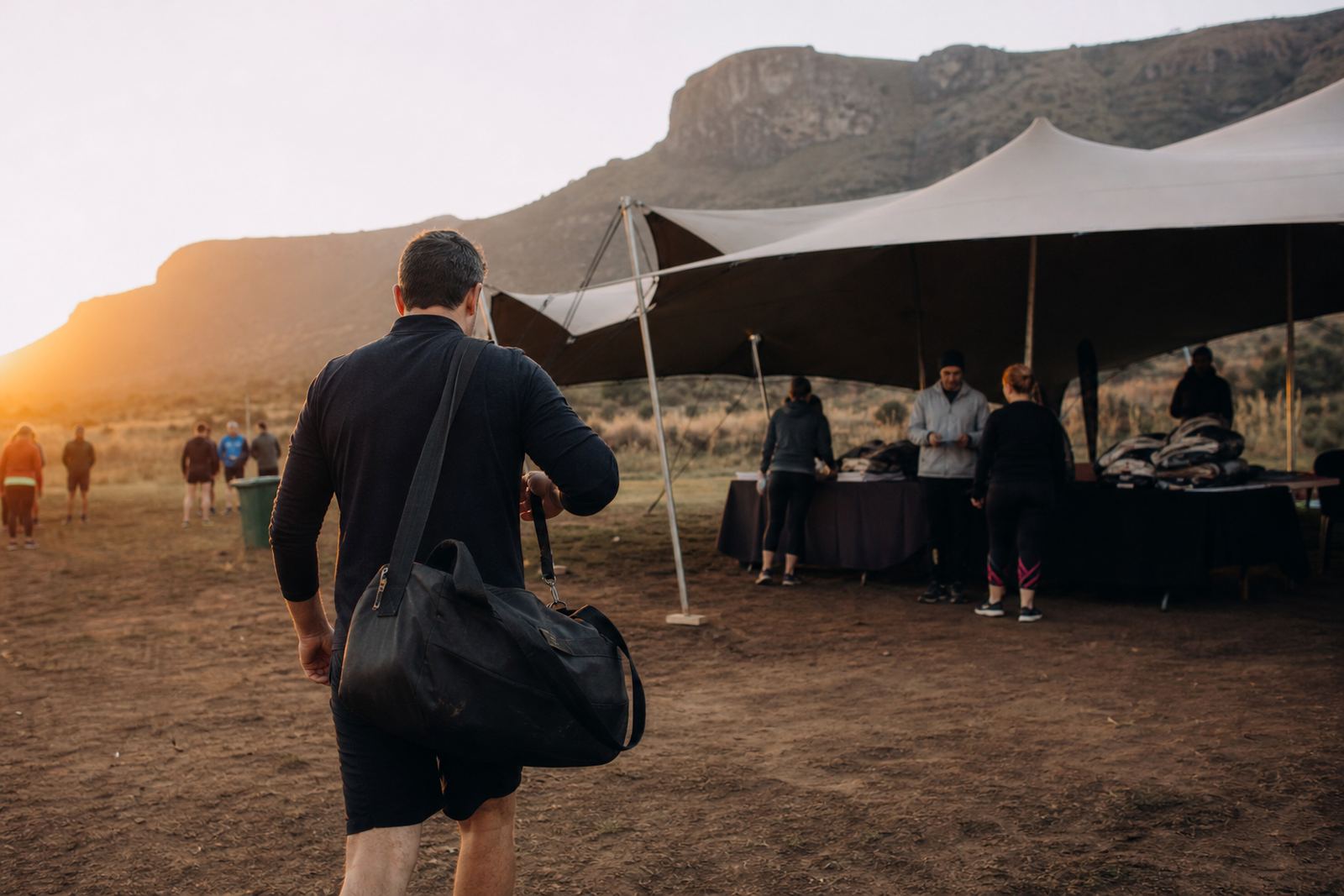
If you are joining an organised hill block or a race training group, read the safety briefing and sign the waiver before the session begins. Tell the team about any old ankle, knee or back problems, and check with a doctor before hard exercise if you have been inactive, recently ill or are dealing with a medical condition. That extra step is better than pushing through and needing weeks off later.
- Water bottle or hydration pack.
- Footwear with good grip and a secure fit.
- Waiver signed, briefing heard, contact name known.
When the hill starts winning
There is a point in every session where the climb feels heavier than it did at the start. That does not always mean stop, but it does mean listen. If your chest feels tight, your balance goes off, or your legs turn to jelly, take recovery seriously and end the session if needed.
Use hills to train judgement as much as strength. A controlled finish beats a reckless one, especially if you still have training later in the week or you are preparing for a course with heat, sand, uneven ground and obstacles. The goal is to arrive ready, not cooked.
For groups travelling in from Johannesburg, Pretoria, Cape Town, Durban or Bloemfontein, a sensible hill session in the Magaliesberg can give you a strong base for the rest of your programme. Keep it consistent, keep it safe and let the incline do its work.