Road Plan From City to Course Gate
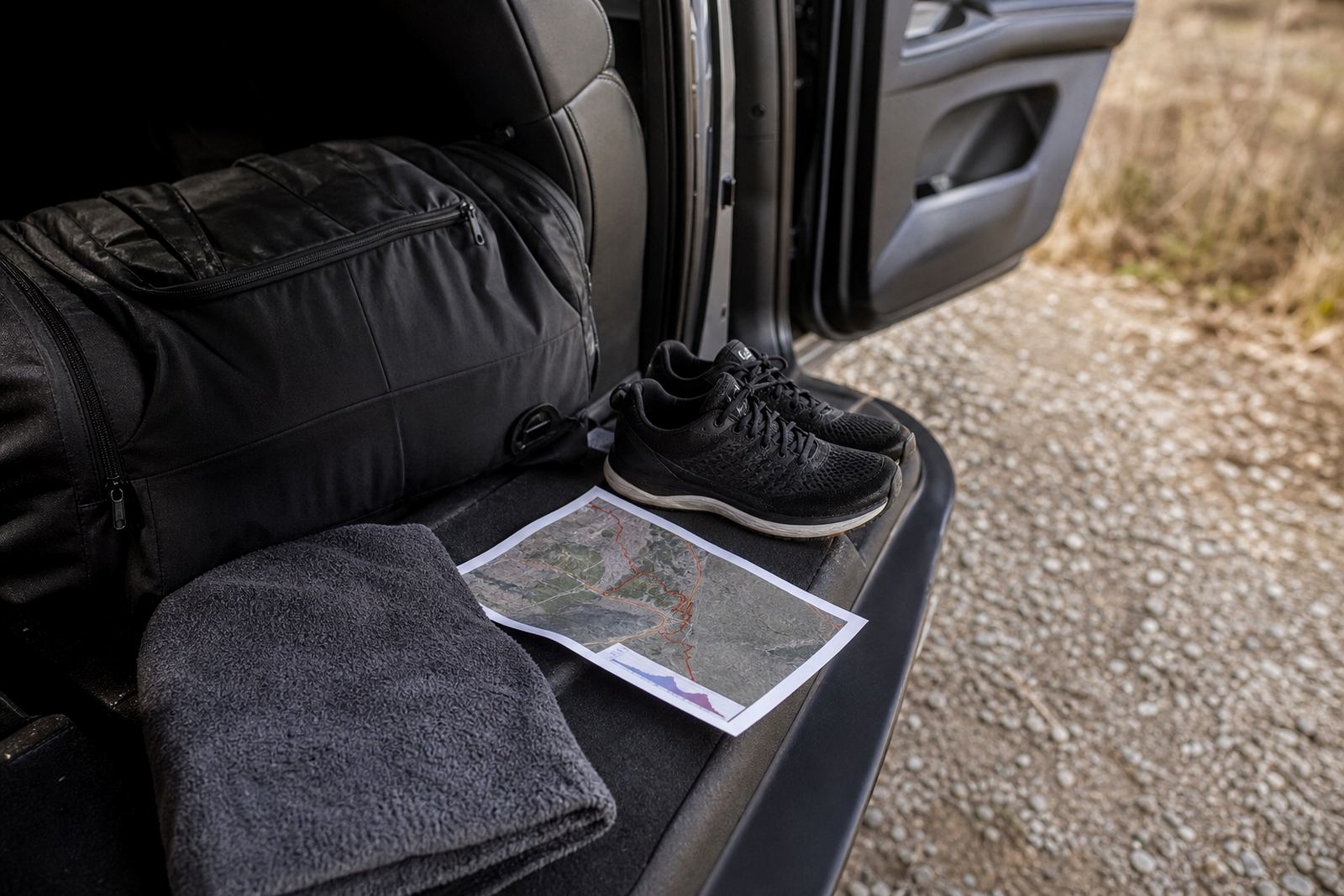
Most entrants travelling to the Magaliesberg region will come in from Johannesburg, Pretoria, Hartbeespoort, Krugersdorp, Rustenburg, Potchefstroom, Cape Town, Durban or Bloemfontein. The exact route depends on where you start and which venue you are heading to, so check your map before you leave and allow extra time for weekend traffic, roadworks and slower roads close to the venue.
If you are driving from Gauteng, plan for fuel, tolls if your route uses them, and a final stretch that may be slower than the highway. From further away, it helps to arrive the day before if you are doing a long endurance challenge, especially if your team needs time to settle in. Keep your identification, booking details and waiver information in one easy-to-reach folder in the car.
- Set your route before you leave home
- Share your arrival time with your team captain or group organiser
- Keep cash or card ready for unexpected fuel stops
- Bring a charged phone and a car charger
- Allow buffer time for last-minute check-in and parking
What To Pack So You Are Not Caught Short
Obstacle course racing means mud, dust, water crossings and a fair amount of movement, so pack for weather and not for a tidy walk in the park. In the Magaliesberg area mornings can be cool and afternoons hot, and if rain has fallen the ground may hold water. Coastal humidity is not the issue here, but dry air and sun can still catch people out. Bring what you need for a full day out, not just the race itself.
Wear clothing that can handle being wet and dirty, with shoes that grip well and drain properly. If you are travelling from out of town, it is wise to pack a second set of clothes for the drive home and a towel for the car seat. Some teams also bring a small cooler box, recovery snacks and a bag for wet kit so the rest of the load stays clean.
- Running or trail shoes with grip
- Comfortable kit that you do not mind getting dirty
- Dry clothes and a towel for after the race
- Water bottle and recovery snacks
- Sunscreen, cap and any personal items you use during exercise
- Plastic bag or dry bag for wet kit
Waivers, Briefings and the Paperwork That Saves Time
Before you take on a course, read the waiver properly and complete any required registration details before race day if that option is offered. Safety briefings are there for a reason. They explain the course layout, obstacle rules, what to do if you need help and where the recovery area sits. If you are entering as a company team or club group, one person should keep track of names, heat details and any special arrangements.
For travellers arriving from other cities, it helps to keep digital and printed copies of the important bits in case signal is patchy or your phone battery runs low. If you are unsure about what you signed, ask before you start. A few minutes spent checking the paperwork can prevent a long delay at the line.
- Complete the waiver before arrival if possible
- Listen closely at the safety briefing
- Keep your ID and booking information ready
- Confirm your heat or wave allocation
- Tell the team support staff about injuries or concerns before start time
Training the Weeks Before You Set Off
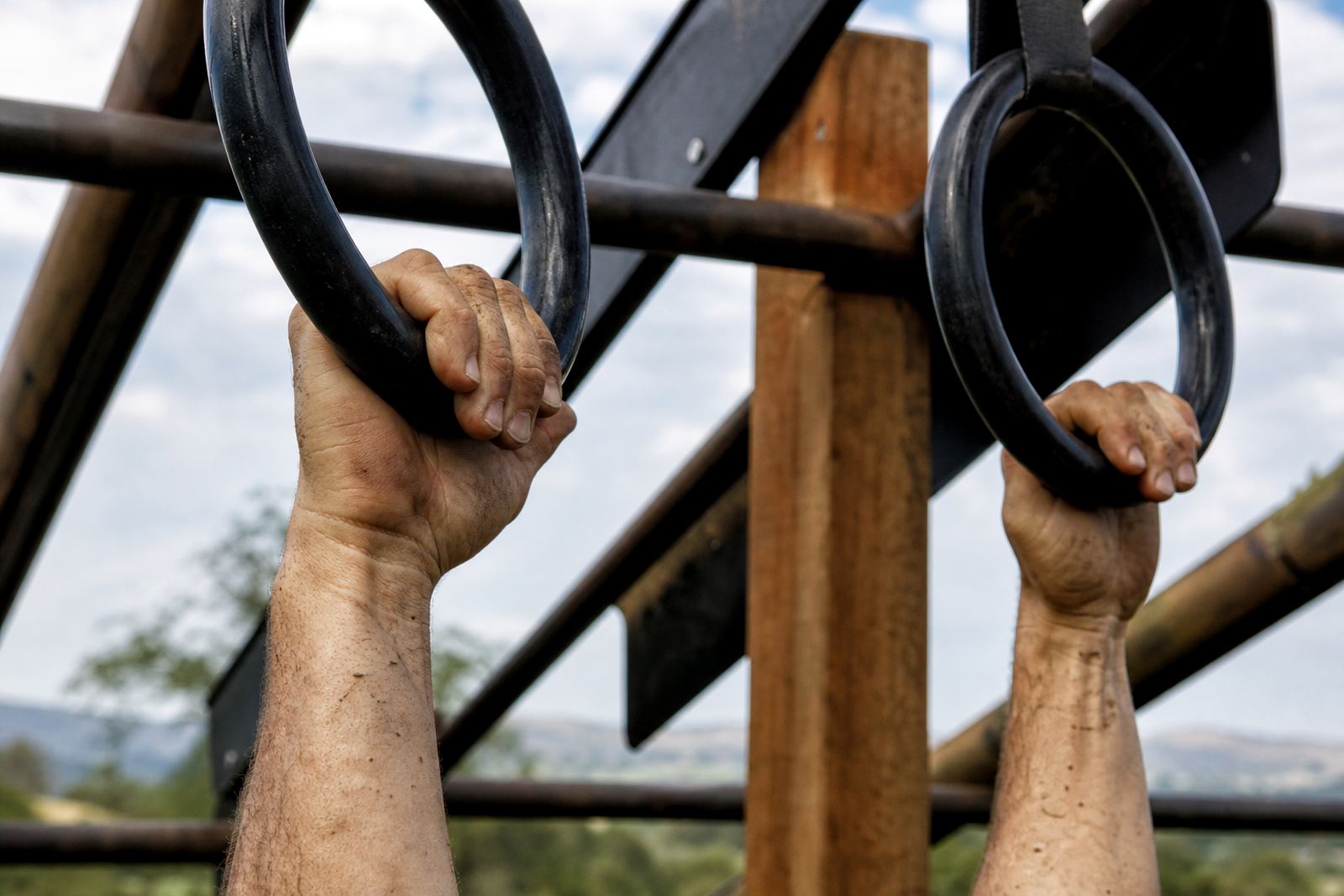
Hard exercise is not for everyone and if you have any health concerns, check with a doctor before taking on a demanding obstacle race. Training should build fitness, grip strength and confidence without overdoing it. In the weeks before travel, mix steady runs, hill work, bodyweight movements and some practice on uneven ground if you can find it. That kind of preparation helps when the course gets slippery or the climbs start to bite.
If you are travelling with a team, use a few group sessions to practise pacing and communication. A captain can help the group move together, especially on larger challenges where people tire at different speeds. It is also worth testing your kit during training so you know which socks, shoes and layers work best. Never leave first-time kit for race morning.
- Do a few sessions on hills or stairs
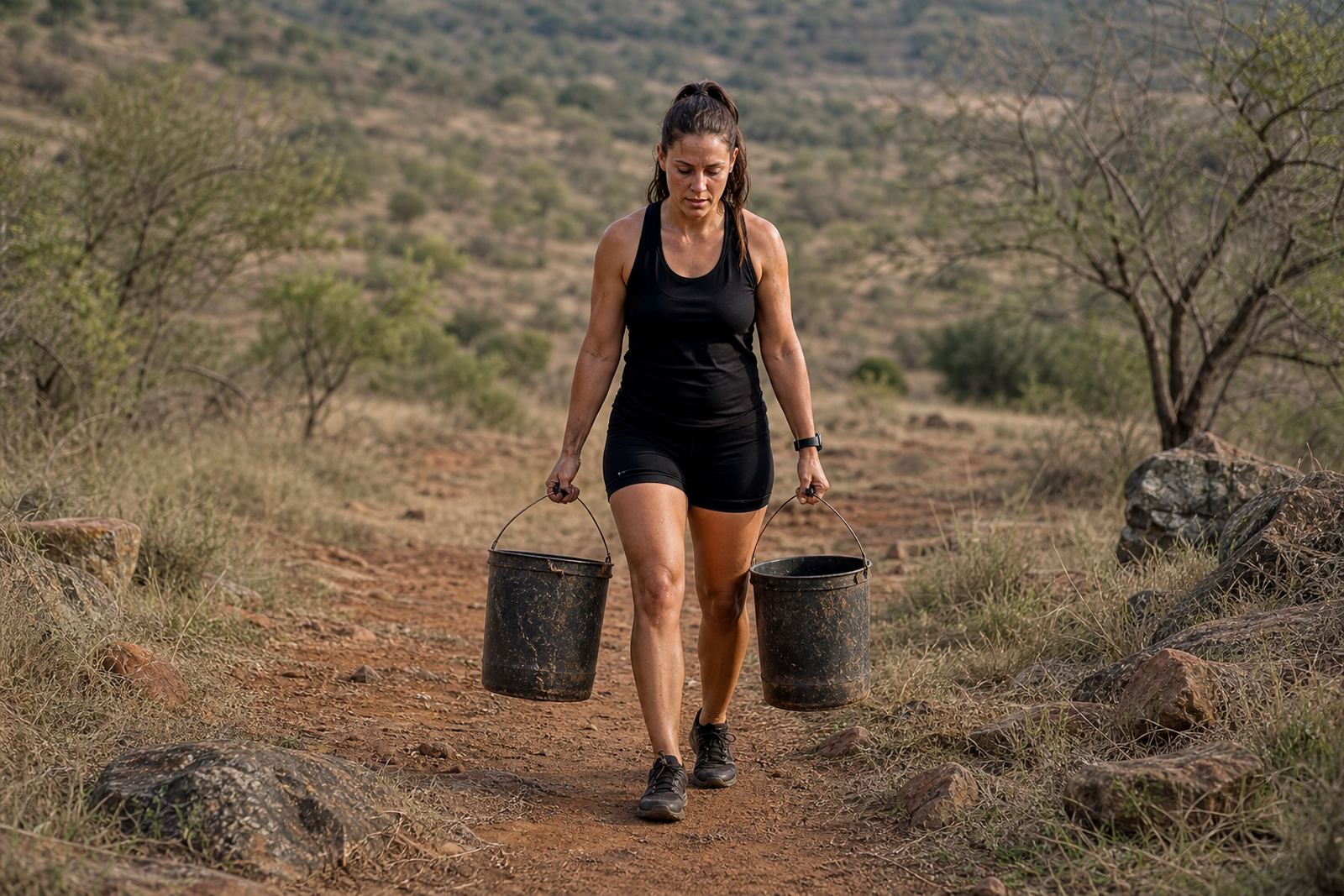
- Practise carrying your own water if the event requires it
- Test your shoes on wet and dry ground
- Use team sessions to practise encouragement and pacing
- Rest properly in the last few days before travel
Arrival at Hekpoort and Nearby Venue Access
Once you reach the Magaliesberg area, keep an eye out for venue signage, marshals and parking directions. Depending on where you are coming from, you may approach through Hekpoort, Magaliesburg, Hartbeespoort, Krugersdorp, Pretoria, Johannesburg, Rustenburg or Potchefstroom. Local roads can be narrow or uneven in places, so slow down and watch for pedestrians, livestock and other vehicles turning into venues.
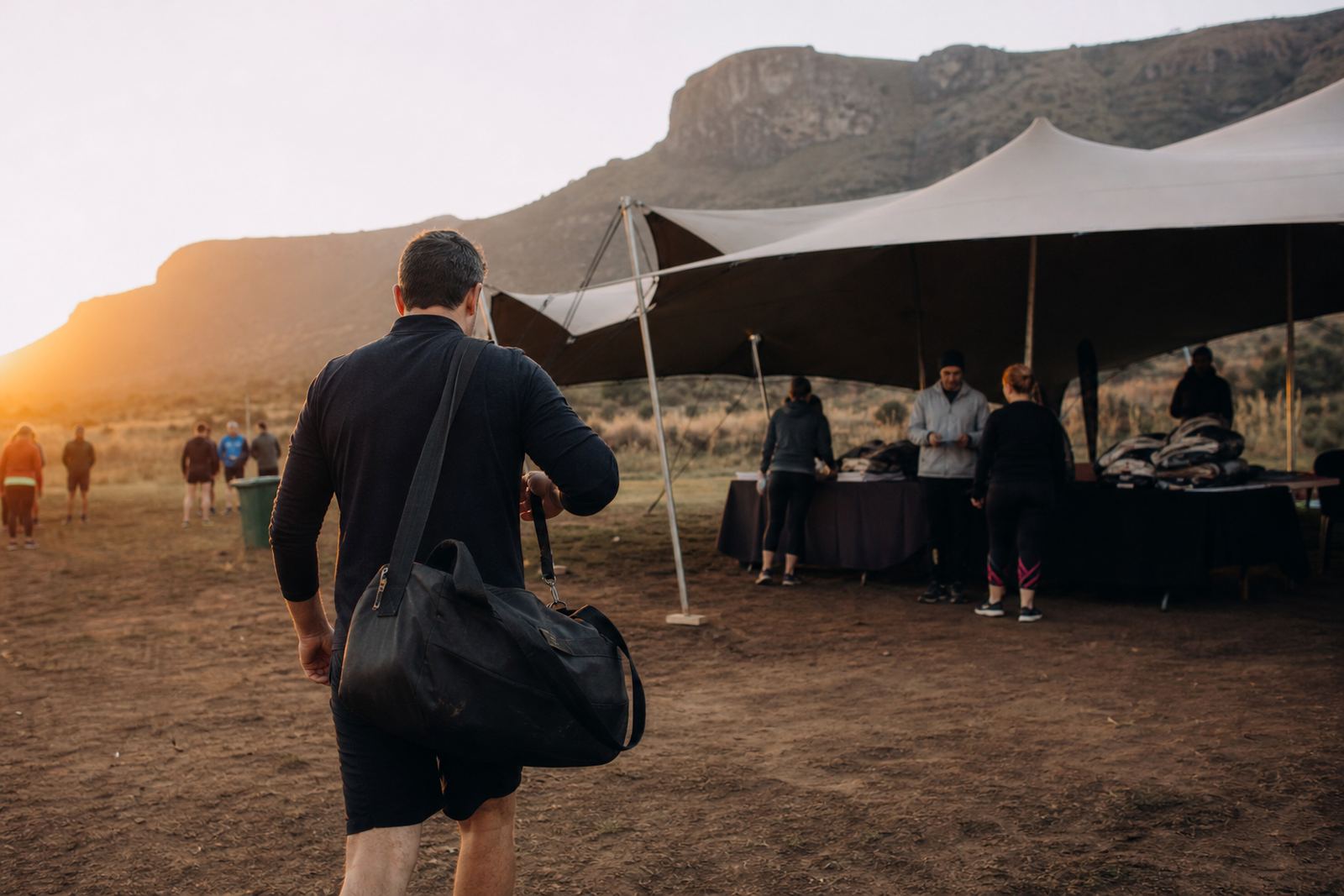
Arriving early gives you time to park, walk through the registration area and settle your kit without feeling rushed. If the weather changes, the course surface can change too, so take a few minutes to look at the ground underfoot before you start warming up. For group entries, keep the captain or organiser close so the team does not split up before the briefing.
- Follow marshals and venue signs for parking
- Keep clear of areas marked for course crew or safety staff
- Check where the toilets, water points and recovery area are
- Stay with your group until the briefing is done
- Do a short walk to loosen up before the warmup session
The Last Hour Before Your Heat
The final hour can make a big difference to how you feel at the start. Use that time to visit the toilet, top up your water, finish a light snack and sort out anything that may bounce, rub or fall out during the race. If you are using a team heat, confirm who is leading, who is carrying which item and where you will meet if anyone gets separated. A calm start usually leads to a better race.
Keep your valuables to a minimum and leave anything unnecessary locked in the car or with a trusted teammate. When the briefing is done, listen for any last updates about weather, heat changes or course adjustments. If you need help, ask early instead of waiting until you are already tired. The support team is there to help entrants start safely and finish with confidence, and a clear question now can save a problem later.
- Drink a little water, not too much
- Eat a light snack you already know suits you
- Double-check shoe laces, bibs and straps
- Visit the toilet before the queue builds
- Stay warm if the morning is cold and do not overdress