
Set the team rhythm before the first obstacle
Start with a short planning session and decide what the group is training for. Some teams want to finish together, others want to handle a tougher heat, and some simply want a cleaner run with fewer mistakes. Agree on the target, the training days and the order of work so nobody arrives unsure of what the week looks like. For teams travelling from Johannesburg, Pretoria, Cape Town, Durban or Bloemfontein, this also helps with travel timing and sleep before the event.
Keep the rhythm simple. One session for conditioning, one for grip and carrying work, and one lighter session for movement and recovery is usually enough for a busy group. If anyone in the team has not done hard exercise in a while, they should check with a doctor before taking part. That is especially important for runners, older participants and anyone returning after a break.
- Choose one captain to keep the plan moving
- Confirm who needs a beginner pace and who can train harder
- Decide on two or three shared training days each week
- Share the event checklist early so kit is not rushed at the end
Build roles that actually work on the day
A team performs better when each person has a role. That role does not need to be dramatic, it just needs to be clear. One person can carry water and check the group at the end of each section, another can keep the pace steady on climbs, and another can watch for teammates who are fading. In obstacle events, people lose time when everyone tries to lead at once.
At Punisher events, group entries can use captain communication, heat allocation support and onsite team checkin to keep things organised. Before the race, a captain should read the waiver details, attend the safety briefing group and make sure everyone knows the basic instructions. It also helps to agree on a call for help if someone slips, cramps or needs a brief stop. In the Magaliesberg and Hekpoort area, trails and obstacles can change with weather, dust and ground conditions, so calm communication matters.
- Captain: keeps the group together and speaks for the team
- Pace setter: controls the first part of each run and avoids a rushed start
- Support runner: checks on tired teammates and shares essentials
- Equipment lead: keeps kit together before and after the event
Train the useful parts, not only the running
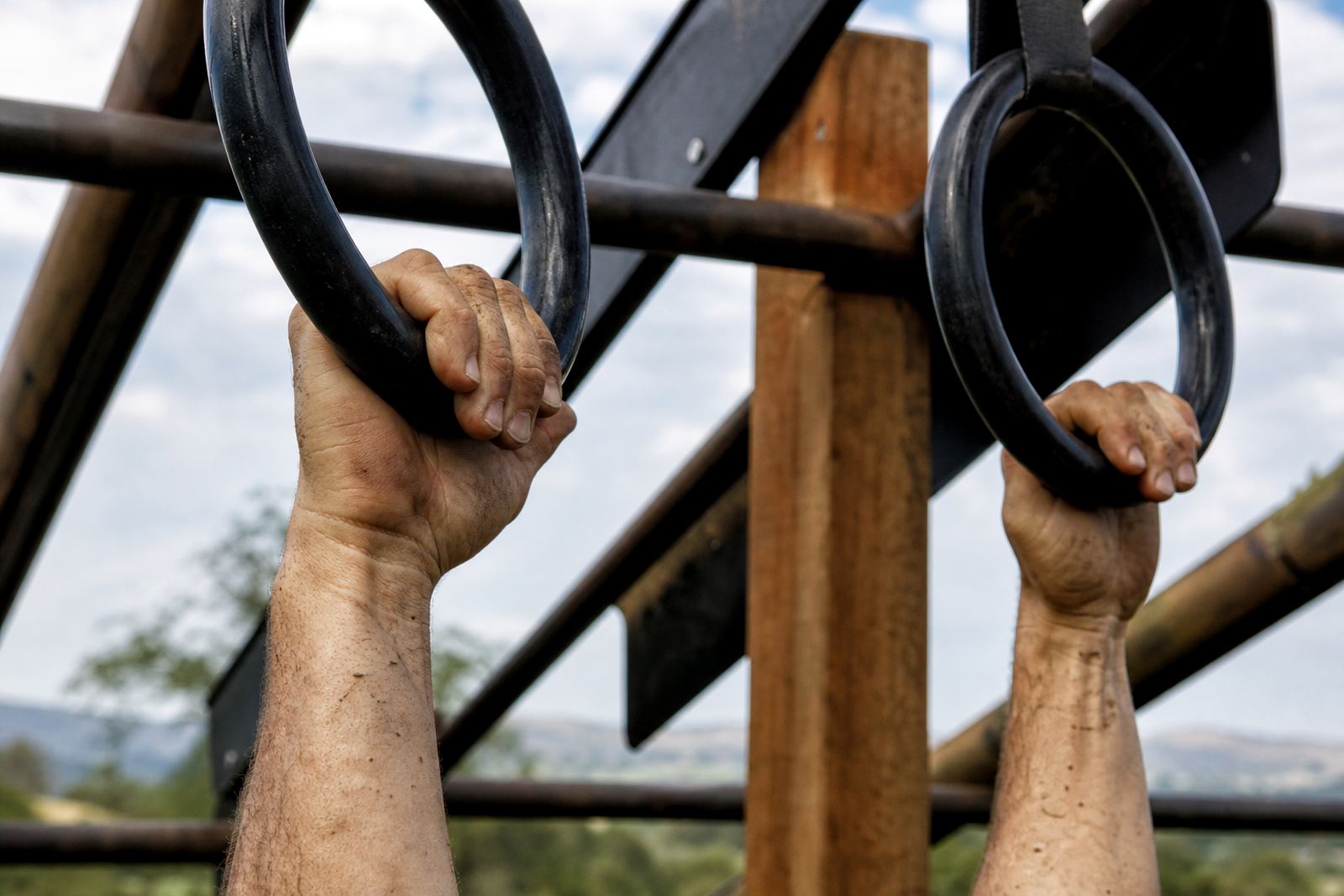
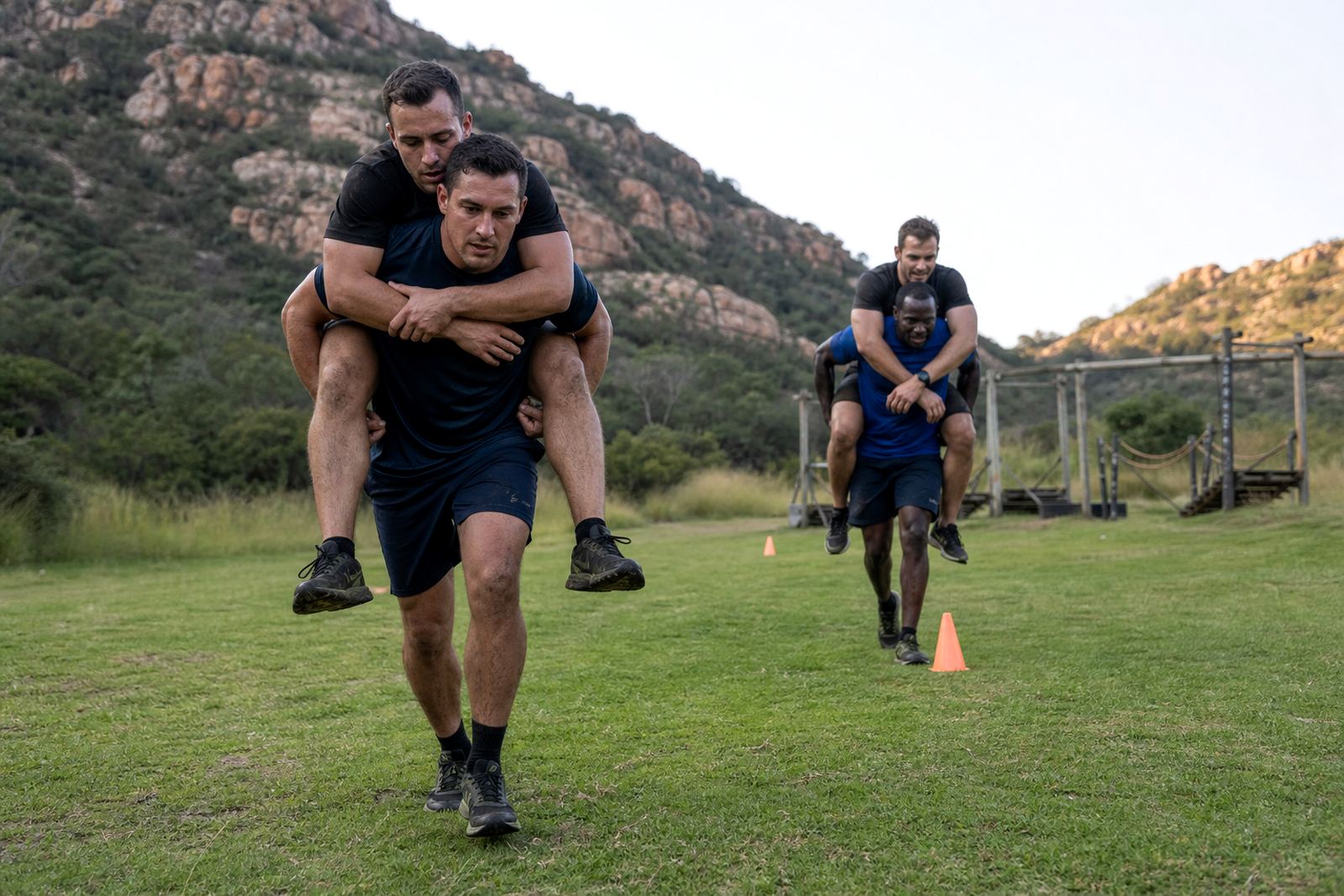
Obstacle course races ask for more than distance running. Teams need grip, balance, climbing strength, carry work and the ability to recover quickly after a hard effort. Mix steady running with short bursts, hill work, crawling practice, squat patterns and carry drills using sandbags, water containers or similar training items. Keep the load sensible and build over time, especially if the group trains in one place and only meets once a week.
In the North West heat, especially on dry days around Hekpoort and Magaliesburg, hydration should be part of every session. Use water before, during and after training, and on longer sessions bring a small towel, cap and a simple snack if needed. For coastal teams travelling from Durban or Cape Town, remember that humidity can make effort feel heavier than expected. Do not copy race pace in every session, because tired legs and poor form make injuries more likely.
- Short hill repeats for climbing strength
- Grip work using hangs, farmer carries or rope pulls
- Bodyweight circuits for squats, lunges and core control
- Easy cooldown walking and stretching after each session
Briefing day: the part teams should not skip
A good briefing saves time later. Before the race, the group should listen carefully to the safety briefing, read the waiver information and ask about the course layout, penalty rules and any limits on obstacle attempts. If the team has mixed fitness levels, the briefing is also the right time to confirm how faster and slower members will move together. Nobody should guess their way through a race.
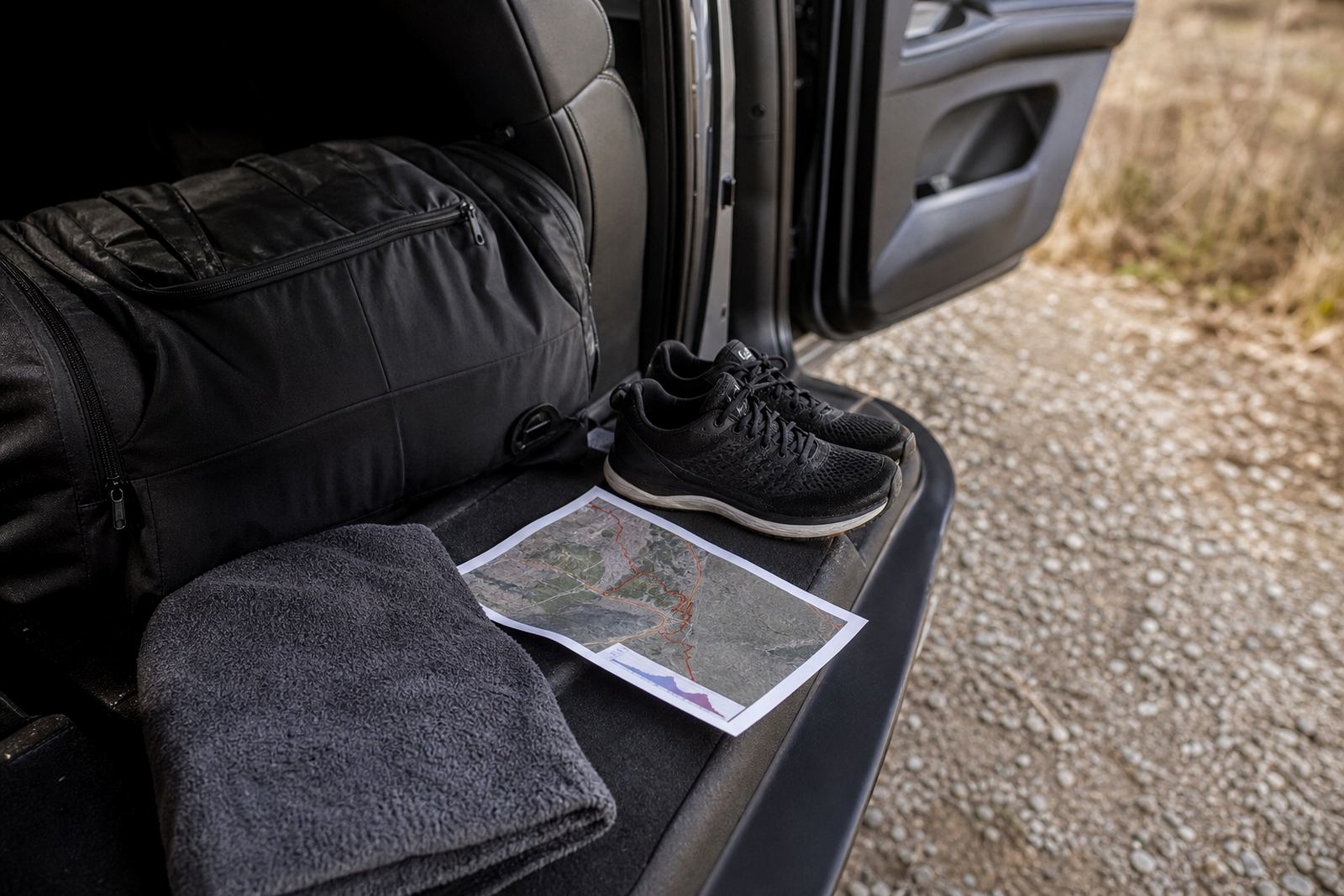
At the venue, pack the basics in a bag that is easy to carry and quick to open. Bring a water bottle, shoes with grip, spare socks, a towel, a change of clothing and any item required for the day, such as sunscreen or a hat. Some groups also like to bring a small snack, a plastic bag for wet kit and a simple first aid item for blisters. Keep valuables to a minimum and leave anything unnecessary at home.
- Read the waiver and ask questions before the start
- Listen for route changes, obstacle instructions and marshal calls
- Check footwear, laces and clothing before warmup
- Keep the team together through the first section of the course
What a team should do when one member falls behind
Every group has a moment where one person slows down. The best response is not to leave them behind or pretend it is fine. Slow the group, adjust the pace and let the captain decide whether to stay together or split briefly and regroup. On endurance courses, a small delay is better than one person pushing too hard and blowing up halfway through.
If someone feels dizzy, unwell or unusually sore, they should stop and speak to event staff or a qualified person on site. This is not the time for pride. A team that respects recovery usually finishes better than one that forces a poor decision. Between obstacles, encourage steady breathing and short, clear instructions. Use names, keep the language simple and avoid shouting over one another.
After the race, move to the recovery area guidance point, collect the group and make sure nobody leaves without their kit. The team photo moments are a good time to mark the effort and close the day properly. A calm finish helps with the next event too.
Corporate groups and mixed fitness teams need one clear plan
When a company enters as a group, the training plan should fit people with different levels of fitness. Some will run often, some will train once a week and others may be stepping into their first obstacle event. That is normal. Use a shared plan with a common warmup, then offer a lighter option and a harder option for the main session. This keeps the group involved without forcing everyone into the same pace.
Corporate Entry Planning, Team Registration Help and Custom Team Briefing are useful when the group has multiple departments, late entries or different start needs. In larger office groups, it helps to assign one contact person for confirmations and one backup contact in case the captain is away. Keep the paperwork tidy, confirm who is in which heat, and make sure the supporter plan is clear if colleagues are coming to watch.
- Use one team contact for all updates
- Match training load to the least prepared runner in the group
- Confirm registration names exactly as they should appear
- Agree on a meeting point for arrival and after the finish
A final checklist for the last week
The last week should be about settling the team, not cramming in extra work. Reduce heavy training, keep the movement sharp and make sure everyone knows the meeting time, the travel plan and the kit list. Check shoes, socks and clothing for comfort, not just appearance. A blister on race day can undo a strong start.
Use this final check before the event: everyone has read the waiver details, the captain knows the plan, the group understands the safety briefing groups process, and the right kit is packed. If any participant has a medical concern, get proper advice before hard exercise. At the Magaliesberg venue, weather can shift quickly and ground conditions may change, so it pays to arrive ready, hydrated and patient.
A well prepared team is not always the fastest team, but it is usually the one that moves with confidence and finishes with fewer mistakes.