Start with a pace you can hold past the first kilometre
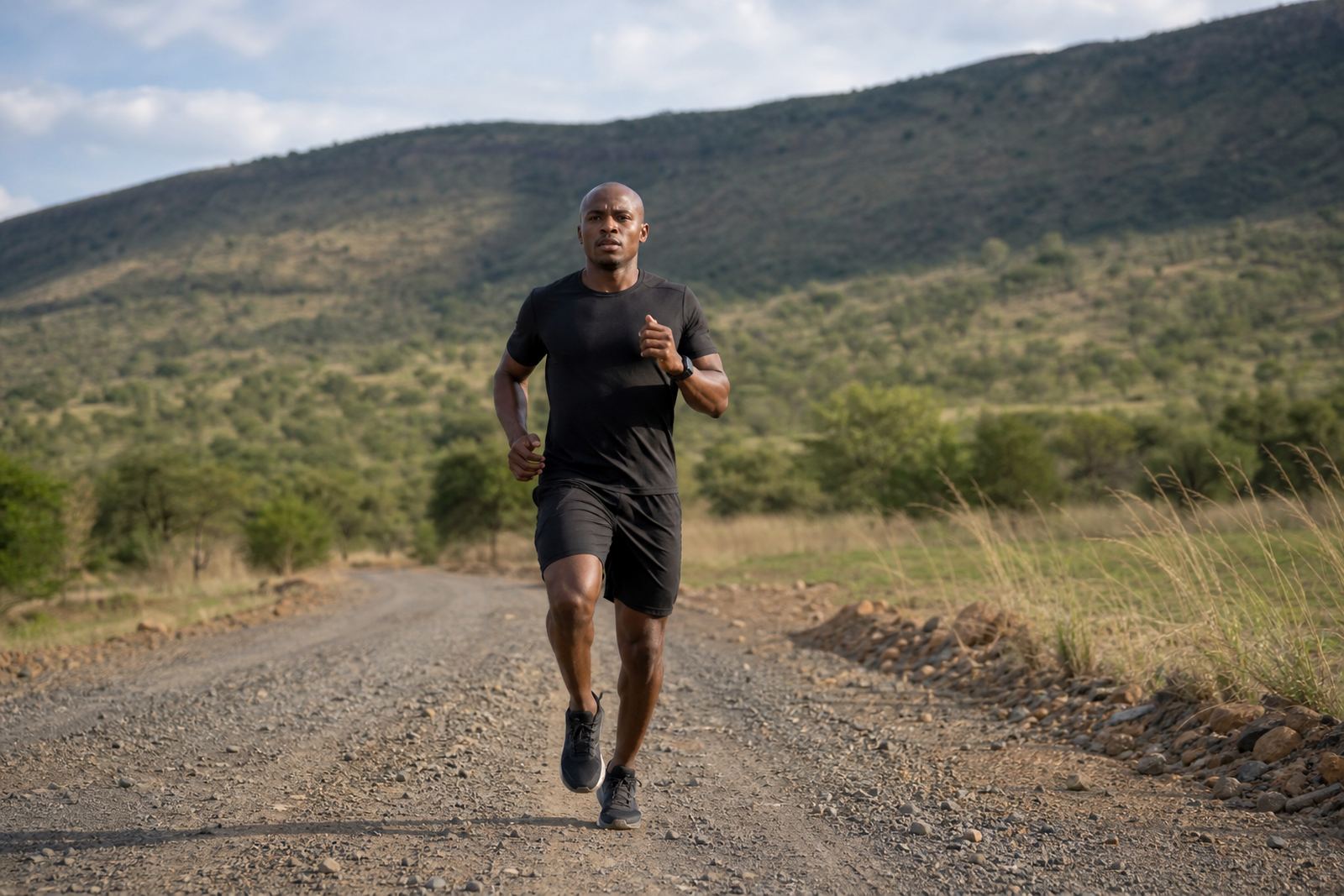
Your base work should feel controlled, not heroic. If you cannot speak in short sentences while running, you are going too hard for most base sessions. For obstacle racing, the goal is to keep moving for a long time and still have enough left for climbs, crawls, carries and grip work.
In the Magaliesberg and other hilly areas, start on mixed terrain when you can. A gravel road, trail, or farm track teaches your legs to settle into rhythm. Keep the effort steady on the climbs, then recover on the flats and downhills without sprinting. That kind of discipline pays off when the course starts rising and the obstacles arrive one after another.
- Use an easy breathing pattern for most runs
- Keep your stride short on hills
- Finish with enough energy to walk home if needed
- Do not turn every session into a test
Build the week around repeatable sessions
Consistency matters more than one big effort. A good running base week usually has easy runs, one longer run, and one session that introduces a bit of effort without turning into a race. If you are combining running with obstacle training, separate hard leg work and hard runs where possible, so you are not carrying fatigue into every session.
A practical weekly shape can look like this: two easy runs, one longer run, one short hill or tempo effort, and one or two recovery or mobility days. If you are new to endurance work, keep the long run modest and add time slowly. Many runners do better when they increase by a little at a time, then hold that level for a week before building again.
- Easy run: 25 to 45 minutes
- Long run: 45 to 90 minutes depending on experience
- Quality session: 10 to 25 minutes of steady work
- Recovery day: walking, mobility, light cycling or rest
Use hills, carries and grip work without draining yourself
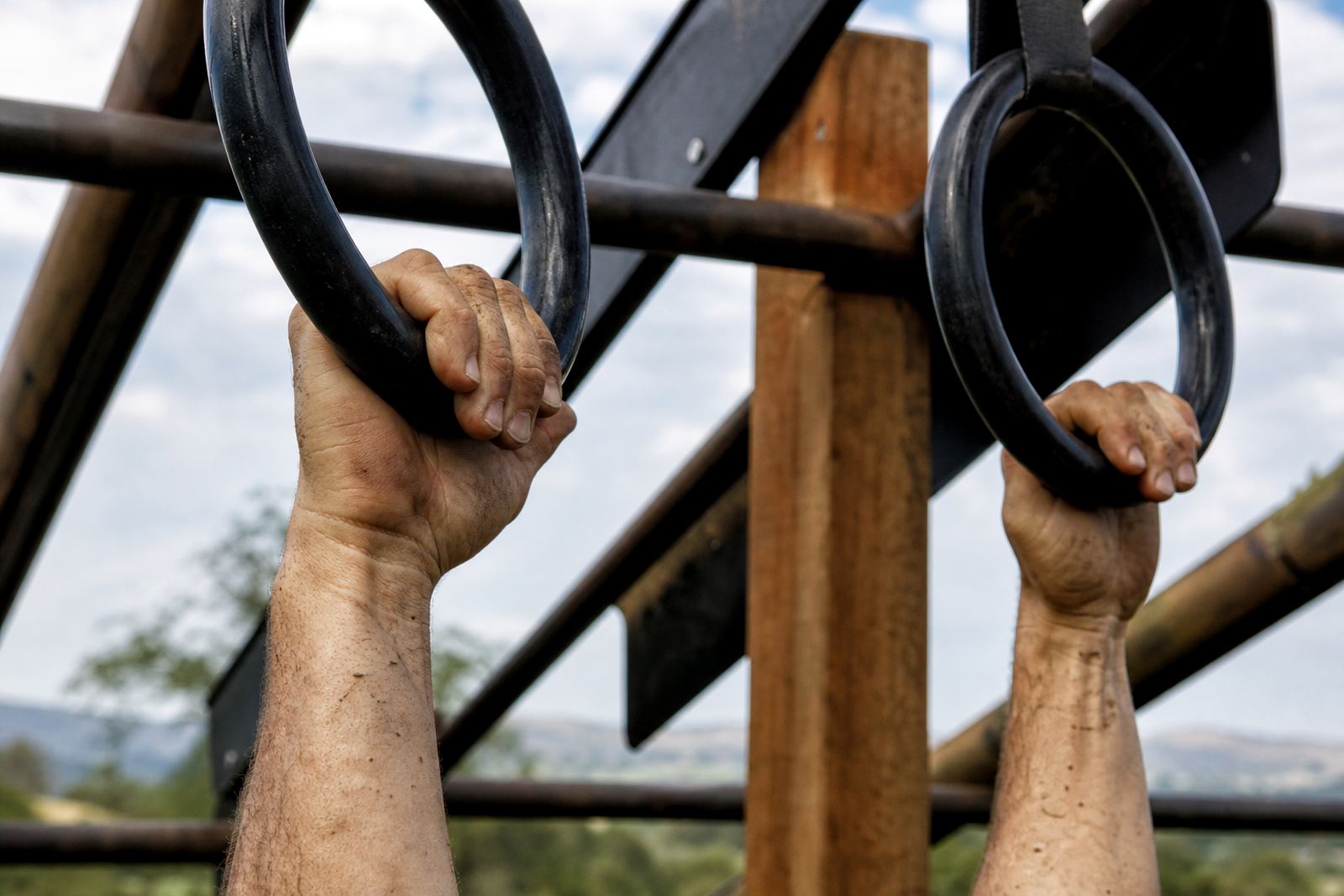
Obstacle course racing asks more than running. You may need to climb, carry, balance, hang, scramble and then run again. That means your base training should include some race-like stress, but not every time. Short hill repeats are useful because they raise your breathing and leg load without a huge amount of pounding.
Carry work helps too. A sandbag, tyre or water container can build trunk strength and resilience if used sensibly. Keep the load manageable and the reps clean. If your shoulders are burning so hard that your posture collapses, the load is too heavy for base phase training. Add a few minutes of hanging, farmer carries or crawling after an easy run and then stop before form breaks down.
- Short hills: 6 to 10 repeats of 20 to 60 seconds
- Carries: 3 to 5 sets of controlled effort
- Grip work: dead hangs, towel hangs or bar holds
- Crawls: short, tidy sections, not all-out slogs
Treat recovery like part of the plan
Sleep, fluids and food are not extras. They are what let the training stick. After a long run or a hill session, eat a proper meal with carbohydrate and protein, then get moving lightly later in the day if your body feels stiff.
If you are training in hot weather around Pretoria, Rustenburg or the inland parts of North West, start early and watch for dehydration. Coastal humidity around Durban changes the feel of the session as well, so do not compare paces across different places. Let effort guide the run, not the watch every time. A rest day is not a sign of weakness, it is often what keeps the next session useful.
- Drink before you feel thirsty
- Replace fluids after long or hot sessions
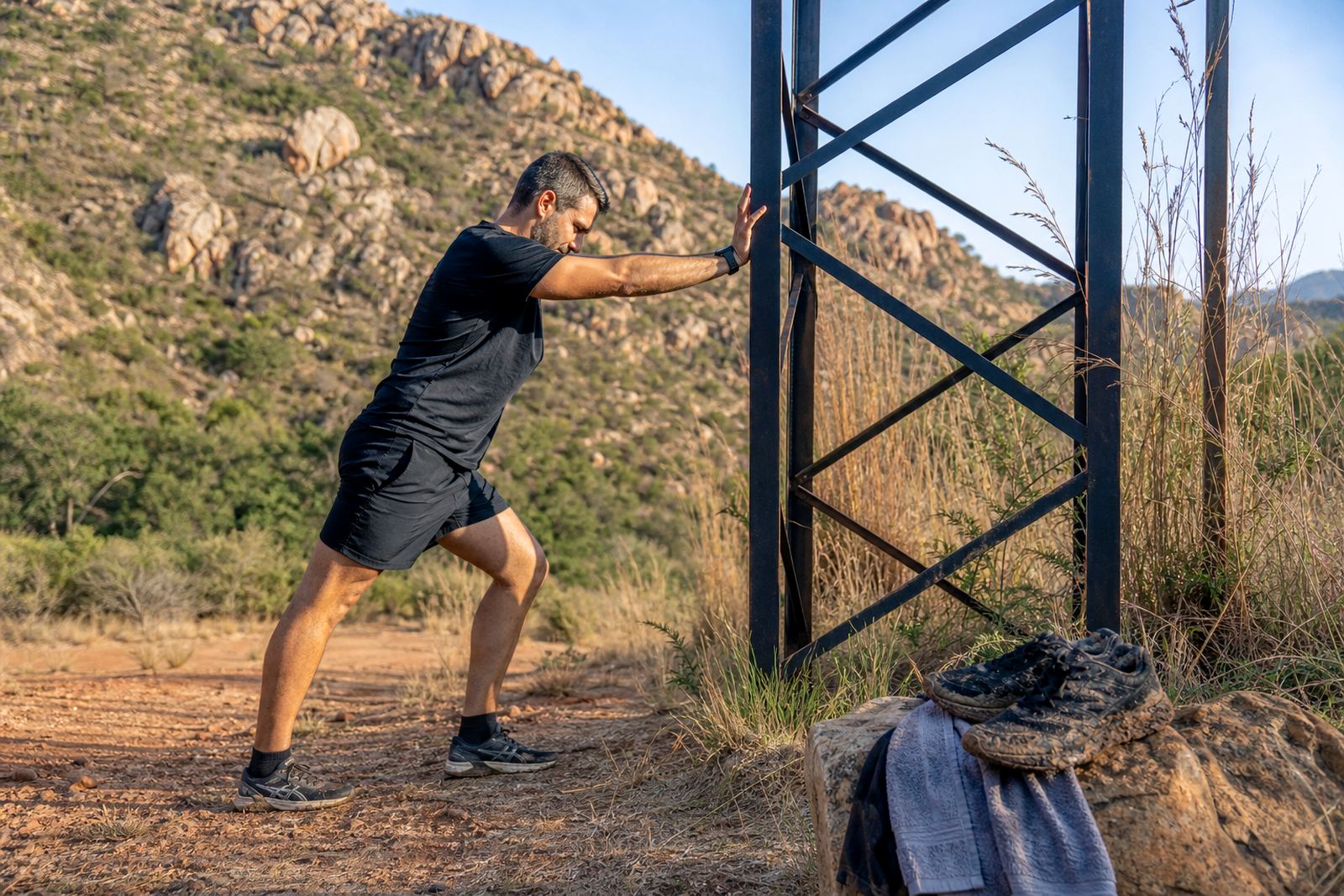
- Walk 5 to 10 minutes to cool down
- Keep one day lighter after demanding work
Check your body before you chase distance
Before hard exercise, check with a doctor if you have chest pain, dizziness, asthma that is not under control, a recent injury or any other concern that could make training unsafe. This is especially important if you have been inactive for a while and are planning to jump straight into long runs or intense hills.
During base building, small warning signs matter. A dull ache that worsens each run, repeated shin pain, or tightness that changes your stride should not be ignored. Back off early and sort it out before it turns into a forced break. It is much easier to lose a week than a month.
- Any pain that changes your running form
- Breathing that stays high on easy efforts
- Unusual fatigue for several days
- Recurring tightness in calves, knees or hips
What to pack for training and race day
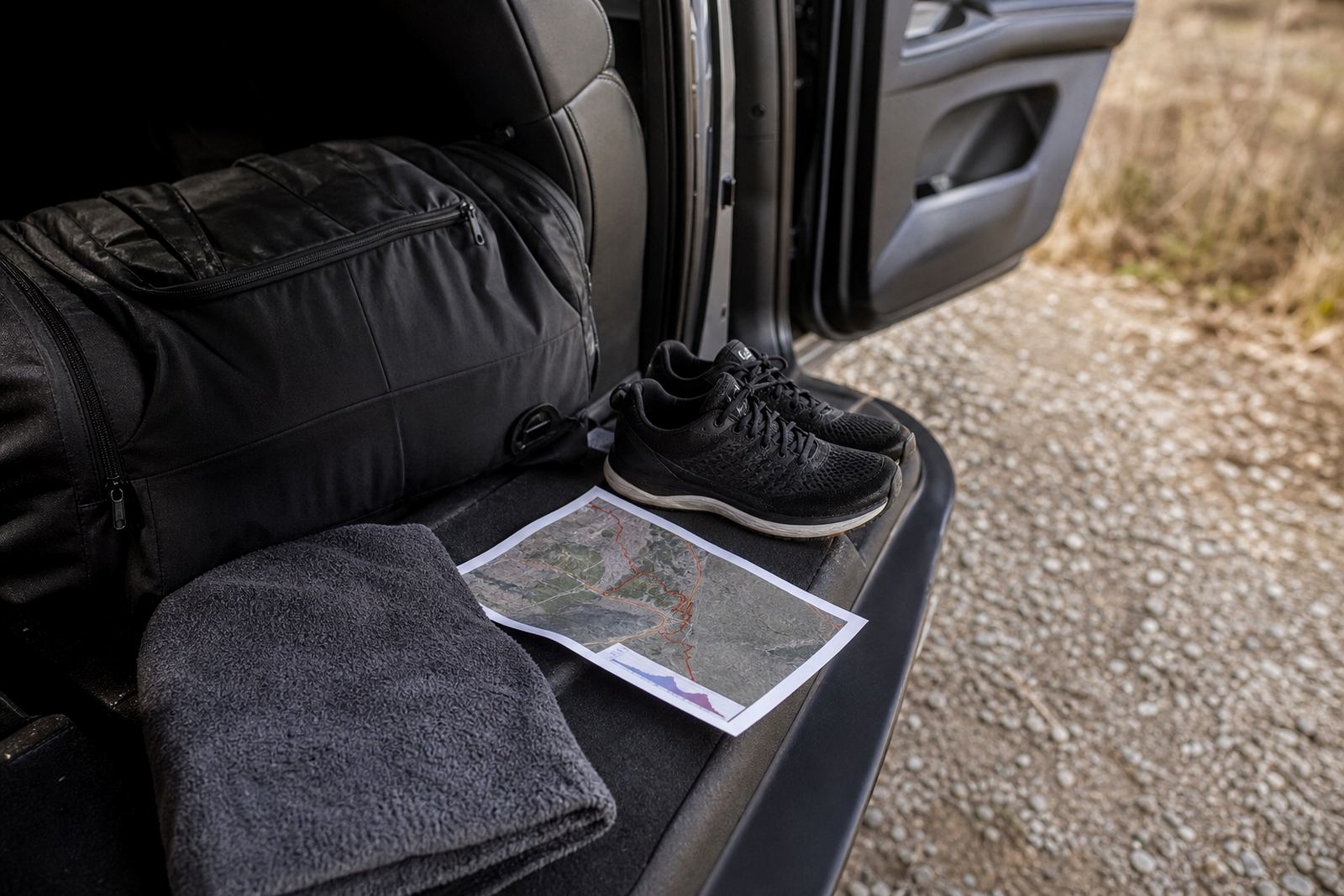
Good base training also means getting used to the kit you will use on event day. Wear shoes that suit mixed ground, with enough grip for dust, mud or wet rock. Test socks, clothing and hydration setup on your long runs before race day so you are not guessing when the course gets rough.
For Punisher events, participants are usually expected to pay attention at the safety briefing, complete the required waiver process and follow staff instructions at the venue. For team entries, it helps to have one captain who can keep the group together and share updates. If you are travelling from Johannesburg, Cape Town, Bloemfontein or elsewhere, arrive with time to spare so check-in is calm and no one starts the day rushed.
- Trail-ready shoes with good grip
- Comfortable clothing that dries well
- Water or hydration pack
- Snug socks and a spare top for after the race
- Any personal items needed for a safe day out
A steadier engine makes the obstacles feel smaller
When the aerobic base is solid, the whole race feels more manageable. You recover faster after climbs, you breathe easier between obstacles and you waste less energy early on. That means more control, better teamwork and a stronger finish.
If your group needs support with team registration, waiver coordination, safety briefings, heat allocation or onsite check-in, use the enquiry form on our contact page. The main thing is to arrive prepared, train steadily, and respect the course on the day.