
Seven Days Out: Settle Your Admin Before the Road Gets Busy
The last week is best used for checking the basics and removing small problems before they turn into race morning stress. If you are entering as a team, make sure the captain knows who is attending, which travellers are coming from Johannesburg, Pretoria, Cape Town, Durban or Bloemfontein, and who is handling the group check in. For corporate groups and mixed teams, keep the names, gate access notes and any waiver details in one place.
If you are unsure about taking on hard exercise, do speak to a doctor before race week ends. That is especially important if you are recovering from an injury, using regular medication, or have not been training consistently. A race like this asks more from the body than a normal gym session, so it helps to be honest about your current level.
- Confirm your entry details and team name if you are part of a group
- Check the venue location and travel time from your side of the North West, Gauteng or further afield
- Make sure all waiver forms are completed and stored where you can find them quickly
- Let your captain know about any issues with grip, knees, ankles or shoulders that affect obstacles
- Read the safety briefing notes if they have been sent through in advance
Midweek Training: Keep It Light, Sharp and Useful
Race week is not the time to test a new training plan. Keep movement light and useful so your legs stay fresh for the course. A steady walk, short jog, mobility work and a few controlled bodyweight movements are usually enough to stay loose.
Around the Magaliesberg and Hekpoort area, the weather can shift quickly. Mornings may feel cool and the midday sun can be strong, so do not chase one hard session just because the forecast looks good. The aim is to arrive feeling ready, not tired. Keep your footing and grip work sensible, especially if you are used to indoor training and the course includes uneven ground, slopes or dusty patches.
- Do one light mobility session for hips, ankles, shoulders and back
- Keep running intervals short if you choose to do any speed work
- Avoid heavy strength sessions that leave your legs sore
- Drink water through the day rather than trying to catch up at night
- Sleep properly and leave the late training ego at home
What to Pack So You Do Not Fumble on the Day
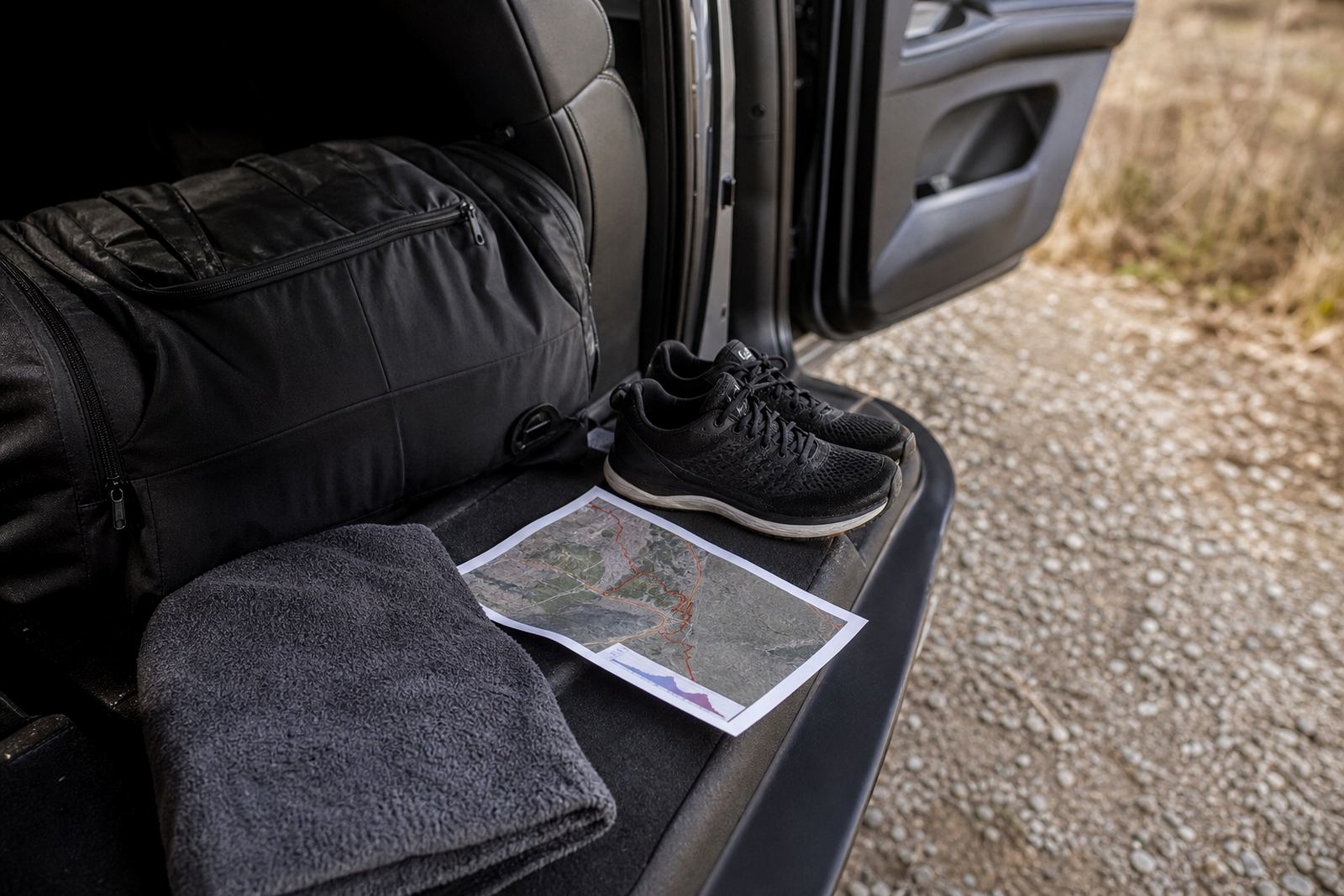
Your bag should be practical and easy to check off. Pack for mud, dust, sun and a long day outdoors. Shoes with good grip matter more than fashion, and socks should be comfortable when wet. If you are travelling from Pretoria, Johannesburg or the Highveld, remember that the temperature can change by the time you reach the Magaliesberg foothills, so a spare layer can help before the start.
Keep valuables to a minimum and pack only what you will actually use. For team events, it helps to keep one person responsible for extras like sunscreen, plasters and spare hair ties. If you are bringing supporters, make sure they know where to stand, where recovery spaces are and which areas are for participants only.
- Trail or training shoes with decent grip and laces that stay tied
- Comfortable socks, spare socks and a light change of clothes
- Water bottle or hydration pack, plus a small snack for after the event
- Sun protection such as sunscreen, cap and lip balm
- Wet wipes, small towel, plaster strips and any personal medication you carry regularly
- Dry bag or plastic bag for dirty kit after the race
Safety Briefing Day: Listen For The Details That Matter
The safety briefing is not background noise. It is where you hear how the course is marked, how obstacles are approached, where marshals are stationed and what to do if you need help. If you are in a team, stay together long enough to hear the full instructions, then share the key points with anyone who missed a section. This is also the time to ask about warmup flow, penalty rules if they apply, and where the recovery area is located.
Keep your ears open for surface changes, climb sections, water use and any areas where caution matters. In the Magaliesberg, loose ground and sun exposure can catch people out if they move too quickly. The briefing is also where waiver steps, team registration help and participant support are usually confirmed, so treat it like part of the event, not a formality.
- Arrive early enough to hear the full briefing without rushing
- Stay with your group until all safety points are covered
- Ask where to report if you feel unwell or pick up a knock during the race
- Check how team captains will receive updates during the event
- Note any restricted areas, obstacle rules or marshal instructions
The Night Before: Keep Dinner, Bags and Sleep Uncomplicated
The evening before race day should feel ordinary. Eat a meal that sits well with you and do not experiment with unfamiliar foods or supplements. Pack your bag once, then check it again after a short rest. If you are driving from Rustenburg, Potchefstroom or further out, give yourself a travel plan that includes fuel, tolls if relevant and a bit of extra time for traffic or weather. A calm arrival is better than a rushed one.
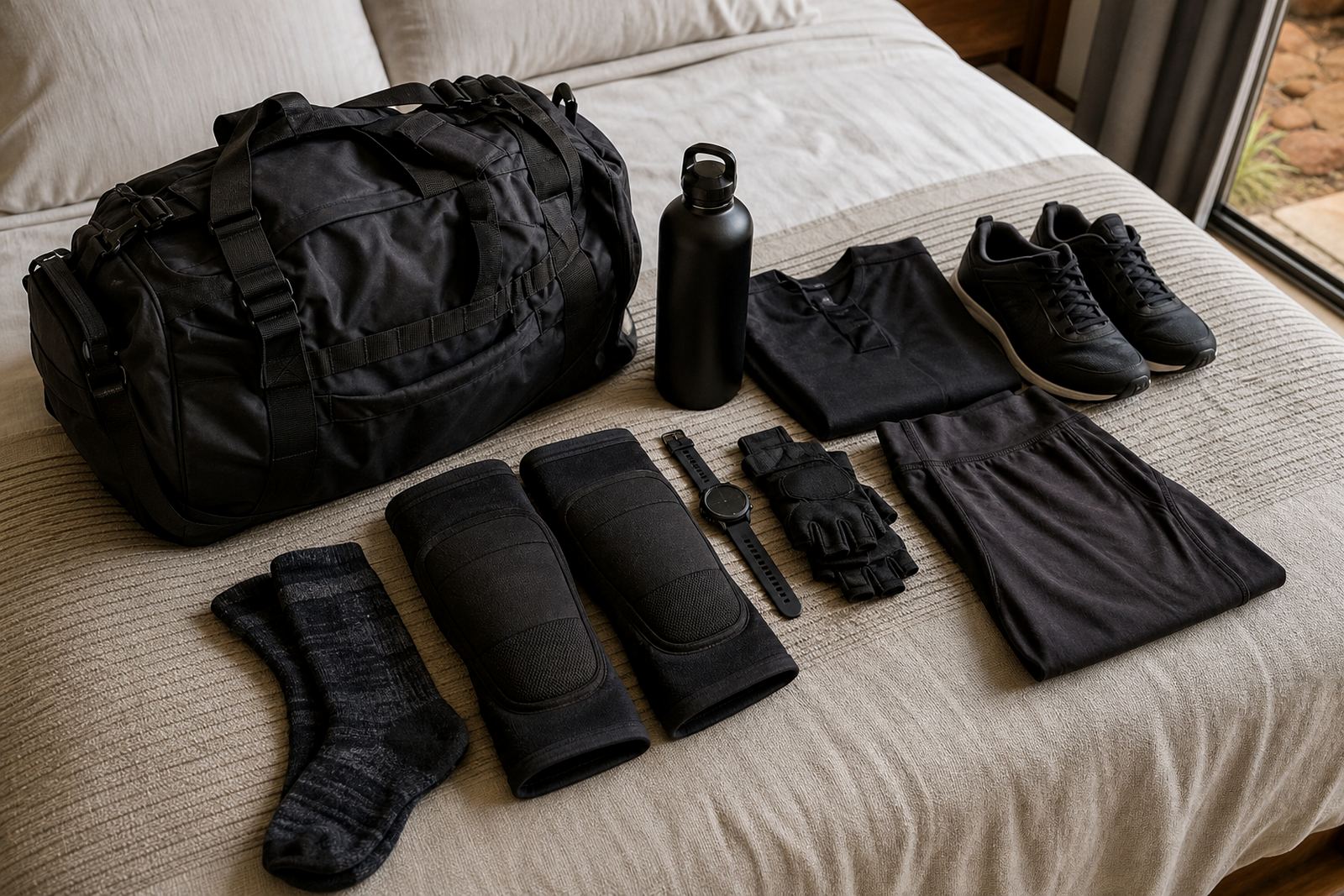
Lay out what you need in the order you will use it. Put your race clothes, shoes, socks, water and documents together. If your team has a captain, confirm the meeting point and agree on one simple place to gather. A proper sleep helps more than last minute panic, and a tidy start makes the morning easier for everyone.
- Lay out your full kit before bed
- Charge your phone and keep the screen brightness low before sleep
- Set out travel documents, waiver copies and ID if needed
- Prepare a light breakfast plan that works for your body
- Go to bed early enough to wake without rushing
Race Morning Rhythm: Warm Up, Check In and Keep Your Head Clear
On race morning, do the basics in a steady order. Eat what you know works, drink some water and arrive with enough time for check in. If you are part of a corporate group or mixed team, stay close to your captain during the final admin steps so nobody misses the heat allocation, team photo moment or custom briefing. Keep supporter plans simple so family and friends know where to wait without crowding the start area.
A short warmup should loosen the body without draining it. Walk, move your joints and practice a few controlled movements that match what you will face on the course. Keep your focus on one obstacle at a time. People from Hekpoort, Hartbeespoort, Krugersdorp, Pretoria and Johannesburg all arrive with different goals, but the useful habit is the same: start calm, listen to marshals and save a bit of energy for the finish.
- Use the warmup session to wake up the body, not wear it out
- Check shoes, socks, race bib or any required identification
- Keep your group together for the final instructions
- Drink small amounts of water, not too much at once
- Leave bags in the correct area and know where recovery support is
After the Finish: Recover With Patience, Not Rush
Once you finish, slow down and let your body settle. Walk for a few minutes, take water and get out of wet kit if you can. A recovery area is useful for this part of the day, especially after tough climbs, carries and grip-heavy sections. If you feel dizzy, crampy or unusually sore, tell the right event staff and do not brush it off. The body often speaks clearly after a hard obstacle race, so listen to it.
For teams, this is the point where the day turns into shared memory. Team photo moments, support for slower finishers and a proper debrief all matter. If you travelled in from outside the region, keep the post-race plan simple so the drive home does not become another endurance test. A good finish is one where everyone gets home safely and knows what went well, and what needs work for next time.
- Walk a little before sitting down for too long
- Change out of wet or muddy clothes as soon as practical
- Eat a simple recovery snack if you tolerate food well after exercise
- Check for blisters, scrapes or strains before you drive home
- Hydrate steadily for the rest of the day