What the Roodepoort family brief asked for on the ground
This project was for a Roodepoort based family group entering an outdoor obstacle course event in the Magaliesberg, with support from travellers and local relatives who wanted to spend the day together. The request was practical: keep the participant process organised, make it easy for supporters to know where to stand and when to move, and make sure no one felt lost in a busy outdoor setting.
The brief also had a few firm limits. The event had to work for mixed fitness levels, which meant a clean split between competitive participants and family members who were there to support. We kept the flow usable for people arriving from Johannesburg, Pretoria and the West Rand, with enough guidance for those coming through Hekpoort, Krugersdorp and nearby access roads where traffic can build quickly on weekends.
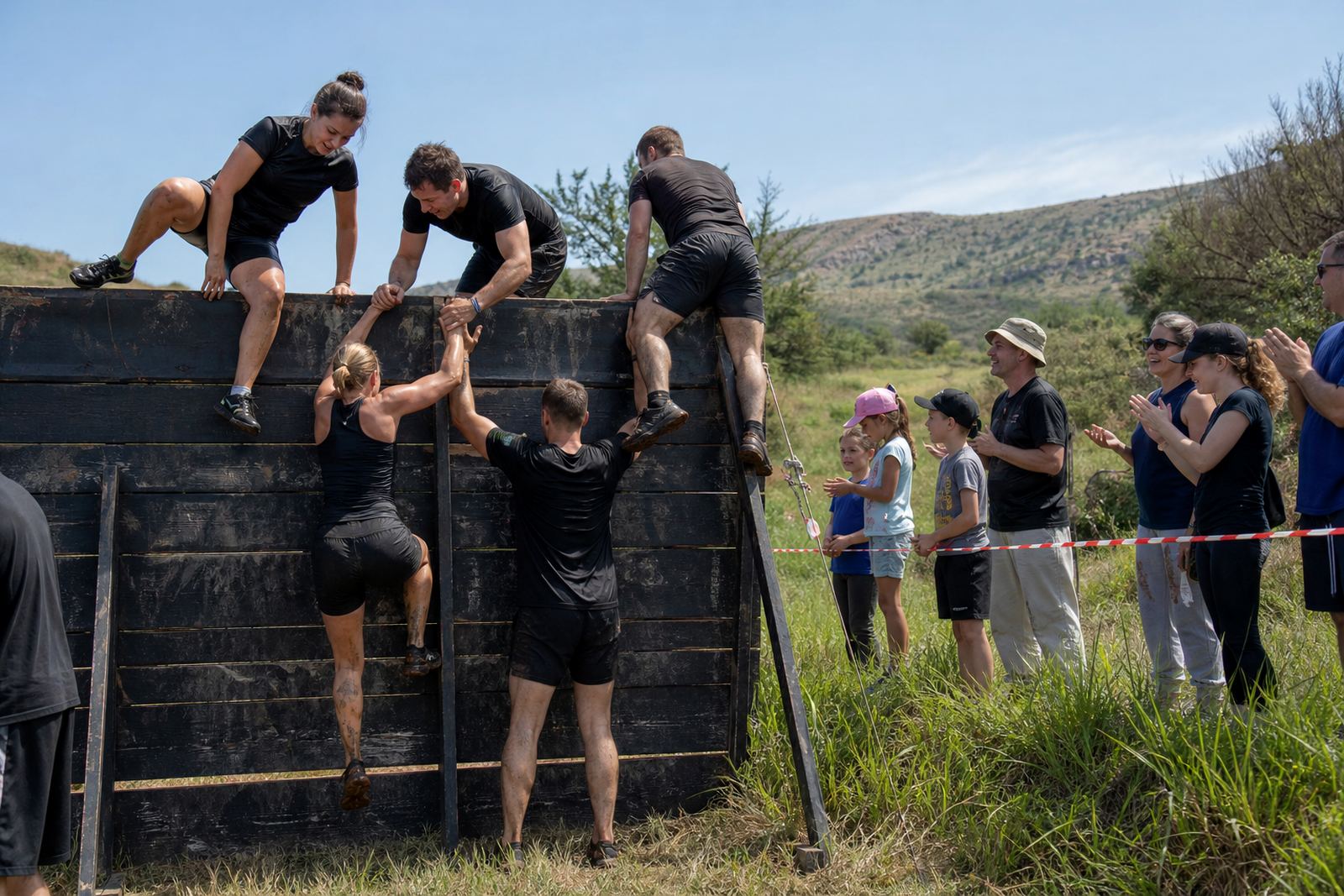
- Family support area close enough for cheering, but clear of obstacles and run lines
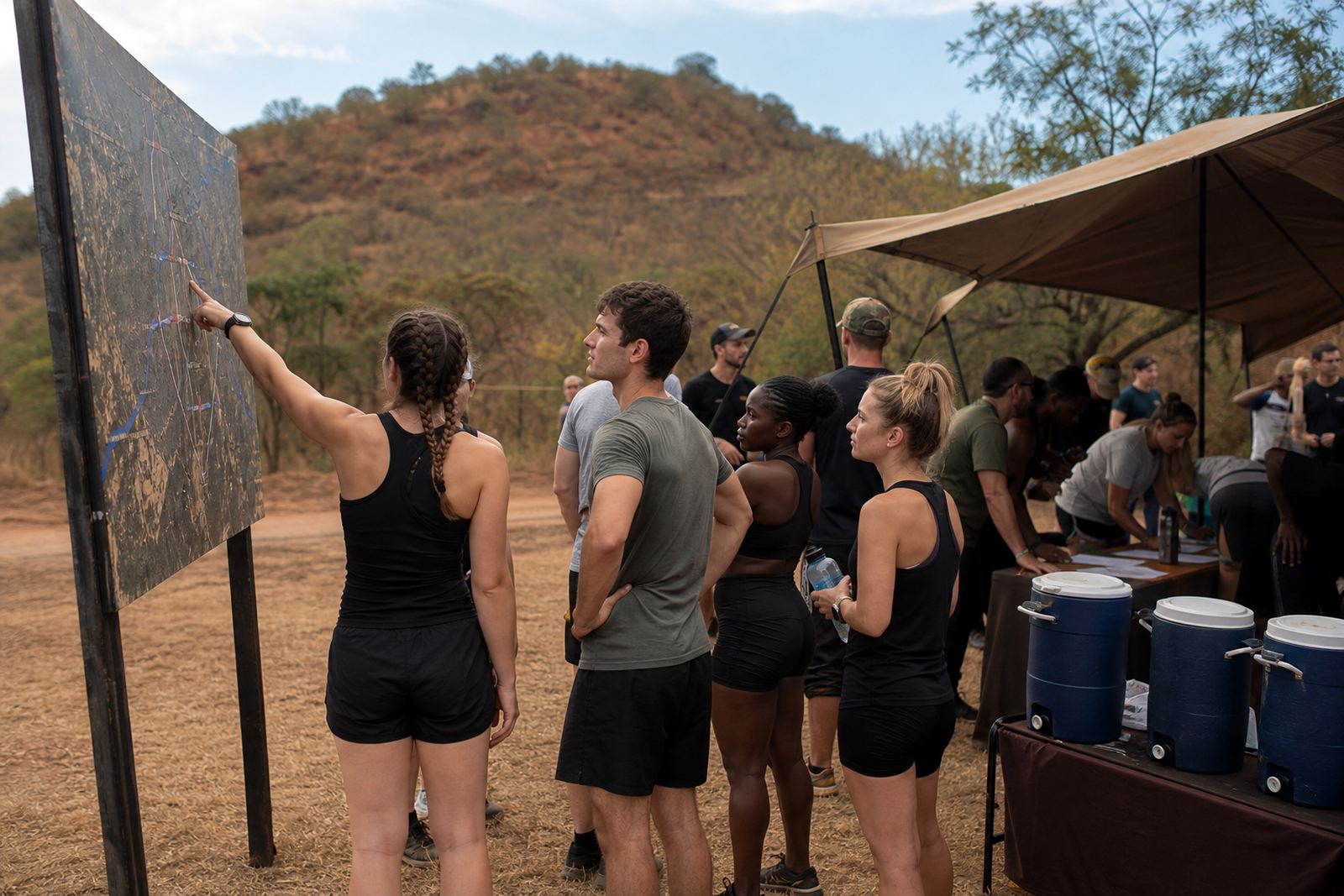
- Participant check in that handled waivers, group names and captain updates
- Safety briefing groups that kept instructions short and easy to follow
- Warmup space and recovery guidance for adults taking part in hard exercise
Course flow shaped for supporters, not just runners
The main challenge was balancing the energy of an obstacle course with the needs of families who wanted to stay together. We planned the day so the supporter side of the venue had a clear viewing pattern, shade where possible, and a sensible path between arrival, briefing, finish area and recovery space. That mattered because the Magaliesberg weather can change quickly, and in winter the mornings are cold while summer can bring heat and dust.
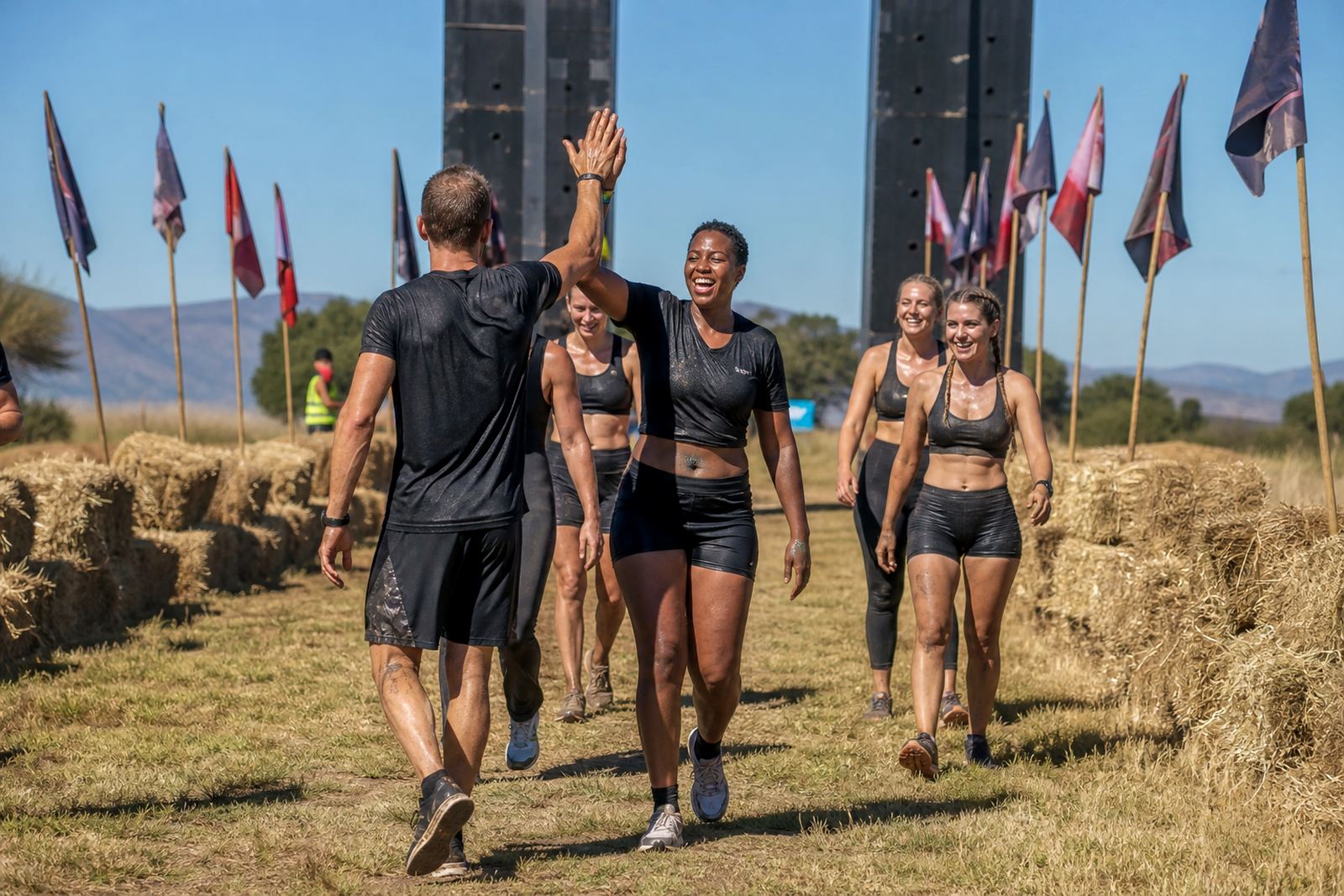
For the participant side, the course build team and safety lead worked through the obstacle sequence to keep movement steady and avoid bottlenecks. That included a clean start area, marked transitions between obstacles, and a finish approach that let people collect themselves before meeting family. We also kept the setup suitable for people from Cape Town, Durban and Bloemfontein who may have travelled far and needed a clear rhythm rather than extra admin.
- Separated supporter and participant movement where the terrain narrowed
- Briefing points positioned away from dust and engine noise
- Recovery space set for water, light stretching and shoe changes
- Family meeting points chosen to reduce crowding near the course finish
What we supplied from Hekpoort to the finish line
Our team handled the service stack around the race day rather than trying to overcomplicate it. The operations side coordinated entries and check in, the participant support side watched the flow of families and teams, and the safety officer handled the briefing notes and waiver process. We also prepared custom team briefing notes for captains so that each group knew how the day would run before they stepped onto the course.
The work suited our base in Hekpoort because the venue and access roads are familiar to us, and the local conditions matter. We know that municipal rules, parking control, and practical site movement can affect the whole day, especially when multiple families arrive together and supporters want to park close. The aim was to keep the process calm and direct, with fewer delays at the gate and better movement inside the venue.
- Corporate entry planning for the family group and related entrants
- Waiver coordination before race start to limit confusion at check in
- Onsite team check in with captain communication
- Supporter planning, recovery area guidance and team photo moments
Safety briefings that people actually heard
Bianca Khoza ran the safety and briefing side with a clear rule: short instructions, plain language, no rushing. That mattered because obstacle course races can look playful from the outside, but they still demand attention, grip, balance and pacing. Participants were told to check with a doctor before hard exercise if they had any concerns, and the briefing covered hydration, footwear, and how to handle the course if someone felt unwell.
We kept the messaging consistent across all groups so supporters also understood where not to stand, how to move children safely, and when to give space near obstacles. In the North West heat, and especially on exposed ground, that kind of clarity helps prevent panic. The setup included a recovery area for people who finished early, plus a warmup zone so teams could loosen up before the start without crowding the route.
- Briefing groups split to keep noise down and attention up
- Warmup session before the start for mobility and pacing
- Clear reminders about hydration, footwear and grip
- Recovery guidance for cramps, fatigue and waiting family members
A four week run-up with each role locked in
The project was delivered over four weeks. Week one focused on entry structure, supporter access and captain communication. Week two dealt with course layout, briefing notes and the practical movement plan around the venue. Week three brought the final participant lists, waiver flow and family support structure into line. Week four was the on-site delivery window, where the team arrived early, tested the setup and handled last minute changes without making the day feel frantic.
That timeline gave each lead a clear job. Lerato Zondo kept operations moving, Johan du Plessis managed the course build checks, Ayanda Nxumalo handled participant support, Tshepo Khumalo prepared training content, Carmen Botha coordinated corporate-style entry support, and Mandla van der Merwe oversaw the whole project from the Hekpoort base. The result was a day that felt organised for both runners and supporters, which is what the Roodepoort family asked for in the first place.
- Week 1: registration structure and supporter planning
- Week 2: safety notes, route flow and briefing content
- Week 3: waiver checks, team allocation and final confirmations
- Week 4: onsite delivery, check in and recovery support
What went right at the Roodepoort family support day
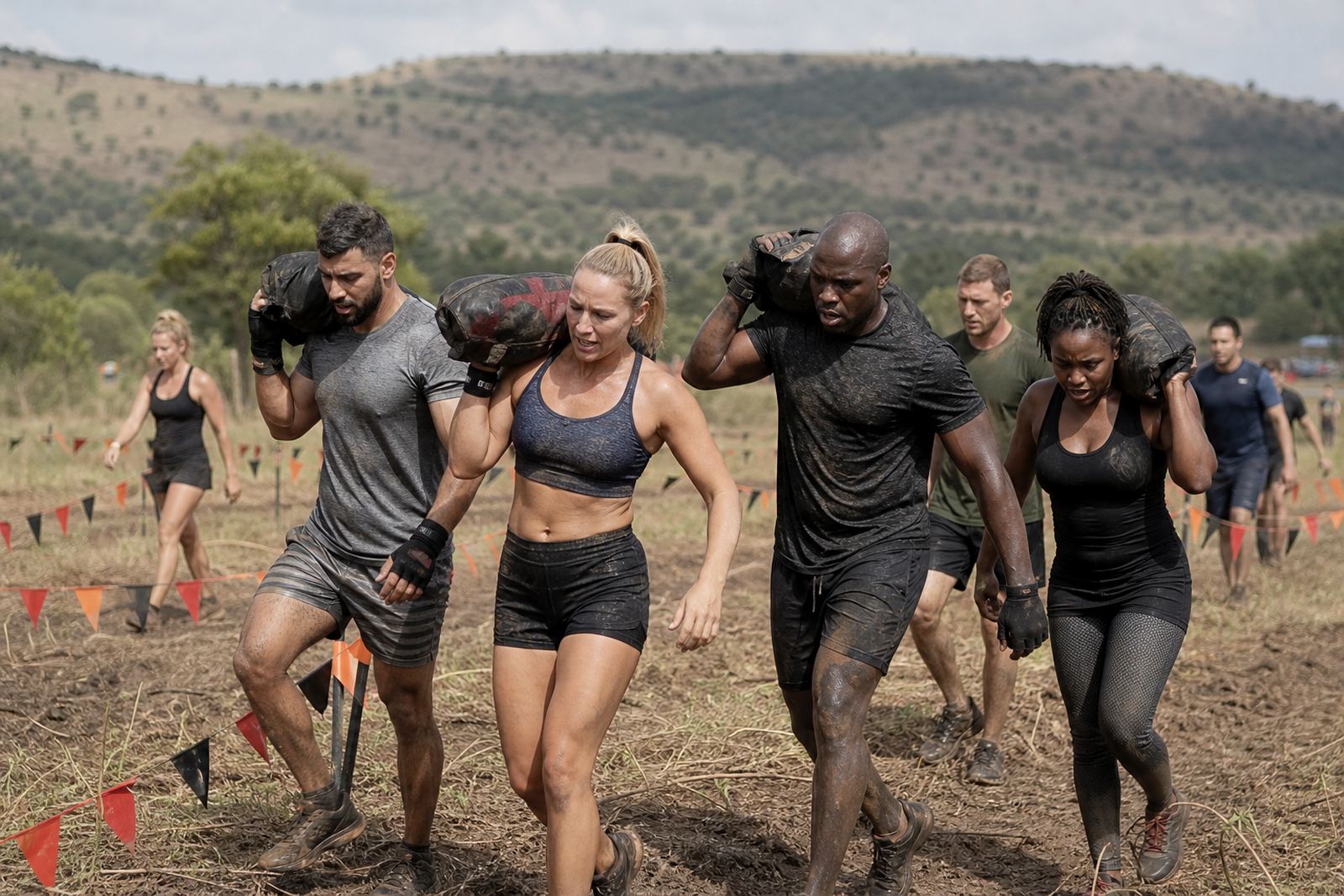
The strongest result was that families could enjoy the day without needing to guess where to go. Supporters had a proper place to wait, participants had a clean start routine, and the team had enough structure to handle the pace of an outdoor event without slowing everything down. The supportive feel also helped first-time entrants settle in, which is important when someone is facing mud, climbs, carries and balance obstacles for the first time.
We would do the same kind of setup again for a Roodepoort family group, with a few practical repeat steps that proved useful. Keep the supporter areas clearly marked, place the recovery point close enough for tired finishers, and make sure every captain has the same briefing note. That approach works well for local families and for travellers coming in from Pretoria, Johannesburg and the other access towns we serve.
- Better flow between arrival, briefing and start area
- Less confusion around waivers and team check in
- More comfortable support space for families and children
- Cleaner finish area handover into recovery and photo moments
Key facts from this support project
This Roodepoort family support project was built around an obstacle course and endurance challenge in the Magaliesberg area, with a strong focus on safe movement, family visibility and practical site control. It drew on our Hekpoort base and our usual service lines, but the delivery was tailored to a family group that needed clarity more than spectacle. That is often the difference between a busy race day and one that feels manageable for everyone involved.
If a similar group needed the same setup again, the process would stay direct: clear entry help, short briefings, sensible recovery space and proper support for everyone on site. The terrain, the heat and the hills will always ask a lot from participants, so the day has to work hard around them.
Key facts
| Project type | Roodepoort Family Support for an obstacle course race day |
|---|---|
| Region | Magaliesberg, North West with access from Roodepoort and nearby Gauteng towns |
| Base | Hekpoort, Magaliesberg |
| Timeline | 4 weeks from planning to onsite delivery |
| Core services used | Corporate Entry Planning, Team Registration Help, Waiver Coordination, Safety Briefing Groups, Onsite Team Checkin, Recovery Area Guidance |
| Team lead | Mandla van der Merwe, with support from Lerato Zondo, Johan du Plessis, Ayanda Nxumalo, Bianca Khoza, Tshepo Khumalo and Carmen Botha |