
A race day that did not ask beginners to guess
The brief for this project came from a Randburg client group that wanted a first-time friendly event, not a hard-edged race day that left new participants unsure of what was waiting at each obstacle. The main ask was clear: keep the energy up, but build in enough structure so people could arrive nervous and still feel ready after the briefing. That meant a careful balance between challenge, explanation and support.
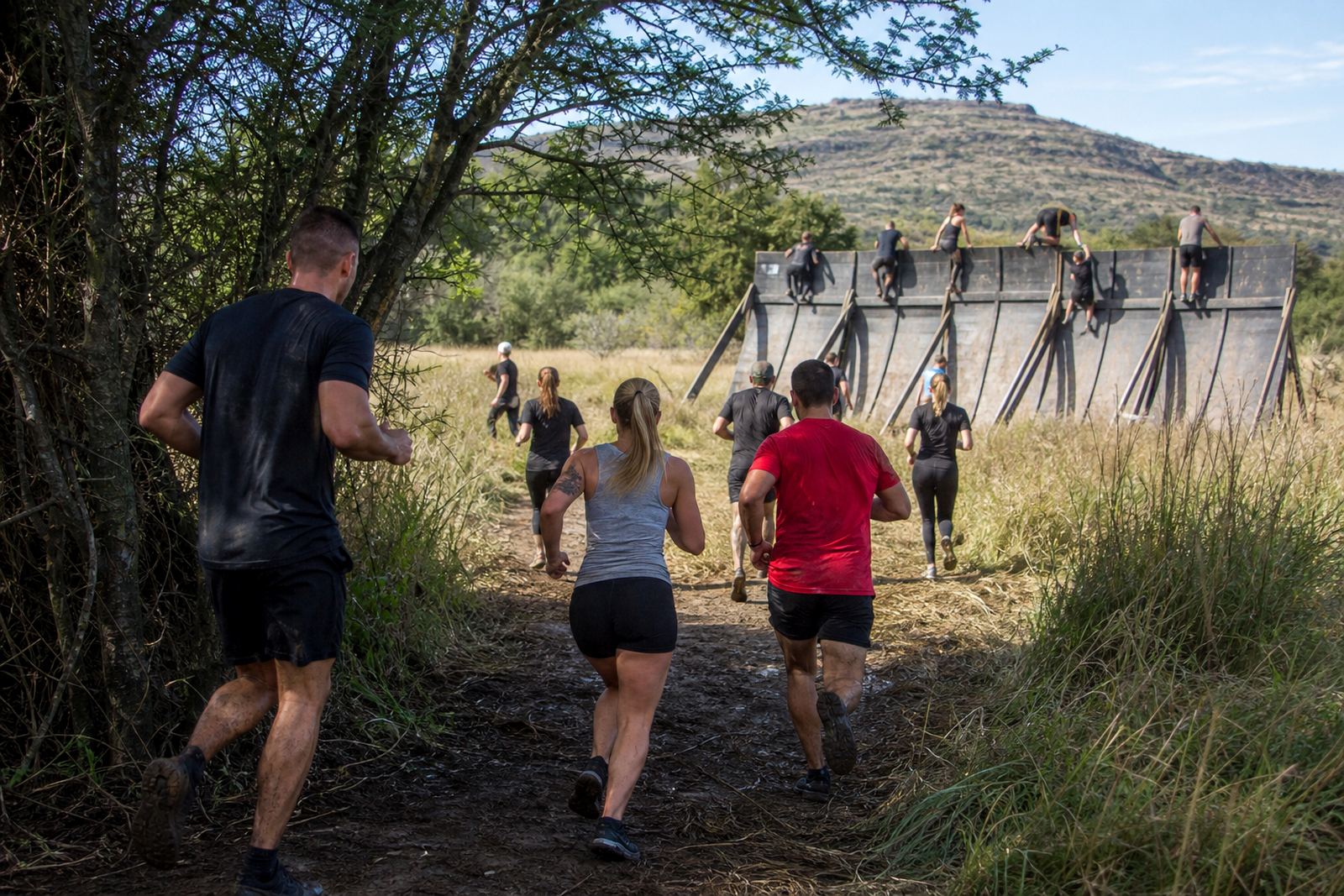
The event was set up as a beginner entry point for people from Randburg, with travel into the Magaliesberg area for an obstacle course experience that still felt proper and physical. The route used mixed terrain, water points, mud sections and body-weight obstacles, but the layout was paced so participants could settle in before the more demanding sections. The tone on the day stayed practical and calm, with support at each stage rather than a loud hard sell style.
What the Randburg group needed before the first whistle
The client wanted a race format that would suit first-timers, plus clear communication for participants who had never done a timed obstacle event before. That included waiver coordination, team registration help, a proper safety briefing and warmup guidance. It also meant making sure people knew what to bring, where to report and how the morning would run. A few participants were worried about grip strength and climbing obstacles, so the support material had to be plain and practical, not technical.
- Clear entry steps for each participant and team captain
- Waiver handling before the start so check-in stayed orderly
- Group warmup session with mobility, breathing and pacing cues
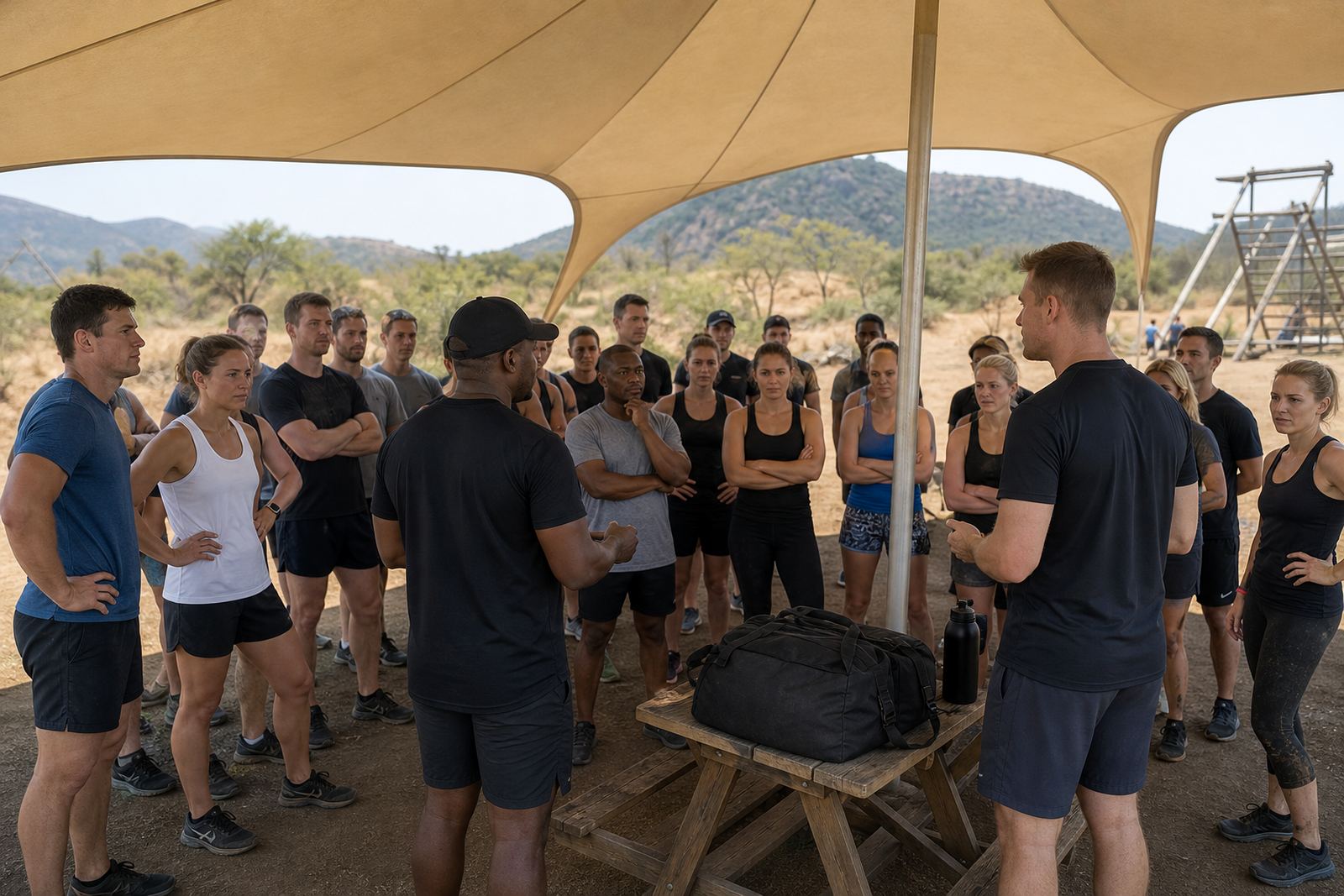
- Safety briefing groups split into manageable numbers
- Supporter planning for family members waiting at the venue
Because the event was aimed at beginners, the message also covered footwear with decent traction, a change of clothes, water, sunscreen and a small towel. For anyone with a medical concern, the note was to check with a doctor before hard exercise, especially if they had not trained recently. That message mattered because obstacle racing can look playful from a distance, but the work rate rises quickly once the start line is crossed.
How the day was built from Hekpoort outward
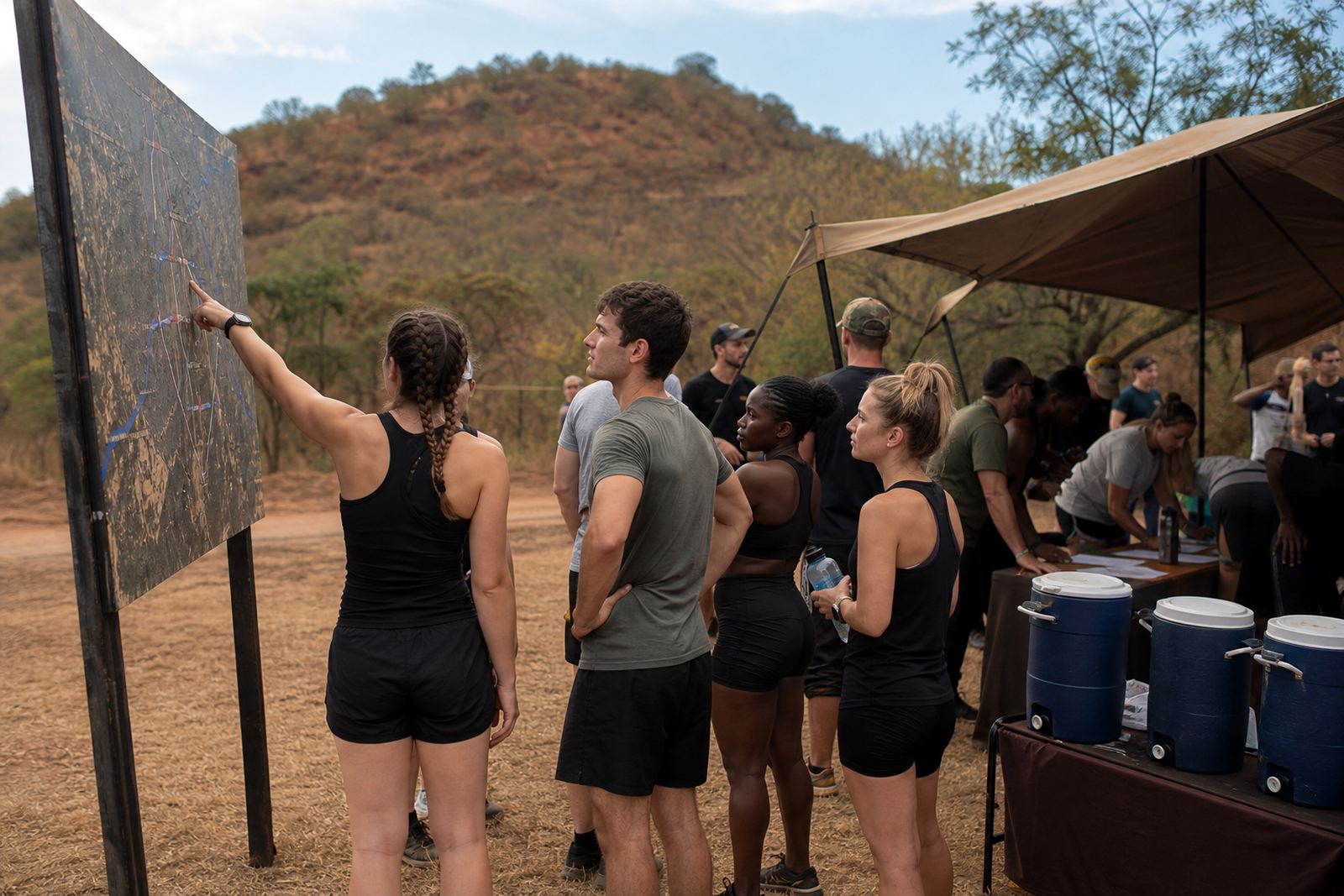
The project was run from the Hekpoort base in Magaliesberg, with venue planning shaped around the local ground conditions and the fact that many entrants were travelling from Johannesburg and Randburg. The course build team set up obstacle zones in a sequence that allowed people to find their rhythm. There were climb elements, crawl sections, carry tasks and short recovery gaps between tougher pieces. The brief also asked for a recovery area that was easy to reach, especially for runners who needed a breather after the first few obstacles.
Operations were managed in steps over a three week lead time. In week one, the entry flow, waiver process and participant communication were mapped out. In week two, the briefing structure, course flow and heat allocation support were locked in. In week three, final participant instructions, onsite team check-in and support area details were confirmed. The timeline was tight, but not rushed, and that mattered because beginner participants need certainty right up until race morning.
- Week 1: entry structure, waiver coordination and participant messages
- Week 2: course flow, support stations and briefing group setup
- Week 3: final check-in details, heat allocation and day-of support plan
Safety notes, briefings and the kind of control beginners notice
Bianca Khoza handled the safety and briefing side, with a strong focus on simple instructions that people could remember under pressure. That included obstacle technique reminders, when to slow down, how to call for help and what to do if someone slipped in mud or lost confidence on a climb. The goal was not to overtalk the day, but to make sure no one felt left guessing. A few minor course adjustments were made after checking the ground, because Magaliesberg weather can change footing quickly and a wet patch can catch out a nervous runner.
For first-timers, the safest part of the event was the briefing itself. Once people understood the order of the obstacles, where to queue and how team captains would be updated, the tension dropped. Support staff stayed visible at the tougher points and at the recovery area, and the instructions were repeated in a straightforward way. It is a small thing, but calm repetition helps more than fancy language when people are standing at an obstacle for the first time.
What the support crew handled on the ground
Ayanda Nxumalo coordinated participant support, while Carmen Botha handled corporate entries and team communication. Lerato Zondo kept the operations flow moving, and Johan du Plessis led the course build side. Tshepo Khumalo prepared training content that explained how to pace effort, breathe under load and save energy for the later sections. The result was a full support line from registration through to recovery, with fewer delays at check-in and less confusion at the start.
On the ground, the team managed:
- Onsite team check-in with name verification and waiver confirmation
- Captain communication for group updates and start details
- Heat allocation support to reduce bottlenecks at the first obstacle
- Custom team briefing for mixed fitness levels
- Team photo moments before and after the run
That support mattered for a Randburg group because people arriving from different fitness backgrounds often need the same thing: a clear first ten minutes. Once that part is handled, the rest of the day feels less intimidating and more like a proper shared effort. The course still tested people, but it did not punish them for being new to it.
What shifted by the finish line
The strongest result was confidence. Participants who arrived unsure about obstacles, mud and climbing finished with a much clearer sense of how event day works. Several runners used the recovery area, then moved on to support teammates instead of heading home straight away, which gave the day a better group feeling. The extra orientation also reduced late questions, and the start line moved without the usual stop-start confusion that can happen when beginners are left to figure things out on their own.
The project also showed that beginner-friendly does not mean watered down. People still got a physical test, just with better support around it. For a Randburg audience, that balance worked well because it respected both the challenge and the nerves that come with a first obstacle event. The atmosphere stayed lively, but the structure held it together.
What carries into the next beginner start
The same approach would carry into another beginner event: early waiver handling, clear briefing groups, a visible recovery area and plain language around what to bring. The race day also proved the value of keeping the course order sensible, so participants build confidence before reaching the more demanding obstacles. That approach fits obstacle course racing in South Africa, where weather, travel time and mixed fitness levels can all affect how people experience the day.
For future beginner entries, the useful lesson is to protect the first hour. If the check-in is smooth, the briefing is clear and the warmup is handled properly, the whole event tends to run better. It is a practical lesson, not a flashy one, but it makes a real difference for first-time runners and their teams.
Key facts
| Project | Randburg Beginner Event |
|---|---|
| Client type | Small mixed-fitness participant group from Randburg |
| Base of operation | Hekpoort, Magaliesberg, North West |
| Timeline | 3 weeks from planning to race day |
| Core support | Registration help, waivers, safety briefings, warmup and recovery guidance |
| Audience reach | Johannesburg, Pretoria, Cape Town, Durban and Bloemfontein entrants travelling in |