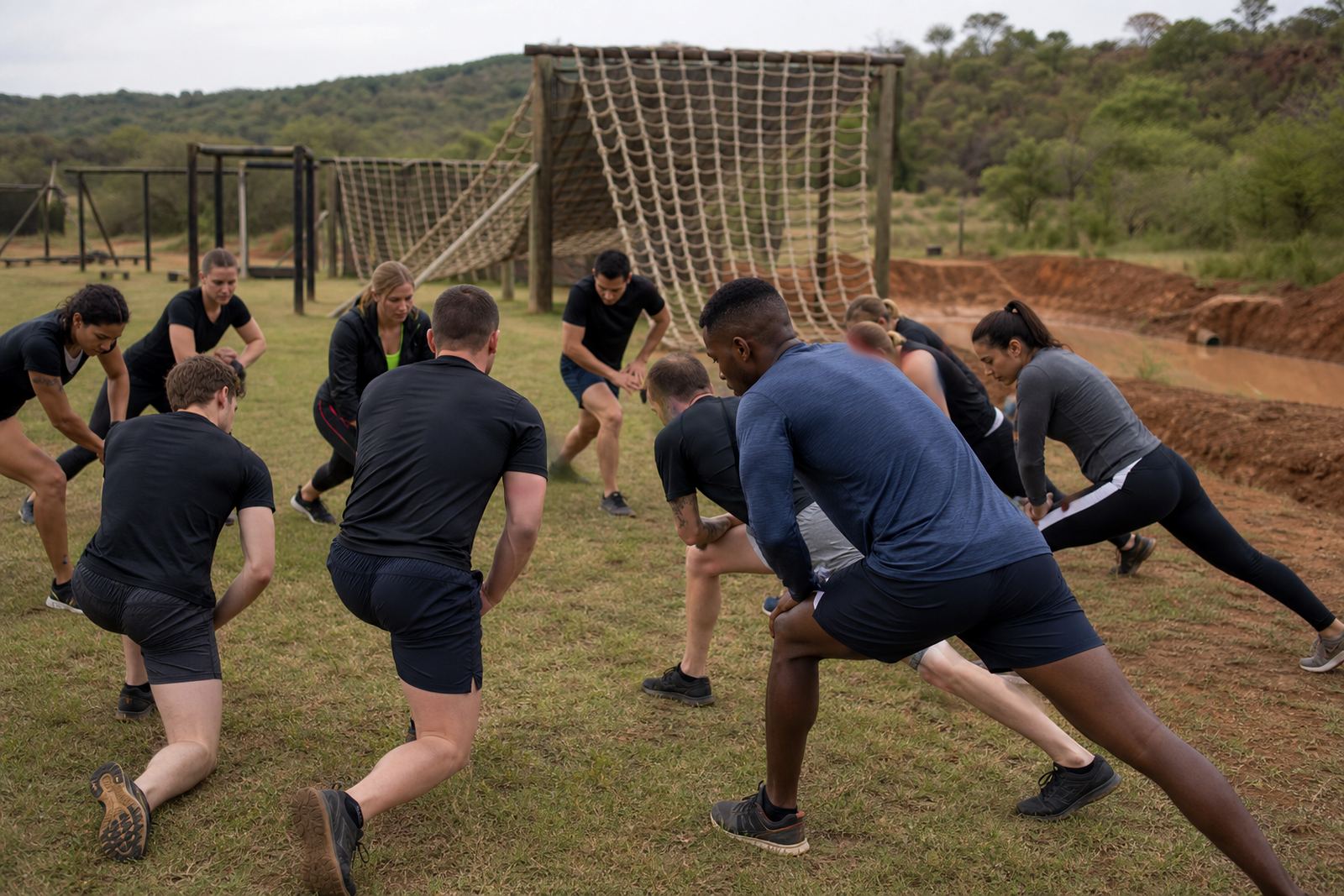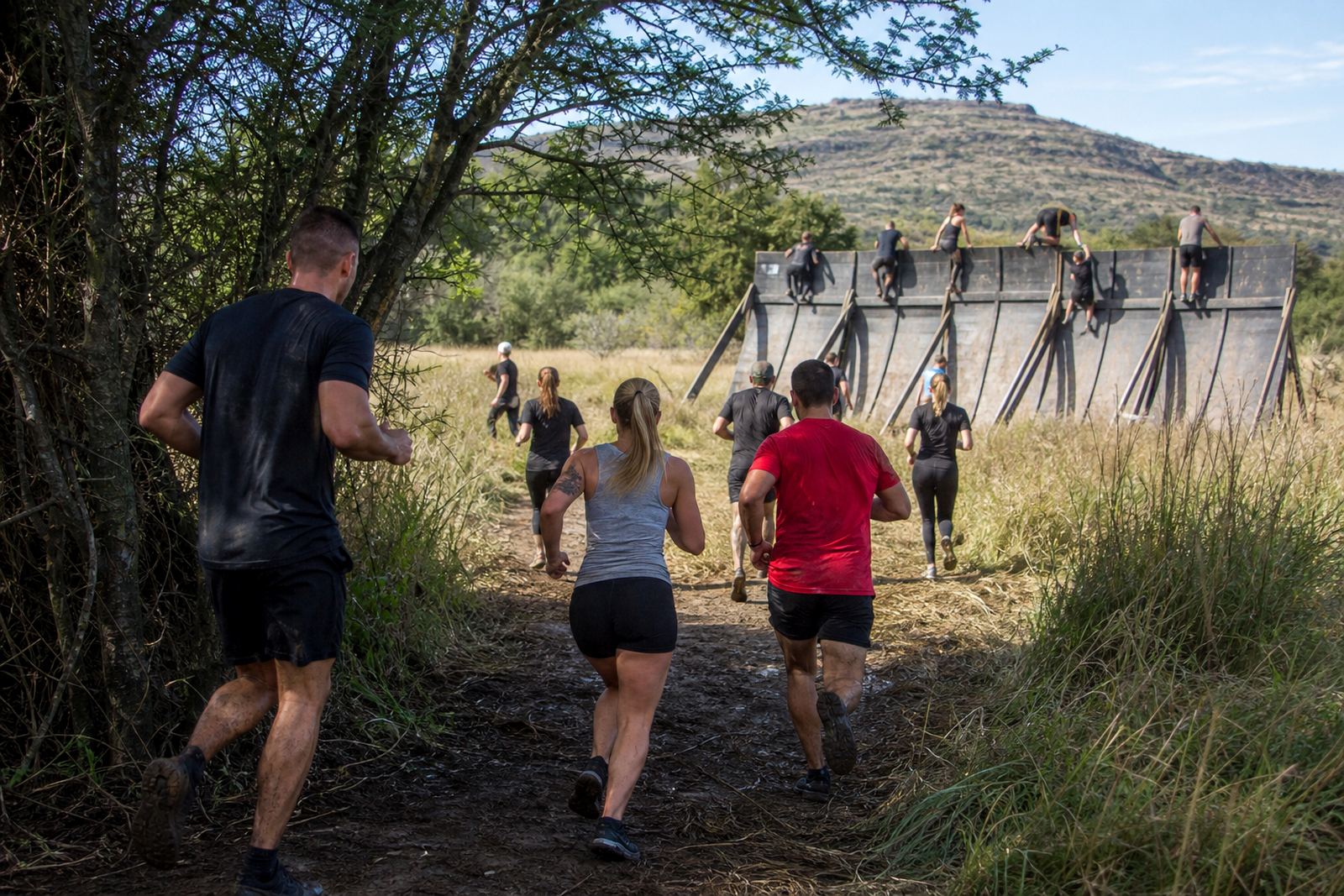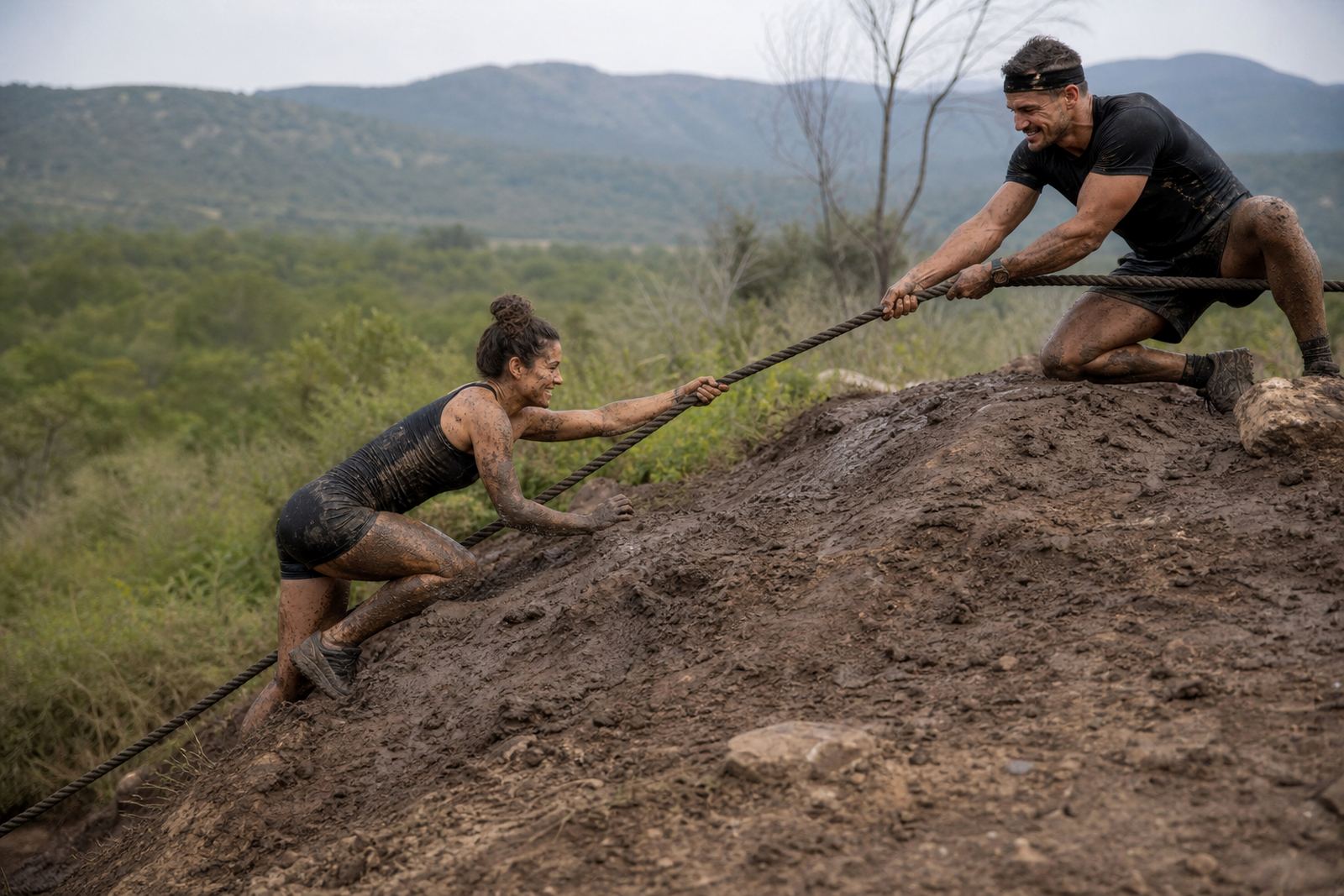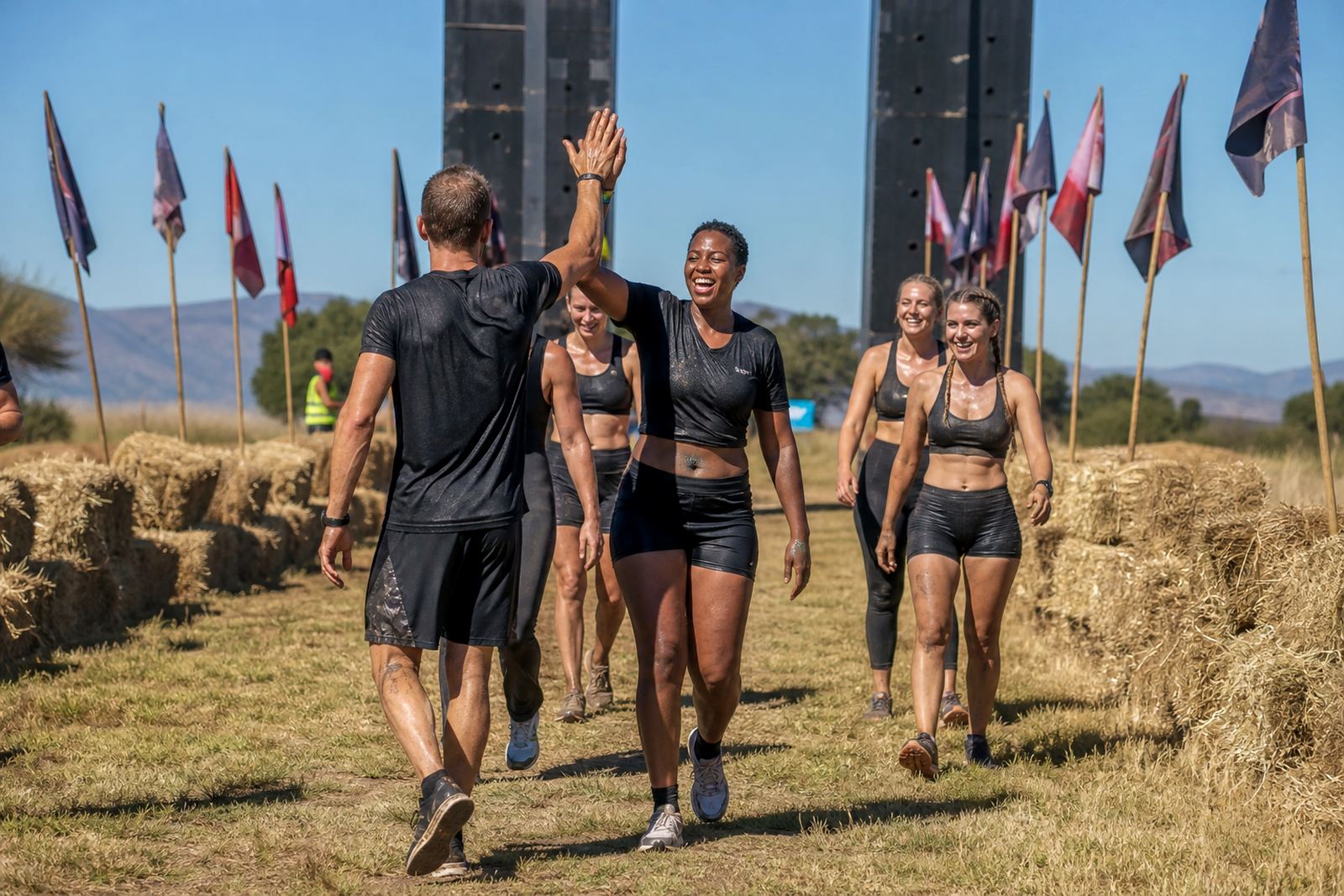
A Soweto day built around getting everyone through the line
The client was a community organisers group based in Soweto, with the event tied to local participation and family support rather than elite racing. They wanted a day that felt active and proud, but not intimidating, and they needed obstacle course racing to be explained in plain language so participants could decide how to take part with confidence.
The brief was practical: set up a course that could handle mixed fitness levels, organise the event flow so arrivals did not clog the start area, and make sure safety briefings, waivers and team movement were handled without confusion. We also had to keep the day inclusive for runners, walkers and mixed pace groups, which meant the whole layout had to be easy to understand from the moment people arrived.
What had to work on the ground
The main constraint was access. Community days need a smooth plan for parking, group arrival and warm-up space, especially when people travel in from different parts of Johannesburg and the surrounding areas. Another constraint was the event mix itself. Some participants wanted to race hard, while others only wanted to finish comfortably and enjoy the day. That meant the course could not rely on one pace or one type of athlete.
- Clear entry control for participants, supporters and event staff
- Waiver coordination before the start so the queue stayed moving
- Safety briefing groups split by arrival time and activity level
- Simple heat allocation so participants knew when they were on deck
- A recovery area close enough for tired runners, families and support teams
The plan had to stay orderly even if the day shifted a bit, and participants had to feel informed at every step.
The event flow we put in place
We supplied a full participant flow from check-in through to recovery. That included team registration help, onsite team checkin, captain communication and custom team briefing support so group leaders knew where to send people and when. Bianca Khoza led the safety and briefing side, while Ayanda Nxumalo handled participant support so questions were answered quickly and people were not left standing around unsure of the next step.
Lerato Zondo coordinated the day-to-day operations, and Johan du Plessis oversaw the course build so the obstacles were practical, visible and safe to move through. Tshepo Khumalo prepared training content that explained how to handle the walls, carries, climbs and balance sections without overcomplicating it. Carmen Botha handled the corporate entry side where group organisers needed help with naming, heat placement and supporter planning. The result was a course day that felt structured, but still had a lively community feel.
How the course was explained to first timers
Many participants had never done an obstacle race before, so the event depended on proper explanation. We made sure the pre-race talk covered the course order, what to bring and how to move through each station without crowding the next team. That included gloves where needed, water, a change of clothes, sun protection and enough food for a full outdoor morning. We also advised everyone to check with a doctor before hard exercise if they had any concerns about training, heart health or recovery.
- Bring water in a sealed bottle or hydration pack
- Wear trail shoes or trainers with grip, not smooth soles
- Carry a spare shirt and dry socks for after the race
- Use sunscreen and a cap for open sections
- Keep a towel and small snack in a labelled bag
The briefing was kept calm and direct, because if people understand the flow they settle faster. That helped the whole crowd, not just the fastest runners. It also reduced repeat questions at the start line, which always helps on a busy day when volunteers are already moving a lot of people through a short window.
Timeline from planning to race day
The project ran over four weeks. Week one covered the brief, event layout and participant flow. Week two focused on waiver setup, safety briefing structure and the first version of the course plan. Week three dealt with group allocation, staff roles and final adjustments to the support areas. Week four was used for on-site setup, participant arrival control and live event management on the day.
That timeline worked because the client needed certainty more than drama. It gave enough time to sort out the practical issues, from movement around the venue to how supporters would gather without blocking racers. The project also allowed space for last minute changes, which is normal with community events and outdoor courses. One small delay in the early planning stage was caught in time, so the day still ran to plan and the team did not need to improvise under pressure.
What the day achieved, and what worked well
The strongest result was participation confidence. People arrived unsure, then settled once the briefing and check-in process made sense. Teams moved through the course in a steady rhythm, supporters had a place to stand, and the recovery area gave tired participants a proper finish space. The event delivered what the client wanted: a community day that felt inclusive, active and well managed from start to finish.
If we repeated the project, we would keep the same core structure and add even more emphasis on early participant guidance, especially for groups travelling from outside Soweto. We would also continue using the same split between operations, briefing, support and course build, because that division kept the day moving cleanly. For organisations planning obstacle course races or endurance challenges, the lesson was clear: when the flow is easy to follow, the whole day feels better.
Key facts
| Project type | Community obstacle day |
|---|---|
| Client location | Soweto, Gauteng |
| Base of operations | Hekpoort, Magaliesberg |
| Timeline | 4 weeks |
| Core services | Registration help, waivers, briefing groups, heat allocation, onsite check-in |
| Key outcome | Clear flow for mixed fitness levels and first time participants |